JMIR Serious Games
Fully open-access JMIR journal on serious games, gamification and games for health. Only papers about games are included.
Documents
Electrophysiological Insights in Exergaming: Electroencephalography Data Recording and Movement Artifact Detection
Integrating electroencephalography (EEG) into exergaming research offers a promising pathway for evaluating cognitive states like attention and concentration during physical activity.
- Motion artifacts during exergaming can cause signal loss of up to 50 percent in electroencephalography (EEG) data, significantly compromising the integrity of neuroscientific measurements.
- The current body of exergaming research lacks standardized protocols for noise reduction and signal processing, which prevents effective cross-study comparisons and reproducibility.
- An analysis of 17 studies indicates a high risk of bias due to small, non-diverse sample sizes and a lack of longitudinal data, limiting the generalizability of findings across different demographics.
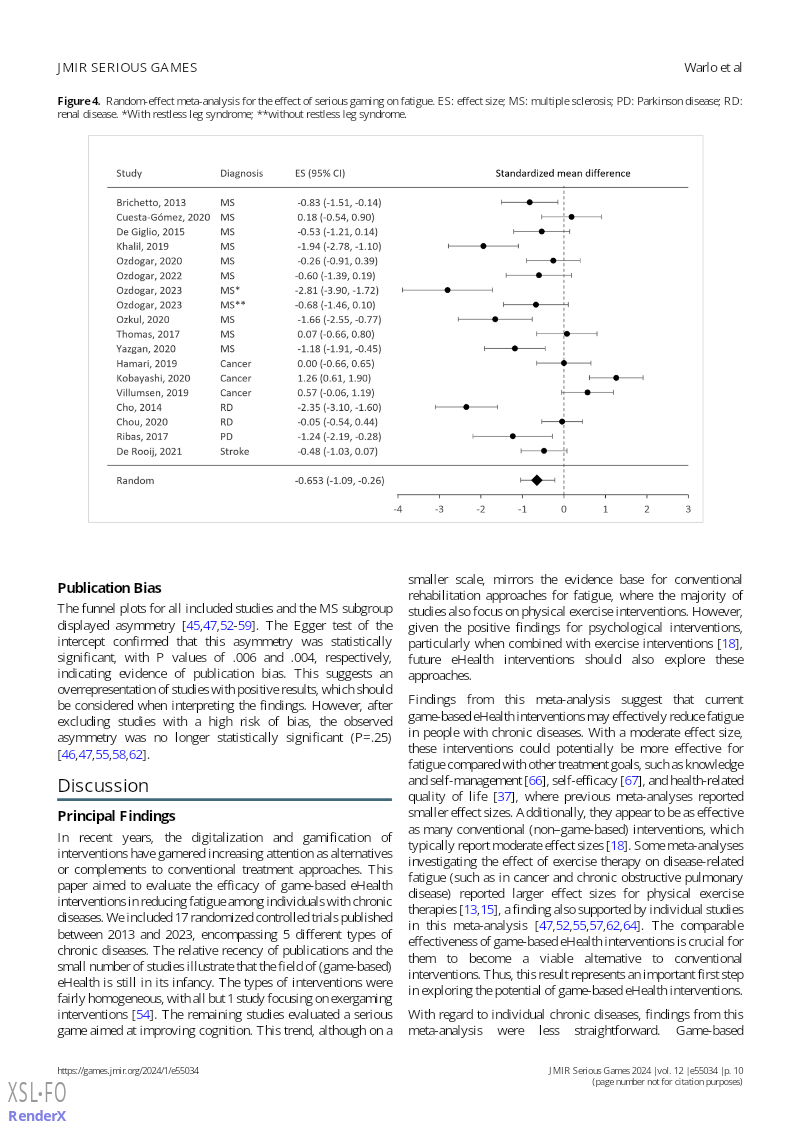
Game-Based eHealth Interventions for the Reduction of Fatigue in People With Chronic Diseases
Game-based eHealth interventions, particularly those incorporating exergaming and virtual reality, serve as effective tools for mitigating fatigue in patients suffering from chronic conditions such as multiple sclerosis, cancer, and renal disease.
Acceptability of a Serious Game About Proton Radiotherapy for Children: Feasibility and Pilot Trial
Pediatric radiotherapy is a highly stressful medical procedure that frequently necessitates sedation to manage patient anxiety.
- A pilot study of a serious game designed to prepare children aged 5 to 14 for proton radiotherapy failed to meet its primary feasibility threshold, as less than 80% of participants played the game for the target duration of 20 minutes.
- The study successfully achieved its recruitment goals, with 22 out of 26 eligible children (85%) completing at least one study questionnaire.
- While the intervention did not show a statistically significant difference in anxiety levels compared to the control group, both arms of the study exhibited a decrease in perceived anxiety over the course of the trial.
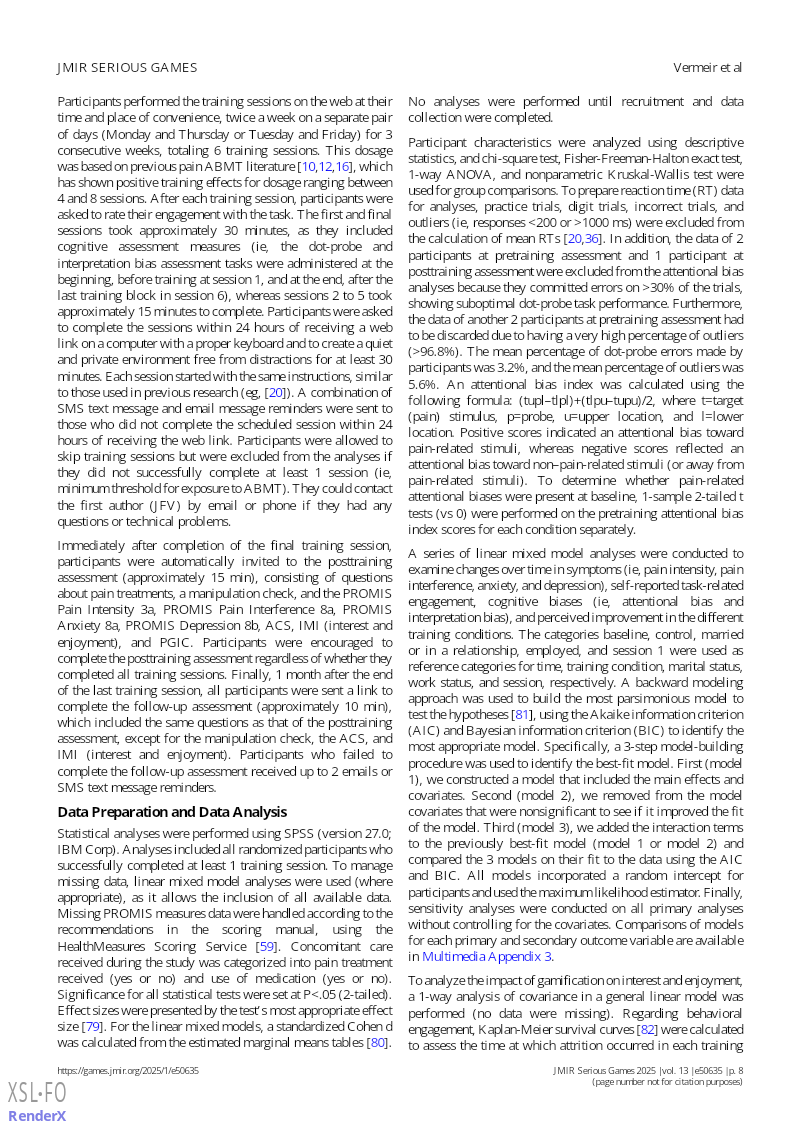
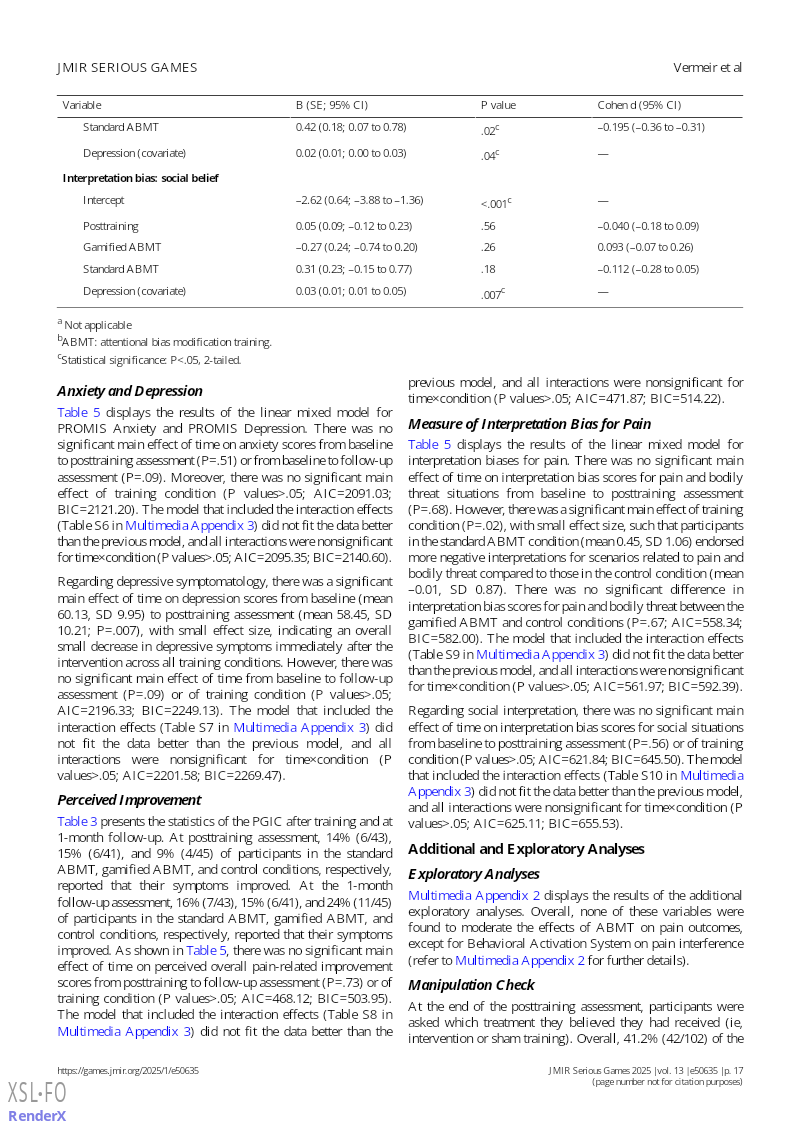
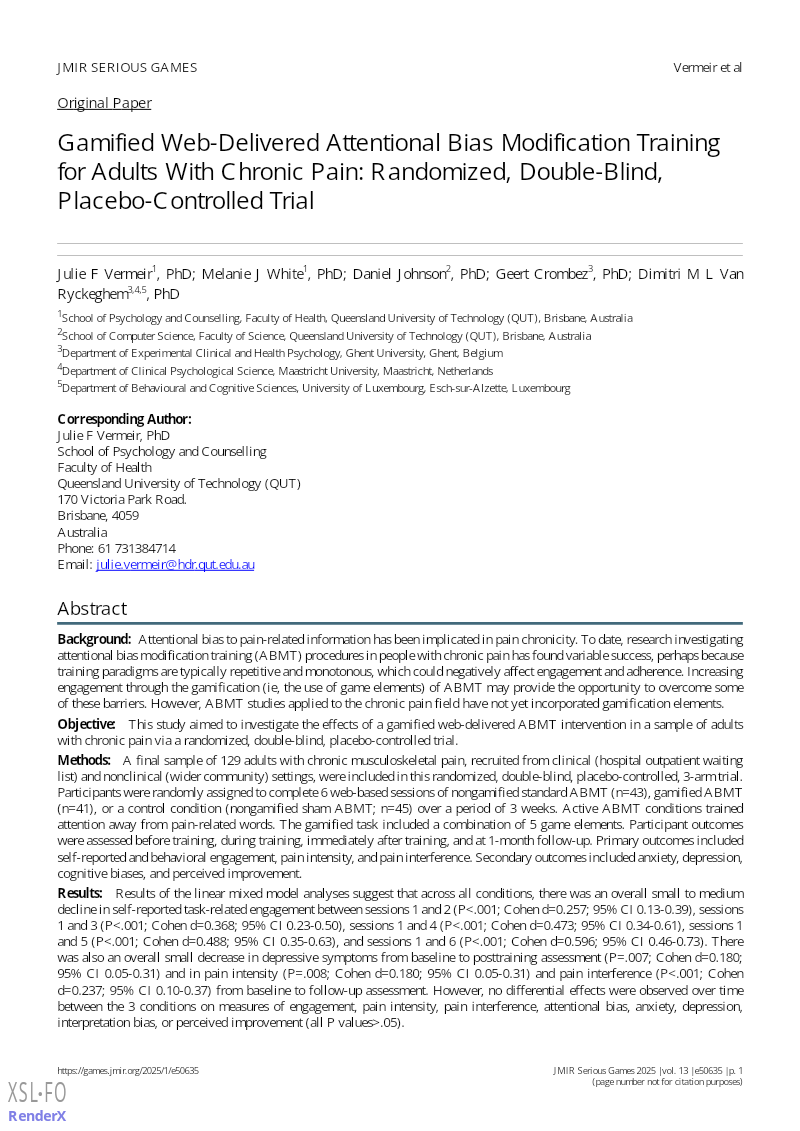
Gamified Web-Delivered Attentional Bias Modification Training for Adults With Chronic Pain
Gamified web-delivered Attentional Bias Modification Training (ABMT) fails to provide significant clinical benefits or improved engagement for adults suffering from chronic musculoskeletal pain.
- Gamified web-delivered Attentional Bias Modification Training (ABMT) provides no significant clinical benefits for adults with chronic musculoskeletal pain compared to non-gamified or sham interventions.
- A randomized, double-blind, three-arm trial of 129 participants found that adding points, badges, and progress bars failed to improve patient adherence or mitigate task monotony.
- The study observed only minor, non-significant reductions in pain intensity and depressive symptoms across all groups, with no measurable changes in attentional or interpretation biases.
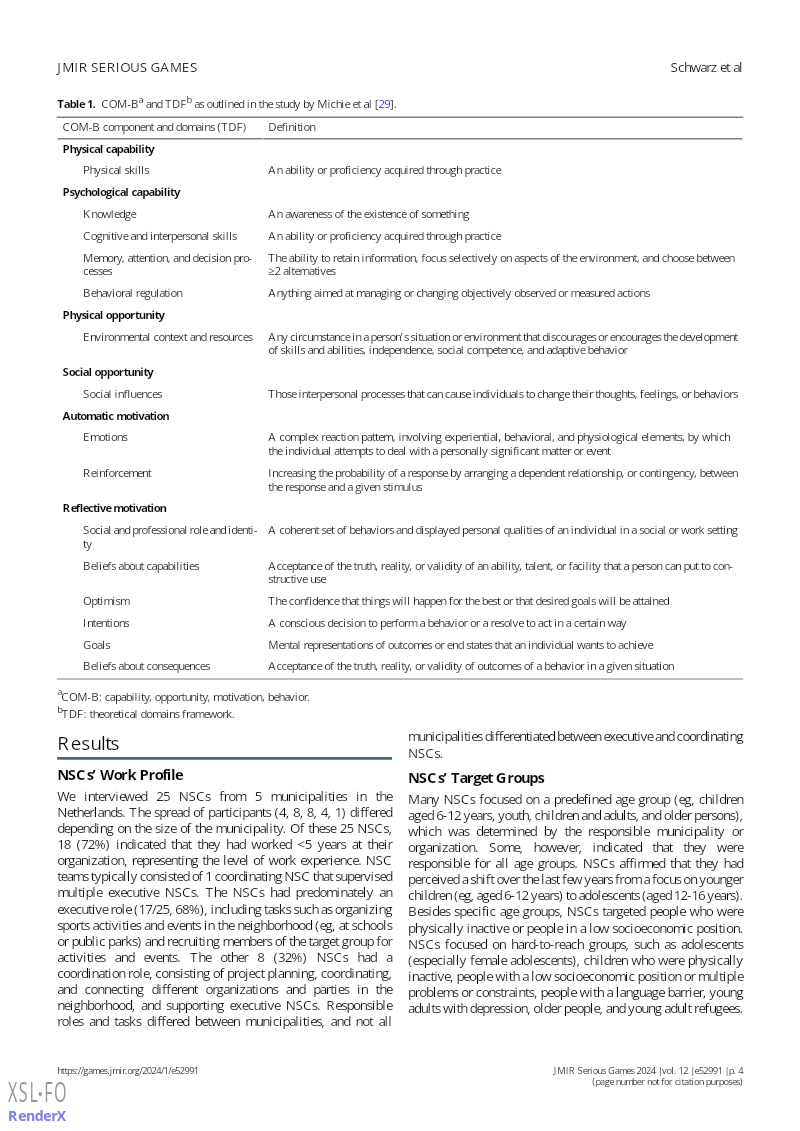
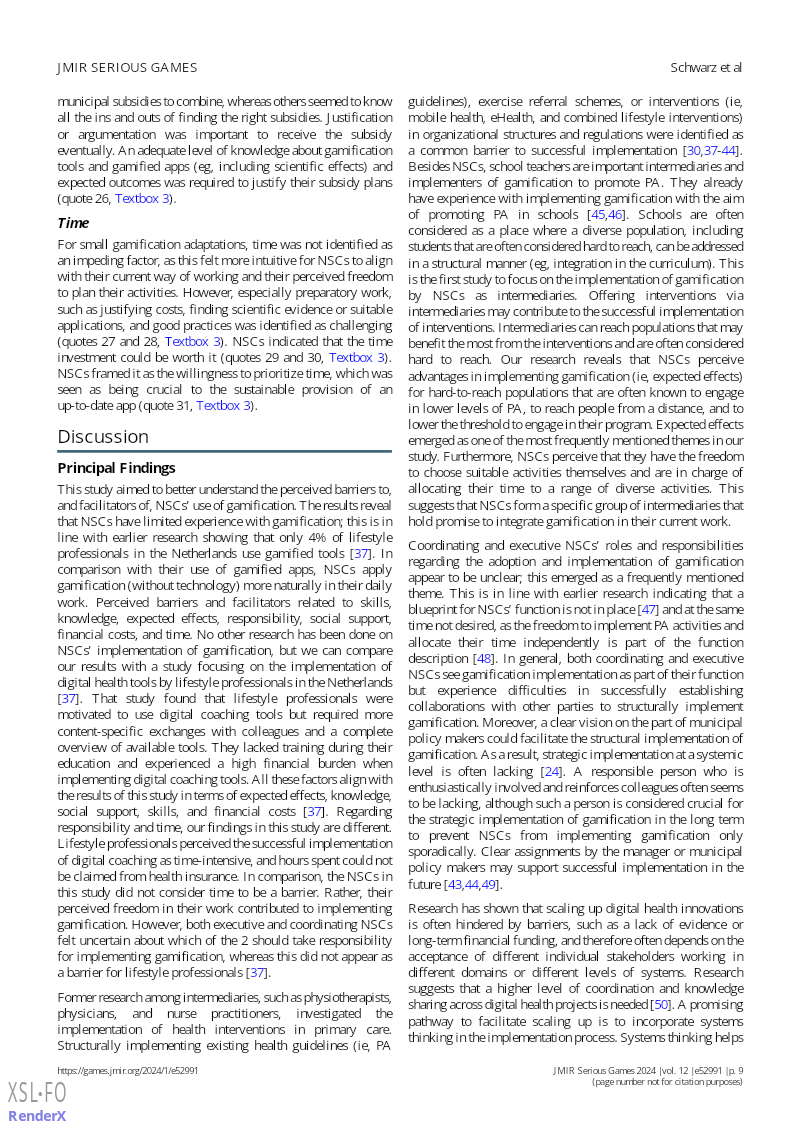
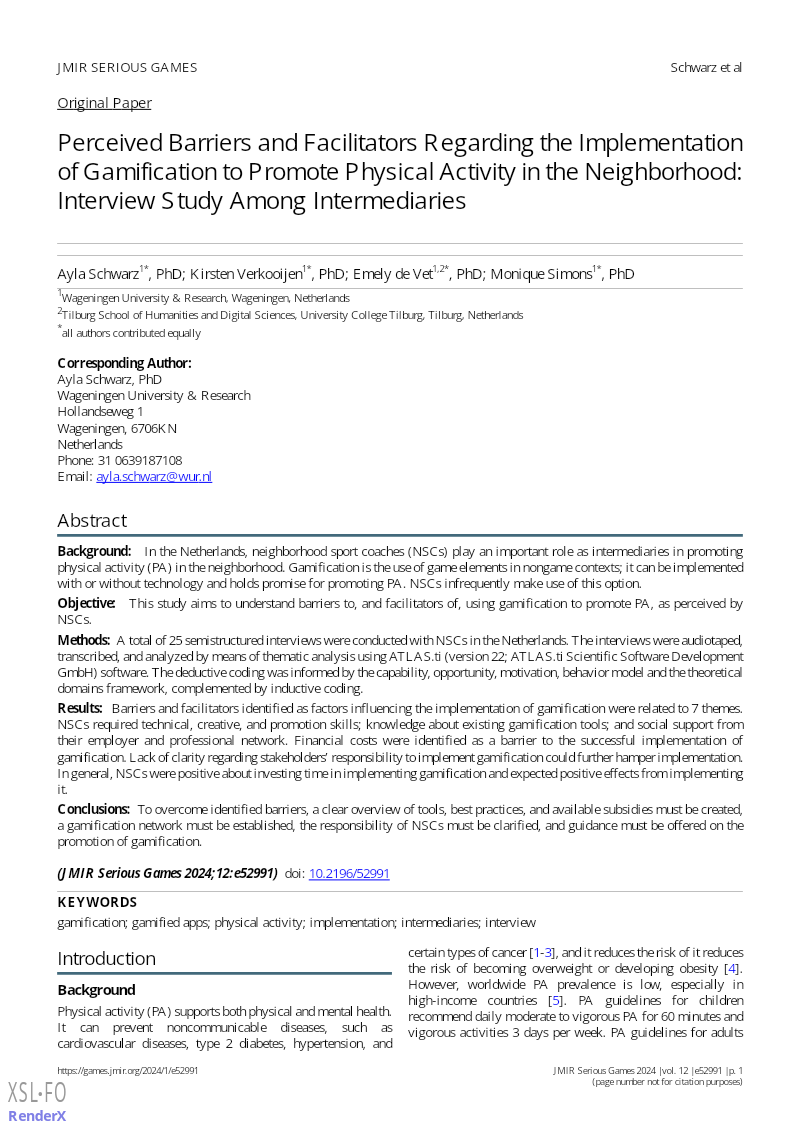
Perceived Barriers and Facilitators Regarding the Implementation of Gamification: Netherlands
Neighborhood sport coaches in the Netherlands face significant operational and structural challenges when attempting to integrate gamification into physical activity initiatives.

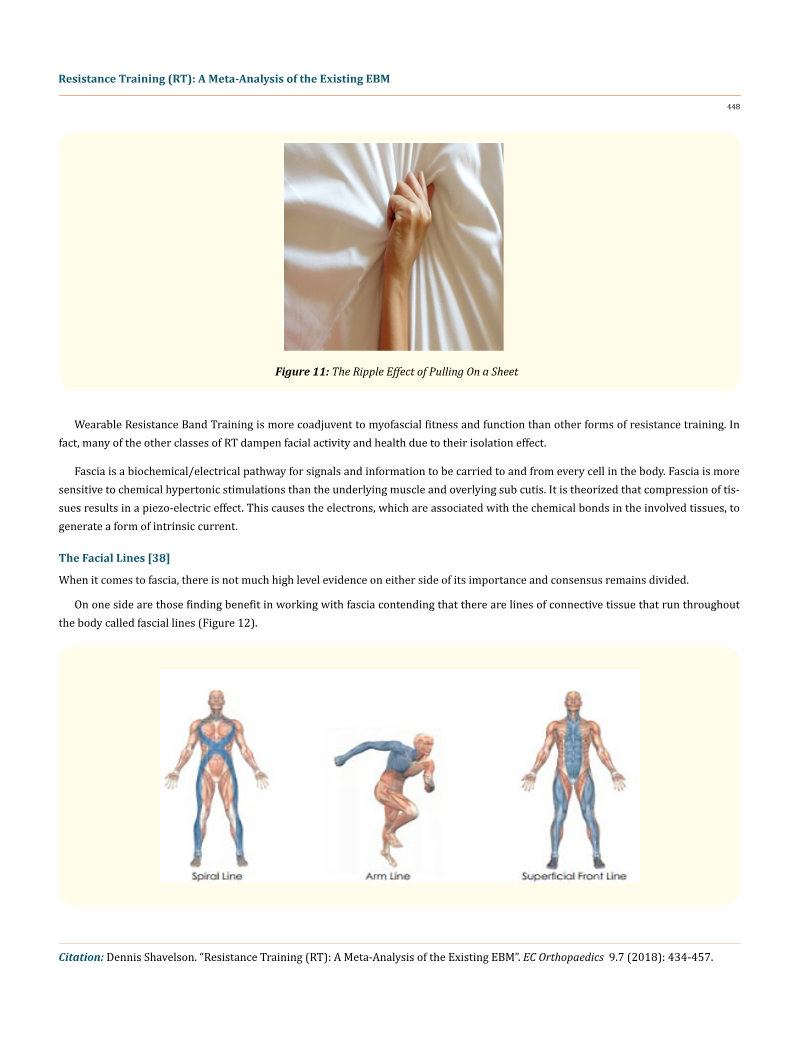
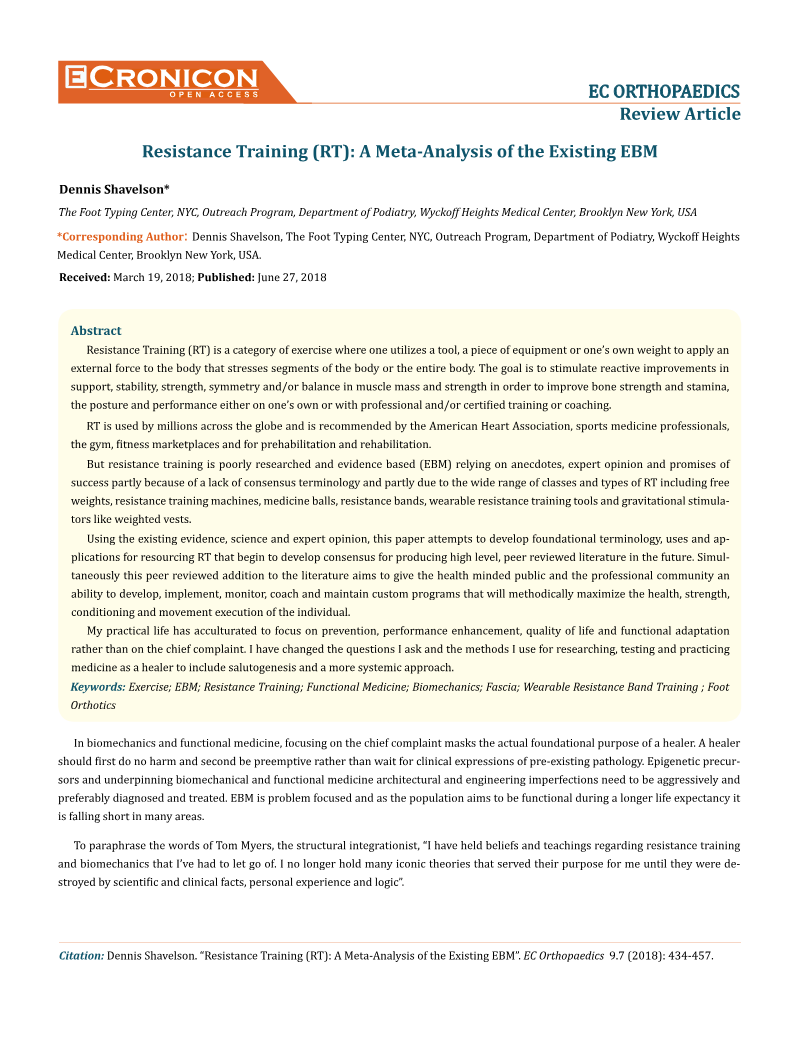
Resistance Training (RT): A Meta-Analysis of the Existing EBM
Resistance training serves as a foundational pillar for health maintenance, injury prevention, and functional performance across diverse populations, including athletes, older adults, and individuals managing chronic conditions such as obesity and Parkinson’s disease.
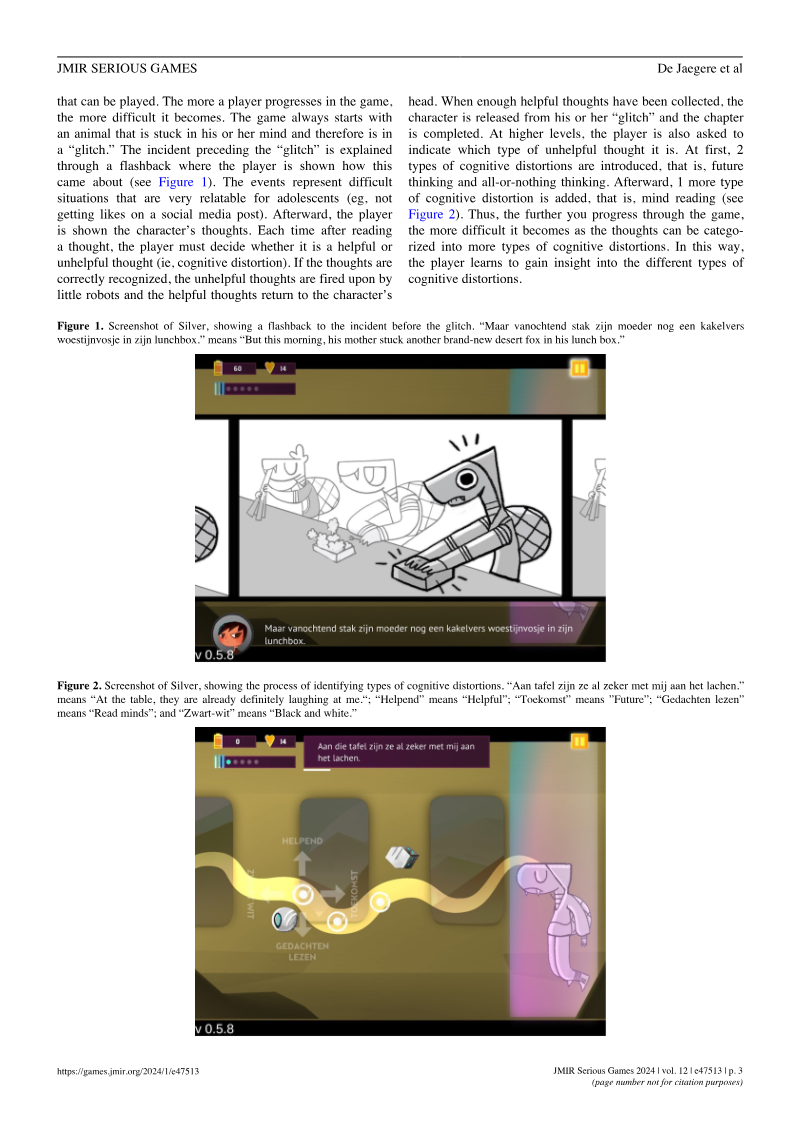
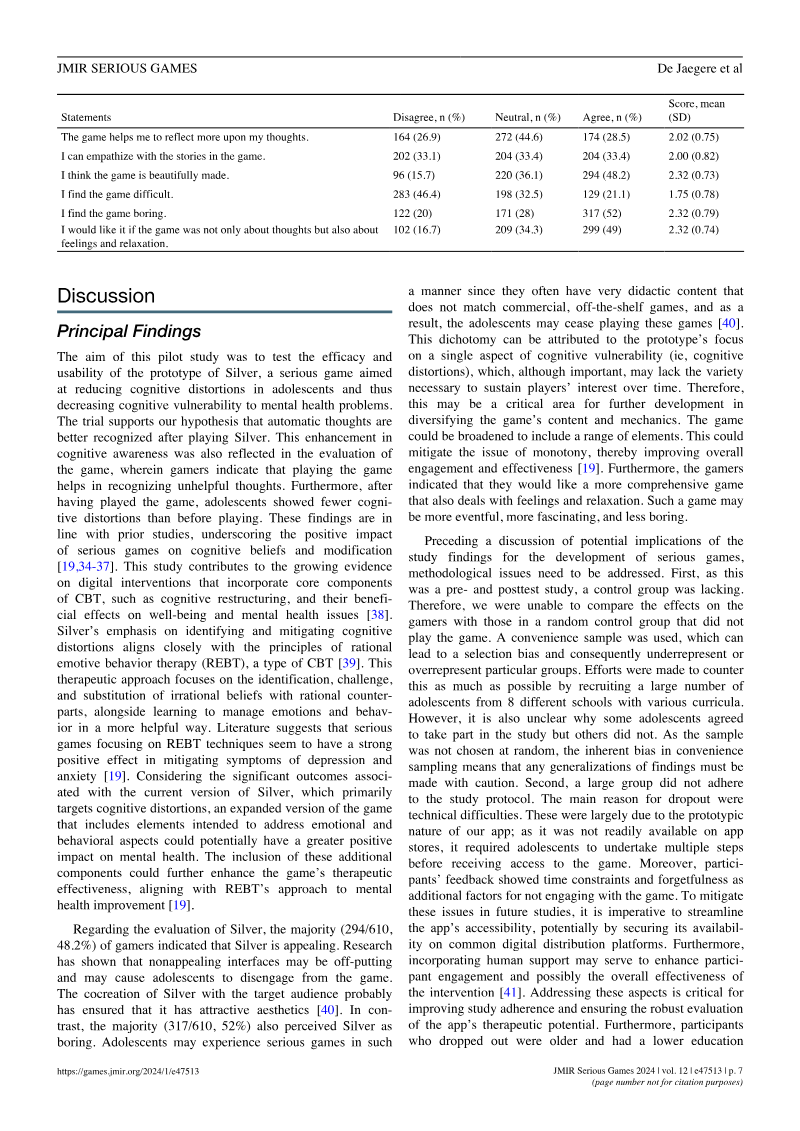
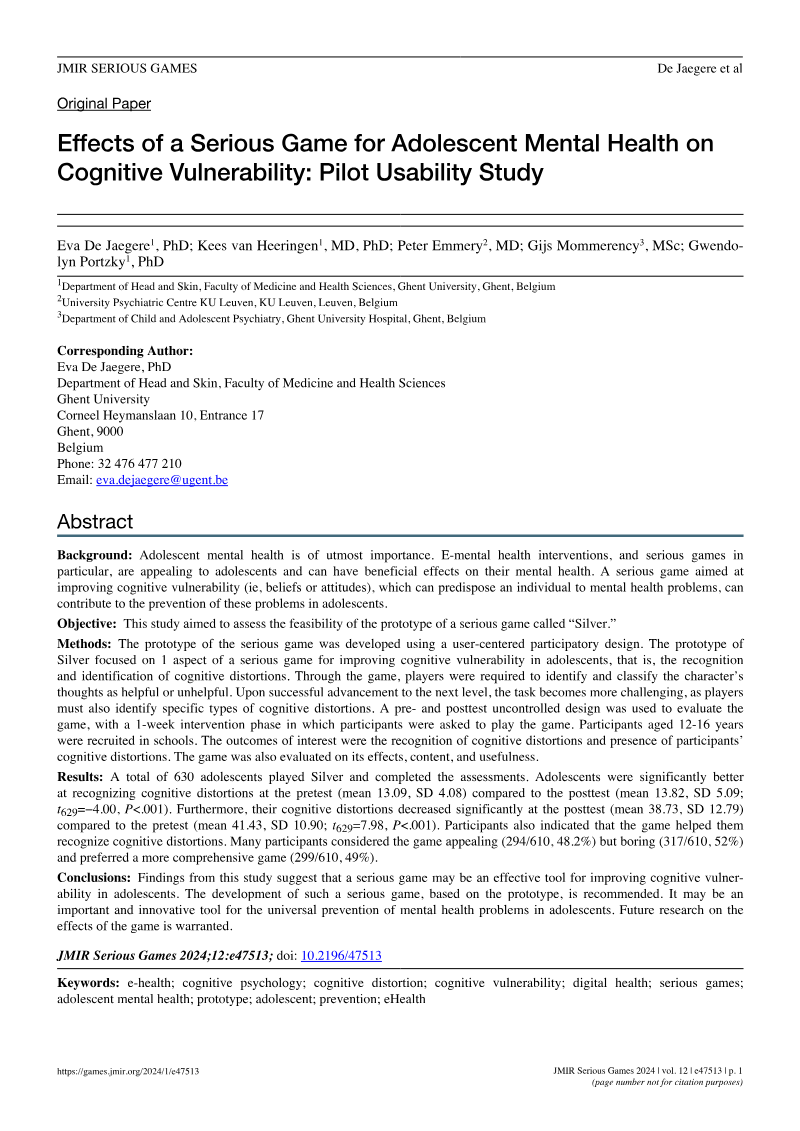
Effects of a Serious Game for Adolescent Mental Health on Cognitive Vulnerability: Pilot Usability Study
The serious game Silver serves as a digital intervention designed to mitigate cognitive vulnerability in adolescents aged 12 to 16 by teaching them to identify and manage cognitive distortions.
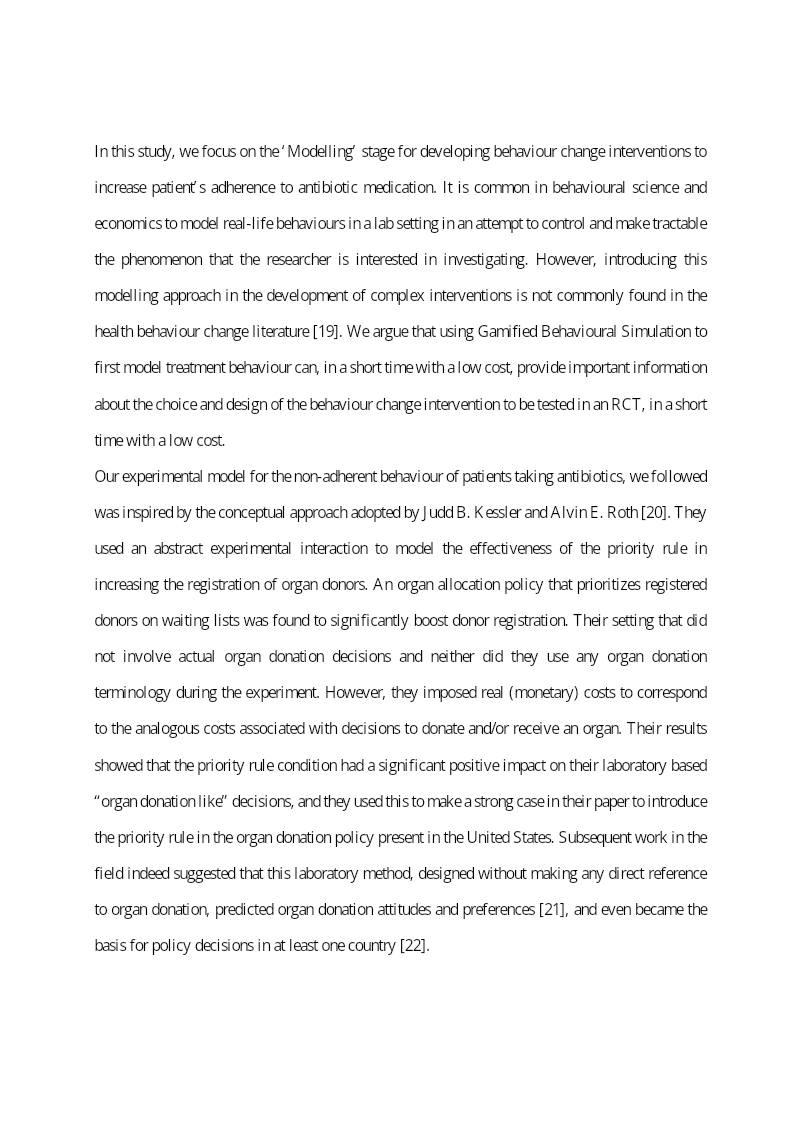
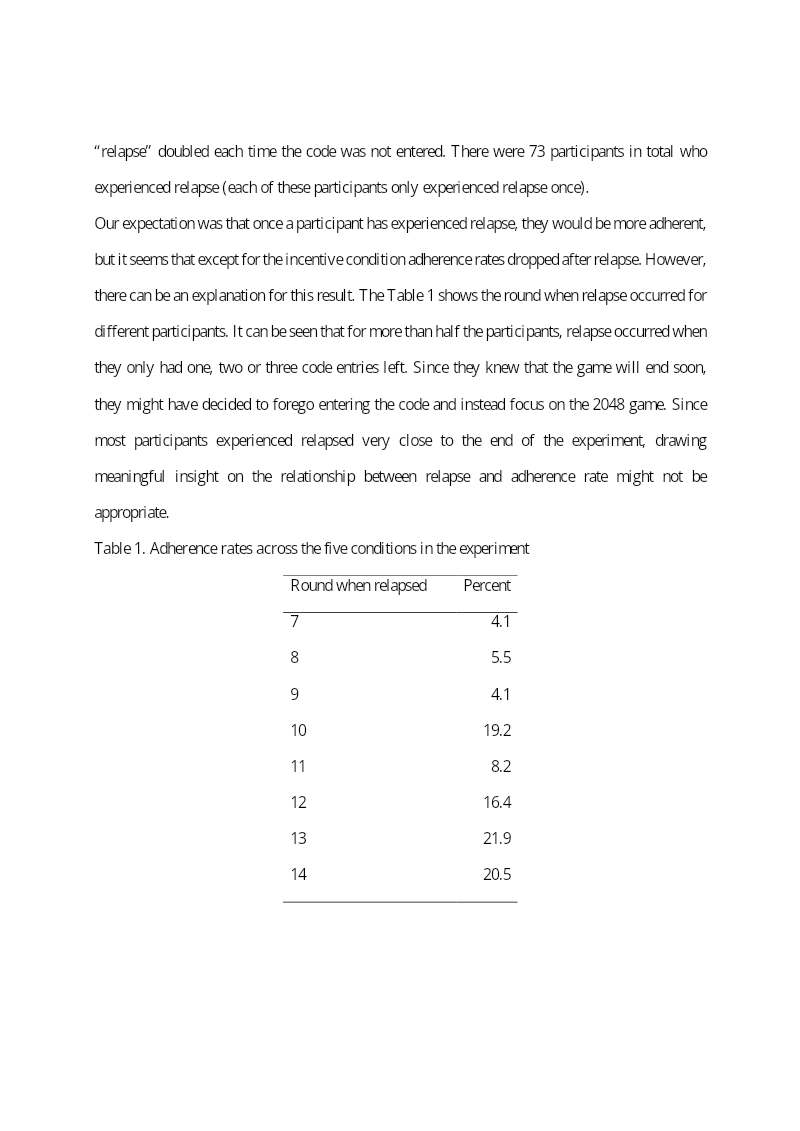

Using Games to Simulate Medication Adherence and Nonadherence: Laboratory Experiment in Gamified Behavioral Simulation
Gamified behavioral simulation serves as a robust, low-cost methodology for modeling patient medication adherence and evaluating the efficacy of behavioral interventions prior to large-scale clinical trials.
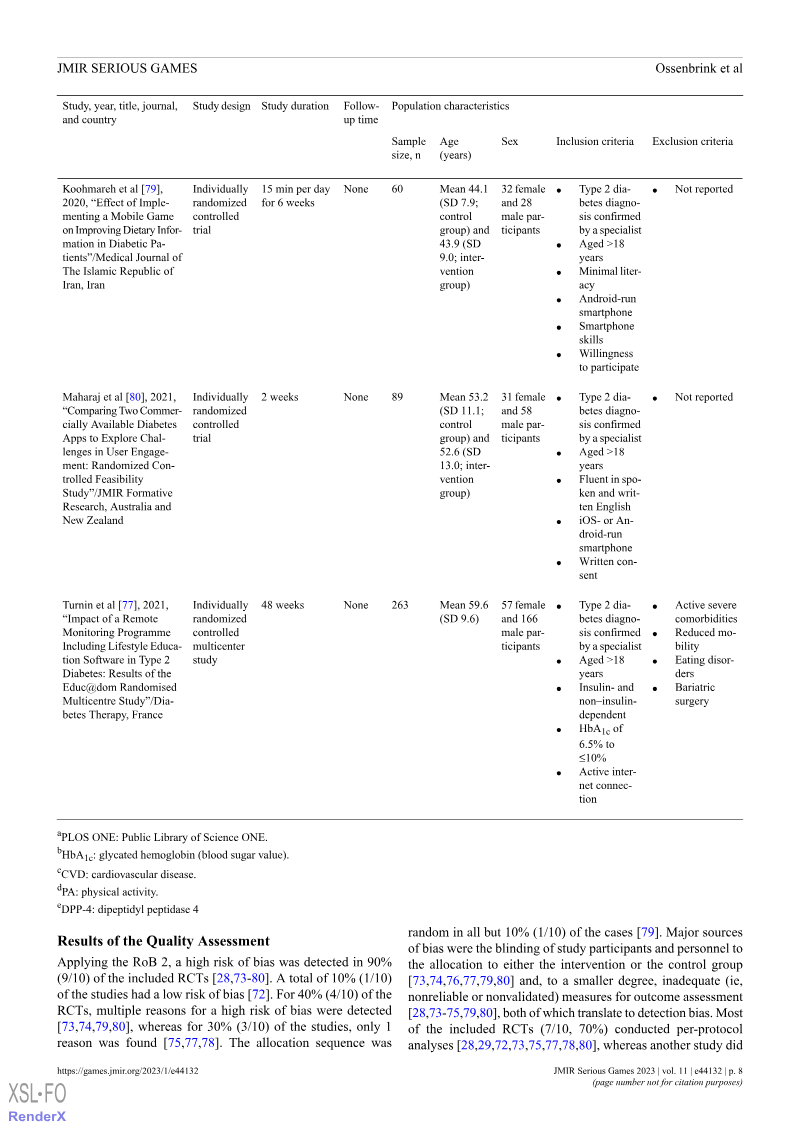
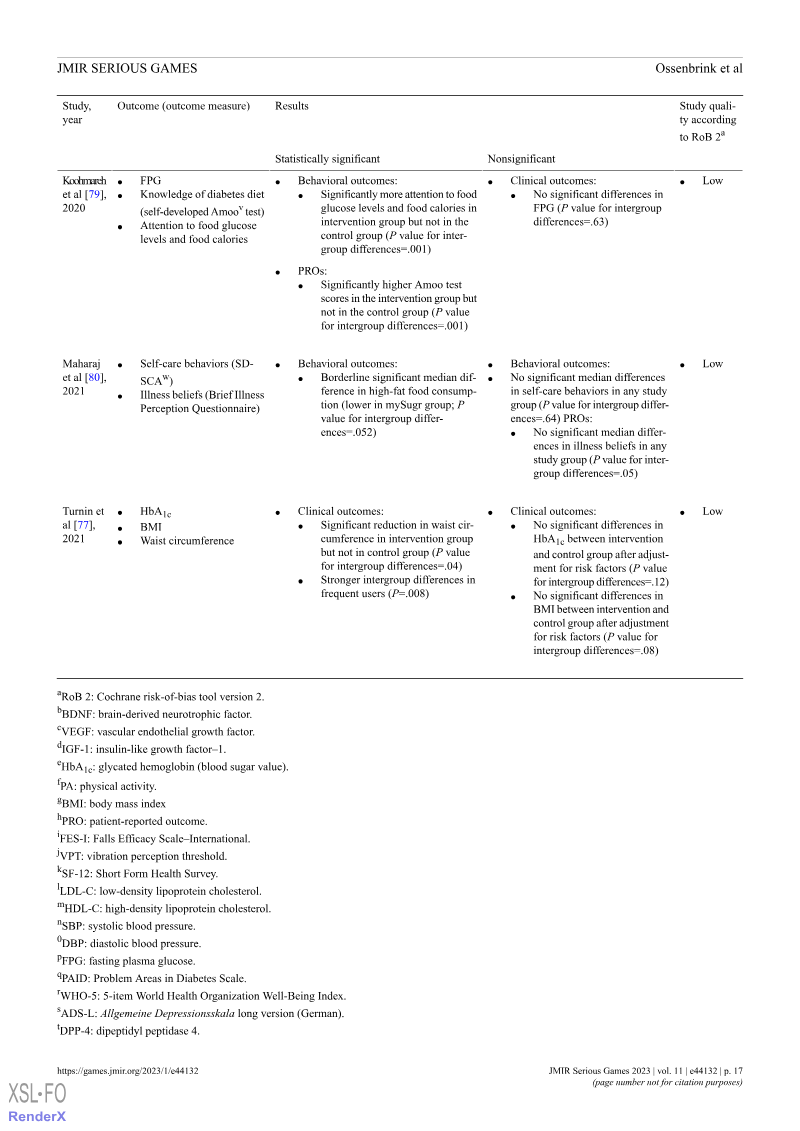
Effectiveness of Digital Health Interventions Containing Game Components for the Self-management of Type 2 Diabetes: Systematic Review
Digital health interventions that incorporate game components offer a promising avenue for improving self-management among patients with type 2 diabetes.
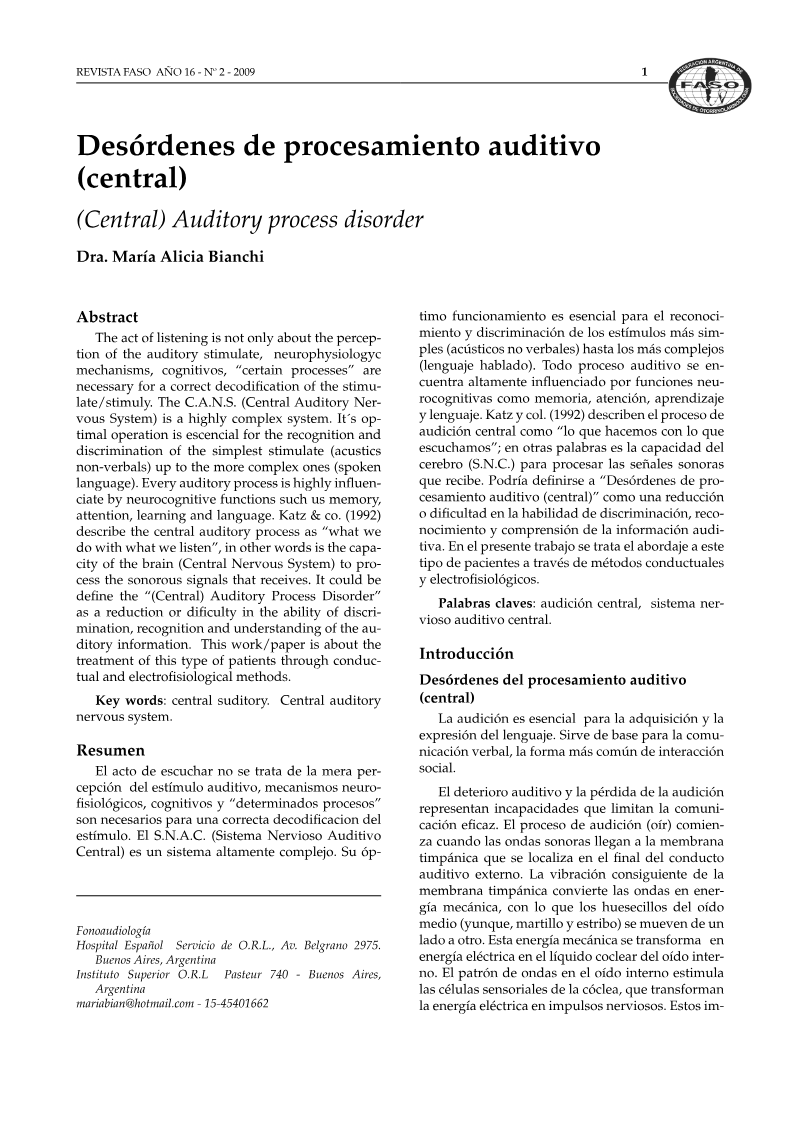
Desórdenes de Procesamiento Auditivo: 2009
Central Auditory Processing Disorders represent a significant neurocognitive deficit characterized by an inability to discriminate, recognize, and comprehend auditory information despite the presence of normal peripheral hearing.
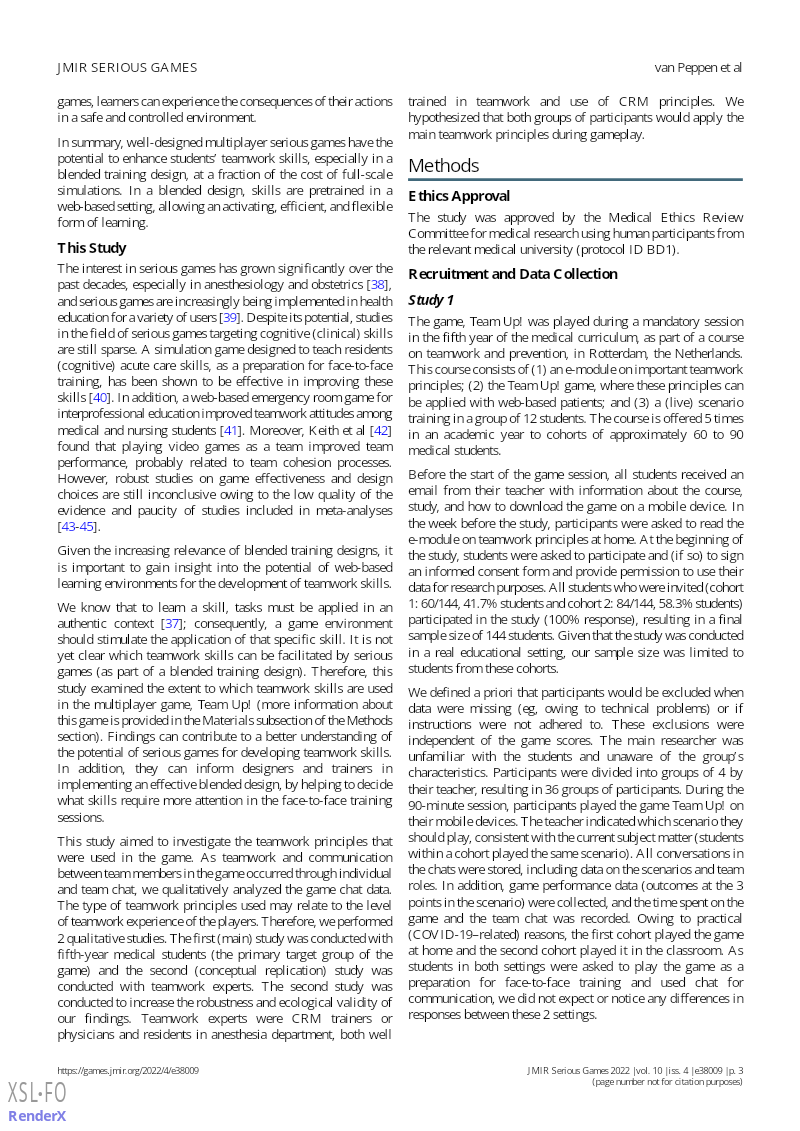
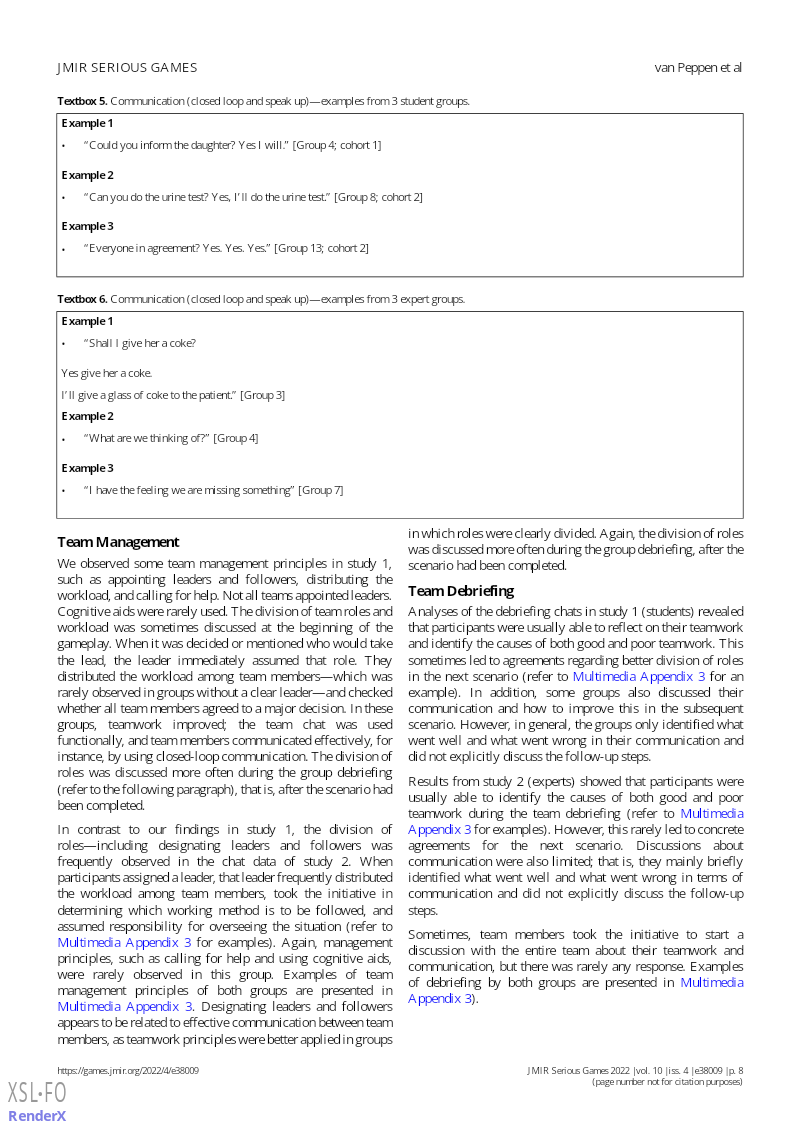
Teamwork Training With a Multiplayer Game in Health Care: Content Analysis of the Teamwork Principles Applied
Multiplayer serious games serve as a viable, cost-effective pedagogical tool for cultivating foundational teamwork competencies within the healthcare sector.
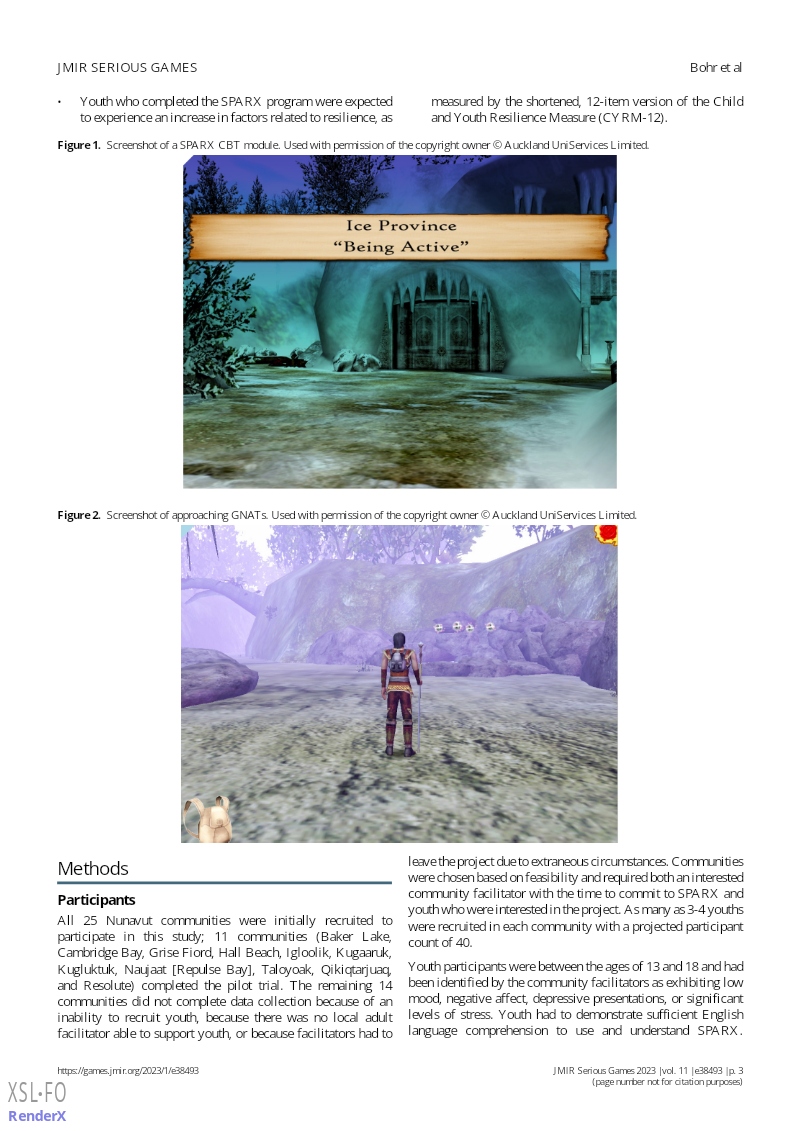
Evaluating the Utility of a Psychoeducational Serious Game (SPARX) in Protecting Inuit Youth
The psychoeducational serious game SPARX serves as a digital intervention designed to mitigate low mood and stress among Inuit youth in Nunavut, a demographic facing significant mental health disparities and limited access to traditional clinical services.
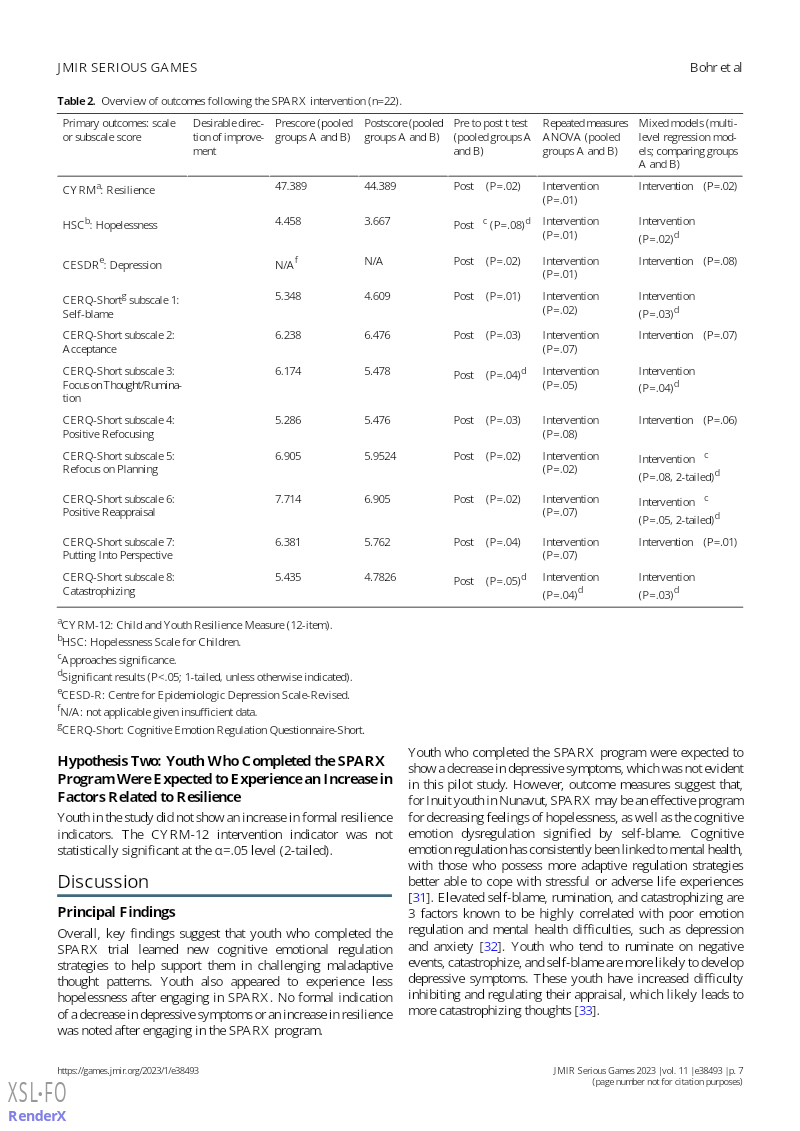
- SPARX, a cognitive behavioral therapy-based serious game, effectively reduces specific maladaptive cognitive strategies in Inuit youth, including self-blame, rumination, catastrophizing, and hopelessness.
- The intervention fails to produce statistically significant decreases in overall depressive symptoms or measurable improvements in formal resilience indicators, limiting its utility as a standalone clinical treatment.
- The current iteration of SPARX highlights the limitations of applying standardized, Eurocentric therapeutic models to indigenous contexts without prior cultural adaptation.
Do you work at JMIR Serious Games? Get a free report of how these documents are read and cited here.