JMIR Serious Games
Fully open-access JMIR journal on serious games, gamification and games for health. Only papers about games are included.
Documents
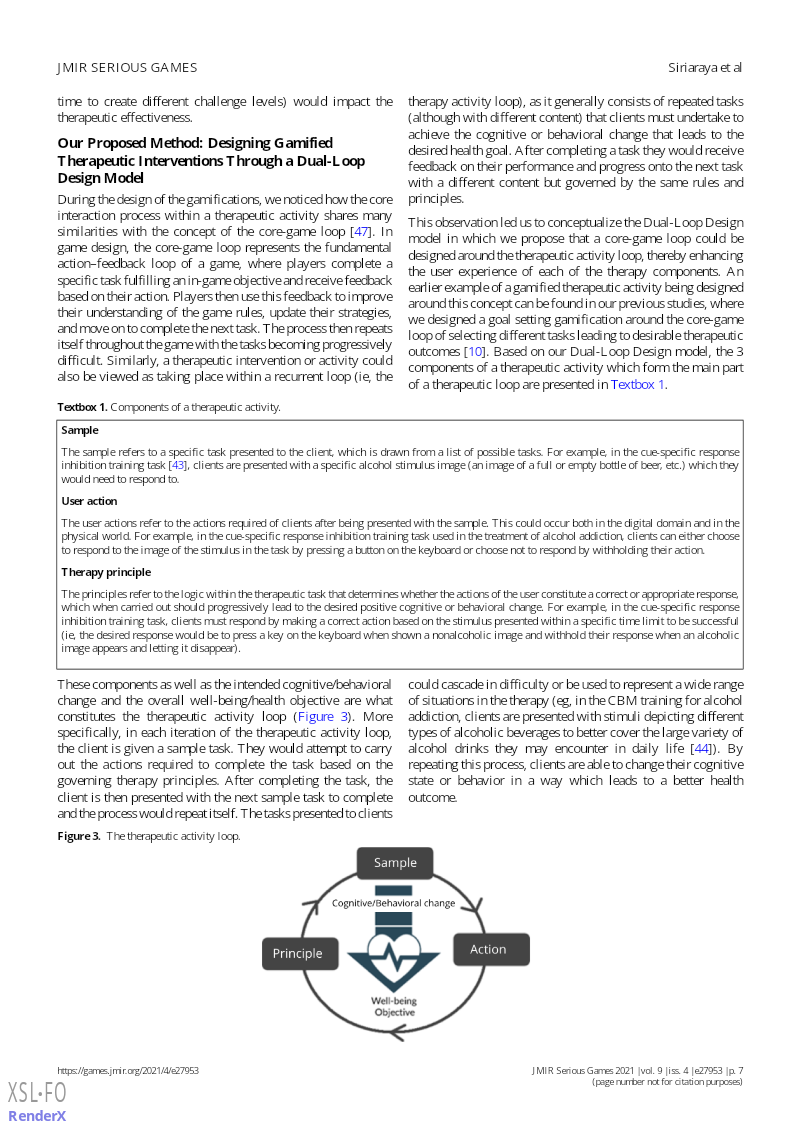
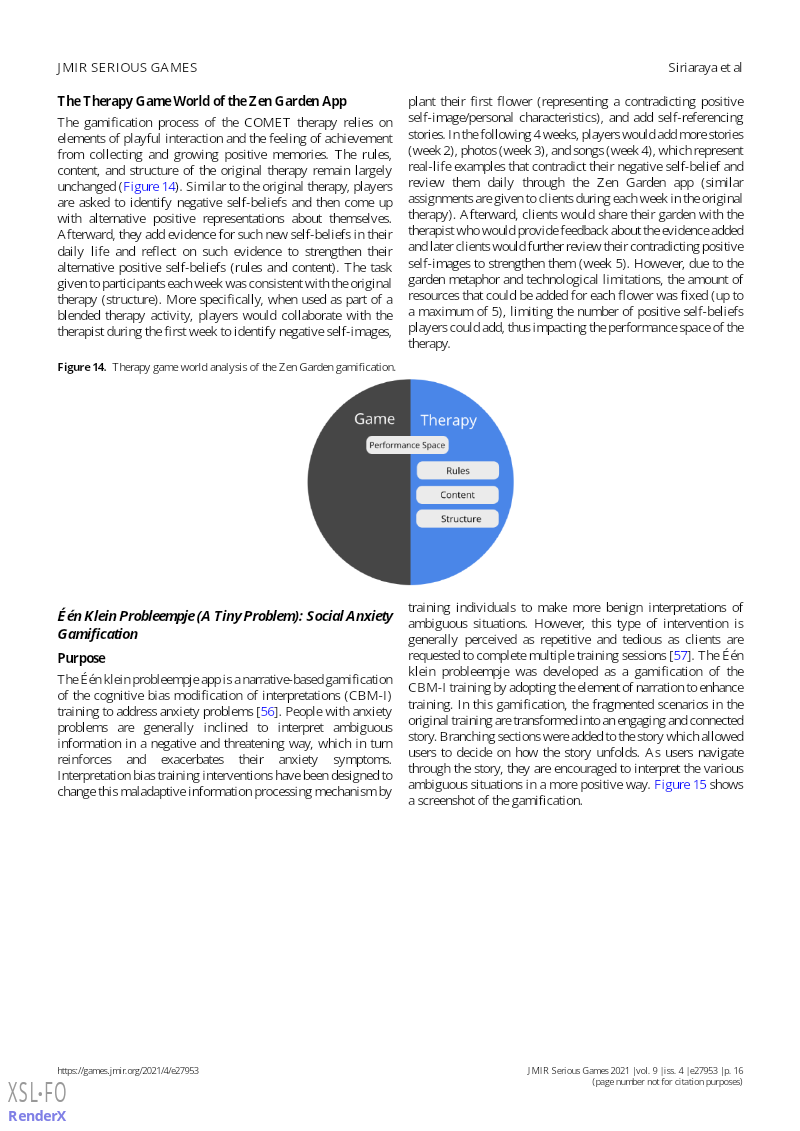
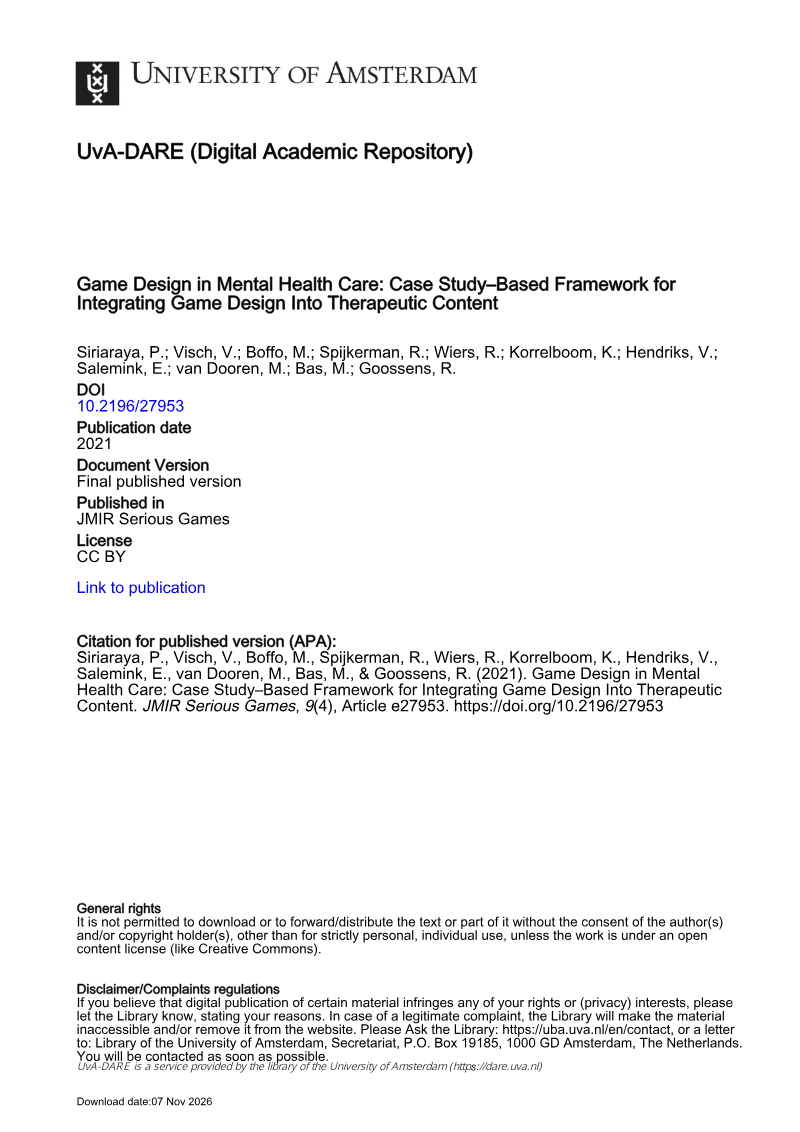
Game Design in Mental Health Care: Case Study-Based Framework for Integrating Game Design Into Therapeutic Content
The integration of game design into mental health care serves as a strategic methodology to bolster patient engagement and treatment adherence.
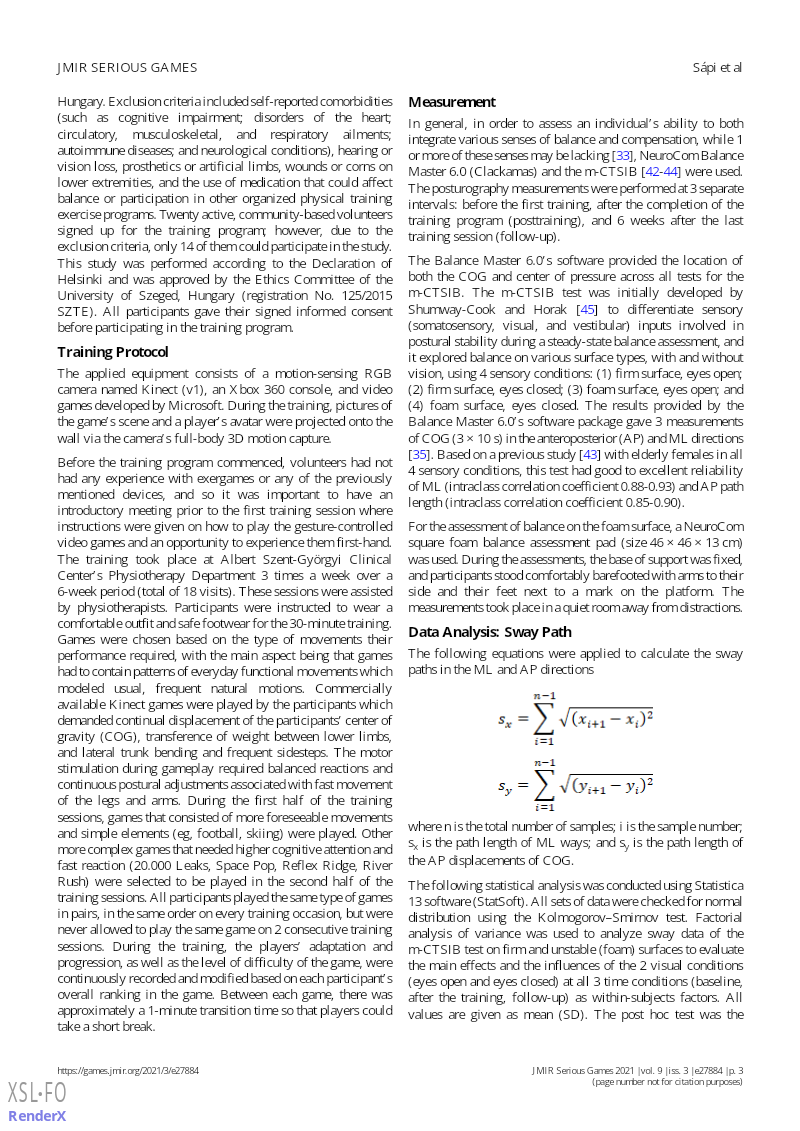
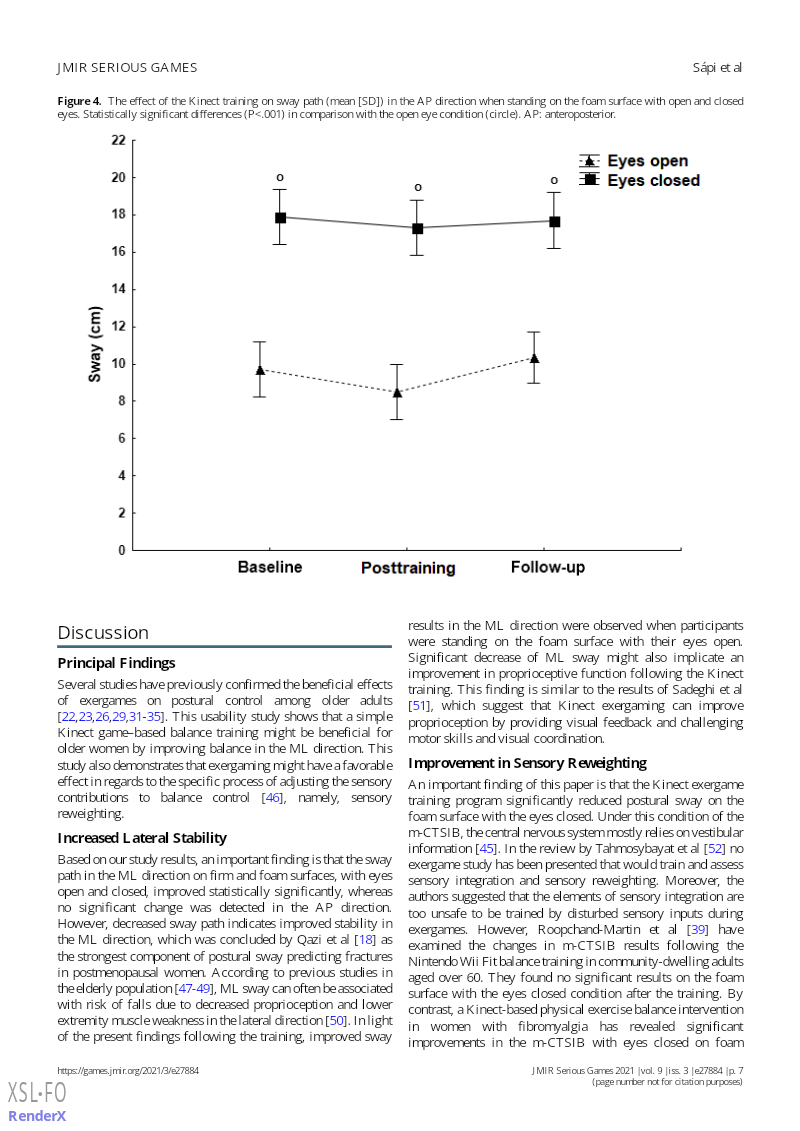
The Effects of Exergaming on Sensory Reweighting and Mediolateral Stability of Women Aged Over 60: Usability Study
Exergaming serves as a viable intervention for improving postural stability and mitigating fall risks among women aged 60 and older.
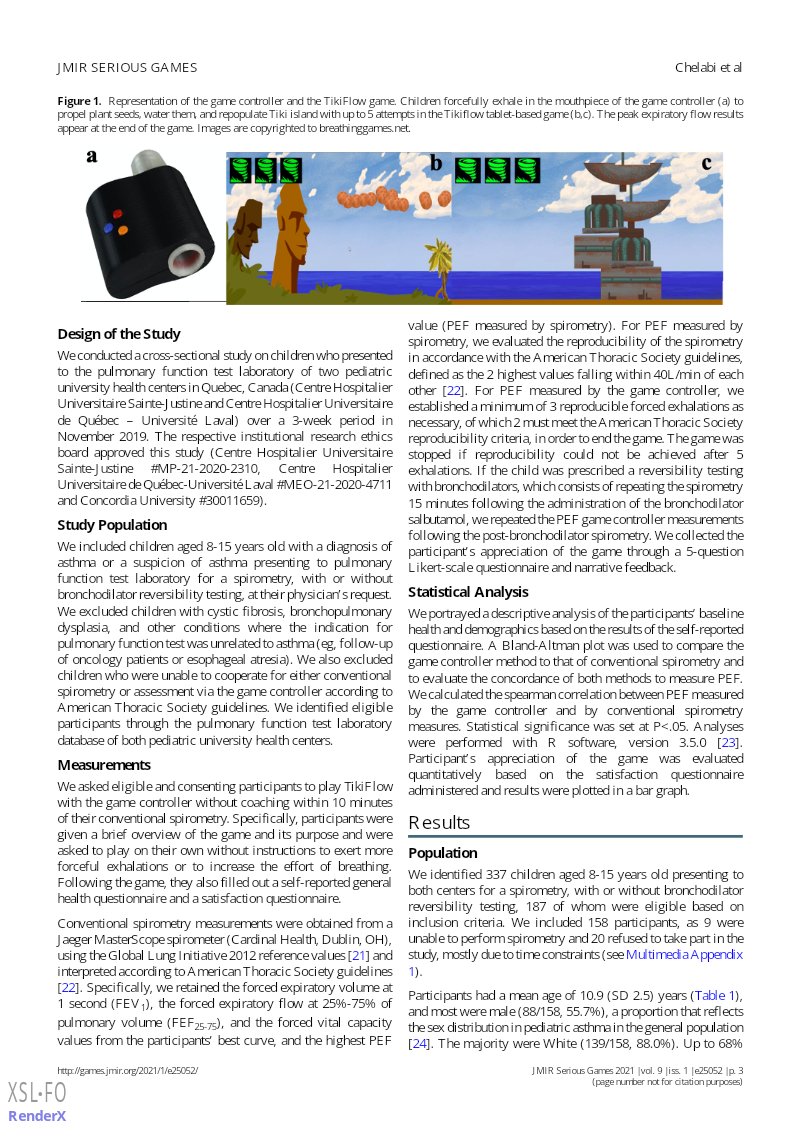
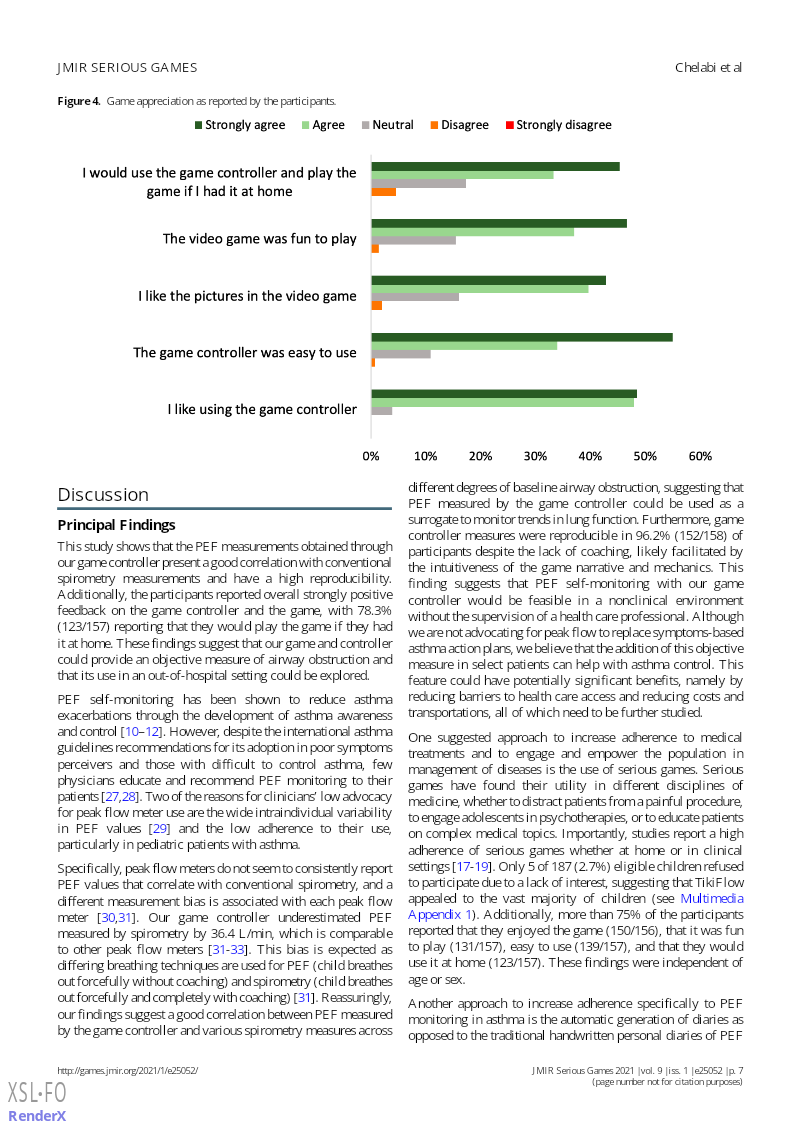
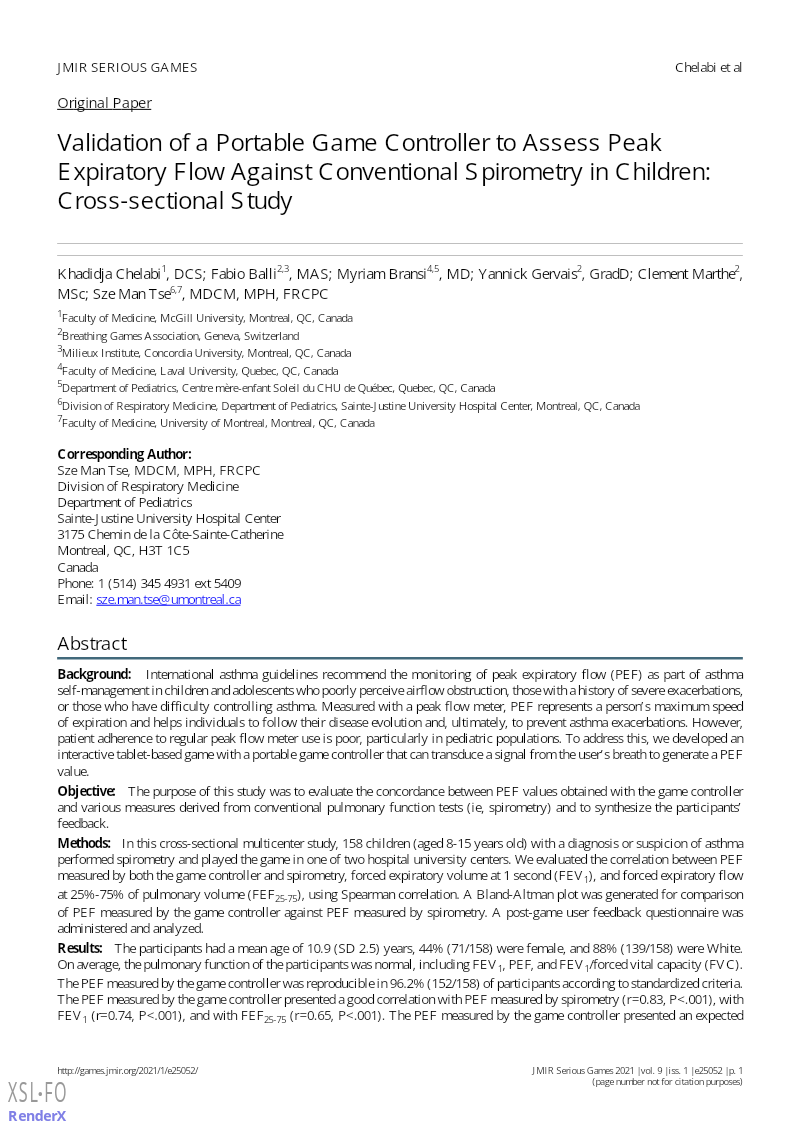
Validation of a Portable Game Controller to Assess Peak Expiratory Flow Against Conventional Spirometry in Children
A novel 3D-printed, tablet-based game controller serves as a viable, engaging alternative for monitoring peak expiratory flow in pediatric asthma patients.
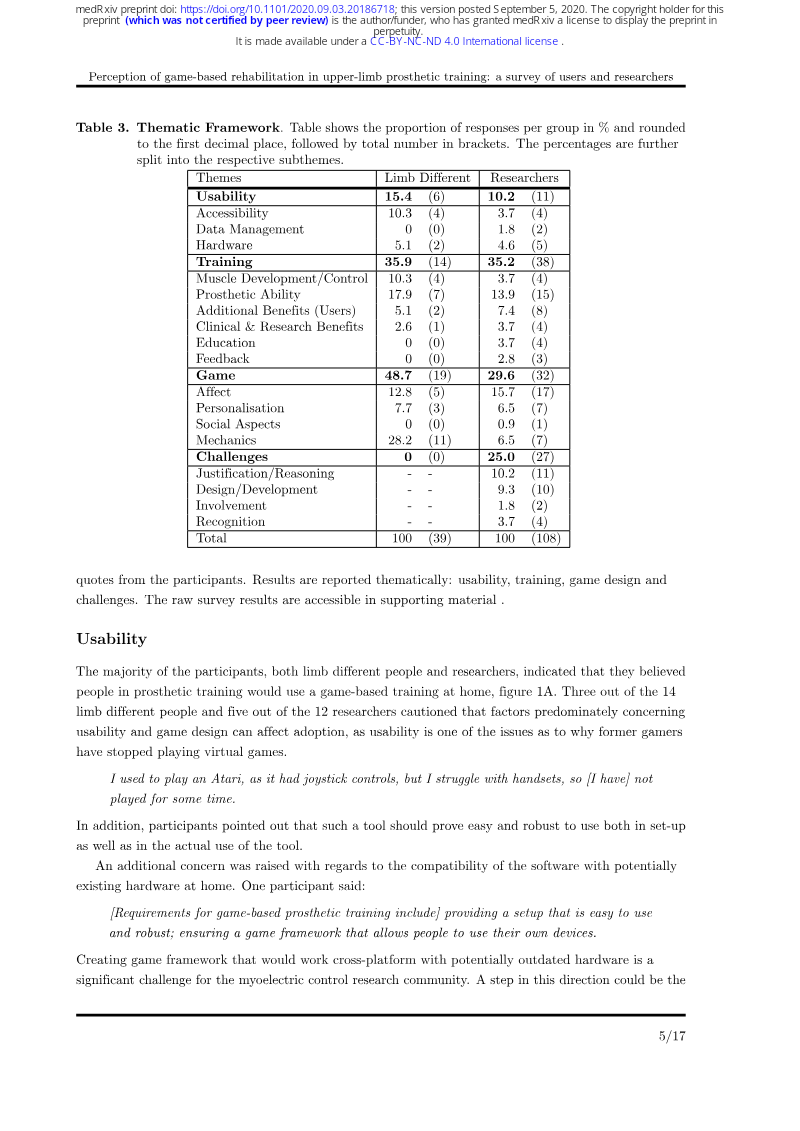
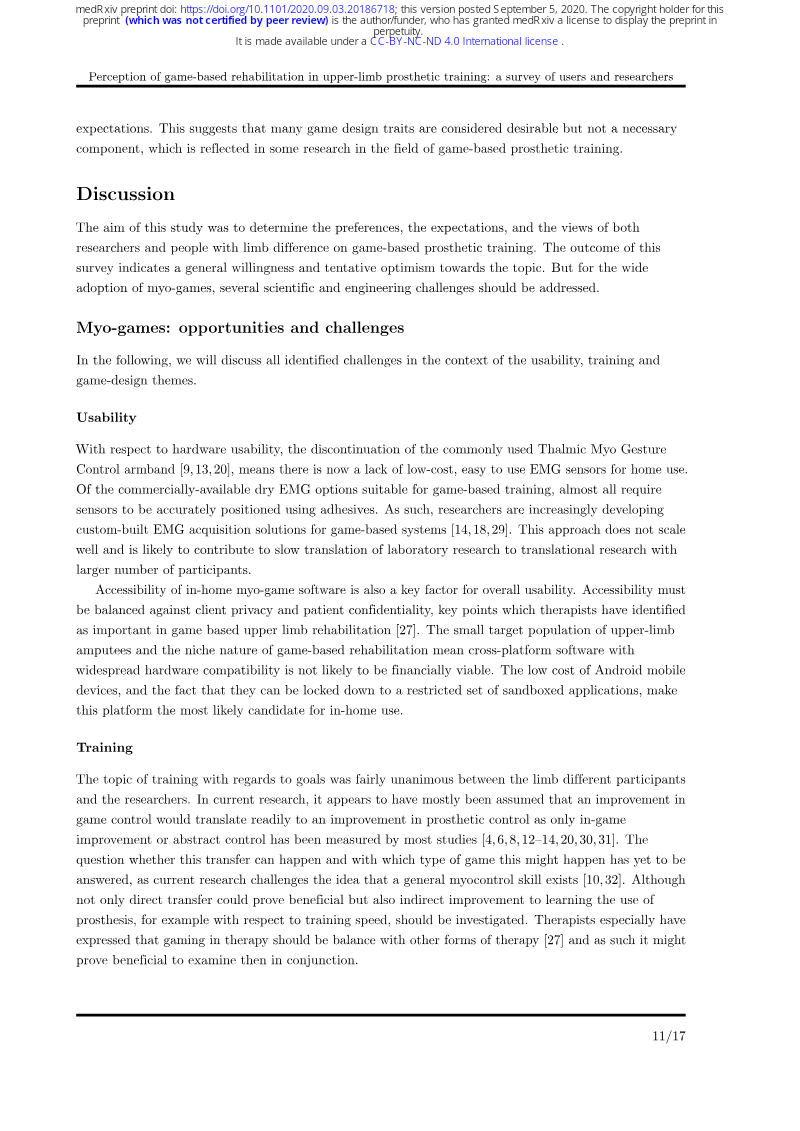
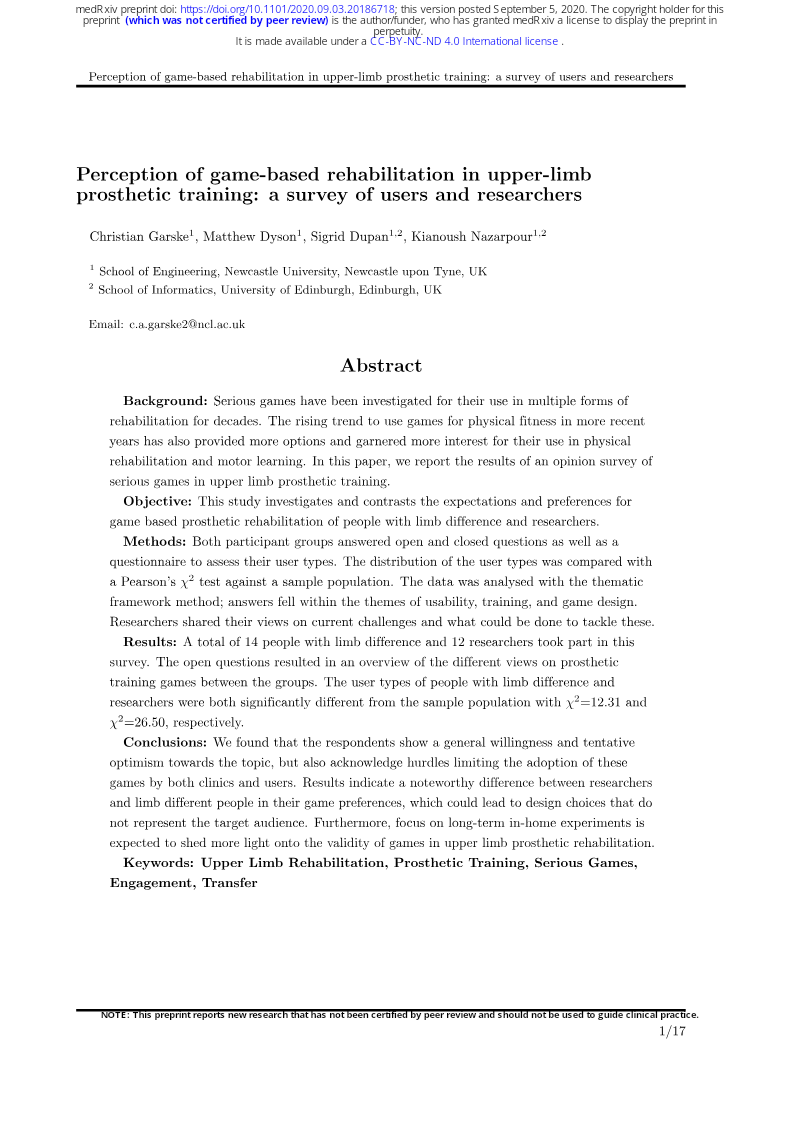
Perception of Game-Based Rehabilitation in Upper-Limb Prosthetic Training: A Survey of Users and Researchers
Game-based rehabilitation for upper-limb prosthetics represents a promising frontier in motor learning, leveraging intrinsic motivation and external focus to enhance patient outcomes.
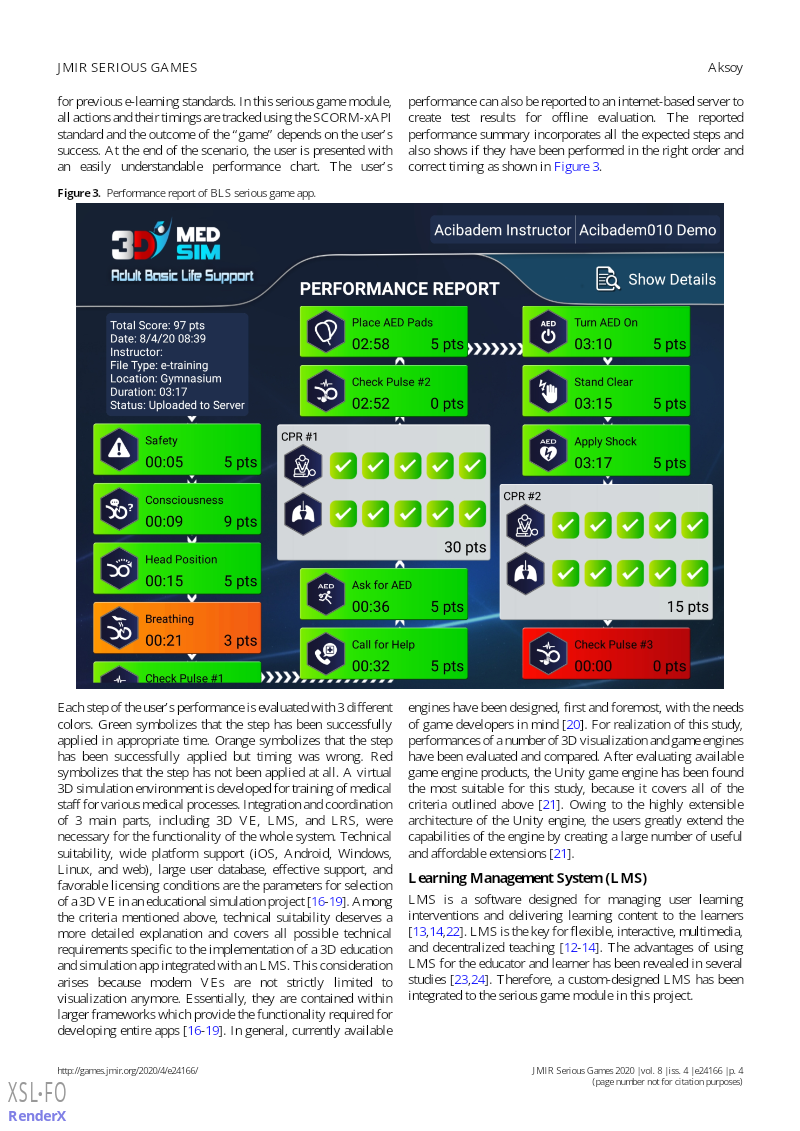
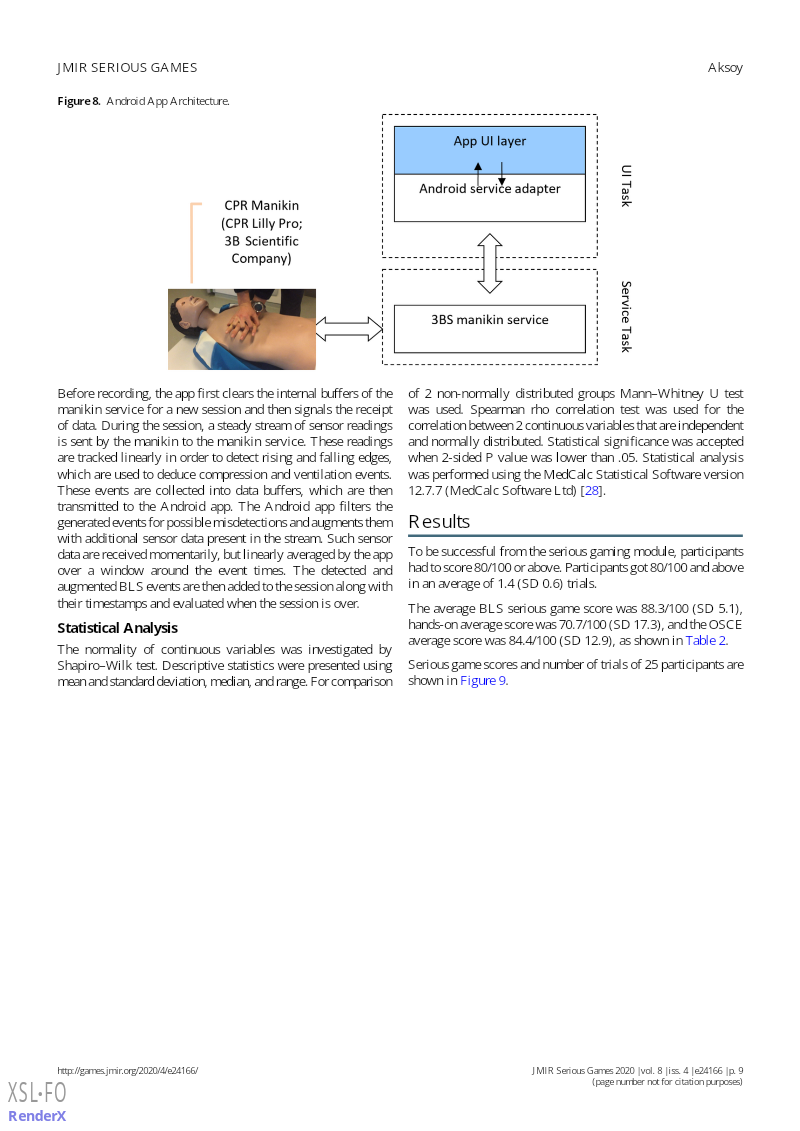
Comparing Basic Life Support Serious Gaming Scores With Hands-on Training Platform Performance Scores
The integration of serious gaming with sensor-equipped hands-on training modules represents a significant advancement in Basic Life Support (BLS) education.
Parents of Adolescents Perspectives of Physical Activity, Gaming and Virtual Reality: Qualitative Study
Parents of adolescents frequently view traditional gaming through a lens of skepticism, citing significant concerns regarding potential addiction, exposure to violent content, and the promotion of sedentary lifestyles.
Exploring Features of the Pervasive Game Pokémon GO That Enable Behavior Change: Qualitative Study
Pervasive gaming serves as a potent mechanism for fostering behavioral change, as evidenced by the influence of Pokémon GO on player routines and social dynamics.
- Pokémon GO leverages 13 specific game features to drive behavioral change, with creature collection and physical navigation serving as the primary catalysts for increased activity.
- The study of 262 participants confirms that pervasive games successfully transform mundane environments into goal-oriented spaces that incentivize physical movement and social interaction.
- Game mechanics are most effective at fostering sustainable lifestyle adjustments when they are seamlessly integrated into a player's existing daily routines.
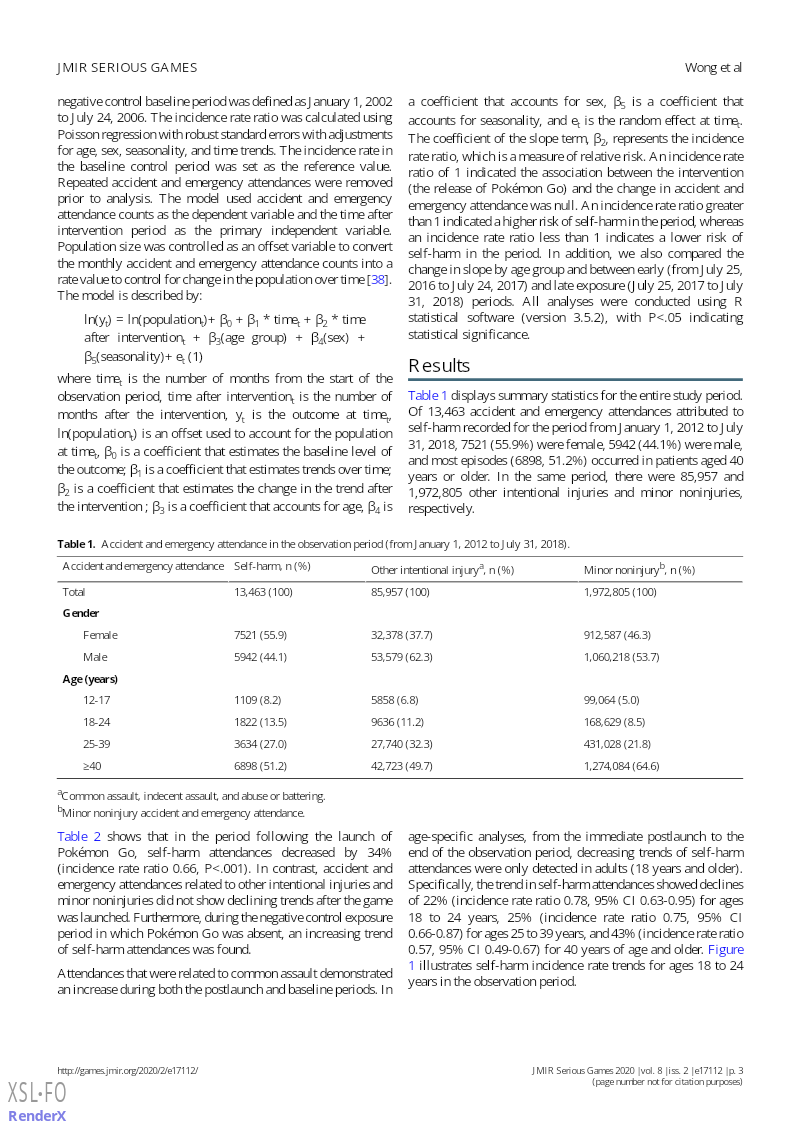
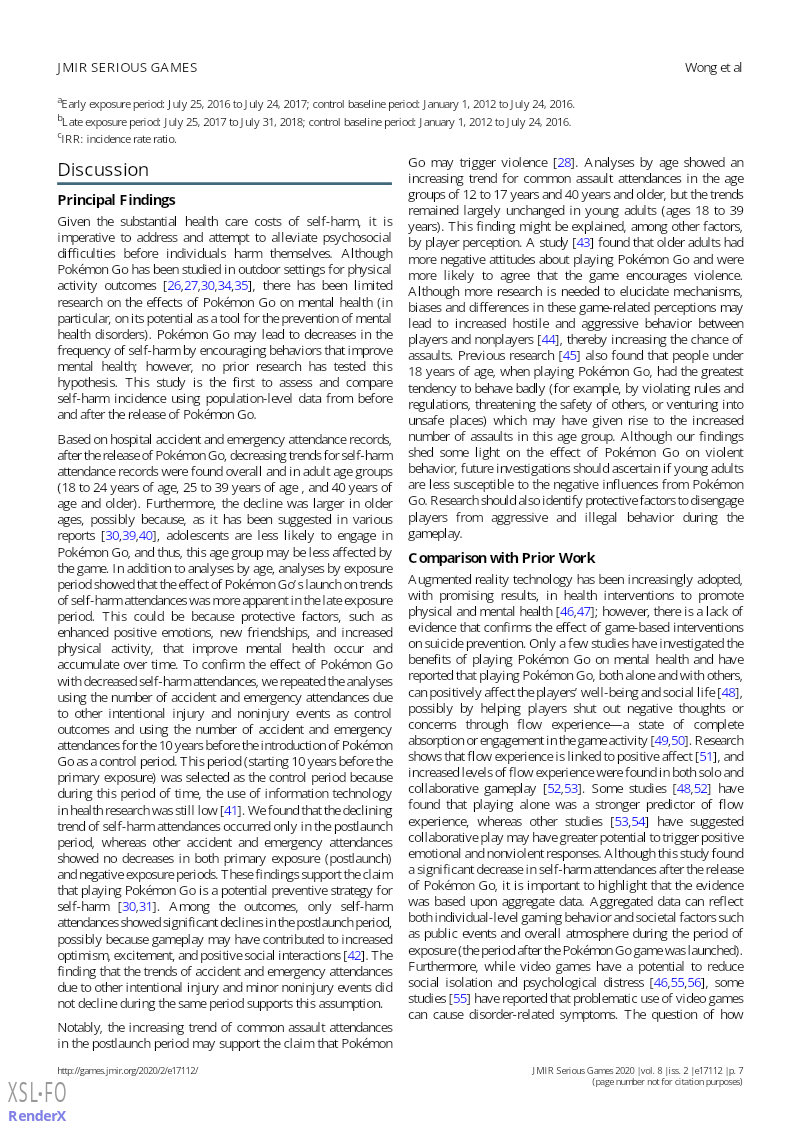
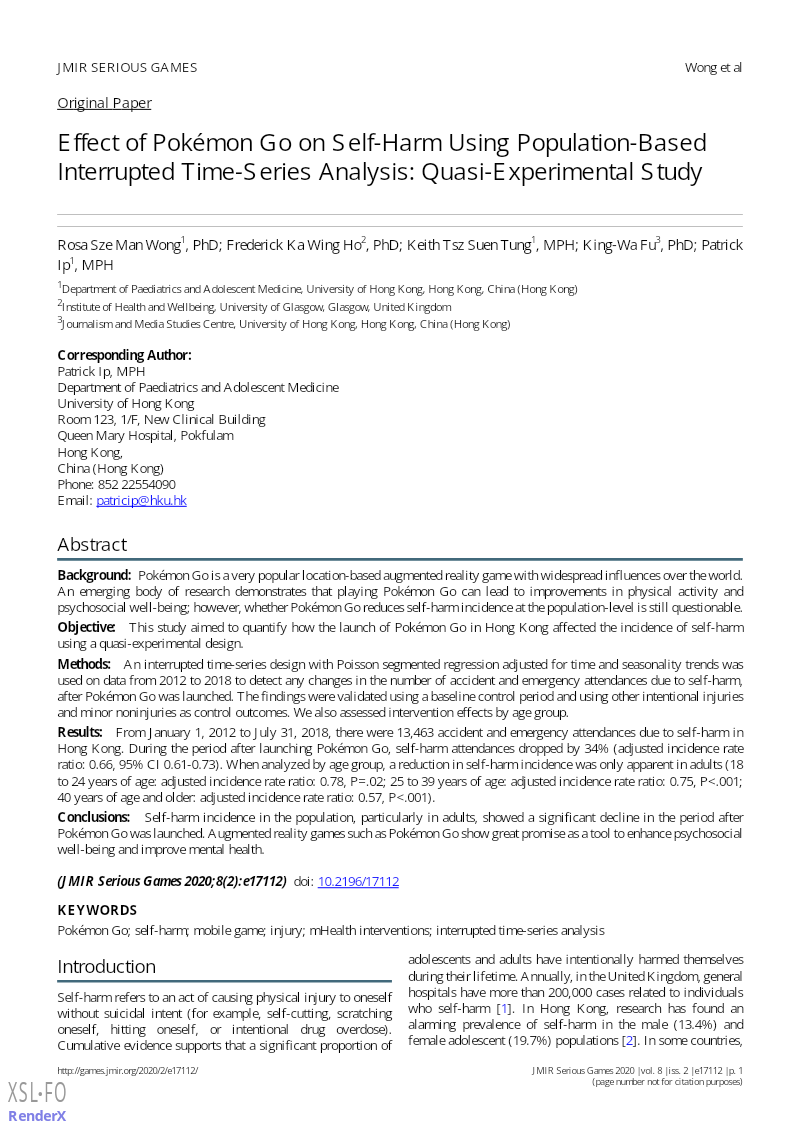
Effect of Pokémon Go on Self-Harm Using Population-Based Interrupted Time-Series Analysis: Quasi-Experimental Study
The launch of Pokémon Go functioned as a significant public health intervention, correlating with a measurable decline in self-harm incidence within the Hong Kong population.
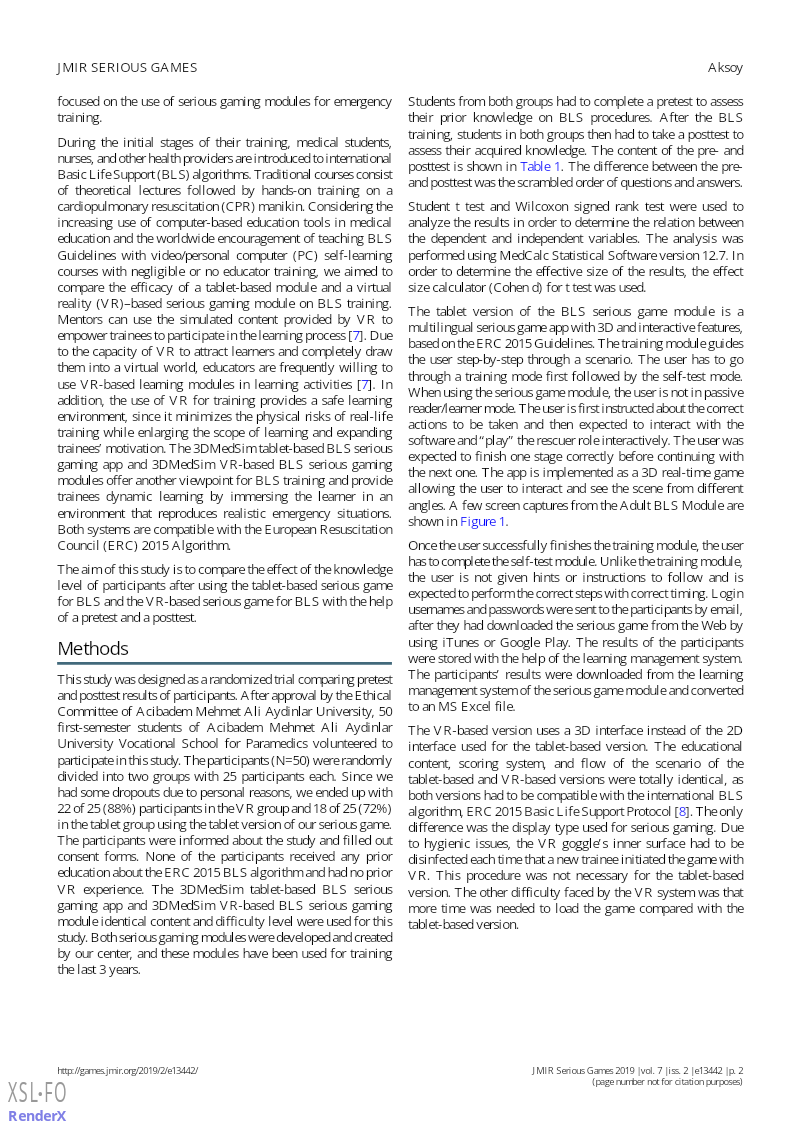
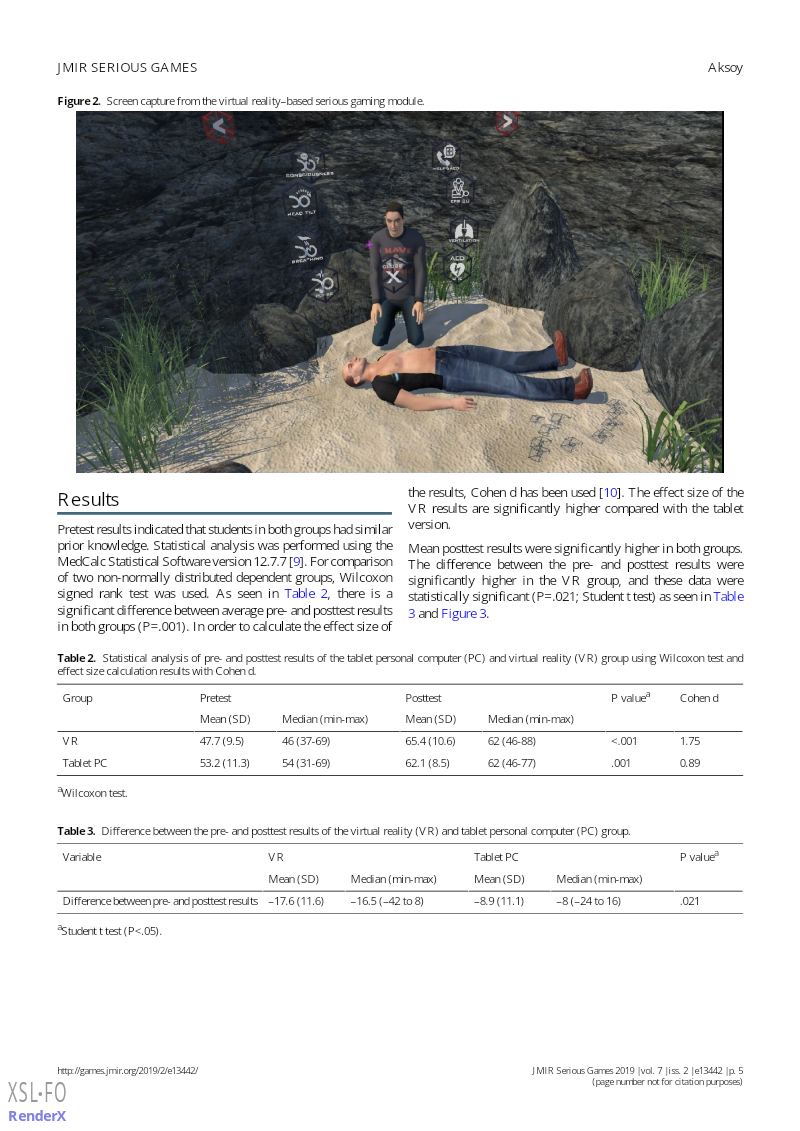
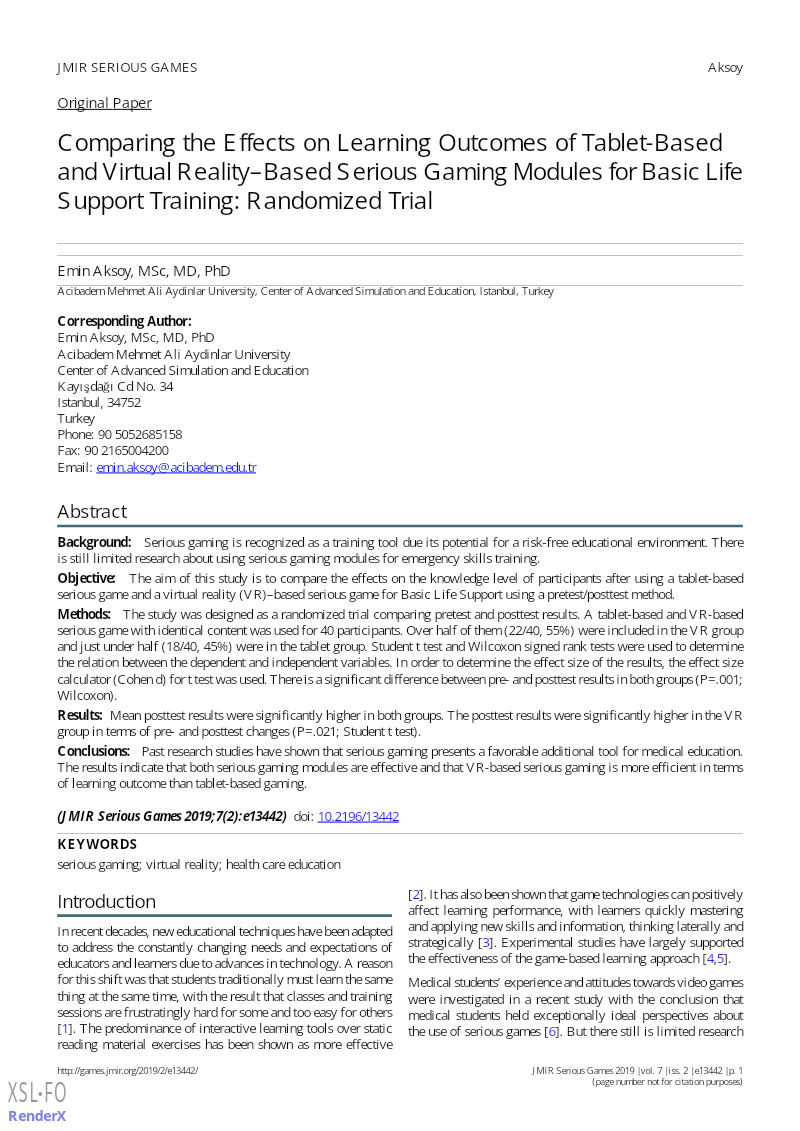
Comparing the Effects on Learning Outcomes of Tablet-Based and Virtual Reality–Based Serious Gaming Modules for Basic Life Support Training: Randomized Trial
This study evaluates the comparative efficacy of tablet-based and virtual reality (VR)-based serious gaming modules for training medical students in Basic Life Support (BLS) protocols.
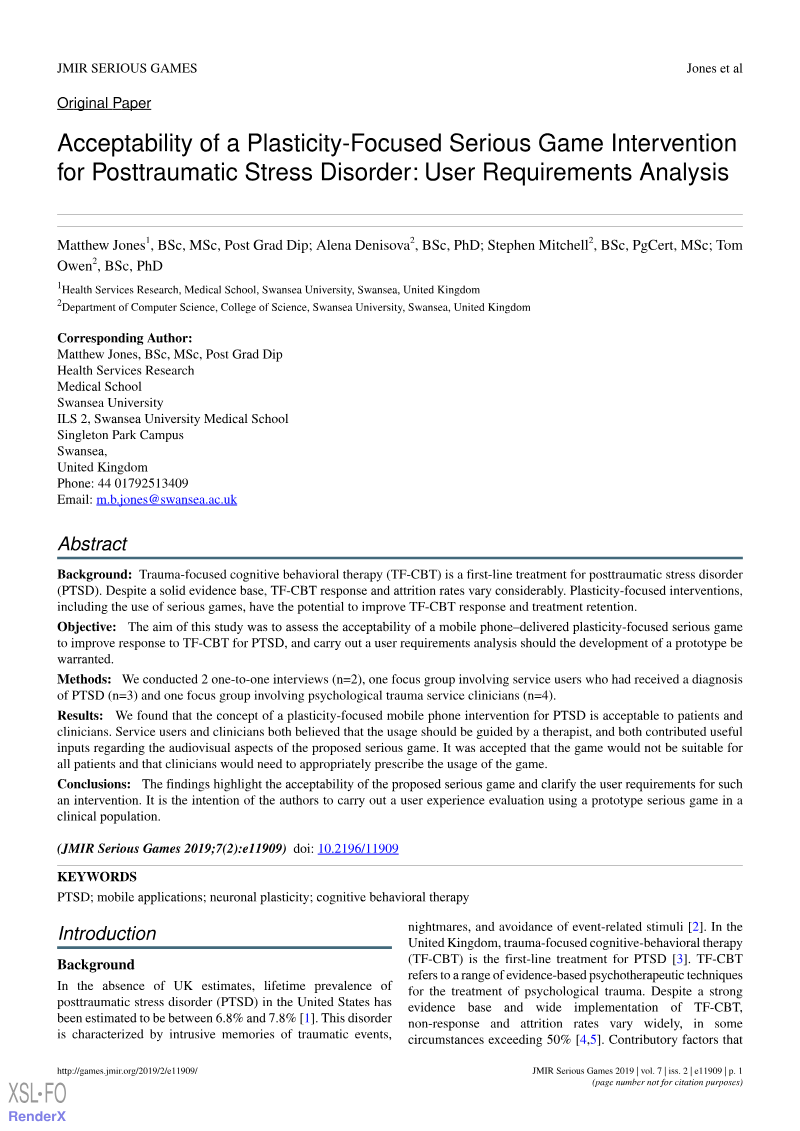
Acceptability of a Plasticity-Focused Serious Game Intervention for Posttraumatic Stress Disorder: User Requirements Analysis
This study evaluates the feasibility and user requirements for a mobile-based, plasticity-focused serious game designed to support trauma-focused cognitive behavioral therapy (TF-CBT) for patients with posttraumatic stress disorder (PTSD).
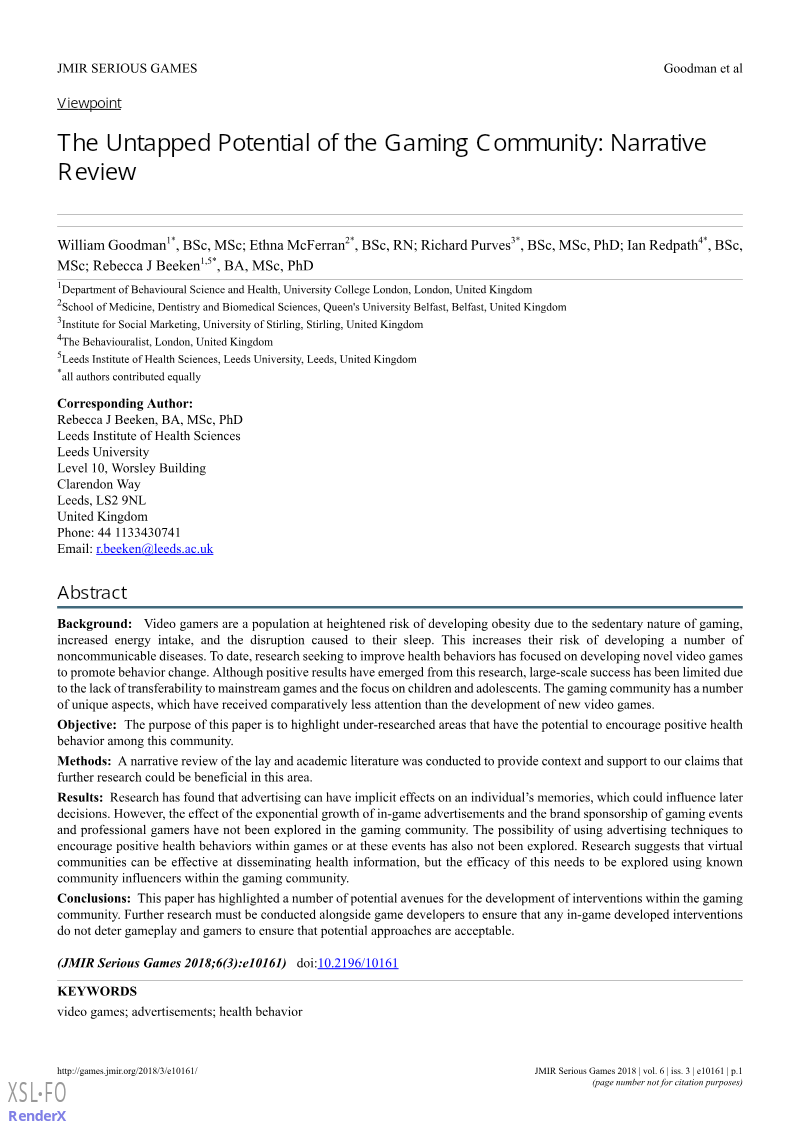
The Untapped Potential of the Gaming Community: Narrative Review
The gaming community represents a significant, yet largely untapped, channel for public health intervention.
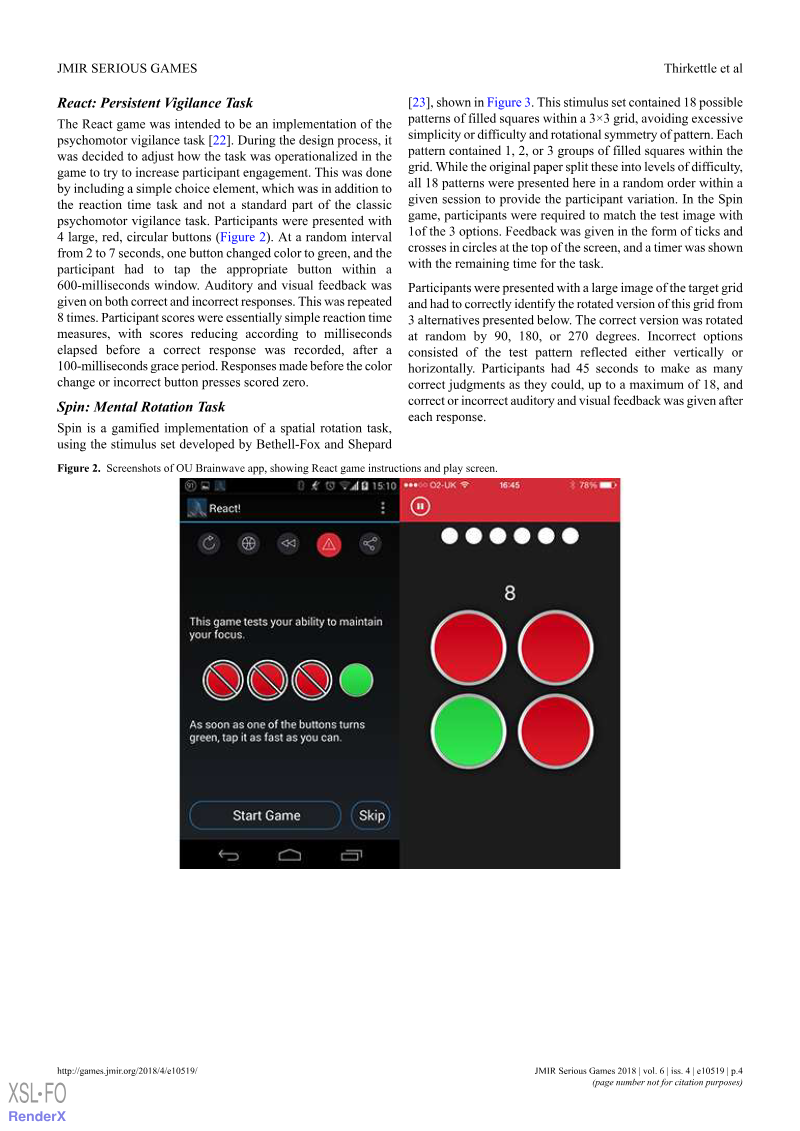
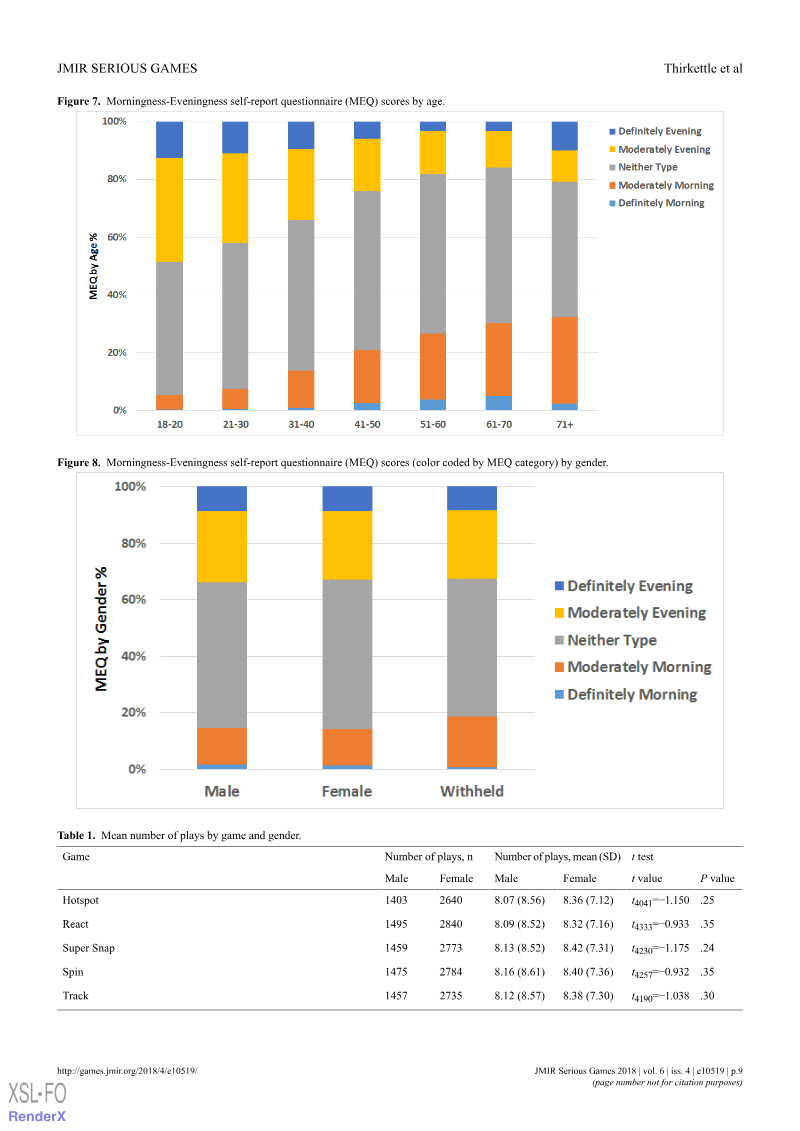
A Mobile App Delivering a Gamified Battery of Cognitive Tests Designed for Repeated Play: OU Brainwave
The OU Brainwave initiative establishes a scalable model for behavioral research by utilizing a gamified mobile application to collect high-fidelity cognitive data.
- The OU Brainwave mobile app successfully collected high-fidelity cognitive data from 13,979 active participants over an 18.5-month period.
- Gamified mobile testing serves as a viable, high-volume alternative to traditional laboratory-based cognitive research, maintaining participant retention through short, self-paced sessions.
- The study tracked performance across five cognitive domains, including spatial cognition, working memory, and sustained attention, while successfully replicating established psychological benchmarks.
Do you work at JMIR Serious Games? Get a free report of how these documents are read and cited here.