
European Conference on Games Based Learning (ECGBL)
Annual European conference on game-based learning and serious games; its proceedings are published open access (CC BY) by Academic Conferences International.
Documents
Game Designers' Perspectives: Interception Between Games and Educational Games Design
Mifrah Ahmad's qualitative study examines how game designers distinguish between games and educational games (EGs), a question the author argues has been largely neglected in gaming research despite the persistent difficulty of balancing playability, fun, and learning outcomes.
- Designers in this qualitative study (seventeen Australian game designers, interviewed semi-structured and analysed with NVivo thematic analysis) largely ignored formal game-design definitions: fourteen of seventeen participants described games and educational games (EGs) as overlapping categories shaped by experience and intuition rather than frameworks.
- Designers treated fun, challenge, immersion, and realism as essential to all games, and distinguished EGs mainly through learning objectives, curriculum constraints, and attention to audience psychology.
- The most demanding challenge in EG design, according to the study, is integrating curriculum requirements with entertainment, and designers remain uncertain how to balance educational value against fun.
A Reflective Game Design Framework for Game-Based Learning
This paper proposes a Reflective Game Design (RGD) framework intended to help designers, educators, and researchers build game-based learning (GBL) experiences that deliberately incorporate reflective practice.
- The authors argue digital games are inherently reflective, since feedback interfaces, head-up displays, maps, prompts, and social discourse invite players to revisit and reassess their actions.
- Existing research treats reflection as a bundle of game features rather than accounting for individual differences in how learners reflect, and practical guidance for embedding reflective learning in game-based learning remains limited.
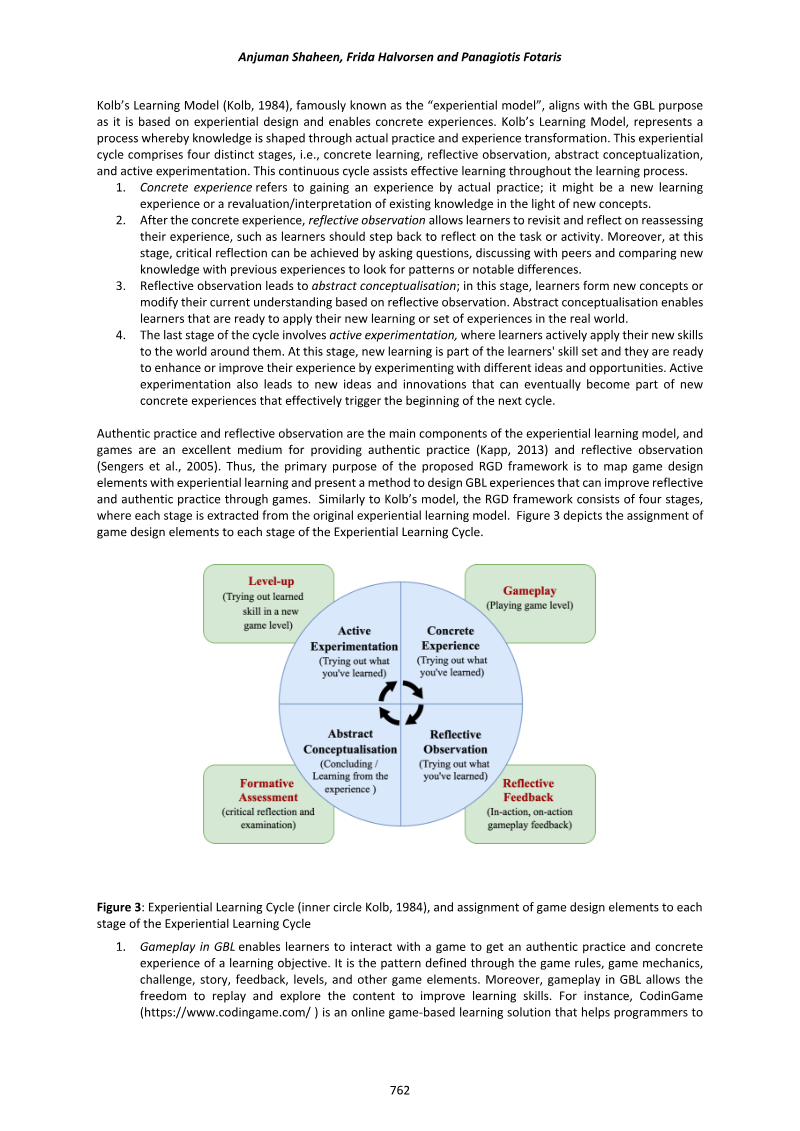
- The proposed Reflective Game Design (RGD) framework maps Kolb's experiential learning cycle onto four game design stages: gameplay as concrete experience, reflective feedback as reflective observation, formative assessment as abstract conceptualisation, and level-up progression as active experimentation.

Dark Pattern: A Serious Game for Learning About the Dangers of Sharing Data
This exploratory study examines whether the board game "Dark Patterns," designed to teach high school students about manipulative data-collection interface tricks, can meaningfully change how young people understand and protect their personal data.
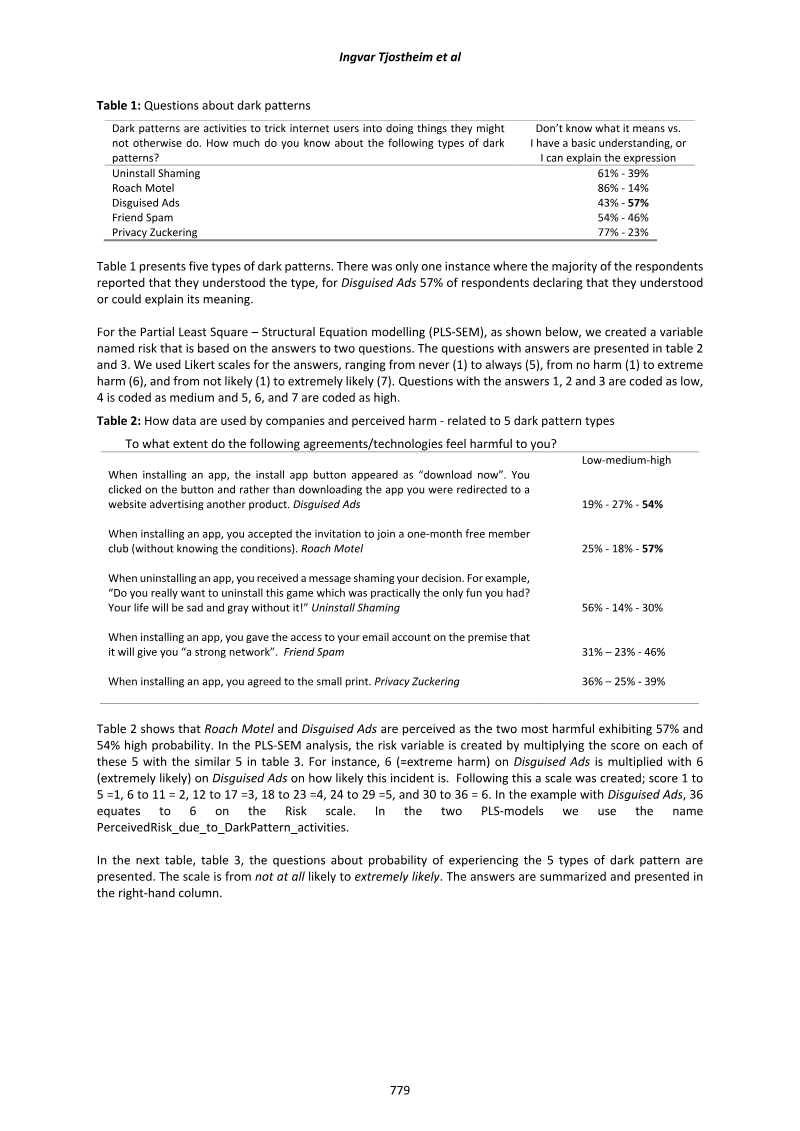
- Playing the board game 'Dark Patterns' with 56 Norwegian and Danish students aged 16 to 18 produced only limited gains in their knowledge of dark patterns, and players confidently recognized just one of five pattern types, Disguised Ads, at roughly 57 percent.
- Knowledge of dark patterns was the strongest predictor of students' intention to protect their personal data, and together with perceived risk it explained about 33 to 40 percent of the variance in those protective intentions.
- Most respondents expressed no plans to take proactive data-protection steps after the game, indicating that awareness did not readily translate into behavioral intent.
Students' Learning Experience in Online Games-Based Sex Education in Thai Secondary Schools
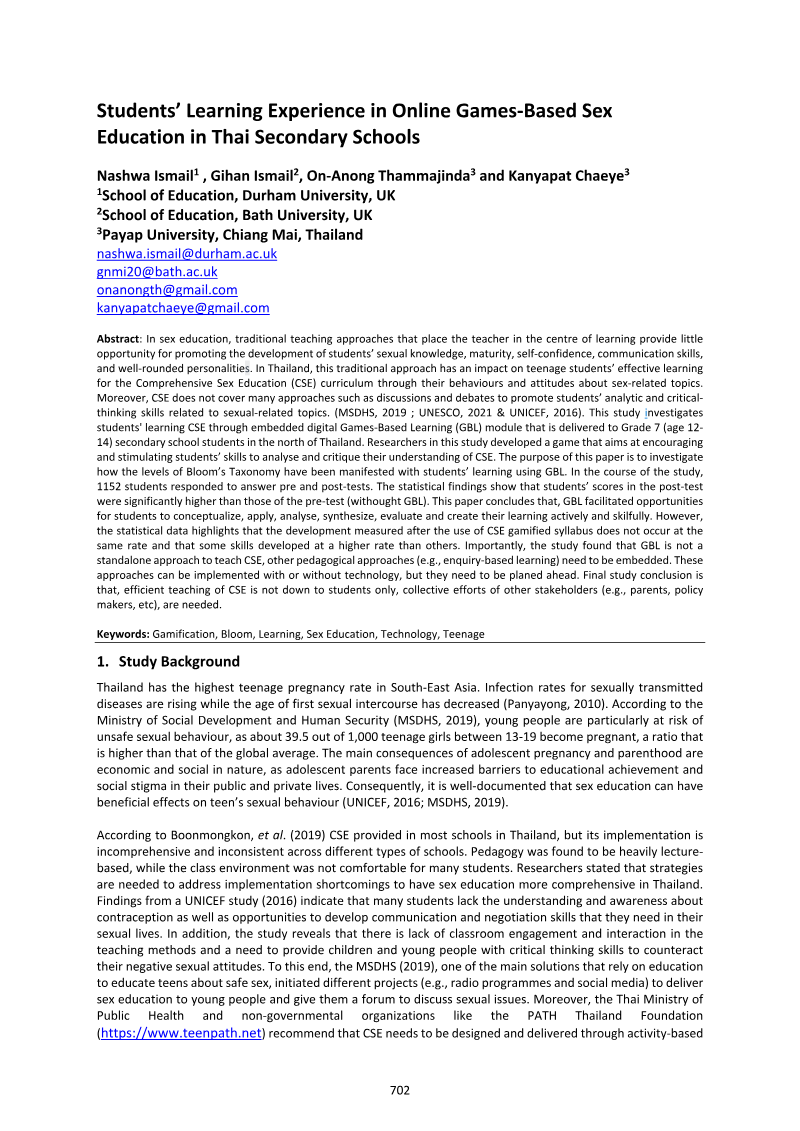
This study examines how Grade 7 students in northern Thailand experienced a digital games-based learning (GBL) module designed for comprehensive sex education (CSE), with a focus on preventing sexual harassment and sexual abuse.
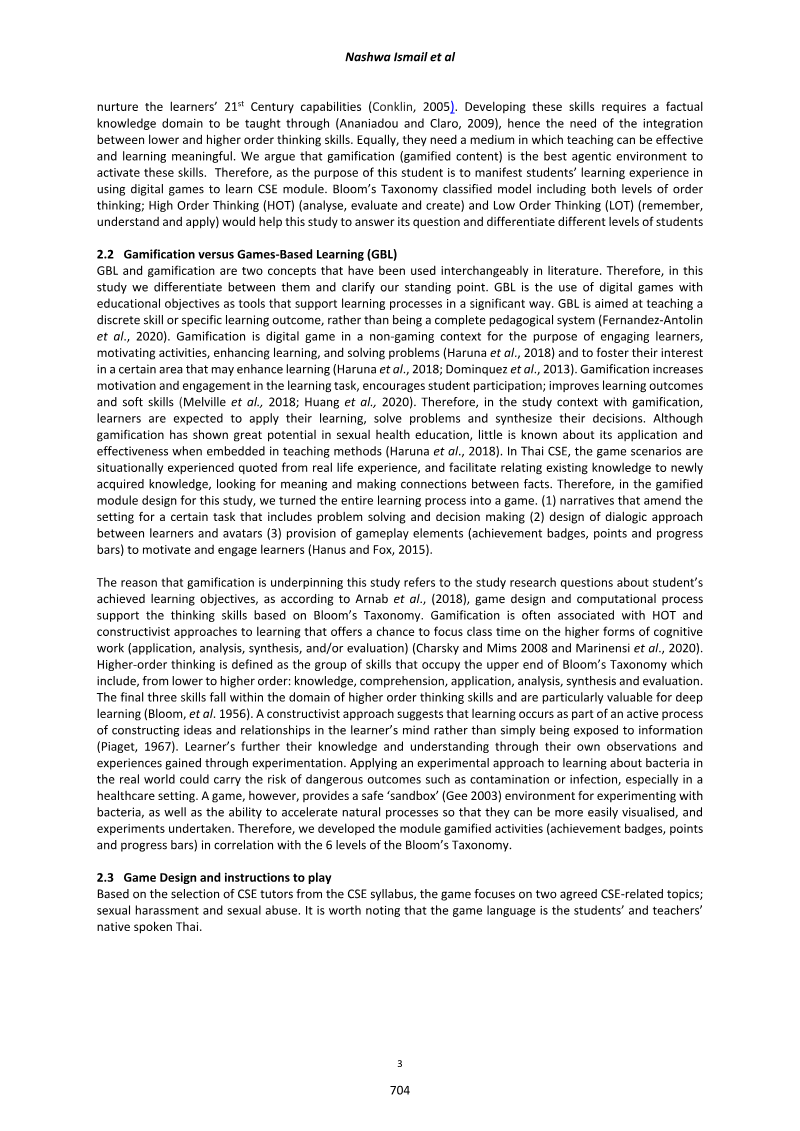
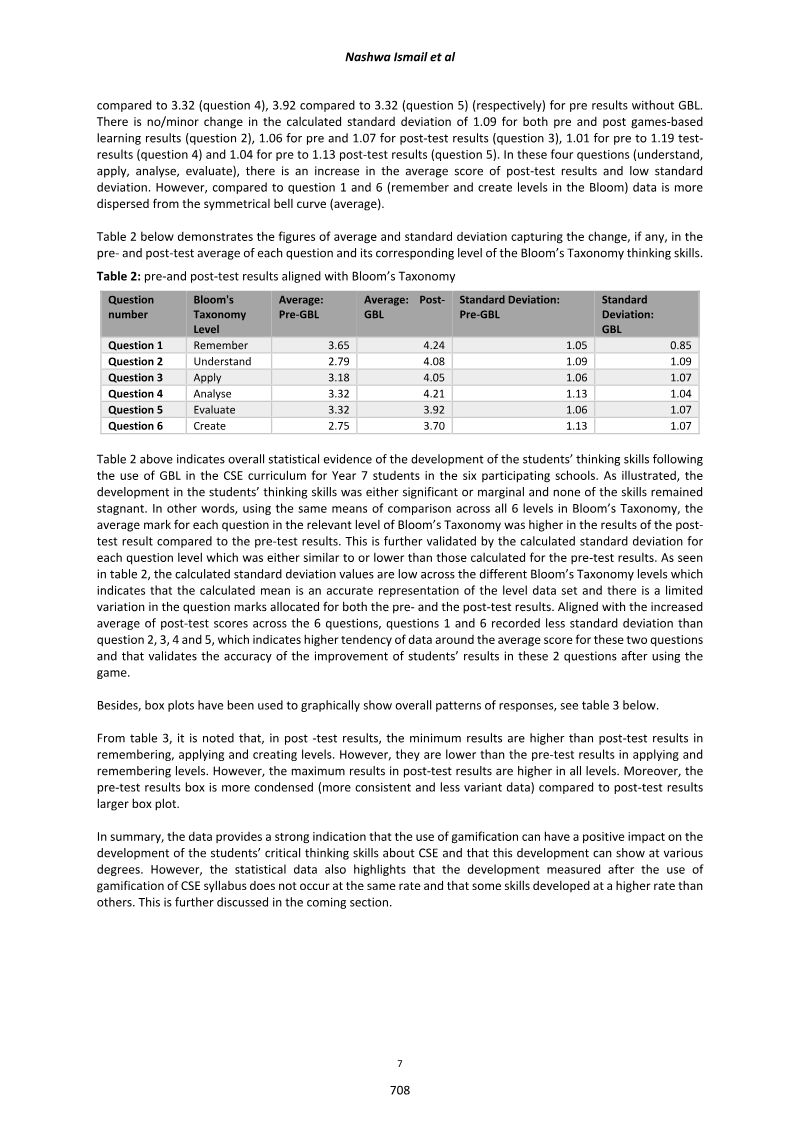
- A games-based learning module on sexual harassment and abuse prevention, tested with 1,152 Grade 7 students across six secondary schools in northern Thailand, produced significantly higher post-test scores than traditional instruction.
- Gains appeared across all six levels of Bloom's Taxonomy, but were strongest in remembering and analysing and weakest in understanding, applying, and evaluating.
- The game reliably strengthened recall and analytical reasoning, yet was less effective at developing skills requiring transfer of knowledge to real-life situations or reasoned judgment.
Room2Educ8: A Conceptual Framework for Designing Educational Escape Rooms
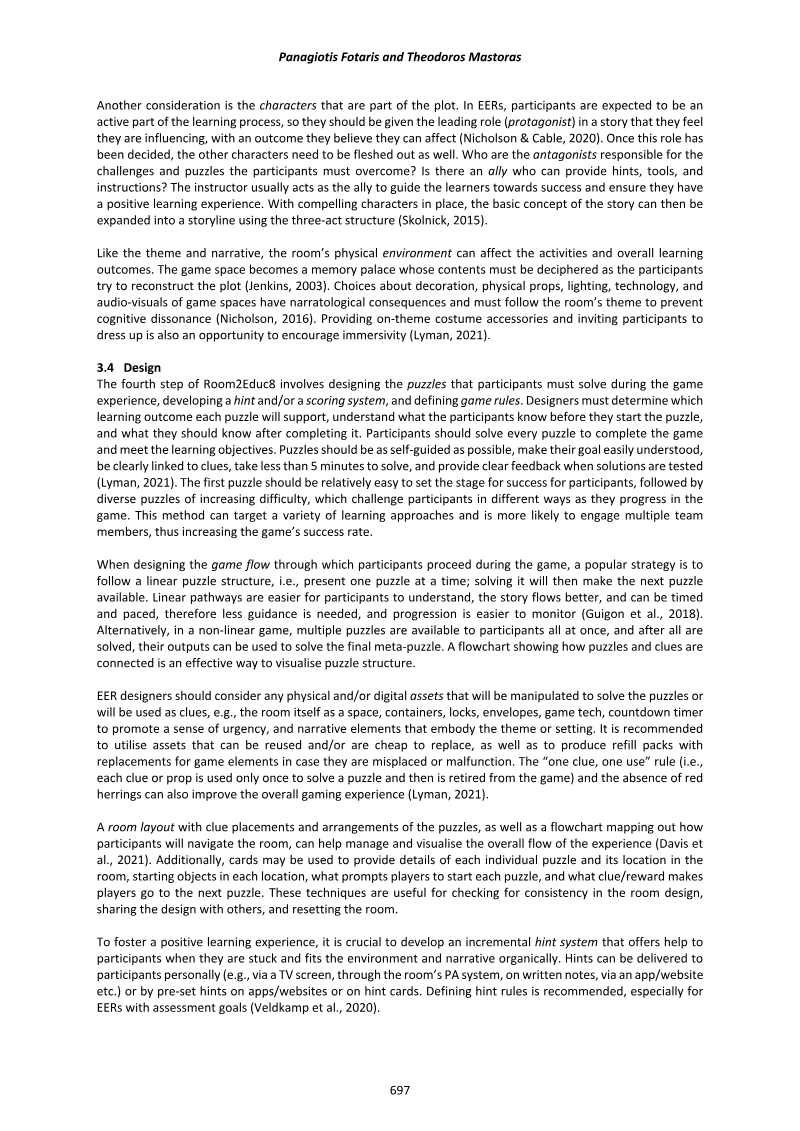
Room2Educ8 is a design-thinking-based conceptual framework intended to guide educators in creating educational escape rooms (EERs).
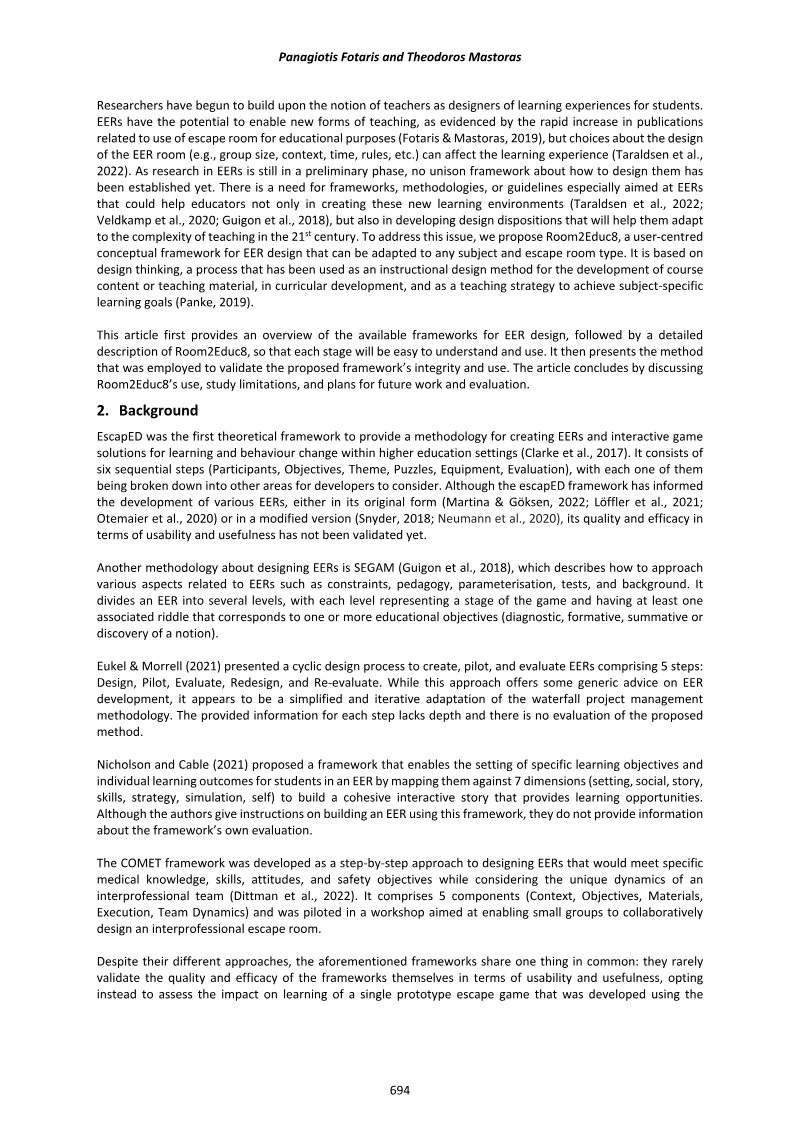
- Room2Educ8 is a nine-step design-thinking framework (empathise, define, contextualise, design, brief, debrief, prototype and playtest, document, evaluate) for creating educational escape rooms, positioned against existing frameworks such as escapED, SEGAM, and COMET that the authors note have rarely been validated for usability or usefulness.
- Validation came from a four-year mixed-methods study in which 104 postgraduate students created 26 escape rooms between 2018 and 2022, with survey ratings of clarity, usability, and usefulness between roughly 3.9 and 4.4 on a five-point scale and consistently positive focus group responses.
- The validation is internal, conducted within a single university course, and measured the framework's usefulness to designers rather than its effects on learners or on learning outcomes.
Literacy Educators' Attitudes on Video Games and Learning
A survey of 328 elementary literacy teachers in the Midwestern United States examines how educators perceive video games in relation to student learning, and whether those perceptions translate into classroom practice.
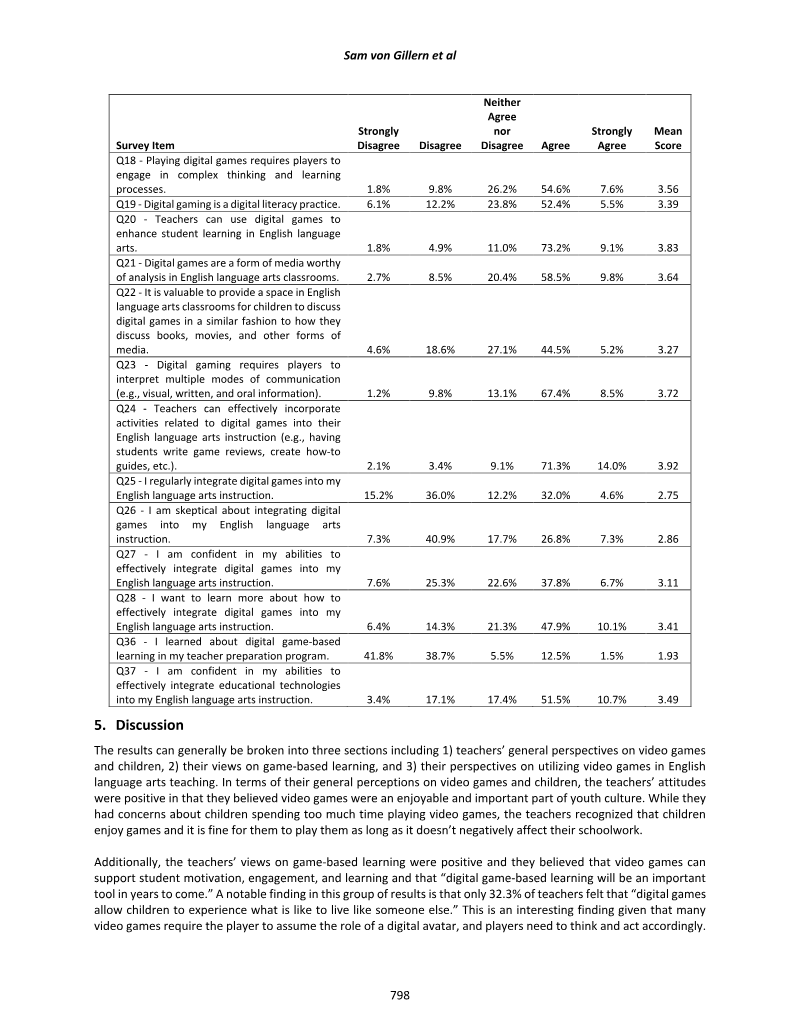
- Teachers hold strongly favorable views of video games for literacy: 87.2% believe games enhance motivation, 87.8% believe they enhance engagement, 74.7% believe they enhance learning, and 82.3% agree they can strengthen English language arts instruction.
- Despite these positive attitudes, only about 37–38% of surveyed teachers regularly incorporate video games into their literacy teaching, revealing a clear gap between perception and classroom practice.
- Roughly a third of teachers remain skeptical of the educational value of video games, even though most view gaming as central to youth culture and a form of digital literacy practice.
Digital Escape Games in Educational Programs for Financial Literacy
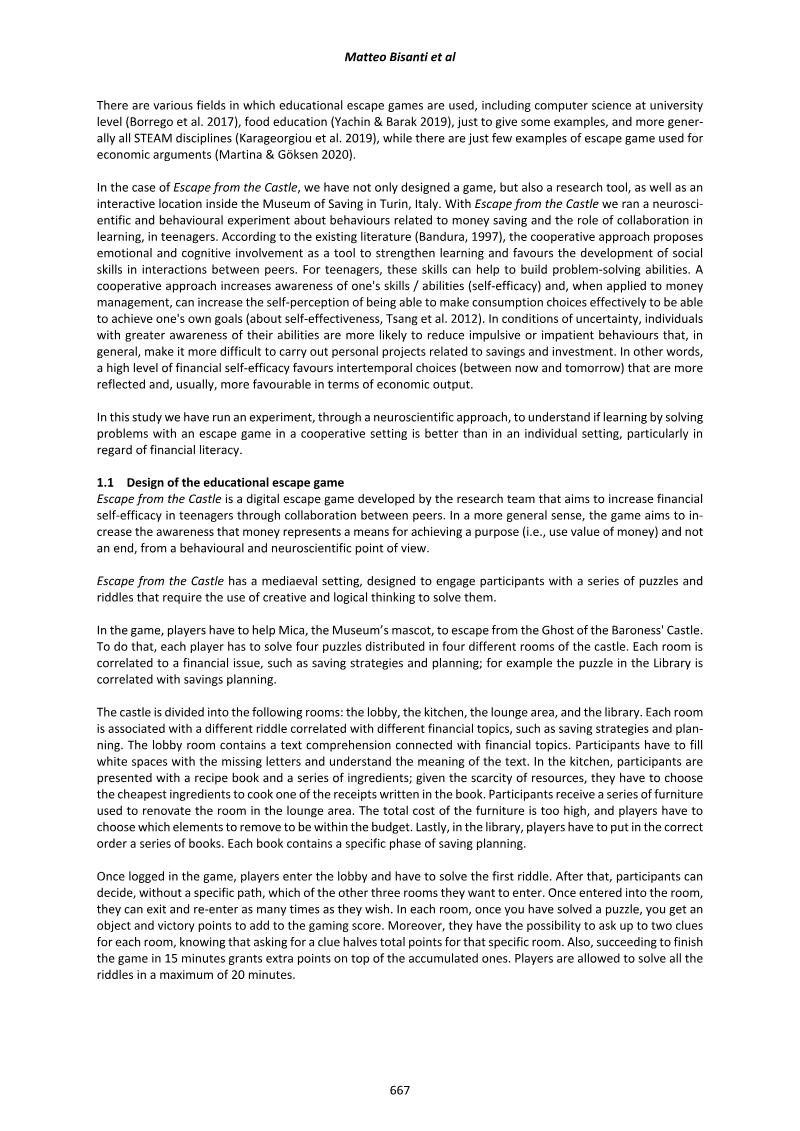
"Escape from the Castle" is a digital escape game developed by researchers at IMT School for Advanced Studies Lucca, the GAME Science Research Center, and Intesa Sanpaolo's Neuroscience Lab, in collaboration with the Museum of Saving in Turin, Italy.
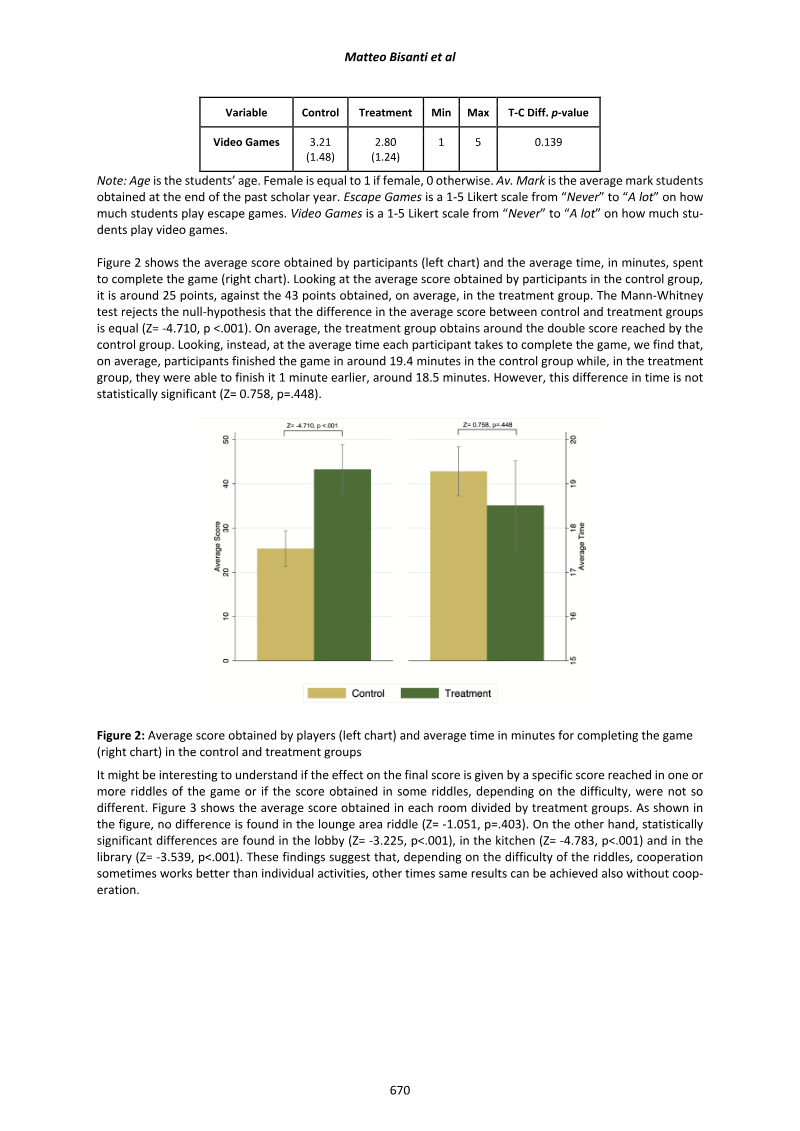
- Cooperative play in the digital escape game "Escape from the Castle" roughly doubled scores versus individual play (about 43 vs. 25 points, p < .001) among 118 students aged 11 to 14 from six Turin middle-school classes.
- Only 40 percent of cooperative players finished within the time limit, compared with 15 percent of individual players, though the cooperative groups' roughly one-minute shorter completion time was not statistically significant.
- The cooperative advantage held for the lobby, kitchen, and library puzzles but not the lounge area, indicating the effect varied by puzzle.
University Students' Video Gaming: Reasons, Preferences, and Behavioural Effects
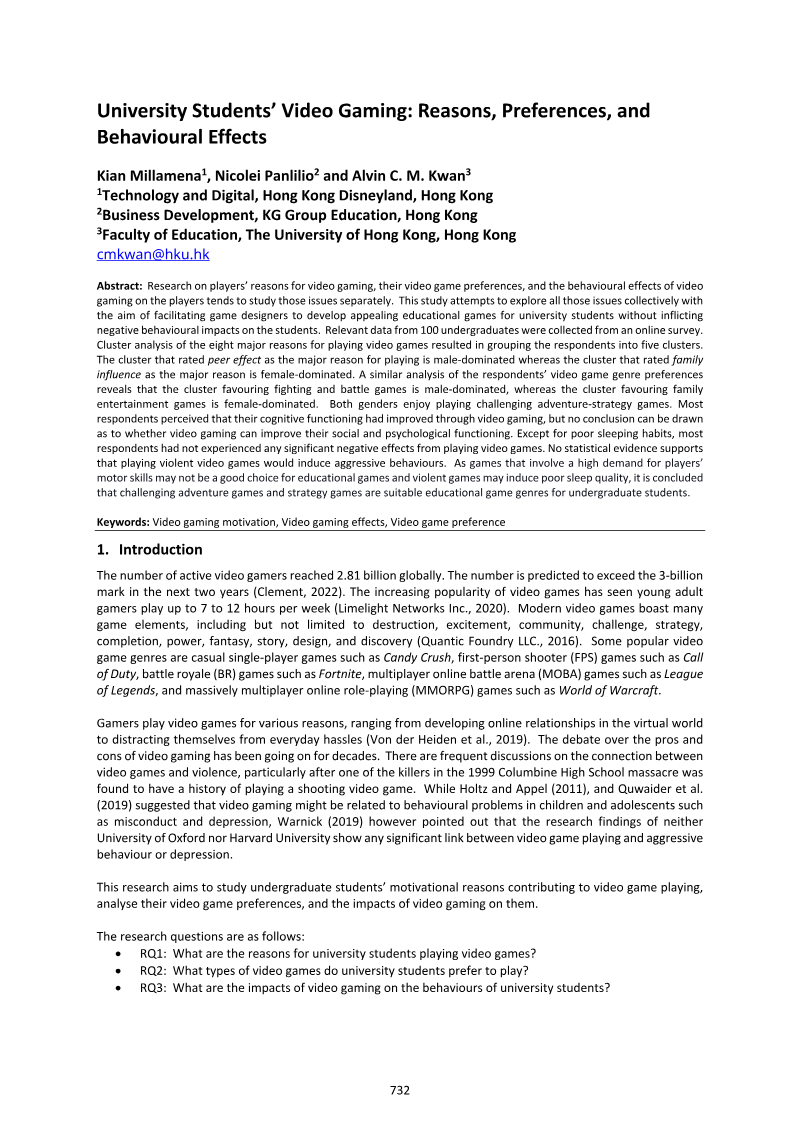
This study examines video gaming among 100 Hong Kong undergraduates, with a mean age of 20.84 and a sample of 55 men and 45 women.
- Gaming motives among 100 Hong Kong undergraduates (mean age 20.84; 55 men, 45 women) clustered into five groups—emotion-oriented, peer-oriented, socially oriented, inexplicable, and family-oriented—with the family-oriented group predominantly female.
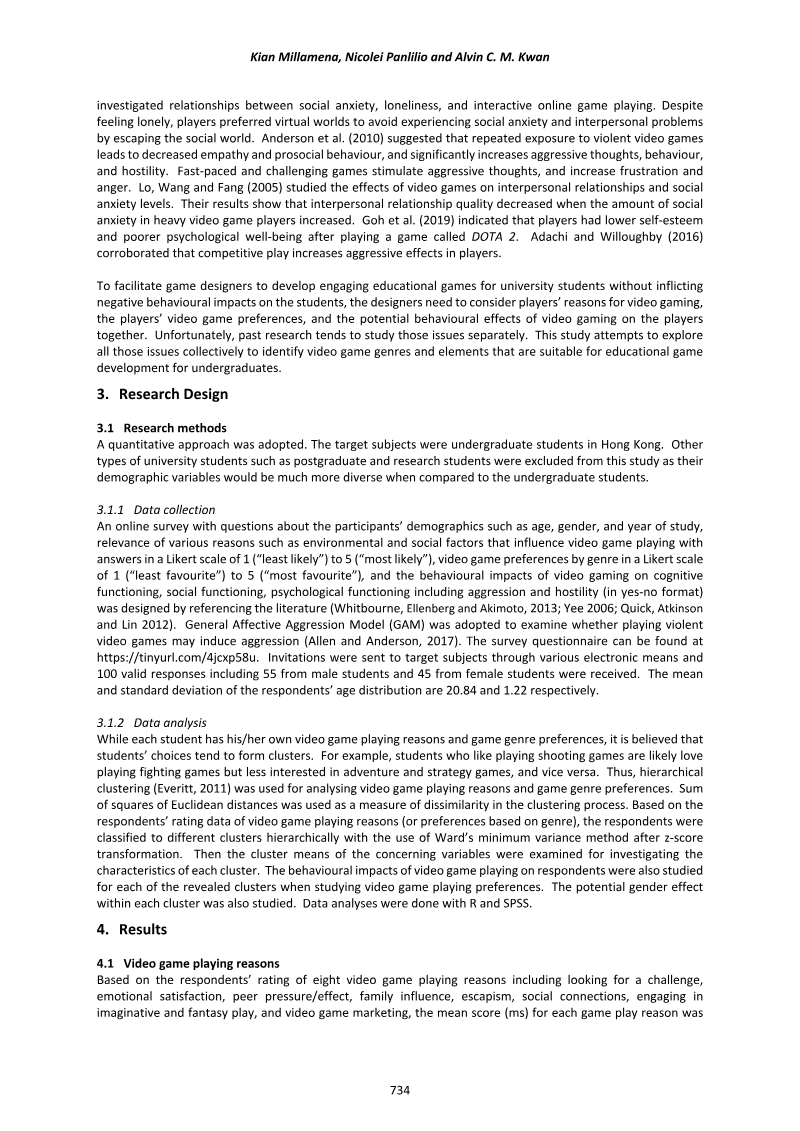
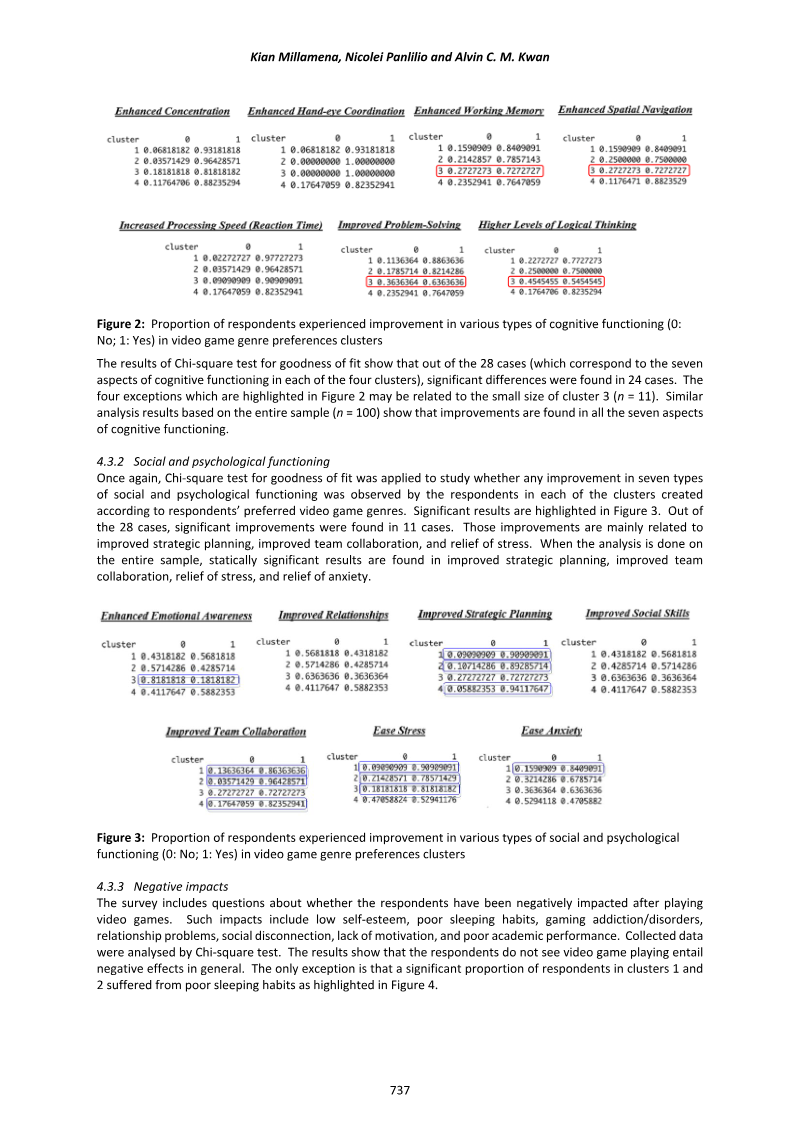
- Across all seven measured cognitive dimensions, students reported improvements, alongside social and psychological benefits such as strategic planning, team collaboration, and stress and anxiety relief.
- Poor sleep was the only significant negative effect identified, and it was concentrated among two specific clusters rather than the whole sample.
Let's Jazz: A Case Study on Teaching Music with Educational Escape Rooms
This study presents an educational escape room designed to teach jazz and Afro-American music to lower secondary students, aiming to add evidence on game-based learning in non-scientific subjects, which remain underrepresented in escape room research.
- Average scores rose from 9.50% on the pre-test to 58.35% immediately after the escape room and 73.72% two weeks after a structured debriefing, indicating that the debriefing phase substantially consolidates learning.
- After debriefing, 66% of students reached the highest performance band, compared with 25% immediately after play, showing that debriefing converts engagement into retained knowledge.
- The escape room, set as a murder investigation in a New Orleans jazz club, taught jazz and Afro-American music through puzzles on instruments, song structure, the pentatonic scale, and the historical roles of work songs and spirituals.
The Burden of Choice: Using Games to Teach Ethics as a Skill
This paper argues that ethics is best cultivated as a practical skill rather than transmitted as fixed doctrine, and that interactive narrative games can foster genuine moral reflection precisely because they grant players agency and responsibility that passive scenarios cannot.
- Ethics is best cultivated as a practical skill rather than transmitted as fixed doctrine, and interactive narrative games can foster moral reflection because they grant players agency and responsibility that passive scenarios cannot.
- Meaningful moral involvement depends on implicit rather than explicit morality systems, unlabelled choices, consequential-feeling decisions, and well-developed characters that players form attachments to.
- Designers must calibrate how much feedback is revealed versus hidden, since this balance determines whether players genuinely reflect or simply optimize for outcomes.
Learning by Co-Designing Environmental (In)Justice Games
This study examines how undergraduate honors students learned about environmental justice by researching environmental topics, co-creating tabletop games, testing them with peers, and leading gameplay for members of the public.
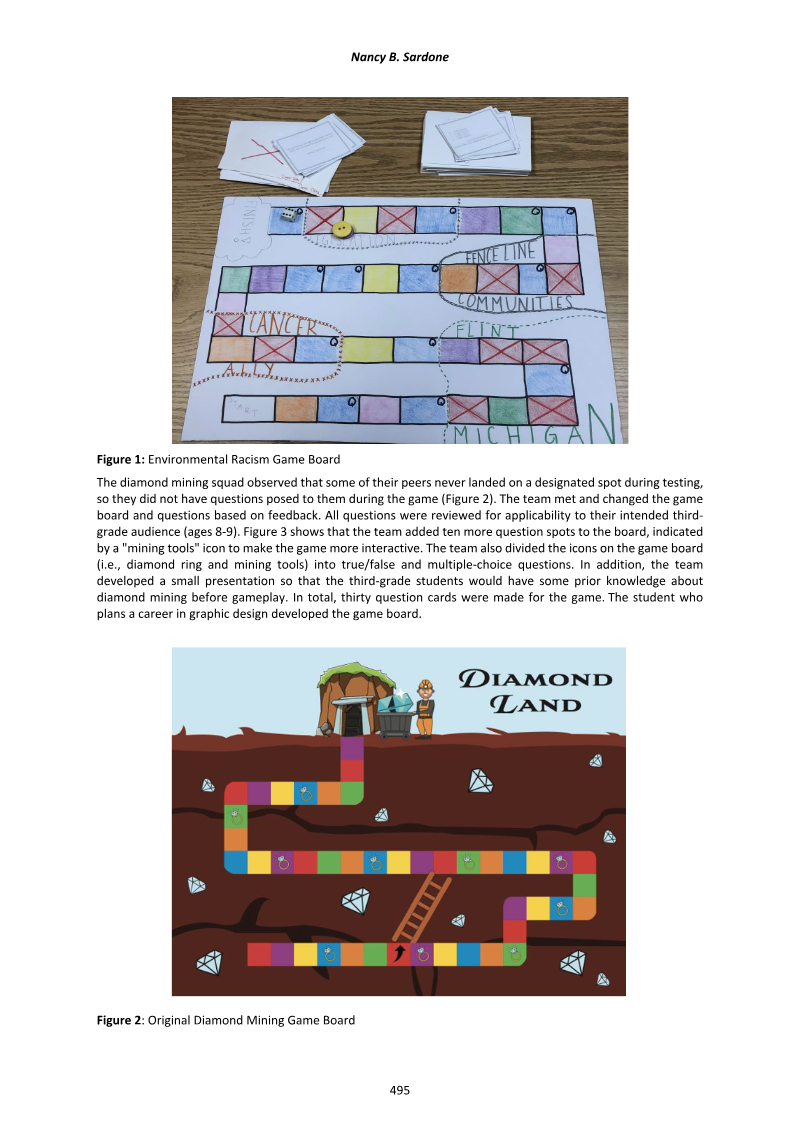
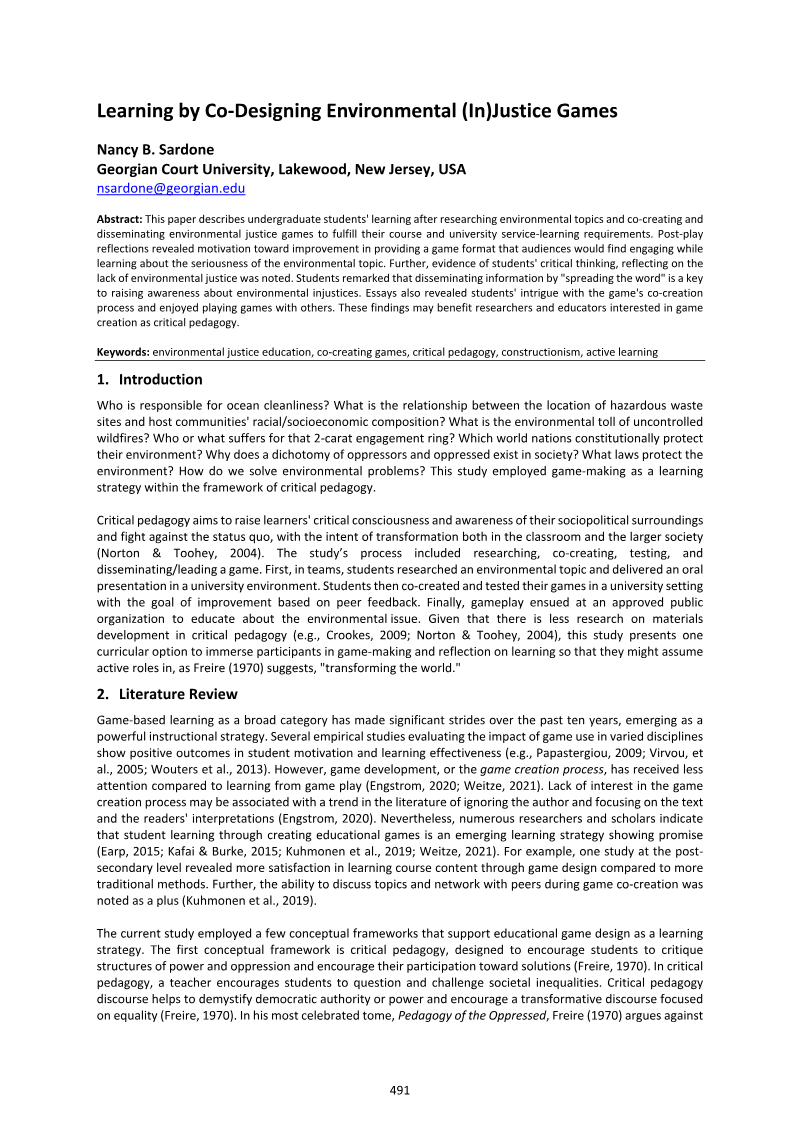
- Undergraduate honors students (19 students at a private mid-Atlantic U.S. university, working in teams of four to five) learned about environmental justice by researching topics, co-creating tabletop games, peer-testing them, and leading gameplay for members of the public.
- Students' reflective essays showed growing awareness of hazards such as diamond mining, ocean microplastics, environmental racism, and wildfires, along with a sense that policy protections are inadequate.
- Peer testing led to concrete design revisions, including adjusted question difficulty, expanded question spaces, and pre-play information for younger audiences.
Pedagogical Foundation to Promote Students' Engagement and Creativity While Co-creating a Music Learning Game
This study, conducted by Astrid Marin-Jimenez and Francis Dubé at Laval University, examines how students aged 10 to 14 can be guided through the co-creation of a music learning game.
- The study addresses a documented gap: music education lacks established pedagogical principles for creative approaches such as student game co-creation, despite literature linking them to gains in creativity and engagement.
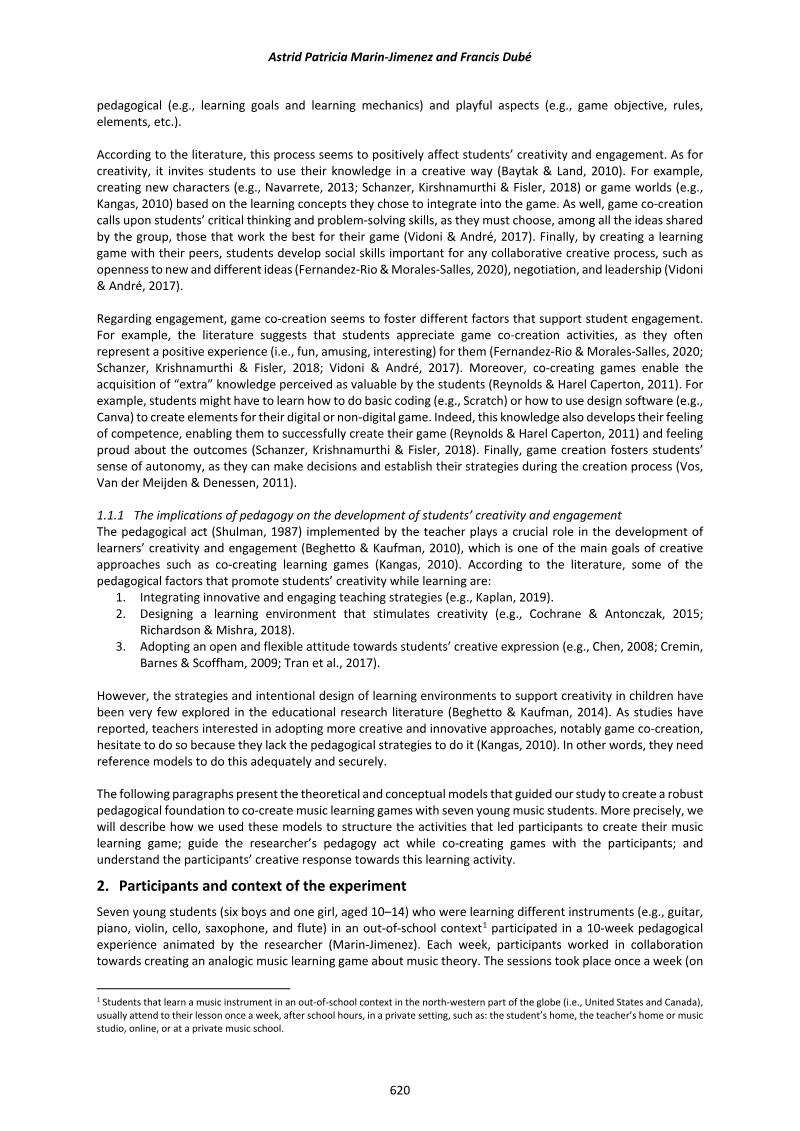
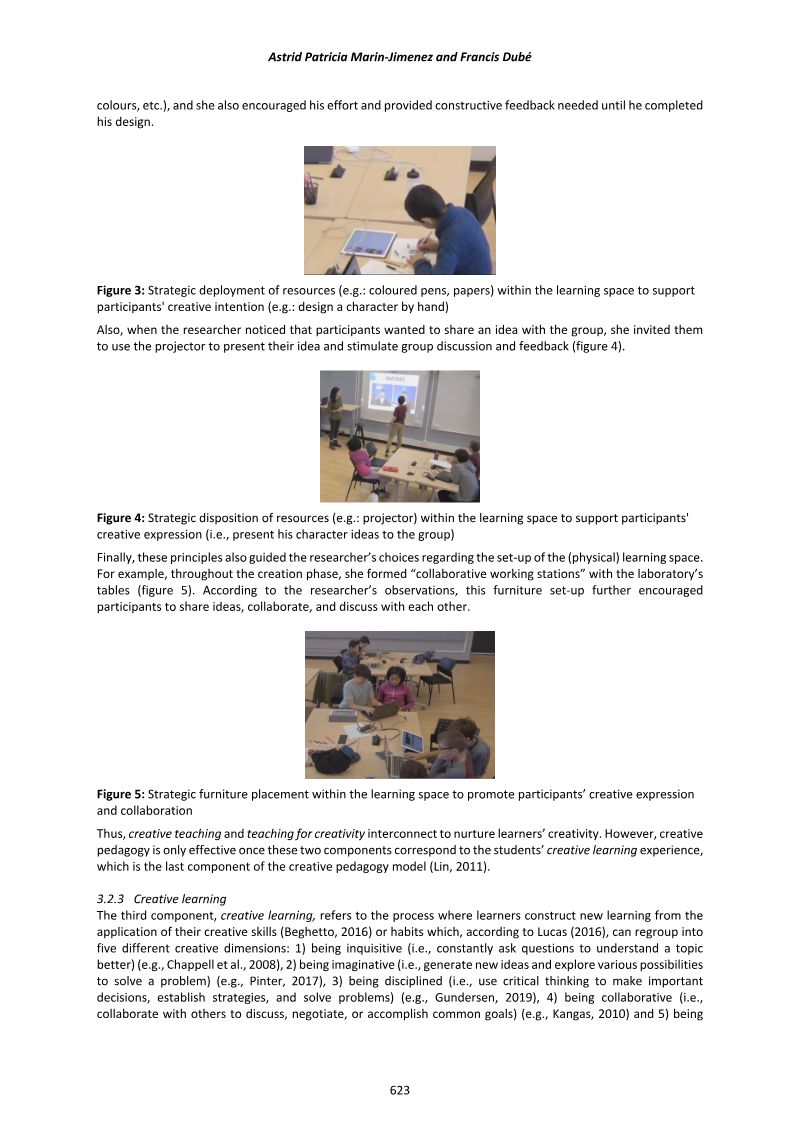
- The authors combine Kangas's Creative and Playful Learning model with Lin's Creative Pedagogy model into a framework covering activity structure, teacher approach, and interpretation of students' creative responses.
- The research involved seven students aged 10 to 14 who met weekly over ten sessions, producing a game titled "The War of Six Clans."