
European Conference on Games Based Learning (ECGBL)
Annual European conference on game-based learning and serious games; its proceedings are published open access (CC BY) by Academic Conferences International.
Documents
Enhancing Programming Learnability for Children Through Video Games
This paper by Nora Volina and Helmut Hlavacs from the University of Vienna investigates whether video games can serve as an effective medium for teaching programming to children.
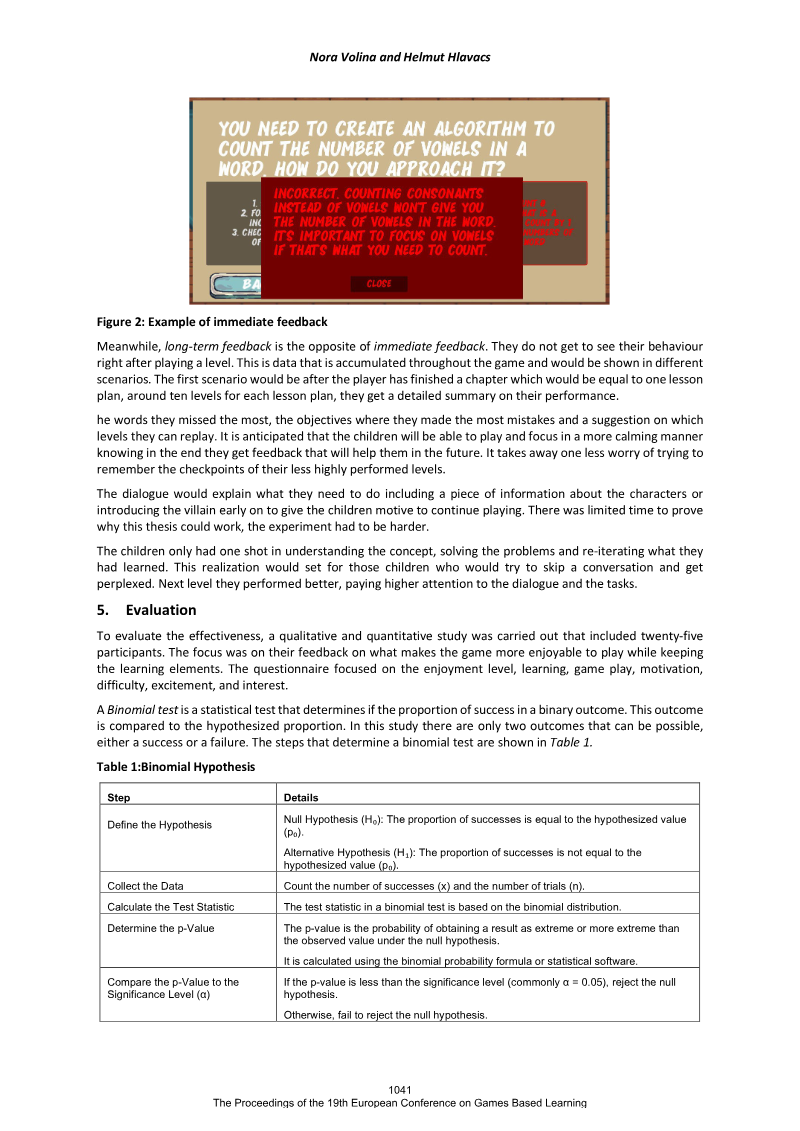
- The authors built Codonia, a mobile game made in the Godot Engine that teaches programming foundations such as algorithms and loops using narrative, challenge-based levels, feedback, and rewards.
- In a study of 25 participants, positive responses on items such as engagement and confidence in understanding algorithms reached 25 of 25, with a one-sided binomial test yielding p-values below 0.05 for most items.
- The authors claim gamified learning can raise motivation and self-perceived competence, but their third hypothesis about learning outcomes remained undetermined.
Dialogic Teacher Facilitation of Esports Activities for Vulnerable Youth
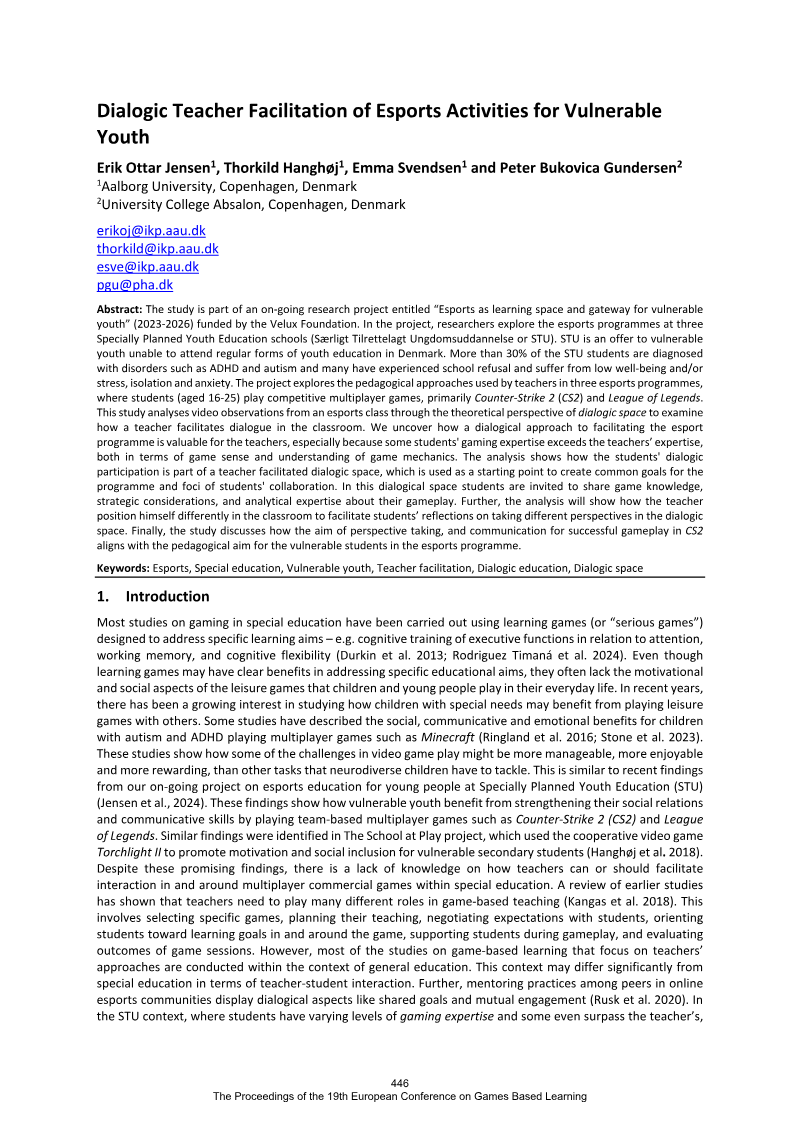
This study examines how dialogic facilitation can support esports teaching for vulnerable youth in Danish Specially Planned Youth Education (STU) schools.
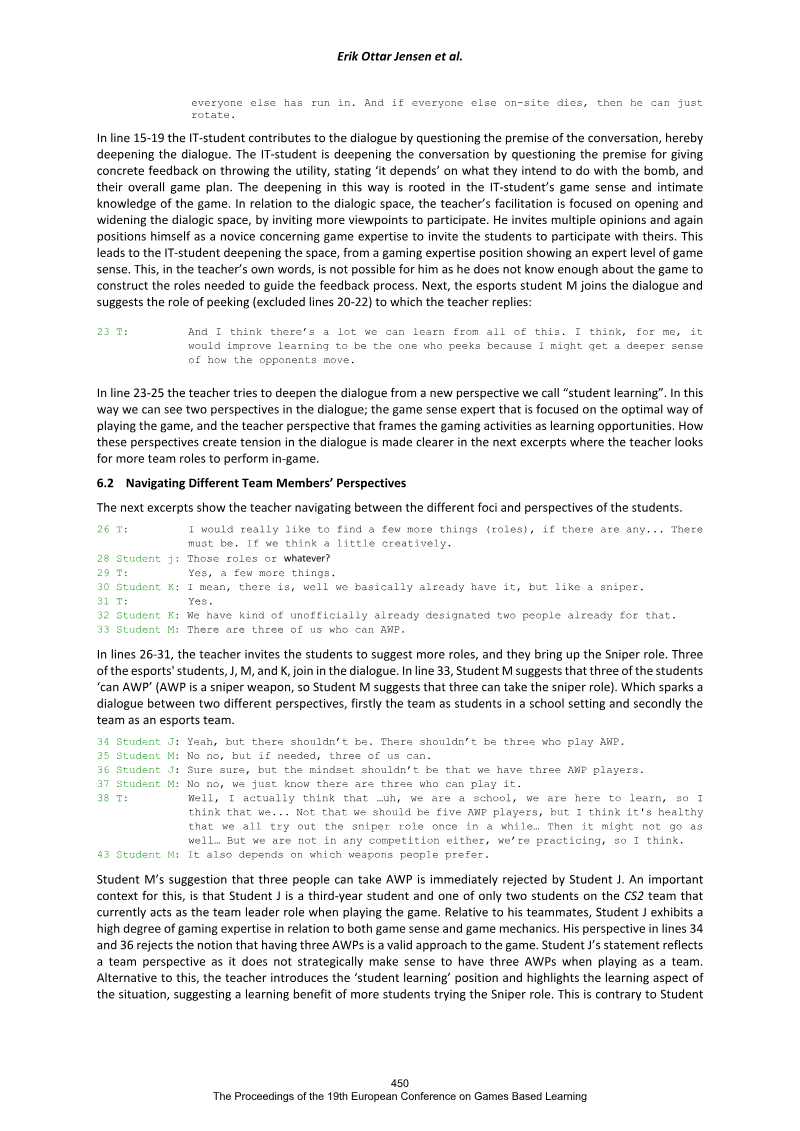
- A teacher with only beginner-level game expertise can open and widen a dialogic space in which students with far greater gaming knowledge co-construct in-game roles and peer feedback routines, grounded in Wegerif's open/widen/deepen framework.
- The study centres on video observation of a single pre-game briefing in Counter-Strike 2 in one class session at a Danish STU (Specially Planned Youth Education) school, funded by the Velux Foundation.
- Students' differing mechanical skill and strategic understanding shape the perspectives they bring: an advanced student prioritised team strategy, while another emphasised personal weapon preference, revealing esports' inherently collaborative character.
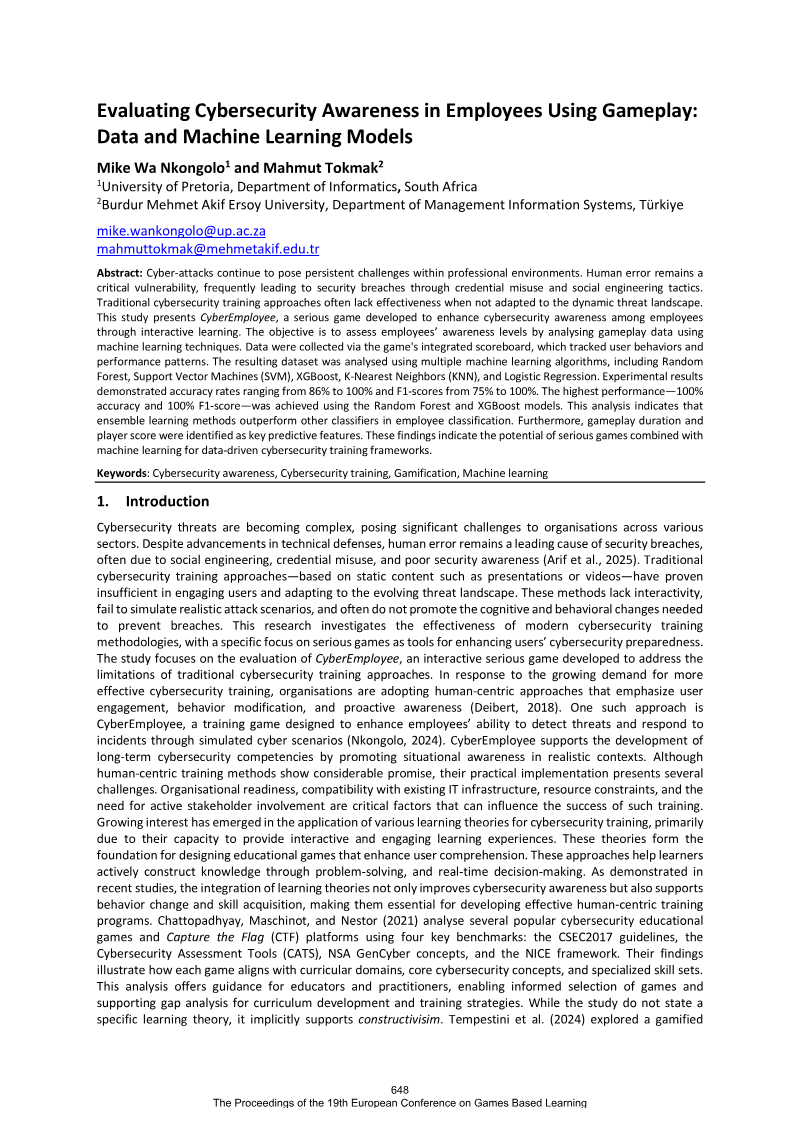
Evaluating Cybersecurity Awareness in Employees Using Gameplay: Data and Machine Learning Models
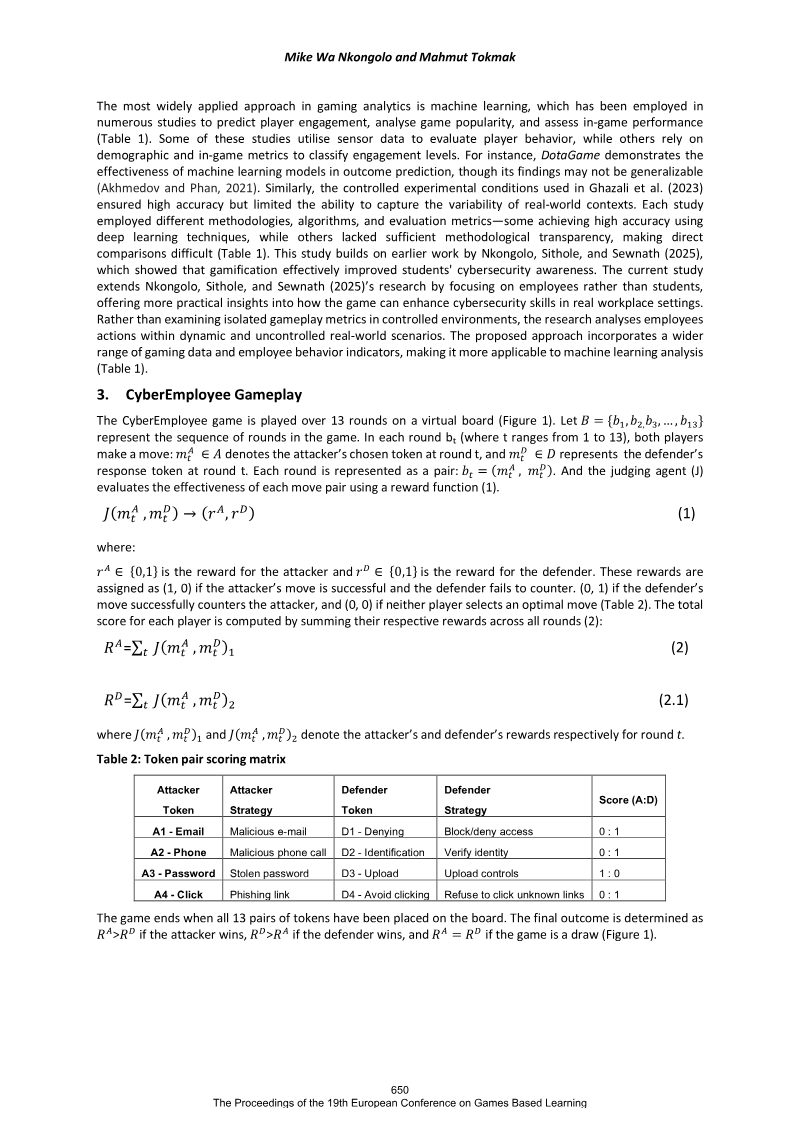
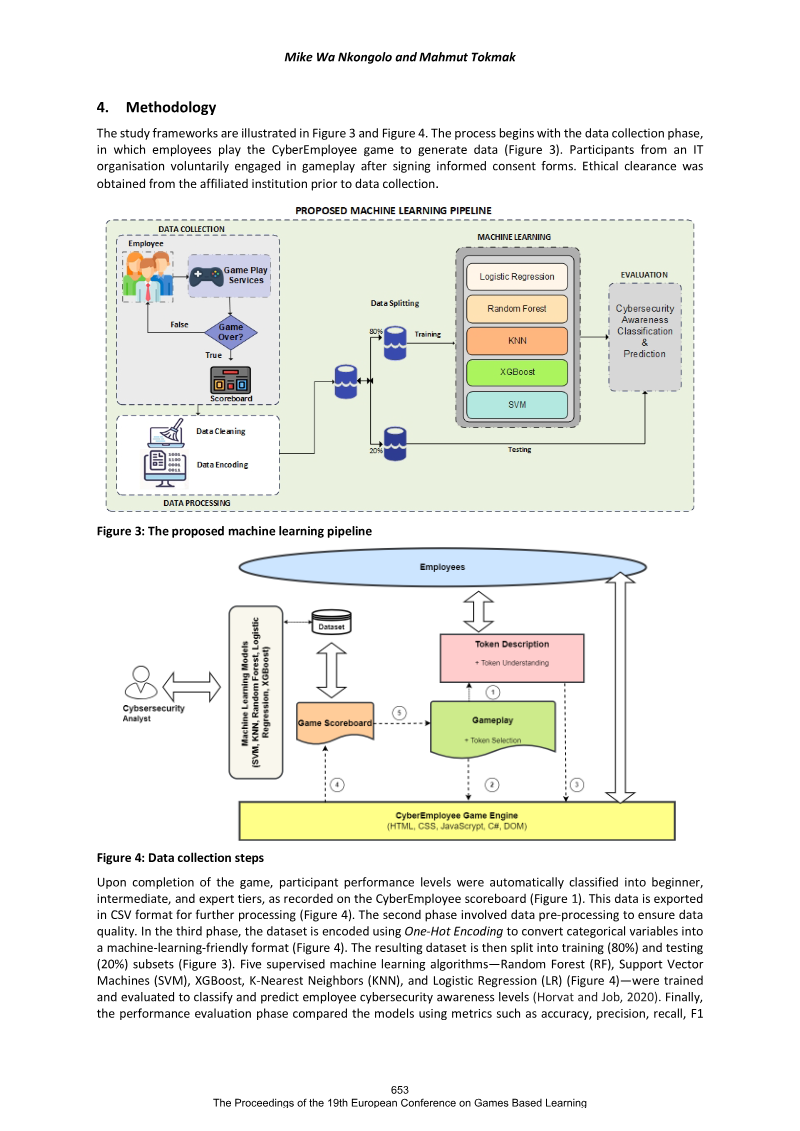
This study introduces CyberEmployee, a serious digital card game designed to assess and improve employee cybersecurity awareness through simulated attacker-defender scenarios, and it evaluates whether gameplay data can be used to classify employee skill levels with machine learning.
- CyberEmployee is a serious digital card game that simulates attacker-defender scenarios to assess and improve employee cybersecurity awareness, with gameplay data exported as CSV from an IT organisation's scoreboard.
- Random Forest and XGBoost classifiers achieved perfect scores across accuracy, precision, recall, F1-score, and ROC AUC, while SVM reached 95% accuracy, KNN 93%, and Logistic Regression 86% with the lowest F1-score at 75%.
- Defender score, gameplay duration, and attacker score were the most influential predictors of employee skill tier, whereas game outcome and player identifier contributed little, suggesting the models rely on behavioural signals rather than outcomes or identity.
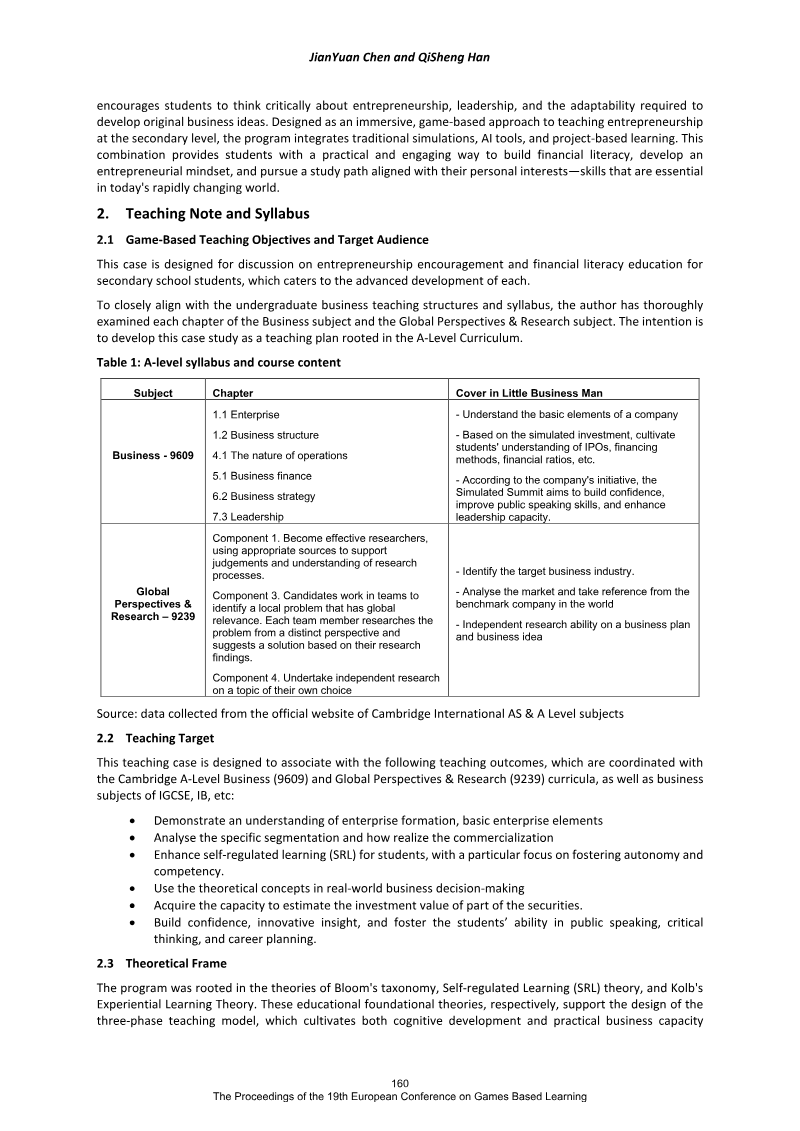
Innovative Game-Based Teaching of Entrepreneurship for Secondary Education: The Little Business Leader
This paper by JianYuan Chen and QiSheng Han presents a game-based pedagogical framework for teaching entrepreneurship, financial literacy, and technological competencies to secondary school students.
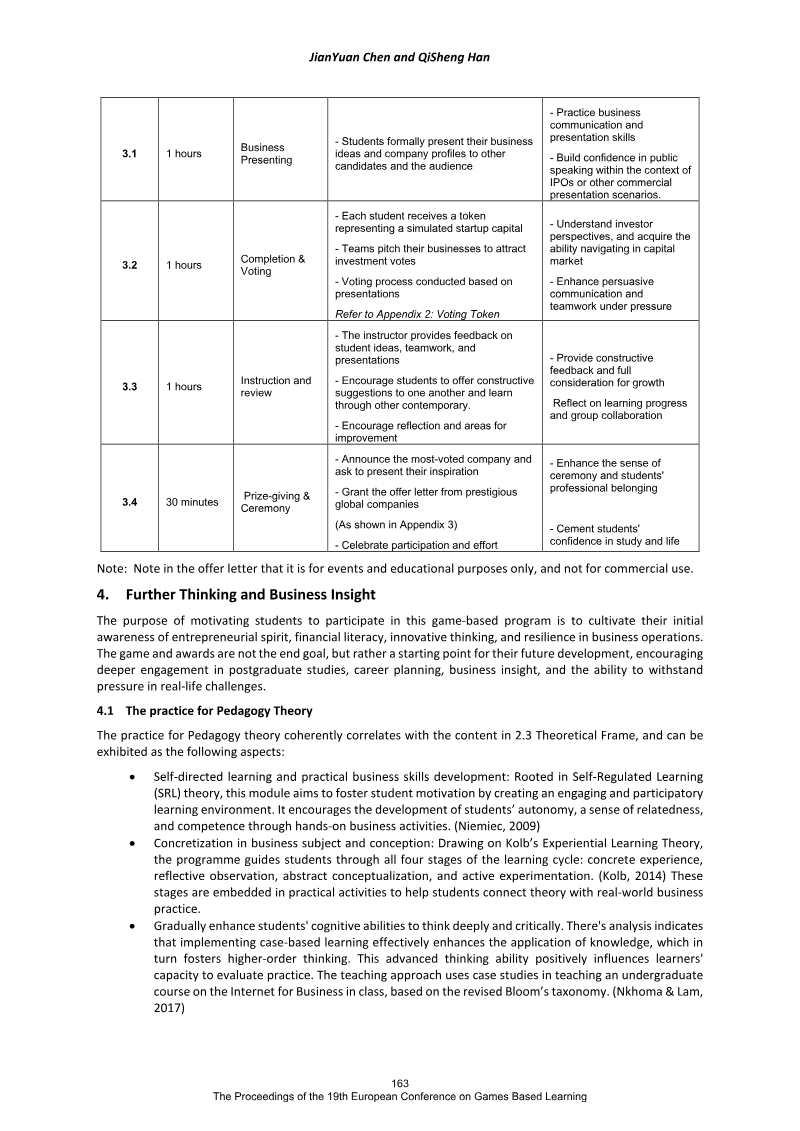
- The "Little Business Leader" program is a three-session, game-based framework for teaching entrepreneurship, financial literacy, and technology skills to secondary students, inspired by The Apprentice and aligned with Cambridge A-Level Business (9609) and Global Perspectives & Research (9239).
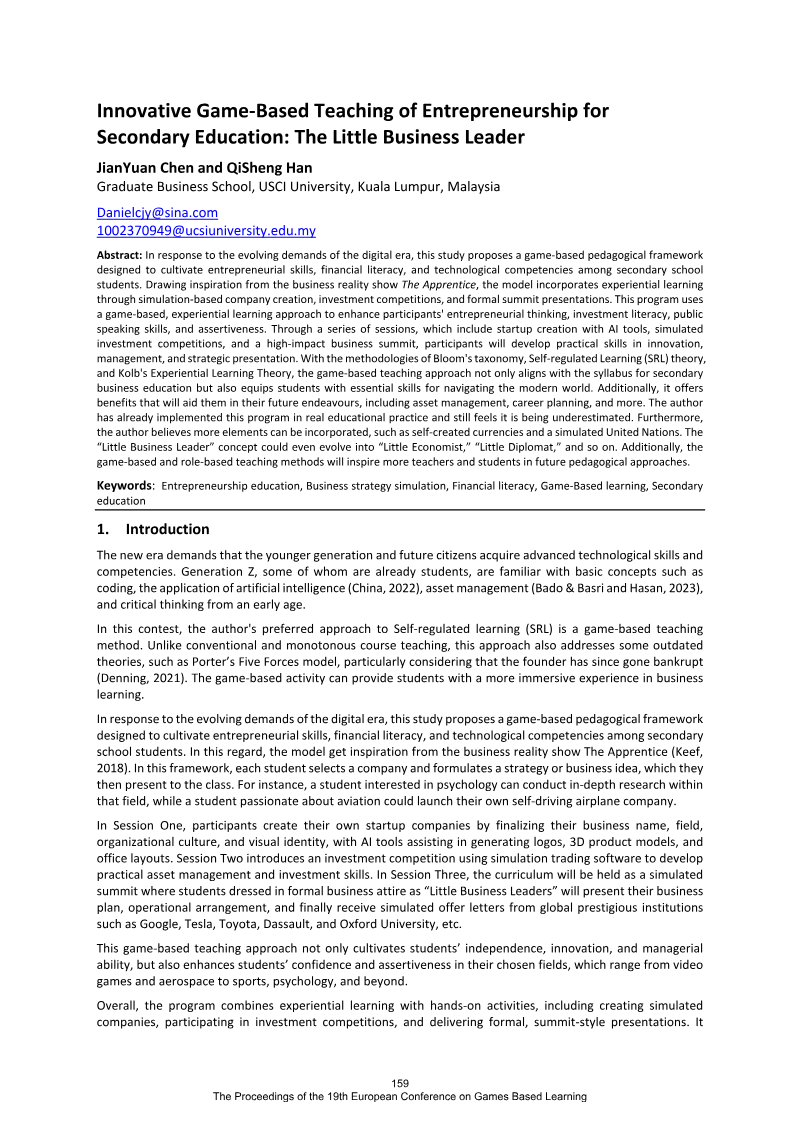
- The program runs in three stages: founding a simulated startup with AI assistance for branding and mockups, a one-week simulated trading competition covering venture capital, private equity, and IPO concepts, and a formal "Simulated Summit" where students pitch to simulated offers from firms such as Google and Tesla and a token-based investment vote.
- The framework is grounded in Bloom's taxonomy, Self-Regulated Learning theory, and Kolb's Experiential Learning Theory.
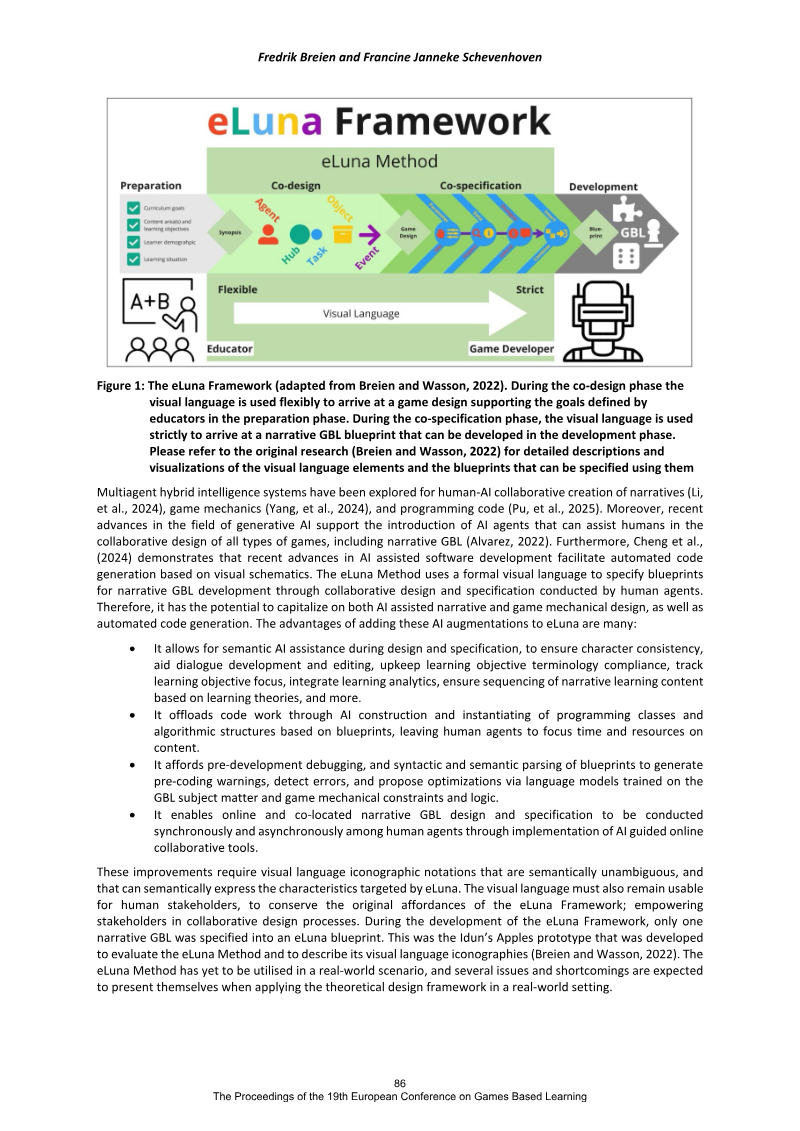
Preparing the eLuna Visual Language for Human-AI Co-Specification and Code Automation
The eLuna Visual Language, a visual specification framework, is examined for its readiness to support human-AI co-specification and automated code generation.
- The central finding is that eLuna works well as a co-design method for human stakeholders and programmers, but its visual language is not yet expressively complete or unambiguous enough to reliably support AI-assisted specification or direct code generation from blueprints.
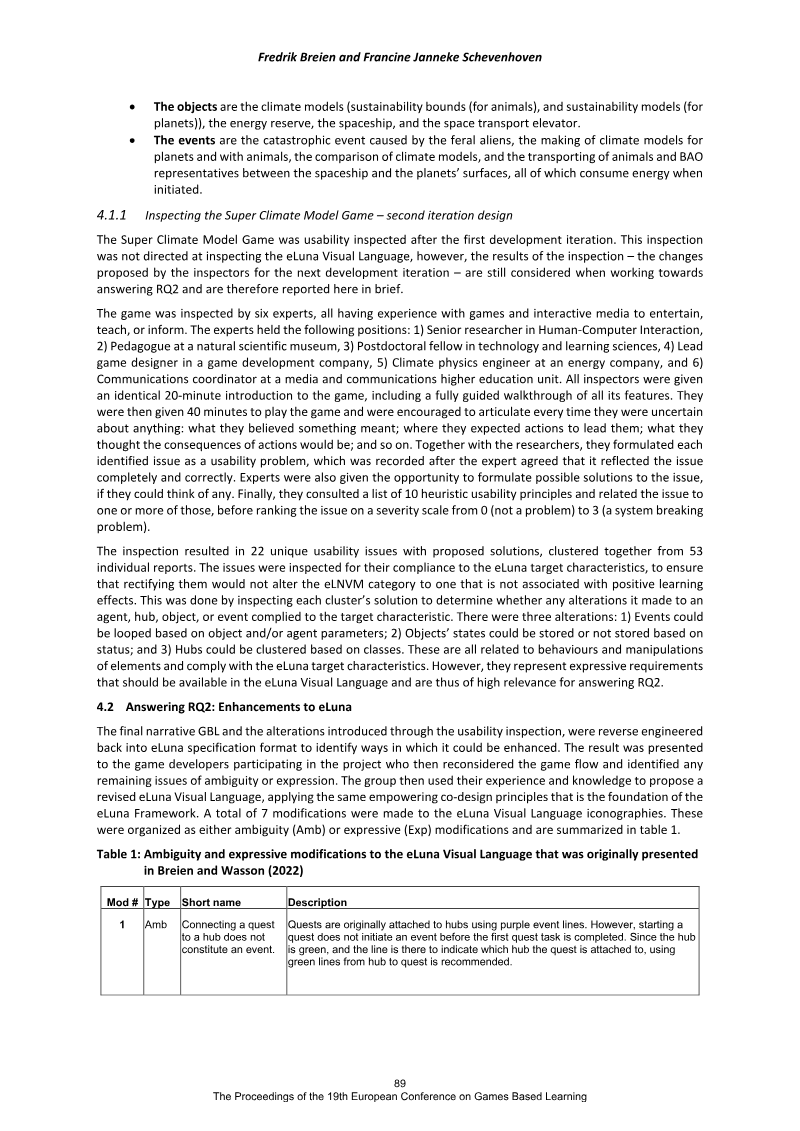
- A usability inspection with six experts produced 22 unique issues drawn from 53 reports, which, together with broader ambiguity and expressiveness shortcomings, led the researchers to propose seven modifications to the visual language.
- The proposed modifications include distinguishing quest qualifiers, enabling event looping, and supporting conditional CRUD procedures.
AI Exploratorium: A Gamified Interactive Exhibition for Developing Critical AI Literacy
The AI Exploratorium presents a gamified, exhibition-style learning environment designed to build critical AI literacy among high-school students.
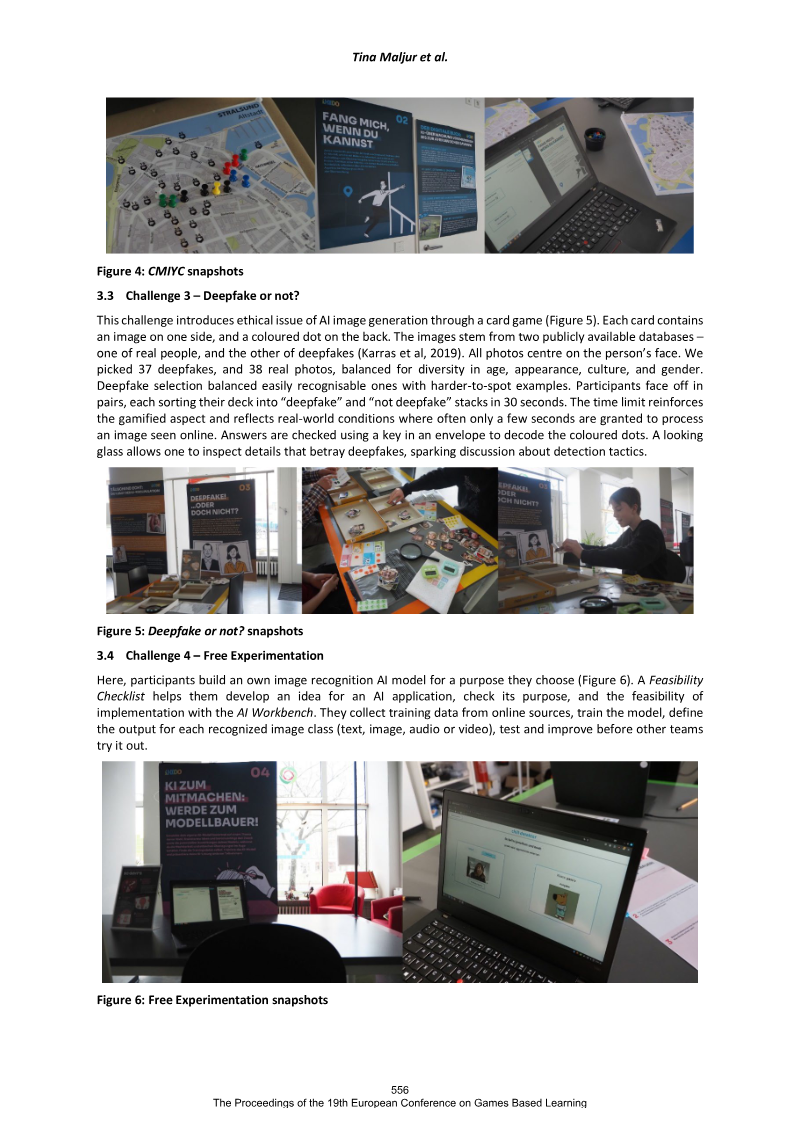
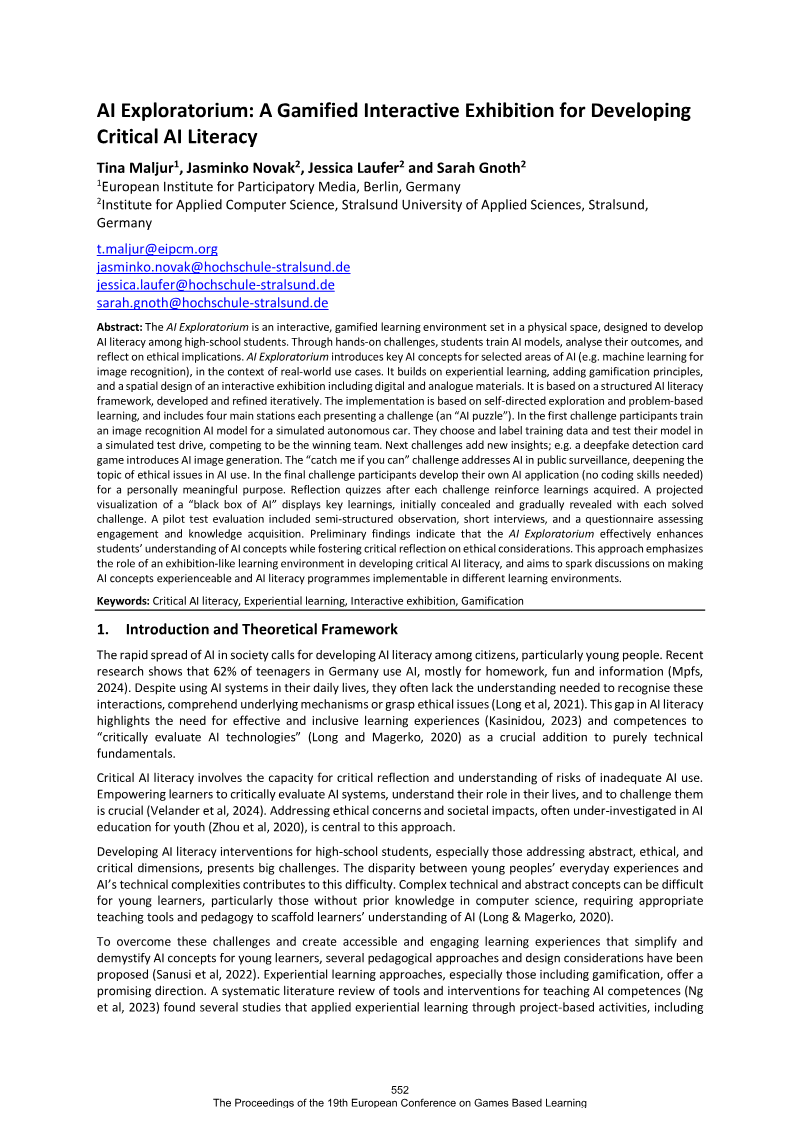
- The AI Exploratorium is a gamified, exhibition-style learning environment for high-school students, built around four "AI puzzle" challenges, reflection quizzes, and a gradually revealed "black box" visualization to teach how AI systems are trained and their ethical implications.
- Its evidence base is a small pilot of seven boys aged 12 to 14, assessed through observation, short interviews, and a 12-item Likert questionnaire completed by only six participants.
- Participants reported that the self-directed, collaborative, gamified challenges were engaging and helped them grasp AI training processes, deepfake risks, and ethical questions.
IMPACT: An Unplugged Board Game to Introduce Programming Concepts in Primary Education
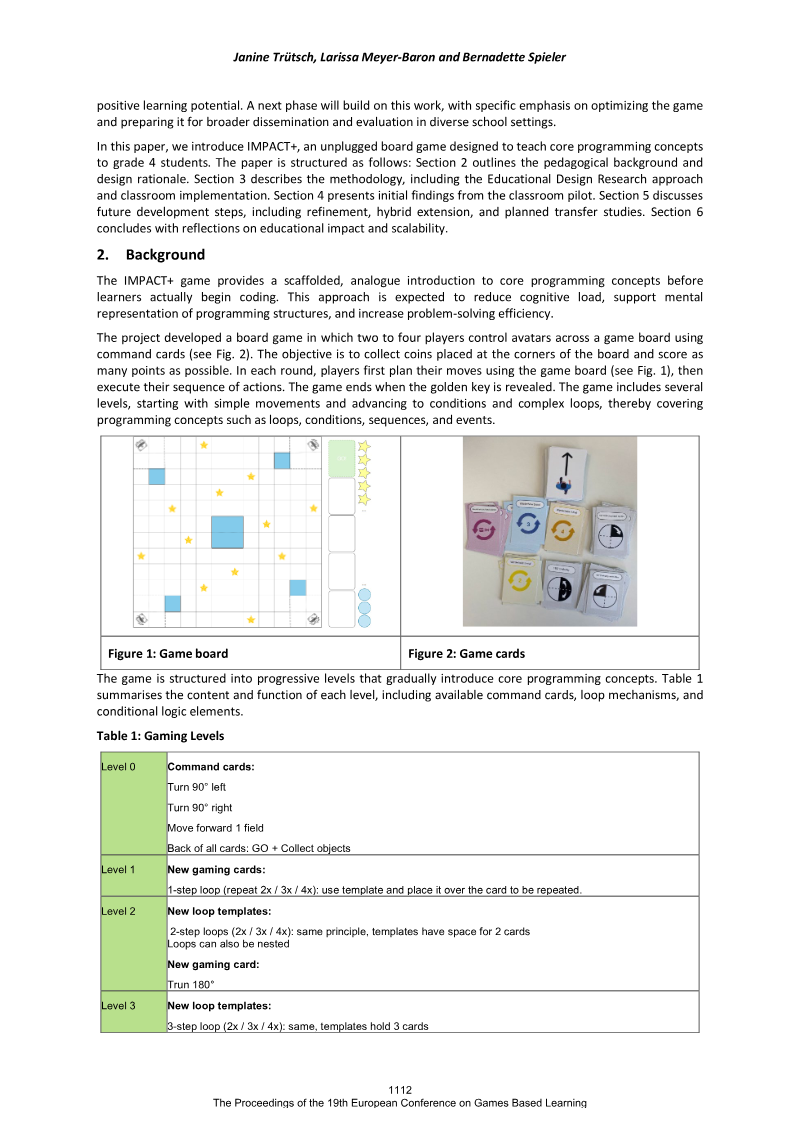
The IMPACT project presents an unplugged board game designed to introduce core programming concepts, including sequences, loops, conditions, and events, to students in grades 3 and 4 in Swiss primary education.
- The IMPACT project is an unplugged board game that introduces programming concepts (sequences, loops, conditions, events) to grade 3 and 4 students in Swiss primary education, aiming to close a gap that leaves students underprepared when formal programming starts in grade 5.
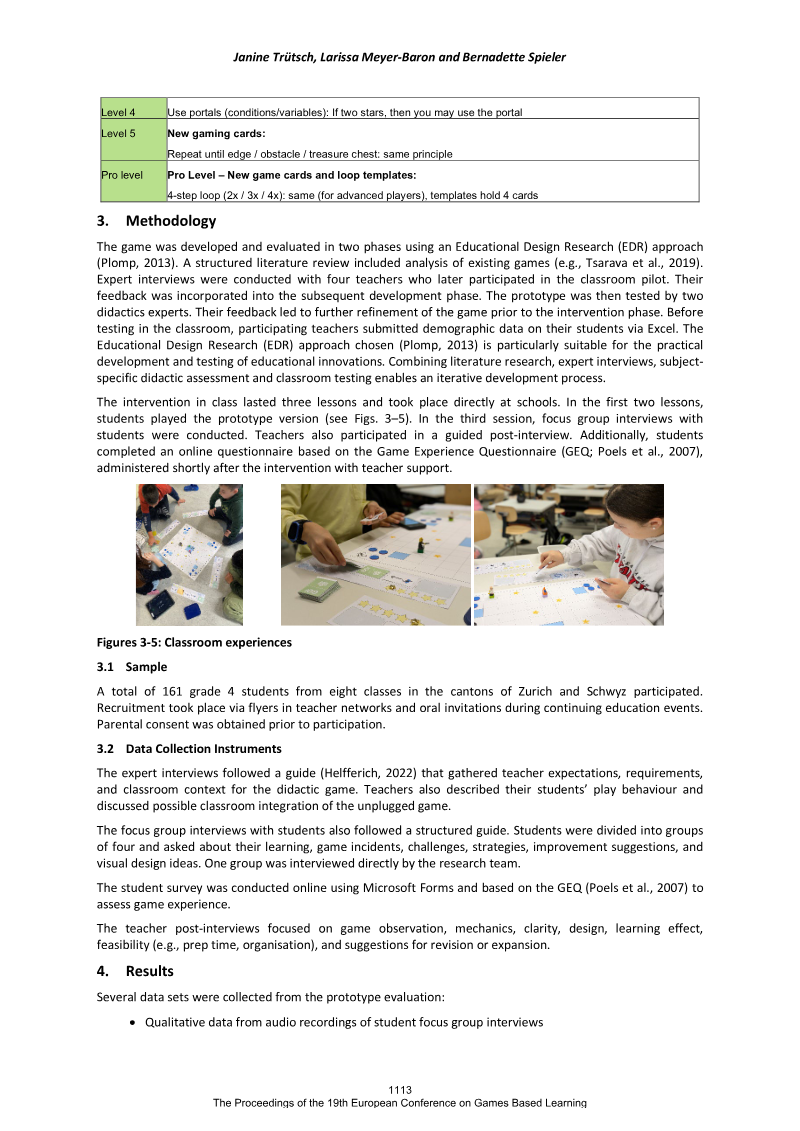
- The game was developed via Educational Design Research, drawing on a literature review, interviews with four teachers, and feedback from two didactic experts, and uses avatars, command cards, and six progressively harder levels before students move to syntax-based tools such as Scratch.
- The prototype was piloted over three lessons in eight classes with 161 grade 4 students in the cantons of Zurich and Schwyz, with only three of the six levels tested.
With or Without You: A Comparison of Single and Multi-Player Game-Related Assessments
This study compares two game-related assessments (GRAs) used in a real-world, EU co-financed international internship recruitment process in the food and agriculture sector.
- Candidates rated the collaborative group game The Collectors significantly higher than the individual browser game ClusterMind (M = 8.91 vs. 7.52 on a 1-10 scale; p < .001), though they judged it slightly harder (M = 6.79 vs. 6.45).
- Shifting to game-related assessments reduced assessors from 90 in the prior traditional assessment centre to 32 in the first gamified year and 27 in each subsequent year, while the candidate pool grew to 319 in 2024.
- Candidates valued teamwork, meeting peers, and individual feedback, and felt the social setting made evaluation less pressured and more enjoyable.
Teaching the Solar System with a Video Game
"Teaching the Solar System with a Video Game" presents Wentian, a Unity-based educational game designed to teach solar system astronomy by combining scientific accuracy with engaging gameplay grounded in game-based learning theory.
- Wentian is a Unity-based educational game teaching solar system astronomy, built on a 1:10,000 km scale with NASA textures and Kepler's and Newton's laws for orbital motion.
- The authors argue that existing tools (Universe Sandbox, Kerbal Space Program, NASA Eyes on the Solar System) each lack some combination of interactivity, structured objectives, or accessible content that Wentian aims to provide.
- A user study with 13 participants, mostly males aged 20 to 30, found statistically significant positive feedback on all ten questionnaire items under one-sided binomial tests (p < 0.05).
Change the Game with Vaccines: A Play and Learn Workshop for Science Education
This paper presents "Vaccines: New Weapons Against Tumors," an interactive, game-based workshop designed to teach young people aged 12 to 18 about mRNA-based anticancer vaccines, the genetic code, translation, and the immune response.
- The workshop, "Vaccines: New Weapons Against Tumors," teaches players aged 12 to 18 about mRNA-based anticancer vaccines, the genetic code, translation, and the immune response through a 60-minute, game-based format for groups of up to 30 led by two facilitators.
- The activity was delivered at the Genoa Science Festival 2024 in Italy and drew roughly 700 participants, with evaluation based on an anonymous self-report questionnaire completed by 700 respondents averaging 18.42 years old (range 8 to 79).
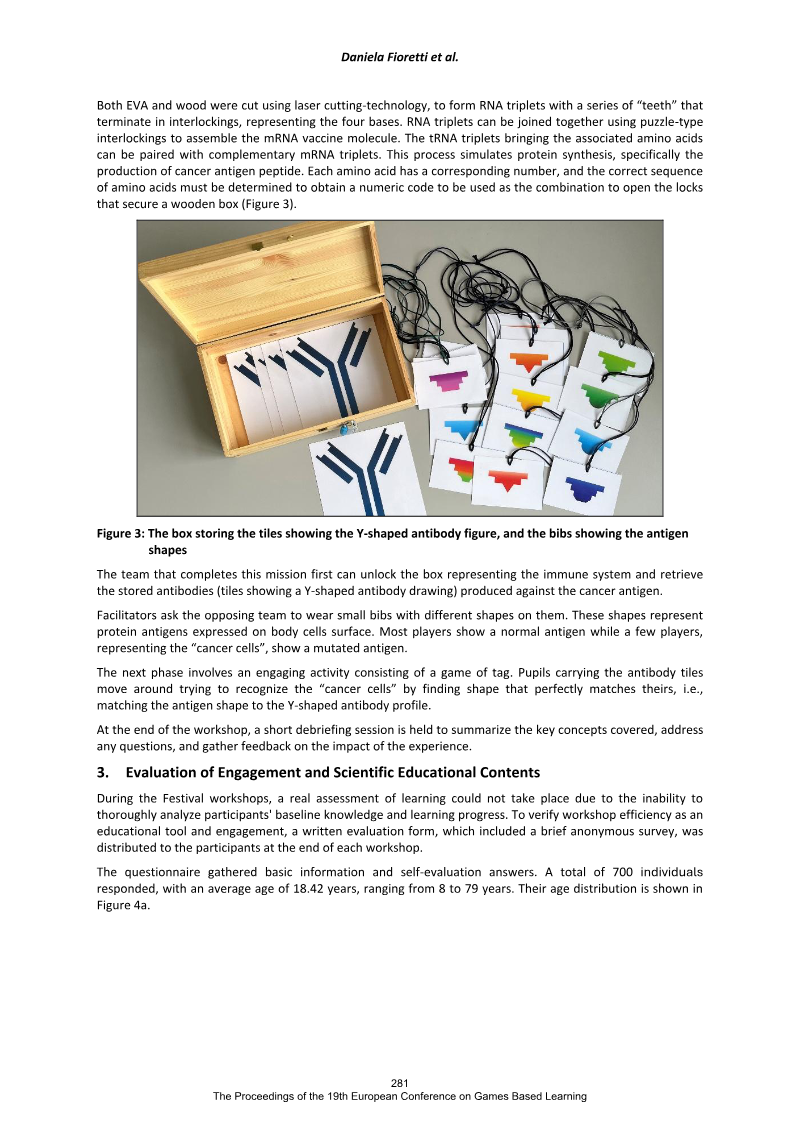
- The team game has players assemble an mRNA molecule from laser-cut EVA and wooden interlocking pieces, translate it into an amino acid sequence, and use the resulting numeric code to open a box containing antibody tiles.
Mastery Learning as Gamification: Level-Up Through High-Transparency Assessments
This paper examines whether a self-paced mastery learning course can be understood as a gamified design even when it contains no explicit game elements such as badges or leaderboards.
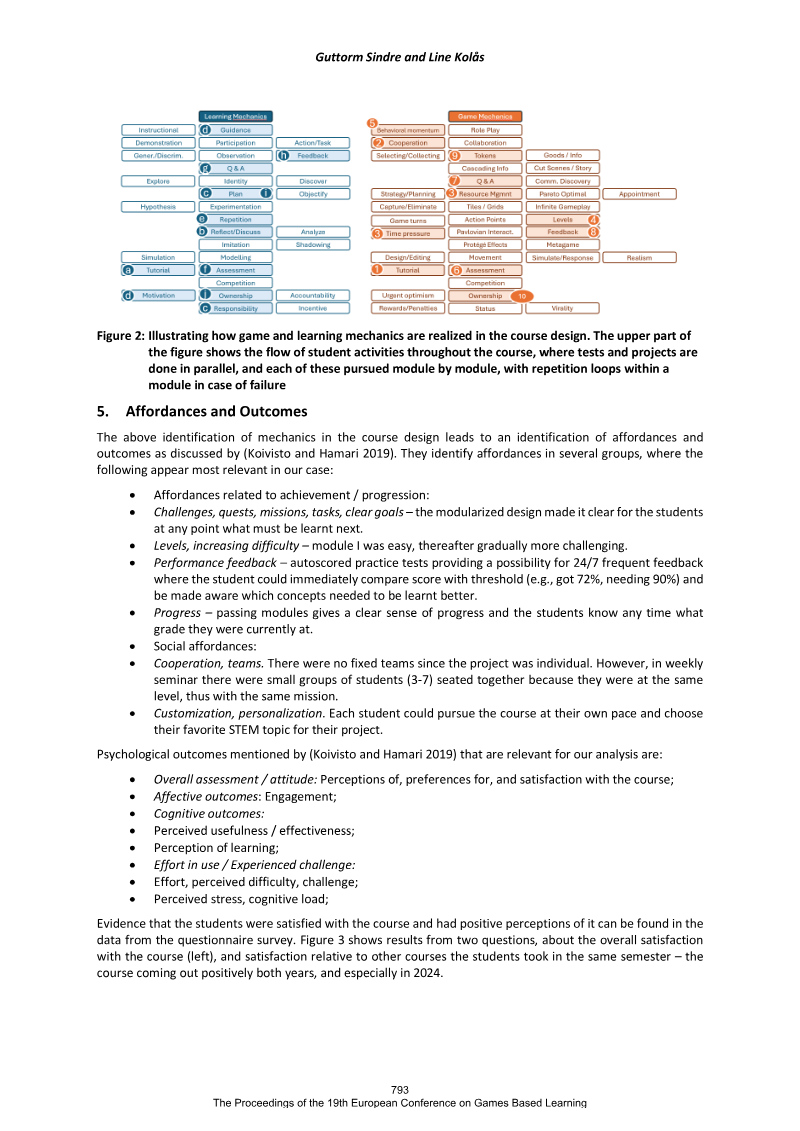
- The paper argues that self-paced mastery learning is inherently gamified even without explicit game elements like badges or leaderboards, because its level-based progression, automated feedback, and repeated test cycles embody gamification mechanics, analyzed via the Learning Mechanics–Game Mechanics (LM-GM) framework.
- The case study covers an introductory Python course (IT1001) for first-year STEM teacher students at NTNU in Norway, run in 2023 and 2024 with roughly 50 students per cohort, divided into nine modules that each require a mastery test with a 90% pass threshold.
- Final grades depend on how many of the nine modules a student passes, and the course has no final exam, which students valued along with the sense of control over their grade.
The Great Garbage Patch: The Bionauts' Challenge: An Educational Escape Room on Marine Plastic Pollution and on Possible Solutions
This case study describes "The Great Garbage Patch: The Bionauts' Challenge," an educational escape room designed to teach STEM concepts and environmental awareness about marine plastic pollution and the potential of plastic-degrading bacteria in ocean cleanup.
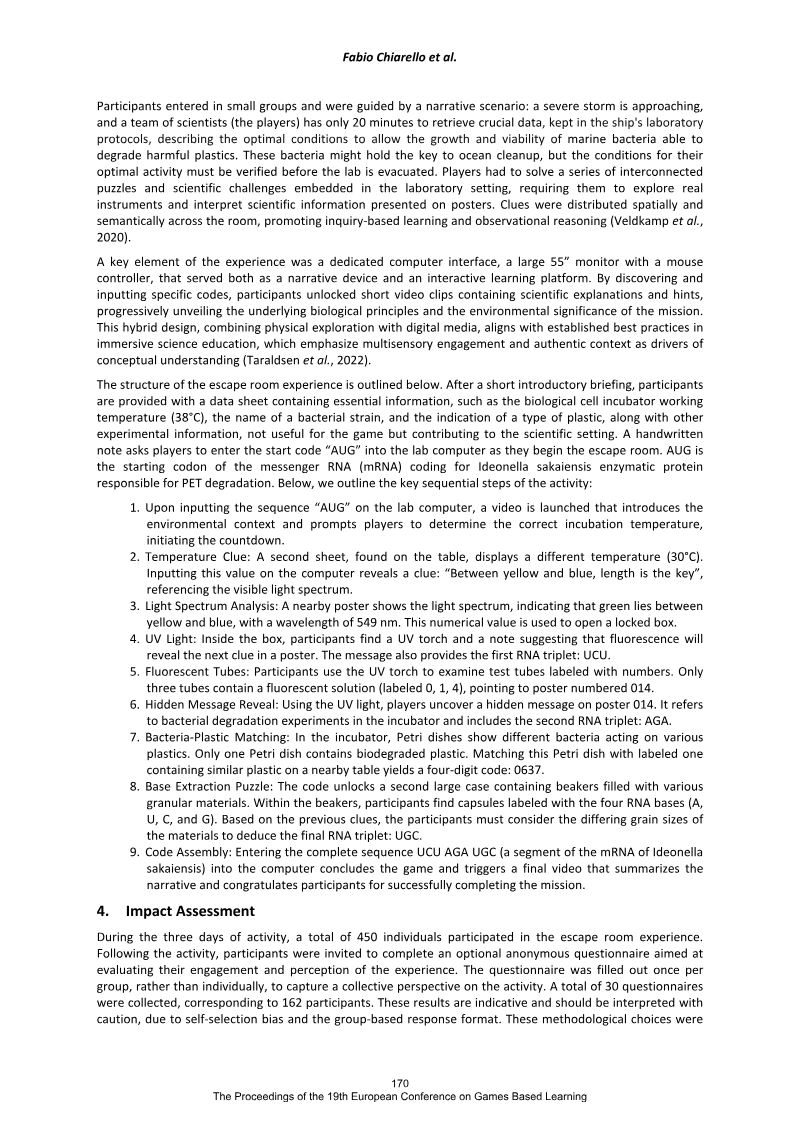
- The Bionauts' Challenge is an educational escape room that teaches STEM concepts and marine plastic pollution through a 20-minute storyline in a replica oceanographic biology lab, combining physical puzzles with a digital interface that unlocks explanatory videos.
- Marine plastic pollution is framed as a serious threat, with an estimated 8 million metric tons of plastic entering the oceans annually.
- Biological degradation of plastics such as PET by bacteria is presented as a promising but still experimental mitigation strategy for ocean cleanup.