1 free read left. Create a free account for unlimited reading + AI research.
Create free accountArticle European Conference on Games Based Learning (ECGBL)
1 free read left. Create a free account for unlimited reading + AI research.
Create free accountArticleEuropean Conference on Games Based Learning (ECGBL)
All 18 surveyed secondary History and Geography teachers had used digital games at some point. Kahoot!, Blooket, and Minecraft were among the platforms they named.
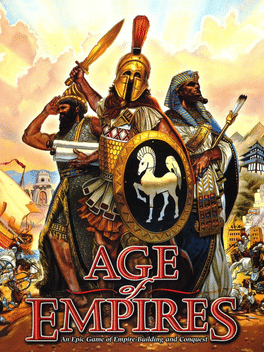
Digital games are increasingly present in New South Wales secondary History classrooms, but their adoption is constrained by unequal access, limited teacher preparation, and an uncertain policy stance. This study examines how History teachers use digital games, drawing on a scoping review of 27 studies, a survey of 18 secondary History and Geography teachers, and interviews with two educators. Teaching content emerged as the dominant purpose for game use, with strategy titles such as Civilization and Age of Empires most frequently referenced in the literature, while teachers in the survey reported using platforms like Kahoot!, Blooket, and Minecraft. Every surveyed teacher had used digital games at some point, indicating that engagement is already widespread among practitioners.
The principal barriers identified are structural rather than motivational. Device access, particularly inequities arising from bring-your-own-device arrangements, was the most frequently cited obstacle, followed by insufficient professional development and low teacher confidence. Most respondents did not regard student interest as a barrier, suggesting that the challenge lies in provision and support rather than in learner reception. Pre-service and in-service training were both described as inadequate for preparing teachers to integrate games meaningfully into curriculum delivery.
Measured against the 2019 NSW Schools Digital Strategy, the study finds that its targets for professional development and device equity have not been achieved, and a 2024 report identified Western Sydney students as having the lowest levels of digital inclusion. The authors found no clear evidence that the NSW Department of Education formally recognises digital games as a legitimate teaching tool. They recommend revising BYOD policy, expanding teacher training, and critically examining the colonial perspectives embedded in commercial strategy games. The supporting literature, spanning game-based learning theory, learning analytics, and state policy guidance, situates these conclusions within broader debates about the pedagogical value of games in history education.
Each row is a game or company this document names, each column a document, oldest first. A mark means that document names it. Select a row to see those documents.



European Conference on Games Based Learning (ECGBL) · 2026



European Conference on Games Based Learning (ECGBL) · 2026
European Conference on Games Based Learning (ECGBL) · 2024