
European Conference on Games Based Learning (ECGBL)
Annual European conference on game-based learning and serious games; its proceedings are published open access (CC BY) by Academic Conferences International.
Documents
Sudoku-Based Educational Games for Developing STEM Skills
This paper examines how Sudoku-based educational games can build STEM and computational thinking skills among primary and secondary students in Croatia.
- The paper argues that transforming classic Sudoku into an interactive, multiplayer, curriculum-aligned game can reduce math anxiety and increase motivation for STEM and computational thinking skills among Croatian primary and secondary students.
- The evidence is preliminary and based on student feedback from several school-based trials involving roughly 17 to 95 students per activity, not on definitive proof of learning outcomes.
- Student ratings of games such as Assemble and Play Sudoku were generally positive, with students reporting enjoyment, engagement, and a sense of having learned something new.
Fostering Data Literacy Through the Delta i Data! Game Package: Teacher Insights
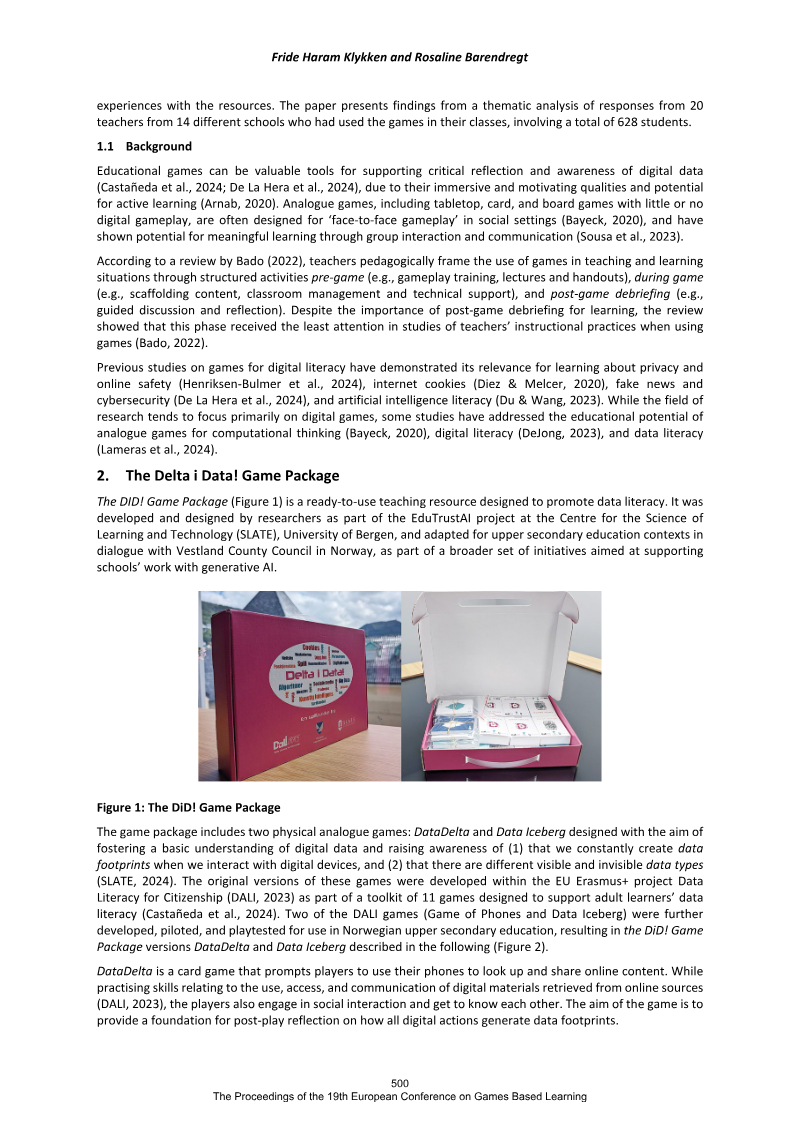
The Delta i Data!
- The study evaluated two analogue games, DataDelta and Data Iceberg, distributed to 42 Norwegian upper-secondary schools in 2024 to build data literacy and social interaction, based on a survey of 20 teachers across 14 schools covering 628 students.
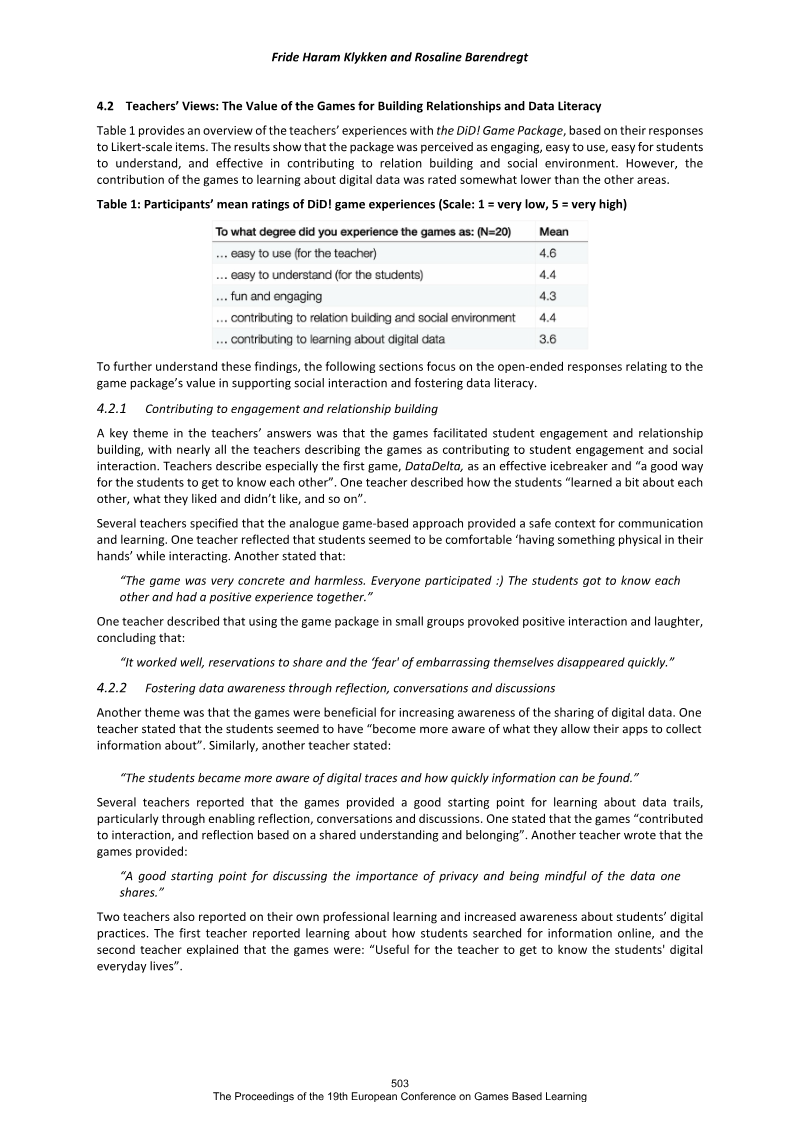
- Teachers rated the games highly for ease of use (4.6/5), student comprehension (4.4), relationship building (4.4), and engagement (4.3), but gave a notably lower score of 3.6 for advancing learning about digital data.
- The games' educational value depends heavily on teacher facilitation, as teachers warned that without careful structuring the games could overshadow reflective discussion.
Meta-Analyzing Experiential Game-Based Learning in Entrepreneurship Education
Experiential game-based learning in entrepreneurship education is examined here as a means of developing higher-order competencies, with particular attention to whether hands-on formats outperform reward-based gamification.
- Experiential game-based learning (simulations, role-play, makerspace challenges) generally fosters stronger creativity, opportunity recognition, and decision-making in entrepreneurship education than non-experiential formats such as points, badges, and quizzes.
- The main trade-off of experiential approaches is that they require more instructional time and preparation than reward-based gamification.
- The 'Game It Away!' Erasmus+ programme is a roughly 22-hour curriculum in six modules aligned with EntreComp's competence areas and the entrepreneurial lifecycle, combining analog board games, escape rooms, and makerspace prototyping.
Transforming Math Anxiety into Engagement: The Impact of RPG-Based Gamification on Middle School Students
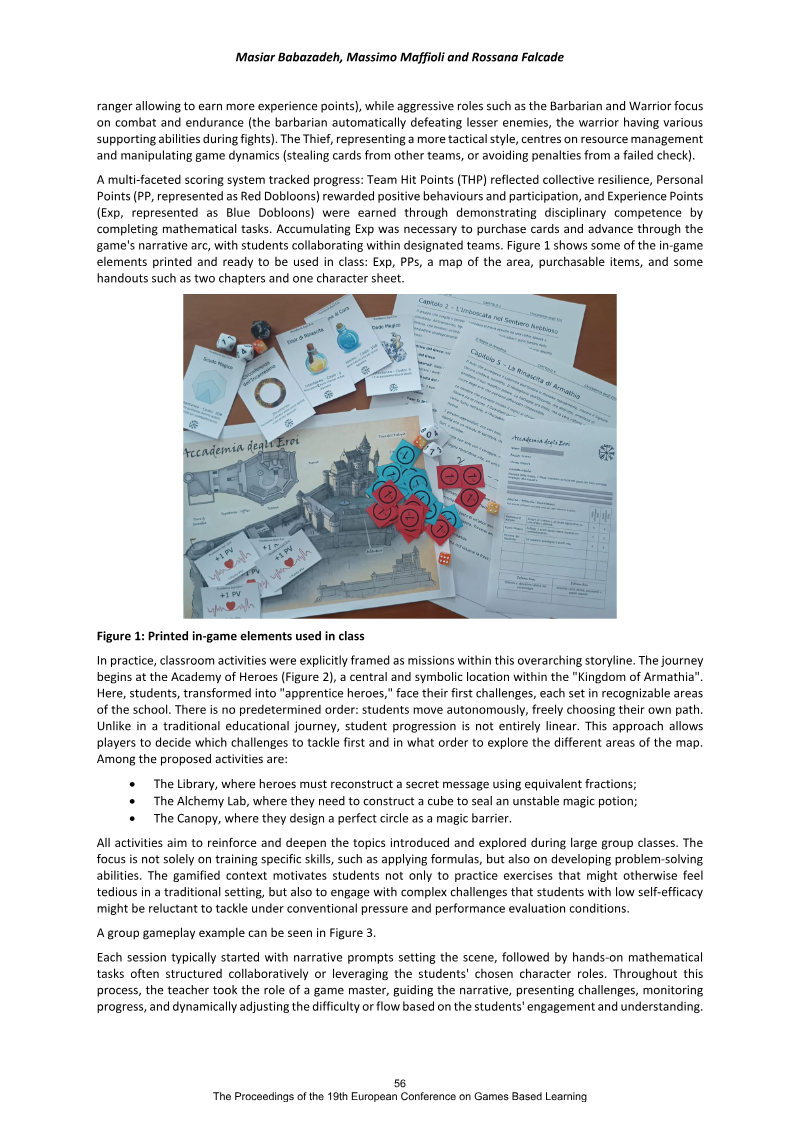
A case study conducted at a Swiss university of applied sciences examines whether a role-playing game (RPG)-based gamification approach can improve middle school students' attitudes toward mathematics and reduce their math anxiety.
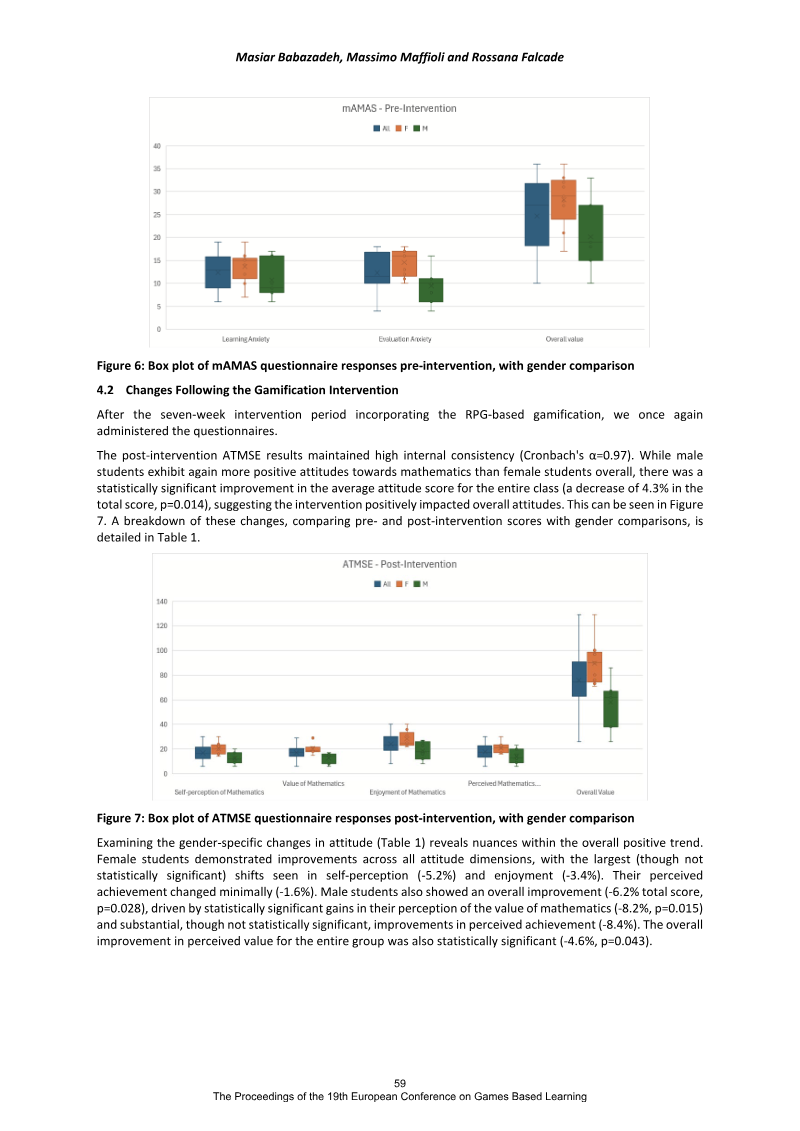
- A seven-week RPG-based gamification intervention with 16 Swiss middle school students (ages 12-13) produced a statistically significant improvement in overall class attitudes toward mathematics, with a 4.3% decrease in total attitude score (p=0.014).
- Female students, who began with higher baseline math anxiety, showed a significant overall anxiety reduction of 16.9% (p=0.045), while male students showed a non-significant anxiety increase of 9.2%.
- Male students improved significantly in their perceived value of mathematics, while female students gained across attitude dimensions without reaching statistical significance.
Playful Citizen Discussion Space to Help Steer Society Towards Water Security
A playful dilemma game called "Save the City" was co-designed with the UK water charity Waterwise to stimulate citizen discussion about household water use.
- A playful dilemma game, "Save the City", co-designed with the UK water charity Waterwise, was piloted with six participants and then tested with 19 UK adults aged 22 to 71, 16 of whom completed a one-week follow-up survey.
- Participants reported considering their water use significantly more after the session (p=0.006, a large effect) and rated the experience positively, averaging 4.32 out of 5.
- Self-reported household water use fell from 756.59 L to 725.68 L, but this change was not statistically significant (p=0.531), though eight of the 16 follow-up participants reported deliberate changes such as shorter showers and turning off taps.
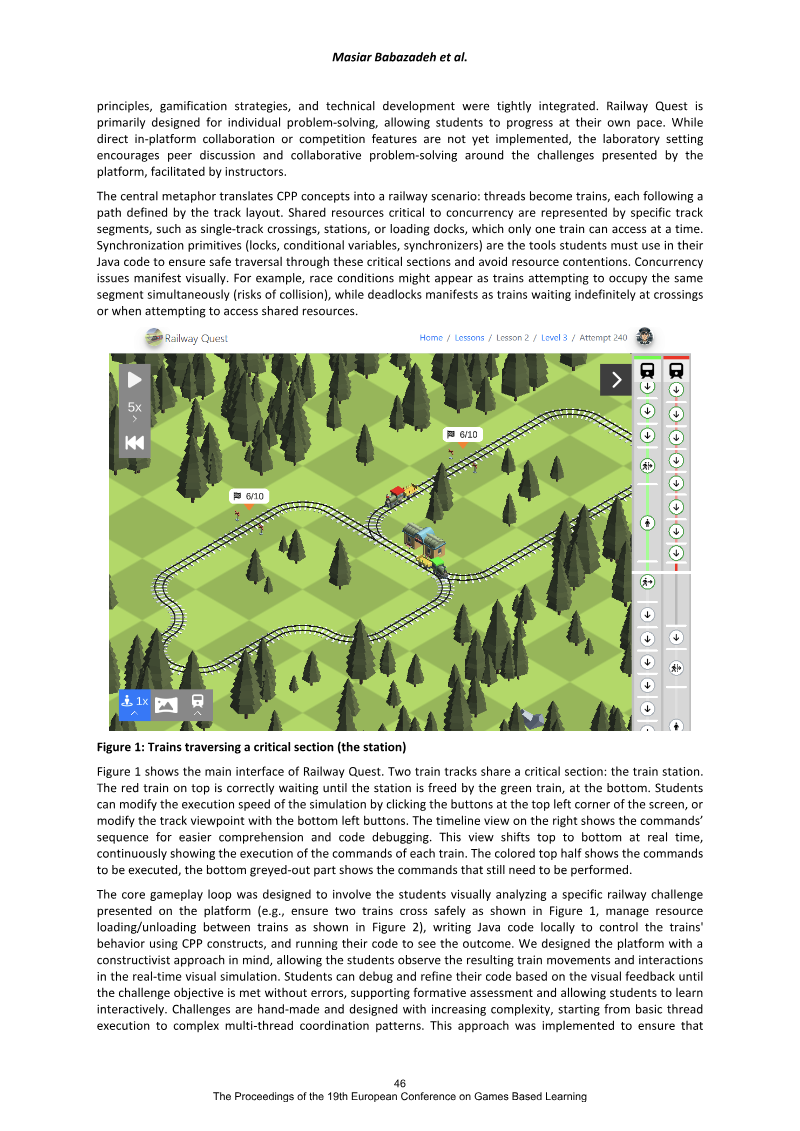
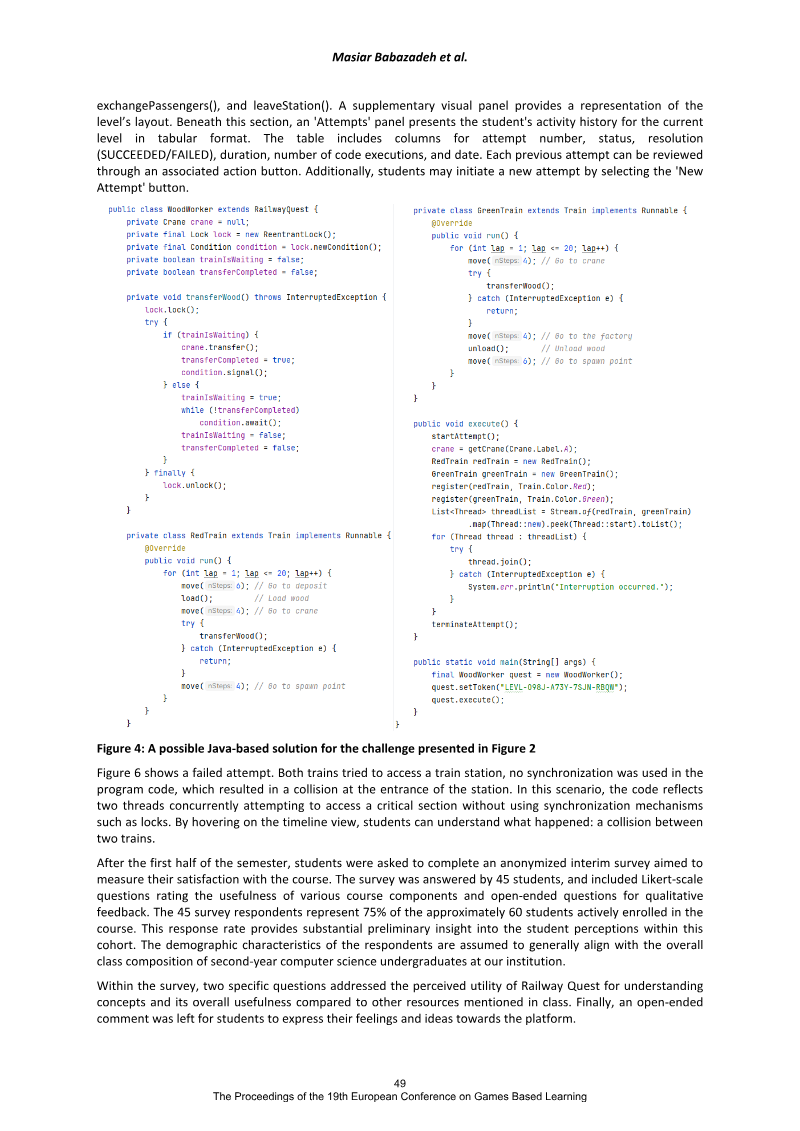
Railway Quest: A Gamified Teaching Platform for Concurrent and Parallel Programming
Railway Quest is a web-based, gamified teaching platform designed to help students learn concurrent and parallel programming in Java.
- Railway Quest is a web-based gamified platform that teaches concurrent and parallel programming in Java by modeling threads as trains navigating shared-resource tracks, backed by a discrete-event simulation and an embedded Unity visualization.
- The platform aims to fill gaps in prior educational games by including non-determinism and synchronization primitives such as mutexes and condition variables, and by connecting more meaningfully to real programming practice.
- In a Spring 2025 SUPSI course of roughly 60 students, 45 (75%) completed an interim survey, and 84% agreed or strongly agreed the platform helped them grasp concepts more easily and quickly (mean 4.4/5, the highest-rated survey item).
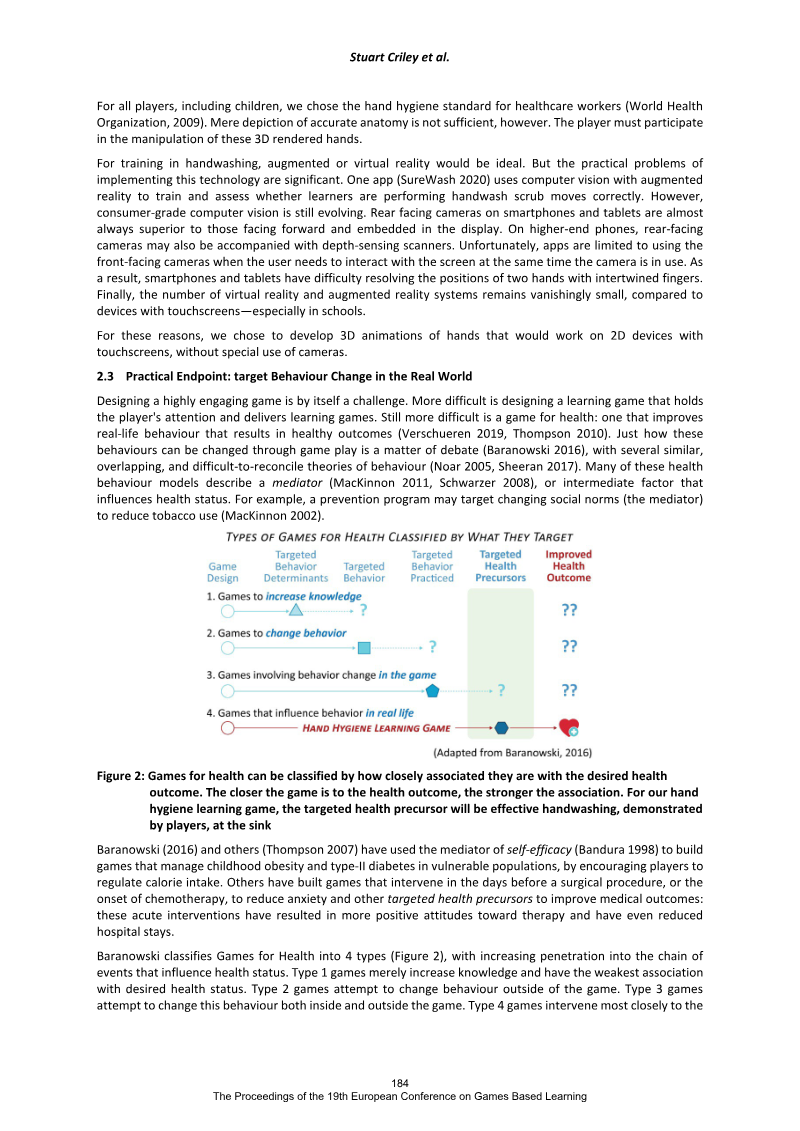
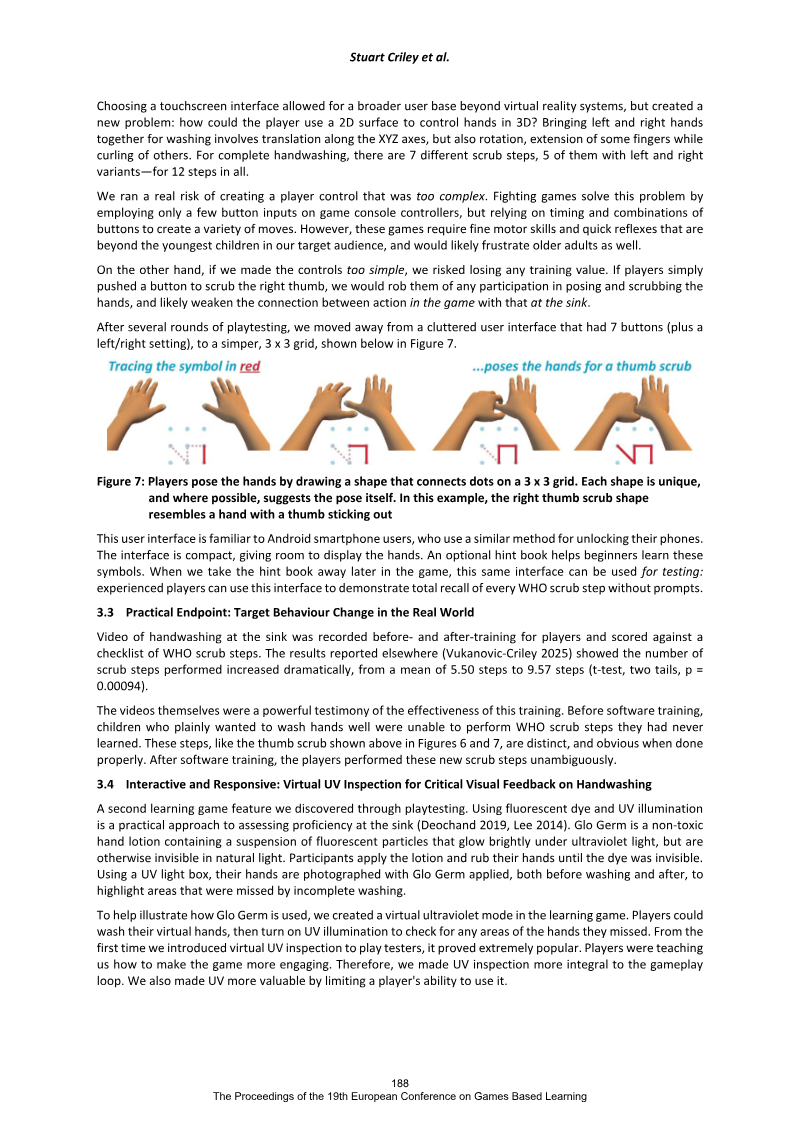
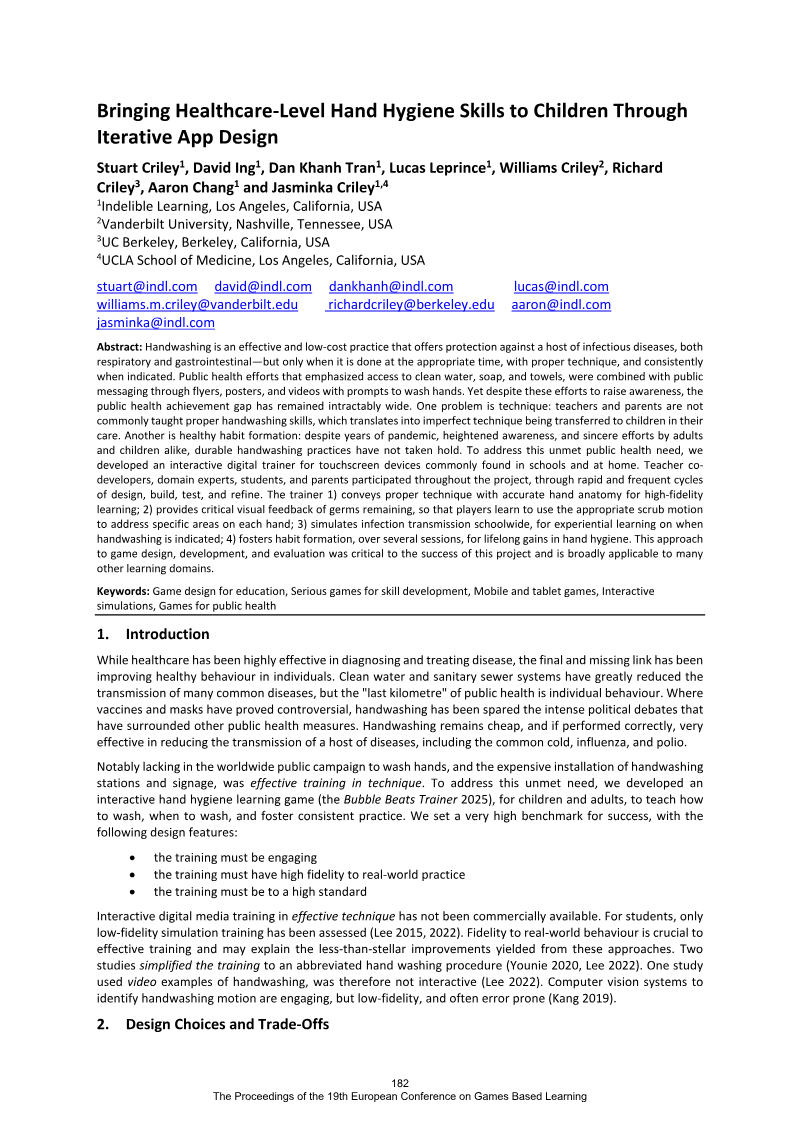
Bringing Healthcare-Level Hand Hygiene Skills to Children Through Iterative App Design
The document presents the design rationale and early evidence for Bubble Beats Trainer 2025, an interactive touchscreen hand hygiene game for children developed by Indelible Learning in collaboration with teachers, students, and parents.
- The most significant reported outcome is a real-world increase in the number of WHO scrub steps children performed after training, rising from a mean of 5.50 to 9.57 (p = 0.00094), though full results are reported in separate publications.
- Bubble Beats Trainer 2025, an interactive touchscreen hand hygiene game for children developed by Indelible Learning, is built on accurate 3D hand anatomy adapted for standard 2D touchscreens and aims to teach handwashing to near healthcare-level proficiency.
- A key design choice withholds visual feedback during scrubbing and reveals it afterward via a virtual UV light mirroring real-world Glo Germ demonstrations.
Enhancing Art Education for Generation Z Through Immersive Virtual Reality
This pilot study examines whether narrative-driven immersive virtual reality can enhance engagement and understanding of avant-garde art among Generation Z secondary students, particularly within rapid-survey high school curricula that must cover roughly a century of artistic movements in a few class sessions.
- A pilot study with 32 secondary school graduates aged 18 to 19 (September 2023), split into two groups, tested narrative-driven immersive VR episodes on avant-garde art: one on Georges Seurat's A Sunday on La Grande Jatte and one on Artemisia Gentileschi's Self Portrait as Saint Catherine of Alexandria.
- Baseline recognition was minimal: only one participant identified Seurat's work and none recognized Gentileschi's.
- After the VR sessions, 28 of 32 participants (87.5%) expressed interest in exploring the alternate episode, and focus groups reported improved contextual understanding of the artworks and movements.
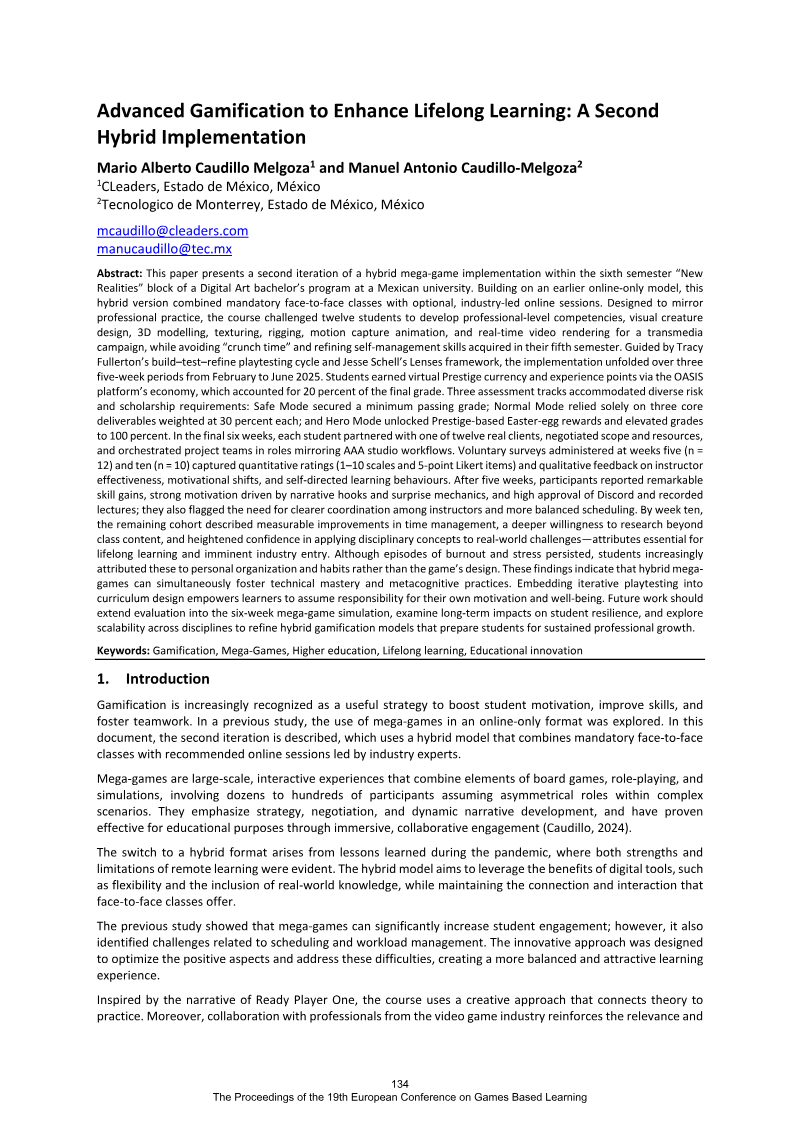
Advanced Gamification to Enhance Lifelong Learning: A Second Hybrid Implementation
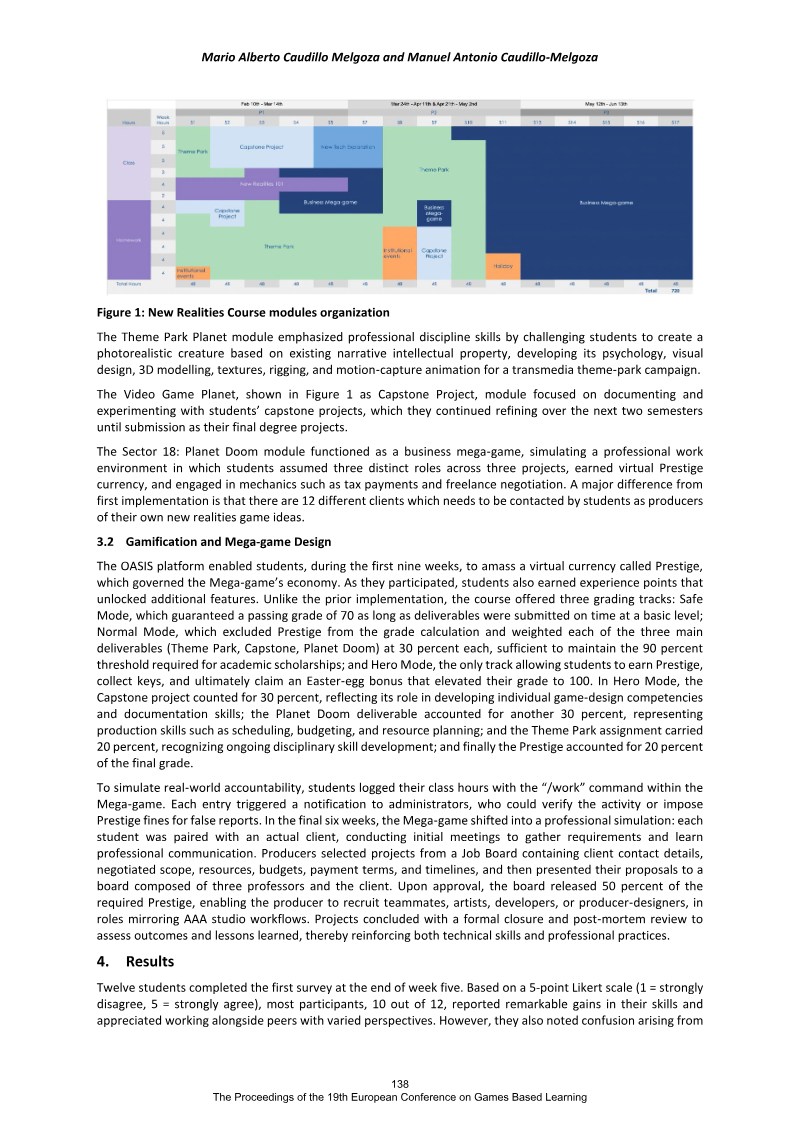
This paper reports on a second iteration of a hybrid mega-game implementation within the sixth-semester "New Realities" block of a Digital Art bachelor's program at a Mexican university, running from February to June 2025.
- The study is a second iteration of a hybrid mega-game in the sixth-semester "New Realities" Digital Art course at a Mexican university (February to June 2025), with twelve students building near-professional skills in creature design, 3D modelling, rigging, motion capture, and real-time rendering for a transmedia campaign.
- The OASIS platform's virtual Prestige economy accounted for 20 percent of the final grade, and students chose among Safe, Normal, and Hero assessment tracks to match their risk tolerance and scholarship needs.
- In the final six weeks, each student was paired with one of twelve real clients and worked in project roles mirroring AAA studio workflows.
Testing the Game: Gamma Finance as a Design-Based Prototype for Financial Literacy in Higher Education
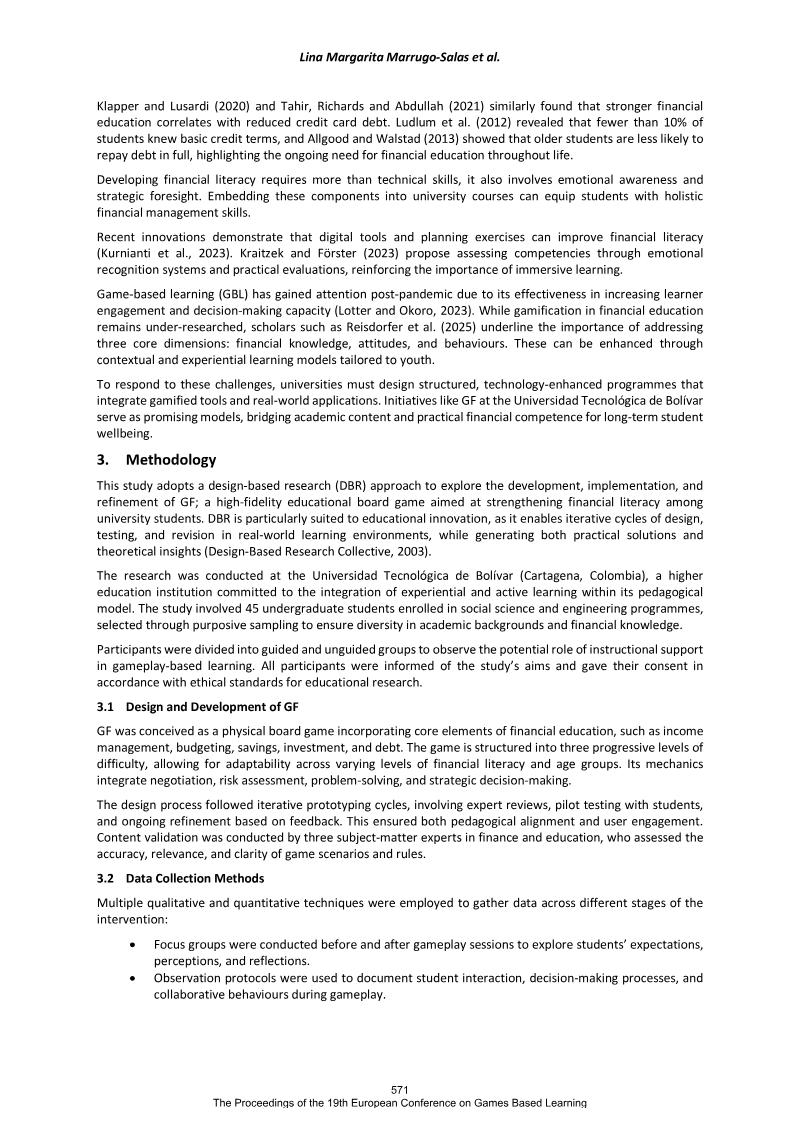
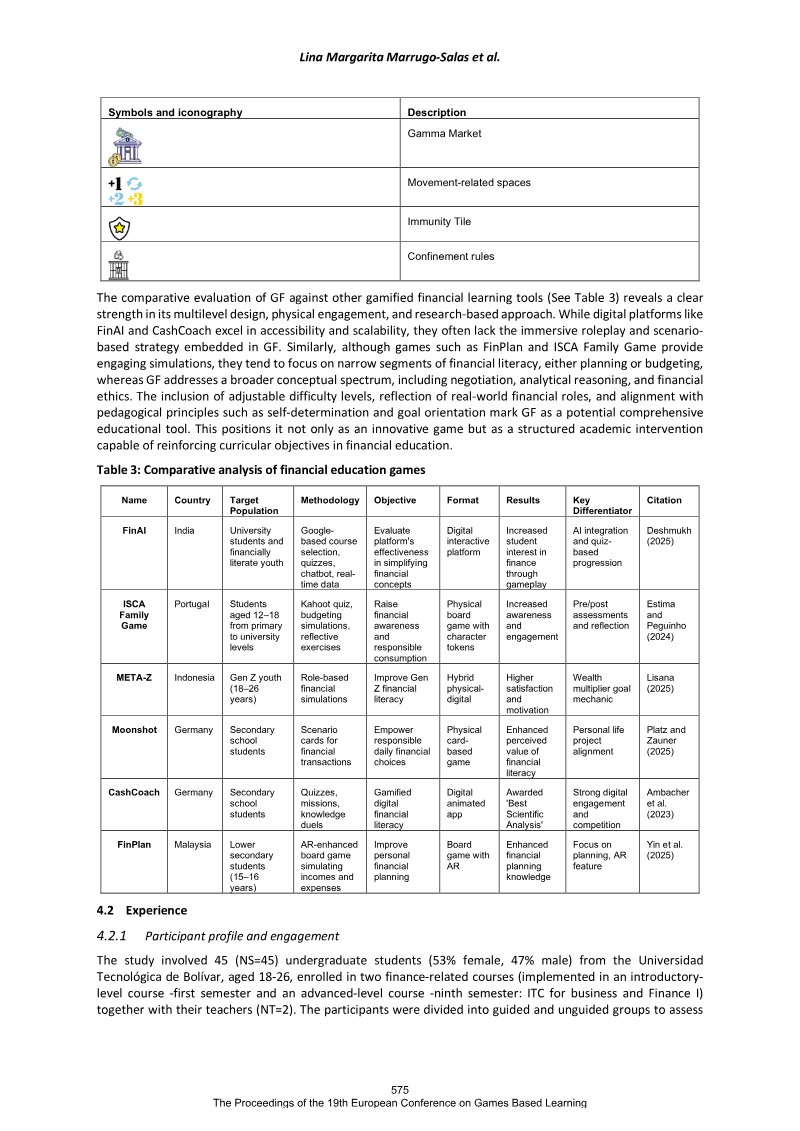
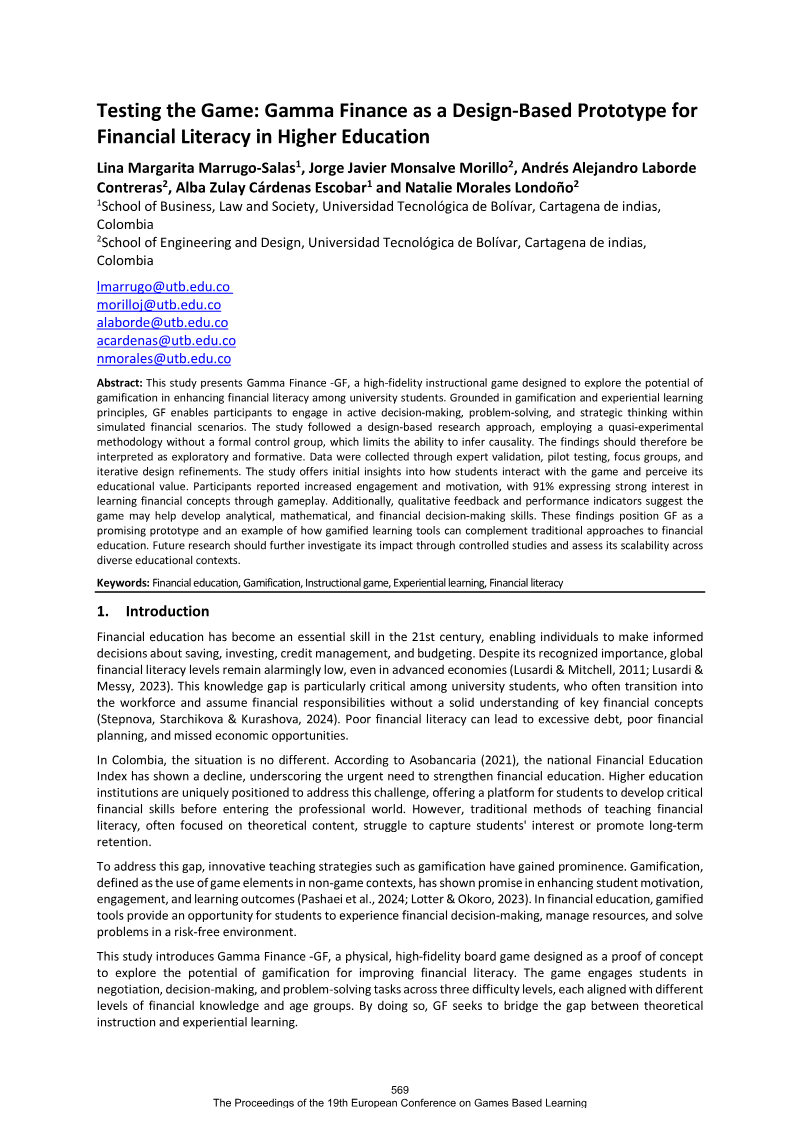
Gamma Finance is a physical, high-fidelity board game developed as a design-based research prototype to explore whether gamification can support financial literacy among university students.
- Gamma Finance is a physical, high-fidelity board game built as a design-based research prototype to test whether gamification can support financial literacy among university students.
- The pilot involved 45 undergraduates at Universidad Tecnológica de Bolívar in Colombia, 53% of whom were female, and the authors frame it as an exploratory, formative proof of concept rather than a definitive evaluation.
- Ninety-one percent of participants expressed interest in learning finance through the game, the average satisfaction score was 8.78 out of 10, and 72% reported changing their strategies during play.
Game Over (GO!): A Transformative Model for Entrepreneurship Education through Game-Based Experiential Learning
The Game Over (GO!) model is an entrepreneurship education approach developed at a Colombian higher education institution that uses gamification and experiential learning to have students design physical games addressing real-world and Sustainable Development Goal (SDG)-aligned challenges.
- The Game Over (GO!) model, developed at a Colombian higher education institution, uses gamification and experiential learning so students design physical games addressing real-world and SDG-aligned challenges, pairing prototyping with wildcard challenges, real entrepreneur case studies, and iterative user feedback.
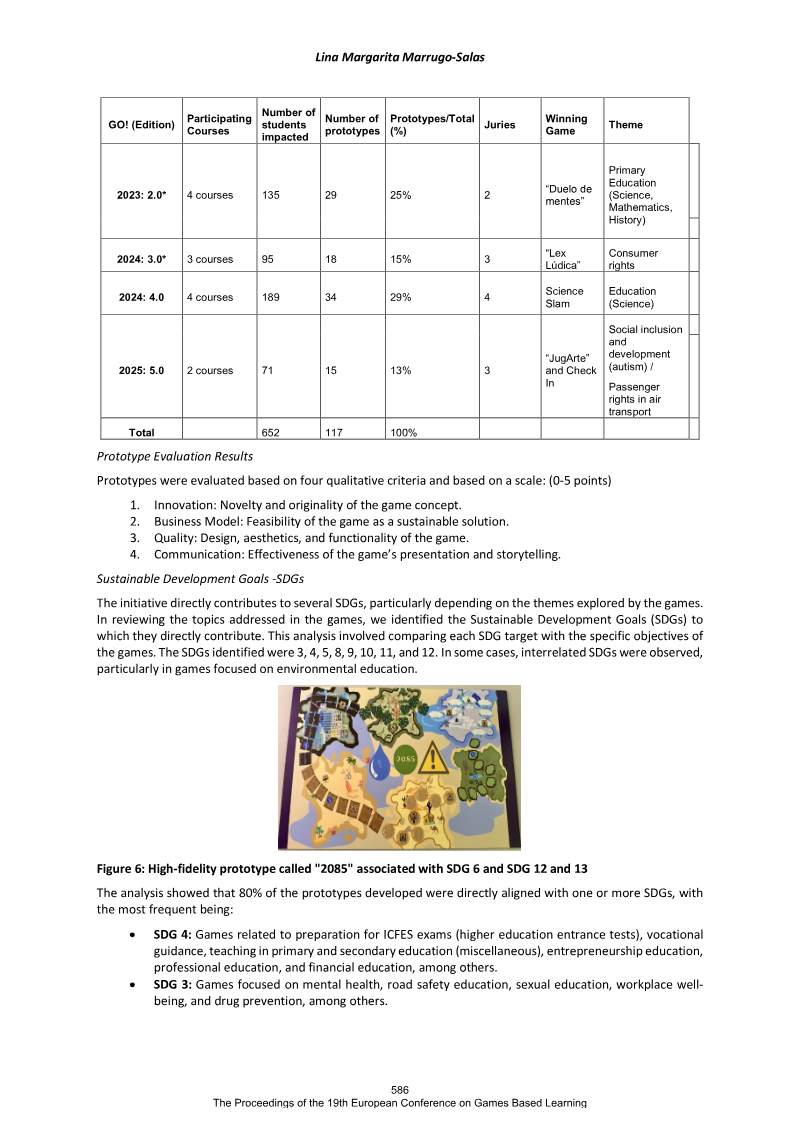
- Across five course editions held between 2023 and 2025, 652 students produced 117 prototypes, with roughly 80% aligning with one or more SDGs, most often SDG 4 (Quality Education), SDG 3 (Good Health and Well-being), and SDG 12 (Responsible Consumption and Production).
- About 80% of student teams revised their designs after receiving user feedback, which the authors present as evidence of iterative thinking.



A Structured Approach for Designing Effective Serious Games for Learning: Analyzing Requirements to Derive Key Components
This document proposes a structured framework for designing serious games for learning, addressing a gap in existing approaches that do not clearly specify how concrete game components should be organized to balance educational effectiveness with entertainment.
- The paper proposes a structured framework for serious games that derives 16 functional requirements (FR1–FR16), clustered into seven categories (pedagogy, rules, interaction and communication, assessment, goals, adaptation, and representation), and maps them to concrete design components.
- Assessment and adaptation are treated as core modules of the framework because of their central role in educational outcomes and their applicability across game genres.
- The framework distinguishes structural components (game mechanics, challenges, player profiles, adaptation mechanisms) from dynamic behavioural components (assessment, adaptation, event handling) to help multidisciplinary teams align pedagogical goals with technical implementation.