1 free read left. Create a free account for unlimited reading + AI research.
Create free accountWhitepaper European Conference on Games Based Learning (ECGBL)
1 free read left. Create a free account for unlimited reading + AI research.
Create free accountWhitepaperEuropean Conference on Games Based Learning (ECGBL)
A case study at a Swiss university of applied sciences tested an RPG-based gamification approach with second-year middle school students in Ticino.
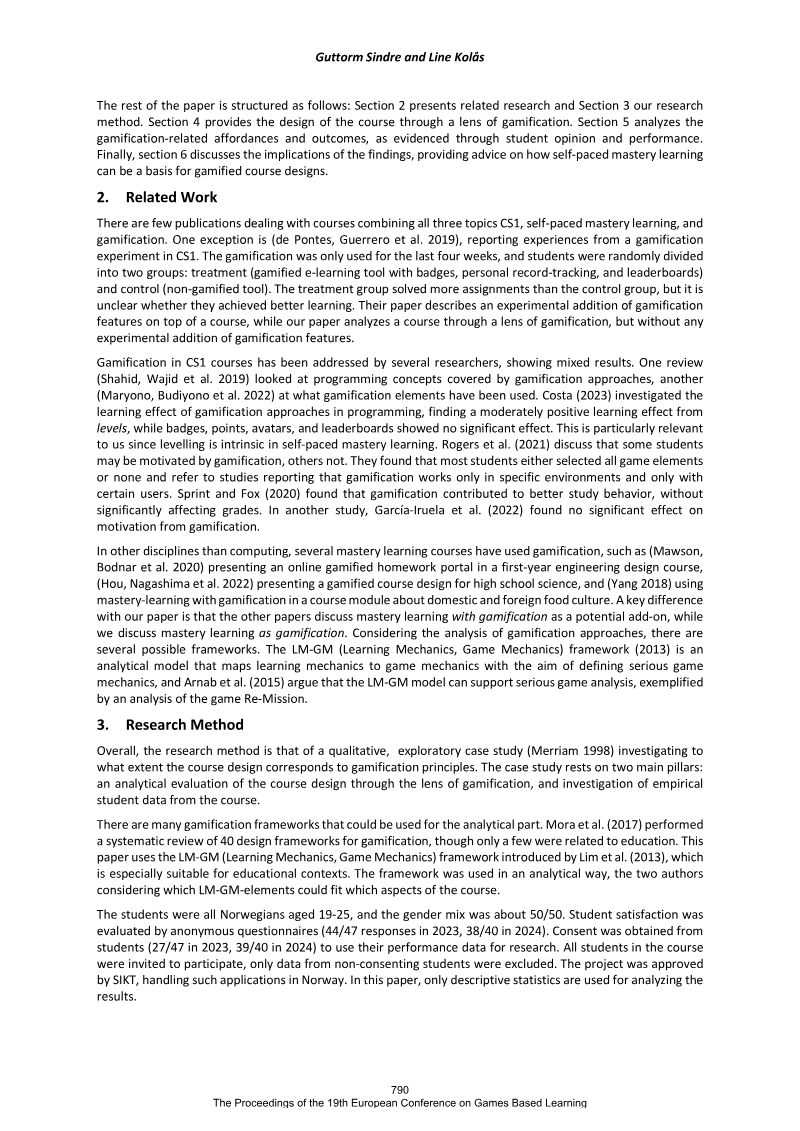
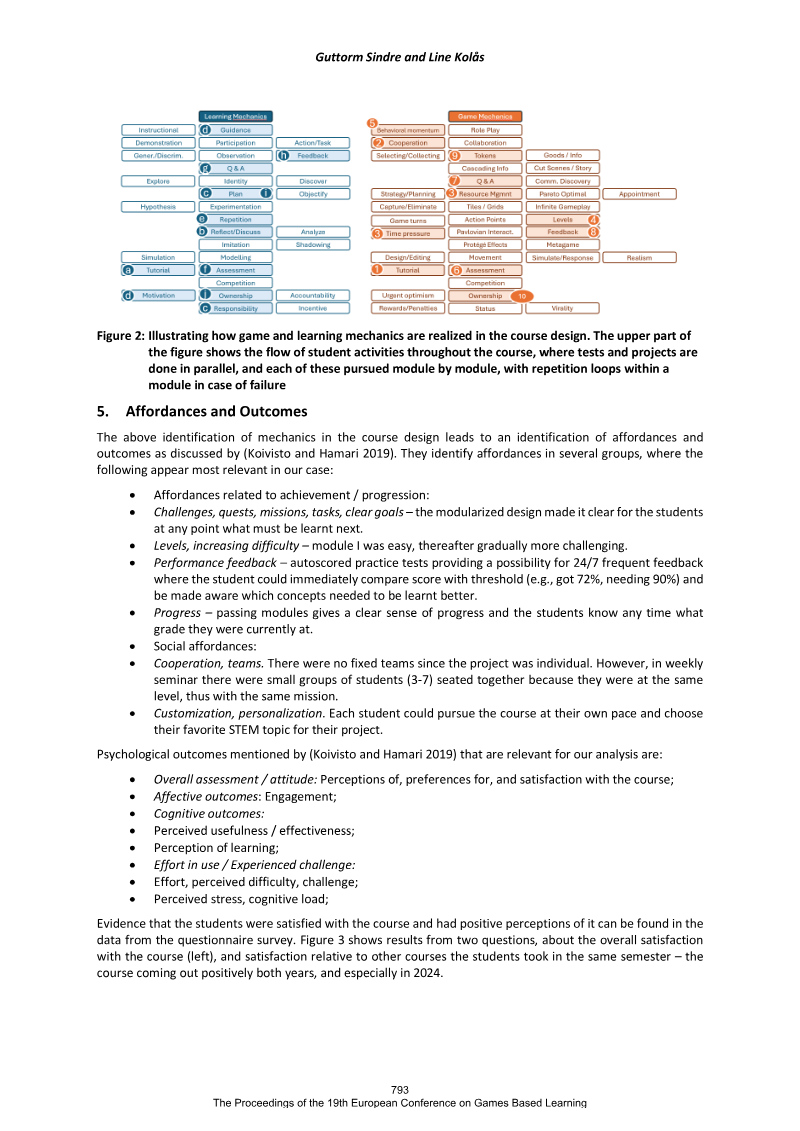
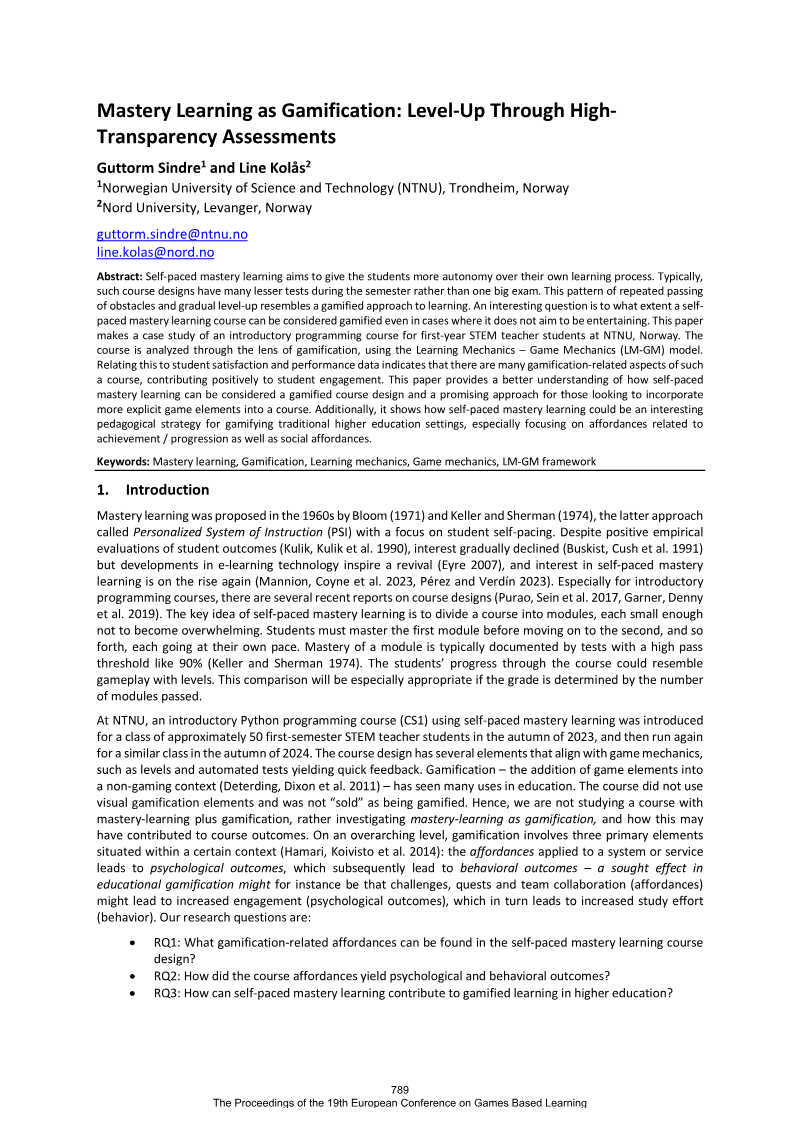
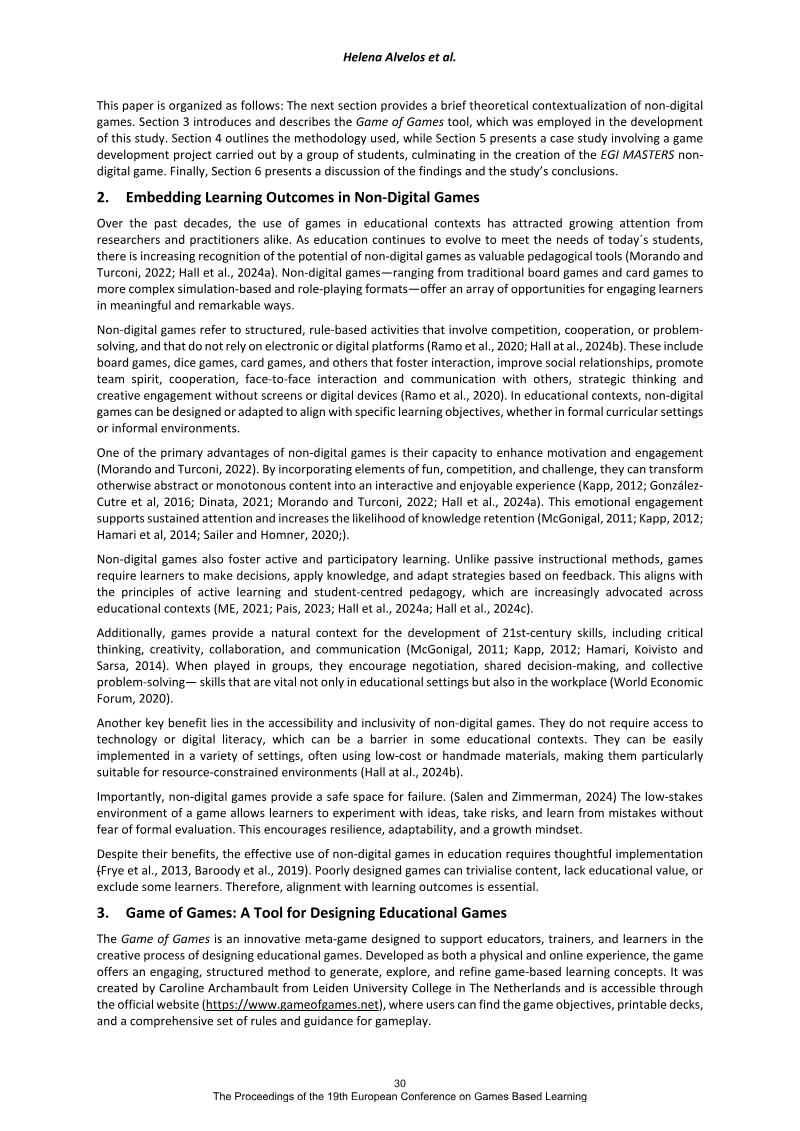
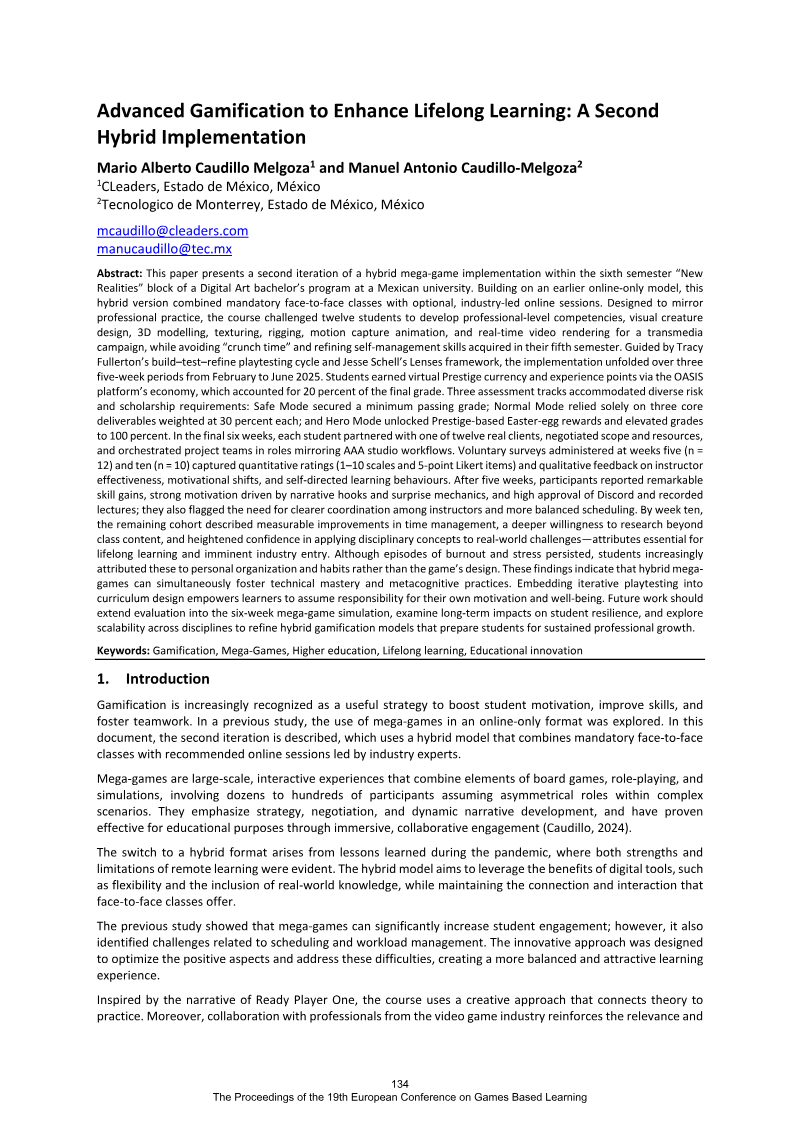
A case study conducted at a Swiss university of applied sciences examines whether a role-playing game (RPG)-based gamification approach can improve middle school students' attitudes toward mathematics and reduce their math anxiety. The intervention placed 16 second-year students (9 female, 7 male, aged 12 to 13) in Ticino, the Italian-speaking region of Switzerland, into a fantasy narrative in which they took on character classes, completed collaborative and individual math tasks, and earned points for both academic progress and positive behavior. The teacher served as a game master over seven weeks of weekly laboratory sessions. Attitudes were measured with the Attitudes Toward Mathematics Inventory in Secondary Education, and anxiety with the Modified Abbreviated Math Anxiety Scale, administered before and after the intervention.
The study reports a statistically significant improvement in overall class attitudes toward mathematics, with a 4.3% decrease in the total attitude score (p=0.014), indicating more positive attitudes. Gender-specific patterns emerged: male students improved significantly in perceived value of mathematics, while female students showed gains across attitude dimensions, though not statistically significant. In anxiety, female students, who began with higher baseline anxiety, experienced a significant overall reduction of 16.9% (p=0.045), while male students showed a non-significant increase of 9.2%. Qualitative feedback from students generally described the activities as fun and more accessible than traditional lessons, though one student found the pacing too slow.
The authors are explicit about the study's limitations: the small, context-specific sample, the short seven-week duration, reliance on self-reported quantitative data, and the absence of substantial qualitative analysis. They conclude that gamification is not a universal remedy, and that its effects depend on design, learner characteristics, and gender. The findings are presented as preliminary, warranting larger and longer studies to clarify the divergent outcomes for male and female students.
European Conference on Games Based Learning (ECGBL) · 2025
European Conference on Games Based Learning (ECGBL) · 2025
European Conference on Games Based Learning (ECGBL) · 2025
European Conference on Games Based Learning (ECGBL) · 2025
European Conference on Games Based Learning (ECGBL) · 2025
European Conference on Games Based Learning (ECGBL) · 2025
European Conference on Games Based Learning (ECGBL) · 2025
European Conference on Games Based Learning (ECGBL) · 2025
European Conference on Games Based Learning (ECGBL) · 2025
European Conference on Games Based Learning (ECGBL) · 2025
European Conference on Games Based Learning (ECGBL) · 2025
European Conference on Games Based Learning (ECGBL) · 2025
DiGRA · 2026