
European Conference on Games Based Learning (ECGBL)
Annual European conference on game-based learning and serious games; its proceedings are published open access (CC BY) by Academic Conferences International.
Documents
Who Learns from City Games? Examining the Role of Motivation, Personality, and Experience
This study examines who learns from city-based escape games, using a sustainability-themed game in Stockholm's Royal Seaport district played by 23 female undergraduate study-abroad students.
- The study used a quasi-experimental design with pre- and post-game surveys on 23 female undergraduate study-abroad students playing a sustainability-themed city game in Stockholm's Royal Seaport district, a small, homogeneous sample the authors say limits generalizability.
- Prior gaming experience and engagement with "Did You Know" informational content were stronger predictors of learning than motivation or personality traits, though several of the authors' initial predictions were only partly supported.
- Intrinsic motivation was positively associated with openness to experience and enjoyment of the escape room, but negatively correlated with teamwork, suggesting self-driven players may prefer independent exploration over collaboration.
It's Going to be Amazing: Exploring Children's Game Play and Making
This study examines how children aged 10 to 13 engage with video games both at home and in the classroom, pairing an investigation of their gaming habits with a hands-on game-making project.
- Every one of the 44 grade 6 participants (ages 10–13, two classes in a small West Coast Canadian city) had prior gameplay experience on a Nintendo Switch and reported regular home play, averaging about five days a week for roughly two hours per session.
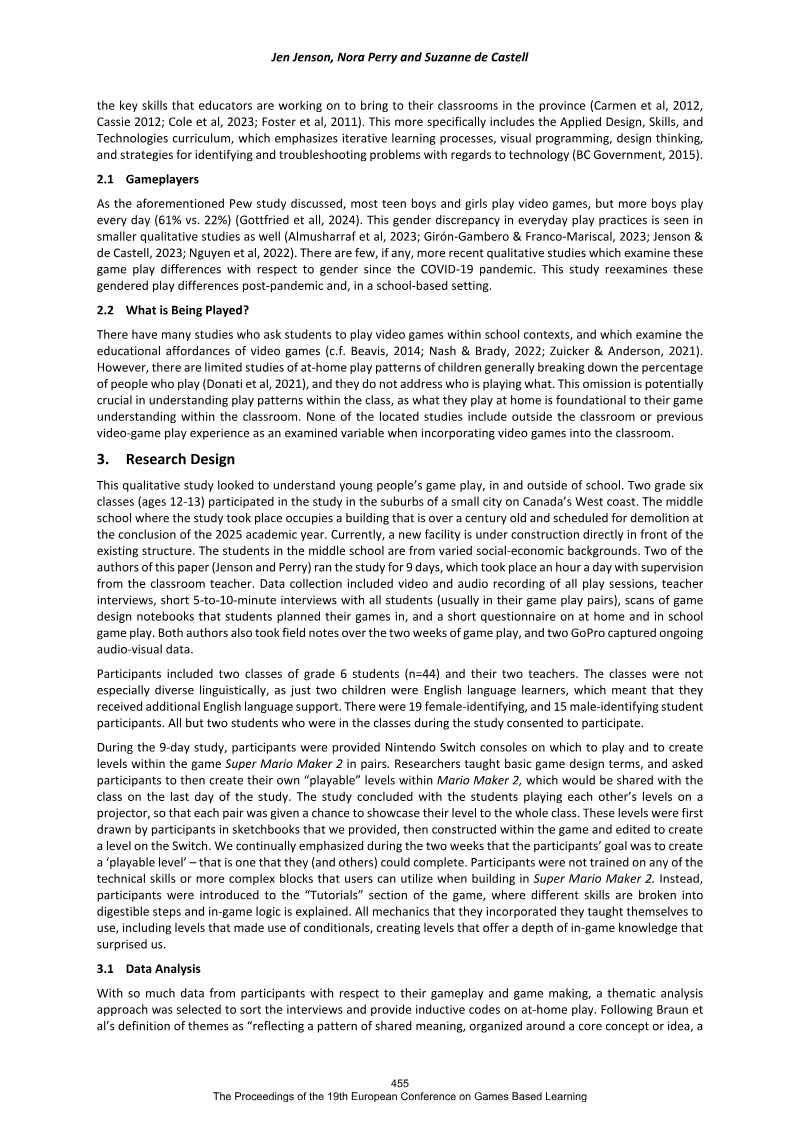
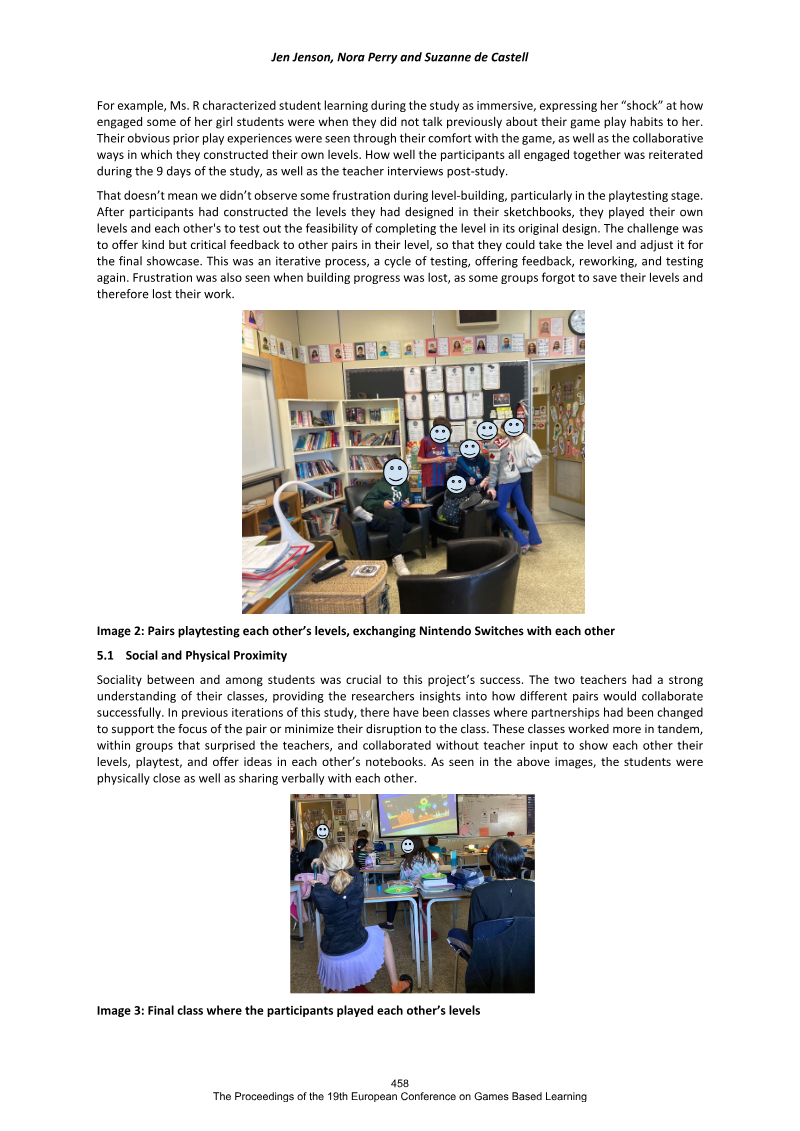
- Over nine one-hour sessions using Super Mario Maker 2, students with little formal coding training designed playable levels through iterative sketching, testing, and revision, and many developed an understanding of player movement and game logic on their own.
- Girls were as engaged and skilled as boys in the game-making project, a finding the authors contrast with earlier research documenting gender gaps in play.
A Systematic Review of Serious Games for Training Emotion Regulation Skills in Preschool Children
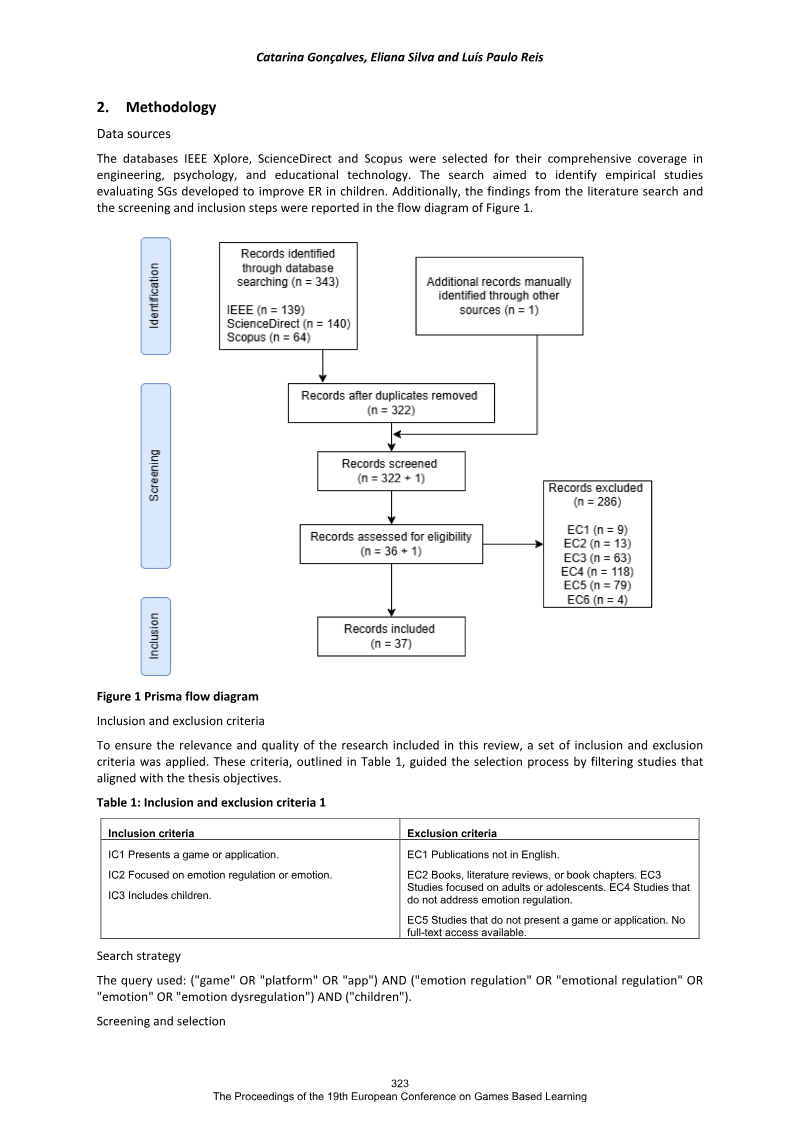
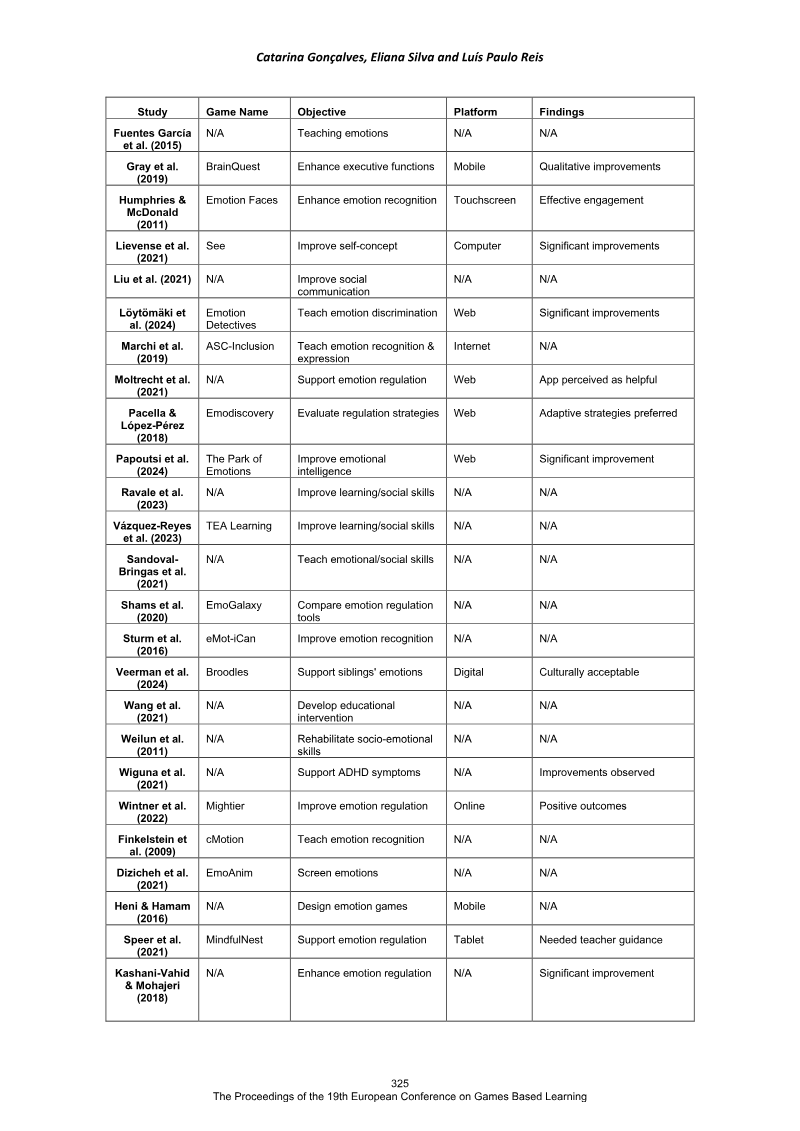
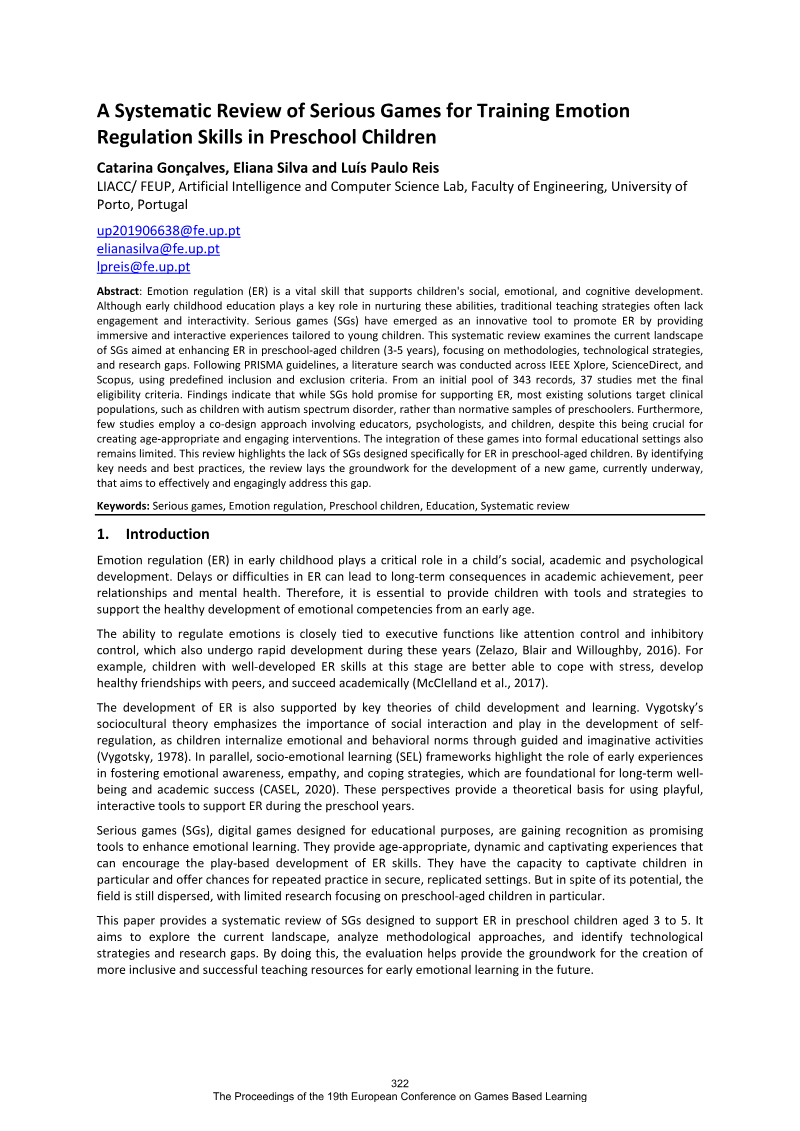
This systematic review examines serious games designed to train emotion regulation skills in preschool children aged 3 to 5, with the aim of mapping the current landscape, methodological approaches, technological strategies, and research gaps.
- Serious games for emotion regulation in preschoolers are a sparse field: a PRISMA-guided review of 343 screened records found only 37 eligible studies.
- Over 70% of the included studies targeted clinical populations, especially children with autism spectrum disorder, while only about 25% addressed typically developing children and very few explicitly targeted preschoolers aged 3 to 5.
- Most games were built for computers, tablets, or web platforms, and only a minority involved co-design with educators, parents, or psychologists despite its importance for developmentally appropriate design.
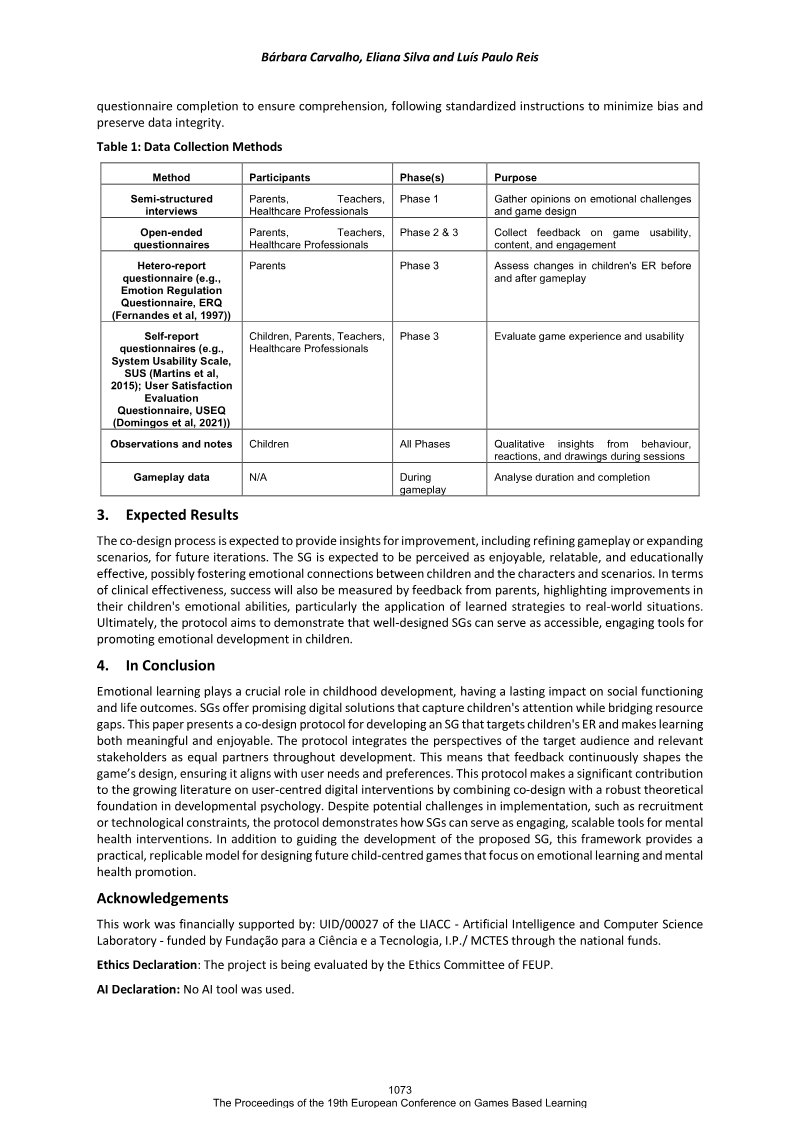
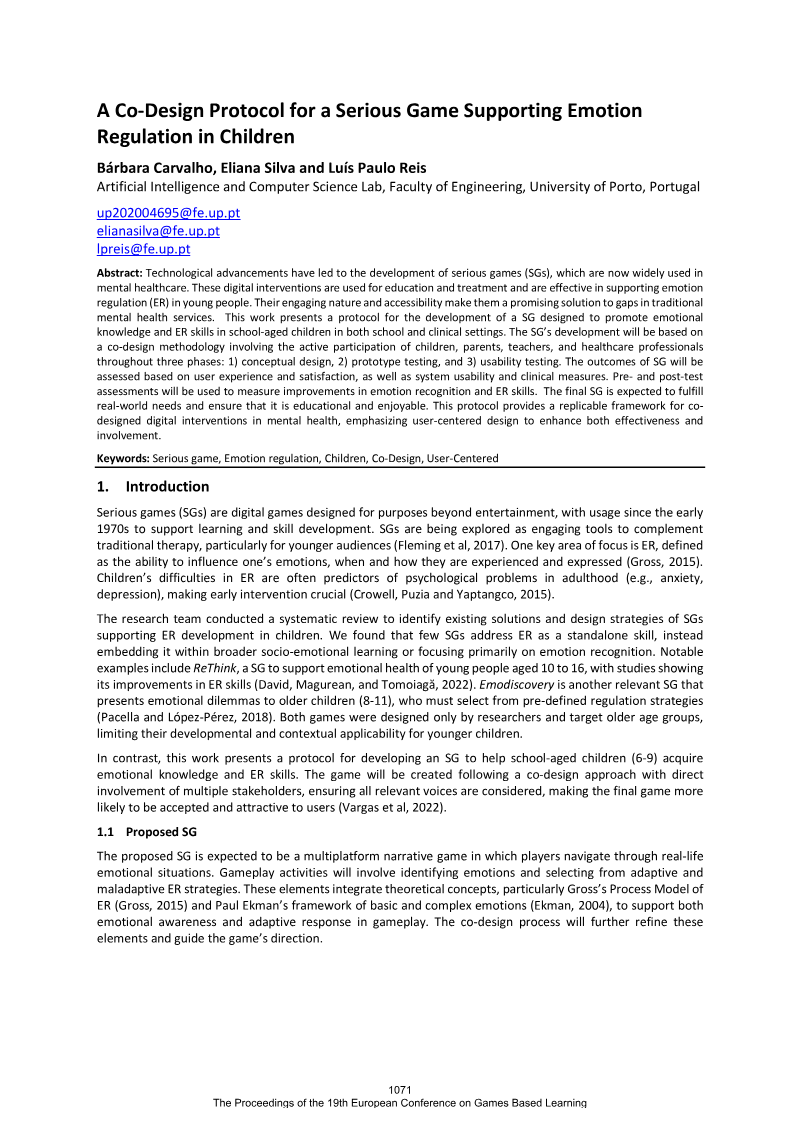
A Co-Design Protocol for a Serious Game Supporting Emotion Regulation in Children
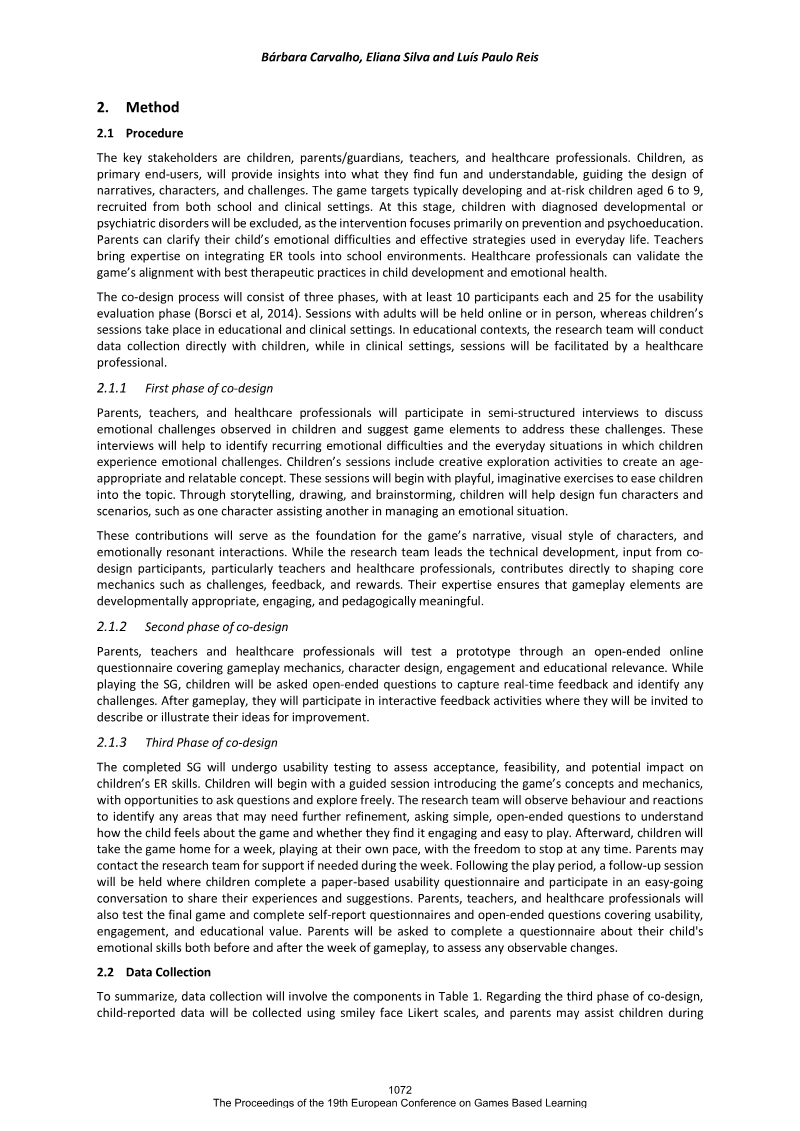
This document presents a protocol for developing a serious game (SG) that aims to build emotional knowledge and emotion regulation (ER) skills in school-aged children, specifically those aged 6 to 9.
- The report is a protocol, not a completed study, so it presents no empirical results; its expected outcomes (enjoyable, educationally effective play and transfer of strategies to real life) remain untested.
- Its central thesis is that co-design, with children, parents, teachers, and healthcare professionals as equal partners throughout development, can yield a more relevant, engaging, and effective digital intervention than tools built by researchers alone.
- The proposed game is a multiplatform narrative experience for children aged 6 to 9 in which players identify emotions and choose between adaptive and maladaptive regulation strategies in realistic situations, grounded in Gross's Process Model of Emotion Regulation and Ekman's framework of basic and complex emotions.
Impact of Math Ludo on Skills in Students with Dyscalculia
This study evaluates Math Ludo, an original board game developed in a graduate educational games course, as an intervention for students with dyscalculia.
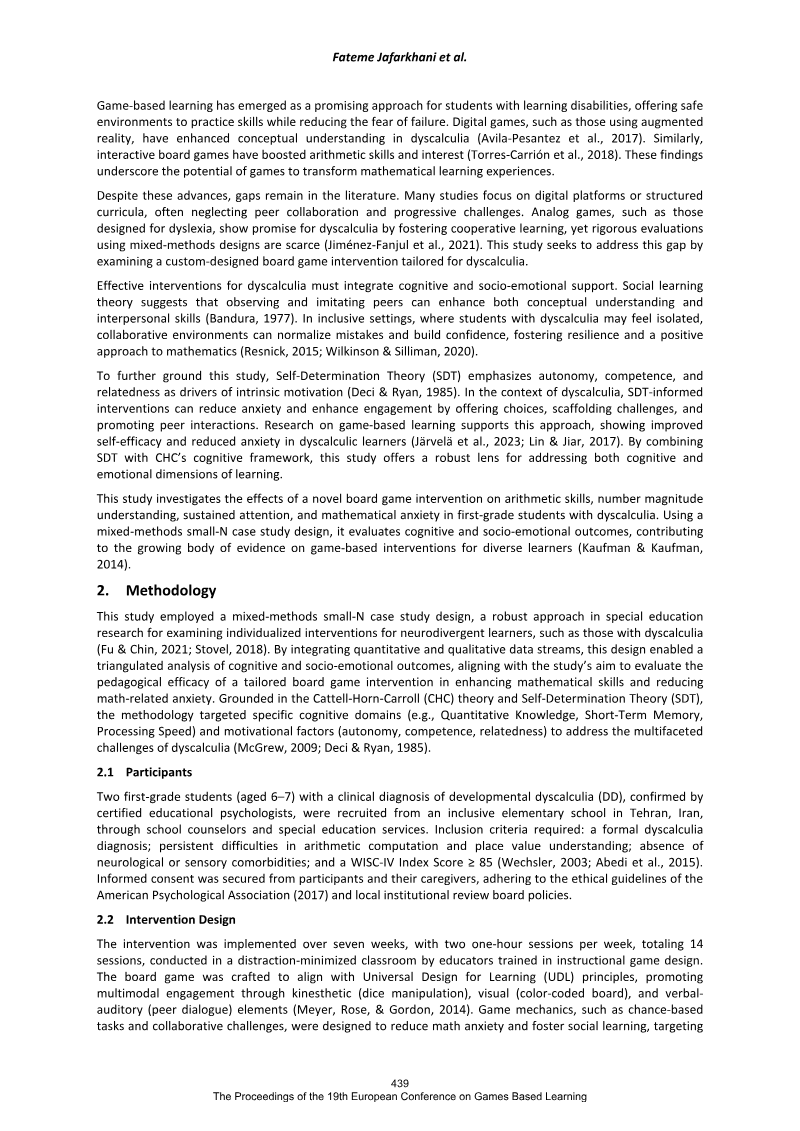
- A small-N case study of two first-grade students (ages 6-7) with dyscalculia found that a 14-session, seven-week board game intervention (Math Ludo) produced KeyMath-3 gains of 42% and 58% from baseline, with improvements sustained at a two-week follow-up.
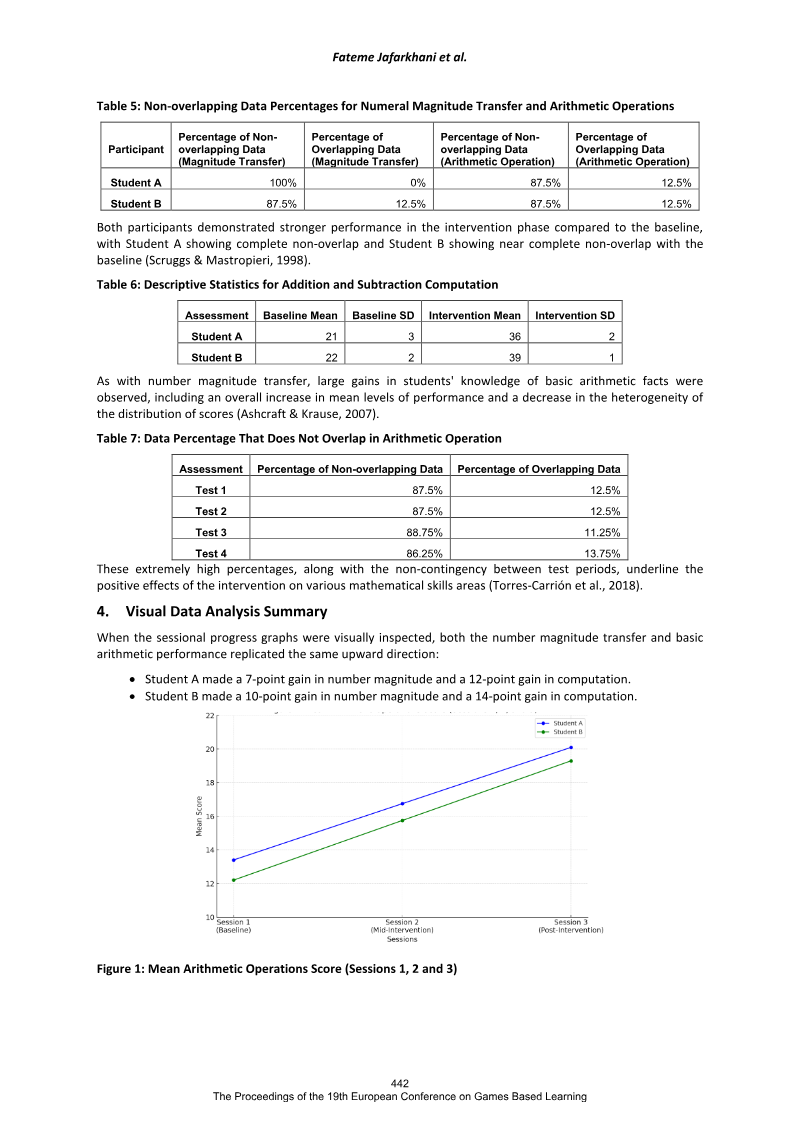
- Single-case non-overlap of data between baseline and intervention phases reached 85-90%, with arithmetic computation and number magnitude measures showing similar upward trends.
- Teacher-recorded observations reported a 51% reduction in math-avoidance behaviors, a 60% increase in peer learning interactions, and a 65% increase in task engagement duration.
Immersive Virtual Reality Experience for Informed Career Decision-Making
At Tecnológico de Monterrey, students face two pivotal decision points, leaving the Exploration phase and selecting a specialization, that generate notable stress and anxiety despite the institution's well-structured Tec21 framework.
- A mixed-methods survey of 78 sixth-semester students at Tecnológico de Monterrey found that most reported only mild stress when choosing a university or major, but a substantial minority reported moderate to severe anxiety.
- Students attributed their anxiety to fears of irreversible mistakes, financial uncertainty, heavy workloads, unclear curricular information, and concern about disappointing family or peers.
- Stress eased somewhat during major selection but remained significant, with roughly a quarter of students still reporting moderate to severe anxiety at the specialization stage.
Creation of Retro Games Room Supporting Student Belonging
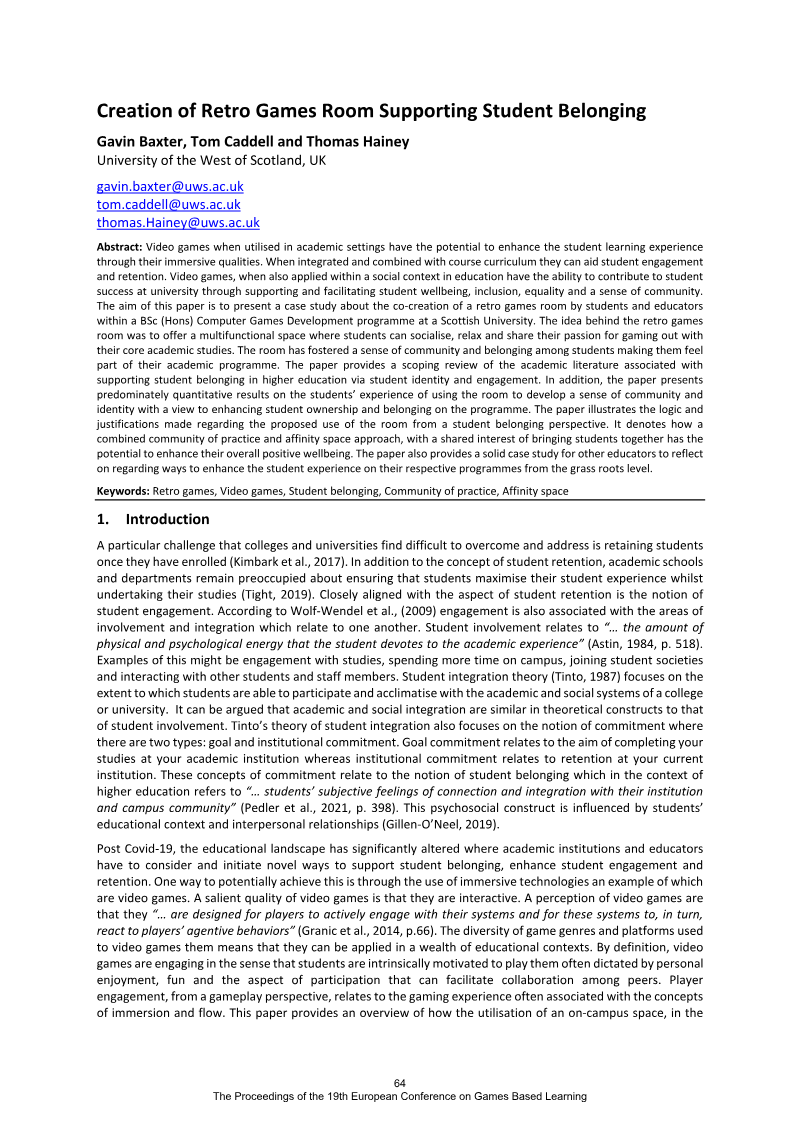
This paper examines the creation of a retro games room at the University of the West of Scotland, developed through staff-student co-creation within a BSc Computer Games Development programme.
- The paper proposes combining a Community of Practice with an affinity space approach, using shared interest in gaming as the connective mechanism to foster student belonging, wellbeing, and engagement.
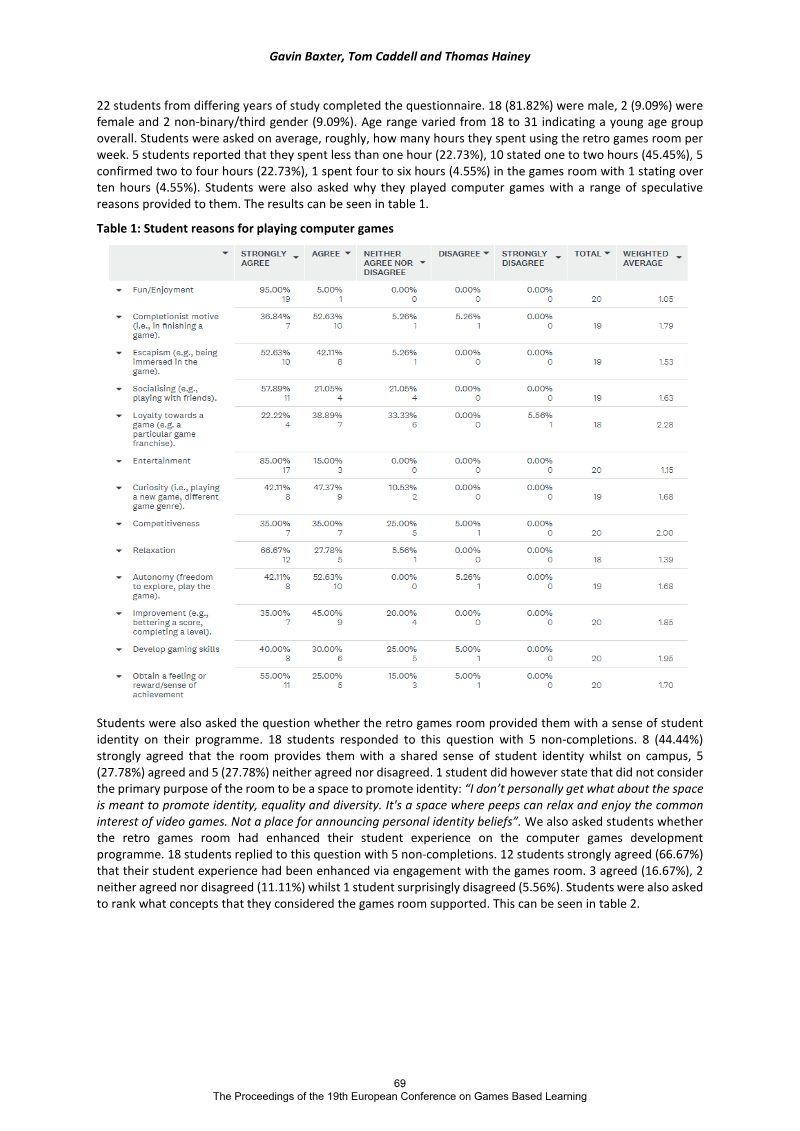
- In initial feedback from 22 respondents, 94% agreed the retro games room supported peer social interaction, 88% agreed it enhanced their programme experience, and 83% agreed it supported a shared student identity.
- The findings are preliminary: the response rate was low and the sample was convenience-based, which substantially limits generalisability beyond this cohort and institution.
Implementing Tabletop Role-Playing Games for Workplace Learning: The ADVENTURE Framework in Practice
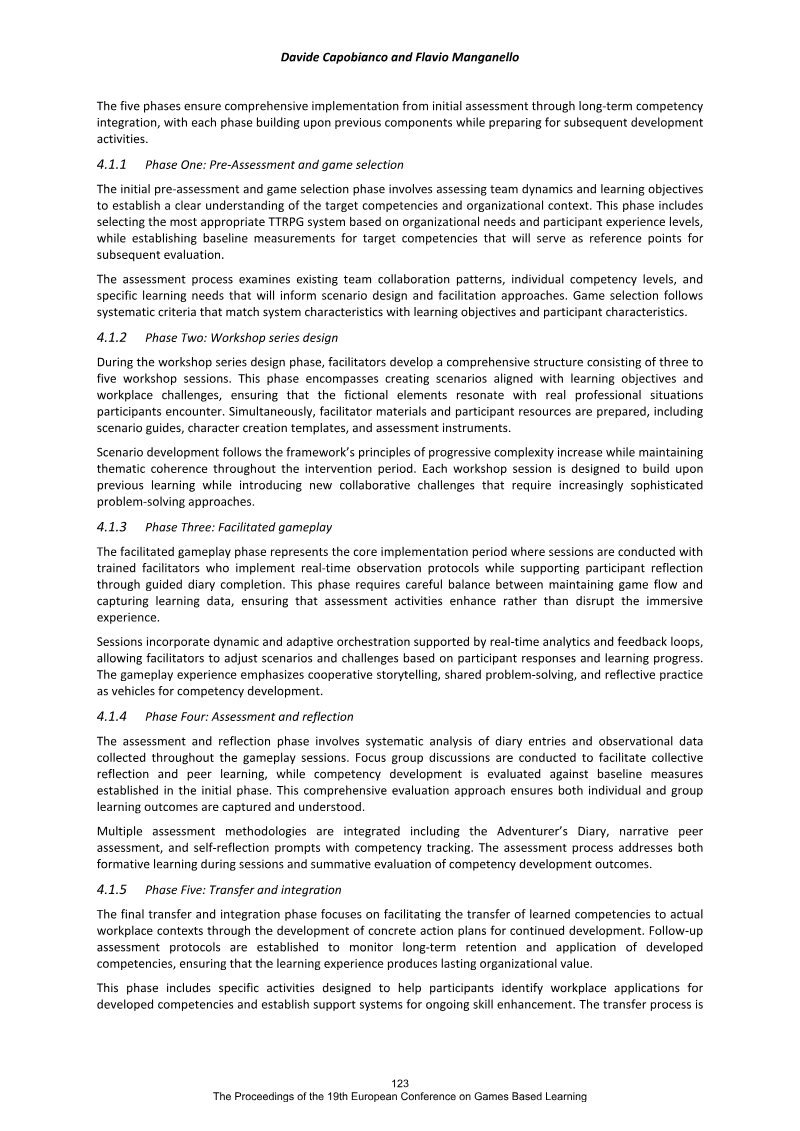
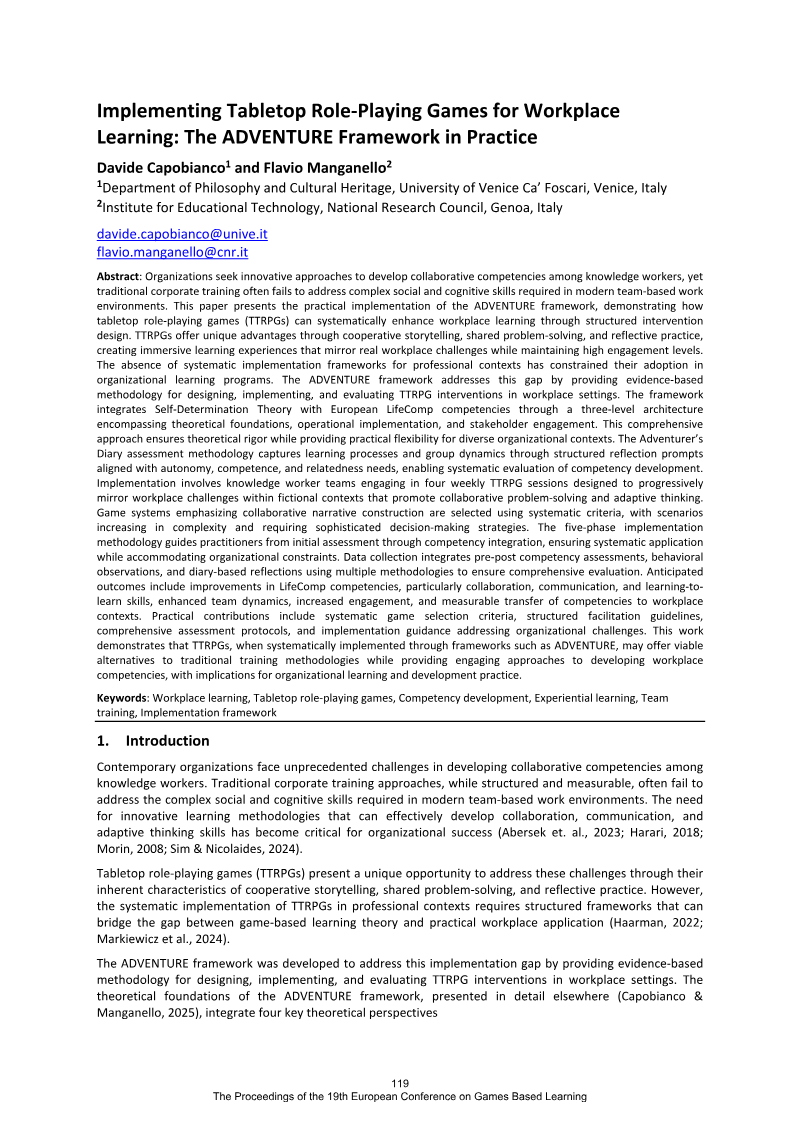
The ADVENTURE framework proposes applying tabletop role-playing games to workplace learning, integrating Self-Determination Theory, the European LifeComp competency model, and pedagogical approaches such as heutagogy and cooperative learning.
- The ADVENTURE framework applies tabletop role-playing games to workplace learning, integrating Self-Determination Theory, the European LifeComp competency model, and pedagogies such as heutagogy and cooperative learning.
- Its main contribution is methodological: a three-dimensional architecture spanning theoretical, operational, and stakeholder considerations, plus criteria for choosing low-complexity games that emphasize cooperative storytelling, with examples such as Dungeons & Dragons, Vampire: The Masquerade, and Fabula Ultima.
- The framework is delivered through a five-phase methodology typically run over three to five workshops of four to five hours each, with weekly sessions as the reference model.
From Chance to Strategy: Advancing Educational Games About Vertebrates for Elementary Students
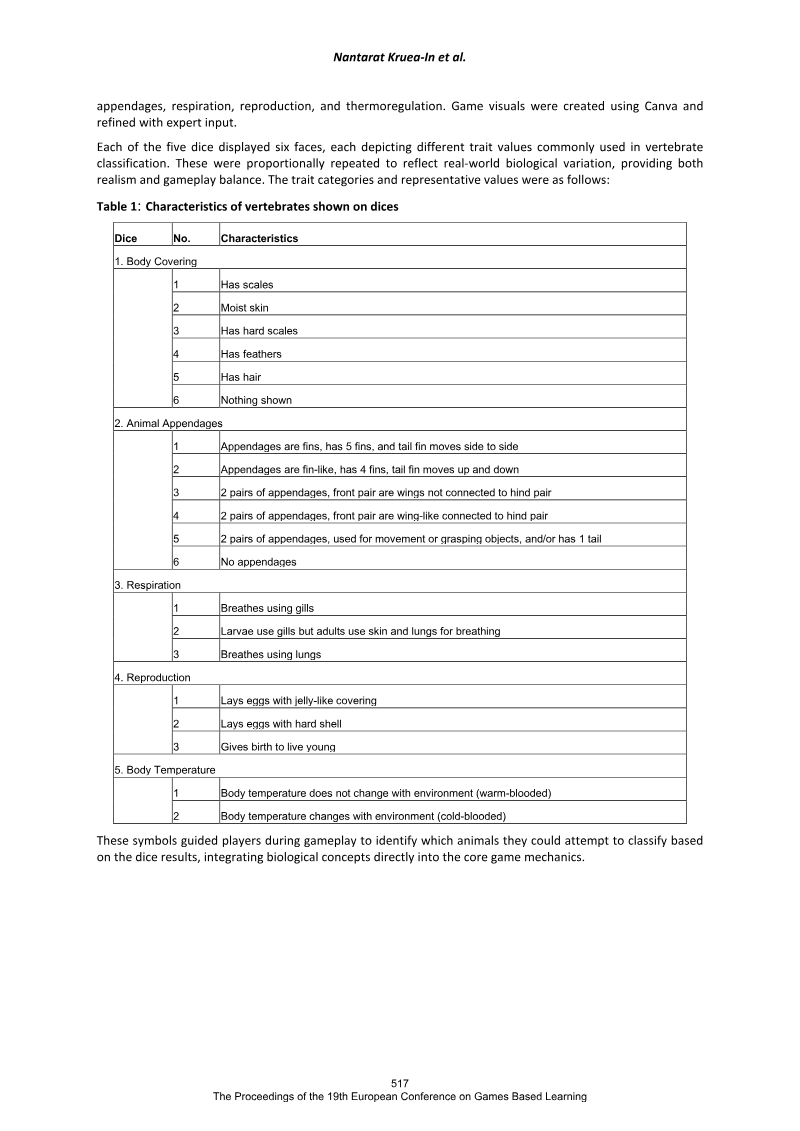
This study describes the iterative redesign of an educational board game intended to teach Grade 4 and older elementary students to classify vertebrates into fish, amphibians, reptiles, birds, and mammals.
- The original educational board game Amass Me, which relied heavily on dice-rolling and a dichotomous key, produced an 83.8 percent average post-test score among 29 Grade 4 students, statistically above an 80 percent benchmark, but testing exposed problems with excessive chance, limited strategy, cumbersome symbols, and long play sessions.
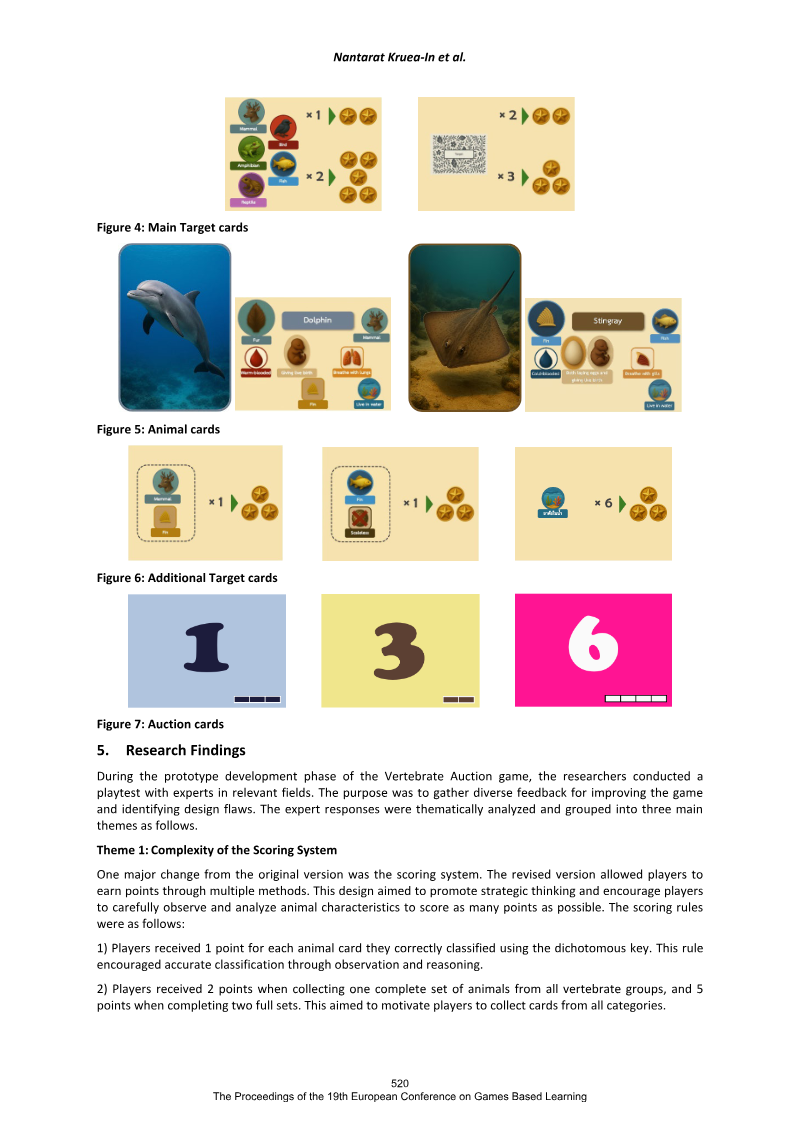
- The redesigned game, Vertebrate Auction, reduces reliance on chance by emphasizing trait observation, bidding-based strategic selection, shared target cards, and a tiered scoring system to teach classification of fish, amphibians, reptiles, birds, and mammals.
- The study used a design-based research approach across two phases, combining classroom observation, informal interviews, post-game assessments, and expert playtesting with science educators, teachers, game designers, and students aged 10 to 13.
Development of a Serious Game for British Sign Language Education
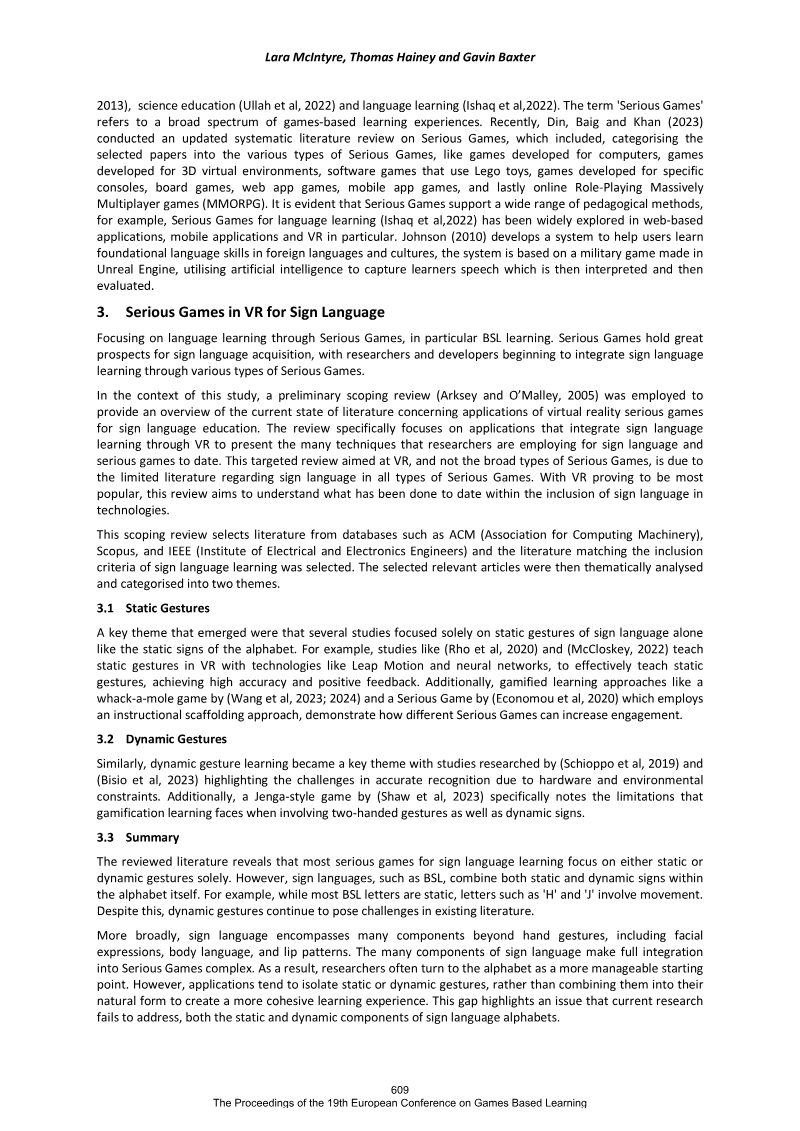
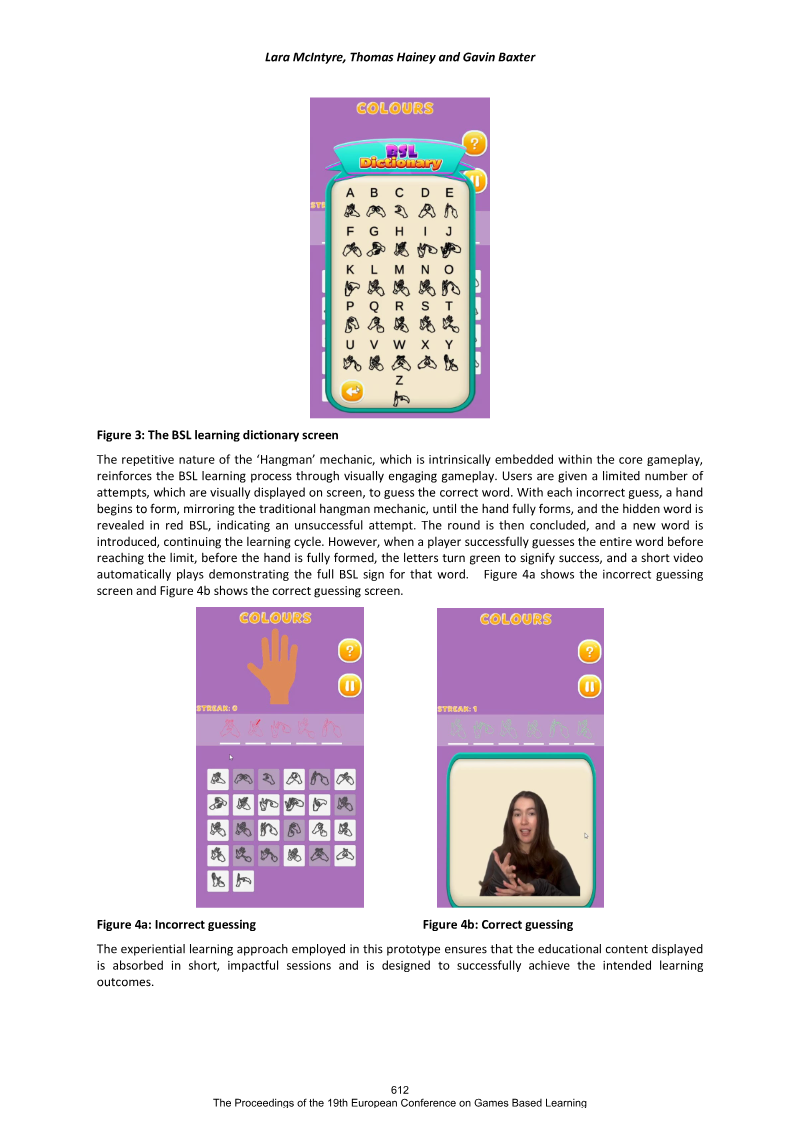
The document presents HangHand, a mobile-friendly, two-dimensional serious game built in Unity 6 that adapts the Hangman format to teach basic British Sign Language (BSL) fingerspelling and colour vocabulary.
- HangHand is a mobile-friendly 2D serious game built in Unity 6 that adapts the Hangman format to teach basic British Sign Language (BSL) fingerspelling and colour vocabulary, positioned as a complement to Deaf-led BSL instruction rather than a substitute.
- A preliminary scoping review of VR serious games for sign language found most existing applications teach static or dynamic gestures in isolation, a gap HangHand addresses by combining both within one experience.
- Assessment is embedded directly into play and mapped to three learning outcomes: letter familiarity, spelling and word recognition, and foundational skills developed through repetition.
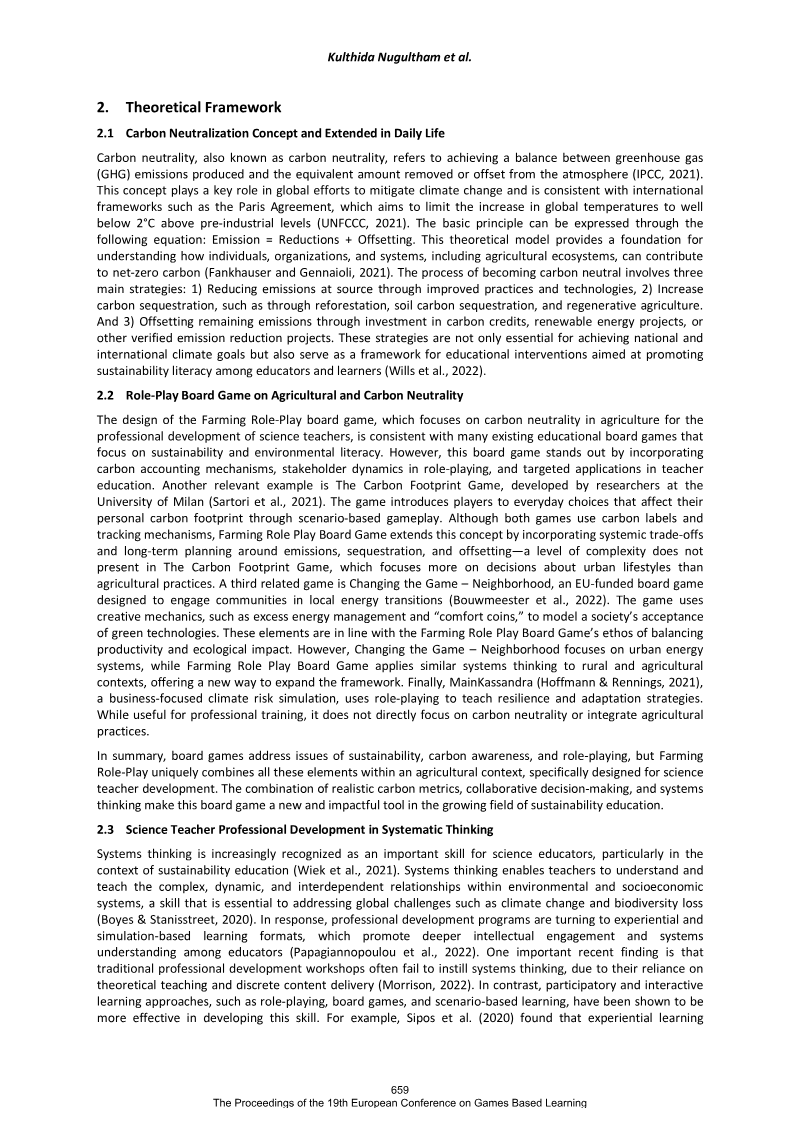
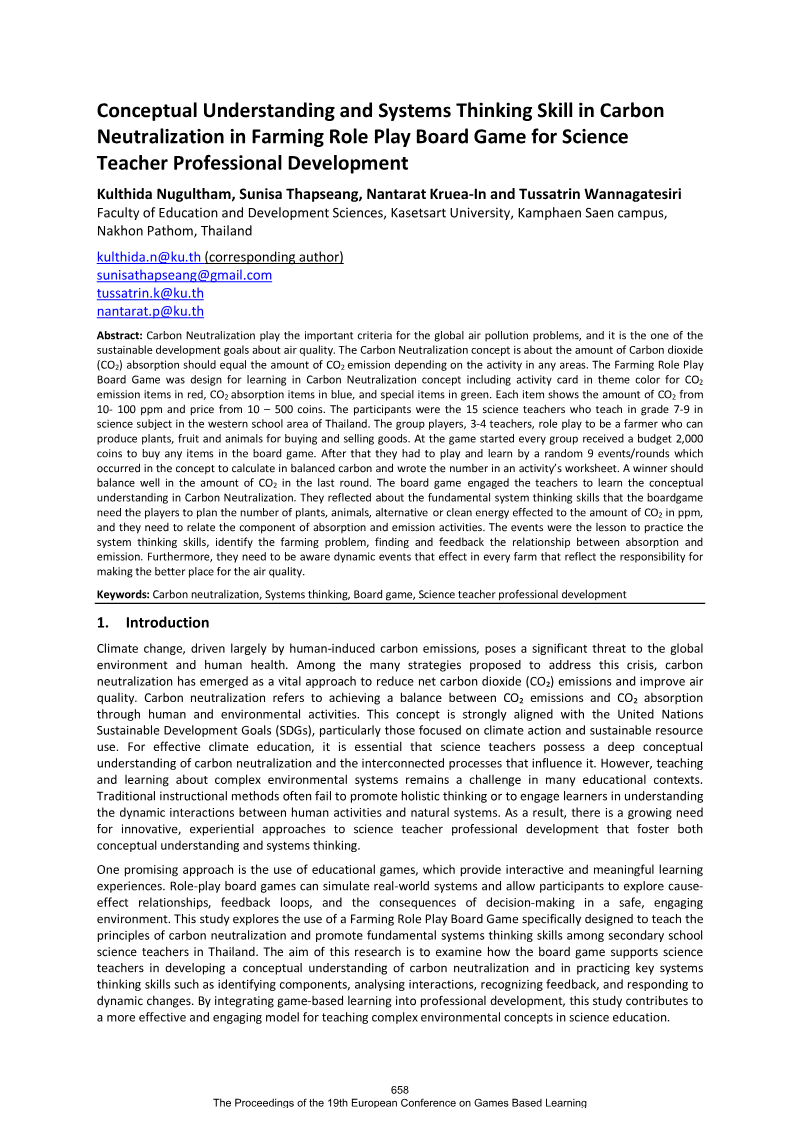
Conceptual Understanding and Systems Thinking Skill in Carbon Neutralization in Farming Role Play Board Game for Science Teacher Professional Development
This study examines a Farming Role Play Board Game designed to build conceptual understanding of carbon neutralization and systems thinking among secondary science teachers in Thailand.
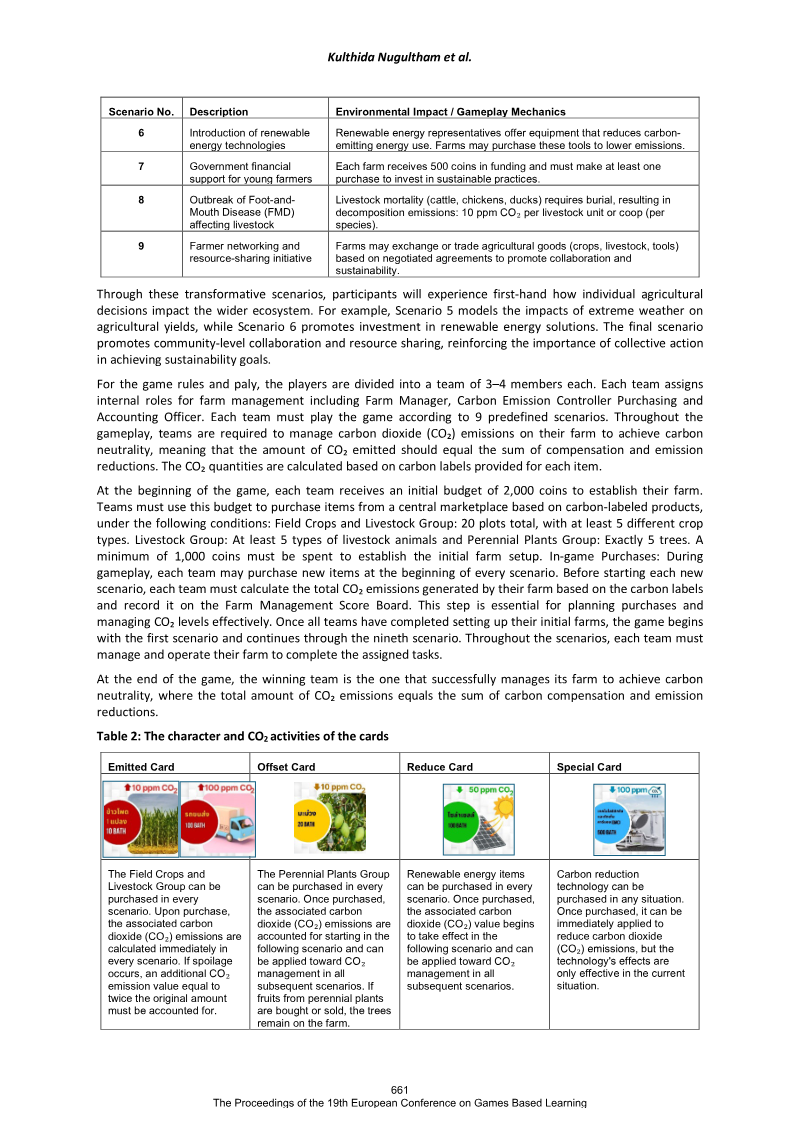
- The Farming Role Play Board Game has teams of three to four science teachers act as farm managers who buy, sell, and balance carbon emission, absorption, and reduction items across nine randomized scenarios, with the goal of making emissions equal offsets.
- The study is a qualitative, small-scale evaluation with 15 science teachers teaching grades 7 to 9 in a western region of Thailand, using open-ended interviews and observation during play.
- Teachers came to understand that emissions must be balanced by absorption and reduction, and several formulated simple equations to express this relationship.
Increasing STEM Career Interest in Middle Schoolers Through a Health-Themed Serious Game
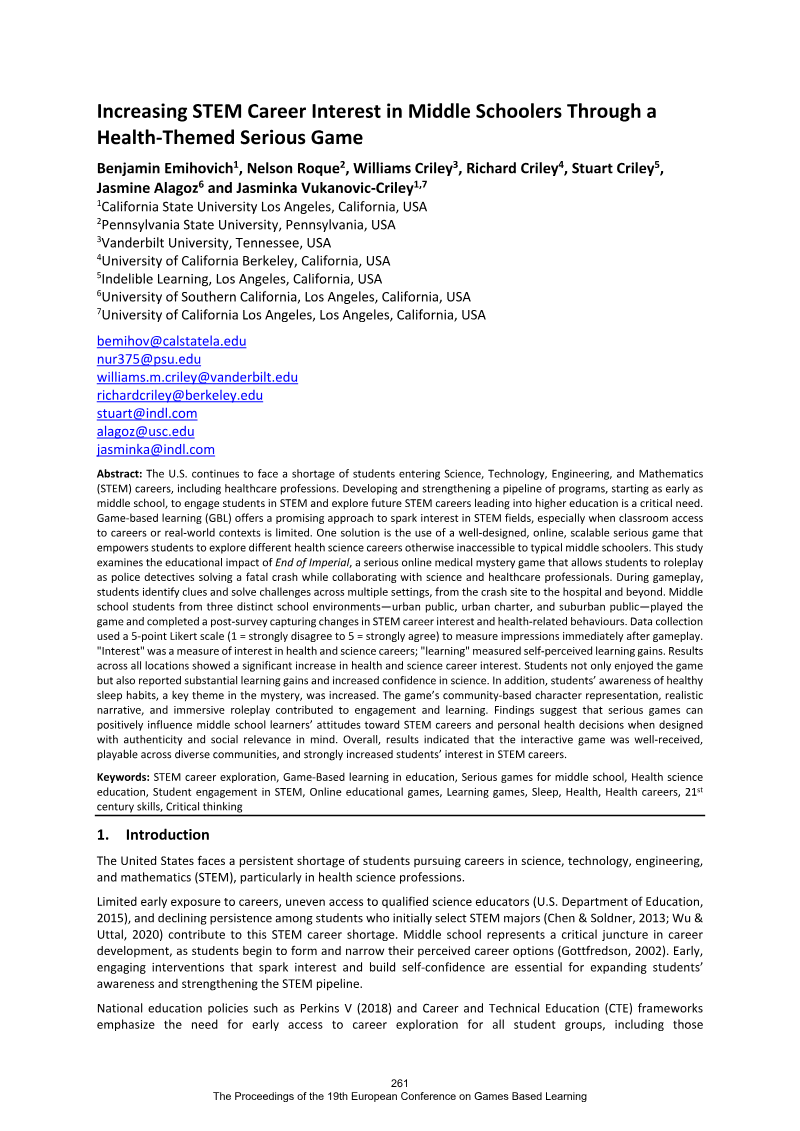
End of Imperial, a browser-based medical mystery serious game, was designed to test whether health-themed gameplay can spark middle schoolers' interest in STEM and health careers.
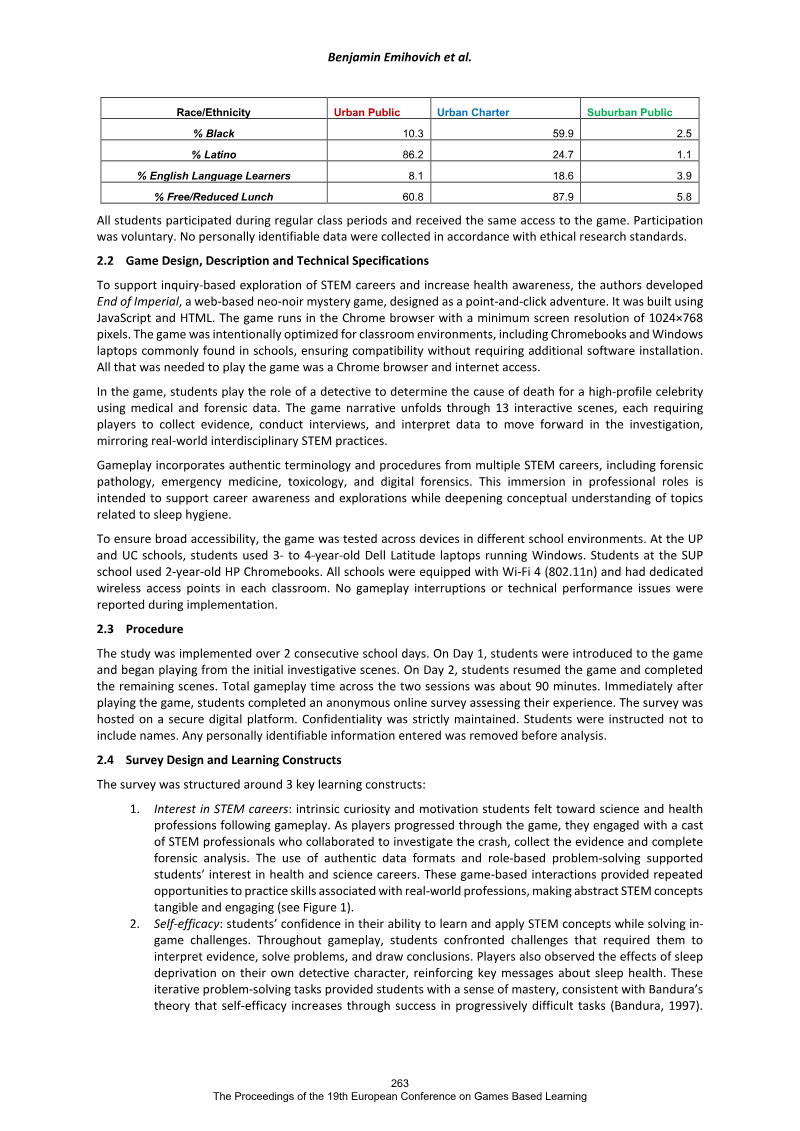
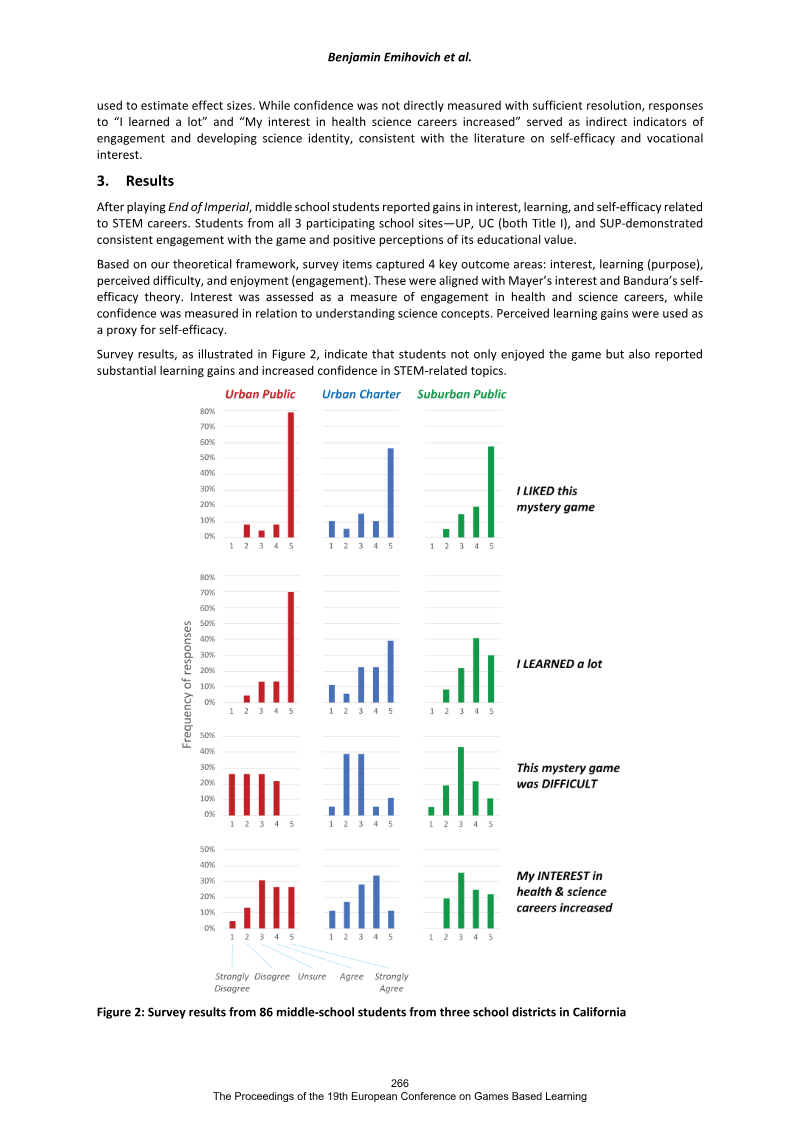
- The study tested End of Imperial, a browser-based medical mystery serious game, with 86 middle schoolers across three California schools (urban public, urban charter, and suburban public) to see whether health-themed play could spark interest in STEM and health careers.
- Enjoyment was consistently high, with mean scores between 3.9 and 4.6 on a five-point scale, and 72 to 83 percent of students rated their career interest between 3 and 5.
- Career interest did not differ significantly across the three sites, suggesting the game's appeal held across urban, charter, and suburban settings.