1 free read left. Create a free account for unlimited reading + AI research.
Create free accountWhitepaper European Conference on Games Based Learning (ECGBL)
1 free read left. Create a free account for unlimited reading + AI research.
Create free accountWhitepaperEuropean Conference on Games Based Learning (ECGBL)
The sixth-semester "New Realities" block ran from February to June 2025 as a second iteration of a hybrid mega-game.
This paper reports on a second iteration of a hybrid mega-game implementation within the sixth-semester "New Realities" block of a Digital Art bachelor's program at a Mexican university, running from February to June 2025. Building on an earlier online-only model, the course combined mandatory face-to-face classes with optional, industry-led online sessions, challenging twelve students to develop near-professional competencies in creature design, 3D modelling, texturing, rigging, motion capture animation, and real-time rendering for a transmedia campaign. The design drew on Tracy Fullerton's build-test-refine playtesting cycle and Jesse Schell's Lenses framework, and used the OASIS platform's virtual Prestige economy, which contributed 20 percent of the final grade.
The course offered three assessment tracks, Safe, Normal, and Hero, to accommodate different risk tolerances and scholarship requirements. In the final six weeks, each student was paired with one of twelve real clients and organized project teams in roles mirroring AAA studio workflows. Voluntary, anonymous surveys at weeks five (n = 12) and ten (n = 10) combined 1-10 and five-point Likert ratings with thematically coded qualitative feedback, analysed through means and standard deviations.
Results indicate high motivation after five weeks, driven by narrative hooks, surprise mechanics, and approval of Discord and recorded lectures, alongside requests for better instructor coordination and more balanced scheduling. By week ten, the remaining cohort reported improved time management (mean self-rating rising from 4.0 to 4.5), greater independent research, and stronger confidence in applying disciplinary concepts. Burnout and stress persisted, but students increasingly attributed them to personal habits rather than game design. The authors conclude that hybrid mega-games can foster both technical mastery and metacognitive, self-regulatory practices, while noting that the study covers only the preparatory phase and that longitudinal and cross-disciplinary evaluation remains necessary.
European Conference on Games Based Learning (ECGBL) · 2025
European Conference on Games Based Learning (ECGBL) · 2025
European Conference on Games Based Learning (ECGBL) · 2025
European Conference on Games Based Learning (ECGBL) · 2025
European Conference on Games Based Learning (ECGBL) · 2025
European Conference on Games Based Learning (ECGBL) · 2025
European Conference on Games Based Learning (ECGBL) · 2025
European Conference on Games Based Learning (ECGBL) · 2025
European Conference on Games Based Learning (ECGBL) · 2025
European Conference on Games Based Learning (ECGBL) · 2025
European Conference on Games Based Learning (ECGBL) · 2025
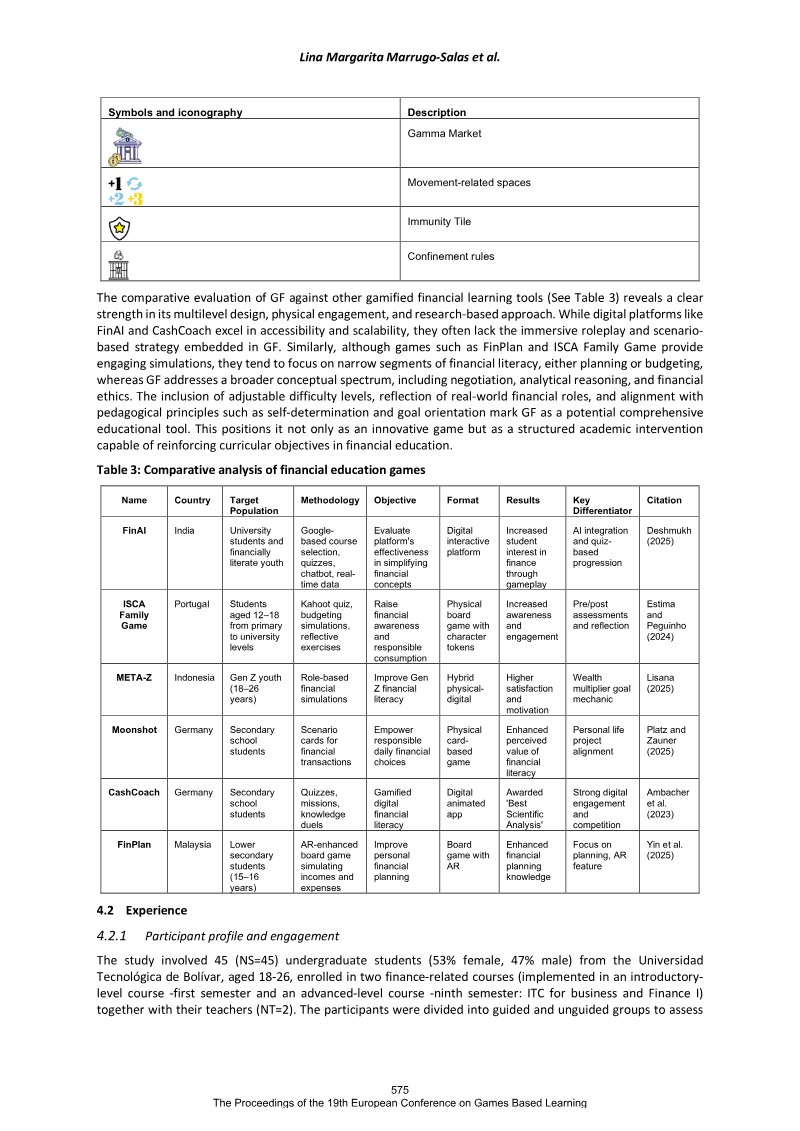
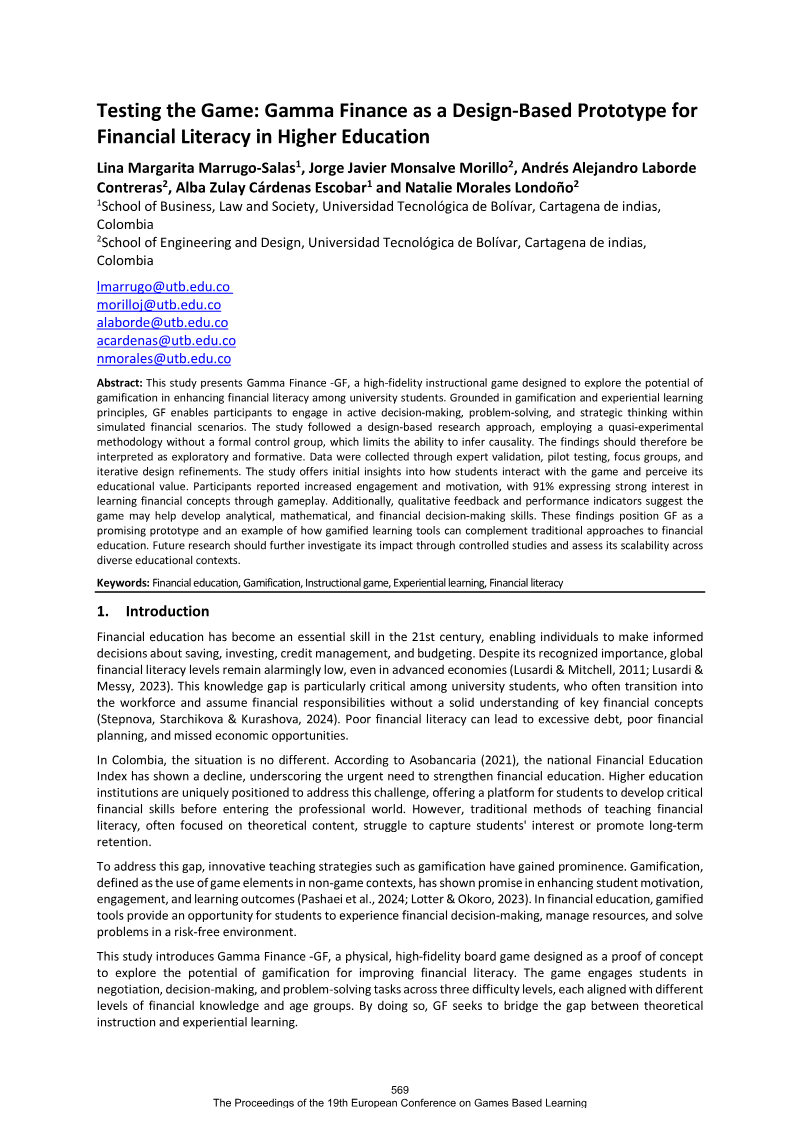
European Conference on Games Based Learning (ECGBL) · 2025
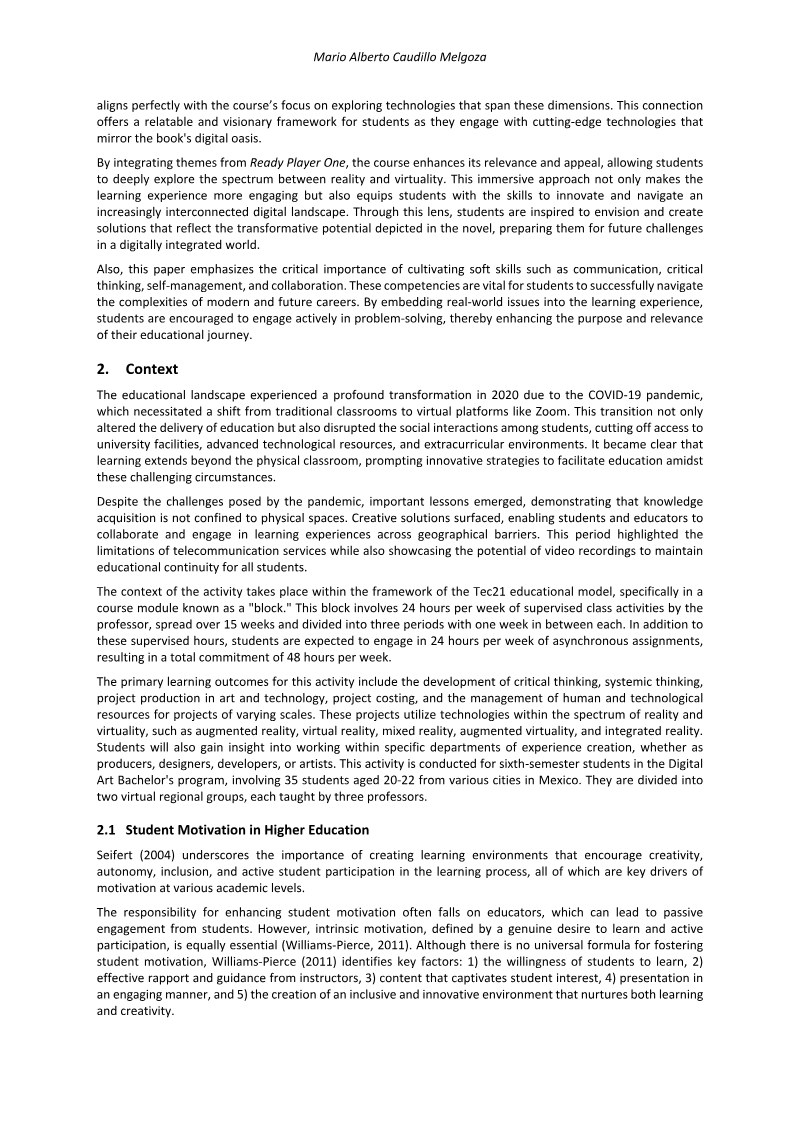
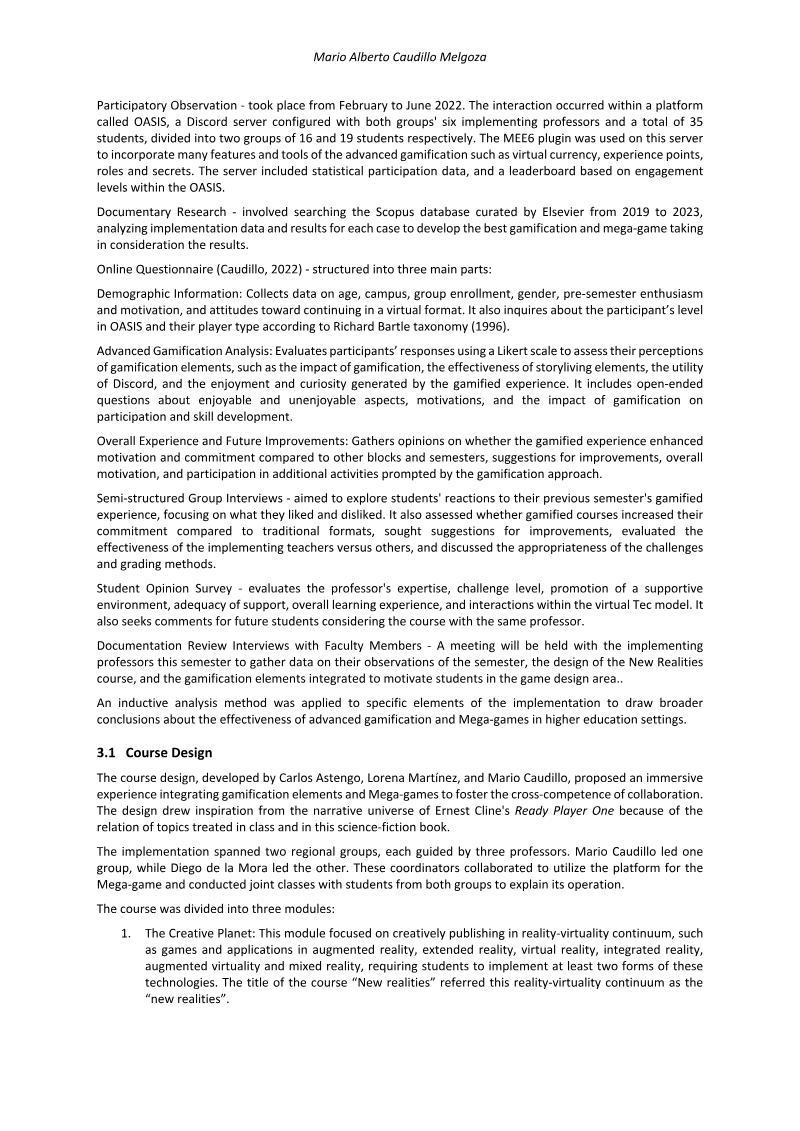
European Conference on Games Based Learning (ECGBL) · 2024



Breda University of Applied Sciences · 2026
DiGRA · 2026