
DiGRA
The Digital Games Research Association: the international association of academics and professionals who study digital games. Its Digital Library holds the proceedings of the DiGRA conferences since 2002.
Documents
Constructing the Ideal EVE Online Player
"Constructing the Ideal EVE Online Player" argues that the widely held view of EVE Online's players as exceptional is best explained by deliberate design choices made by CCP Games, which are then reinforced by a homogeneous player community, rather than by any inherent difference in the players themselves.
Regulating Virtual Worlds: Considering Participant-Driven Approaches
Woodford's DiGRA 2013 paper, "Regulating Virtual Worlds: Considering Participant-Driven Approaches," contends that virtual worlds are facing a growing number of disputes that will likely invite external regulation, and that the available governance options each fall short.
Puzzle Is Not a Game! Basic Structures of Challenge
Karhulahti's paper argues that puzzles, unlike strategic and kinesthetic challenges, cannot constitute games in the full sense, because they lack the dynamic, opponent-driven structure that prominent definitions of play and games treat as essential.
The Role of Micronarrative in the Design and Experience of Digital Games
Micronarrative, the authors argue, is a useful design tool for understanding how digital games structure story and play.
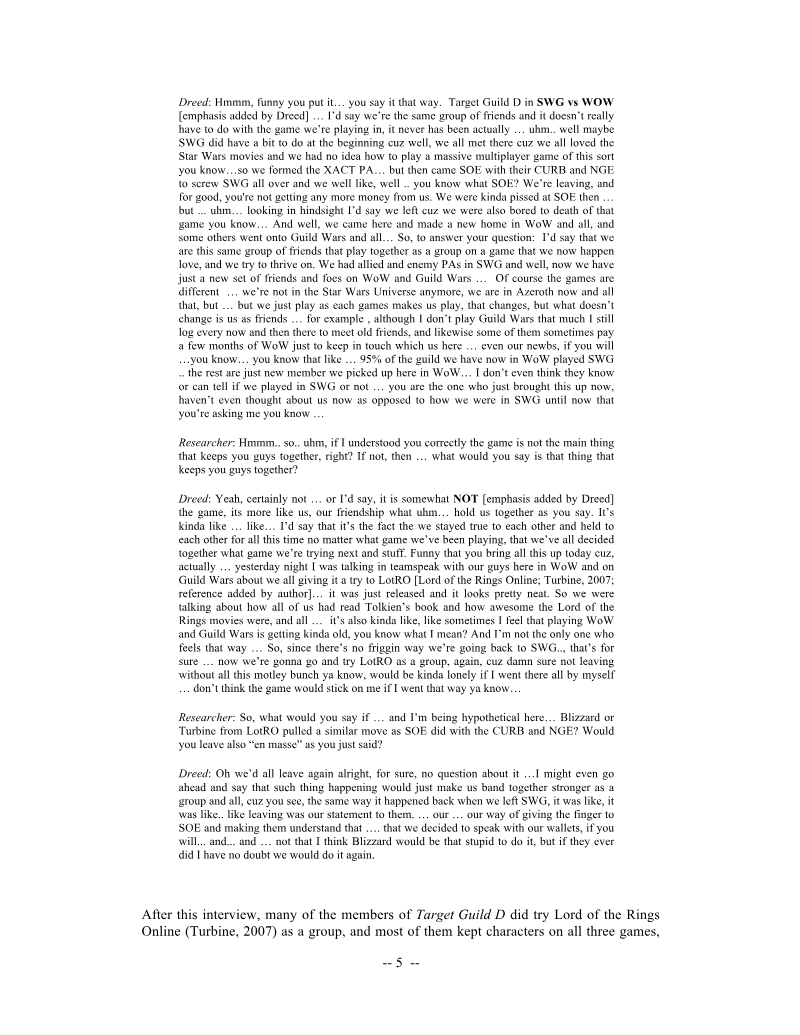
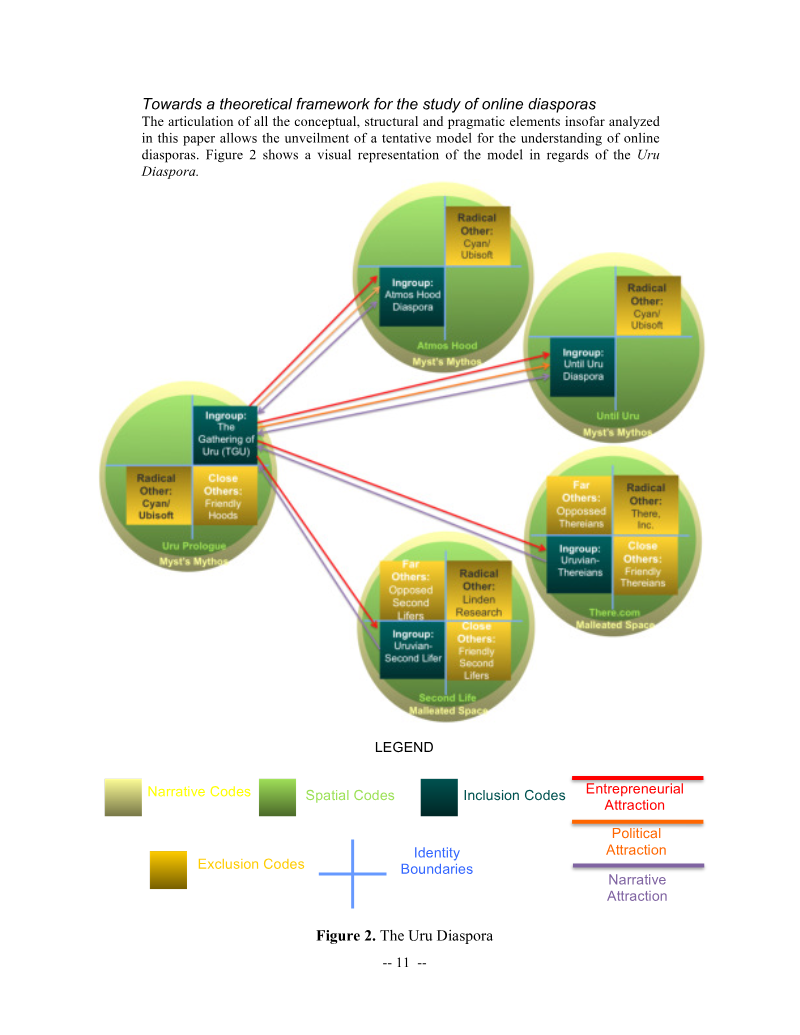
Online Diasporas: Theoretical Considerations on the Study of Diasporic Behavior in MMORPGs
Salazar's study examines whether the concept of diaspora, long applied to forced dispersions of physical peoples, can meaningfully describe groups of players who become displaced within massively multiplayer online role-playing games (MMORPGs).
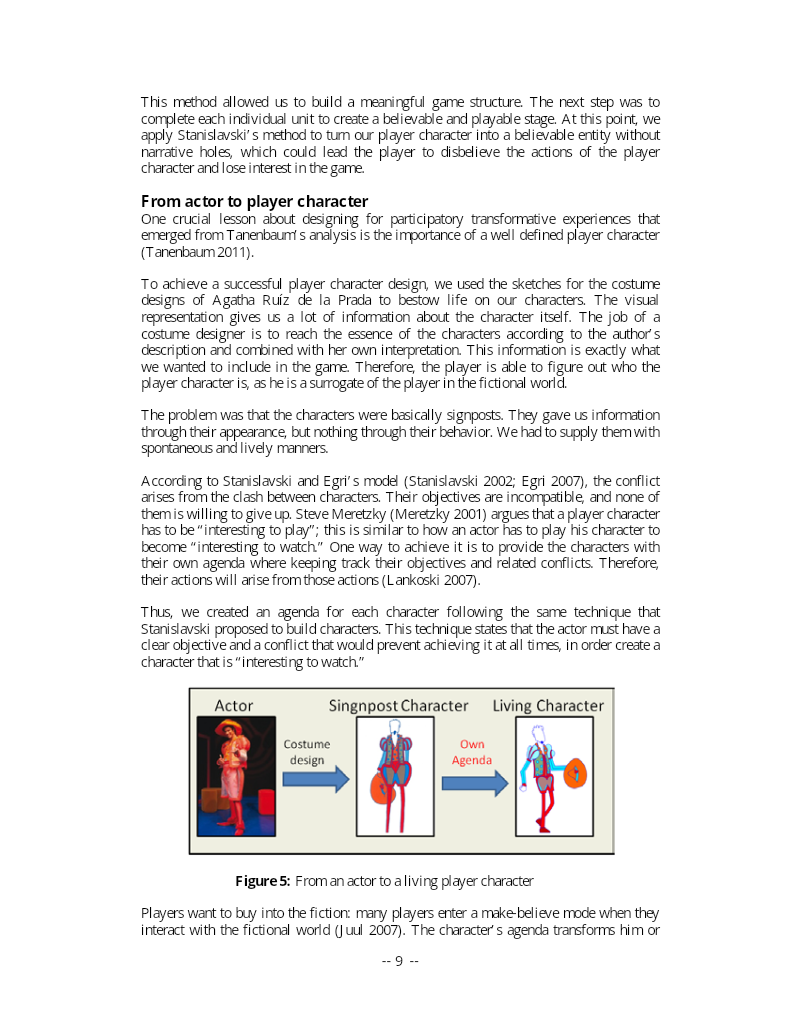
Stanislavski's System as a Game Design Method: A Case Study
This paper examines how Konstantin Stanislavski's acting method can serve as a game design framework, using the adaptation of Lope de Vega's seventeenth-century Spanish comedy La Dama Boba into an educational point-and-click adventure built on the eAdventure platform.
Viewpoints AI: Procedurally Representing and Reasoning About Gestures
Viewpoints AI is a prototype co-creative system that pairs a human performer with an artificial co-performer in gesture-based, open-ended interaction.

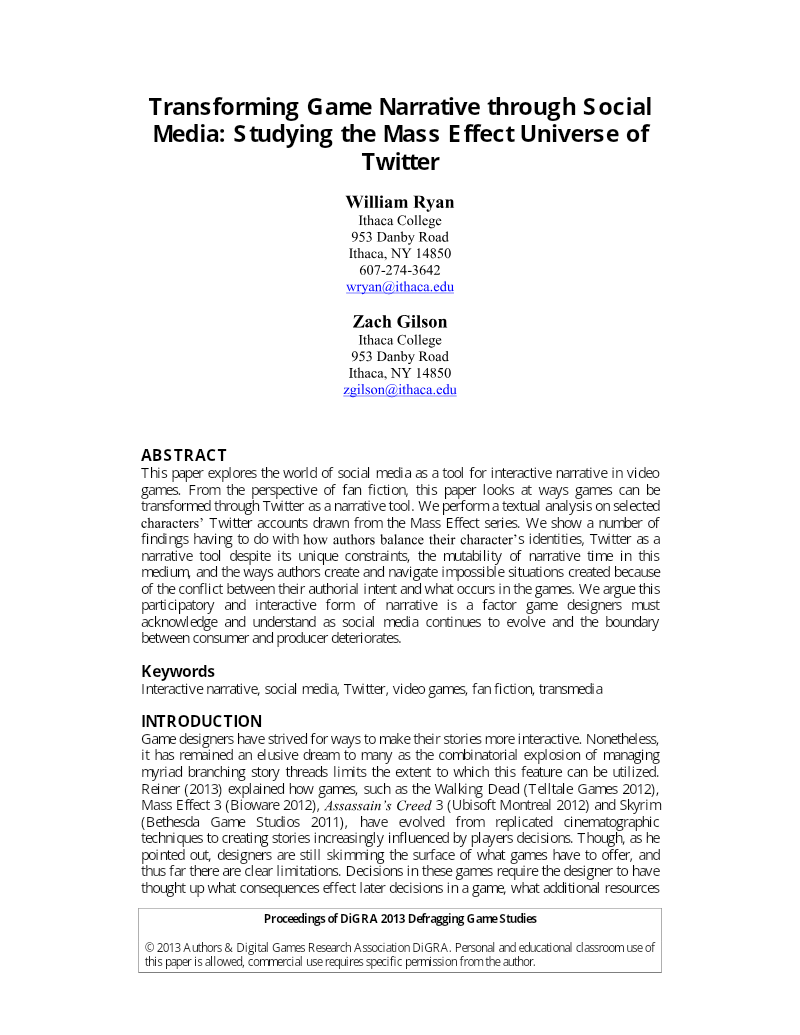
Transforming Game Narrative through Social Media: Studying the Mass Effect Universe of Twitter
This study examines how fans of the Mass Effect video game series used Twitter as a participatory narrative medium, treating character accounts for figures such as Garrus, Tali, Joker, and Saren as a collaborative storytelling space.
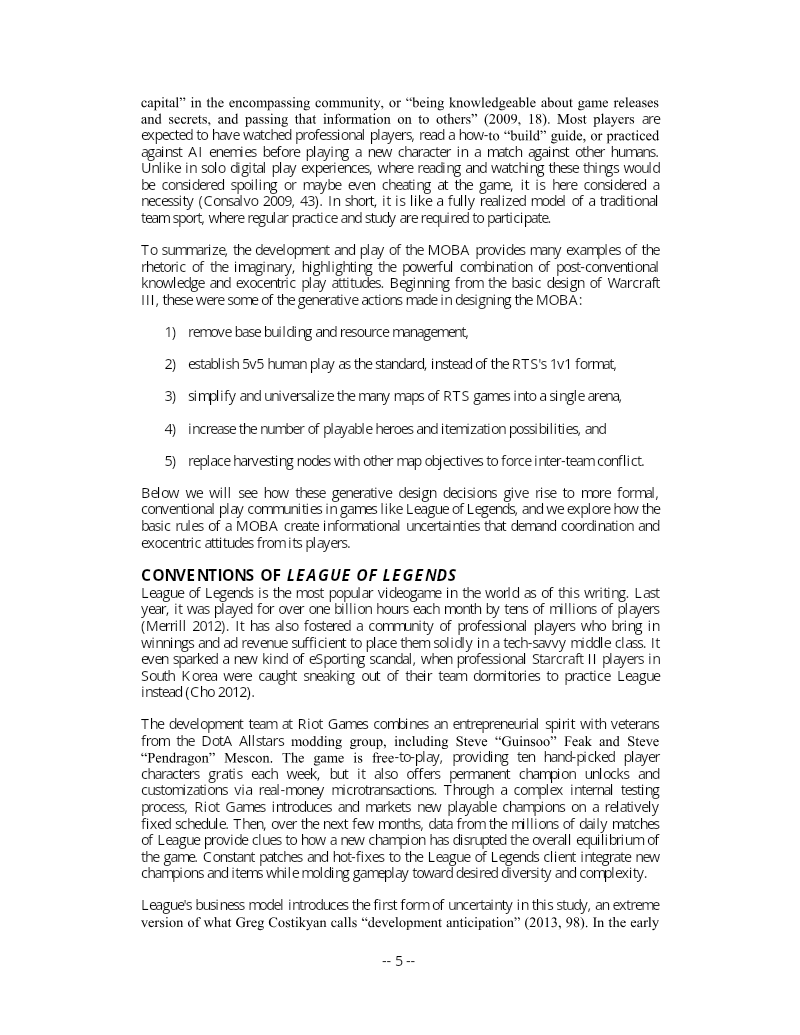
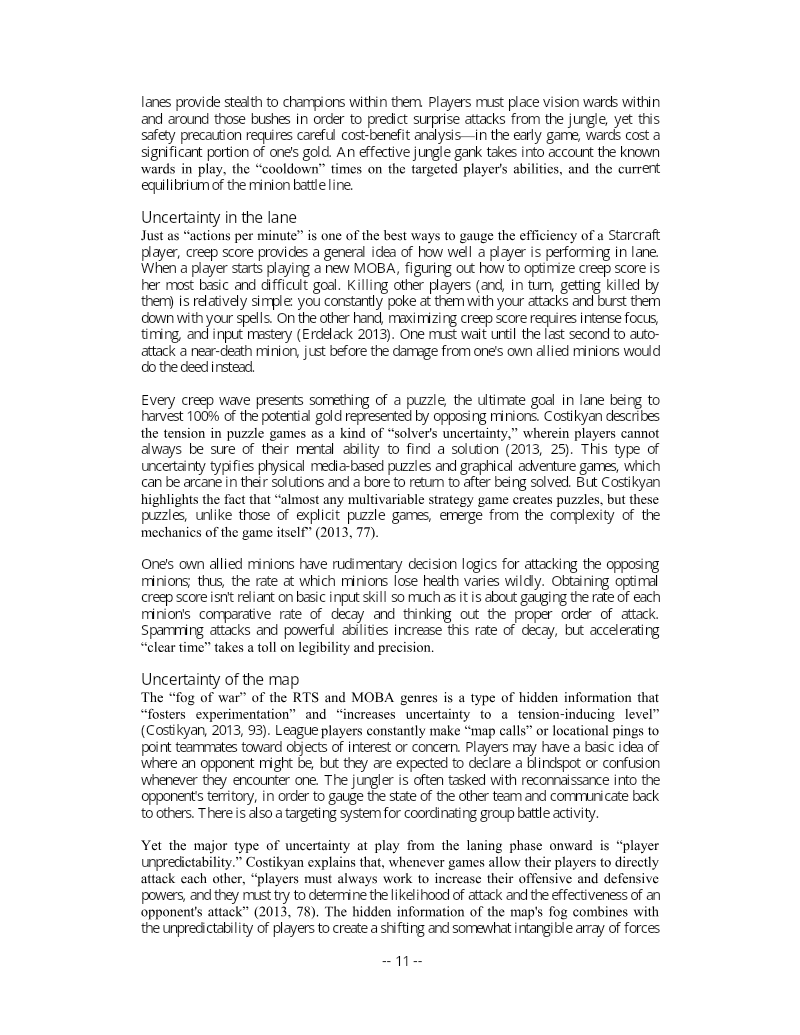
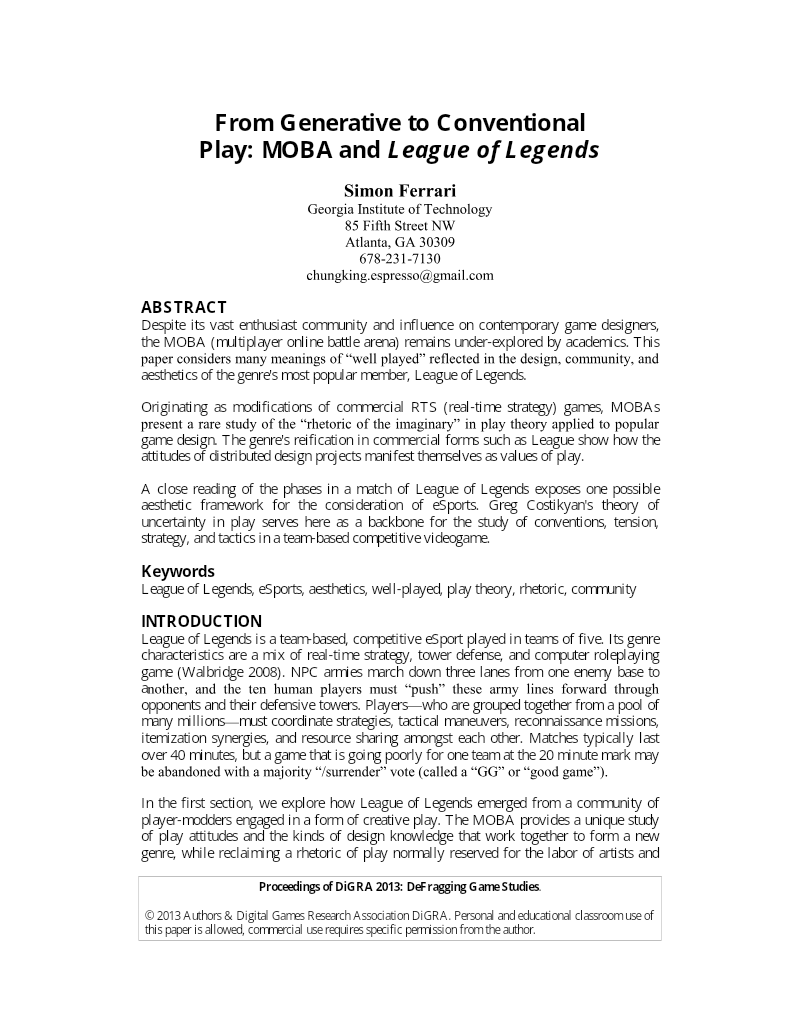
From Generative to Conventional Play: MOBA and League of Legends
Simon Ferrari's 2013 DiGRA paper examines the multiplayer online battle arena (MOBA) genre through League of Legends, arguing that the genre emerged from player-modders working within Warcraft III, most notably the DotA mod, whose generative, exocentric design choices, including removing base-building, standardizing 5v5 play…
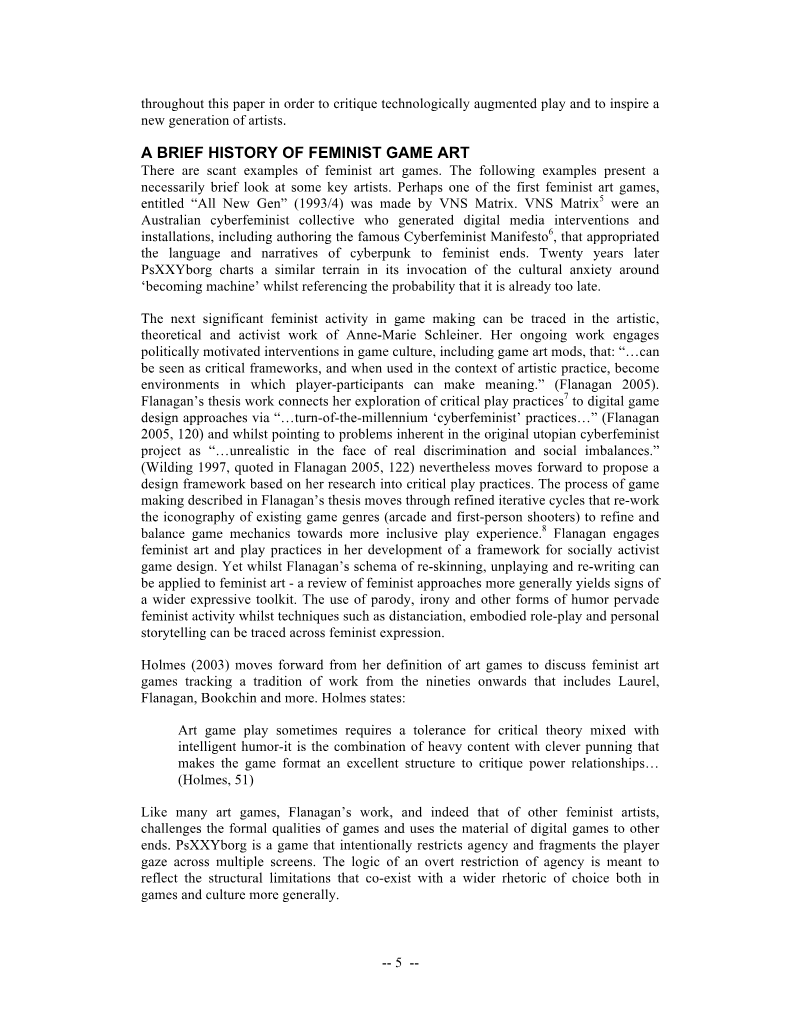
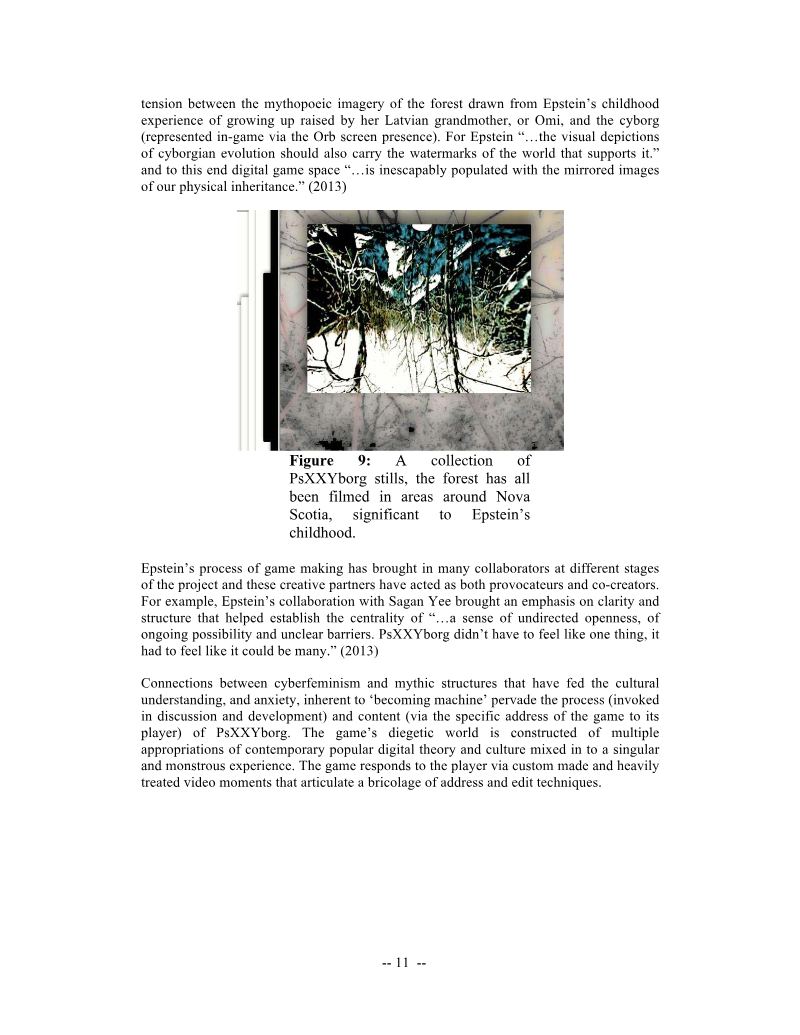
Feminist Art Game Praxis
"Feminist Art Game Praxis" presents PsXXYborg, an experimental arts-led game in development, as a case study in how feminist theory can be enacted through the design of interactive art.
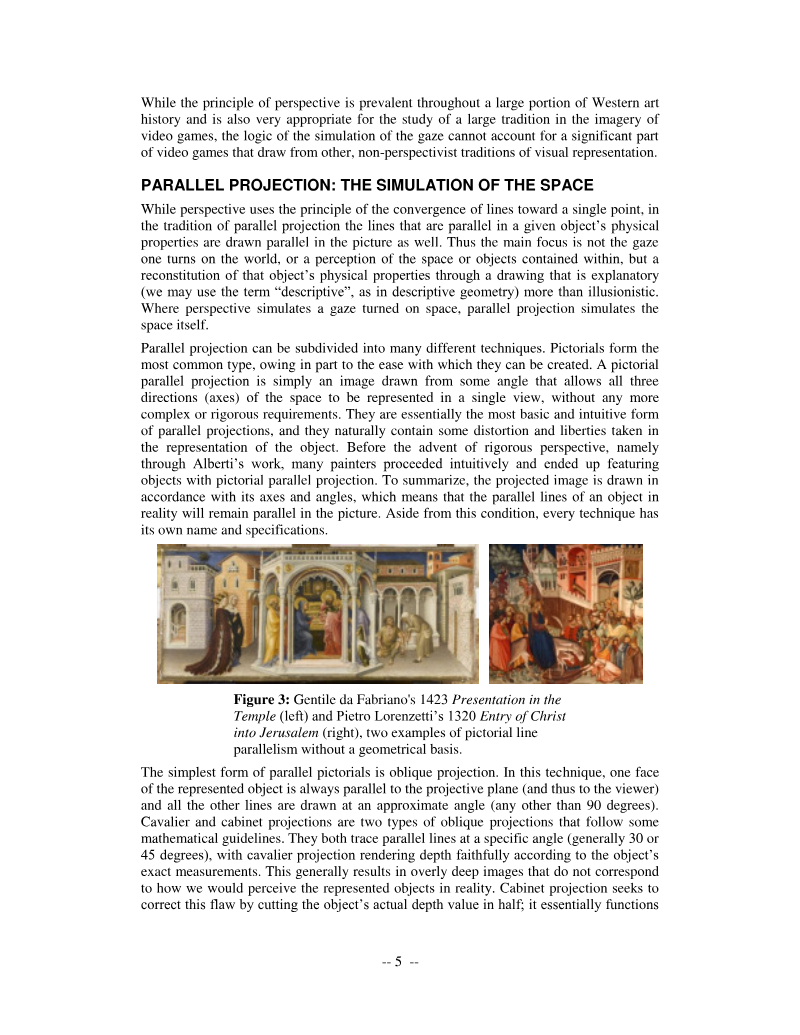
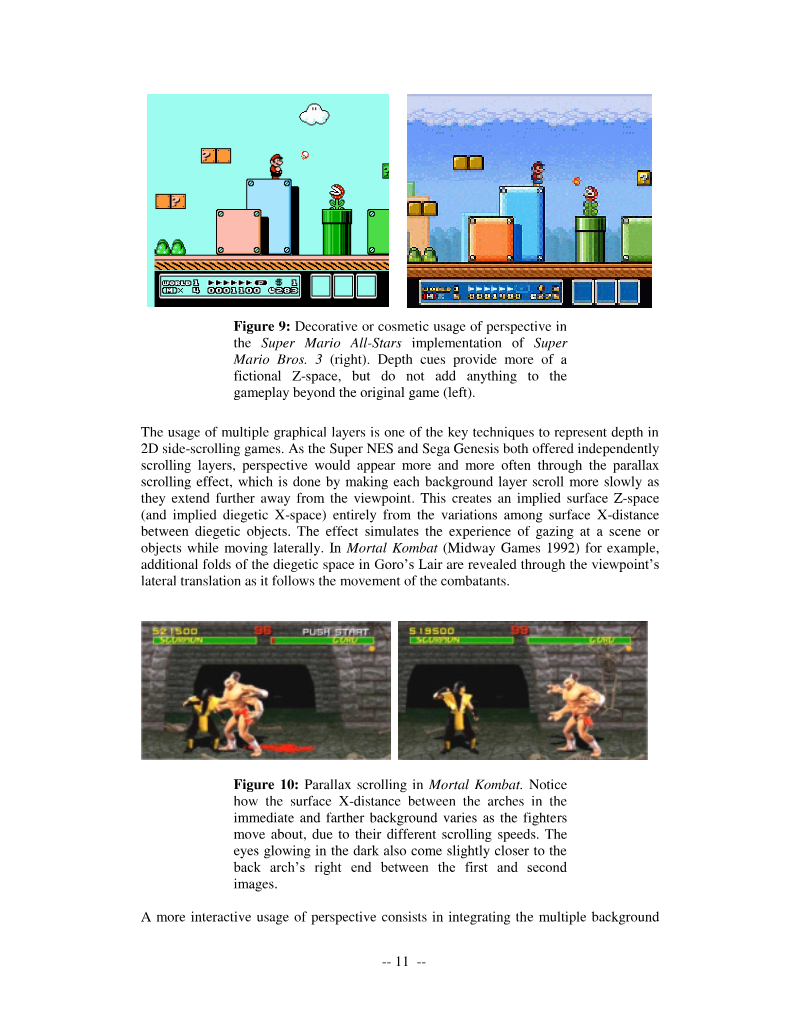
From Euclidean Space to Albertian Gaze: Traditions of Visual Representation in Games Beyond the Surface
This paper argues that the visual analysis of video games has been dominated by perspective, the mathematical "simulation of the gaze" descended from Alberti, and that this emphasis obscures the wider repertoire of representational traditions games actually draw on.
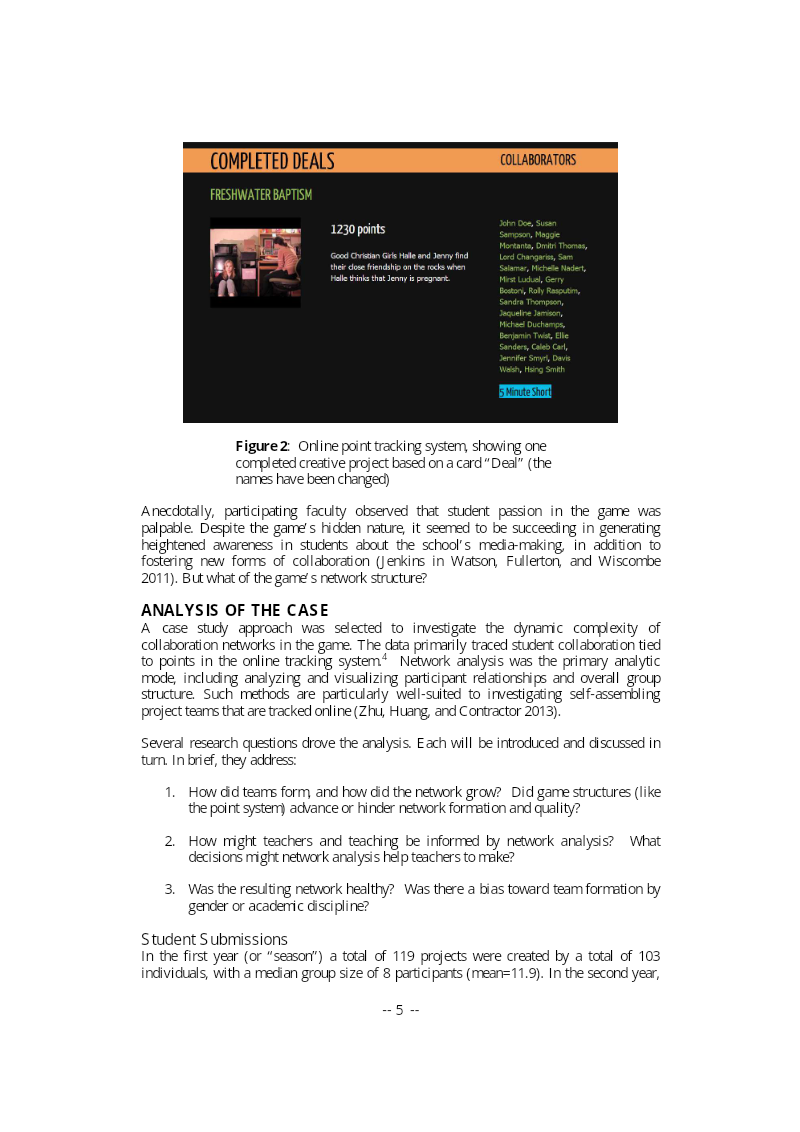
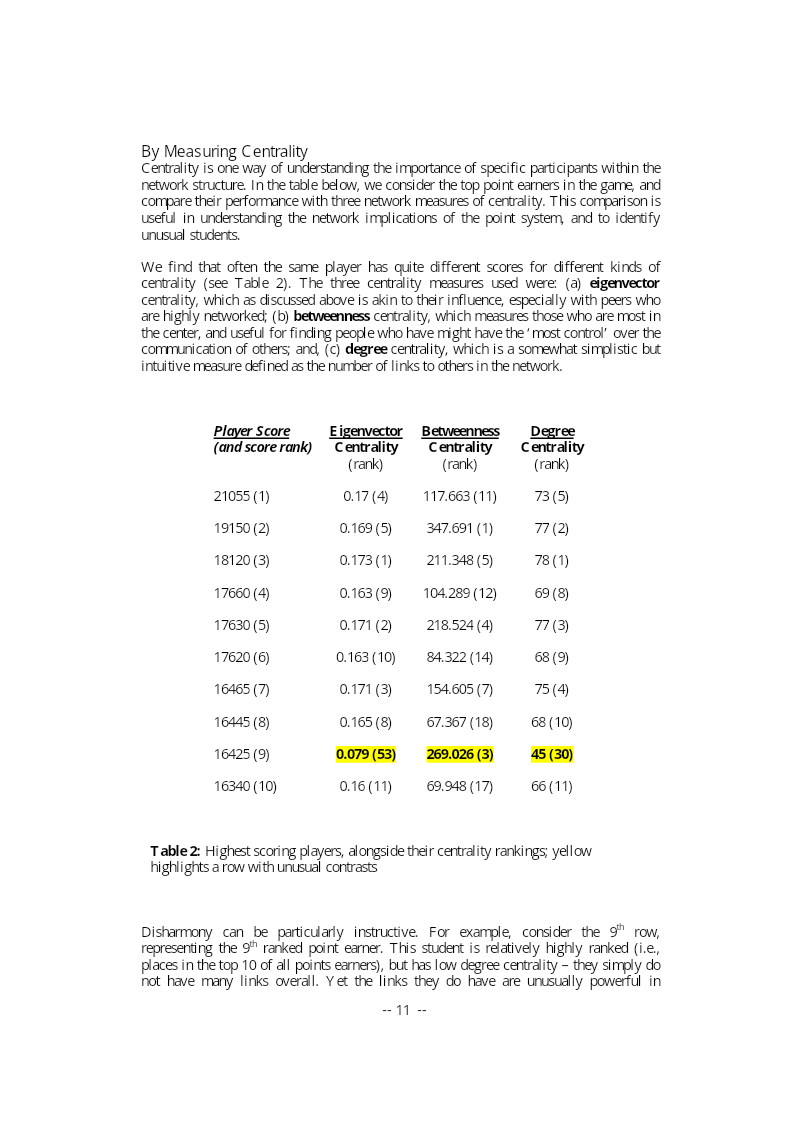
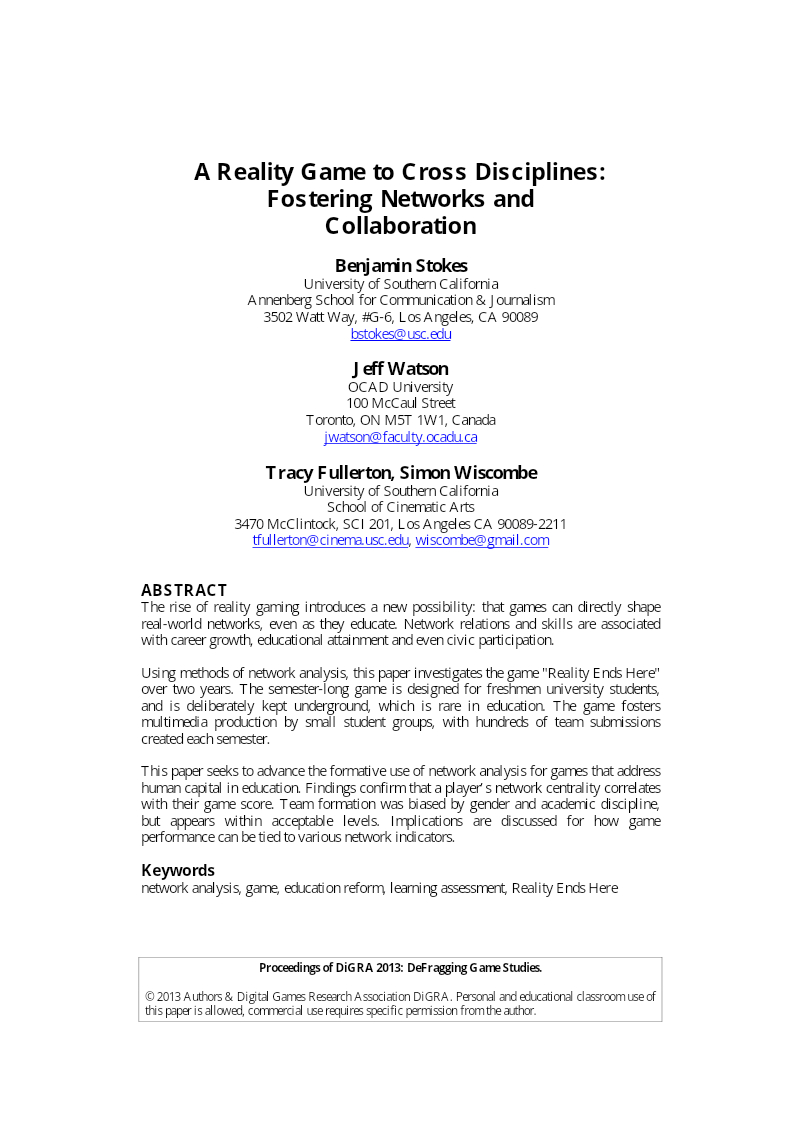
A Reality Game to Cross Disciplines: Fostering Networks and Collaboration
This paper examines "Reality Ends Here," a semester-long, deliberately hidden game introduced to incoming freshmen at the USC School of Cinematic Arts in fall 2011 and 2012.