1 free read left. Create a free account for unlimited reading + AI research.
Create free accountReport DiGRA
1 free read left. Create a free account for unlimited reading + AI research.
Create free accountReportDiGRA
Distilling the key insights…
Zagal's study examines how game design and development are taught in Japan, drawing on in-person interviews with ten instructors conducted with interpreter support and analyzed through iterative open coding. Its central thesis is that Japanese games education largely mirrors practices found in the United States and Europe, sharing common pedagogical challenges while also being shaped by distinctive national contexts. The author explicitly frames the findings as preliminary given the limited sample size.
The most consistent finding concerns students' creative ideation. Despite extensive prior gaming experience, students struggle to convert play into original design and often imitate familiar games. Instructors report that similar difficulties appear in American programs, suggesting the problem is not uniquely Japanese. The study also identifies a shift in student and industry interest toward mobile development and entrepreneurship, alongside an ongoing instructional debate over how deeply students should understand underlying technology versus relying on middleware.
Structurally, games education in Japan is not a growth area. Most industry-facing programs have migrated to vocational schools rather than universities, a pattern the study attributes partly to administrative and funding barriers. These institutional dynamics are situated within broader cultural and policy conditions, including Japan's post-war emphasis on employment, government-driven university reform, and the reputation of universities as "leisure lands."
The study's scope is national and qualitative, focused on educators' perspectives during the early 2010s and presented as a DiGRA 2013 contribution. Its closing material consists of acknowledgments and roughly 35 references spanning Japanese game industry history, games pedagogy, and higher education reform, which situate the findings within existing scholarship on game studies and internationalization.

DiGRA · 2016

DiGRA · 2016



DiGRA · 2016

DiGRA · 2016

DiGRA · 2016

DiGRA · 2016

DiGRA · 2016

DiGRA · 2016
DiGRA · 2016
DiGRA · 2016
DiGRA · 2016
DiGRA · 2016
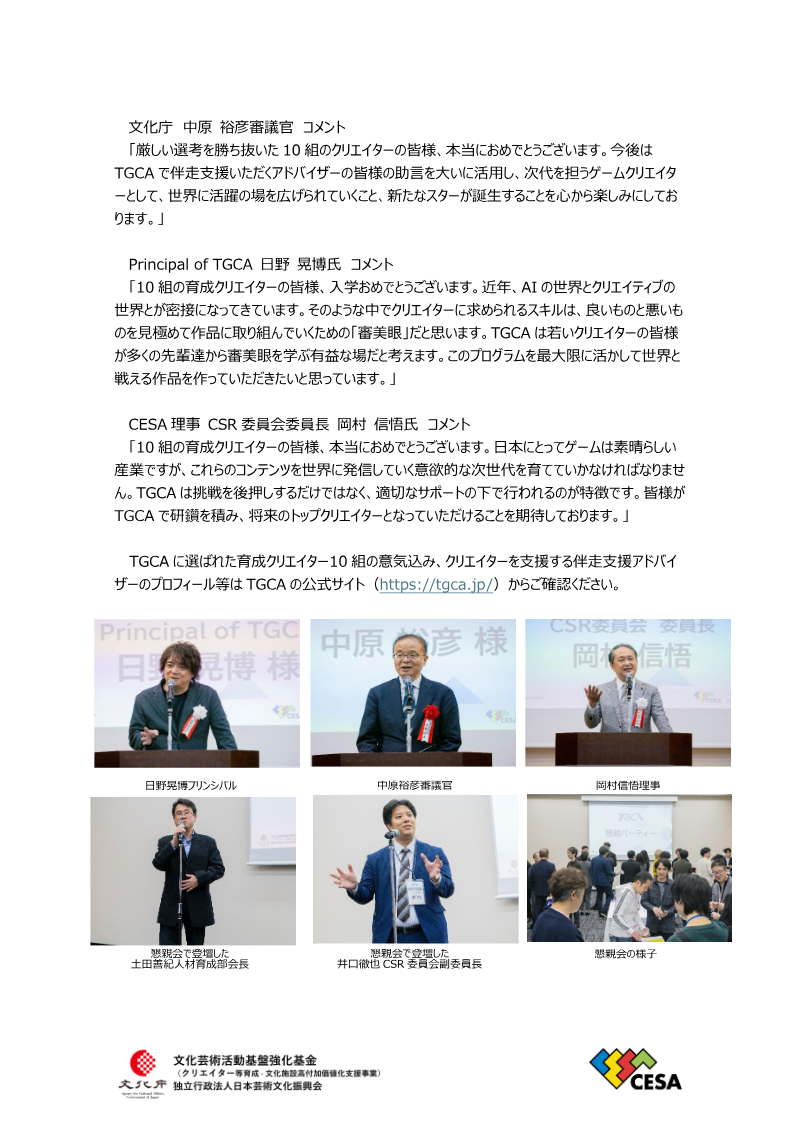
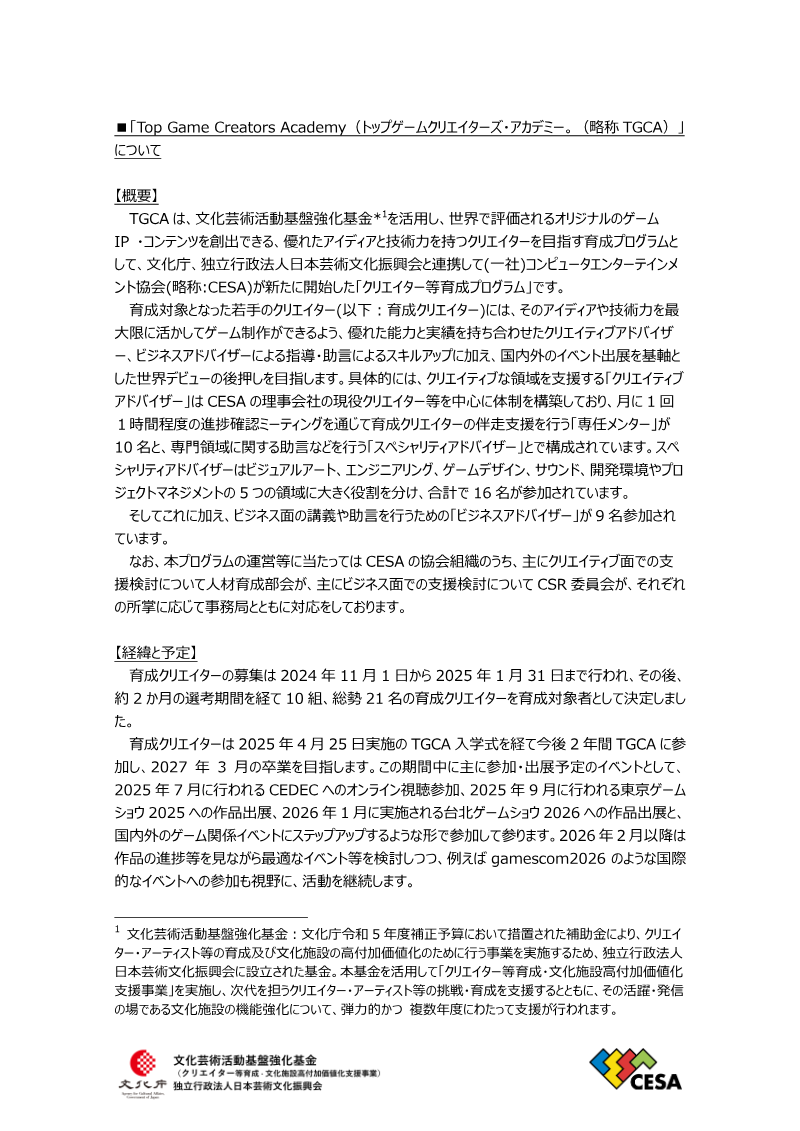
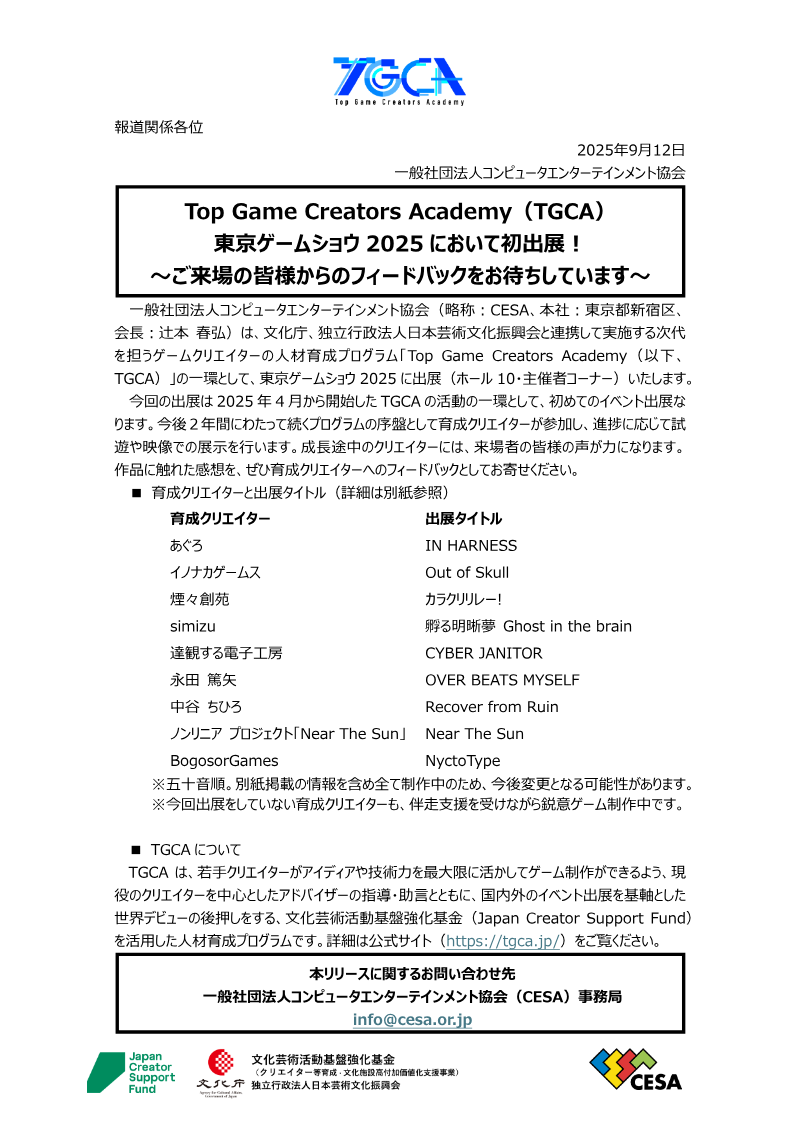
CESA – Computer Entertainment Supplier's Association · 2025