Turkey reports and market data
Documents

Exporting the Istanbul’s Gaming Magic with Görkem Türk
Laton Ventures operates as a 35-million-dollar venture capital fund based in Istanbul, dedicated to fostering pre-seed and seed-stage gaming startups.
- Laton Ventures is a $35 million Istanbul-based venture capital fund focused on pre-seed and seed-stage gaming startups.
- The fund prioritizes investment in teams with a proven history of working together over individual credentials to de-risk the startup lifecycle.
- Investment strategy targets a balance between creative vision and commercial viability, with specific interest in mobile titles with social integration, PC gaming, and consumer applications.
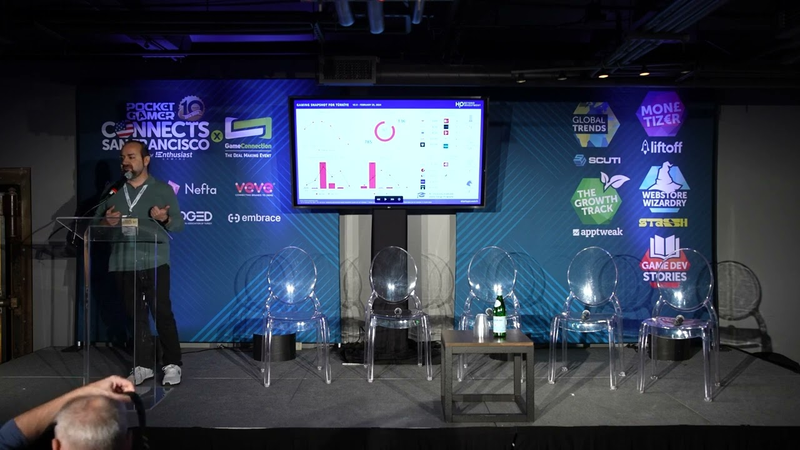
Zero Tax + Incentives: Turkiye's Bold Leap Into Game Development. Tuğbek Ölek, Games, Turkiye.
Turkey has established a highly competitive environment for game development by implementing a robust framework of tax exemptions and government-backed financial incentives.
- Turkey offers a near-zero tax environment for game development studios, including exemptions on income taxes for developers and designers, and the absence of capital gains tax on successful exits.
- To qualify for tax and incentive benefits, companies must generally operate within one of Turkey's designated technoparks, though remote work is now permitted for studios following policy changes during the COVID-19 pandemic.
- The government provides significant financial incentives, including 50% coverage of software license costs (up to 50k per game), 50% of staff social security contributions, and up to 100k in reimbursement for platform commissions and distribution costs.
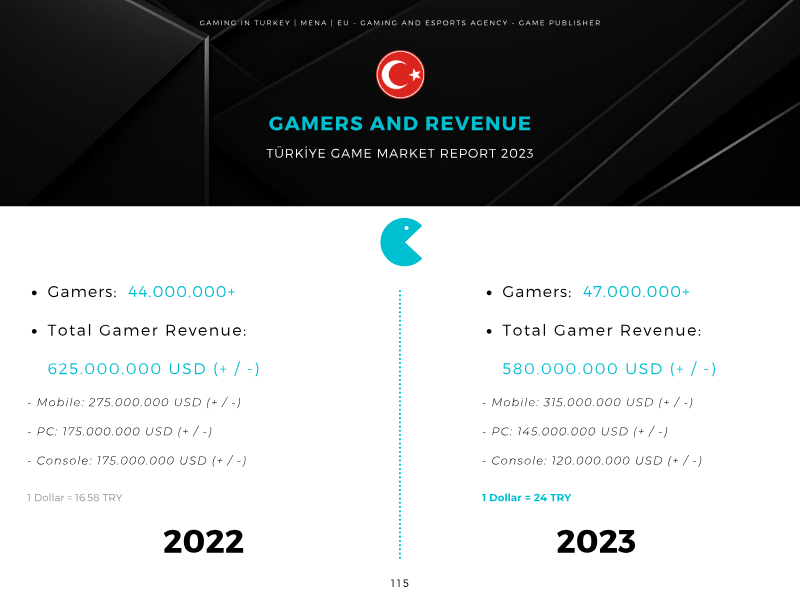
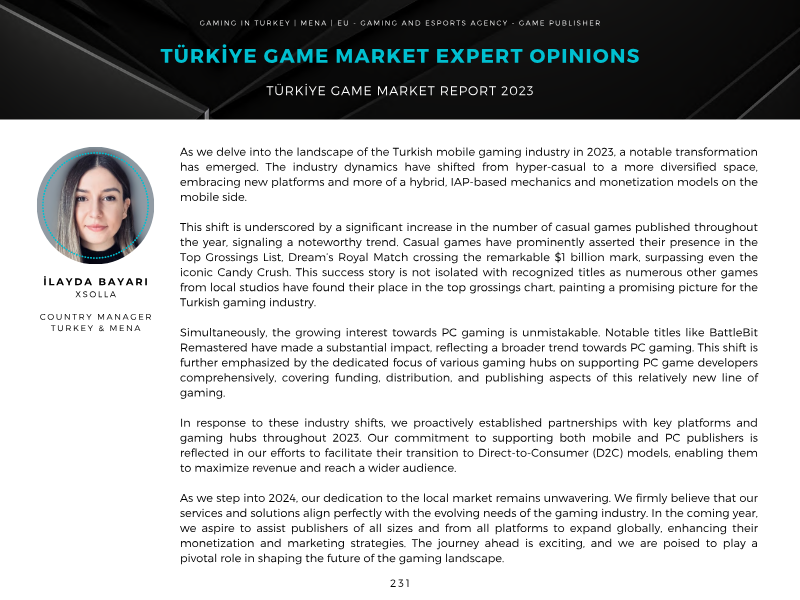
Türkiye Game Market 2023 Report
The 2023 Türkiye Game Market Report provides a comprehensive analysis of a resilient and evolving gaming ecosystem navigating significant economic volatility and geopolitical instability.
- The Turkish gaming market generated $580 million in revenue in 2023, supported by a player base of 47 million people.
- Approximately 90% of games produced in Türkiye are exported internationally, with titles like Royal Match demonstrating the country's capacity for world-class content.
- The industry is strategically shifting away from hyper-casual mobile titles toward more sustainable business models, including hybrid-casual, indie productions, and PC/console development.
Türkiye Game Market Report: 2024
The Turkish gaming market has emerged as a global powerhouse, reaching a valuation of approximately $810 million in 2024 with a trajectory toward $1 billion by 2029.
- The Turkish gaming market is valued at $810 million in 2024, with a projected growth to $1 billion by 2029 supported by a domestic player base of over 48 million.
- Mobile gaming currently leads the market with $490 million in revenue, though developers are strategically pivoting toward more complex PC and console titles like Supermarket Simulator and Liars Bar.
- Investment remains resilient despite economic headwinds, recording over $120 million in deal flow across more than 20 transactions in the first half of 2024.

ISTANBUL CONFIDENTlAL with RINA ONUR , CEO @ Spyke Games / co-Founder of Peak Games
The Turkish mobile gaming sector has evolved into a high-velocity, disciplined ecosystem, largely catalyzed by the success of foundational companies like Peak Games.
- Spyke Games maintains a competitive advantage by utilizing a centralized, on-site workforce in Istanbul, which avoids the inefficiencies of decentralized development while leveraging high compensation to attract top-tier talent.
- The studio’s success with 'Tile Busters' demonstrates a shift toward high-velocity iteration and the refinement of existing genres rather than relying on radical, unproven innovation.
- Spyke Games employs a modular, data-driven platform that enables rapid prototyping and seamless genre pivots, a strategy that allowed the team to successfully transition from social casino experiments to puzzle-mechanic games.
Türkiye Game Market: 2022 Report
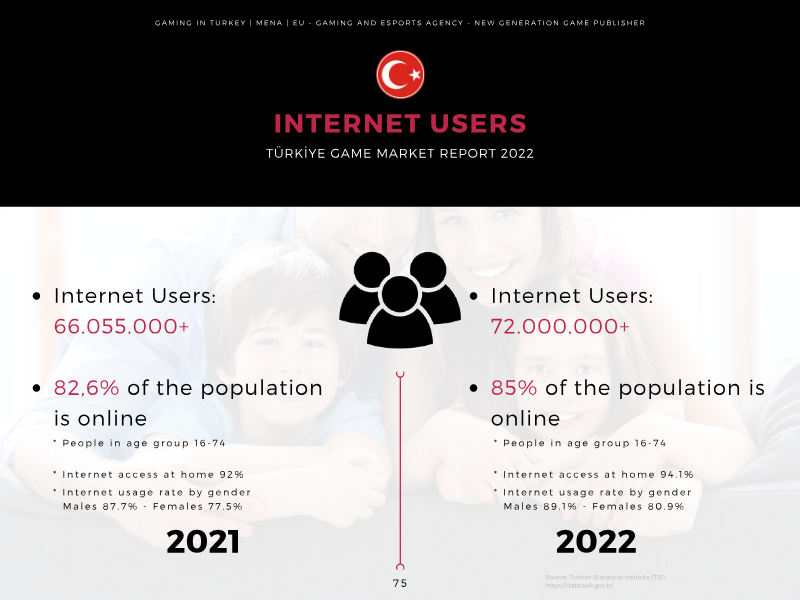
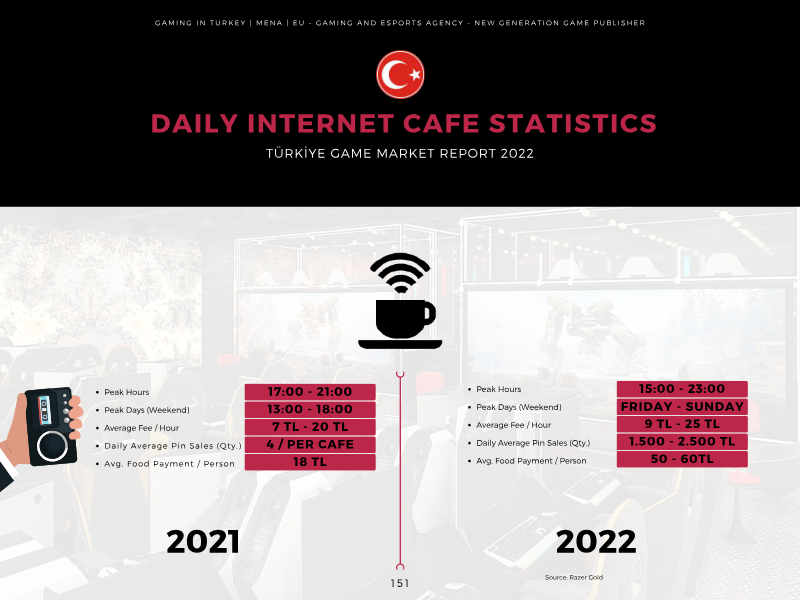
The 2022 Turkish gaming market underwent a significant transition, moving from a period of rapid, speculative growth toward a more mature, quality-focused ecosystem.
- Istanbul attracted $424.7 million in gaming investment across 23 deals in 2022, cementing its status as a top-tier global hub for startups.
- The Turkish gaming market experienced a contraction in 2022, with total turnover falling to $625 million amid global economic instability and domestic currency depreciation.
- Studios are pivoting away from the hyper-casual model toward hybrid-casual, PC, and console development to prioritize long-term intellectual property and sustainable business models.


Turkey Game Market 2022 Report
The Turkish gaming market in 2022 serves as a critical case study of a high-growth production hub navigating significant domestic economic volatility.
- The Turkish gaming market experienced a significant revenue contraction in 2022, falling to $625 million from $1.2 billion in 2021 due to currency depreciation and reduced consumer purchasing power.
- Despite the revenue decline, Istanbul remains a global investment hub, ranking second in Europe and fifth globally with over $424 million secured across gaming transactions in 2022.
- The industry is projected to maintain a 24.1% compound annual growth rate through 2026, driven by a strategic shift toward mid-core, PC, and console development alongside AI and blockchain integration.
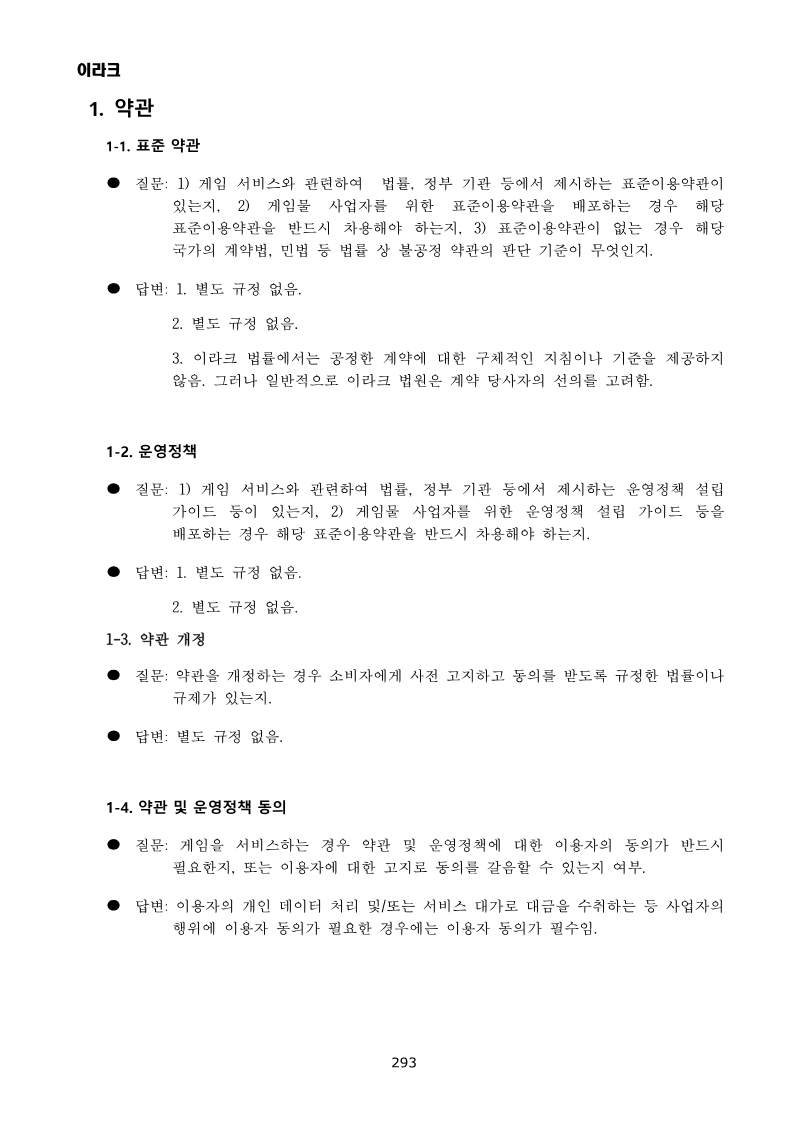

A Study on Global Game Policies and Laws: 2023
This analysis examines the legal and regulatory landscapes for the game industry across 11 key export markets, specifically focusing on the Middle East, North Africa, and Southeast Asia.
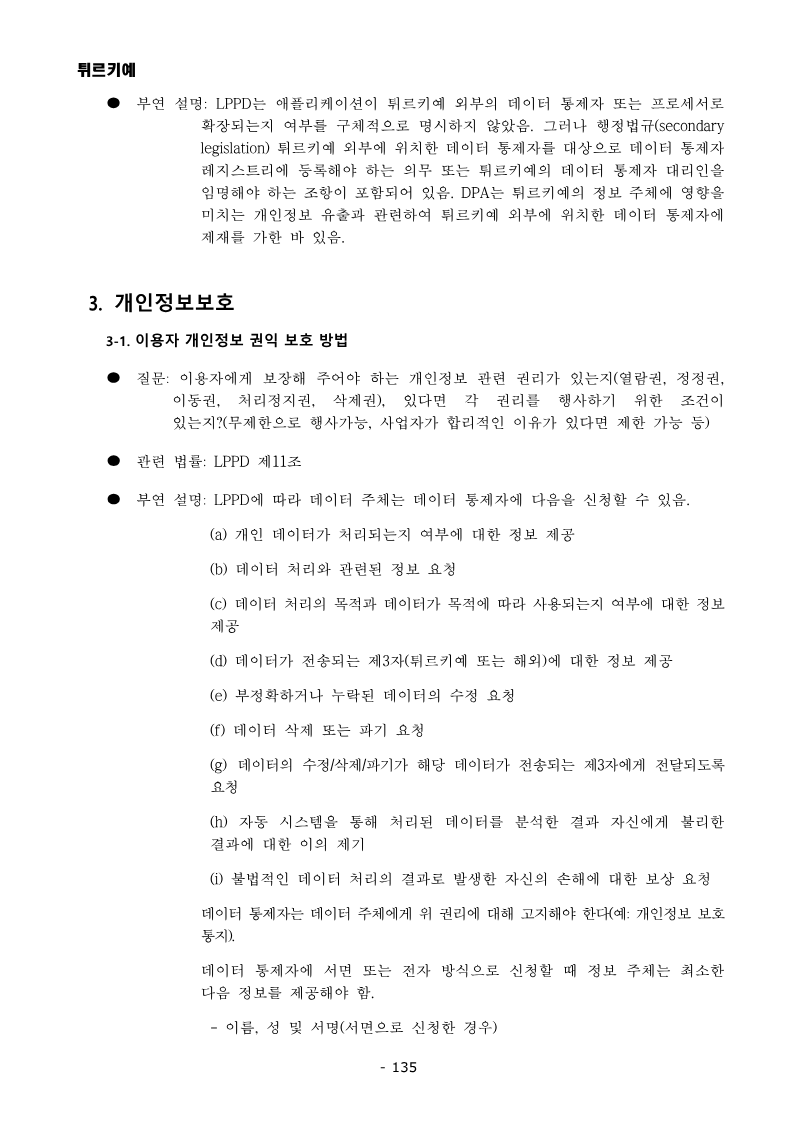
- Regulatory maturity varies significantly across the 11 surveyed markets in the Middle East, North Africa, and Southeast Asia, ranging from formalized oversight in countries like Indonesia and the UAE to a reliance on broad, non-specific civil laws in nations like Iraq, Pakistan, and Kuwait.
- In markets lacking industry-specific game legislation, companies must navigate general consumer protection and anti-gambling laws to mitigate legal risks, as the absence of dedicated statutes does not equate to total regulatory freedom.
- Data privacy has become a universal priority, with most jurisdictions adopting strict requirements for explicit user consent, transparent data handling, and enhanced protections for minors that carry severe penalties for non-compliance.

TWIG #176 LIVE from Istanbul!
The gaming industry currently faces a critical tension between traditional corporate management strategies and the unique creative requirements of game development.
- Generalist management consulting firms often harm game studio culture by prioritizing short-term cost-cutting over the creative collaboration essential to successful developers like Peak and Gram Games.
- Sony’s PlayStation Plus strategy is constrained by a reliance on traditional hardware and software sales, preventing it from adopting the aggressive, loss-leading subscription model utilized by Xbox Game Pass.
- Regulatory efforts to dismantle Apple’s high-margin digital services model have been largely performative, as the convenience of the Apple App Store and Google Play creates insurmountable barriers for alternative storefronts.

Google x Deconstructor of Fun Istanbul Gaming Event
The global mobile gaming industry is currently navigating a period of profound structural transformation, driven by shifting privacy regulations, evolving monetization models, and the maturation of regional gaming hubs.
- The mobile gaming industry is shifting away from third-party tracking toward first-party data and internal personalization due to privacy regulations like Apple’s App Tracking Transparency and the Android Privacy Sandbox.
- Istanbul has solidified its position as a global gaming hub alongside Helsinki and Tel Aviv, driven by specialized venture capital, tech talent migration, and a culture of operational efficiency.
- Successful studios are adopting hyper-casual methodologies that prioritize rapid prototyping and the objective, data-driven termination of underperforming projects.

TWIG 145: Why Rovio, the makers of Angry Birds, acquired a hyper-casual game studio Ruby Games
Rovio’s acquisition of the hyper-casual studio Ruby Games represents a strategic effort to bolster user acquisition, expand audience reach, and increase daily active users (DAU) in a post-IDFA landscape.
- Rovio acquired hyper-casual studio Ruby Games to bolster user acquisition and increase daily active users (DAU) in the post-IDFA landscape.
- The deal uses a conservative, multi-tranche payment structure spanning five years, tying final share acquisition to Ruby Games' future financial performance.
- Rovio intends to use shared device identification (IDFV) to improve cross-promotion efficiency, funneling players from hyper-casual titles into their core game portfolio.
Turkey Game Market 2021 Report
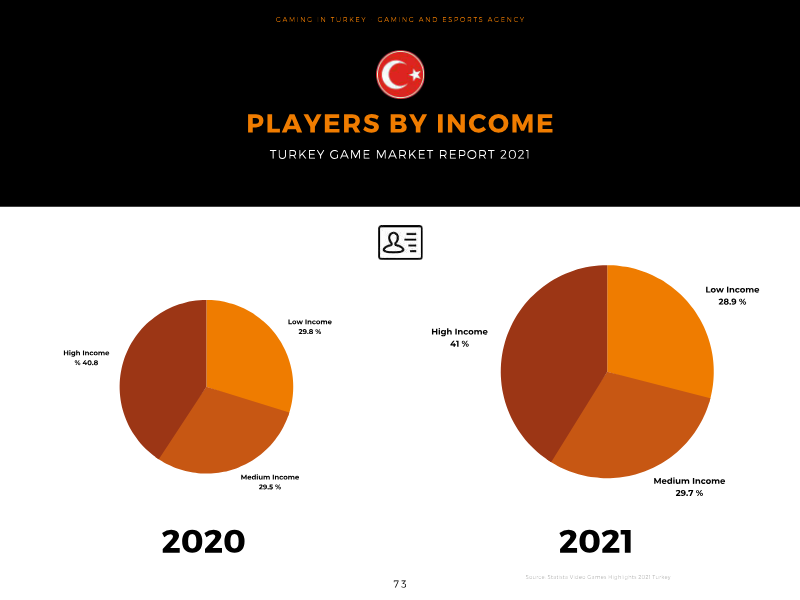
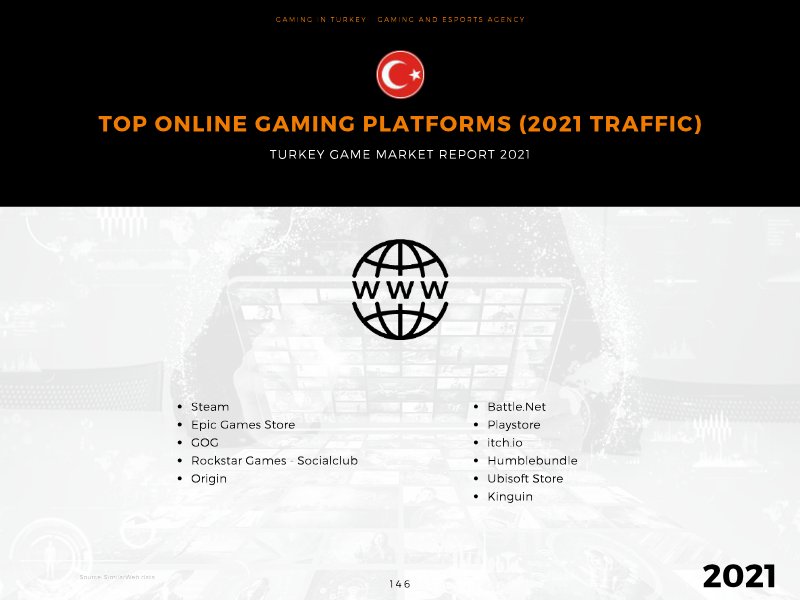
The Turkish gaming market experienced a transformative period of growth and institutionalization in 2021, reaching a total market volume of $1.2 billion.
- The Turkish gaming market reached a total volume of $1.2 billion in 2021, supported by a player base of 42 million active users.
- Mobile gaming generated $620 million in revenue, cementing Turkey's status as a global leader in the hyper-casual genre.
- Financial activity hit record levels in 2021 with $266 million invested across 54 startups, highlighted by the emergence of Dream Games as a unicorn.