VideoDeconstructor of Fun
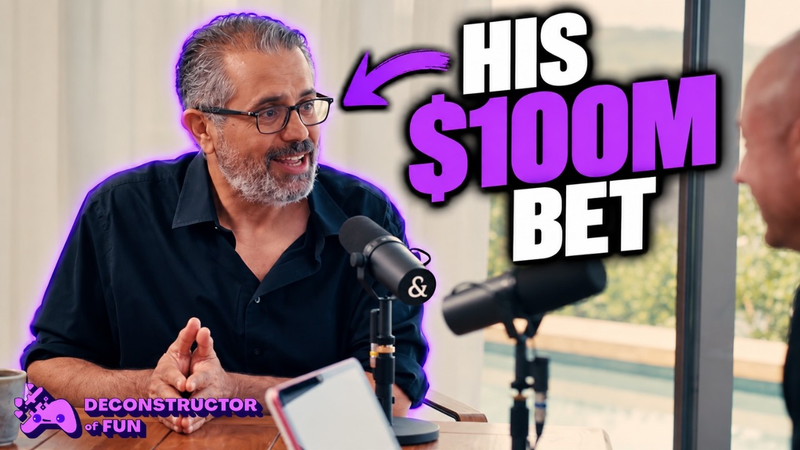
ISTANBUL CONFIDENTlAL with RINA ONUR , CEO @ Spyke Games / co-Founder of Peak Games
28 Aug 202354 min video
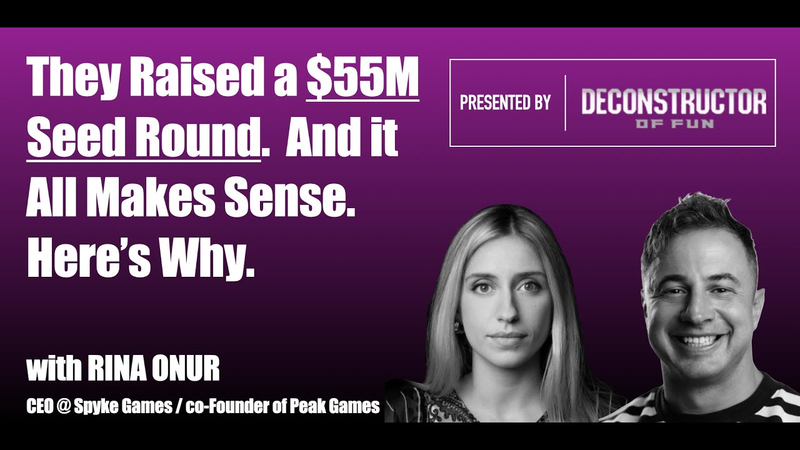
foreign fun podcast my guest today is Rina onor Rina welcome to the podcast thank you for having me Mishka oh well thank you for coming I think I invited you for the first time maybe a year and a half ago yeah don't put me on the spot it took me a while to get back to you but I'm glad I'm here today it's been a long time coming it's been a long time coming people are waiting to to hear from you it's like not the everyday we get to uh to talk to such a successful founder as yourself I mean Peak games actually can I can I do the introduction for you please do all right Reno Noir um CEO and co-founder of spike games uh game Studio that was established in 2020 as of today you have nearly 60 people and have done a lot of hiring in 2023 um about spike games before we talk more about you as a as a very accomplished
person so uh two games from Spy games you got royal riches uh launched in 2021 it's a take on coin master I think it's on autopilot based on the data that I'm seeing you tried it didn't scale you move to the next one and you move to tile Busters now tilebusters launched in 2022 at the same time as you're putting this one in autopilot according to the data a lot of scaling up as of late uh with revenues continuing to grow even as you've decreased downloads it's a real hockey stick curve a fin would know what that looks like and um and another point is that you raised a monster seed route like I don't think anybody has raised seed rounds like these I I can't even name a game company that would it would have to be like a what crypto company at the height of of all this melts gambliness um at the height of all the excitement 55
million seed round from Griffin gaming Partners um and according to my math what do I know puts you at a valuation of 200 or something at that point and somebody who would be reading it like this makes no sense and then they would be like who's the CEO of this of this company that raised 55 million pre-seed from such a good investor and I'm like oh Rena co-founder of P games you were there for 50 for 13 years exited at 1.8 billion valuation to Zynga uh and you've you're also a general partner at 500 Istanbul it's a microphone focus on turkic region and the Turkish diaspora so you have quite the background uh Rina what did I miss uh I think you did a better job than I could do about myself uh thank you for that intro but yeah I mean I've had a weird career of like doing kind of 360s I started out as an investor then turned into entrepreneur we got so lucky we stuck with Peak for a long time as you
said it was such a successful exit such a successful platform and Company for turkey for gaming in general for our part of the world um and then I did try investing again with early stage tech companies but I think operating called back to me and I still felt you know I had the energy and I had access to an incredible team we wanted to build so you know at the end of 2020 we kind of got together and built spike games again so I'm back to operating and building which truly gives me joy and I feel that is the purpose of my life in addition to kind of raising my daughter a five-year-old wonderful girl the best girl in the world she's so patient with me you know as a mom who's not super present as you can imagine with our girls um but yeah that's in a nutshell me well as we were starting this in the pre-recording session right uh in the pre-recording session you were talking about how busy you are and how you don't
have time to work out and it's all about work and and family life so my question is like why like why are you doing this all over again CEO of peak you founded your own Venture Capital that clearly has an amazing Nation since turkey is blowing up in the most positive sense um what drives you to do this all over again and get on this grind mobile that is known as startup life so I mean that's a fantastic question and also something I took very seriously so before we built Spike we had this family discussion I think all of the co-founders had this family discussion saying that we're all walking away from really comfortable really secure really well-deserved careers at Peak and whatnot to go back into the pits and burn ourselves willingly so are we ready to do that and do we understand why that entails on our lives our families lives everything else so I think the short answer of why I personally decided to do it and step
into the role of CEO this time is it's simply because I can and maybe slightly because it was my turn this time and I'm not seeing the latter especially in the Glamorous sense it's not like oh I'm like the CEO now yeah um it is the [ __ ] jump to be honest with you I think it is this glamorized horrible job where you your responsibility is to deal with the problems that nobody else wants to deal with and nobody else potentially could also deal with um it's your job to create this platform this environment and manage the resources so all of these other cool people can do what they came here to do which is build and scale and grow these amazing games um so in my old role with Peak I was one of the lucky ones where I could focus on the product and and you know the investor relations and the strategy and all of the fun side of things and sudar was kind of dealing with everything else this nebulous concept of being the CEO
um and having gone through all of the things that we did go through with starting up and scaling and then you know separations and everything I think put me in this unique position of where I could take that responsibility and all of those people who helped us do the Fantastic things that Peak now could take a bigger responsibility bigger role of leading these apartments so kind of organically came together I mean the idea of when we organically talked about yeah we're still young we can still do something why not give our energy in doing something impactful and creative and not just be a figure on somebody else's balance sheet anymore um so when we when we actually decided to pull the trigger it kind of made sense that you know I put myself from this horrible position damn when you could have just moved to I don't know marmalade you just enjoy it yeah right right looks like such a good idea yeah yeah so talk to me a little about so you said you were on the product side and now you're being on the CEO side from my own perspective the way it it goes is like
you're responsible for everything except the good stuff the good stuff is always achieved by the product team and the bad stuff is achieved by by CEO who creates the wrong type of culture makes wrong type of deals okay sure so so um how do you how does this tradition has gone and do you miss the product side well gladly I mean I think the positive thing is that I'm not so far removed from the product side or the UA side or the data um I'm I'm still as involved as I can be as time permits coming from gaming it is impossible to kind of stop that and we don't want to have this monolithic culture of somebody or some person decides everything so we've built this with five co-founders and the beauty of that is each co-founder so like if everybody else left the five of us would be able to like it would be slow but we would be able to like uh crank out a game so that is in itself is such a strong proposition to begin with like if we have no money no team nobody that followed us we would work a lot more and
it would take us longer but we would get a product out so that is in itself very beautiful and the way that we work is we try to complement each other and we believe in diversity of ideas so when we're giving product decisions or to decide which new genre or sub-genre or product we go into it's not just like the CPO that kind of goes out and says we should do this so I am very much involved um and the second thing about what I have to do or you know what I need to ensure that Spike succeeds and thrives and and goes everywhere we want it to go to is we have to be really conscious in some of the decisions that we make because we keep talking about culture culture is literally nothing culture is a composition of the people the company's comprised of so culture is defined with every new person you bring in through these doors from the most Junior to the most senior and if you if you're not really protective of that with every new person that comes in it kind of quickly Slips Away no matter how much you write about it on your blog or
in your Manifesto or whatnot um so I think the the best thing I can do is be really cognizant of the type of people that we bring in and how we treat them after we bring them in um so that is my number one priority how do you how do you enforce those policies like meaning you know they go on like let's say you hire an animator on a yeah by the way tile Busters I'm kind of hooked I was like oh let me just not match player you know I'm like all right Kyle blasting game like I've never seen any of those before I'm it's a very interesting take if people haven't tried it uh go ahead it's a good one try it yeah yeah my expectations were zero like I mean not zero but like I'm not a I'm not a match player let's be honest I don't play Green games this was fun I played actually with my daughter anyway with the culture let's say somebody that came to my mind because like an animator goes in and works on title blasters how do you ensure that that person is is
correctly uh or like how do I put it like in down into the culture that you have in your company when you're not even on that game team is it is the most difficult answer I think it is one of my biggest challenges because a startup as it's growing fast like we are everything is urgent everybody's overworked everybody needs new additions to their team and you're under this pressure to keep growing growing growing which comes with a side dish of growing your team at the same time uh but if we lose sight of that and we grow too fast without being really critical of the type of people that we're bringing in you look back and you've hired you know you've made like 60 wrong hires which is going to have a bigger impact of just saying goodbye to a number of people after those people leave there's going to be an impact uh like a scar tissue that you know that's left in the company so regardless of the pressures that we have in trying to grow our team we still uh try to have these processes in place where people are gone through going through multiple checks and and talks and they meet various
different people within the team not only from their department but like um tangential departments they might be working working with potentially and for us when we're getting somebody 50 of the decision is obviously technical or like skill based but I'm gonna say like almost like the other 50 is about culture and attitude whether these people are coming in with low egos eager to learn accepting the fact that we're going to make a lot of mistakes but we're going to have to keep learning from them and work together so if that isn't there even if we're finding the best engineer you can find we won't get them into our team we'll maybe try to look for a way to work with them maybe like on a project basis or something but we're not going to bring them in is is our um you know number one policy um so that's why you know we're 60 people we're not envisioning that we're going to be thousands of people at a maximum we're going to be probably 100 to 100 right that's what like Peak size was so I Envision us landing there so that's the advantage we don't need thousands of people we don't need like
just like people manning these products we like working with compact teams so we can be really selective in the types of people that we choose to work with got it and and are there some some characteristics or traits or values for the people you hire that you've verbalized or like how do you make that call other than like oh it's great having a lunch with this person and we really Jive like that's usually a could be a false flag as well yeah that's that's and I like the people trying to build this bro culture I think the difference in I mean the difference in how we're doing it now versus how we probably did in Peak is very different when when I co-founded Peak I was 24 years old was my first kind of real foray into building anything and I haven't managed anybody uh maybe I wasn't even managed properly myself because I was in the workforce for so for so little before I you know said [ __ ] this I'm gonna build my own thing
um so we were learning everything on the job and not necessarily doing a great you know doing all the rights so this time around with all the mistakes that we've done I think we're very um aware and very cognizant of the type of people we are and the type of people we want to work with and if I say one thing about Spike that's different than a lot of the gaming Studios out there or maybe from our past Endeavors is that there's a really high grown-up energy here it's maybe because the co-founders were older compared to what you would expect of a like a typical uh gaming founder which is like the 24 to 27 year old male hardcore gamer so it's very different it's led by a woman CEO myself who's been in gaming for more than like 12 years uh mother so has learned to be very patient and resilient and and understanding and accommodating at the same time but also very grown up right so we've we've done this before we're not saying we know everything but we have a level of know how and experience
that you can't deny so everything we do we want to put on top of that and we want to work with people who look at this professionally no feelings aside just data driven and looking at this as a career right so I I really dislike the extravagant lavish things like oh we're a family like this is like well look I this is not nobody's family everybody has a family this is our job and we're here to do the best possible damn job that we can so if you want to work with people who are very driven who are very goal oriented and ambitious and Hungry Like Us which you can tell then be here because you're going to be surrounded by people like that and they're going to lift you up we'll only lift each other up and be better by the end of it yeah love it and how many are you all of your co-founders form a peak yeah except one except one well who is mitat uh he's one of my best childhood friends he worked with ride games in Santa Monica for seven years I want to say and we tried to recruit him to Peak
many many times but he said oh I'm not coming back to Turkey then he fell in love with a Turkish girl came back home got married so that's when we snatched them up but he's the only one it was magic speak yeah it's a cool story full cycle but but you know him really really well I mean yeah he's like from childhood friends exactly and he's been in gaming so it's not like a friend relationship but he's he's been in gaming I was just going for it's like how how gelled is the is the founding team on these values it seems like very much because the same company or childhood friend and then yeah yeah everybody could speak besidesmen yeah okay so that's that's one big plus I've seen that before and um or even experienced it and and um everybody's in Istanbul everybody is in this film so I think that's the only weird thing about us in today's world where especially post covet everybody's pushed through working like uh decentralized distributed teams for us we are very old school in that that we all work together from the
office from Istanbul yeah and I think um the reason that we chose to do that was nope it's I think I believe our team is rock stars like filled with rock stars but I think even rock stars if they haven't worked in the same Studio on the same product for the past six years need some time to get back into the groove of working well with each other together on the same product right so not only the co-founding team but our initial Engineers product people artists they were all likes colleagues from Peak right but from various different products and various different Studios we've had Paths of working together and this project and that but the last I don't know two years weren't spent on Working Day and Night 24 7 on the same product so we needed time to kind of get back into the groove of understanding each other communicating with each other and building and you know building on the same thing and that's easily achieved when you work together side by side especially in a product as multi-disciplinary as gaming where
Engineers product people artists animators have to work together so it was just convenient and we leaned into it so I think in the foreseeable future we're going to continue this way but who knows don't be apologetic you're you're just born for uh for a proven model you know people working together on to building something new and avoiding all kinds of issues with miscommunication and and misunderstanding and just misalignment by having everybody in the same in the same office in addition to actually hiring people who you've worked with before so you're really doubling down on it and then um you know you're preaching to the choir I don't have to explain it better that I've I mean I've seen all the size of it and um I'm very much a believer in uh in uh on side slash hybrid model just with new product development especially with the synchronous work um and and most of the team if not all the team is Turkish correct yes most I mean we have it's really Cosmopolitan in place where especially a few years ago more I think
we had a lot of um inflowing talents from Eastern Europe and and Russia and also the Middle East that still continues to be the case because we're in this effed up region where conflict never ceases to end so there's always people of course sadly displaced from their homes um and especially for gaming um Turkey Istanbul is is is a place where you could opportunistically consider especially if you're from this part of the world so we have some expats that have relocated here um not necessarily for us but for just being a part of the gaming ecosystem but majority is Turkish yeah so culturally homogeneous I would say yes I think so I would I would say I would say except I think we're more I mean still female representation is a problem in Us in in gaming in Tech um So currently the team is around 30 female which is high compared to Industry standards it's not where we need it to be but yeah my stance on that is not stands my understanding of that
is if you're a large company with with a lot of people that you're employing diversity is a very important aspect if you're a startup with tens of employees if you start playing the diversity game you're not big enough it's not you check them all you will not have an impact maybe on a long term secondly you will have an impact on your ability to scale and hire the right type of people you start creating these different handicaps to play with whoever is employing 100 000 like it's a it's just a different scale it doesn't mean that something is more important or less it's just like you have to make a great product to one day grow to that scale where that can become a target for you to uh to optimize against though but um yeah yeah and again like like this is very interesting because there's a lot of things that make your team a very well-oiled machine and you can see this in a way how you quickly pivot to another product how quickly launch how quickly you scale and a lot of it comes from having worked together for a long time really having that trust in your leadership team having a homogeneous
team and having an onside team and pretty much the same language like all these things that that people don't like to maybe emphasize enough but these are very important when you're given a birth to a company into a set of products so so very interesting that leads to my question a very long one long-winded how different are you from other Turkish studios in Istanbul I [Music] it is a small ecosystem I think the impact that it creates is a fantastic and large and volume and scale but there are only like you know I don't know like thousands of people working in the industry um so we follow the model that we I think started and perfected at Peak because that's what we're familiar with that's where we're all coming from so we work in you know game specific game oriented game focused squats and and Studios or whatever you want to call them where each group each squat is an independent well-oiled machine working on their own with a high level of
ownership and initiative taking abilities and and autonomy basically so it's constitutes of like engineering products you know different sets of artists and animators and I'm closer to launch uh we have like a dedicated Workforce coming from our user acquisition and data teams to kind of set up all the systems and get them ready for launch and testing and whatnot because testing and split testing and optimization is a continuous process in our development mentality so I think the way we're different maybe is we optimize for Speed but we also optimize for quality and data-driven decision making right we never ever put anything into the game without thoroughly testing it even if it's gonna delay us for another two to three weeks because as you wait for the results and you know you make decisions based on that it kind of puts um a continuous lag on your cycle but we still uh live by that rule we would never do anything without testing thoroughly thoroughly thoroughly so maybe that's what's different and the second thing that might be different is
we are huge Believers in spending a lot of time into the first product that we built regardless of what the commercial success of that's going to be but we invest so heavily because that's the main infrastructure especially in the tech site that we set and the standards and the tools that we set for every other game that we're going to build so to give you perspective Royal riches which wasn't a commercial success like pilebusters is or will continue to be took us about I don't know like 10 to 11 months to get to MVP because we did that heavy lifting of investing into our libraries our own platform our own infrastructure in an incredibly modular way and because of that on the back of that Tech investment that we did tile Busters took us like two months two and a half months to MVP and that's why we scaled it so fast because we kept adding live Ops and testing and optimizations and new content through that infrastructure that we built very very quickly so we
started testing beginning of 2023 it's been like seven months in full and it's one gangbusters and hopefully we'll continue to like growth because of that so maybe that's what we do differently uh because a lot of people were thinking about like why are they taking so long to ship something it that that was why that's not wrong it didn't take you long but it's it's clearly that the second game came super fast so yeah it took like it took you the normal amount of time but you actually built the whole platform that you can build more games on so that's one part um let me ask some questions that I know about Turkish companies that are typical let's see if you're the same like your approach is a little bit different let me ask you about ways of working do you do any code development new exactly [Laughter] companies and that that also leads to a certain type of game genres that the Turkish companies are extremely good at and limit some other ones for some what reason uh companies from Istanbul are not doing co-development and not you know some Outsourcing for sure do you do
that even like no not even I mean not not at significant levels to speed up uh but once like the like the visual style and the visual like it's it's set yeah maybe to ramp up production uh commoditized production but not even not not too much yeah exactly and then I'm like I'm talk to other companies like let's say if you'd be in Tel Aviv like the moment you get any funding there's another everything everything's in Ukraine yeah there's another Studio like with 30 people right away let's go let's go to the moon so that's something different approach um you uh let me ask another question that most likely you have you have probably compared to the general public and General Industry as well very high salaries right yes of course of course I think now especially given that Istanbul is has become the sunbed of talent and companies it's not only local competition that's propping up that's like after the same type of talent but it's also International people like International companies because of like distributed work streams and working remotely
um so to be able to I mean obviously we we want to build the best environment so that people want to stay here and comp is is a big like component of that besides your mission and your culture and all of that so we have to compete at the international level um and we've been lucky enough that we can do it because we did raise that monster around what some of which went to this purpose obviously so yes gaming in general is higher standard compared to like Turkish general public uh and I think the top performing um gaming companies are close to like Global like especially European levels of of comp yeah yeah that's but again it's like something that that people have misconceptions maybe consider it like yeah people think it's cheaper here it's not that you get access to isn't probably as high quality as you wish you wish it to be the really top-notch quality people they're getting paid the same level as somebody in London yeah it's a it's not typical even in European countries so let me just put it that way but turkey is known or Istanbul is known to pay
really really good salaries for for uh for professionals because you have smaller teams as well compared to European developers yeah and another thing that I that I you know in addition to everything that you've said working on site uh culturally homogeneous so forth so very typical for Turkish Studios uh final one uh long hours on site yeah I think that's different for us maybe a byproduct of this um grown-up culture though that I told you about so I've seen an epic um like working people to the Bone and you know the long hours the 24 7s no vacations no holidays none of that and it was necessary back then and that I'm not being a pledge apologetic about it but as I said when we started nobody knew anything about gaming including us so we were learning on the job so trying to learn and do at the same time there weren't enough hours in the day to kind of do all of that in the in the scale and and the speed that we wanted to do but that kind of stuck
right it's like it kind of became part of the culture and had continued even after the exit scale all of that so I think a lot of the companies that came out of peach kind of embodied that because that was the only way they saw like that was the only way to be successful in their mindset like you have to work yourself to the Bone but what you do that I think as a co-founder you can do that because this is your baby you're well incentivized to kind of see the end of it and and you give from your life and you sacrifice a lot that's part of the job but that's not necessarily a part of the job for everybody else to kind of bring on afterwards and no matter how well you incentivize them either through options or comp and whatnot it's at the end of the day not their baby like it is yours um so I think sustainability for us was more important than getting the most out of people in the next six to 12 months which would happen if you keep you know pushing this on people and back in the day Peak was the only place that people
could work at so you could say take it or leave it but now there's so many other companies that people could choose to go photo so we have to build this environment where people choose to want to work with us they are happy to work here they think it's sustainable and they at the end of the day also within that working parameter also bring out commercially successful games that they feel proud of if you can manage to do that that's golden so that's what we set out to do and I think we titled us is we're now showing that working like this is possible and it can lead to Commercial Success like stuff that you can feel proud of but for that you have to be really disciplined really focused like a maniac during the hours you work in so you're not going to be seeing like ping-pong matches or FIFA like during working hours here and it's not a set rule it's just people choose to do that to meet their deadlines and also get out of here at 6 PM so yeah exactly there's no that you know the stuff that happened when you were 20 you didn't have any anything to go to to home so it you might just as well stay at the office and and have some fun and and so forth
and let the cleaning ladies do their work in the middle of the night after you've been at the office but um but I didn't mean it in a bad way like it's uh I've worked with enough Turks and and she talked to you enough with the studios the people in Istanbul work hard they get incentivized for it they get paid really well but I haven't heard about the same type of uh trends that will be happening in Western Europe where you'll be at people asking for like I need to work from home uh how about four day work week you know how can we work less from more remote positions uh it seems like you're in very traditional in the sense everybody comes to the office anymore we're going to focus we're gonna get our work done whether it takes eight hours or 10 hours we're not going to work 14 hours anymore but but we're going to work effectively sure and get back home too and and if we need to be we will work longer hours yeah to be clear yeah there are days that we work 14 hours because this is a startup and things break right so when that happens
it's not like we're like public officials where you know Clockwork like we got to get out of here it's not like that but it is just we want we don't stay here for the sake of staying here like you stay here if there's something to do and there's energy to be given or something to be getting out of that like additional hour spent so that's the difference I think love it I mean it's very basic it's like you're not stupid you're smart but you work hard it's not so so that's the that's the Hope yeah well well you can see it you can see the numbers in the velocity of how you pivot and how you scale games like it's it's moving really fast um let's talk a little bit about the products that you have so first game um challenging um the first game Royal riches meaning uh challenging Moon active and then the second one it's kind of like Channel like going towards the route of dream there's a little bit of an I can see that in the graphics a little bit um definitely with a child lasting Peak but it's novel it's very novel like
people can download tile Busters and see for themselves I've never played anything quite like this and it's it's very easy but you get hooked to it it's a it's a very interesting thing um how do you how do you how did you choose these genres like how you know what what led to these decisions oh I think it was a combination of understanding what we were good at like from what we worked before and also trying to find an opportunity right uh because if you're the like the 1000th yeah gaming company out there doing another match three or blasting you either have to bring something amazing to the table combined with an incredible War chest of UA spent ability or you should just forget about it right it's it's going to be so difficult to be heard and be seen in that noisy extremely competitive extremely overcrowded environments right so I think like trying to do a knockoff of like coin master came from that because back in Peak you know we did we were good at two things one of them like multiplayer synchronous games like card
games board games tabletop games that was acquired by Zynga initially in 2017 and the second thing was like this widely accessible puzzle genre in AKA blasting like the blast titles that we were really good at so we said why don't we combine like why don't we build these really casual but social games and and and coinmaster was like a great example of that with the PVP aspect and you know not requiring any skill you know not much at least so um so we so we went into that with the bravado seeing that you know what when we first did toy blast when we did the blasting we weren't the first ones creating that genre but we figured it out we did it better than everybody so I think we came to the table with that Bravada with that ego wow we're smart we'll figure it out but love and behold like trying coming in that late to a sub-genre industry like Social Casino that is so far Advanced with so much built-in knowledge and experience and know-how especially posted it's it's it was crazy right so it was very evident to us as soon as we launched like soon
after that you know we could make it better and we could grow it but it would never get to the scale or the or the targets that we wanted to get to in a sustainable fashion right I guess if you throw enough money at a problem you could get it somewhere but you know we weren't we weren't willing to go down that route so at that point as you said we took a reset and we said okay we built this Tech we built this incredible platform where it's very modular and we can we can take one core out and put in another what do we do we understand level based lightly skill based puzzle genre and when you think of puzzle it's very natural for people to immediately think about match three or blast but there's so many other things that weren't as popular before incredible companies came out build a product that touched millions and changed everything and crafted a space for that sub-genre so as we started looking I mean we got um pretty hooked around but the tile matching machine meets you know some things that we did back at Peak and we said why do we why don't we
bring this from that and this from that project and like the entire visual style you know that comes from peak of being so like inspired by Disney and Pixar so why don't we do all of that and bring it into this like lightly skill-based deterministic puzzle that's kind of very different than blast and match three because they embody like a level of skill but also a huge level of luck when you're solving but ours is like it's a deterministic puzzle it's more similar to Solitaire than a match 3 almost so uh it kind of like started out this experiment we definitely like in all honesty this is not like I we have this great vision and we knew it was going to work it started out as an experiment and as I said experiments are very easy for us to churn out now because of the platform so we'll just give it a try and then we saw the numbers and we're like okay we're on to something let's stop everything else and focus on this and and see if it responds to everything we add to it and it did so we shifted our entire Focus to talibusters so you said
you shifted the focus after you after you saw the numbers and like what is your what is the process of of seeing them like how soon do you put the game out and like what do you use to validate your gut feeling that this could be really fun yes so AP MVP because of the engine so we had only like two Engineers working on it to kind of like repurpose what we had built with royal riches and because it was an experiment we didn't even like re-envision a narrative a story or a meta we just took the meta we built for Royal riches and just like like it repurposed everything like also the art assets and the visual style we are obviously like switched the entire user onboarding and UI ux all of that but like in its core it was very similar to Royal riches so we just like spotted out in I think two months started doing some initial plague testing and the data around like like retention like retention curves like cpis in addition
to that roas and even monetization looked very promising uh for a novel puzzle game I mean you expect good retention rates like sneakiness from a puzzle game but in the beginning you don't expect good monetization and I think the monetization of tile Busters was especially strong because we had spent all that time in trying to monetize a Social Casino title and we were doing all sorts of segmentation and personalization and dynamic pricing and Associated live Ops to a casino title that required no skills so that was the only thing we did and by only taking a fraction of that and testing it on a puzzle game was a game changer right like early like without doing anything early monetization metrics was closer to what we were seeing at Peak with toy blast back in the day so we're like whoa like this is before we added anything to it um so that's what gave us the hope to continue and as we continue then you know we said oh maybe it's the golden Gore It's like let's let's see if it's
still going to sustain and it did so um that's when both in terms of human resource and and like Financial Resources we try to divert our energy to tile Busters and and and make it as big as it can be and create this forever franchise that can give birth to potential the other puzzle titles yeah you're describing a wet dream of Social Casino company like they've been trying to do this for for what five years now uh what what do you think they can't do this like why you know probably why it's it's the same reason why we couldn't do a Social Casino title right it's like they're completely different animals if you tell me if you ask me why Royal riches didn't commercially work I probably have answers but I'm not sure they're the right ones because if they were the right ones we would go back and fix them and it would work so I just don't even think I completely understand the genre to be honest with you or the or what drives the audience and how to get the
best out of it so I think it might be the same it's a completely different audience the strategy of like putting new content out to them is different the strategy of trying to get them to your game is different um it's it's this inherent knowledge and know-how we've built over the years when there wasn't this competition right when we put out toy blasts there weren't like a thousand other puzzle games out there so we weren't we were competing with ourselves not with anybody else and we were kind of learning and gaining market share while doing that so it's a kind of result of all of those years of working in the genre it's an interesting kind of like a learning case because you know I've been following the moon actives the the platicas and they have all this monetization expertise that on paper you would assume that once you give it to a casual gaming company they would just take it and run with it and create what kind of you've been able to create but I think what they're missing is this part is like you have to actually walk a mile in the Social Casino company
shoes to really understand the learnings that they're sharing it's not just enough to to read about these different monetization um tactics or books or what however they share their information but if the puzzle team actually tries to build a Social Casino or casual casino game uh learns a lot from it and then goes back to their root of what they're really good at which is puzzle then that's uh that could be the right way I'm I don't you know this is a hypothesis so platika don't try this anyways um how do you but what's interesting like how do you take the learnings from an old game to a new one and then reach that sort of a what you've described a continuous develop and loop like what's what's that cause the challenge is that like XP teams probably are dealing with and battling with like we are because obviously it's an incredible luxury and incredible um like competitive advantage of having that know-how and thinking oh this is what we did there with that product like
you know and it's worked but at the same time I think you have to remember that some of that information is very old like sunglasses like what five six years old now it's it's the entire landscape has changed tremendously uh in that period so the toon blast came out today as it is now with all its bells and whistles it I guarantee you it wouldn't reach the place that it it is currently like it wouldn't be able to compete with itself right so because the market is so different so I think it is very important I mean I think we're so grateful and we should be so appreciative of all of that experience and know-how that all these teams gained on somebody else's dime like with past investors and whatnot but I think it's also important to realize that the world is very different and when you come out now back in the day we always prided ourselves oddly saying that oh we're not the biggest creators we're not the biggest inventors oh we're not super style but we're incredible executioners we'll take one like a genre
and like you know spin out the best product you've ever played in that sub-genre is what we prided ourselves in I think back then it was enough if you like all of a sudden we weren't the first blast game Diamond Dash and many likes others were the first blast games yeah we just did it really well so we took market share and then we leaned into it but right now just doing that just following that strategy and opening up you know what what Peak is doing what king is doing what dream is doing what moon active is doing like just that isn't enough because you have to bring something new to the table to win at the user acquisition game because without it no it's it's very difficult to get attention from the player because they're already playing a million games yeah I agree I agree it's still like super impressive and that the fact that that so many Turkish companies are you know a handful but still a very successful handful have achieved this taking something that looks mature and done and then reinvigorating it with just not better graphics but just better execution more data driven more focused
you know like better playability like all these things that are under the hood and not plastered on top like an IP or whatnot makes it even more impressive it's just like that hard work of making a product better so that's a that's super impressive um I have three very easy questions towards the end so first one what what is Spike games what does it mean so I don't know if this is what it means to people but it means to us is is is that increase that sudden increase and and steady state and you know seeing those spikes that like moments of like growth Spurs uh which is what we actually do it's just grind grind grind grind grind and then you see a window of opportunity as a sum as a product of everything else you've done and then once you see that opportunity you don't blink and you just go through um that is that is what it means to us got it but it's misspelled and also spike is something that comes yeah yeah yeah yeah yeah yeah
okay could be hockey stick that's another one yeah that's that's what tile blasters is doing so that's some um all right another easy question how come you speak so good English I mean if you don't have any accent like you're an American lady so yeah so I went to an American High School in Istanbul um and then I went to college in the states I went to Harvard so I spent like four years there so like since 10 years old I've been speaking English I've been exposed to English so probably that's why yeah um and and it's like advantageous you know like the world that we live in is denominated in English mostly in gaming of course um third one and the last one this is this is more like a more broader question so this comes back to like taking off your Spike hat and putting on your um 500 Istanbul hat as a general partner of this uh this fund why do you think Turkish companies are doing so well and what do you think is gonna be like
five years forward I I think it's literally um it's gonna be media compound answer but I truly believe that there there is this thing called Peak effect in the Turkish gaming landscape right there's this very famous visual where like the peak logo in the middle and then like 65 companies that were spun out of it and were just one of them majority of which are gaming companies but some are not so if you if you probably give enough smart people enough time and enough resources to work on one single thing and be obsessive about it they're gonna be great like it's like the 1 000 rule or whatever and this is like 10 times that or 100 times that over a span of 10 to 15 years so I think there is an inherent knowledge paired with Turkish people hard-working people uh you know we're disciplined we sometimes think this may be the only way out we want to change the world with what we do and create Better Lives for ourselves which is kind of the classic American Dream but the Turkish version of it so I think that yeah that's
combined with now inbound interest from International like liquidity holders and VCS and whatnot so if you give the resources to these people they're gonna they're gonna succeed so I think we're seeing the results of that finally what are the biggest challenges for companies coming out of Turkey um obviously I mean building a startup is difficult everywhere but when you're dealing with geopolitical volatility on top of that like everybody is already taking the product risk and we're also taking a country risk like you know stuff that we can't uh like interfere with so that like adds a like another layer of complexity to your life we always joke probably the level of volatility and [ __ ] that we experience in turkey in a month's time is probably 10 times what a person in Finland would experience in a lifetime is is this running joke which is the truth I believe yeah but that makes you more resilient right so if you can like Dodge those bullets here um and Thrive and survive then the business challenges that you run into
are like you're like like yeah it makes sense resiliency is incredibly important um like so I'll keep adding questions um why so because it's like looking more in the macro level and since you have this experience why is it so like why Turkish companies are not um so keen on co-development or increasing their Workforce outside turkey like I I think speaking I think experience as a result of experience is because that's what they've seen before like so they see that one successful model of keeping everything in-house almost the information and the IP and everything like very protective protected like in Istanbul or in one centralized office is what they know and nobody has tried anything else and if you kind of go outside of that boundary and try to co-develop or have remote offices or Studios um or service providers elsewhere then you have to also start learning and practicing the Arts of Process
Management in communication and adopting English as your as your language of choice and and Company which some of these are problems right so people like here in Turkey people are good developers they go in they just finish it they're hard workers but very few plan ahead right everybody's like trying to solve the problems as they come by like it's not like okay let's just go into it do r d like you know project management product like Milestones very few people do that and and it would be the default State yeah and and you know what you described yeah I understand uh we had playworks here before they they're very homogeneous as well uh but in case of playerics their potential Workforce is is much larger than Arizona how how do how do Turkish companies see this like like you're like turkey is a big country was it 90 million uh yes close to 90 million like eight years it's like way bigger than France or or yes or Spain or a young population too right so much younger than and then European counterparts so yeah the more
people coming into the workforce than like Europeans uh now that this is like uh you know this industry is providing so many opportunities not only gaming but like Tech in general but a lot of the young people are like you know trying to get trained as engineers and analytical skills and or artistic skills as required so the wind is kind of like coming from our back so it's it's this good thing but obviously there isn't this existing as large of a pool as it is in Russia so I do believe this is the main bottleneck for us and I think the reason because of that uh we try to build really compact really agile teams because we built a work culture around needing like 600 people next year then we're not going to find those 600 People based in Istanbul so either we have to change the way that we work or we're not gonna get there otherwise like you know choose to do things differently so a p for example the data exited I think it had like 170 people like two products
doing billions in Revenue per annum so it was this very well-oiled machine run by a handful of people if you think about it like compared to like kings and play Rick says um so this is a very different way of working it's more inspired by Supercell working in smaller teams and then having maybe wider teams like servicing the live Ops and and growth and and UA um but I think because of the talent shortage we choose to do that uh and and hopefully the talent shortage is going to be lesser of a problem as years go by because so many new people are coming into the industry are they are the existing gaming companies like like to my knowledge uh you are not very friendly with each other we're very competitive and but does that lead also to the fact that that I don't know if that's true but that's what I've heard through multiple years through very many examples that should not be told in this podcast but can you get like do you invest back into schools making sure that there's more Talent
um you know um coming in to to the workforce that that you can use or no you kind of like do do you have time to give back or are you just so focused on on making this industry appealing and then yeah so I think the first part of the question I mean I think the answer to that question is going to be different to me it feels a little bit too fraternal like too close almost but I think maybe that is the the peak Mafia speaking uh or like the companies that we feel close with that we don't Harbor any negative feeling towards and I I know it's like a two-way street and we try to be uh cordial with each other and share what possible right so um so it kind of depends I mean I guess if you're like a newcomer to the industry and you don't have those pre like pre-established relationships or working together with these people then maybe that is the case but so that's that's my take on the initial part of the question and the second part of the question it's a huge aspect that not only us but I think a lot of the other
gaming companies of a certain scale try to do uh not only for the good of the country or the industry or the ecosystem but I think it's good business practice and in establishing and building these relationships with technical schools or or different faculties within universities of art schools and all of that like early on because it does kind of help into and feed into your recruiting strategies going forward so we are very active we have Road shows with different um like art schools to both like illustrators 3D artists animators all of that so we run portfolio days with them so try to give back by sharing our best practices and also taking a look at their portfolios into like marked people uh similar things we try to do with engineers and and programs that we try to run with them it is a huge uh part of our like like HR or Talent Outlook interesting all right so I think though I promised three questions and I think I did seven but I'm just very interested it's um Turkish companies are very unique uh incredibly successful your
ways are working are very traditional and there's no there's no tips or tricks that can be shared it's just hard work uh you play against your own strengths you have very clear weaknesses when it comes to especially Talent by by choosing certain way like being very homogeneous uh by working on site by all these things that make you great are also the uh the sort of a weaknesses and there's a tremendous Talent drain because the better your companies become and as you speak so well in English the more likely somebody from one of these bigger companies will come in with checks and the uh the better the country doing the more likely they're not leaving but the worse the country is doing the more likely you might just go for a few years and work at Riot or whatnot so that's kind of like my my summary of what you've said but um but nonetheless incredibly impressive I would say you know every every year I come to Istanbul and and on everybody who I bring in with me is like more and more impressed about the hotbed that is Istanbul
um a city of 15 to 17 million people cool beautiful and and people are just so hard working so smart so diligent so um I can't say good good enough things about all my Turkish colleagues that I've worked with thank you over the years so uh Rina thank you so much for for coming on the podcast and and being so open about everything thank you Mishka it was wonderful kind of catching up after a year so it's been great and let's do this again yeah we'll do this again in a couple of years maybe I'll finally get you on on the on the stage for the uh for Istanbul event uh so looking forward for that one as well all right all right thank you Arena and thank you everybody for listening uh you can connect with Arena on on LinkedIn or any other source where you can find her so so thank you everybody bye-bye
Auto-generated captions from YouTube — names and numbers may be misheard.
The Turkish mobile gaming sector has evolved into a high-velocity, disciplined ecosystem, largely catalyzed by the success of foundational companies like Peak Games. Spyke Games exemplifies this maturation, operating with a focus on sustainable growth, compact team structures, and a professional culture that prioritizes adaptability and low-ego collaboration over rapid, unvetted expansion. By maintaining a centralized, on-site workforce in Istanbul, the studio avoids the inefficiencies of decentralized development, instead leveraging international-level compensation to secure top-tier talent capable of executing complex, data-driven development cycles.
Strategic agility remains the primary driver of success in this competitive landscape. Spyke Games utilizes a modular, data-driven platform that allows for rapid prototyping and seamless pivots between genres. This methodology proved critical during the transition from social casino experiments to the successful launch of Tile Busters, where the team synthesized deep puzzle-mechanic expertise with sophisticated monetization strategies. This approach highlights a broader industry trend: rather than relying solely on radical innovation, successful studios focus on high-velocity iteration and the refinement of existing genres to capture market share in an increasingly crowded user acquisition environment.
Despite the industry's rapid growth, the sector faces structural challenges, including geopolitical instability and a finite pool of specialized talent. To mitigate these risks, industry leaders are shifting toward long-term human capital investment, establishing university partnerships and educational outreach programs to cultivate a sustainable pipeline of developers. This transition from a startup-heavy environment to a more institutionalized industry model underscores the necessity of balancing intense, execution-focused work cultures with long-term organizational stability to maintain a competitive edge in the global mobile gaming market.

Deconstructor of Fun · 2026

Deconstructor of Fun · 2026

Deconstructor of Fun · 2026

Deconstructor of Fun · 2026

Deconstructor of Fun · 2026

Deconstructor of Fun · 2026

Deconstructor of Fun · 2026

Deconstructor of Fun · 2026

Deconstructor of Fun · 2026

Deconstructor of Fun · 2026

Deconstructor of Fun · 2026

Deconstructor of Fun · 2026

Deconstructor of Fun · 2026
Deconstructor of Fun · 2025
Deconstructor of Fun · 2026
Deconstructor of Fun · 2025
Deconstructor of Fun · 2024

Deconstructor of Fun · 2024
Deconstructor of Fun · 2024
Deconstructor of Fun · 2021

InvestGame
Deconstructor of Fun · 2026

Deconstructor of Fun · 2026
Deconstructor of Fun · 2026
Comments