VideoDeconstructor of Fun
Google x Deconstructor of Fun Istanbul Gaming Event
31 Mar 2022496 min video
Transcript
[Music] so [Music] so [Music]
so [Music]
[Music]
so [Music] [Music]
[Music] so [Music] [Music] [Music]
[Music] [Music]
[Music] [Music] so so [Music] so
[Music] so woo [Music] do [Music]
so [Music] [Music] so
[Music] so [Music] so [Music] so [Music]
[Music] hmm [Music] [Music] so [Music]
so [Music]
so [Music] so [Music]
[Music]
[Music] [Music] [Music]
[Music] [Music]
foreign [Music] [Music]
[Music] [Music] so [Music]
[Music] wow [Music]
hmm so [Music] [Music]
so [Music] so [Music]
[Music] [Music] [Music] [Music]
[Music] so [Music] [Music]
[Music]
[Music] [Music]
wow [Music] um [Music] so [Music]
[Music] so [Music] so [Music]
so [Music] so [Music] so [Music] so
[Music] so [Music] [Music]
[Music] [Music] [Music]
[Music] [Music]
do [Music] [Music]
[Music] [Music]
[Music] wow [Music]
um [Music] so [Music]
so [Music] so [Music]
[Music]
[Music] [Music] [Music] [Music] so
[Music] [Music] [Music] [Music]
[Music] [Music]
[Music]
[Music] wow [Music] hmm so [Music]
so [Music] so [Music] so [Music] so [Music]
so [Music]
so [Music] so [Music] so so
[Music] [Music]
[Music] [Music] [Music]
do [Music] [Music]
[Music] [Music] [Music] [Music]
so [Music] so [Music] [Music] so so [Applause] [Music]
oh it's okay wow that was really cool um almost fell welcome everybody to the first first ever deconstructor of fun onside event the video was pretty awesome so i want to start off with giving some gratitude so first and foremost i want to thank everybody who took the time off their day for coming here means a lot to us everybody who's watching this on the live stream everybody who's watching this later on youtube thank you so much this wouldn't be possible without everybody tuning in to the content we produce almost every week actually every week secondly i want to thank all the speakers that that came here we have 17 amazing um inspiring impressive influential
speakers who all came in here deconstructive fun wouldn't be possible without the super interesting content that we have and the people who are generating the content so i want to thank all the speakers for for coming in here and and sharing what they will be sharing today and definitely last but not least is i want to thank google because they made all this possible everything you see around is is done by the google team here in turkey and they have done an amazing job like we you know we couldn't be more happier working with google and partnering up on on events like this so i wanna thank google for uh for arranging all of this yeah you can clap for google definitely now some key takeaways from from today i want to kind of summarize this before before you get through all the eight amazing talks that we're gonna have here so there's gonna be a lot of insights and a lot of interesting insights from a lot of interesting people enjoy those
um but i wanted to talk a little bit about why we're doing this event here in istanbul and istanbul is an amazing place for game development i mean you have companies like peak gram rolex all the companies that chris has been buying here of course dream spike new companies that are becoming the unicorns of the future and the city itself has all the elements to be not only the most promising and growing cluster for for gaming but it could be the biggest now if you look at the speakers most of the speakers we have today are from two other clusters we have people who have worked or are working in helsinki or people who have worked or working in tel aviv both of them are just gigantic mobile gaming clusters and to take two things away i think one is angel investing is really important so i know i know a little bit about the uh the turkish ecosystem here i know how competitive you are with each other uh but
do think about angel investing this that's something that that has been very prominent in both of these clusters so investing not only in your friends but also in your rivals and as your rivals are doing good well you're doing as well pretty good by having invested into them and the second important thing that that i know companies here are struggling with is scaling and effective scaling you have amazing companies that have done just superb games with small teams but the industry is maturing quickly and you have to have larger teams and more manpower to make bigger games and how do you do that how are you able to scale the companies in tel aviv have been able to do that so we have speakers from there to who you can either listen to their talks or connect them during this event and hear a little bit about not the secrets but the insights on how to do that effectively and how to how istanbul itself can also become not one of the biggest but the biggest gaming cluster in the world so those are the two things i wanted to to raise and
finally a little bit of a housekeeping just a super little bit there's an opportunity to ask questions and we're not going to force people to stand up and talk in front of the audience because it's a little bit daunting sometimes trust me instead you have qr codes here so make sure to ask your questions to the qr codes and all the questions will appear here on the screen or somewhere there or there and they will be answered during this event so please try to take this as an interactive um as interactive experience please ask any questions that you have about about the content and make sure to connect with all the speakers outside the event as they're trying to get to the bathroom just ambush them and ask them questions or all right and on to my first presentation so as eric cress said this is kind of setting the the floor for it everything else will be better after this so somebody has to somebody has to take the hit now i wanted to start off by talking
about mobile gaming market because that's something i know about we're going to go through and talk about uh talk about the last and previous years but before that quick introduction of myself so um three thing three things um i'm a ceo and a co-founder of gaming company so i actually do make games uh i'm i'm the person who started the constructor fun it's been raised by by everybody else since then so i do make games i talk about games i write about games and also i've been investing into games so i pretty much all that i do is is games now in this presentation we're not going to talk about nfts we're not going to talk about web3 metaverse or blockchain we're going to talk about something really really boring which is mobile games and the reason why we're talking about mobile games or why i'm talking about mobile games is because it's 52 of all gaming revenue and yes it's very mature uh and it is still growing and still evolving and what makes mobile gaming so interesting is that not only that it's very
appealing we have a large player base we have very established platforms we have way of market games effectively though a little bit less effectively these days and it's very investable market you can see clearly through the kpis whether the products have ability to grow and through that you can raise capital and grow your games at the same time it's quite challenging we got the privacy changes coming in that are reshaping the industry to some sense then we have maybe in the future ability to stream games where companies can subconvent platforms and just go directly to the consumers and at the same time today the market is evolving heavily play store has become the de facto launch platforms for games instead of app store we have alternative payment systems that are making it their way to to the mobile market vertical integration through companies buying different type of elements of ad tech that's coming in china has been changing significantly
they have put in a lot of restrictions to launch games internally in their country so they are pushing into the western markets m a has been absolutely crazy and will probably continue to be crazy until everything is bought out and of course ips are now more valuable than they were before and i think these are the type of trends that we should talk about and we'll be talking about in this presentation now let's take a little bit of a step back and look at the mobile gaming market in 2021 so first casual games revenue growth was 36 in 2021. um it's and and in 2020 it was only only 17 but it's it's increasingly larger portion of all mobile gaming downloads it's very significant and sorry it has a very significant and growing portion of ad revenue and as of today most of the downloads are coming in in casual games now looking at mid-core games so mid-core games continue to
to continue to decrease in their revenue growth it nearly halved but 2021 it was very very unique year it has an increasingly larger portion of all the in-app purchases in the market and though the downloads decreased quite significantly in 2021 the portion of the all downloads really stayed the same so it continues to be about 13 of all downloads when it comes to casino well the revenue growth was very small but in 2021 casino was the largest genre that grew with 47 so it had a really record-breaking year in 2022 the share of revenue was down the share of downloads was down and yeah it's it's uh we'll talk about it a little bit later and then when it comes to sports pretty much largely the same as it was before zooming out and looking at the uh the whole the whole um market we could see the game downloads were down from the record year but not that much not that much that we thought
of after all the lockdowns after the the att changes at the same time consumers spent really continued to increase and continue to increase at the steady rate which speaks of the maturity of the market as it is today when we look at the um the number of games we can see that the number of games increased slightly but what's really interesting is the number of new games because the number of new games have never been really so low at least not since the sensor tower was was tracking since 2012. again this is talking about the maturity of the market it also may may bring in elements of remote work because launching new games while working remotely is more challenging i'm sure a lot of people here can attest there was a lot of uncertainty with the privacy changes so scaling games and coming out of the market and and overall the the covet uncertainty was there and then there was the uh the att changes that i think all of them inflicted the fact that there was less games launched we'll see what happens next year but i
assume that this will go up a little bit now when it comes to reaching the top and how the top of the mobile gaming market looks like the trend kind of reversed so before the top was constantly getting wider and wider and the top 100 was taking less percentage of all our revenue in 2022 well 65 of all revenue went to the games that were in top 100 on on the us ios google play but at the same time we can see that games that run a you know pretty healthy run rate of 10 million a year that number continued to increase though just not at the same pace and the evolution of the top well that kind of slowed down as well we saw that 23 are essentially mainstays in the top 100 so these are the games that entered the mark in 2017 and kind of since then seem to have parked there so that's fourth of the top 100.
even though there were less new games launched the the time for a new game to enter top 100 was lower again so it was nine months in 2020 eight months in 2021 and now went to six months in 2022. so it seems like the games that were launched were bigger had more conviction behind them and were pushed faster to the top 100 and how many games entered top 100 well that number decreased quite significantly as well before le in 2021 it was 42 in 2022 was down to 30. so overall less games got into top 100 uh there was less games launched and the maturity was was quite heavy in the market but nevertheless uh usually this is what we think about when we talk about mobile games market that's really hard to get to the top and there's only a couple of games and that never changes yet the market really looks more like this it is incredibly tough and difficult to get to the top but once the
companies get to that level they essentially park themselves and and have their games as forever franchises now how to get there well they're in my opinion four elements of a top publisher on on mobile number one is the marketing power you need to have it that means both technical human and financial resources to launch at scale and continue growing the game number two is product management or product excellence you have to have the ability to retain and monetize players with live services number three is genre mastery so that means getting better at making and marketing games to a similar audience games that are similar and incremental from from one point and not constantly trying to do a new game that you have no experience with and number four is something that contradicts the previous one which is having a diversified portfolio because
you know making games for for different audience and different platforms makes sense because the market can change quite significantly one genre becomes very competitive or obsolete quickly in the market and by having diversified portfolio as a bigger publisher you have well you have less risk in your portfolio as we've seen for example with casino companies now the biggest trend for the couple a couple of years has been sorry idfa implications and basically in short everybody understands what idfa consent update meant it was buried before deep in the settings uh if the user or player denied it the application couldn't show it again and that in the way led to uh to a ragnarok on the mobile games market by that we mean um the effective user acquisition ended to some extent and and will be getting harder and harder and that led to all the m a activity and an increased difficulties in scaling games
now it also led to some other trends one was the resurgence of ip licensing deal so ips essentially help to improve top of the funnel and if you consider top of the funnel or cpi it means that well cpi is basically cpm divided by ipm so cost per thousand impression divided by installs per thousand impression and when you have a good ip that fits the game that means the ipm goes up and the cpi goes down but it's really important during this time that that ips research because even though entertainment companies got quite desperate as they were trying to get their ips visible because they couldn't produce more shows and and and there were streaming wars with the hbos and the netflix's and the disney's of the world at the same time game companies needed to be smart when thinking about what kind of ip to take they have to ask themselves how well does this ip work with the type of game that you're making how well does the ip resonate with the audience you're going after
how much efficient will this ip make your user acquisition because you can't trust in the organics you have to be very strategic when taking an ip it has to affect your ipm and in the in the end that leads to how much money are you are you going to spend to acquire that ip and is it worth the investment so even though even though today 20 percent of the us revenue for example comes from the games of with an ip and even though in in markets that are much more ahead of us like the korean market where one out of 10 games it doesn't have an ip the ones that are new downloaded you still have to be very strategic when choosing an ip you have to ask these questions you have to make your calculations and and you have to be smart about ips before investing into them the second part that was happening is is definitely broadening up of uh of the of the media mix two different things on different screens so so what we meant by that is tvs billboards podcast radios and
especially the influencers have been have been driving a lot of traffic and companies have been focusing on other elements than just the performance marketing to to scale up their games uh and with these other channels the ability to incrementally measure uh user acquisition has become and is becoming a crucial element and that's where a lot of bigger platforms are going so that's not something you have to build but that's that's something you have to have and finally product marketing has been changing and there's definitely been more emphasis on product marketing management it's gone from just go looking at the total addressable market or app store optimization to understanding the player trades who are our players not beyond demographics what are the uh what are the traits what the elements that are driving them what do they want what do they feel and through that finding the most valuable segments and and skewing your marketing towards acquiring more of those at the same time marketability and optimizing your marketability both
through creatives as well as app store optimization through by using different platforms that wasn't maybe so popular before when user acquisition was much much more effective has become more important and all of that has kind of led to something that mr sufford here has been uh preaching which is the the content fortresses so essentially three elements of a content fortress is portfolio management meaning that you have a wide portfolio and you are very programmatic um pragmatic and perhaps programmatic when managing it uh looking at what games make sense what kind of users you are you're acquiring to your portfolio so that there's audience affinity as you're effectively moving players from one title to another you need operational ad tech to be able to effectively move your players inside your portfolio to type in between different titles and finally the the command economy so it can be run based on which studios or which people you like uh who do you have best
relationships it has to be run based on numbers what makes sense for the business overall and i'm sure he's going to talk more about content fortresses in his talking in a few minutes now finally going to some trends for 2022 and beyond i'm going to look at different genres so on the casual front i think there's going to be more focus going on audiences versus the genre the att has been definitely wreaking havoc things like misleading ads with that playbooks has been very good at has has not been so effective as of late with installs dropping now we have genres that were very popular just a while ago like merge games they got overheated and the competition was just too strong we have genres that that a lot of is gamepl an element of puzzle games and other different games and the uh the original genre itself is struggling
and the most important part by the by the genre focus is especially looking at puzzle games that's the biggest one most users very hard to get in but there's still games that are innovating inside this this big puzzle this big genre like match 3ds and match both are i believe are from turkey and these type of games can can continue finding new audiences by sometimes by just testing new things and seeing how it works but sometimes by just looking at the audience and really understanding what the audience is looking for and able to cater with new experiences and new new style of games on the hyper casual front we definitely saw hybrid monetization approach as well as companies moving to almost not exclusively on android but but definitely android first approach so overall this is this was actually the only genre that continued to grow downloads in in casual games uh but this focus has been shifting towards games that can retain better and can monetize better and we can see
in-app purchase revenue going up by 50 year-over-year and at the same time these games as you well know there's a lot of hyper-casual publishers here they require a very effective user acquisition strategy a very effective ad monetization and through that it's been definitely going more towards the uh the google side and what's also interesting about the uh the hyper casual games is that the number of new games that hit the top of the charts actually decreased compared to the last year while the older games continued to scale and that speaks of hyper-casual publishers investing more and more into making games that retain better because launching them is is a little bit harder these days or scaling them is harder on mid-core front been very interesting to look at the the evolution of this one uh launching and scaling of course became much more harder uh post at team uh we what we see is few elements so first of all monetization has gone broad so we see the average revenue per paying users decrease and we see insults go up
to some extent there's been a lot of collaboration with ips whether it's forex games like state of survival using hollywood ips whether it is afk arena using console ips everybody has been has been integrating ips to their existing game to some extent to become to make their events more interesting to broaden the ipm to get more new users in at the same time we've seen a lot of these companies push out their pc clients as well as alternative payment systems to continue to monetize their core audience and we've seen something that we haven't seen on mobile for maybe a decade and that is sequels so pubg released another version call of duty is coming up with another version garina free fire made another version so we see sequels with better graphics improved gameplay just sequels which which is a very confusing thing for for mobile but that's that's where the the market is
heading on the casino front um looks quite challenging uh the last year was was absolutely best ever in casino history the lockdowns helped people were locked away from from their bad hobbies of spending money on on slot machines and they continued doing that at home without you know even opportunity to win real money and that kind of turbocharged the whole genre but it doesn't change the characteristics of it it's extremely competitive it's driven by whale monetization and that bundled with the idfa deprecation is a very tough combo so what we've seen is is rush to diversify we've seen companies like platika aristocrat investing into other different type of genres and not only investing just acquiring companies and and diversifying their portfolio to be safe from from from eventual decline if the trend continues this way and of course there's a little bit of a hope that the sort of online mobile
casino and gabling will be legalized in some countries and through that they will be able to diversify to perhaps legal gambling i'm sure that not all companies are comfortable with this but i'm sure some casino companies with the roots in real life casino will be will be taking this but overall the installs decreased by a quarter this year and it looks to be going to the same direction and finally shooters now it's fine it's funny that i would do this naturally i'm invested very much in this shooter genre uh but what makes shooters very interesting in my opinion is that the dau depending on the quarter but sometimes the eu is the highest of them all it's higher than in hyper-casual games because the amount of installs is very very high they're quite organic the k-factor is very large but at the same time the engagement uh with the players is is higher than with hyper-casual games so that leads to even though the mau might not be the number one the dau would be number one what we've seen in the genre is decline and that decline is through mobile games
not mobile sorry battle royale games the growth slowing down and new games are kind of not making it and the existing games are the ones that keep pushing it and and through that the uh the downloads slow down year over year by 30 percent uh the audience very interesting one very core male not with all the games but tends to be quite quite quite male focused the cpis are very low at the arp tau it tends to be quite low due to the very competitive nation nature of these games and um yeah super high organic installs now what makes this this genre in my opinion very interesting is not just the characteristics but all the new ips that are coming in big eyepiece whether it's the apex legends or the battlefields or valorance that will hit the market a little bit later this year or next year and i believe through that the market will continue to grow again so to finalize this i just have just only one slide for opportunities and this is in my opinion how you could be looking at the market based on the genres
now there's two elements here one is appeal the other one is monetization so when you look at these these quadrants pre-att uh if you had a niche appeal and high monetization you had a very viable business because you were able to target your audience acquire the players and grow your business by focusing on retention and focusing on monetization now it's becoming more challenging for new games it's still very good for the existing ones who know the type of audience they're going after but new games have have challenges in growing and if they if they're able to figure out how to grow in a more in a less appealing genre then they will succeed if not they have to well then it's a different story games on the other hand with broad appeal and low monetization used to be a very clear business that's a lot of hyper casual games a lot of simple word games and and board games and other games that has become a little bit more challenging as well due to the
ad monetization nature of these games and the effect on of att on cpms and through that you know the effect of ammonization then you had genres with low monetization a niche appeal i think that genre has always been very challenging mainly because not not only the the economics of that genre but but the fact that most gaming studios actually want to make these type of games so you have an internal battle it's like let's not make a moba again let's try to do something different but yeah that's a that's a challenge in most studios and then the sweet spot continues to be the sweet spot that those are the genres that have a broad appeal through that have ability to run effective user acquisition and effectively scale their games and at the same time have the ability to push monetization up so when looking at these genres it doesn't mean that don't go to a specific one except the niche niche audience and niche and small modernization but have a strategy how you're going to grow in a specific genre that has certain challenges existing
so that ends my first presentation i hope i've set a floor low enough for the for the future speakers uh there's all the ways you can connect with me and the last one is email because i probably don't have time to reply to most of you so i'm apologizing already but um it's a pleasure to be here uh it's um it's fantastic to see so many of you come here and and i'll be eagerly watching the rest of the talks and i want to welcome sandra kudlow who heads gaming apps and startups at turkey so thank you everybody [Applause] thank you mishka great start today and i have the easy job of talking after the master so uh i don't know what i will say uh but uh welcome my name is sanjar i lead the gaming apps and startups team here at locally at google
so i been at google for 10 years i worked in different industries last two years i've been into gaming so i'm a newcomer newcomer here but one thing i notice about the gaming industry is that there's a sense of community here that uh when i first came here i saw that people were very eager to help me when i asked questions they were answering my questions so when we were thinking about the idea of this event we said let's focus on that let's focus on the community let's not make it about google let's make it about this community and how can we make this community better and put istanbul on the spot on the map for gaming and once we decided on that community concept obviously the choice was easy uh we called up the constructor of fun and things evolved from there so i'm so proud to see all of you here and i'd like to welcome you all of you again the
local gaming community uh all our guests and everybody that's listening to us online right now so thank you well i am so i have the difficult job of uh talking among the masters and all the i i notice also the gaming people are pretty buff right um but what i'm going to do is um so as google i'm going to focus on what our analysts examined the as the data and i'm going to take like a 10 000 foot view so zoom out a little bit and see what we see from our perspective uh but before i go there i want to say something so last two years have been like paradoxically thriving for gaming and i think it just elevated gaming into a different different place in the world and why is that
gaming used to get a bad reputation especially among parents but the last two years showed us that gaming can actually help us help our well-being so if you think about the word game i think historically comes from amusement delights play and the last two years showed us how important these concepts are to our well-being and gaming during the lockdowns gaming provided stress relief cognitive stimulation and and socialization with our friends and family when we were locked down and most of you already knew this that you know gaming is is fun it it helps you it relieves stress but now i think the whole world knows this and i'm not only saying that there's a lot of research that has been done uh that's here that that's saying that gaming
helped people during the the lockdowns what the world i think it's going to have lasting effects so what we see in our searches the multi-player online game searches have increased 300 percent year-over-year and when we ask people how their level of game uh increased like sixty percent sixty-five percent of the people said they started playing more games during the pandemic and sixty percent of those said they will continue to play more so this will have a lasting consequences and we've already seen this so this is the mandatory big number slide um last year when i looked at this new zoo was estimating 2021 to be 170 billion dollar range but it's suppressed to become 180
billion and it will possibly become 200 billion dollars within the next two years that's a lot of money that's uh you probably know this but this is bigger than hollywood like hollywood box office and streaming combined we should we should have our own oscars and then we can slap each other around we'll call it slap fest there will be a loot box you'll have to watch an ed to get into it and when you open it there will be a robotic arm that slaps people and there are three billion gamers in the world and these that means they play games at least once a month three billion people half of these play on mobile and if you look at the the numbers for turkey we see that um
well before i get to that there's actually i heard in a conference last year that a hundred billion dollars of investment money in acquisitions mergers investing flowed into gaming uh last few years uh turkey took some of that i think my calculations are correct around 3 billion last few years but we've seen also that according to startups watch one of our partners here there were 200 gaming companies started in turkey within the last two years so that brings the number to 500 active gaming companies in turkey in 2020 there were 16 deals investment deals in 2021 that number was 56. so this place is becoming the gaming hub
we should have our own gdc on the side of the atlantic so tel aviv helsinki istanbul yeah why not [Applause] so if we look at who these gamers are nothing surprising there the big part is in asia pacific and it's still growing five percent year over year and if you look at the markets that we mostly target europe and north america that's 21 of the total gamers europe is still growing but america's numbers have stalled two rising and shining stars there are middle east and africa and latin america so those are growing almost 10 yeah middle east and africa is growing 15 percent latin america is growing 10 percent um and if you look at who's playing um almost everybody is playing like gen z millennials gen x 70 and even people over the age of 60 are
playing 40 of those are playing and those numbers will be increasing uh there will be 500 million new gamers between 2020 to 2023 uh well since we're in uh 22 now so half of their them are already online but where are they going to come from so most of them will come from the next billion user countries those are the countries that are just coming online that are just developing and coming online especially they're all coming online on mobile they're not coming online on pcs and within the next 10 years uh one billion of those people will move from level one to incomes to level three four incomes level three four incomes means that they're able to provide their basic needs and actually spend money on on discretionary stuff
so that's a lot of new people coming in play to earn that's probably associated with the next billion users but they're also some people are coming online philippines is a good example because they want to earn money and the last one is my generation so if you look at remember the game first mobile game snake that was 25 years ago so those people are now who played snake on their mobile phones are getting close to retirement age they have more free time and that's the more lucrative market i don't know if anybody is targeting that market but that's probably going to be big at some point so let's look at some trends um the top three are about technology so we're getting better technology 5g is going to decrease download times streaming quality low latency we're going to have better gpus
it's going to lower the battery drainage and improve screen tech with better refresh rates so the users expectations will increase and you've probably seen the mobile controllers now you can plug your phone into and start playing with a controller so this is gonna this is these are probably longer term trends but we're gonna see them vr and ar ah honestly i don't know much about that there's something happening there because there's a lot of money flowing into there i don't know if we're gonna have the the metaverse or the meta versus or the metaverse of the meta versus i don't know but with that much money flowing in there there's something going to come out of there if you know yuga labs the creator of the board ape yacht club nfts they just raised 400 million dollars valued at 4 billion dollars
to create their own version of metaverse and the cloud gaming uh well this is small right now but it's going to quadruple within the last next two years to a six billion dollar industry but there are some challenges i'm going to come back to the privacy changes but cross-platform challenges so we know that the hardcore gamers now want to play across different screens and this is not easy to do i know some companies here that had challenges doing that uh because that means providing this similar experience on a different form factor on a different device uh different game mechanics probably and maintaining different code bases it's very very challenging but the players are now expecting this and does this translate into casual games i don't know do would people want to play casual games on pcs i don't know but can that spill over
uh regulation well the regulation tends to come in slowly very slowly stealthy but when it comes in it comes in with a hammer and we've seen this already in asia is it going to spill over to this part of the world we'll probably come but the big thing so the users are expecting us to be better keepers of their privacy or or their data and that's driving two parties the platforms and the regulation to act um so i said privacy but um it's actually for us a couple of years ago so i've been in the industry for 10 years now a couple of years ago i used to tell everybody that we're moving into a world where we can measure everything you're going to be able to measure tv you're going to be able to measure online everything like now we're going to the world where we
cannot measure anything uh well it's going to it's going to settle it's going to happen we're going to fix this it's going to take time it's going to be messy and the privacy and the measurement doesn't have to be mutually exclusive it can coexist but it's going to take time like i said so expect the change the three things that we know to be through true the cookies and device identifiers will degrade over time we're going to rely less and less on those the industry will move to rely on aggregated and anonymous data and the observable convergence will continually decrease so what can we do i have no solution i don't think anybody does at this moment but we're going gonna have to invest in multiple technologies um so i have this story actually maybe six seven years ago i used to work with a travel client uh who was who's very very good like they
were selling hotels globally and i kept telling them you know we were at that time we were observing the mobile creators keep going up and up and i kept telling him you know this is coming you need to get ready this is coming and he kept telling me well i'll think about it when it comes but when it came it came in so fast like the mobile queries surpassed desktop queries so fast that he was unprepared and he couldn't switch it's not easy to sell hotels like selling hotels on pc versus on mobile is different and it wasn't an easy switch he had to close shop the privacy is something like this so we need to try different things we don't know what's going to stick but we need to keep an eye on it and try different things well i know you don't like it but we're going to have to release rely more on modeling and this means we're going to need more signals and this means you're going to need to build relationship with your clients you need to build that fortis fortress
so it means you're going to have to get your own first party data use your own first party data so that you can have better signals for your models be ready to adopt because one thing you're going to try one thing it's not going to work and all of a sudden the industry might go in a different way so we're going to have to move very quickly so let's look at the the player perspective what do players want self-expression um players want to bring their identity into games and now i think this is more than skins now they want to bring their gender they want to bring their culture they want to bring their sexuality they want to bring their trends that they are in this is not something that's going to go away
that people want to be who they want to be in these virtual worlds as well uh user-generated content they also want to create they want to create their own world they want to create they want to co-create with others and they also want to share this with the whole world sometimes for monetary reasons sometimes as a valid validation of the quality of their work but they need a way to express themselves and finally play to earn so that's not in the top 10 motivational list for pl years to play games right now but for new people that are coming online it's going to be and some of the game trends blockchain game so this is some people don't like to put the blockchain and games in the same
sentence it seems to be a taboo in some circles but again so going back again in my media days uh back when i started so we used to have the the media world and the it world so the media world is a we had the creative agencies the media agencies uh the digital agencies and then we had the it world who provided the infrastructure for the whole company as advertising became more technical and more technological those two worlds started to merge and then we started seeing media companies buying small it consultancies i.t consultancies getting into the media world and now you cannot think of a world where you don't have technology and the media together i mean i don't need to tell you this with your huge bi teams obviously but i see a similar trend where the finance and gaming are kind of
merging or moving towards each other and you can see this in finance like robin hood the trading app they borrowed a lot of concepts from gaming and there's a lot of money flowing into companies who provide blockchain infrastructure for gaming companies uh one of them just got i think 700 million dollars so this is coming mobile social so i talked about this a little bit so people play games to socialize some people meet other people not on social media but in in games while playing games and if you look at the top games two out of the three have some sort of social element in it some sort of social feature in it and if you talk to the players they say if they feel part of a community within a game they're 2.7 times more likely to keep playing that game
[Music] there are easy ways to do this but again it's extra work it's extra coding cultural customization this is also related to self-expression people want to bring their culture into the world we have some examples in the room where we have some local characters within the game they want to players want to like feel that the game is part of that culture part of that community they want their local holidays to be reflected so we we're seeing a lot of this also and subscription so this is obviously all of us have enough subscriptions of some sort and the entertainment companies who do this very well are now moving into gaming so we're gonna see we're gonna see this as well so today is not about google i'm not going to talk about all the 100 google solutions that we have in developing
games we there are even products that i didn't know of that i keep hearing from you so there's probably hundreds of solutions uh we're ready here to help you whenever you have a question uh we have a big number of google people here whom we can connect you with but what i want to talk a little bit about is not our products but what we do within this community to help propel turkish gaming to the next level when we started two years ago i talked to a lot of people i asked what do we need and these are some of the things that we started doing and we will continue doing these we had gaming growth lab where we had 35 gaming startups where we gave them one-to-one support so that they can grow faster we brought in experts from different areas to talk to them to explain how
they can actually expand to the world we have some incubation programs not only in gaming but in different areas of startups where we bring in startups and we work with them to again like a six-month three-month program to get them grow faster but one of the things big things is the talent this is a big problem and we worked with our partners local partners here to provide 60 casual game developers and game artists for a 12-week program and we were able to place all of them in jobs like a hundred percent placement rate so we hope to continue doing this before i finish well first i'd like to thank all of you for coming i'd like to thank our guests but like i said today is about community
building i'd like to ask you to talk to each other uh talk to our guests if you need any introduction come to us uh can i see the google people here hands we have a lot of people here who we can get you the right people we can make the right introductions so we're here to help and i hope to talk to you during the the day and now i leave it to the experts eric sufford from game dev memo [Applause] [Music] hey everyone how you doing who's having a good time nobody huh um before i begin um i want to thank mieska for putting everything together
maybe a round of applause uh and also the google team for having everyone and organizing everything big applause again thank you my name is eric i run a website called mobile dev memo game dev memo is a good idea though maybe i'll start that one too i also run a consultancy called heracles um so these are the things that i do these are the things i used to do you might recognize some of these companies and um i'm going to just kind of quickly give an overview of the agenda for the talk so i've given this talk well this talk in particular is new just for you because i haven't been given talks for the last two years but i used to have this kind of series that i did every year called like mobile gaming mega trends right and i stopped doing it because a bunch of
vendors stole that title and they started giving their own much worse versions of my talk that were mostly centered around the products that they sold but i'm happy to sort of resurrect it for the first time in many years but basically i'll start the talk with an overview of the mobile gaming landscape as i see it um and then i'm gonna sort of identify three what i call mega trends right so these are sort of like uh category defining trends that will shape the future of mobile gaming over the next sort of like intermediate time period right so call it this year next year maybe even into 2024. has anyone here just just kind of show of hands who here considers themselves like a product manager a product person they do game design okay who here considers himself a marketer ua person okay who hears in analytics okay good mix so i think i've got something for
everybody but the presentation probably leans heavier towards the ua side the growth side and the analytic side so for any of the pms who feel like they were shortchanged in my presentation please feel free to bring it up with misca okay so start off with a survey of the mobile gaming landscape i'm going to try i talk very fast i'm going to try to talk slowly but this section is just kind of chock full of graphs so i'll sort of talk through what the graphs are saying if you don't kind of get to read everything in the graph you won't have missed out on much because i'm hopefully going to describe what the graph depicts right so if we think about mobile ad spend worldwide it's obviously been growing right and i think anybody that works in ua knows that anybody who works in gaming knows that this is a graph or a chart from uh emarketer right and you know they're probably the best source of data related to uh digital
advertising um but they're not that great right but you know sort of directionally it's usually roughly correct the problem is if you look in the bottom left of the chart this was published in march 2021 well what happened just after march 2021 while app tracking transparency was sort of introduced in april 2021 right and so i don't know how reliable these numbers are even directionally right but what you've seen in the last few years is that there's been a secular shift in budget right the secular shift in advertising budget marketing budget from sort of traditional marketing channels tv out of home whatever into digital right and that's captured primarily by mobile right so if you look here the percentage of digital that mobile represents has been more than half since i think 2017 right but it's it's it's now it's like a great preponderance right and this projection shows it going almost 80 by 2024 now notably it shows that mobile
ad spend will be more than half of all media spend right all advertising media spend by 2024. now given that this is sort of a slight majority projected in this chart we don't know because att because other privacy changes and i'll get to that in a second but there's been a secular shift in just sort of ad spend from overall you know traditional media magazine you know print newspaper what have you in the digital right and it's a buoyant market it's it's a market that's growing and so that's you know people ask me all the times like well att you predicted that it would have these sort of disastrous effects on the mobile advertising ecosystem and has but why is the mobile advertising ecosystem continuing to grow why is facebook revenue up why is google revenue way up well because of the secular shift in budget away from these traditional channels into digital right it's still a growing market these privacy challenges coming regulatory challenges i'll talk about in a second they're just creating headwinds right they're creating pressures right that wouldn't have existed absent these changes but nonetheless the market is
still growing okay the defining trend in digital advertising for the last few years right has been privacy right and you know att is probably front of mind for a lot of people in this room but these changes didn't start with att right and they won't end with att i think to my mind and you know some people might argue with this but to my mind this this sort of changing privacy landscape um was catalyzed with intelligent tracking prevention so that's apple's privacy framework for the safari browser right that was launched in 2017. right so what that did it got rid of third-party cookies in the safari browser it put some limitations on first-party cookies but it basically was you know apple's initial foray into this process of radically altering the digital marketing landscape right and you could think about this as kind of a category-wide impact
but really you had facebook kind of at the dead center of that right um following itp which you know changed a lot since 2017 right had many updates but following uh itp like the kind of big new sort of introductory uh change was app tracking transparency right so that was 2021. um there's more to come right so they introduced private relay uh in ios 15 right so that sort of masks the ip address of web traffic on the iphone and on on the on the macbook a bit you know in ios and mac os um they introduce mail privacy protection hide my email if you've got an iphone you probably notice now when you go to sign up for a new service you have the choice of which email to provide you provide your normal email address or apple will provide you with a kind of a burner email address right like a sort of a sort of cloaked email address that forwards to your email address so that the service doesn't actually have your email address now these are all sort of like these
these don't feel as as high impact as att but kind of put together this these are this is as a group this is a bit this is a big change right this is a big erosion of sort of the ability to measure anything right to measure the performance of email marketing to to measure uh you know the performance of various aspects of browser level marketing and then the next shooter drop is is are google's changes right or google are the changes that google recently announced about six weeks ago i guess uh to the android ecosystem right so these coming privacy changes uh for android right kind of mirror what apple has done there's some sort of substantive changes between what what google has announced and what apple did has done but nonetheless there's there's it's the the entirety of the landscape is changing it's not just att there's going to be a steady drum beat of these privacy changes that continue to be rolled out right um and some you know some some some of these changes are coming in the future i wrote an article i guess february 21st
uh about how i think facebook or sorry apple is going to break fingerprinting right with maybe with ios 16 maybe not with io16 maybe with the future version of ios but i think you know the the fingerprinting's days are numbered there's an expiration date on fingerprinting and that's probably uh another shoe to drop right because i don't know how familiar you are with the way that the sort of broker ad networks just like call them operate but they do fingerprinting they do a lot of fingerprinting that's how they do measurement right that was supposed to be policed with att it wasn't they continue to do it well i think that's going to end at some point maybe with ios 16 maybe with a subsequent release but i think it's it certainly will end at some point and then you know google's deprecation of the geid right so that's coming they've announced it it will happen google said well look we're going to give you at least two years maybe it'll take longer right they have the privacy sandbox for the web which was sort of designed as like a collaborative effort to come up with solutions that replaced the third party cookie they ended up delaying the
deprecation of the third-party cookie because uh people couldn't come to a consensus well they're doing the same thing there's a privacy sandbox an android that's going to be rolled out and they're going to have this collaborative process try to replace the gaid with something that is as sort of meaningfully performant as a tool for advertising measurement in the android ecosystem they said at least two years maybe it's longer right but it's coming and then regulation right so who here is familiar with the digital markets act the dma google's your friend right you've got google here google.com um so this basically just got agreed to right this is a eu legislation um that uh is is is is going to introduce changes to the way that the big tech platform operators um interact or make their products available to consumers one of those big changes that's proposed i think it's a good thing they're going to open up the app stores right they're saying you know you can't really have a single point of
distribution within your platform you have to offer multiple points of distribution multiple app stores you've got to offer multiple opportunities to to pay for content not just the sort of native uh solutions within the app store i think that's a good thing and then there's some stuff that makes no sense you have to offer sort of blanket interoperability for instance in messenger apps how are you gonna do that how are you gonna protect user privacy while you do that right how are you going to ensure that all these messages stay encrypted if you do that well the european union's saying well you figured that out okay um there's a bill that was proposed uh by kind of a bipartisan group in the united states called the banning surveillance advertising act i don't think it's gonna get passed it's pretty extreme but that would have pretty radical implications for digital advertising and then there's a digital services act which is kind of a sister act to not the whoopi goldberg movie it's sister legislation to the digital
markets act uh but that pertains almost exclusively to digital advertising right and if that goes forward which i think it will that also will radically alter the digital marketing landscapes there's a lot of stuff happening right it's a very dynamic situation and i would suggest looking into these pieces of legislation because if you're going to operate in the eu which i imagine many people here do this will impact you so when these changes are instituted who are they there to serve right who are they designed to serve well the platforms would say the consumer right this is to help the consumer this is to preserve consumer privacy but turns out they also help the platforms right and you know regulation and platform policy these things almost always end up benefiting the big incumbents right i mean that's just natural um att so happened to have really benefited apple right and they've and they've sort of captured a lot more of the mobile app
advertising market with their apple search as product right as a result of att money shifted from the big platforms which were no longer as viable as advertising channels into apple search ads right and you know it hurt others right it benefited apple it hurt other people this is snap snap stock price following the q3 earnings right drop 25 a day pretty extreme right um and this is a tweet i tweeted yesterday or two days ago i guess there was an analyst that estimated that so apple doesn't break out its advertising revenue and its earnings results right it's just all bucketed in the services category but this analyst estimated that apple's advertising revenue right grew from 300 million in 2017 to 4 billion in fiscal year 2021 now apple's fiscal year is not a normal calendar year it's it's uh
i think it starts in the midway and goes to the midway so these are estimates right so this is just this one person's estimate but that's a that's a lot of growth right and i think i've seen estimates that actually were 500 million in 2020 so i i don't know if that's i can't remember something ahead of that's correct but 300 million and four billion is a big jump right um and there's other aspects of this that are curious so why did this why did this happen right so the the point i'm making here is that these changes are having a dramatic impact on the way that you will distribute your products right and it's important to be aware of them now i'll talk about htc in a minute i don't want to just continue to slaughter this dead horse as i've been doing on on mobile dev memo also known as game dev memo for the last 18 months but what did att actually do right so how did att impact the way you do advertising well this diagram is something i published on on my website and it kind of lays out
that sort of old model of advertising targeting and i call it the hub and spoke model the hub was a platform i've got facebook icons here but this could be any number of of sans right you know san self attributing network it's an attribution or sorry it's a uh it's an ad channel that fills ads into its own inventory so owns own owned and operated inventory it fills ads in its own inventory and the way that it works in this sort of hub and spoke uh construction is that the platform sits in the middle the advertisers kind of sit around it right they're the spokes the platform's the hub the advertisers spend money on the platform drive users to their own properties right and then they send data about what those users do on their properties back to the hub so the hub aggregates all that data and when they sent that data they would index the data right they would tag it with the user's idfa right the device id and so these hubs would capture that data and they would build user profiles right they would build profiles behavioral profiles on these users
and then they would use those profiles to target ads to them in the future right they'd also use those profiles to find commonalities across users that were doing the stuff that the advertisers wanted them to do making purchases completing registration and whatnot and when you get rid of the device identifier you get rid of that flow of data right you get rid of that flow of data from the spokes back to the hub right and that prevents those behavioral profiles from being constructed that prevents these platforms from being able to target users based on the things that they've done in the past right and also to find lookalikes and also to target users directly based on their device id so if you think about what change is sort of ecosystem-wide as a result of that well pre-att pre-itp you had kind of the open web that you know where all this data sort of flowed freely and then you had these closed ecosystems right you had to close ecosystems where they had their own data sets they had their own first party data it was all their own logged in data and right like so that the sort of primary purpose of att was to disrupt this free
flow of data from third-party context to a first-party context so if you're a walled guard and you're a closed ecosystem everything is first party do you get to capture that data and if you're in this sort of open internet everything that you need to send to the platform is party data to them right and so att disrupts that and the deprecation of gaid will disrupt that right so post itp post att well the walled gardens the closed ecosystems they have a big advantage right because they have all this logged in first party data they can use that to do targeting they can use that to do measurement um they become what i've called a content fortress and i'll get to that in a second right but the result of this change has been a frenetic pace of consolidation right and i could fill five slides with headlines about even just specific to gaming all the consolidation that's happening because these companies want to bring all this content inside their walls because if it's inside their walls everything that happens in that content is creates first party data artifacts that can be used
for targeting measurement uh what have you right and so this is now the direction that everything is moving in right and so this sets the stage for the mega trends so mega trend one in game personalization so this is a schematic of how sk ad network works ski network is the measurement framework that was introduced by apple to replace the idfa right so you show an ad to someone they click it they do something they go to the property and sk ad network kind of collects some stuff that they do and they send all that context along with like a notification of the install back to the ad network that produced that with just one postback right so much more limited much coarser sort of scope of data that that you're able to collect well that's all you've got to work with on ios right and so going back to the hub and spoke model i had a product i handed it to facebook i handed it snap handed it to ever and i said look you find the right audience for this product i don't know what that audience is but
you'll be able to in real time witness all the conversions that are happening look at who's creating those conversions and then just use that information to find the right audience for me right i am i'm abstracting the audience development part of building products to you right you are going to be my audience discovery tool well it's not possible anymore and so now what's happening is you're going to be advertising you're going to be showing your ads to less relevant people they're going to be coming into the product and you've got to take control of that personalization process right and i think this is kind of the most important thing that i see gaming studios doing right now is investing the resources into into building a personalized experience for the user because again the product is not personalized and relevant to them that was facebook's job that was snap's job that was youtube's job they did that before but they're not doing it now they're sending you a much broader swath of people and so it's your job to very quickly ascertain what do those people want and to give it to them on a personalized basis right so this is just kind of a simple diagram and i published this on on mobile.memo but basically
like you use you can use all of the sort of steps in the onboarding process and the funnel and the first few levels and the registration process whatever you can use those to ascertain what this user wants right and you can sort of encode those steps with values that go back to sk ad network right that then tell the ad network okay this was a good user this was a bad user that's kind of step one right it's just encoding these values that allow you to know if this is a good user or a bad user but then you can take those steps you can take those events you can take those instrumented conversions right and you can kind of build a path right so event a if they do that they've got some assumed ltv some imputed ltv right if they do a and b they've got a different imputed ltv and if they do a and b and c they've got a different imputed ltv and you can you create those sort of different paths to determine who the valuable users are right on the basis of predicted ltv and then shape the product to sort of capture that monetization potential
right and so like this was the old model you had all this traffic flowing into the game and the game was just one singular experience everybody experienced the same game right well that's not possible anymore because you know or it's possible but it's not efficient anymore because all the traffic is not going to be sort of relevant it's not going to be personalized right the traffic is going to be broad potentially like you know sort of irrelevant groups of users well now you've got this big blob of traffic that's going to your app and you can personalize the in-app experience so instead of personalizing the ads that they see reaching the most relevant users via the the ingenuity of these ad platforms you're going to get a big blob of broad traffic that's potentially not interested not as interested in in your game as like the most interested person would have been on average right and then you can give them personalized experiences to sort of create the best uh uh most joyous uh most uh fulfilling experience that this user could possibly have in your product
right and a good way of doing that is with special offers discounts uh you know personalized uh personalized sort of iaps this type of stuff can be super powerful as a means of not only you know giving the user a personalized relevant experience but also putting them onto a monetization track very quickly right and so the kind of prior operating model for this was like well i just went to facebook they gave me relevant traffic the user sort of passed through the retention curve and this is just a retention curve example and then they turned out and they turned out and i went back to facebook and i bought more users right and then i repeated that process or maybe i bought the same user again and maybe i retargeted that same user well now it doesn't work so now i've got to keep the user i've got to be more invested in keeping them engaged retaining them right and i do that through personalization so i see them you know progress through the retention profile and i hit them with some sort of personalized content that keeps them
engaged right almost cycles them back to the top of the retention curve and that's really important because the users that you bring in are going to be less relevant right so make a trend too so emergent evolving business models so i had a i gave my slides very late to the google team and they made them look good right but i think some images got dropped so i'll i'll describe what i had here so there was a picture of the netflix logo right because netflix is buying gaming studios they're building a publishing platform um there was a web 3 logo because web3 is the thing that you all probably know about there was a picture of the xbox streaming logo because xbox has has brought game streaming to mobile and they're operating through the browser and so they're side stepping the app store and there may have been one more but i forget what it is but there's all these different emerging emerging business models that a lot of companies are diversifying into because the sort of previous the prior operating model on mobile just doesn't work anymore because user acquisition uh dynamic has changed right
now some of this some of these emerging business models are actually led by the platforms themselves right so some of you may have read that google announced a partnership with spotify right so spotify has been one of these companies have been hammering apple saying apple you've got to open up the platform you've got to open up alternative billing you've got to open up alternative app stores well apple hasn't google has they've always had alternative app stores on android right well they just announced this this partnership with spotify where they didn't specify what the cut is right so they're saying okay we're going to allow spotify to have alternative payments in the app that's a big change you'll have the standard sort of google play payment and you can have your alternative payment right next to it right that's a big change they haven't specified what their take will be because if you remember south korea said google you have to offer you have to allow apps to offer alternative payments in the app google said okay we'll do that you can do that only in south korea and we're going to drop our platform fee from thirty percent by four percent to 26 or
from 15 percent to 11 we're gonna give you a four percent discount if you have your own alternative uh payments system in the app well now they've they've announced this partnership with spotify they didn't specify what their take rate is going to be but i'm guessing it's probably uh you know an improvement over the four percent deduction because i don't think spotify would participate if it wasn't right so there's emerging business models that are opening up these new opportunities for payments apple did the same thing in the netherlands for dating apps you may have read about this but they dropped their feed by just three percent right so they said if you want to use alternative payments first of all you've got to do a bunch of stuff you got to jump through a bunch of hoops and after jumping through all those hoops the payments can't be native in app and we're going to give you entitlements to process them so we're going to know about when you process these alternative payments and when you do we're going to take 27 percent instead of 30 right so they drop the fee by 3 percent or you know 12 instead of 15. now there is regulation that has
been proposed that's going to disrupt this right there is the open app markets act in the us that's going to force the platforms to offer alternative payments uh we'll see where that goes i'm not super optimistic that it's gonna that it's gonna be passed but nonetheless there's regulatory pressure on this sort of platform level control and if that gets broken apart that off that's gonna create a lot of new opportunity for app developers to monetize their apps for game developers to monetize their games and of course content fortresses right so bringing all the all the content that you can get your hands on into your own first party environment everything that happens with your own first party environment it's fair game to be used for as targeting for measurement what have you um that's anot another evolving business model that is is very relevant post att okay so megatrend three growth challenges facing games developers right so i talked about att i talked about the impact it had on the advertising uh dynamic i want to talk about how that's going to
change the what type of content gets made right so if you think about and misa presented a chart that similar looked better than mine but similar idea on like call it on the right hand side you've got high arpu low dow games right so core games social casino forex strategy whatever on the left side you've got low rpu high dow games so let's call it on the extreme end of that is hyper casual right so hyper casual modernization is driven through advertising primarily from user level device identifier based targeting right so what makes hyper casual games able to to monetize well it's not the ads that the sort of big bucket of users see because these are very low cpm it's actually advertisers sniping high value users within those games dau right and that was done with the idfa right they saw hey this is a high value user i see them active in this hyper-casual game i'm going to put an ad in front of them and the overall cpms from these games are low but those individual
high-value users were very valuable and so you could snipe them there was an arbitrage play you get them cheaper than the sort of average value of buying that traffic right and on the right for these core games monetization driven almost exclusively by in-app purchases especially with event-based economies there was a small delta between the targeted users and total dow in terms of value right and so what they were doing was doing the sniping right they're not most of these games don't have ads in them so you're not they're not selling traffic they're not selling their users because they want to retain them right so they're buying from the big platforms and they're sniping based on idea fade well both of those but the the ability to do both of those things is reduced if not you know completely destroyed post att and so there's what i've called a move to the middle right so you don't want these extremes right because they're not going to work you don't want sort of very very low arpu high dow and you don't want very very high arpu low dow because neither of those things is going to work in this new advertising environment so you want to move to the middle you want to create very sort of like broadly appealing
games with with less extremity in the sort of distribution of ltvs right why because a monetization driven by a combination of advertising and in-app purchases right there's there's there's sort of the the sort of size of the whale modernization is lower right but there's sort of more people in the chunky middle that will spend something and they will interact with ads but because there's broader appeal it's easier to sell the users right if you integrate ads into the game and it's easier to buy the users as an outside advertiser right now they're worth less but they're also cheaper right and it's easier to distribute these games because the click the rates on the ads are higher right they're high they're lower than hyper casual but they're higher than the extreme right right side of the spectrum and neither of those extremes works anymore so i think this move to the middle uh is is is the sort of defining trend of development right so miesca mentioned ips you're also seeing a lot of that but i think you're seeing that wrapped around these sort of games that sit right there in the middle
on the arpu dao spectrum okay that's my talk i went over there's one question maybe we can answer that one in person so if you come find me i'll happy to happy to talk to you about this question thank you very much my name is eric you can catch me on twitter at eric underscore super thank you very much [Music] every time we
most people are going to miss what we're going to say guys it's not like yet this is the most important i think it's still better to go before lunch than right but yeah anyway just hang tight for a few minutes and then you can have lunch after that anyway let's get uh cracking on this talk of talking about gaming clusters i'll let the guys introduce themselves but representing tel aviv ilad finland or helsinki i should say yokin and istanbul chris bay i feel so embarrassed full of turkish game makers and having to represent turkey but i feel like i'm an honorary turk so fantastic thank you great so thank you everybody hi nice to
be here humbled to sit with this amazing group of experts on on stage my name is elod kushner i'm a game executive that was svp business development in platika and then chief operating officer in huge games i'm also an active angel investor in the games industry in the local tel aviv market and uh really happy to be here in instable today thank you [Applause] so hi everyone i'm joakim uh i run a company called elite game developers which is a podcast and a newsletter for for gaming entrepreneurs i'm also a founder of several companies also doing investing angel investing venture partner play ventures based in helsinki finland [Applause] chris petrovich chief business officer at fundplus previous to that spent the majority of my time here in turkey
while i was an executive at zynga investing in and acquiring a ton of great companies and like i said feel feel very honored to be back after a multi-year hiatus so thank you for having me all right fantastic and uh i'm a fan i founded reem which is a gaming focused investment bank so spent a lot of time with these these gentlemen and others anyway let's start from the basics so how uh the the backdrop for how these gaming clusters came to be i think the three cities have very different uh kind of origins obviously you know finland with a lot of mobile tech and gaming uh history israel we always think of as you know deep tech cyber etc and then turkey itself so maybe a lot starting with yourself just tell us a little bit about how you know israel or tel aviv and israel have come to now produce the platikas and moon actives and all this right they're really interesting gaming so i i think
the israeli market really started kind of the late 90s actually uh a lot of it started in the actual real money gambling industry the 888 playtech are the two kind of real money gambling giants that started in off in tel aviv i think that spurred after that the talent that came out of these companies essentially kind of expanded into other areas the platika the plarium the moon active the crazy labs kind of just to name a few of the large players right now in the market and i think i kind of see it as a an evolutionary process where people work in these companies they gain the knowledge they come expand they move out build the next businesses out i think that's one very big important factor of it and i think that's very much kind of a similar process that's happening here in istanbul and the other thing i think is really liquidity and funding the ability to actually fund uh these startups and the ability to drive uh the growth in the teams which will then hopefully drive the growth in the business and i think that's uh that's also been a very very relevant part of
the israeli ecosystem i think there's a few very focused game-focused funds in israel there's one v-games which i'm involved in we also have daniel who's probably here uh in the crowd there he is raising his hands for you yes yes i get paid for it later on um but it's a great uh game focused fund and giggy levy with nfx uh also very famous name locally and there's a few other kind of b2c gaming focused uh funds so that's really those two factors have enabled the market to kind of reach where it has today so joachim i think as the as the pioneer city amongst uh here in in gaming maybe you can tell us a little bit about the history yeah sure so like finland got really going in the 90s i would say already in the gaming scene when the demo scene was really like hyped up and then like remedy did really well in the the turn of the century and then that's sort of like made a lot of companies and nokia was putting a lot
of money into developing content for the the phones like engage and those devices i think then we got the other wave of new gaming happening when supercell became huge and romeo had angry birds all at the same time it kind of like made everybody see that okay like we want to like i want to try out to do something like this as well and we already had a lot of talent like 10 years ago to actually like fuel people into these companies so yeah i think like most of the industries has been like steadily growing in finland there's challenges for sure like how do we go to the next stage in finland so i'll i'll return to that later in the talk here chris you've been coming to turkey for a long time both of us actually so you know what have you seen uh over the years yes unlike my my uh fellow speakers here i'm not going to pretend to be able to lecture to a room full of
experts but just to give you my perspective as an outsider who had the good fortune to to spend a lot of time here you know i attribute a lot of my uh knowledge and insight and passion for the turkish gaming community to my good friend sadar um the co-founder of peak who whom i've had the pleasure of knowing for many years and who invited me many times to come visit him and his young company even before i joined zynga so we established a great friendship and through him uh i learned a lot about the history of the of the gaming industry which starts um from a number of different factors one is obviously the the the global location of this of this uh country and it's and it's being the crossroads of east and west gives it a really interesting uh perspective that i i believe is is not matched by very many other places in the world i think also at a personal level i i've noticed that there's a deep heritage in gaming um you know in traditional board and card games that that translates into a love of of competition the love of play and and obviously as the technology scene here
in in istanbul and in turkey grew marrying those two together was a natural fit and then obviously the third for me um during my time at zynga um you know a data point that was always amazing to me was looking at our game zynga poker and realizing that turkey was the third largest market for us both in users and in revenue so that sparked a lot of professional interest by the company and learning more about what makes this market tick and then this that led me to to you know coming here and then and then validating a lot of that through seeing the professionalism that it involved in in companies like peak and rollick and graham um so it's really just all of those factors mixed up together that created in my mind a really robust ecosystem that we see here today and i guess question for all of you guys because uh i know obviously television has some pc companies as well playing et cetera but um and i guess it's an obvious mobile kind of relationship to uh
helsinki but i guess we're seeing a lot more on the mobile mobile side is that fair to say versus pc console and kind of your thoughts on that and kind of as you look forward and you know how you see that developing well i think turkey shares a lot of characteristics with other leading global markets um and environments where the investment in mobile technologies kind of leapfrogged over the investment in hardliner landline technologies and and investing in more expensive hardware um and instead you know being provided with subsidized hardware in the form of mobile phones that are you know more affordable they're ubiquitous um they're portable um and and you know that you know we've seen that in other markets including in asia southeast asia in particular um where that has been the case um we're seeing that also in africa as well uh it's just more of a of an efficient uh um distribution of technological uh uh services uh to a mass market audience
that then mobile is the perfect solution for that so i think we've at least that was my observation here in one of the markets that benefited from the the government and regional investment in in uh mobile technologies and and connectivity yeah yeah i think one one touch point there to the platforms is like in finland we're sort of in the middle ground of this ideology of like okay are we sticking to to what we believe games are as game developers versus where the market is going uh like there's there's some happen like events happening with web3 now in helsinki uh the activity is there i think we're not like as like you know quickly going into that sector as some other markets are uh looking into it but i i do see like there's then there's different kind of ecosystems like the uk which is super traditional and ideological about like what kind of games do the developers want to actually
work on so i think that's that's part of the the mix there just thinking about the platforms you'll come on the web 3 comment is it because helsinki is they're very passionate about like actually being gamers and this crypto stuff is you yeah it's a mix you know there's there's people who who went after mobile really quickly early on to free to play embraced it quickly then there there was a crowd that sticked into the pc premium so i see that there is a bunch of people who are kind of like moving quickly but it's not not ubiquitous with the whole market yeah i think in the israeli context uh it's more of a pragmatism right the fact that uh kind of uh mobile's a forefront is because that's where the dow is that's where the money is that's where the business building kind of opportunity is really is in place and i think in the context of web 3 um you'll
you'll hear later on from my colleague who's here charlotte belgium you know about the kind of local ecosystem in israel of web3 but there's a humongous run right now into kind of web 3 gaming or blockchain gaming i think the wording is yet yet to be uh solidified but uh that's again a part of this pragmatism right and that ability to uh see business growth in the business opportunity yeah i'll turn to a panel without mentioning web3 but i guess there's no way out such is live all right let's uh let's talk about i mean one of the key building blocks for general tech companies is talent but in particular for gaming companies given it's a you know creative creative industry i think each uh each cluster has some different challenges when it comes to you know attracting talent from both locally but also from abroad given the development of maybe the local ecosystem in gaming and also just then you know retaining
them so maybe joking motto we start with finland yeah i think the pandemic sort of polarized the situation like when you can work wherever you want do you want to stay in the in the polar arctic sort of cold uh so like i wouldn't say that finland is really booming with bringing a lot of talent over like right now so there's there's a lot of like circling people going from job to another versus like hey let's bring more talent into the country so i think that's a challenge for like just making new studios growing the ecosystem um i don't really have an answer just you know it's it's tough my sense is and i'll let chris and eli jump in that yeah i see obviously some cycling in finland but it seems to me that turkey and and israel is a lot more competitive when it comes to that hr tower whereas
finns you know you guys are all nice and you know yeah yeah you know like super often like talking to founders who are like i'm saying like yeah there's this guy who i worked with he's at this company and then the founder says but i i don't really want to steal it exactly i don't yeah we have a term uh perhaps uh uh more used in western markets but co-option right which is that that intersection between uh competitiveness and cooperation and i feel like that doesn't really that term doesn't exist here yet um but getting to the turkey market in in particular just having observed uh again being an observer here being an acquirer of companies you know there's been this natural cycle that i've seen in in other countries and i like to use china as a great example which is you know gaming has emerged here uh when i look at this room a lot of passionate people um that perhaps either this is their their first job or their favorite job relative to working in other industries because gaming presents a lot
of high growth opportunities relative to working in other perhaps more traditional uh uh more traditional institutions but i think also what comes with that is is you know tremendous growth also breeds a lot of um failure of best practices and i think you know what we're seeing here is an opportunity for this market to improve in terms of the the you know the quality of the work environments that it provides for its employees uh its investment in diversity not only within the turkish population but also you know trying to attract talent from outside of turkey uh because ultimately you know a a lot more um countries that are more captive in in their nature so for example china uh it's also capped in its own success because it's it's it's somewhat of an insular market um and has a reputation of having work conditions that are not exactly uh meant for the long term um and so i think we should take learnings from those countries and markets that have perhaps come before us and try and avoid some of those mistakes the u.s obviously
has its share of challenges in terms of toxic work environment so these are all things that have been born out of the opportunities that high growth markets create but also the practical realities and the challenges that we face uh on a daily basis because of it so you know i think this is a moment in time for the for the turkish ecosystem to recognize what has come before uh and what's happening now and and invest in the improving those things for the future but you know at the end of the day we are in one of the the main clusters in this in this gaming world which you know has tremendous opportunities more than anything else yeah i think the israeli ecosystem is brutal yeah when it comes to talent that may be an understatement um and i think it's uh the competition for talent is uh is brutal sometimes dirty uh like i'll admit i've been on both sides right i've been i've been taken and i've been taped right and i've taken uh uh kind of as an employer but to be honest i think that it's done
again with pragmatism uh it's not in many cases it's not personal right i think that's a cultural issue maybe i can i can be your really good friend but i could also take your employee uh at the same time and it doesn't necessarily contradict just business it's just business exactly it doesn't necessarily contradict it and it works right um the israeli ecosystem has a rough reality because the general we'll call it technology ecosystem is competitive within itself right there's a very limited amount of of actual developers i think that estimates around 100 120 000 developers in the entire israeli ecosystem not for games the entire startup ecosystem and that creates a reality where you have to fight for talent aggressively and i think the way the israeli market has evolved over the time is that we've expanded globally right so ukraine belarus russia serbia poland a lot of these uh ecosystems have been kind of the expansion mechanism for the local markets and it's worked
well obviously there's some local geopolitical uh challenges right now which are not small for some of the israeli companies as a result but but it has worked well and in and it also creates a really interesting i think we'll call it professional challenge is that that whole remote management kind of challenge which is now almost commoditized but in israel it's really been the reality for many years right we've always had teams overseas it's never been under one roof and there's always been travel there's always been cultural gaps to deal with on an hr level right so it's it's it's a very interesting ecosystem in that sense are you seeing more uh people come into the gaming from the like other creative businesses or tech or is it still more like i think it's a it's it's a it's a kind of it's a trend it's a trend cycle that goes up and down all the time uh i think yeah because the local east ecosystem the general tech ecosystem is extremely dynamic in israel and there's a lot of uh sectors that are thriving
uh then you see kind of movement between them depending on that year's kind of uh uh exit schedule right and where where the money's flowing uh um funding and exit schedule but i think in general um you're seeing movement into the gaming industry in general uh mainly because it has this honestly kind of a character of it's more fun right they had that whole character the whole creative element alongside with the data alongside with the monetization alongside with hyper growth that's the driving factor that's bringing in the talent from other industries and the fact that like like you mentioned some of these other eastern european aquarium moon active plate etc have massive operations there is that just because of the size they've gotten versus turkey finland we haven't really seen i think it really is a supply demand issue right the the ability to when you're running a company like clarium for example you need hundreds of developers right maybe maybe more than a
thousand right and and that factor within itself requires you to expand into other locations there's there's no choice you can't grow without doing that chris do you think any parts of the maybe the prototyping where some parts of the the whole design you know business could be even for turkish companies be outsourced or you think they stay kind of local for now yeah it's a good question um i i i've always been impressed at least with the companies that i've come in contact with just the the sheer uh level of efficiency that's been able to be uh uh garnered here i use pika as an example and you know sitting with siddhar and and uh you know when they had both toy blessed and tomb blast in market and realizing that this is only a studio of 100 people that between the the you know between two games is you know is you know in the us it would take a thousand people to you know to on a payroll to accomplish what was accomplished here in a hundred so i think there's just a a a level of efficiency here that's been you know that that code has been cracked
um that that is unparalleled in almost any other any other culture i mean china applies brute force just because they have you know so many people that they can put at it but here i think there's just an inherent acknowledgement that talent is scarce and you do more with less which i think is a great a great attribute but i do think that as the market continues to evolve beyond its core genre competencies per example of hyper casual and casual and you know we're starting to see more uh companies started here that are going after mid-core and core by definition those games are demand you know more more resources both internal and external and i think that will be a next part of the evolution of this market as learning how to operate beyond its borders um it already does it on on a partner outsource basis but you know as as was mentioned earlier um by a lot of in terms of being able to have a headquarters here and then have satellite offices or or remote teams in other parts of the world i think that'll be a great opportunity and part of the maturation process for sure
so elad you mentioned you know vc funding obviously is an important element for growing these so you can maybe let's turn to that because obviously helsinki has been having that for for a longer time but maybe each of you can talk a little bit about how what the vc landscape particularly focused on gaming is both at the early stage but also you know as we talk about you know later stage yeah i think we've gone through all the sort of maturation stages of having funding optionality available so we like when i was starting a company in 2005 the optionality was basically you take a loan from the bank and the government will give you uh a grant yeah texas is the best yeah yeah exactly and that continues now we have like vcs like play ventures uh sisu also b games operates now who's israeli vc does stuff in finland so there's early stage capital and then the government gives you like basically the same money so if you
raise one million from vc you get another million from the government um so i think that's that's super right then we just need to really be good at using that capital allocating it well and and like i said the hiring isn't easy uh that's one of those those places where when we have this kind of like a growth sector that that really slows down things like capable people jumping in a startup like there's there's definitely like more work educational work that we can do as an industry where we have experienced founders talking to the people who are trying to do a startup like that's that's why i started elite game developers is to actually like make things a lot easier for the first time founders to get off the ground and go to that stage so i think like it's it's not easier to race for for early stage company before you can show that you can really like put the money into use and like scaling to the next
stage of the company i think that's not going to go away anytime soon it's not like easier when there's more money available it's more that we can put that money into good use when the founders know what what they're doing so yeah i think in israel again the ecosystem i talked about about v-games of course and nfx and but there is quite an active angel community as well uh in israel it's not it's not very large but it's very active uh and i think much of it is made up of uh either ex-gaming execs uh um and and they're actually helping fund kind of the we'll call it the pre-seed uh area uh i think v-games has made a really large dent in the local uh industry uh the fact that there's a game-focused fund uh uh has allowed a lot of new startups to be born nfx in gigi levy which i mentioned he also obviously started as a as an angel investor as well and then kind of kind of matured it into a mega fund
which is amazing even though they're not only game focused and then i think what's happening you're actually also seeing some corporate venture platika has started investing recently i think they've announced their second or third deal recently which i think is a very interesting development as well i think it's a smart one as well for for both for them and the local ecosystem um and then kind of the next stages of funding uh kind of a round brand growth rounds i think those have widened up a lot a lot of the local venture capital funds even non-gaming specific uh have jumped into it you know it's been very sexy gotta do gaming in the last couple years and a lot of money flowing into their kind of into the growth phase as well so funding has helped the industry mature for sure yeah chris we've obviously worked with the birds both hummingbird and early bird but uh they're not gaming specific funds but uh you know how do you see that developing and yeah again from just a focus group of one um
having spent time with many of these companies and seeing who their investors are it you know mishka said earlier uh you know i think creating an ecosystem here where you were all reinvesting into each other's success is the next step of evolution you know i know that when when when we worked on those deals um many of the investors in fact all of the investors uh the vcs were not from turkey in many cases they had uh they just so happened to have a partner who was from turkey who by definition of where they were from was given the task of covering this market and found interesting startups and and inspiring founders to invest in so i think that they kind of stumbled into that more so than anything else but i do think that you know the the next evolution for this industry and for this country is to take inspiration uh from what's happening elsewhere you know uh i i'm hoping that you know siddhar and people like sodar will continue to reinvest in this ecosystem i hope that this um feeling of of competition will morph into co-op petitions so we can you know like they say rising tide floats all boats and
ultimately as an industry continuing to push on you know the the government to you know to provide assistance because i do think that as what keem said you know that that that baseline or that foundation was really helpful in propping up the the the finnish uh gaming ecosystem um and it's super important to get uh support from as many as many touch points as possible but i do think that starting i'll be highly encouraged when i start seeing more turkish based uh vc firms and investment firms uh pop up but it starts with individuals and then goes from there and it's also more so far all the m a deals we've done are have been turkish companies being acquired versus when we work with platika moon active et cetera and israel they're becoming big and the choirs themselves yeah so maybe that's something we see change yeah i hope so i think that goes back to what i said earlier about about because you know evolving from a more insular inward-looking market to an external globally facing market and that takes
some courage it takes leadership that has had experience working outside of a specific country so you can deal with some of the cultural complexities that comes along with managing a multinational workforce and i think that it's again all this is in is in front of you as a market to to go out and get and i think that's what makes it so exciting and you have the benefits of learning from from these other clusters that have come before i actually kind of thinking out loud i think turkey's really well positioned from that kind of cross-cultural perspective kind of literally between the east and the west and the ability to be both at the same time and sitting there and so i think from uh from a cross-cultural perspective the challenges that come from these cross-national m a deals i think turkey's really really well positioned to be an acquirer right and to start kind of managing these uh these other national teams in other places yeah fantastic well uh i'm sure i can't even see this i can't see uh so there's a few things i can't see so and i think we're trying to get back on time plus i'm sure the team has put a
fantastic lunch spread so uh so thank you gentlemen for your insights and uh please everyone make your way down to lunch and enjoy the feast thank you thank you very much [Applause] there's something different [Music] [Music] [Music] [Music]
[Music] [Music] [Music] [Music]
[Music] [Applause] [Music] so
[Music] wow [Music] do [Music] um [Music]
[Music] so [Music] so [Music] so [Music]
so [Music] so [Music]
[Music] [Music] [Music] [Music]
[Music]
[Music] [Music] [Music] um [Music]
[Music] [Music] [Music] [Applause] [Music]
[Music] [Music] [Music] [Music] wow
[Music] hmm [Music] [Music] [Music]
so [Music] so [Music] so [Music]
so [Music] so [Music]
so [Music] [Music]
[Music] [Music] do [Music] [Music] [Music]
[Music] [Music] [Music] [Music]
[Music] [Music] [Music] [Music] [Music] [Music]
[Music] wow [Music]
[Music] [Music] [Music] so [Music] so [Music]
[Music] so [Music] so [Music] so
[Music] foreign [Music] so
[Music] [Music]
[Music] [Music] [Music]
[Music] [Music] [Music]
[Music] [Music] [Music]
[Music] [Music]
wow [Music] um [Music] [Music] [Music] [Music] so
[Music] so [Music] [Music] so [Music]
do [Music] [Music] do [Music]
[Music] [Music]
[Music] [Music] [Music]
[Music]
do [Music] [Music] um [Music]
[Music] [Music] [Music] [Music] [Music]
[Music] wow [Music]
hmm [Music] [Music] [Music] so [Music]
[Music] do [Music]
[Music]
[Music] [Music]
so [Music] [Music]
[Music] do [Music] [Music]
[Music] [Music] [Music]
[Music] [Music] [Music]
wow [Music] hmm so [Music]
do [Music] so [Music] so [Music] so [Music]
so [Music]
[Music] foreign [Music]
[Music] do [Music] [Music]
[Music] so [Music] so [Music]
[Music] [Music] [Music] [Music]
[Music] [Music] [Music]
[Music] [Music] boom [Music]
hmm [Music] [Music] [Music] so [Music]
so [Music] so [Music]
so [Music] so [Music] so [Music] [Music]
[Music] [Music] [Music]
[Music] [Music] [Music] [Music]
so [Music]
[Applause] [Music] [Music] hypnotized [Music] welcome back everyone i hope you had a nice lunch break so today we're going to talk about what you guys should do when you are launching in new games and what should be the process for it and as a quick reminder you can always ask your questions from this link here you just scan the barcode but we can also take some live questions in the end so let's start with introductions so maya yeah hi hi everybody hope you had a good lunch break and you're awake now or a bit sleepy i'm maya i'm a vp of new games at product madness i am a former
jelly button which was a startup company in israel that was later acquired by platika so i was also there as a product director game director and now uh leading the new games division so hi everyone super excited to be here for the first deconstructor of an event and on site so i'm sophie and i'm running a studio under vodou a casual studio in berlin and i've been in the industry for the past 13 years i was making games on java phones if some of you have studied there and have for the whole evolution of games to free to play and i'm also the founder of rise and play which is a platform creating content for leadership practices in the industry so i have also a podcast and uh yes very pleased to be here yeah and myself bura i've been in industry for eight years half istanbul half helsinki um in the last few years i'm working at ea and also helping out mishka and the constructor of fun in some of the
content so i know that you both like you know working on uh making new games like even though you are working on completely different type of games but in the end you both still have the same goal you know making new hit games in young companies um so and building building the teams and processes to do it so how is the process cost like do you have anything to share with the audience sophie yeah so when i joined suvodoo two years ago so i come from casual background and uh like building a games you know from start concepting and thinking about your target audience uh high ltv products it was very new as well joining a hyper-casual company and thinking about this same equation how to launch a new game uh with hyper-casual mindsets so that's how i started the studio as well and something that i have observed the past years as i've worked in the casual game company like
at wuga or rovio we tend to spend a lot of time thinking over thinking what we should do making the game until it's like not perfect shape but a certain shape before you test and hyper casual showed me that the market is moving really fast the player base also is changing evolving over time the player needs are changing and by the time you have your product ready and you launch you hit the hard reality of cost of acquisition maybe your metrics are not that great so um at least for us when we are approaching casual games in a hyper-casual company it's a strategy a lot about volume and speed so test as many as possible uh try to unlearn what you think you know because something i learned is like after a decade of experience i don't know what i don't know and uh this is the fascinating part about the industry and uh testing fast and building as uh you have more confidence in your product
yeah maya you have like a huge background in social casino and now we are working in a casino company so do you also like have the same approach do you try to uh build fast and you know go to market as soon as possible or do you guys have a different approach in making new games yeah so so surprisingly it's very similar to hyper casual which is uh but because we only have 30 minutes i'll keep it very short the answer but but it's it's very similar the the market is rapidly changing and our approach needs to be also very rapid and very quick so it's quick decision making fading fast pivoting fast understanding um what is right and what's not as as quick as possible and as soon as possible and the other challenge in in our industry is that the games are more robust they have much more content to them when releasing so just building that takes time so in order to make sure that before we even invest that time we try to at the
beginning of the process see how we can kind of validate like the riskiest assumptions that we have like how do we validate the biggest question is it fun is it playable even before we invest the first part of building it so it's kind of i'm assuming the beginning of the process is very similar to hyper casual when uh the rest of the path is is small going into details making sure that the back end systems that the server systems everything is much more stable before going there but the idea that we have a very um very detailed process on how to create a game with constant validation with rapid testing and with fast go in the market and that's the hopefully that's the way to go and sophia i know that you've been working on a single game for a while you know plantopia and i assume that you went through all these processes and in the end decided to go live with the game like testing market validation soft launch so how is it going like you know is there any anything you can share about the audience about takeaways from
that process and like when did you guys decide to make the market market test and go to soft launch and beyond yeah so for the context plantopia it was the very first game of a studio in 2019 we started end of uh no actually early 2020 and mishka was presenting earlier about this whole much over saturation of games so it was before it happened and we also saw some early trends so merch could be kind of a new match free a puzzle type of games and so we build a product as well we're taking a close to casual approach with intention like trying to create also a slightly different product on the market not hoping by that time it was mentioned the game that was scaling him and so we put it to soft launch quite quickly three months like with a lot of placeholders and everything so something i would have never been able to do in a casual traditional company to say that's also the beauty of being independent as a studio like you just decide how you
test and you test faster but the soft launch was really long and uh it took us a year like to really get our matrix uh in shape and the learning was also there by the time you have your product getting better and so on there's a lot of competition and it goes really fast and the cost of acquisition ramped up as well after a year so this made the case really hard to scale i think the biggest challenge after you have a good signal of your product is scale can you scale and can you scale fast especially if you're on a hot trend so the main learning for us as well is either you are already taking a trend and you have to go really fast and scale faster or when you build a product that has really something i don't know different positioning on the market and take opportunity of low cost of acquisition yeah you mentioned about good point like you know market opportunity because i remember those times like there were a lot of merch games coming up also in helsinki space um and you mentioned about like you know going fast is really important so maya
how is the process you guys also looking at the market like what kind of games work on how they decide you know what should be the next thing for you what's the strategy they're like making the new games yes so like i said we're a casual uh social casino company but one of the goals that we have in my team is to kind of understand what it actually means like what does it mean to be a casino company does it mean games of chance uh do they qualify under that and what are the boundaries of this playground that we're building games in um so for that we're constantly looking in the market especially when we're talking about hybrids so we can take one thing from a skilled game but also see how we are leveraging the knowledge that we have in-house with that so i think when we are trying to see where our next um genre or what kind of gameplay we want to look into it it's kind of all working in those boundaries that we're setting for us but constantly limit the um challenging them so we won't be limited
by what what is currently perceived as this is a casual casino yeah yeah um you guys are probably building teams around it like you know uh teams with like a different culture and skill sets so is there anything like you would say that in order to build this kind of structure like a fast iteration and going to market validation fast is there any kind of like a highlights from the studio culture or like from team bonding uh what would you say sophie so um it is definitely a certain approach when you hire a team uh where you are you know that your first game will not be your hit this is like i think it's just a basic reality so i would say because we have a service ideal in the industry like i will work for this company on this game and this is why i'm joining i'm hiring more people who are interested in more of a process of how we work testing fast learning experimenting trying to crack something in the market
rather than being attached to this single game i think this is kind of more of a mindset of people i have in my team and also being very pragmatic about the market again there's this idea i idealistic like belief that okay there's this game we really believe and we are passionate about and we will make it perfect and launch it and and educating your team from the beginning like this is how the market is it is tough it is very competitive marketing is very strategic so you have to think about it from the beginning and the more you have a team who is uh very aware about that and understand the business of games i think this is the kind of team that is needed because they know we will maybe kill this game and you can put your passion into it but be aware that this is part of a risk you sign for it you know and having a team prepared to you know invest but also pivot uh kill a game and move on and so on and after two years i have a team that is still stay together because i hired them
specifically with this in mind so what are the teams you are building is it the same mindset yeah so i think it's it's very similar mindset uh we need like i think i can sit here and talk hours for processes but it's the team that actually makes the game and it's the people and and we need to look for good talented people but also people who can work together who are passionate about what they're doing and i think creating a game in this industry like sophie said it's it's not easy you have to be resilient to a lot of changes uh you have to be able to kind of also say goodbye to things that you invested a lot of time and effort in or change them according to what the market is actually telling you like in the old days i think we used to develop games that we said these are the games that we want to play but now we have a broader audience that we want to make sure that a lot of people can can can play them so it's kind of a balance between that i think also a lot of uh in in my division because there's a lot of
studios working each one on their own game we kind of want to create an atmosphere where people are working together and kind of what what chris said was a combination of collaborative and collaboration and competition i think that's something that is also very important to make sure that people are sharing knowledge they're cross-planating their ideas and and learning from their mistakes also if you have somebody with unique talented one team he can also help with another challenge on another team so kind of also making sure that everybody understands the value i think at the end when when i'm asking them what their mission is it's not only creating a game but it's kind of creating the future of the company together so even if one game was not a top game successful if another one is successful they had contribution to that also so that's part of the things though i'm always
trying to create when building a team yeah yeah talking about the teams you know in the last two years um almost many companies going remote like forming teams all around the world uh what kind of approach detective you all sell like some remote teams or like everyone is in the same location one physical location so um when i started to build a studio it was before pandemic or we knew that there would be a pandemic so i build a studio even mine we would be on site and that was a very conscious choice because as i said making casual games in hyper casual company is already experimental by its nature so i knew we would struggle and we would try a lot of different approaches different games fail and for that to keep a team together creatively and also solving problems quickly i believe it builds on trust and the trust it just takes longer especially remote because it's not the same to see someone through the screen it's a way of knowing someone but it is
it cannot be compared to i don't know time uh conversation you have around a dinner i don't know some evenings all these little moments that create trust because you know who you're working with so for us especially for i would say when you are like trying to find innovations in a way of making games your games i believe personally that being on site is the best together or actually meeting a face-to-face maximum possible and maya we were talking like you've been traveling a lot to different countries on different cities like almost every week so i guess you um you're just visiting the different locations of your studios and i guess they're all on site or how is it working for you yeah so so going back when when i started in the industry i started in jelly which was a in-house everybody working together all uh no outsource at all and that was a great place to create and and to innovate and i think that's why the games that we created look as
good as they did but then also in platika we also had the same a different approach where you had one side of the business located somewhere and in another place kind of more the development and the on hands work being done but in the place where you could easily grow the team and find a lot of good talent very quickly and that also worked and and then we went into pandemic and and now there's a lot of questions and challenges right so i think it it depends from my experience and and from my take is what stage of a game studio you're in like sophie said when creating when prototyping when trying to innovate sitting together um stimulating each other's idea ideas testing very fast like building something giving somebody to test it seeing his expressions while he plays it hearing what he's saying i think there's a lot of value into that but when you're growing into a more robust game when you're more in the acceleration stages after world launch i
think that's the stage where there's actually more value in giving people the time and and and the place to sit quietly and and build and and work according to the processes and according to um the framework that we decided on working on so i think it's it's kind of a balance i don't know what's right yet i can tell you that for me i'm still kind of old school so i like to see the people to sit with them to meet with them especially now that we're forming the teams and we're creating these and implementing these processes we also implemented this process called design sprints which is uh actually from google a framework adapted it to product manage which means kind of working on mirror with trying to be creative then so i really recommend looking into that because that worked nicely during the pandemic working remote and encouraging innovation and creativity but we will definitely have to balance between the stages of the game on when and where the studios are located
i want to add also like uh on top of what maya just said uh it is actually true it's like when you think of different phases you are i think in when you are you know when you have some structure that you know okay this you have a product that works and you need to scale and you need to develop your operation and scale the team i think it is an opportunity to think of remote options because then you can really uh also reach out uh many talents around the world and i would say it's not the same thing with a core team where you would be together like the core really like the strong trust of like founding stage and then as you scale i think remote also is a very good opportunity as well to so it's playing between the different options depending on the face of the development of a product okay so i have a specific question so as you know like in turkey there were a lot of hyper casual studios now they are trying to build casual games and they're going to the soft launch phases and onwards like they're actually trying the same thing that you are you are doing right now so and i know that you know you decided
to kill the plant opia like in the soft launch you decided to kill it so how was that decisions made like you know did you have you know any trouble making that decision or like what was the reason to do it because i know that like some people might get attached to the product and you know uh make that hard decision you know not that easily yeah so um it was a big conversation with myself because of course we had good metrics we had a good business case and in the end it depends also on the studio and your financial model and payback window you have so it's not like a black and white situation it never is um and for us at least the conversation i had with myself was more what is uh worth uh spending our time on like uh if it's not gonna be a great product that will scale and that will become big is it worth of our time and we could try to improve this product over the next three months six months i was like estimating and it's like or should we stop here and be able to build already
two free games and we test and with what is the market uh at the moment so the decision was by that time there was a lot of competition in merge games i think also merch mentioned was ramping up really their user acquisition is like do we really want to compete head-to-head and is it worth for the next six months and a year really trying to go on this battle and for me it became really clear is that i with all the learnings we have had we are ready for our next phase of the studio taking all the learnings and prototyping um testing fast several games products with what the mark market is at the moment and if we have good signals we are ready to scale so also what we built from that was really instead of again crafting everything around a game like custom be on the system we know we will always need kind of the same similar ui meta features i don't know funeral pop-up and so on instead of building from scratch each time on a new game we decided to focus more on system like
let's build sort of our own library and be ready to create these modules where we put games together quickly and test that out yeah that's really good idea so like if you launch a new game like working on a new game you just take the things from from library and just work on the gameplay or the team sounds pretty good yeah because we see also in the market there are overlapping things that always appear in the same product that are in the top grossing and successful so it doesn't make any sense to build it from scratch each time and then it's again a strategy of volume and speed you test many combinations different things together and you test them quickly so maya do you also like the same approach do you have a library or also i don't know like if you guys uh solved launch or killed any game recently so so i think since the new games division is relatively new i'm in the company less than nine months now we are looking at this approach that's part of the idea the idea is that for each game we don't want to rebuild the entire skeleton that is very similar
so that's first thing trying to create this skeleton and we have a very amazing uh tech team working on that while we're actually developing a new games uh but also kind of understand like there's a difference between mvp and world launch right because we know this is the basic gameplay this is how we're seeing the game but then what actually market and an industry says and players actually expect to see from a new game under this channel there's sometimes a lot of features and a lot of capabilities that we see as important to be part of the game at world lunch stage so we're kind of balancing that so working on new ideas working on creativity and prototyping while trying to build the structure so that eventually looking ahead will optimize the time that it will take but also making sure that when we're building these games we are aware of these this approach because i feel like a lot of time for more mature companies
going back and now connecting um games that are already live to existing uh back ends and and capabilities that takes a long time and that's a big challenge okay so while building that structure do you also have some certain certain milestones that you want to say for example i know that some companies they start like prototyping then go to mvp you know and then you know pre-production they have like different milestones sometimes it takes a really long time uh how is your approach like do you also use this kind of mindset yeah yeah for sure i think uh like i said that for us the biggest challenge is i didn't say that but the biggest challenges is that we actually because we invest a lot of time into making these uh games we're we need to be able to kill a game quickly but we also try to make sure that before taking this decision we're kind of um making our way um into any stage as with a lot of validation and a lot of our insights
that we are gathering along the way so this entire process is kind of paved between prototyping mvp tech launches soft launches and et cetera with a lot of support from different units in the entire organization in order to be able to constantly validate to constantly test even before we have we're ready to go to market we're already trying to see focus groups trying to see how how the game is will be received perceived or received so we can actually try as much as possible right is to kind of lim and limit the amount of guessing that we're taking while reaching the market so we have we currently have a process i'm pretty sure that once um every more games will go through this process the process will probably be more accurate or even change according to also what's relevant like we said in the past soft launch was mvp today's is soft
large chevy p like what what is the balance between a game that is ready to meet market at what tier and what do we expect and what kpis are we looking to see according to that and that rapidly changes as well so we're kind of in a dynamic process if you can say that okay so i'm talking about the learnings sophie so you killed the plantopia is there anything you would like to do differently like for the next project are you guys making any posts more attempts or like trying to get some key learnings from the past projects or failures yeah so we did actually a very big postmortem after when we decided to uh kill the game i think that was uh most uh i would say fundamental step before starting over because it's it's common like you kill your thing and then you don't want to think about it you move on and then you go on and actually we took really the time to understand what has happened and i think the key earnings here for us was the share of innovation as well we put in the products so we talk a lot about innovation innovation it's like
there's innovation in a product but it's innovation in how you develop the game and also focused innovation right so innovation is in the eye of the players and you have to think really what what are you innovating on and uh for who uh so for us we went a little too far as well with our merch product and it made our life harder and we had to iterate a lot on a lot of things so we learned as well like let's uh pick wisely what we innovate on in the product um and does it make sense is even for the audience we are going for and i think also looking uh once you have a good early signals with your product be ready to scale and develop fast and we took longer too long actually as merge was ramping up and by the time we were having good product with very good metrics it was just not enough with the cpi rising so i think the speed is an important element and yeah i would say the mindset as well as a team
to again um think of the big picture when you make games and think already over there several games you will make if this game you're working on is not working so more a strategy at a high level instead of just a strategy around the game so more portfolio strategy that would be my advice make sense so maya so you've been working on like a live games for a while like like games with long life cycles when you were in yellow button so is there any like experience that you know you brought into while working on the new games development what was your past experience on this new role so bouncing between them i think like i said don't kill a game quickly i think like what we learned what i learned a lot in jerry but then with not the best experience but then saw with the great with good success in inflating is that it's worth investing in games that are strong even if we're starting to see some kpis work not as as we used to it doesn't mean that the game
is not worth investing in anymore i think in the past probably 2017 when you started seeing a decrease in kpis there was kind of an approach in where i'm from uh to kind of close the game and start working on another one or version two and i think that now what we're learning is that there's a lot of um more ways to actually increase ltv increase engagement for end users even so i think that's the first thing that to kind of understand that um when you're looking into long games there's actually not an expiration date you can constantly invest more improve more the the the market is constantly introducing new features that if you understand correctly why they're working and implement them in your existing game in a way that is kind of holistic to to your game play i think you can extend
what was looking like the end of the road into a much more longer road i think that's one of the strongest things that liveops actually introduced us to is that you don't need to stop working on a game you don't need to kill it if you see that the kpis is working but try to examine what's working and how to integrate that in your game and kind of extend that lifeline yeah so one of the things like make long life cycle games successful is live ops and when you are making new games uh are you guys even considering like when to think about these kind of live ops tools or like additional things that scale up the game run the live service is it something that you put in your mind like while uh working on these processes yeah totally i mean again in the life cycle of a product like you you have an early signal and okay you have maybe a good opportunity like i i speak of course coming from vodou like we look of course more on the marketability side and the opportunity of scaling
but the game remains the same uh where you have to of course develop the lifetime value of the liveops and you have to think about it like uh when we think of hyper casual games and maybe this is a message for hyper casual companies uh thinking transitioning to casual you cannot transform a hyper casual product into a casual game because some are not uh viable to scale by the nature of in terms of product and design there are many games that the core will not scale and you can already see that and you you know especially in product and design so ask yourself can you scale this product and is it can you imagine this product to be played after a year and why and can it support as well all the meta features and the liveops features that can go on top and not all the hyper casual games can make that transition far from it or should you build a brand new product with this in mind and that's more what i believe is like again it's hybridization
taking the learnings from hype casual also what you understand from casual and maybe it doesn't look like either casual or hyper casual but it has the same i would say thinking in how can we build a long uh uh term product and with uh you know engagement of the audience that keeps it interesting up happening after a year because hyper casual after a week several weeks repeating repeating it's the same you cannot you cannot retain players like that my i guess you are in a better position there because like you guys have a couple of evergreen projects like in product madness so if you are like gonna go live with one of the games like scale up i guess you should already have some of the tools and the uh you know the knowledge within the company right yeah i think that's one of the strengths in park menace is that we also have the uh strong games that are live and kicking i think there's a lot of things that are being developed there that we will be able to use in the future and and also kind of
to return to the previous uh um subject and also what what sophie just said is when when working on a new game we're building kind of a business case right we're looking at how much it will cost me to develop it adding uh user acquisition growth whatever is needed into the the case and then seeing when we will start seeing uh return on investment and when we start seeing actually the game be profitable and how to take it from where it is with the current kpis in the market and then bring it to a stage of becoming a hundred million dollar game which is our end goal and even above that so in order to reach those stages a lot of time we have to take into consideration when in the process we will implement liveopt tools and and sometimes liveops tools can take up to time to develop them as it takes to develop the game and by itself like for example just building a collection an album it takes about a year with all the capabilities behind the scene everything around that so we need to see first how to show it in this time by
leveraging what we already have and that's an amazing advantage that that we have on our end but also kind of plan ahead and see that whenever something new comes to market also integrate that into that plan constantly so it's it's kind of a business case that is constantly being validated and constantly affecting the roadmap but with the capabilities that we have it's it's a lot it's a bit easier yeah probably not giving everybody here a good encouragement but yeah okay so this is my last question this little bit personal question to me so i've asked like you know let's say that you want to start a team that's going to make prototyping and like fast iteration so what kind of team would you like to build like what's the ideal size type of stakeholders you know type of personalities to build that team culture you know that would just kill the game go over the next one build up on the previous things oh yeah i can start so i i i'm very fond of systems when i think of
building teams as well and um well i could argue like with one developer you can prototype i prefer to have with a team two three prototyping teams that can learn from each other share the learning have overlaps and uh rehab synergy where it's like a machine right so you're constantly testing and you learn from each test incrementally and that's more how i would build how my team is today where we are like uh squads and like really working sometimes they mix as well so it's not always the same teams testing things independently taking the learnings back to the into the system and then we operate the system the learning and then we test better smarter and we keep testing like that what how is the team structure there like so they got the same terminology it's kind of a squad right it's it's a it's a small team with everybody understands what his contribution to the overall uh mission even is and
everybody has shared the same passion about it but i would say on top of my head not a big team like a team of of everybody understand what is needed at the basic at that stage so even um two three developers two three artists game designer product uh economy um system designer analytics team person but kind of or even seeing if somebody can assume more than one position because i feel like the the core prototyping team they need to be kind of aligned on one mission working together constantly agree and and or convince each other challenge each other on what they're doing but challenging each other when you are in a big group i think small voices have less chances of being heard so i think at the prototyping stage i will keep it to a minimum encourage everybody to work together and because if the team does not share the same vision of what and
the agreement that the game that they are prototyping and working on is going to be the next top game in in the genre then it's not it's going to be very hard to actually be successful thank you i guess we are getting out of time so i will have a few minutes for the questions if there's any are there any live questions you want to ask like don't be shy shy i was expecting this but i thought we have okay so there's one question so what's the average rate success rate for launching a new title can you guys give like a number or percentage or like is it something incrementally goes up over the time so it's an interesting thought i was surprised a bit by the amount of new titles actually launching so i think that kind of maybe changes those success rates in my mind i
would say like one out of six one out of five but again it depends on what the amount of risks that you're taking if you're introducing a completely new trail blazing genre that's either but if you're going into a market that is not yet uh full of strong leaders then maybe you have higher success though so it kind of changes on what your mission actually is i would say you wanna add anything sophie i would say one out of ten i would be more critical about it uh and also keeping persistence in certain direction because you want to keep the learnings towards the same direction so if you test do 10 tests that are super different then it's not really helping so i would say one out of ten i think we have time for one more question so what's the best strategy to retain talent throughout long production cycles how to approach failure and inform the team i can start on that one as we worked on plantopia and i think here it's about
setting the expectation right always for the team so it's easy to uh we have a tendency to think like sometimes there's a like team leads we have all the information from stakeholders the financial thing part and we keep it for ourselves because we think the team cannot handle it or we don't understand and so on i think this is the most uh i would say uh responsible thing to do is to share the business of the game and like look this rkpi this is how much money will make in x time this is how much it cost and so it makes the money back in x time and so it doesn't make sense for us at all and so when the team knows it's like okay it doesn't look that great we know all the time it's kind of a bit of this acts over your head it sounds really bad when i say that but if not presented this way this is just a business and we are costing money so i was also sharing very openly how much we cost per year as a studio then it everybody can understand that logic at some point you have to pay back and return the investment so being super
transparent where your game is what is the business of your game your finances and everyone can understand and can handle it because we are adults after all working on games and that would be my advice for that yeah so i'll agree with what sophie said and also add that also retaining talent is seeing your employees and and seeing the even the younger generation is is that people ask themselves yeah they they are in this industry because they love what they're doing they're part of the team because they're feeling that they're connecting to the team uh they're staying a lot because they feel that their voices is heard and they're having an effect on how the game will look like and once it reaches market they'll be able to say this is my game and i contributed this and that but it's also what's in it for them what's in it like why are they how do they go in the company what's their career progression so that's also kind of something that is also important to constantly see each employee his contribution to the team but also your
contribution to him it's a balance yeah plus one two buttons hey thank you both it was a great chat thank you so the next one stages javier barnes he's going to talk about principles of game thank economy [Music] it's gonna set because i'm really lazy and the presentation is pretty long and i just remember i forgot the presentation skipper so she's going to grab it i think it should be right
thank you at least i didn't stumble but it's pretty much like that um yeah so i'm gonna uh be talking about uh quite cryptic uh topic of uh um game economy first of all thanks uh to all of you and to the organization for bringing me out of my natural habitat which is uh being in front of a screen with a spreadsheet um for those of you that do not know who i am which i guess is most of you i'm senior product manager at king and i've been uh in multiple other companies basically um i've been working in roles related to uh game economy for about a little bit more than 10 years um yeah but what i'm not the important thing the important thing is what i'm gonna talk about and uh if the title of a presentation make you expect like a super articulate system that's going to solve all your questions
regarding game economy uh you'll be disappointed uh what i'm going to do is i'm going to present kind of my weebly wobbly economy stuff we're going to be talking about 12 topics related to game economy i'm sure there are more this is just 12 that are particularly interesting to me and i know that sounds really theoretic and because there are so many we're going to be high level so here's the deal um there's going to be this presentation is going to be available there's a lot of material go uh quite quick but the folks from google told me that they're going to send you the slides they're going to make them available afterwards and together with it i've added like a five or six uh pages uh checklist for game economy that you can use at your work uh the next day that you get it uh to challenge your own economies and kind of help your teams uh make sure that this um that you're getting you're gonna miss have solved uh a set of specific questions right
uh now the first question would be uh why even care about game economy and traditionally uh in video games game economy the only objective of game economy had been just okay we just needed not to break up until a certain point uh this is especially true in uh especially the first wave of hyper castle games uh they were these were not games built to last it was so if the economy broke at some point it doesn't matter because you know the next court is coming in and so on the problem comes when you want to do like a project or a game that stands the pass of time and you want to uh accelerate the pace at which um you scale it and and so on then economy becomes really really important because if it's broken you just cannot put uh new uh features and and new stuff to keep players uh generating more value and keep retained right um gaming economy it's really important it it
manages words and unlocks so it's gonna manage uh the reasons that players have to uh keep on playing it's also gonna set up the prices the monetization system so it has to do with the reasons they have to pay and to keep paying in the game so the value that they generate for you and for the uh web3 folks it's also really really maybe even more important than free to play because that's what it's going to give them the players the reasons for trading between them and also uh incentives to not cash out uh their earnings in the game and just sunk the value of the game right so when we think about game economy uh we usually think about one thing we we think about the system like it taps and sinks like kind of a circuit okay the player enters here he lives through that door and on that path has injected resources extracted resources and so on i would say maybe the first half of my career i was super obsessed with this and i was
thinking like okay we want to generate more more revenue out of out of the players then we need to increase uh the aggressiveness uh the perfection of the model and with the years what i have realized is that it's also important to think about another perspective of the economy which is the player at the end of any transaction and at the end of every decision that your players do within the economy uh there's not just an ivfa identificator or a number that's also a person that is taking a decision of investing uh their resources their time in the game and they are really really um key in fact if you ask me a lot of questions on because people does like hey you think we should add like look boxes or you think that loot boxes should be balanced at these or this other way uh in most cases i kind of dodged the question saying well it depends and it's actually true it's not just that i'm dodging the questions but really there's no economy that suits
for all the players like my dad uh he plays puzzle games and uh he's not a native to uh digital uh environments he's not native to games right so if you add a lot of currencies and a lot of complex decisions for my dad it's not going to be able to to handle all that information but my friend for example um he plays rpgs and uh super hardcore 4x games and um for him it's really really important it's part of a game uh to manage his budget to invest it in a way that provides the most value for the money he's investing and um is okay with be like the the fun he's getting is beating others uses his brain so he really wants a complex a complex system where uh there's a degree of skill on understanding that information and taking the best decisions so clearly these two types of customers they're going to need completely different economies and completely different ways to monetize
them and to keep them engaged in fact this is actually something that i think there's an article in uh the consortium fund that says kind of this um it's like mid-core games you know they should be more aggressive riot games specifically they should be more aggressive and so on and for me that race is kind of a question right because um if your player is a kid that has 15 bucks per month available for games and you build a system that really is based on increasing rppu and like extracting as much revenue from the players um to be competitive this player is going to be alienated he won't be able to keep up so clearly a lot of games targeting this audience they base their monetization system on battle passes which um they uh focus on retaining the players and just asking for them a specific amount of revenue every month and another example that i'm sure you all know is league of
legends and other competitive games they have players that they value competition over everything else and they also value self-expression so maybe monetizing them with a pay-to-win is not the right way to go and then these games they incorporate a lot of cosmetic comm monetization or even another example in axi a lot of people saying oh the game is suffering inflation this generates these many problems on the game economy and like solving that issue actually when it comes to the system it's pretty easy they just need to get decrease the the acquisition of slp and and axs and um sync it through different mechanics but that really doesn't work because there's also have to they also have to consider the human aspect and if they did all this then the returns that the players are that are planning the game to to get earnings uh the earnings would decrease and then
that would trigger them abandoning the game which could potentially damage or generate a bigger player exodus so in other words uh fixing the system it's pretty easy but doing it by keeping buyers satisfied and making taking the right decisions so that not only the system makes sense but also it makes sense for the players to which it's oriented that's the real hard though so i've divided the topics in topics related to the player perspective and topics related to the system and we're going to start with the player the most valuable resource in your game uh it's fun really have you ever wondered why somebody would pay in a game that it's free like or for something that they can just spend some time and grind it uh well they pay because they love it um fun having fun with the game is what makes that what other people would say oh you know it's a free game i wouldn't spend any money of it it makes players value it and and want to spend with it
right so actually uh the your your payers and i bet you check your data um the players in your games are actually super engaged because non-engaged people they don't value the game enough to spend on it and an example of this that i always put it's black lotus i don't know how many of you are into magic the gathering i am and like this is the most valuable uh card of the game right it's uh super classic and so on um but this is something it's really worth for people like me that are like super fanatics of this game but if you ask my dad like that's just a worthless piece of paper he would never like if i i would tell him that this is worth 40k dollars his mind would blow um right the difference between these uh two profiles these two fries is that um the players that love the game the players that have fun the ones that are really engaged they value the elements much more uh than the ones that don't right and so it's really really important it's
pretty basic um that or economy and or monetization proposal doesn't block fun right we can accelerate it we can maybe delay it maybe pay players make players pay to access it faster but if players are paying to skip the fun parts of your game well you are sacrificing the most valuable resource to get some money and the same thing if your monetization heavily blocks the um obtainance of fun you're you're selling your most valuable resource and the main reason why your players stick to the game now another factor that it's pretty pretty um relevant and i started to realize how relevant was this when i jumped from mid core and hardcore games into castle games is comprehensibility like your players will not be able in to behave rationally in your economy if they don't understand the rules if you're uh it used to work with like younger audiences and so on that's usually not the problem because
younger audiences they have more ability there to um digest and understand information their native uh to digital environments and so on but if you're working with older demographics which are more common in puzzle games for example then even understanding the most basic and most established tropes of gaming is going to be challenging right even the size of the text is going to it's going to have to be different because maybe those players they have problems on their vision right and like this example is just two screens uh from two different games this is love and pies and brow stars uh and like just check out how the ui handles the management of information here's like a face like looking down like here's the information big task then it's a guy smiling like whatever you do it's good uh build a stage super low information just don't want just one burden with a sign like just there's just one button and they're telling you like press here don't press close and compare it with brow stars which is not
the most complex game but even still it's filled with information there are so many features within the same screen and so on and the target player of this game will be able to uh dissect and kind of decipher all this information and make sense of it but um older demographics they need something way more simple right so that comes to the decisions that you do with the economy and how you present it if it's very complex they will have a lot of trouble understanding what do they need to do and they will get uh frustrated uh also like if the more you're targeting casual audience the more you want to reduce plot your agency player against is actually something um it's something relevant you you need to keep uh a part of you need to keep sub some of it um and i cannot think at least on like clear examples of games that have totally removed uh player choice i would say even the more um
straightforward bissell novels keep some types on of player interaction and this is called like play your agency the ability of uh make choices it's great it helps uh players being engaged because they take meaningful decisions um it also and this is pretty interesting if the game has a very low element of player agency and and then they lose they're not going to blame themselves they're going to blame the game and they're going to be more frustrated but if the game incorporates points where players take decisions when they fail they will not blame at least not exclusively the game they will blame their own uh their own choices i don't know how many of you are fans of kiss um shows tv shows where there are questions and it's pretty frustrating even uh somebody watching from home when there's this question that has been put there to make them fail right when a good quiz question is when they fail any and you know as a watcher that it was uh the
contestant uh fault it also opens the door to introduce uh premium and non-premium options and take decisions like okay you can go through this path of you can go through this much more valuable path by spending money um and then also as i said before if you're into whip three like these decisions are key because they are going to generate different inventories and different uh ratios of acquisition of their resources which is key to make them trade another element that is ski when we're thinking about the customer or the user of our economy is the convenience and the budget right like we all know uh purchases made when somebody wants to buy something and uh has the money for it um but then what what happens in our games is that even in the same game there can be audiences that have uh absolutely uh different uh spending profiles because the earnings are different right um and for example i imagine that uh in browse
stars or even clad royale uh there are these two profiles i'm sure there are these two profiles playing the game there's people uh like me that uh you know have salaries and like adult salaries and we can spend a lot on games but there's also kids uh that you know the money is the money that the brands give them and they don't give them too much so they have completely different prices and completely different um abilities to spend so actually when we are building our economy we need to keep that in mind uh the fact that we're we're are going to try to target or we want to provide enough um range of prices and the ability of obtaining some of these elements for free so that all of the audiences can keep engaged and can monetize of the game actually something that um i don't see it that much any uh these days but used to happen a lot with games that have like incremental prices that started very cheap and then progressively start to get more
expensive and more expensive and more expensive and at some point players just cannot keep up and this can this can happen actually if your idea for scaling is like okay we want to increase our ppu we want to increase our ppu and because you have uh problems bringing more audience in you just try to extract more value out of the player in the same period of time are the players that are already in the game and you can burn them and and then you lose even in the short if in the short term it improves monetization you can lose the um the big game right so easily my advice would be try to find optim in regards monetization find the optimal uh pricing points and try to oscillate there and never kind of increase the amount that they spend up to a certain point where you alienate part of the audience and you lose them in fact when it comes to prices uh you can use prices for different purposes and uh not every single price in your game is oriented to uh generate revenue
maybe you have um stuff that like offers that are like really good but very cheap at the same time and maybe you know use a timer and uh there's you can only buy it once and so on to try to generate conversion because they once they have invested in the game they will stay longer right because then abandoning means they are banned on the investment that they made in the past um you also can have things related to uh monetizing directly uh there's also an there's actually an article on my blog regarding pricing so if you're interested on how you can use prices for purposes that are not directly monetizing but obtaining retention conversions some other stuff go there because it's pretty lengthy another topic that i find is particularly interesting is the topic of the perception of value and the perception of value that we generate which is something interesting right like um a lot of the folks that would buy or that would value
a black lotus very expensive maybe they don't play the game but they think uh that it's that it is valuable and uh this is this is something where we as developers have a lot of influence we have something that is very valuable in our game that it's meant to monetize and we constantly aggressively uh put offers in it we're gonna erode the sensation of uh value that it has there's also other tricks that we can do we can add kind of um uh value indicators uh to make player make sure that players know that this specific item is more cool is more scarce so therefore is more valuable i don't know i don't know what's the difference between the two dances and why one dance is epic and the other dance is rare but the callers for example kind of make me understand the supplier that this specific thing is harder so it triggers my collection element and and so on i mean may not even be related to how useful they are in the game right like the different brawlers in brawl
stars the legendary brothers are not better than the starter brawlers but they are more scarce and harder to obtain and that those are indicators that will be used when establishing and generating differences on their prices and so on when it comes to the perception of value uh i'm not sure if you're familiar with behavioral economics uh there's a book that i would recommend you call you called predictably rational that is awesome uh regarding this topic but basically uh prices and products they interact with with each other so it's not only how clearly we explicit the value to players but also we can affect the perception and we can affect um you know how they perceive it and we can use uh anchor prices and core prices when you put something really expensive next to the stuff that you really want them to buy so then uh they failed at the price that this comes before it's like more reasonable right uh you also have um
decoys right yeah the coins so you can put like two things that are very very similar but one it's obviously better than the other and that will make them think oh this is much a much better idea i'm gonna choose this one and there are a bunch of them actually in the uh presentation that will be shared i list a couple more like uh you know cost some fallacy so if i invested in something i feel that if i don't invest more uh i'll it will i will be losing the amount that i invested before and also um fear of loss so making uh people uh you know think that if they they pass on this opportunity they will regret it uh but this is pretty interesting now my thing i've been 10 years working on this and behavioral economists always like try to say oh you know this is so relevant and but reality is that humans are mostly rational despite what you see on the news on twitter but um so this only kind of moves the nail a little bit
but it's not the game changer if you want people to spend give them solid reasons for your pla for players to spend don't don't just trick them the tricks this is just uh you know for any magic to kind of move the percentage a little bit but it's not the game changer people is rational and when especially when they take economic decisions even in games regarding the perception of value i already talked about this but um everything is in contrast with uh how much effort do they have to put to grind so whenever you know there's any element in your game players will be choosing okay do i pay for it or do i grind for it and that that is really key so if you want to uh make things look premium and make things push actually for monetization you can control stuff like how often is it available at which price is it available at which times what have what previous investment you have to do in order for it to be available for free and uh also you know
currencies currencies if i the kind of two similar items in call of duty mobile they're pretty much uh the same actually when it comes to gameplay but one is in hard currency and has like a skin so it seems much more valuable and as a player is way way easier to understand okay i can grind that i have to pay if i want the other thing um finally when it comes to the player last topic uh is the perception of fairness um and this is uh maybe something that at the beginning of my career i didn't i i was very aggressive as a game economist and i didn't thought enough about it and then i realized it as i moved to games that involve uh more community and where player voice is more relevant they make you they let you know when you're taking decisions that are pretty aggressive right um so it's whenever we think i'm gonna okay why should i what should i monetize what should i give to the players uh to
finalize them and stuff we usually try to identify the stuff that they value right the players value this they value competition so let's monetize some competition the value uh you know how they looks so let's monetize but it's also important to check what things they value but they would absolutely hate paying for or identifying methods that they would hate paying for um because and because if i mean we can still monetize under the i don't know browse stars they monetize some pay to win but uh they very carefully that they do it very carefully and actually if you compare uh how much the stats increase in broad stars with the upgrades with a clad royale or clash of clans like in browse stars they actually uh increase very little so even if they are monetizing and pay to win they're very careful uh when doing so and actually like right now they're trying kind of to move to other ways of monetizing that's why they push so much in stickers and new characters and stuff um
and finally uh economy and balance it's a non-written contract with your uh players so uh it's pretty obvious but um you know if you make everything in your game expensive like more expensive increase the prices they're going to be pretty pissed off so you should be that's an advice because i've done it and seen what happens um it's very like say you want to increase your prices the prices of your grades because uh you know that you can extract more value from your players they're actually more worth than the price you're asking for it's way much better to add a new layer of um grades than to increase the prices right and this is just an example of uh how you can maybe uh think uh changes that you want as a developer but maybe doesn't make the deal better but how you can frame them or how you can present them in ways that they uh avoid triggering uh concerns from the players or a negative uh um a negative reaction uh
as always the best uh advice i can give you on this is to use a technology that game developers hate uh which is getting to talk to real people talk with your players sometimes they will anticipate concern i mean they will let you know concerns that maybe you have not thought thought about and they will improve your ability to communicate those changes uh in ways that are positive for the players so that finishes the uh stuff related to pliers and again if you're more interested in this this is pretty like basic if you want stuff that it's more in-depth go to the constructor from blog or go to my blog where i have lengthy articles like 20 pages long i'm working on a book and you can read more about that now when it comes to systems now the first thing when designing an economy is to have very clear what are the purposes um i always start trying to
build some kind of uh like core loop um and trying to identify okay what are the activities that the player is going to do in this economy and um how then i think on how i will structure each of the activities right uh this is an example from uh war dragons what dragons you do uh three things right like three things that start with b actually you build a dragon iceland breed dragons and then beat others um and what's interesting is based on that each of the actions that you do on the game they have their own kind of micro loops um which is pretty cool because having them isolate having them isolated makes means that they can control them like much easily and analyze them individually so always start with the purpose thinking on what you want players to do or what are the activities that players are going to do within the economy also remember if you want to keep your economy simpler
at the beginning remember you can expand your economy as the player progresses you can introduce new features new resources new purposes for uh currencies that already exist and make the game progressively uh more complex like it happens on ebertail at the very beginning you start building your village but very very quickly uh they unlock uh the stations and like the whole social uh aspect of the economy so the government becomes progressively way more complex now when it comes to uh economy probably the most important like the thing that makes everything run it's a scarcity because um at the end of the day uh the economy is the logic how people take decisions to allocate resources be time money whatever game resources if your game has no scar cities the employer decisions are meaningless and uh your if your monetization is based on uh selling the resources that players
are missing then it will be very very difficult uh to sell them anything if they have more than what they need uh obviously like this is kind of one-on-one but um like the best visualization of this is to think of of the the economy as a system of uh taps and things so you have places that inject resources in places that extract resources and kind of the uh whole deal is um how can you make that players do not accumulate too much or when they are they accumulate enough resources how you can sync them you can extract all those resources uh from the game by introducing new content and so on but scarcity is needed to keep the whole system running and actually if you would ask me like when it comes to metrics which is the thing that we should measure to make sure that the key thing that we should measure to make sure that an economy is healthy it would
be scarcity the server stuff you can you can check uh you can check the hard currency or the currency or i don't know rewards boosters whatever that you obtain per uh each of the features of the game and then you can maybe identify oh with it the change there where we mess something because we're now injecting way more uh resources in the economy and at the same time you also check um the extraction of resources and you can see like oh we are we generating an inflation problem or not and you also can monitor the player inventories and then for example see stuff like here which is made up data um oh wait you can check stuff like here where you know if you see that the maybe we run an offer and then players acquired a lot of hard currency and then they are um they have a lot of hard coins and they may very likely they will stop spending until those resources are trained that's why when you do offers it's a very good idea to at the same time maybe release
new content or do an action that kind of takes away the stuff that you are introducing to predict this before the game is live because when you detect the problem might be already too late um we usually game economists generate control models which is kind of progression simulators um i'm on school so i use excel but there are fantastic tools to do that like for example machinations that pretty much the i would say the standard tool to do it if you're not using spreadsheets uh and this basically what you try to do is like model based on okay a player is going to play this amount of time this this type of features and so on how much resources is going to have at this specific point and so on and uh yeah kind of predict where are the points where uh your economy breaks or good points to introduce unlocks or offers and stuff like that another topic uh interesting topic is uh caring
about predictability and analysis your control model is not going to predict everything and in fact building a control model depending on your what your game is is super complicated uh especially the more uh complexity your game has the more player agency and choices the harder it will be to model and uh like a good advice that i always give and apply to my own designs is um uh try to keep uh the beginning at least of the games pretty linear the more linear the uh structure is the easier it is to analyze because you can build a like a logical uh funnel now if you want extra player agency uh you can do like homescapes clash of clans or csr what they do is like they generate branching but they add moments where that branching collapses right like in home scapes you uh complete levels you get stars but at some point you invest those stars and then kind of you come back to a unified uh structure and csr
you re you choose one car you race but then at the end of that tier uh you kind of all the players kind of collapse into a single thing the problem comes when you introduce models that are so complex or games that are so complex the players are thinking like a lot of decisions so the branching keeps on increasing and then you know you can end up like oh yeah if the player took this decision like this decision at the beginning and then choose this other thing he's getting uh 100 coins per minute and then if not is completely breaking the economy this is would be really hard to balance right so in some games you want to keep you want to have this type of thing but not at the beginning a couple of tips regarding that as i said uh try to keep the progression linear at the beginning of the game then you can go jump into customizing the experience like eric said uh but at the beginning it's a very good idea to keep it uh linear because then you will be able to analyze your decision and kind of enter in the
loop of uh releasing changes and see what changes uh in their kpis very quickly linked resource resource generation increments to progression milestones so you can take the economy of the entire game or the progression of the entire game and kind of segment it into uh specific slots uh also a very good idea to compartment compartmentalize the economy uh into different loops so then you can analyze each of the loops independently like the example we saw in what dragons also try to limit the components this is not all possible but try to limit the components that interact with broader part parts of the economy if your audience can handle it try to have a system or resources that have specific users specific features and try to limit the amount of currencies that are like white purpose because then you can tweak that specific uh currency and not break the whole game and finally um if you have mechanics that introduce randomness like loot
boxes have ways to limit the dispersion do not my advice list is do not go for models like complete random yeah you open a box and you can get something super valuable you can get garbage and in fact in those situations where your loot boxes can generate a huge disparity of value um players will likely feel that it's not very good because bad luck hurts much more than good luck uh makes people enjoy so you can have like pity mechanics or you can maybe cook the probabilities somehow to make players uh get something better on average that what should get and avoid that they get stuff that it's completely below the value that they paid another element that is relevant when it comes to game economies is the internal consistency of the uh economy um which is this usually is not that much of a problem in in games that are pretty young but as your game gets longer and
then you start adding features and features and features they start cannibalizing each other and actually like different features compete between between each other for player retention so actually what usually this generates is that you know i add this new feature and i want players to play it so i increase the rewards and then the next feature does the same thing and that kind of generates like a competition between the different features that completely breaks the economy so uh avoid this case how you can do it a couple of tips is uh you should measure uh value per minute like the value that players can extract from the game per minute and the value that they obtained per dollar invested into the different places of the game because if there are huge disparities players that are rational if they understand the rules they're going to choose the optimal the optimal path you can also use av testing to check if the game is better with or without the feature um and i would
strongly encourage you to do that when the product is not yet uh fully mature because then you can maybe anticipate oh you know this system that we thought they would score it's actually damaging the amount of revenue generated by players why not testing out taking it out right and also make sure that the most efficient way to play which is the one that players that care about the game will choose is the one that is the most fun and better monetized another quick trick regarding building the system in-game economies is control mechanism try to add points that you can affect in order to generate uh big changes in the in the uh economy for example in um clash of clans uh because it's very the economy is really elegant they have like a couple of points that tweaking just the balance on those points they can affect the broad economy which is the uh
the amount of um uh how much coins you can extract from other players when you successfully attack them and how much other players can extract from you when they attack you and that generates that just tweaking this value these values they can heavily affect the progression i think this becomes even more important we with web 3 games because in web 3 games they generate a lot of uh relationships like trading relationships and so on that you cannot control between different players and so on maybe the players can extract the resources from your game sell them on a specific exchange they can even build a game that uses your resources and so on so you have to you will have to work more as a central bank and kind of instead of trying to control the entire economy just control specific points where you can you know affect the whole economy and the whole value of or as much as you can the value of the things right finally uh something that is
relevant is depth and expansion you can at the end of the day uh when people spend money in your game they are spending it for playable content right they're uh buying playable time and um if your game runs out of new things and runs or becomes repetitive it will become boring it will bring that it will make that players do not have uh reasons to play for or to pay for and they will quit uh you can predict when players run out of content by using control models and also by observing your players and then there are several things that you can do in your economy to make sure that it's an economy that is scalable and that we will will be able to extend the value of the content that you add on it but also to smoothless uh and non-dramatically introduce more content one of the things you can do is like make players have horizontal expansion make players like own more of this stuff
like you can use restriction systems or game modes that make players use specific units and then have another game mode that asks them for different things so that event so that that kind of incentivize them to kind of complete the collection uh or you can use rotation system which can be hard like in hearthstone like okay the old collection is not worth anymore um or it can be soft like in league of legends or or cla royale okay now this season you need to max out this this and this and next season you need to max out this this and this so eventually you upgrade to the maximum the entire collection you can also have vertical expansion like just add more stuff to great uh and when you do that uh remember that there are ways how you can manage your uh great system that are more efficient than others so if you can i mean this is an example of asphalt 8 which i did the game you're gonna um and at the beginning we were just selling right just like that the upgrades and that meant that
people especially paying users heavy paying users like they could like right away buy a lot of the upgrades of the game and like uh i have no extra reason to play but then we introduce a new grading system which now has become standard in the racing genre which is based on collect collecting different cards and so on and becoming more so even if you have the money you cannot buy the grade you have to go play the game grind the different resources and then you can get the grade which extends the lifetime of the game also you can make that the previous stuff becomes uh requirements for the next stuff which means that everything you added before uh provides uh pliable content for the new stuff like the dusting system or above fashion system that we see so much in rpgs um also what i say oh yeah fragment uh content acquisition like chart systems and so on um that will mean that players
will cannot just right away buy what they want they need to play it and it extends the time um time limited events great uh opportunities to introduce resources or um way things that are only worth while the event is running uh to kind of extend your economy and you can make them play over and over you can also use other players to generate content for your players like pvp rating and you know charitable systems player training and so on that will make that even if you don't introduce actively introduce new content into the game the economy will keep on running and players will have uh you know ways to interact with it even if it's stealing from each other the resources um and also obviously have a plan on when you want to uh introduce new content similarly like apple does when everybody has a specific iphone they release a new one and uh whatever you do i mean i know that there was this um
trend or mantra in the industry uh some years ago about you know trying to have consumable based systems that do not require content thread mills and i think that's impossible you need to be a content thread mail the key is that you need to introduce new content in a page that it's reasonable it's reasonable for the players to spend because they know that the content that they are buying is going to be worth for a specific amount of time and also at a pace that it allows you to uh design it and uh create content that is followable and that kind of finishes uh the presentation again friends from um google will share the presentation which has a lot of material that i skipped like uh hidden slides and uh there's also like a checklist that i feel uh can be useful for you to like kind of question your own economies and very quickly although i'm going over time i'm not gonna take too much of your time uh try to answer some of the
questions which are like what are some beginning resources to get started on game economy and balance are the frameworks that can be used as guides while setting up game systems that's a good question to be honest there's no good i feel there's no good literature on game economy i'll write an article on good books to read but if i have to recommend something from the top of my head is would be um i think it's uh game so when it's virtual economies analysis and design that's pretty good pretty solid especially if you work on web3 they already anticipate a lot of the topics based on that but follow my blog i will i will recommend some books there what what are some ways to correct unsustainable game uh economies after after okay i say after lunch but
i guess um okay so in my opinion like this is really really hard like if your game suffers inflation you need to solve it that's really difficult my advice would be first do it uh in a way that it's transparent say to the players hey we want to fix this about the economy don't just start doing it without clear information second rather than syncing the resources by making things more expensive and by diminishing the rate at which players acquire resources which is super evident and will trigger a bad reaction my advice would be expand the economy add a new layer of grades and new ways to use those resources and so on i think that axis is moving in the right direction in that reward so axis suffering right now like a strong inflation but to counter that they're adding all the pvp things and like a lot of uh
stuff regarding upgrading your axes and stuff like that and that can be a significant source of resources that uh uh get invested into uh into those characters so my advice would be try to expand the economy actually real life solutions to hyperinflation and i would point out to the wikipedia article on new real which was uh the way how they solved every inflation in brazil a few decades ago was that they instead of um instead of trying to fix uh the coin that that suffered the inflation they introduced the new coin called the new the new rail and they um through that kind of expansion of the economy they um created a healthy element so even if the original money of the um original currency of the country suffered the
inflation they had a new one which didn't and that's actually something that for example i have used when trying to fix heavy inflation rather than solving uh redu but at a certain point there's no like even if you sink as much as you can you cannot just solve the issue so just create a new resource and keep it healthy and then finally you think it's possible to effectively adjust your game economy and pricing tiers when there are dozens of different audiences profiles in your game i think there is um this is some stuff you can do first if your game is not very community oriented so players are not going to interact too much with between each other you can geo-localize the prices you can present different prices to different profile suppliers that becomes a problem if the players are if it's a competitive game because then the players that are getting it more expensive uh even if it's because they can afford it they will feel that the other folks have an advantage against them but this is
something you can do additionally what you can do is have different type of elements oriented to different spending audiences so for example um you can sell a permanent boost very expensive and a consumable boost that is cheaper and and kind of fits with different uh with different audiences the idea would be like you you need to provide like different uh products to each of these uh spending uh profiles by clearly it's not a trivial uh problem though and uh yeah i think that's pretty much it uh thank you very much i hope you didn't slip um and it was a pleasure and uh before i go i would like to um just say uh you know in the topics of game economy and game economists usually have like very bad press because we're like kind of trying to extract value from players and so on um and my message would be
you know um what we do is we try to create fun for players with all game developers we try to make players delight and uh i've talked with so many players um that tell me like literally there was one player that told me the other day like not not long ago uh like i've been evicted i'm living in my car i've like i'm suffering from many places but just like your game is the only thing that allows me to kind of stand up and survive and abate and uh it gives me a moment where i can rest from everything that is going on both in the world and in my personal life i think that's what we do what we do is we create joy and we help people go on and uh this is the best job in the world don't you forget it thank you [Applause]
[Music] so [Music] so [Music]
do [Music] so [Music]
[Music]
do [Music] [Music] [Music]
so [Music] [Music]
[Music] [Music] [Music] time [Music] [Music] [Music]
[Music] [Music] so [Music] so [Music] [Music]
[Music] [Music] do [Music] hmm
so [Music] [Music] so [Music]
so [Music] so
[Music]
[Music] [Music]
[Music] [Music] so [Music]
[Music] do [Music] [Music]
[Music] [Music] [Music] [Music] so
[Music] [Music] [Music]
[Music] do [Music] so [Music] [Music]
so [Music] so [Music]
so [Music] so [Music] so [Music]
[Music]
do [Music] [Music]
[Music]
[Music] [Music] [Music] [Music] [Music]
[Music] [Music] [Music] [Music]
[Music] [Music]
[Music] hello everyone welcome back from the from the break sit down it is going to be very insightful we're looking forward to it my name is mate i teamed up with nimrod over here we're going to talk about soft launching he's going to walk you through a new era of soft launching on google play everything from internal testing beta testing how to be prepared for the launch and then i'm going to talk about ua strategies creatives ios 14 updates and shenanigans and then i'm going to show you some numbers and case studies because everybody loves numbers up to you thank you hello everybody it's uh to be honest
like i'm i'm quite excited to be here it's like after two two years of uh you know not being on stage and it's also it's so nice to see so many people with legs and wearing pants although we still have like some some people at home so uh so thank you for joining us online um and yeah i'm nimrod or how you should pronounce it name wood i can't do it you did your best and you did your best my parents never thought about it uh and uh and yeah and today we're going to speak about how to soft launch a game in 2022 uh i'm part of the the google play uh team i'm based in tel aviv so quite a lot of people coming from from uh from tel aviv today so it's uh it's quite exciting um and yeah hopefully uh at the end of this session uh you'll uh you'll have some some new thoughts and new ideas about how uh how you're going to to launch your your next games all right so um adam a carpenter is our head of a growth consulting on google play anyone said
that there game launch is the the most critical time during the game's life cycle you really only get one launch and you really get only one launch you can test only once you can make mistakes before the launch only once right and this is this is the this is the main message for me today like let's think of like all of the things all of the all of the boxes that we can take before we're actually launching a game just to make sure that you're all ready then your game is going to be the next big hit all right so um any game launch will will start with the free launch right not not surprising uh but in every in every pre-launch um you you need to uh you basically oh yeah all right sorry this is what i wanted so a pre-launch is that is the phase right that happens before the uh the actual
global launch and this is a this is a crucial a crucial phase for uh for for you guys as game developers and because this is the time to test this is the time to optimize your game during that time you'll you'll collect data uh you'll you'll implement tools like attribution and analytics you'll add features to the games uh social elements um retention and so on and and then to scale up the game once it's released so we have many important metrics during that time that i would like to uh would like to uh to go over right like to monitor uh so it's a it's everything from air from um engagement to retention from monetization but also marketing all of the things that the material is going to to cover and just like checking and evaluating the cpi's and the and the k factor and cvrs and so on so things change like as as mathis said like it's a new era so things change over the time so especially in the last like two years we're seeing like more
and more game developers doing things like launching games somewhat differently so develop developers are testing earlier and they're testing for a longer time and they're focusing on the long-term metrics so if before we used to see developers just like focusing on early retention or early monetization and then going straight to the launch now they're taking the time they're thinking they're making sure they're not making any mistakes because because again as we said we have only one launch and they're also testing new games more broadly more broadly from the from the market standpoint so the the countries that they're we're going to have to test it and also the devices right it's android so we have a lot of devices so we're trying to get a good understanding of the the entire ecosystem and in order to test it safely and they're using the different a different uh google play uh uh tracks that we have including the pre-launch um and during the pre-launch
story um so they're using open beta which is a somewhat of a somewhat of a safeguard on on how to test games without having an issue of uh of bad reviews and so on and we'll cover everything in a in a second so um with the pre-launch strategy um there's a huge emphasis um on optimizing the product and your marketing before you go publicly live right so in the pre-launch we move gradually from one from one phase to another and during from engagement that from tech to engagement to monetization and soft launch in a more uh in a more public way and in each of these tracks uh you need to to cover you need to test like evaluate the benchmarks and the kpis that you that you'd like to make sure that you're actually like reaching the the kpis that you're aiming for and and if the if the game is underperforming this is the time for you to make changes this is the time for you
to to really uh and make sure that your game is uh is fully ready so um in google play we have different tracks so um we added like a few over the years and and we're making everything a bit more a bit more sophisticated with more with more options for you and each track will have uh benefits and will have limitations and we're going to cover uh all of them quickly now and we want to make sure that you have the the option to test in a safe environment and that's like the the most important thing all right cool so the first one internal testing with internal testing you can you can basically distribute your apk to uh to up to 100 users in minutes uh versus hours if you guys were here like a few years ago and developed games so things changed and this is usually the track that you're just like spreading within the the company and and just like uh
have the the keyway teams like checking and evaluating the game usually it's short you're moving on quite quickly during that time you still have like all of the uh you can still uh leverage all of the google play features such as android app bundles and and play in a product the uh the closed beta the closed beta is uh is extremely popular and mainly for uh ml for a big developers and developers with with ip so with the with the closed beta you can basically it's a private uh it's a private testing option during that time you can invite um a users via email up to 100k users or with with google groups which is basically unlimited and we we see more and more developers focusing on that on that stage of that track and longer and to basically get all of the feedback which is private and only only you will see it
um during their launch and you're still getting those feedbacks from those users privately even after the game is um even after the game is launched and yes this is highly popular but at the same time we still see the developers a using the different tracks including open beta so in open beta this is usually the the stage where we see developers and staying in for the longest time so during that time and during the time of using open beta testing and the game is publicly discoverable so basically if users will go to the play store and will look will search for the exact name of the of the game they will find it okay it won't be it won't be in any in any collections unless you ask to be part of the the open beta collection and so this is something to take in mind and it will be uh it will be mentioned as unreleased so users will understand that they're still
testing something that is not ready and not out yet um and as we said um this is like a track with with safeguards right so during that time there are no no public reviews and no public ratings now this is extremely important because we saw a and and we experienced developers that had like amazing games but they moved to production they moved to the next track uh to the public one and quite quite quickly and as a result they had extremely low rating because the game was not ready enough still was bugging not enough content and then you're stuck with a game with with a rating of three out of five which is just a signal for us internally on google play for a low quality game meaning that you're going to experience some some some organic issues and so open beta will actually give you that safeguard and you get another great feature is the fact that you can cap
the number of installs so you can decide that you don't want more than 2 000 installs for example um and um this is a this is a great one for testing during like tech and an engagement uh retention and testing it's also uh it's also a track that we're usually using uh during data monetization now production testing so this is that used to be the the the track that most of our developers used to use to leverage and use for the longest time and it changed uh more and more are using the the the open beta stage for a longer time and this one is usually short it's one two months before the global launch just like making sure that you're picking a few main markets uh that you wanna just you just wanna test in and that's it and this is um um this is something that is important to highlight that during that time again you will collect reviews and you will
collect data sorry everything and so make sure that the game is ready enough and usually we see that developers are testing in different geos that will be sim like they will be quite close to the to the markets that they're planning on focusing during the actual launch so for example uk as a market that is close to the us or nordics for maine emea markets and it's also great for marketing and because during that time because it's public and because it's not being flagged as unreleased you will have better understanding of the organic of what is the organic power of the game and and and you understand like the the how the users are playing the game in a more natural way now pre-reg so pre-registration is not a trust a testing track right it's it's just like uh usually um
usually a track or usually uh an option for you to use it and and we we mostly see it with uh with developers with the big ip it's also really popular in apac as well and it's a great track with quite a lot of advantages and over the time we're adding more and more features for example auto install so once the game is out and you pre-registered in advance the game will be automatically installed but we also try to mate it to make it more and more sophisticated over the time so for example milestone rewards so you can decide that all right if we're reaching 20k users and we're going to gift the users back another option is uh exclusive incentives like so again we have let's say 20k users that pre-registered in advance let's give them let's give them something really nice in return also a great option is to combine it together with the google play instant so users will be able to just like play
around like understand like what is the what is the game itself just before they're uh they're registering uh register for the game now it's effective it's great because on the day of the launch we have let's say again 20k so 20k installs on the on on the first day of the launch but it's also risky right because if we have thousands of thousands of users that actually registered in advance and the game has issues performance issues unlike marketing that you can just kill the campaigns pause it and you won't get more installs here you can get stuck with 100k users that won't be too happy with the game that has no con not enough content or it's buggy and so on all of these things can really backfire and and basically have a low rating and reviews in the store so make sure that if you're using it make sure that you're just
extremely ready and sure that the game is is is is the one that you're expecting all right so how to get ready for a launch let's quickly cover a few best practices so um all right cool so um in terms of the store listing itself the gate for the the game so a few things uh a few best practices from our end so first of all add three at least three landscape screenshots from the game it it's going to help you with that with the with featuring on google play like we will look for the games uh to feature and this is quite important for us uh to to to have it uh in the in the store listing also a promo video up to 30 seconds not more than that sell your game do it uh have like a really exciting video and an eye-catching and a feature graphic again to attract users and to go into your store listing now really important um
is to test really test as much as you can not all developers are are focusing on the store listing enough before the actual launch and it's not the best idea so here for example we have knives out and and they just changed an image right an icon that that had a 40 uplift in in in cvr just by changing a small thing in the store listing so test and test as much as you can now how many of you were about to launch a game and you got stuck no wait and you got it's not the question and you got stuck with waiting for for google play to review your latest version and you you were oh right we have like an active one and so that's that that's a really common issue like we're getting like stressed out emails of developers
saying like oh my god like we're launching tomorrow and no one still reviewed our our latest version and so we have not we have a we have an option for you to really like uh bypass that so managed publishing you can just set a time and date where you want your game to go to production and during that time days before your actual launch we will actually review the game so it won't be it won't be in production yet and we will we will we will be we will review it in advance and you don't need to be stressed out about that about google play and review times you can be stressed out about like other things like marketing is it going to be effective or not um but but still that can limit that all right so one of the the most common questions that i'm getting where to soft launch my game right it's always canada it's always australia is it the best idea no
i can already tell you that but what we did is that um we perfect we um we just basically because we're google play and we know everything about your games and and we have some really great games here and so what we did is that we looked at all of the data we focused on top 30 markets and we looked at casual games more than 5 000 and 5 000 games and and what we try to do is to understand similarities between markets and in terms of engagement so minutes played and in terms of monetization users spend and during that time like during that uh during that analysis that we did we came up with a few interesting stuff so markets that that are similar so for example if you want to focus on the us what are the similar markets to the us to test them and also what are the islands the markets that are so unique
that they're not similar to anything else and that's a bad idea to test in those markets so for casual games again casual games but it's turkey so most of you are doing casual games so it's great so we had three different clusters the main the first one is western markets plus so it's mainly western markets but we still see like in malaysia for example um here and we have emerging markets and tier one apac markets and here we see that in terms of like the the the markets that are similar to the us we can find yes we can find canada and we can find uk but we can also find sweden and we can find the netherlands but we can also find poland and in terms of the unique markets and this is really really important uh korea thailand turkey russia indonesia and india they're not they're not they're not close to any any other market so test in these markets is again a bad idea now let's look at the at the user span
so again we created here four different clusters now what we noticed is some markets that were part of the the previous cluster together with the us for example they're not here anymore so france spain and poland moved to other clusters and so is singapore and malaysia and and here it's quite interesting because we see that for for markets that are similar to the us we can find again we can find sweden we can find netherlands and so if you want to test again like for a market that is similar enough to the u.s but really interesting and i'm sure that it's going to be like quite surprising for for most of you spain and france in terms of user spend for casual games are way more closer to thailand than than the us um and again unique markets we have a large amount of of markets so australia in terms of user spend is a unique market so is it good to test in australia no
and also japan korea and so on um cool all right so a game developer one told once told us and this is direct quote a launching game is basically in their nerve-wracking phase right you're like you're you're so on edge so i really hope that this uh this uh this just session now it just gave you like some thoughts uh and maybe some some uh some maybe uh just like pointers of uh towards your next uh next game launch and and go go back home go to your uh to your uh to your company to your teams and just ask yourself and then are we are we ready enough like do we have the best strategy for launching our game yes no let's see and i'm quite excited to uh to see many of you launching a game in 2012 global launch when the fun starts okay
thanks man this is amazing so my name is mattia lanciage this is me riding a soft lounge unicorn with a cat because why not so i hope to set the tone with the next part of the presentation uh briefly about myself i've been in the gaming industry for nine years uh different companies and i've been able to soft launch around 30 30 games that's why i'm here to talk about soft launching so why do we even soft launch game we're trying to lower the risk of failure because even after some time in the development you know we put the game out and then you see the data and the the day one retention is 10 well it's not what you would expect right but you put it out there you gather data you collect player feedback you a b test tutorials you're trying to look at the first time user experience trying to tweak it as well and then optimize that understand how the game even performs but also you know trying to test the marketing channels creatives all the activities you can you can think about
and then you try to prepare for the ios uh which shenanigans that happened some time ago but also ultimately just get you know ltv higher than the cpi oh that would be the best case scenario so here what i want to show case with this case study these are my friends from czech republic and they soft launched their game as you can see the first version 34 day one retention twelve percent date three day seven eight percent so now this is good as you would think but soft launch is exactly the time to improve the game so as time went by they improved the game with the new build and then after being in the soft launch for like six months they actually got to the pretty successful kpis and then they launched the game and uh it was pretty really good game and pretty good global launch with uh a lot of money coming into their pockets but in uh in terms of the improving the kpis so they were able to improve the
onboarding funnels you know the balancing and everything they added the segmented offers in the monetization stage so you know the roi was was way better because the roi is something that helps with the ua campaigns as well and nimrod was already talking about how to select different markets and for the game and soft launching so i'm always trying to do my homework and for this this type of game i just you know listed all the all the users on facebook and then everybody everywhere else i tried to look at the the cpi that we could get but let's not forget like now you can't see the cpi's of our other games out there there's like zero information about that so these were taken just out of my experiences and the benchmarks from the the game i managed before and also you need to keep in mind like different optimizations on the campaigns they have different cpi's but this is the homework i did we also did like a genre popularity score in different uh different markets that's why we ended up
with these countries where we soft launch the game so i would think like this is very good homework to do before you're trying to soft launch a game in a different market so you know like what can you actually expect in terms of the apps or optimizations and how to prepare for the launch on animal already mentioned the icon testing and everything look the soft lounge is the best time to start thinking about the keyword research well even before soft launch is the best time like pre-soft launch you do the homework and try to look at keywords sometimes you use the keywords in the in the name of the game as well but then trying to test everything in soft launch icons feature graphics screenshots you know that's how you can increase the the conversion rate and then therefore like decrease the cpi as well so you need to constantly test everything basically icon as i said there needs to be at least one icon test feature graphic and screenshot if you don't know like how to change the
screenshot one quick tip change the order of the screenshots can help with the increase of the conversion rate quite quite heavily in here there are two games tank sold in seaport so thanks a slot started on 17.3 ended up on 20. seaport 18 or 19.9 and ended up with 26. so what's the difference between two these two games tankslove was in the soft launch for three months a seaport six months so we had more time to test and try to find like the best performing icons and screenshots and feature graphics so it's really important as well in the in the soft launch is the evaluation and data data analytics and everything so you need to be a very good friend with your data team and also the game team as well you need to speak on a daily basis about what's happening how what kind of tools you need to integrate into your sdks and everything into your game now how you go about the a b testing how
many players you need and and even before everything happens like you need to check if data are correct and then setting up dashboards and even in the monetization stage trying to actually predict how the game is going to perform based on the data you have so how to think about the soft launching and the ui strategy you need that you can use in the in that period so i usually divide the soft launch into three stages and it's the technical stage where you just get the get the game out there trying to use a tier 4 country so you can just check the data if everything is working correctly if you have all the sdks in place if the mmps and everything is checking or matching everything is matching and then ideally looking at the crash rate is you know if everything is working if there are any like bottlenecks in the tutorial flow or into
onboarding so you can remove them and then you know the game can progress to the stage two which is retention stage where you measure retention day one day three day seven but also you're trying to see what kind of like ratios you have between these like retentions so if you have day one retention fifty percent but day three retention ten percent i guess there's something wrong in in the game and then you need to fix that so uh and then what are we measuring in the retention stage trying to look at the first time user experience the onboarding then trying to to improve the game basically and then meet those retention benchmarks that everybody knows about in in the retention stage then you know you move into into different optimizations of the campaign so basically with the technical stage you are starting with the the cpi came as a mobile app optimization but in this this stage trying to
optimize for events some events that are relevant in terms of the engagement in the game for example finish tutorial or achieve level five stuff like that because that gives you more quality players days with mobile app install optimizations bringing quality players are long gone unfortunately that's how we adapt in this stage you know you need to think about also like how much money would you need to spend because you need a certain level of daily new users so you can measure data properly basically looking at 200 daily installs maybe 500 depends on the game genre you are you have and then if you basically meet these goals you move to the monetization stage and then you're trying to obviously achieve ltv higher than the cpi or you're looking at like day two day day one day three or day seven rows uh from the campaign perspective but
also you're looking at the you know the ad monetization of the game ltvs arp thousand all these payment behaviors but here in this stage we are moving from the event optimization on the engagement events in the game to actually the purchase optimized campaigns or even trust campaigns or value campaigns at the end of the monetization stage in that case you need way more money to spend because you need more more players because obviously if you have like one or two percent of uh payment player to pay ratio then you need more more players so in terms of the the real strategy if we had this event four years ago i would say on google guys cover your ears you need only facebook and nothing else but in these days you need to diversify very quickly even in the soft launch as
quickly as you can so you know try try to have at least like three ui channels in the mix as soon as you can google facebook unity applaud and you name it because you need these like different ui channels to benchmarks against each other because sometimes when you have only one channel it can be very misleading and if you're looking at the data from only one channel you can kill the game but it can be a wrong decision because it's only one channel and you don't have anything to benchmark it against so once again so how the the ua strategy changes uh based on the game genre if you have a pvp game you need to run the ua continuously you need to think about the you need to think about the matchmaking because obviously with proper matchmaking your retention works and it's way better to to play with real players than bots
we need to think about more countries and more ui channels because it's really hard to to keep spending and getting these players in to maintain the liquidity then if you have non-pvp game it's slightly easier because you can spend in cycles so you put out the new build you spend then you pause the campaigns they'll be spent for you know five days you pause the campaigns you evaluate you improve the build then you work on it and then launch and spend again the whole cycle continues oh i forgot about the uh the different optimizations in the pvp game strategy so to just take a step back with the pvp game you're optimizing for the liquidity with the mobile app install campaigns but if you want to look at the the quality of the players then you are adding the purchase campaigns there so you have liquidity with the mobile app installed campaigns and then you have the quality with the purchase campaigns and they play together with the pvp game with non-pvp
game you're just using the engagement events you don't need to use the mobile app install campaigns anymore with hyper casuals again very different you have really really short soft launch usually what a couple of weeks one month only in the us you're trying to look at the ipm cpis and then what kind of retention numbers you can get and then launch immediately until you you get copied okay but how about the ios 14 that happened very recently so these are like the challenges you need to think about so what kind of conversion schema i need to use how should i measure the performance of the campaigns there's the privacy threshold i need to hit in order in order to be able to see the data correctly how can i scale the ios campaigns you know how do i test creatives in this in this era what kind of channel mix do i do i use and what kind of global launch strategy i'm going i'm going to use because it's
again hard to hard to measure in terms of the conversion schemas i always will try to work with the data team in order to be able to get the relevant data points to make a decision like what kind of conversion scheme i use i tested million things ended up with uh with purchase schema and then optimizing for day one purchase rate basically so what the what that that means is to be able to get as many data points in the first 24 hours as possible and then use it in the in the conversion schema so here are some some examples of uh game genres what kind of conversion schemas they use but eventually ended up with like custom conversion schema where i have a funnel of engagement events and then on top of it there are different purchase revenue brackets which works
really really well for me now getting into the the fun part of of creatives so what kind of creative framework you have in your company so this is what i do usually trying to take a look at the historical data do the competitor analysis obviously and then taking that insights into the brainstorming sessions where we create a creative brief then try the product try to start with the production and then testing and evaluation kind of easy right you should do that and here are the some of the videos i want to show you can you play the first one [Music]
okay let's do the yeah the middle one very quickly [Music] [Music] okay let's let's do the third one okay so these are like three different concepts that you can leverage in the in
the soft launch and you need to do it because you know you know you are running the campaigns in the limited territories cps are increasing but what i'm going to showcase here so different creatives very different cpi's obviously in different retention profiles so like what is i i i it's already one slide ahead so what is what i want to say here is that there's no like the best performing creatives out of this because you need to think about what kind of stage of the of the soft line you are in if you are in the retention stage of obviously the the left one with 55 percent of retention that's the best performing creative but then it changes because if you go to the monetization stage you care about the the roas actually and even with lower cpi you can get lower retention numbers but the ros is important in here so so you need to keep that in mind you can't just look at only one kpi in soft
launch you need to look at multiple so you don't make like wrong decisions i want to show you this because finally i'm able to see all of your your faces and uh and i want to show you this because creatives are all about the motions so let's play this one because you can see here multiple different concepts that you can leverage in the user acquisition can you apply that what's up buddy john sims here i heard you need some motivation with chicks [Music]
hmm [Music] okay [Music] okay i think you you got it right so uh you need to think
about the creators you know from different perspective i like to use very crazy creatives as you could you could see but let's uh let's quickly talk about the global launch checklist and then i will show you some some do's and don'ts that i think it's really important and then there's room for your question so when do global launch the game well if you're satisfied the day one day seven day three retention and like the ratio between those retentions you need to be able to convert players to players actually looking at the monetization you need to have enough content to sustain engagement and prevent churn and obviously like servers that can handle all the loads of new players 20k pre-registration 100k registration everything you need to you know think about that ultimately ltv is higher than the cpi or if you're able to see the day seven ross is 30 and based on the prediction you're able to get to 100 in three months that that should be fine right depends on your
your kpis and then uh the sk network conversion schema is working properly so you don't have any uh many headaches afterwards so what are the do's and don'ts so integrate the tools and sdks everything then do the data checks define the soft launch owner because there needs to be one person that's responsible for everything so there's no miscommunication set the goals and kpis also as i said set up the conversion schema define the kill factor because well as uh previously mentioned games can be killed what can you do about it then what you shouldn't do is to skip marketing testing start without having a plan about having a plan is really important obviously it can change but at least you have something that you you can rely on then i don't think you can expect organic growth there's nothing as an organic growth well maybe there are some like exceptions but you need to think about the data-driven decisions not uh
motion-driven decisions but where it goes wrong and have a short soft launch you need to think about like how to actually gather data be in a soft line for three months six months ideally so you know you have the all the cohorts and everything so you can make a better decisions and that's it thank you very much [Applause] any questions i think people are still shy of course never changed after seeing that video come on hey rudy all right we have one hey what is the optimal launch strategy for cross-platform cross-platform games hello oh wait can i ask about the icon testing you were talking about how did what's the process for that like you you did it in the same geo or you a
b tested different geos and how long did you test it for yeah well uh i use the same geo always if you have like multiple geos in the in the soft launch let's say i use uh well uk mainly rather than the australia canada i test it there and uh and use always the the uk and test it until i have um enough results enough meaning at least like one thousand two thousand installs per variant so it's statistically significant all right and one other question for you when you're doing the soft launch with say ad funded games do you do ad funded row of spitting in your soft launch of course in the monetization stage and uh it's a very good question because no not everybody knows that let's say on google you can target on target roast but you can use that for ad monetized games and you can target address and that's very powerful so really low cps not everybody is actually launching those campaigns so i you have pretty big competitive
advantage thanks thanks very much thanks rudy do you have any no all right okay well there yeah keeping us out of the stage okay thank you very much just uh yeah and now uh thank you and and now uh the the next session is approaching a play to earn from from free to play background so it's a it's a great panel and so we have anton and ryan javier and shahaf yep if you have any questions get us here [Applause] [Music]
right you should twitch right because frying food in the middle all right [Laughter] nobody's gonna mix me for orion right all right um anyone feeling istanbulish [Applause] please yell if you see me leaning backwards because i did it during exercise or training this yesterday and otherwise i'll be sweeping all the floor nfts if i trip over so let's try to keep me on the chair chair this time but as mentioned so today's topic for our panel is approaching blade run from free to play background so we have esteemed people coming from coming from crypto free-to-play people having them both both free-to-play and crypto uh and um we'll be discussing new business models what to think about
uh how does this how does this whole paradigm shift change how we think about game game design and game economy design specifically and try to explore and paint a bit what what could be expected from the space going forward but but with me today i have ryan shahoff and javier so uh ryan when should you give a quick intro on yourself yeah i'm ryan i am a gaming economist at delphi digital which is a research and investment firm right and we you know have priests spotted x infinity yig games eluvium among other games in the space so we're excited to be here yeah hellfire legends thank you my name is jacob geffen i'm from uncaged we are web 3 gaming studio we're launching monkey league this summer with the mbs token and generation zero monkeys collection we come from deep expertise in both in web 3 and in gaming myself i'm the crypto guy i've
been in the space for the past six years uh launched koti which is a deep tech layer one and a d5 primitive my co-founder is the big cheese raz friedman he was employee number one in platika and the legendary chief product officer what we do different in in uncage is that we produce high value games or high definition games we're going to be the first one on on solana we build economy we build economies that scale uh better and have more sustainability we're building everything on a platform that we launched and we believe that gives us a big head start awesome javier well i was here before yeah so most of my experience has been 10 years in in free-to-play um i have a little bit of experience in blockchain i was in the
building the top economics of a company called euler tools during the launch stages but i would say that when it comes to gaming and mostly free to play and kind of observing um the rise of blockchain gaming kind of from from the rear end so i think it will be cool this discussion and to talk to actual experts on the topic most definitely hiring and just to set a big stage of the discussion so obviously i think everyone here in the room has noticed kind of the explos explosive rise during the past year of everything blockchain and gaming related i think it could be traced back to 2018 with the launch of cryptokitties obviously a very kind of simple product with the only gameplay element being the breeding of the cats in the project followed than last year by by an explosive rise of the so-called profile picture projects such as crypto punks boarded yacht club that mainly have revolved around the collectibility of
pictures uh and and then the associated communities to those but not too much kind of content creation around those um and then moving with axia and a couple of couple of other games uh league of kingdoms uh the sandbox seeing kind of the early late-earned games entering the space but i think what we're all here equally excited about is is kind of seeing especially what we've seen on this year's side more more developers experienced in free to play been accustomed to to user acquisition designing engaging core loops meta games and kind of in this experience bringing this expertise into space and marrying with that of of the crypto native expertise of building communities uh designing designing proper incentives for users to be kind of long-term believers and users of your product and now seeing companies like like uh uncaged with with monkey league laguna games with crypto unicorns and all of these coming from free to play space as well as established companies such as network studios with legendary
heroes unchained and my champions ascension from from gem city but jumping into the first topic of kind of how how the business models uh and revenue methods look different in this space i'm curious to start with you javier and as a free-to-play designer what have you identified as the key key differences in terms of business models and and ways to ways to generate revenue in in play to earn games compared to what you've seen in free to play yeah so i think there are two key differences i would say but i'm really interested in knowing their point of view but one would be first the way you get value from the users free-to-play it's pretty straightforward like people buys things and from the system perspective it's purely extractive right like well players are getting fun which is the whole thing right but um they are
they are spending resources and they're not getting anything back except fun right um and progress and so on um in place where that changes of course because you have to you're kind of partnering with either the broad community or a specific part of the community and your the model is not completely extractive when it comes uh to them you are a significant part or a part of the uh amount to spend has to be distributed to the players and and provide the uh earning element and that adds a huge um element of complexity right because you need to not only incentivize them to spend but also manage uh maintain the value of the element of the resources of the game and and and so on so that they are valuable so that the people that has invested uh revenue in the game that they still get returns and they don't lose value of of
uh the uh cash they added to the game so that would be the first part and then the second thing which is not a small uh because it's second is the fact of how you get the actual cash to play to pay the salaries right like free to play at the end of the month apple and google send you a check and that's with actual money and uh that's what you use but uh at the end of the month in a blockchain game what you have is magic money of the internet and uh that opens a lot of questions on how you transform that into actual revenue like sure there are um coins that are pretty much like stable bnb uh btc and so on even though they fluctuate and that can uh so that at least to me it opens questions like when do i sell that stuff regarding the uh resources that are game specific do i sell them are they part of the revenue because if i do like i'm extracting liquidity and players will be best because i'm you know
devaluating the um the value of the things that they have and i feel that opens a lot of questions right on on how you actually get the cash it's not as immediate and automatic as free to play exactly i think there's a natural follow on now to show up as well in terms of first off what's your kind of view and this and how are you thinking about this stuff with monkey league and how and sort of because obviously you've also been able to kind of now look at what what axe infinity has been doing and what could be learned from their potential mistakes etc so how are you tackling this with uh with monkey league yeah we have a lot of you know second movers advantages in terms of being able to see what works and what not and and our economy is pretty unique in the sense that we are taking a lot of the learnings from free to play and merging them into play and earn as we call it um and that economy is pretty is pretty unique and you know if if traditional games are more like a zero-sum game whatever the player will pay the system will get this is different you are
actually creating an economy now you own a part of it and this is your big incentive the tokens that you own but other than that it actually generates revenue so we collect revenue from nft sales from um you know all sorts of transactions that are happening inside the community and they own this thing like like citizens of a country that you've created and that's pretty pretty big i mean we've did our first nft drop and collected you know a few millions of dollars uh which is you know kind of like uh like a seed raise for everything then did um a pre-sale of the in-game currency and and that value grew to hundreds of millions so uh you know we're no longer in in wonderland alice in in that sense right so you create all this value and as a studio the next game that you create is the same story right you either create a new token for it or or is it part of a more complex governance model but you
own a big part of this economy or or a substantial part of this economy and the revenue keeps on collecting um and that's in perpetuity and and that is proper revenue and in the sense yes it comes from from crypto but the systems around right now to you know transform crypto to fiat to pay salaries are very well established and and you know the tax authorities recognize this as as income and it's it's no longer you know funding internet money in that sense and i think an interesting point also a bit relating to liveops and the kind of extensive content treadmills we're seeing in free to play right now so i'm curious maybe just double clicking on that a bit regarding monkey league as well how would you uh see it from the company's perspective on on kind of balancing both producing new primary content selling new content versus keeping old content relevant and then generating revenue through secondary market sales because i think
that's something maybe free to play hasn't been sort of focusing on too much but it's a kind of a new thing in this space yes so our approach is with seasonal content so for instance we did the first generation zero drop that sold out in like 23 seconds now everybody has monkeys and then the secondary sales were massive i mean we we broke down solana twice right so that collect that adds revenue as royalties which is amazing then came the super bowl and we created uh another generation of monkeys fitted for the super bowl and you know for every real world events or with teams we'll be intro with like soccer teams will be introducing new content and when that enters uh the economy players buy that you collect that revenue and then it's owned by the players and if they want to sell it to other players or upgrade their nft over time as they play the game we we allow that to happen uh then they just you know cultivate their assets and when they sell it they they took a
profit and everybody wins which is amazing exactly and uh ryan delphi has been on the leading edge blockchain gaming almost since since the inception of of the company and obviously now also actively investing into the space and and supporting the teams you're you're investing in are there any new models you're seeing these these themes also utilizing that we haven't discussed here uh do you see for example potential in uh in kind of the much coveted land sales as well uh or um could you align us with some other models that you found interesting yeah i think uh bikini kind of flesh out a bit about um sort of the plate earned model and the plate and earned model right i think there are some certain pieces um where we can bring in and i think that we alluded to this a bit later right where can i bring in d5 primitives right different ways um in which like you know value can be created exogenously from the economy so outside of you know just what players spend and player investment into the into the economy so to speak right um true for
example using d5 uh you know automated money makers right um you can use uh money markets as well to kind of generate value of the time value of money right and i think like these kind of help to make make that a bit more sustainable right i think if you're talking about likes of the the course of plan and model i think um what really kind of makes it makes it um the the reframing i suppose that i'd like to kind of encourage is like you know that you have these nft sales and yourselves all these tokens right and then you're almost issuing uh you know a promise right you're saying like well you know the players are kind of gonna win win together with us right but eventually the goal is you know you get them in early with the you know where they're kind of supporting your game and they you set up the right incentives for them to come in and support you building like these most larger ips like beyond just one mobile game beyond just the one kind of uh you know application you're kind of going through an ecosystem right
so that's when you know we've discussed the governance token or the ecosystem token and that comes in to help set up the incentives right such that you begin to see you know development of ip development of trans media right and that's why i think that's something that we're really excited about uh yeah so setting up the incentives for transmedia beyond what just one game you know yeah yeah and maybe now we can start segwaying a bit into into the questions and topics about the um uh the game the they cannot game economy questions as well um i'm curious javier what do you think are the key differences in managing uh kind of a non-player-to-player economy versus uh a player to play our economy and um so what could be what could be the i think we can identify a bunch of threats uh but what could be some opportunities there as well that's a difficult question uh
so in general in free play we try almost all free-to-play games try to avoid uh as much as possible uh player uh player-to-player economies because they are super difficult to manage um so the biggest difference is in in free play the developer tries to have a lot of control over the whole economy so rebalances that can change the and fix the economy expanded and so on um and i would say the the biggest challenge uh or one of the biggest challenges is that um when you add the blockchain and you add the uh you know you set stuff on stone in the smart contracts and stuff uh you create uh interactions economic interactions that are beyond you you lose a lot of or you don't have a lot of control over significant parts of the economy that's the whole point right
but that becomes way harder to manage i i know i think it was yesterday i was having a discussion with ryan on this and uh i believe um like the shape how economic control or or the developers working on economics is going to take on this type of games is more like kind of a central bank a central bank does not control the entire economy it doesn't approve every single economy on the every single transaction in the economy but uh it controls specific it has a regulation that controls specific points like the interest rates uh you know specific regulation uh which uh affects the broader economy and the way i said is like uh again the previous presentation we talked about uh you know control mechanisms so i think that are going those are gonna become key i'm not a strong believer of an economy that self-regulates i mean all economy
self-regulates but they can self-regulate in very destructive ways like everybody quitting the game is a self-regulation um so to avoid that the uh developers will have to be smart and we'll have to add those control mechanisms and perhaps one of the challenges is that those control mechanisms have to be have to be added in the game before the game is launched right like at the very early stage where it's not easy to predict where the problems are going to be especially if you are an early adopter exactly and also touching a bit on that kind of basic finite state of of stuff that is being developed in this space and mirroring again to how it's usually done in free-to-play where we in many cases monetize on consumables stuff wears out within games as that's an important driver for continuous spending also within these games now with nfts uh and anything on chain related
i think some people or players might have the perception or prefer the perception that what they own is eternal it's always going to be useful and valuable but that doesn't really play well with this narrative in a sense so so um and actually obviously when one axis is created it's always going to be there in the game potentially generating more revenue for that user and it's the system keeps self-inflating itself that way so for example in the case of monkey leagues huff to my understanding you're looking at this again more with the experience also from the free-to-play perspective of having having some kind of asset depreciation also in the game while still for example keeping this relevant so could you expand a bit on how how developers should be thinking about that yeah well two things first i think with the with the tokens what we've done different is that we've created a game loop that is in in a sense it's free-to-play meets play play to earn how um you don't just play the game win rewards sell rewards mint rides and repeats you actually need to invest game resources
in order to play the game and you'll get some for free but if you want to continuously play you need to invest more so it means that you know the the the very good players will win more rewards and you know the sub bar players will will not right so it has a skill baked into it and uh in a circulation that continuously uh grow the the game's treasury which means that you don't need to inflate the economy that much so that's with the in-game currency with uh with the nfts what we've done is you know first of all um if you play with the nft in the end of the game will burn that nft and mean to you a new one that is better so as you play you you appreciate the value of your assets if you don't play it's that just sits there idle as a like a whale hoarding asset uh other people advance like it is in real sports right other than that we are retiring players after a while maybe you know two years or so uh you know your athlete is
getting old as we all do uh and now it has some handicap into it and that player needs to retire maybe you can do something great with it awesome like like a coach or something else but the idea is that this economy does not continuously inflate other than that what we've done different is yes you need to pay breeding fees to create new nfts but you need to own a game item that is kind of rare or at least we control the amount of these items over time what it means is that uh while you know people can breed as much as they want we do have some level of control over the the the maximum size of the population right so we have that uh in control relating again to what you've mentioned as as governance and and the idea i agree is that you know you create a policy and then people do what they want because they own the economy but you add some configurable points into it
into the smart contracts and then over time with the governance tokens that you issue um the economy you know people can decide what these numbers should be and because they own a large part of this economy they are incentivized to act wisely and and that's how this whole thing this magic works yeah is there if i follow on that piece because i'm pretty interested to speak a bit more about like uh you know software governance token ecosystem token how it sets up the right incentives so anton earlier i think you mentioned that axis is you know there might be a challenge where you have these axis and they continuously kind of generate revenue or rather like you know some tokens that that uh you know might be sold and the like right so i think the the reframing here is you kind of need to set up the right expectations and education around like which are the tokens that will accrue value right and then which are the tokens that are you know sort of meant for kind of facilitating liquidity within the game system or perhaps just an in-game currency that you kind of
spend almost like a soft currency right yeah and then which are the tokens that are used to really set up the right incentives in the ecosystem to again generate that sort of larger ip that the larger world that we're speaking about so i think in the context of xc right the axis while they are almost um right now they are the gate to the gameplay for the first phase of the game right which is not the sort of simple battle game that they have with the the cards and the like and nmr and all of that right where you can you know farm slp and all these things like that's you know one growth growth stage for axi but there's actually a multi-stage plan for xc where the axs token is kind of the centerpiece of the multistage plan right and the axs token is you know uh governing a billion dollar treasury right and um this can be a progressive centralization in fact they released a plan um just earlier this week uh detailing like how they plan to you know begin to allow this treasury to be to be
invested in a bunch of different initiatives potentially to expand the xc brand while continuing of course the development of their core game right which will be really soon so i think that reframing from an understanding of like well this these assets and uh these tokens um you know we have to kind of understand which are the ones that are designed to accrue value and which other ones are kind of you know useful for in-game kind of uh i would say uh growth really sometimes yeah and on that note um i think there's been a lot of forward-looking statements in terms of uh blockchain games or play-doh and games in in player governance as we mentioned as many projects have a governance token also in the roadmap that is intended to capture value in in one way but also allowing players to take part in decision making in those respective ecosystems now what are some examples you've seen currently that players can actually participate in and what do you predict that they will be able to participate in obviously i think
looking at the near future games will be running on the company's own servers they will be deciding largely for the games themselves what are some of the ways that the players can also take part in the in in feeling that they're bigger part of of the economy and the game games direction itself yeah that's a great question i think um it really is kind of like a sliding skill right i think at the at minimum you kind of want players to be involved like in governing the treasury right and you know a portion of the treasury sometimes right so at a minimum um you know they'll be involved in that at least in the sort of the uh really like web 3 native games so lean really heavy but you know i like to solve like separate um between like stuff game design decisions game economy decisions and you know kind of like decisions that exist outside of the game game design right because like game design game economy design that's kind of the purview of you know game economists and game designers and while you can have that kind of input right it should be kind of like still kind of restricted so i can give some examples
of you know a game that we've invested in and supported that crypto raiders right where they have actually actively leaned into like getting community participation um regularly right for for various decisions that they've made so example would be kind of the music in the game they've decentralized that they said well you know we have our core competency right and you know we want to allow our community to be the ones to kind of develop the music so you know they put out a call you know people submitted you know music they compose music and now all the music in the game is has been built by players right and they get you know they they saw the nft they thought that music nfts they put it up for auction all the revenue went back to the the creators right and um at the same time we got players to kind of vote and take part in you know well which we showed the music which the music should make into the game so that's one example the second example for crypto raiders would be as recently they lead into the game design decision bit right so they said
well you know we're launching a new portion right it's all on chain so this this new potion can craft it through crap through like harvesting materials and alike right harvesting herbs of all things so this potion which portion should it be should we sort of design rage portion or energy potion should we design damage potion so getting communities the community actively involved right just like soft the mind share and then you know shipping shipping continuously and getting making them feel involved i think is a huge part of like you know really setting up the i guess getting the community involved and that itself like retains tremendously because players players like you know really love being hurt surprisingly enough yeah so it's like i think um you almost allow them to kind of have their voice heard and you allow them to have like a sense of buy-in and third of all like you allow them to reveal their commitment and their interest to you right that they they are interested to be a part of your game in your world you know
yeah should have any anything to add there well to be honest i don't think we currently see great examples of decentralized governance um in action in games right now because i mean it's it's it's more so in in d5 maybe and maybe because games are new but i i believe you know at least with high production value games you need to let the developer develop uh the whole thing if you want a very good experience like user generated games i mean it obviously has its place but with high production value games i think the studio should manage this i think there should be um as ryan mentioned a distinction between uh having uh the ability to vote on on certain parameters or economical decisions that that affect you um but overall i think we are very early on uh in in that sense um and i think it's great to build everything you know being ready to decentralize
governance but i think too early for that right now exactly and i think i think it's also reflected in a way that we're seeing some some of these governance that can be trunk has been issued that maybe don't yet have a clear value sort of accrual mechanism but but then maybe the mental model is or one potential mental mode is looking at this in a way that if you invest in this because you believe in the future potential of this project uh similar to how you would invest in a stock that yet doesn't produce any revenue but but the day that the day that hopefully comes after several years when that stock starts so the revenue is getting accrued to that stock uh then it makes it a worthwhile investment so likely this is also to see governance okay starting out very simple but over time when the industry matures there's like going to be more sophisticated use cases for them as well more clear use cases for for players to participate and across the crypto space in terms of different
uh projects um so summarizing here a bit um i think it's clear that when we're talking about games in this space there are players are more heavily involved with with everything that's financially economically related to these games and um it's a lot about kind of it's a bit about managing your own investments as well how well you're playing that's also kind of uh reflected in how well you're doing and how how your portfolio of gaming assets is doing uh there's a governance aspect in taking part of the game's direction in future players almost become shareholders in a way at least visually speaking in in these games so so that i'm curious to get all of your thoughts on this uh starting with you javier on how do you think who's the typical player right now for who's the typical user that's interested in these games right now and how do you think that will evolve
who will be the next sort of player base that gets interested about this so and and i'm not talking from any data more than uh like my observation i think that right now um so there are different types of people on this space but when it comes to volumes i would say like a significant amount of players um like they want to earn right like we are now even in terms of uh the specific lexicon right it's evolving from being uh play to earn to play and earn play uh and own uh fun fun to play [Laughter] we're going full circle yeah the xbox 360 jokes are coming back yeah so i think that uh there's still a significant uh amount of players with the premise of oh i play because i earn money and that's just not sustainable uh you cannot create value out of out of nothing uh at the end of the day
in a macro level games will have to be set or some game for most players or even negative sum right and then we can talk like okay but then it will go for fluctuations rotations sure but i think right now the uh the biggest bulk is players that want to earn and i think that we'll have to evolve to a model where players don't want to earn immediately they are there not necessarily because of earning but rather because i get in i get fun and when i have no fun and want to move to somewhere else i sell it to somebody else that wants to have fun uh i think that that will have to evolve that way i also feel that now it's it's a little bit early i think that a lot of the projects are funded by small-time investors which or small-town small-time players that want uh more a very quick return
of their investments but i think that that progress and that affects him in the governance but progressively it should evolve to uh fewer players having a longer term commitment and accumulating more of the governance stuff and so on and that's when things become more interesting right because when there's a small community of players that is deciding what's going to be powerful in the next rotation of content of competitive content that's when it becomes like very interesting right right now i would say like many of the um the governance is so distributed it still doesn't generate um uh the effects that it's the model is is intended to and i feel that right now a lot of the pro this is why this a lot of people say it's like okay this bubble effect right right now is is because there's a lot of people trying to extract and i think that that has to evolve towards a model that i don't know it integrate integrates
a model more similar to poker where some some we earn and like most of the people people don't or model more similar to collection games where uh sure you you buy this and then when this becomes powerful in the metagame then this is valuable but most of the time it's not stuff like that that's the way i say it at the least yeah i think it's kind of depending on the question on on who are the the players right who do you consider a player so um in these economies people that own the token in a way are are you know players there are participants in this ecosystem and they can be very different so you may have you know the the people that play the game uh these are usually you know males in their 20s tech savvy uh right now most in in third world countries or uh you know asia pacific more than than others not all but but more um but then you have you know people that own the assets right like
the guild owners and they can be you know bloody rich right and and and that's different then you have people that produce content right and they own the token and they are part of this economy so there are a lot of beneficiaries to this uh economy and that's what makes it great because everyone's interests are aligned around how value is captured and created and this is why they are part of it and this is uh this is how you know in web 3 you know the creators and and the players are all orchestrated with the same idea with the same token so potentially we could be looking at up sort of again player base where there's very different roles some might want to engage with games even though they're they don't even they're not even interested in play games they want to be stewards for example for that ecosystem they get rewarded for keeping the game in check while you might have some players who don't even know they're playing a blockchain game at some point but they just enjoy the game overall ryan any thoughts on uh this discussion this
discussion yes i do have thoughts um i i do agree that like you know you can't solve like keep the you know not everyone can kind of like engage in this persona of like well you know i'm here to earn right it's not into perpetuity i i i do want to encourage your reframing and to again like sort of a phased approach right i think so the mental model that we need to have here i mean thinking about play to earn games it's like well you know this is completely different way of funding and creating you know vision based games right you're saying like well we have a vision for a game you know vision for a game ip and a tough gameplay experience you want to have and you know you have this little sort of germination right you know the the token becomes a way to set up the incentives so that other people kind of come down you aggregate demand towards that vision right and at the beginning you know the products not maybe not at that level where you you know people would want to spend just for fun right just stop harkening to the earlier conversation on free-to-play economics right but i think um the the the goal is that you know early on they might be able to earn
because they are providing a service to the ecosystem the game right just by yourself player liquidity you know my testing might be like helping to do organic what about marketing right user acquisition and then like you know over a period of time you know it takes time to develop games it takes capitalization to develop games right and then that that's gonna you know sort of like progress to a point where you can have games that you know probably would never have been funded before and sort of free-to-play slash traditional venture regimes so i think like that's kind of the reframing i'd like to encourage when thinking about like um day to earn and it's very possible that in five years time you will end up with a very sustainable kind of like more poker based model that javier was hearkening to or even just like you know games where players are comfortable losing or deprecating their assets over time right and um or the character collector model as well that javier was speaking off so i think like the the reframing i'd encourage is well this is kind of a phased approach really
so maybe as the the most important takeaway at least in my opinion is that there's a bunch of stuff to be learned both from gaming and crypto when going into this space we're super early still and i'd say it's very much a blank slate there's no kind of established routes around how to do this the right way but lots of teams trying to figure that out right now lots of teams any questions from the audience or anyone who wants to shield their bags there's one i think the microphone is coming all right we got questions hello guys thank you for the talk i came from future i'm a founder of game development studio of 41 full-time uh working people working on the
game project in uh plato urn field so already we have uh funded with grants from the world top uh blockchain and we're communicating with dow funds uh cess stuff and my question is play to earn is a new market or is it just a tool to increase retention good question yeah so so is played earn a new market or just currently a way to slap nfts on their pitch that can raise race financing easier anyone wants to go first yeah i'll try um i i think it's it's um and you know reiterating what ryan said it's just a new way to align incentives right people have been playing since the stone age this is not there to cannibalize free-to-play or subscription it's just a new way to build and own games right the developer
has has its incentives the player have their incentives to start early um and the entire community around the game has its uh incentives obviously because this is new then it's a new market but i don't think it took even one cent from you know platika's earning last year um if if all it just you know got the the crypto folks involved and you know the the lifetime value of a crypto player is i think much higher than than it is in in other fields and this is why we saw you know a shift from what people are doing in crypto you know from d5 and other things uh to this so in that sense it is a new market it is being pioneered by by the crypto community but it's just a new way to orchestrate things yeah i like to add to that i think um you know agreeing with shafia that instead completely you know it's additive right and you know hearkening to kind of javier's earlier conversation
about like well what yeah where you're speaking about um you know more users coming online from the philippines right i think that might have been yeah from the sort of intro but uh you know users coming online from like different countries that you know might not have otherwise kind of been playing these games and you know eventually that that will also kind of increase the total market cap of games overall i think uh yeah yeah i just like i like to add that i feel it's final comment okay um i feel like it's kind of a combination so i feel that there are going to be uh players that are absolutely native to to this space and they don't play the other regular games because like there's an element of free-to-play games they leave a lot of uh people outside of their model at the at best free play games are oriented like lifetime 90 of the players of of a game do not
ever pay and are not the actual target of a game there if anything content for the others and uh even that i'm sure you know a lot of people uh the things oh games that's a waste of time right like they feel that they're wasting they're wasting their time and i think that uh blockchain games go again i mean target the specifically that type of people they're not feeling that they're losing their time because they're getting some kind of reward that has real world value um on on um while playing right but i also find that i also think that there's a segment of uh current free-to-play or current games that it's going to transition or at least a percentage of them can transition into this space right like i'm thinking forex players strategy players where uh spending money in the game is part of the game where there are strong logics of trying to
recruit good players very engaged into my clan and stuff like that i feel that that uh can also exist in blockchain games and it's even reinforced i want the best scholars the ones that put the more effort they get will have the best skill to recruit them in my guild um i want to invest not only to get an advantage but also to you know be able to increase my earnings in the future and stuff like that so i think that it's both a new market but also it's going to shift it's going to attract this segment of the current market into the space exactly last command you get 15 seconds 15 seconds usually it's done bullish on 4x games right second thing i want to drop is that crypto raiders sort of shout out the average revenue per user is 750 that's when we were speaking to them back in november december where we decided to
make an investment so i think like we're playing with very different numbers here right even though granted is you know five thousand four thousand users back then right the question is however that will scale right yeah so that that's the exciting part that we're going to work out together i think yeah so definitely and you pay nothing for media yep yeah unless it's google zero ad spend except for google you know yeah just pay them regardless and with that i'd love to continue the discussion and we'll likely have to spin up a separate economics episode to cover all of this in more detail but but before that i want to extend a huge thank you to the panelists here and to the audience and two things with two two quick things before you get rid of me here from from from the stage i'm gonna play the prompt now in in in your phone to to rate this app or this event so so uh the fine folks at google told me that with the qr code on this one
you'll be able to fill in a survey so please please go and go and do that and now for the moment you've all been wait been waiting for it'll be everyone's favorite time of the week when there's a certain special show coming along from everyone's favorite gaming podcast this time for the first time the live twig podcast by mr khadkov eric kress and eric suffered [Applause] [Music]
hey everyone we're waiting for misska to get miked up and we actually have a special guest in this episode of the first ever live twig it's chris petrovick will be joining us so uh he's enriched many of your colleagues and now he's here to talk to us yeah adam telford could not be here this week because he just has a newborn that he is suffering through at this point see i'm not going to fall this time around chris should be here sure so raise a show of hands who listens to the podcast all right pretty good good numbers okay
so what's up guys yeah this is this is how this normally goes yeah this is it this is like the pre-recording banter yeah i took a nice nap you did yeah i went back to the hotel to take a nap yeah i was dying really i got like three hours sleep why i was jet lagged man i couldn't say vocal before did you go to the gym in the morning yeah that wasn't a joke no you went to the gym this morning yeah that was your mistake well make sure i don't trip like you did yeah well i have this like uh this shows you what a late edition i was i know yeah this is how professional this normally is we build it up baby let's get the energy going again can we get the music going one more time the intro music let's go live twig first time ever big shout out to the people that stayed yeah the party's downstairs actually should we take it downstairs where the coffee is maybe do it down there yeah well i was asking where the beer is but apparently there's
no [Music] to the tech staff yeah they never get a shout out thank you yes yeah well again welcome to the uh first ever live deconstructor of fun twig um this is we're gonna try to the same format as we do but it's a little bit easier when you're you know screaming into a microphone in your basement what number is this by the way uh this is 176. 176. maybe i don't know we're approaching 200 now yeah mishka and joseph kim started this two and a half years ago i joined slightly after because i was listening to it it was horrific and they definitely hated me uh so i joined and i've been doing it ever since two years got two and a half years unbelievable um and when did you guys level up with about eric year ago yeah that was it certainly
downloads those uh step change down i thought it was the reverse yeah the numbers dropped dropped off the cliff that was literally a year ago yeah you for joining in mid pandemic i'm like what else i have to do sure when i'll build myself as a long time listener first time caller yeah no he's right you've never been on a journey that's right you've never invited me but joke joseph kim's had me on his a few times oh that's true but you've been on the podcast but not on the twig because you've been published on dof yeah yeah um i had to earn my way i've got you slowly yeah so just as a anybody that's not listen to the podcast i mean what i think makes it unique is that we are four different people with four different backgrounds so we have an expert in ua we have uh adam telford who's an expert in monetization design aaa and then we have mishka who is supposedly an expert in video game design except he's never made a successful video game game smart game he's never made a successful game just for the record yes i have no let's
continue and then and then i have to admit i am an expert in nothing but i know a lot a little about a lot of things i think and i go from the market at 30 000 feet and you know kind of drop bombs on all kinds of different things um and you know i'm like you but just more diplomatic yeah yeah and i said this in the podcast before with chris as chris and i are very very similar in the way we think but the way we express our opinions is quite a bit different and he's far more diplomatic and far better at it than i am softer edges yes yeah right um i also say that i'm 50 right and i have a career that's going to be another six years i really don't care about burning bridges you know so you can barely get across one so i will what are you going to do in six years travel i'll play mishka's game yes the one that is not a hit the second one after this one but uh seriously though if you guys want to ask any questions about any of us you know please feel free to do that um as we go
here um so we're again we're going to try to do this in the same type of format we're going to give a few updates i have an update on this guy that's joining ea which is driving me insane at this moment um wait so hold on so they told us explicitly no cursing but i'm going to try to get eric to curse yeah it's going to be hard i'm going to frustrate him so much that he's gonna scream the absolutely the effort out okay and then we have like we're gonna do an update on our our favorite moments in istanbul sure but then we're also gonna do three stories one is and i can't believe these jokers before us didn't say anything about this is that 625 million dollars was lost by the customer for the biggest game in crypto i might even bring these jokers back up here to like anyway they didn't mention it once they got to come and defend themselves we're going to mention uh the play in the past it happened yesterday oh that's right it's over so uh look forward we're gonna talk about the new playstation sub um announcement that sony did which was much to do about nothing frankly but um we're gonna do it anyway and then i know
what i do want to get everyone's opinion on the new all these apple things that are going on right i mean you kind of mentioned it in your thing because like you have the spotify thing you have the side loading thing you have like all these things like where does this all i've got breaking news today yeah later today all right breaking news you started here first all right so the first update i guess and sort of rant is i did a little bit of investigation last week we were talking about the fact that this uh mckenzie dude is joining ea as the vp of corporate strategy and he's had seven years in mckenzie in canada right and i'm not mentioning his name because i think that's mean but anybody can go look it up and fix it quite close already do we need to actually just describe what mckenzie is as an entity just so we can see how disconnected it is from games i guess so i what i would say is that mckenzie is an amazing consulting firm that hires the best of the best the smartest people in the world frankly from the biggest best institutions in the world but this guy has never worked in gaming so i went to go connect with him on linkedin and we have two connections two
connections and i'm not the most popular guy honestly but at the end of the day the fact that this guy has absolutely no connection to the video game world and one of them is a fellow mackenzie yeah and one guy works at activision another douche from mckinsey right and so like exactly how is he qualified to be vp of corporate strategy product strategy mind you as far as i understand it at ea and so the reason this touch is really close to home is the fact that i was like almost the original strategy guy at ea back in the day when there was no strategy person right we were we were it was a small organization i'm og dude i was there at 98. right was john ceo then or was that before no it was before john was uh um forgetting his name anyway the point is uh is that so so after me it was like chris co and then these i know all the other guys that have done this strategy before and they are all people that with depth of experience in gaming and gaming is a unique beast right it's a creative creative
business that needs like context about what's going on you go through millions of platform transitions product transitions all that stuff without that context it's really hard to add value and so to put it more specifically like if this guy has some theory about what to do with fifa and he creates this huge deck about the strategy for fifa for the next 10 years he's going to go up to vancouver and these guys are going to be all we have been minting money for ea for the last decade you're not telling me jack about excuse my language there it is you can't tell me anything i don't know about this this this business so who are you right then that's one thing and the second thing and the more present thing right now is is is battlefield and and shooters ea is dying for a strategy in in shooters so these guys are going to be integral at building a strategy for shooters and for battlefield so can you imagine this guy who has never worked in the video game industry coming up with some strategy that he's going to pitch to vince impella and vincent pella has been
hitting nothing but net for 20 years in shooters like he's gonna say what two words and off that's it i'm sorry google so anyway i i don't really understand it didn't take that long like five minutes yeah you didn't have to prompt them even yeah but anyway the point is i just don't understand exactly how this fits within their their their ability to execute against strategy right and and it's driving me insane right now so maybe his role is different and and maybe he's focusing more on operations which i think mckenzie and bain and these guys are really really good at but they don't know anything about video games and and they've destroyed blizzard and and they've destroyed many other studios around and so like i think mckenzie basically is the destroyer of studios and i'm hoping that they don't continue to infiltrate and plague uh my in this industry but but what if like when you consider these consulting companies like mckinsey or bain or boston consulting what not aren't they really good at sort of consolidating information and coming up with new
strategies because they're just really good at acquiring the information like maybe he could bring something out of the left field or kind of bring in more macro view of things where the vincent's could make the decision based on that just pushing back a little bit no no i think there's like for for for crypto stuff and blockchain stuff maybe maybe you know bringing like kind of like the tabula rasa idea where it's like you know the word clean slate let's try to figure out how to penetrate this market still it's a creative industry right and you need creative people to think about ways of like making creative decisions on on these games and i don't think mackenzie and bain are really that's not their forte right i mean i think their forte is kind of like well like you and i discussed earlier downstairs this makes it a lot more palatable to me and to you if if this is true corporate strategy in terms of operations right structuring cost centers um you know operations outsourcing the the the the nuts and bolts of running the business but staying out of the creative side i think would probably be the best advice to him yeah and exactly and i
think that's what the downfall of blizzard was is that these guys were drop shipped in trying to make creative decisions on world of warcraft and diablo and stuff and they just blew it all up you know and so yeah let's hope that doesn't like the big three they're really good at uh cost reduction right and that's you like mckenzie and bcg like they hire for a very specific type of person like kind of a conformist um who's got like a very impressive cv but that doesn't really deviate from like a kind of very specific uh kind of well-bounded uh sphere of operating right and and you oftentimes bring in those people because they look good they're very articulate um and they have impressive backgrounds and they're kind of there to uh package up an existing idea and and and make it uh uh you know present it as if it's like new research or new thought but in actuality it's
been like seeded into them by the sponsor of the consulting engagement right and so a lot of times it's cost reduction it's consolidating teams it's laying off teams um and it's like well okay mckinsey said we should do it and they're so smart look at this guy came from harvard and this guy came from oxford or this woman came from oxford or whatever and we should really trust them and that's what they're great at but yeah any sort of creative input i wouldn't trust at all but by the way what you just described sounds more uh conducive to ea contracting with mackenzie to come on a project basis or time basis right as opposed to having a full-time employee exactly and that's how they infiltrate right they do these projects they get themselves uh you know some of these vps our senior senior people get really enamored with these people and then they bring them in to destroy yeah and then they have they have the uh the basically the uh the flight zone because usually somebody in the vp or c-suite position is from mckinsey yeah they trust mckinsey or whatever gaming company whatever consulting company they're for from and through that they get much more weight than they would normally do right that's
a really important part is that they have the uh the support from the top manager from a sponsor yeah exactly and then once they get in they spread like a fungus all right so uh the next update which we probably should have done first is favorite moment of istanbul so far since we've been doing that so i have to say um we did the turkish bass i had zero expectations and it was amazing and the best thing about it for me was the fact that i wasn't the palest guy in the room joseph joachim definitely kicked my butt in that department and i felt much better about myself i mean when he was laid down on the marble they thought it was lit it was already gone so anyway that was definitely my favorite moment but but it's been amazing and thanks google for all the uh hospitality while we are here how about you um interesting so i mean we we had so yesterday we kind of had one day where we kind of tried to package everything in so it started out with the hammams in the in the morning
then we went to salt bay for for lunch then uh to the gym with eric and then um and then uh and the cruise in the in the evening so it was a packed day so huge thanks for google for arranging everything i would say yeah hamam was definitely interesting experience because my perception from it was that we would be sitting in a bath and there would be like a like almost like a steam room and it would smell like eucalyptus i don't know why i thought about eucalyptus but i thought it would smell like eucalyptus which makes no sense well most steam rooms in the west do yeah but that's like an australian thing it's u.s yeah but but it's not like that and then and i thought that it would be like a massage type of thing but actually they they wash you like like a baby yeah like the turkish man washed me really good and i mean like washed yeah it's like big hairy men scraping your skin off yeah everything it was i was i was thoroughly washed by a big turkish man so i it was uh like you guys clearly got the introduction pack yeah yeah yeah so so when you're thinking about turkey like now this is the mental image
and he slapped you hard yeah yeah no will [Laughter] so that's that's what happened but um yeah it was uh it was interesting um it's really hard to pick we had a really beautiful cruise on the bosphorus last night that i enjoyed very much uh probably salt bay so far tonight we're going to taxi though so that's going to be uh i would say an s show uh no i don't i don't know if we'll do that um yeah the salt bay was really fun that was and the food was delicious no i mean just and then there's the whole show the theatrical component to it i will say that guy's an egomaniac yeah jesus i've never been to a restaurant where the chef's image is just plastered all over the wall like wallpaper and like multiple ones like everywhere like and his images are not like him working it's
imposing yeah maybe like it's fine if we do like shots from the uh from the kitchen and it's like here's me in my new vegas restaurant it's like no i'm posing dude it's it's it's really really really really good and the thing is absolutely clear the guys watched scarface way too many times because every pose was him like snarling you know all he needed was like a big like m80 gun and it was it was kind of like uh like the interior was kind of aggressive like like a 15 year old would have done it because there was like uh there's like images of like like a spartan helmet yeah and like like swords and the uh the the bathroom looked like um i don't know like a russian disc not to offend anybody in the room but like it was almost it was almost ridiculously turkish or it was like it was almost like a character it was a character of something but it was it was hard turkish it was just like childish yeah i don't know it was weird it was a weird thing wow but it was the food i don't know what you meant to say there but that did not come out as i think you intended it to perhaps not yeah yeah no okay but anyway it was it was a weird it's a weird scene it was a weird scene at this restaurant the food was the food
was amazing and they and the guys did a really good job um so my highlight thank you for asking [Laughter] you just came today yeah i know you guys like i mean you're like you're known as pasha petrovic here you know a lot of investors i'm going to say something without trying to get overly emotional but i uh uh i excused myself from the festivities after dinner last night i actually went around town and walked down to the river and the reason why i did is because i realized when i would look back in my my memories of my social media that this was two years to the week um that we finalized our deal to acquire peak when i was in zynga um and a real special moment for for me for zynga especially for i think for peak and the turkish gaming ecosystem and it just gives me so much joy to have to have played a very little part in that and it was really cool to walk around where we actually had our our final dinner um with the team um before we signed on the dot or after we signed on the dotted line uh and just pre-coded but uh yeah but that was pretty cool so
uh this this place has a special place in my heart for that and unfortunately did not get a chance to do it subsequently um with with uh with rolic but for for gram and peak that was uh that was definitely a special time and especially that one that was a big big watershed moment for the industry and to have been a played a part of that was pretty cool i actually have a question about that i heard a rumor here just downstairs this is uh crest was there that um that when the gram acquisition happened the rumor said that you didn't know that they didn't make the game themselves of course he knew yeah no we knew that we had to sign an employment agreement with uh with the designer yeah based in san francisco exactly who developed the game yeah so this is just cutting the uh the wings from the rumor that's not true he definitely knew because his former ea and all of our uh most of our leaders by the way it was like of course of course what are you talking about what kind of due diligence yeah here's your check oh by the way yeah can i tell a quick two quick stories
so um i i i worked closely with the graham team and uh and uh went so they um you know they were here and then they moved to london the leadership did but the stu well they created a studio in london too they moved a lot of the studio over some of the studio and a lot of them stayed here too so they have two studios and um i was living in london and they had actually offered me uh uh the cmo role and i turned it down because i loved the team there was something else i wanted to do and but i stayed in good in in close contact and i moved to london and they're like hey uh we bought this game why don't you help us think through like the go to market and help us build a team because we're gonna need a big team to launch this game and so i kind of came in at like interim cmo and i was going to the london office like three days a week and it was so it was all men that had moved right like single young single guys had moved like hey opportunity to move from you know who wants to go and so that office was just like a frat house it was so they had a
turkish chef who just cooked breakfast lunch and dinner and these guys showed up at like noon and stayed till like midnight every day just drinking and like playing video you know after hours hammersmith right yeah um and uh uh because khan's i think khan's dad owned the complex whatever uh anyway um it was just like the most fun atmosphere and i was like this is the because uh graham had this really cool uh operating model where they just worked monday to thursday and then friday was just like a game jam every every friday and so they just like experimented they just built stuff and it was like i thought that was just like the most perfect environment i'd ever seen for making games because everyone was like i mean and this is not achievable right and if you scale this this doesn't scale that well and but but everyone was like friends because they all moved over together yeah right and they they hired local people after that but like everyone's friends they were all there by themselves they didn't know anybody and so they just hung out all the time uh played video games and talked about you know cool video games that they could make and like a bunch of their i think
their best games came out of that environment uh so other uh and we just we just and they always threw like awesome parties my wife was really close with them too so we just over we're always the office just like these big parties this place got trashed and then like didn't even get that cleaned up like the next day would show up and say what anyway uh and then second story so i was in istanbul like many years ago and sir dar the ceo of peak was like hey you're coming istanbul like let's meet up like let's go to lunch and i want to show you the peak office and stuff i was i don't remember i was coming for i was coming uh just to visit friends and so we go to this we go the peak office is amazing he's overlooking the river and then we go to this restaurant and uh we're eating and cerar was like he's just like you're blown away by his energy he's just such an energetic like frenetic guy like just just like this this this ball of just just uh just kinetic energy and so we're eating and and he's like hey let's walk back to the i was down now let's walk back to the office it's a nice day out it's like beautiful weather let's walk back to the
office uh we just had a big meal yeah sure so we walked like 10 feet in this taxi because all right taxi time to the office it's like too slow boring all right any other i have other great stories to share but i don't know if this is maybe not maybe not a context appropriate all right on to the news stories okay all right here we go uh playstation sub so i know this is not relevant to free to play but it's something we have to cover generally because this is a big announcement so basically sony announces the fact that we have the plus essential the plus extra and the plus premium and the only thing remarkable about this announcement is how unremarkable it really is um because frankly they should consolidate into two this doesn't compete at all with xbox and i think the bigger thing here is that the this the sub has absolutely nothing to do with streaming streaming is another footnote in the world of of these
subscriptions for both microsoft and sony and so if i hear nuzu putting this in their number for streaming i am going to just just destroy them okay so because 99 of the value of these subs is going to be uh downloadable games it has nothing to do with streaming so let's make sure that nuzu does not and is listening does not put this in um anyway i think what i was i've been saying this a while is that sony is not going to be directly against microsoft microsoft is in its own lane in terms of building a content subscription for new games sony is focused on building new games and selling them you know ad hoc right or a la carte and this sub is just a catalog sub that is meaningless really and and it's not going to really change the dynamic of what microsoft is doing so anybody have any comments why do you think it doesn't compete with with xbox game pass because game pass is is a new game subscription they're not putting frontline games that's a huge value prop when you're paying i don't know what is 180 170 160 or something that's really really valuable
to have all the new games coming from microsoft particularly given how many studios they own particularly with activision and bethesda and all that stuff what do you think's preventing them from taking that leap of going head-to-head because i've said a million times this business model doesn't work right you cannot make the numbers work on a subscription model right and then and it's challenging for for sony compared to microsoft because for microsoft xbox is like what 10 of all the revenue yeah and for sony playstation's about 30 of all the revenue so it's much bigger of a business unit it's also probably 50 of the profit yeah and then like when i'm looking at it it's like a got a couple of notes it's like as you said they don't drop the new titles on the on the on the subscription which is different than with the microsoft so that's already huge they don't have the uh the one dollar priced entry point another uh pretty challenging thing and they don't have the pc skus which is which is really problematic because that's how i have the uh the pass because it's on my pc and then through that you have an xbox or you're paying and the kind of questions there is like how do you keep basically the
players on your subscription because that's what you're relying on to make that buck to make more than 70 to make that 140 what they would be paying off of two games because they have now would have to keep on paying for the full year and essentially it's like with any content business where you have to rely on new blockbuster releases just like with netflix or hbo and for for sony which is known for these amazing narrative driven games that are you know beautiful and quite expensive to make how are they gonna kind of battle that content treadmill because essentially they have to release now more of these games and they always have to break and you kind of have to have almost one every month because the core players will be well at least every second month and they have only now only one this sort of a game that can keep players for a longer time which is bungie because they don't have a lot of you know live service games that would be extending because i play pay for for example i pay for the xbox pass because of fifa i mean you can you essentially pay play fifa throughout the year it's
the kind of game you go back to there's some other ones that you can go back to because they're these long lifetime games i don't think sony has other than uh than bungie ones no i mean and or the bungie one right and i don't think sony's gonna have any live service games but what do you think why why are companies doing that like what do you think why why do you think sony's making this move if it's so difficult to no but they're not that's what the whole point is they're not making this move they're not doing a paid subscription for new content they're getting doing a paid subscription they're basically extending playstation plus so that it it includes catalog like a back catalog not new games but but in the but your point still stands about yeah filling the funnel with new games yeah you hired cadence so how many developers the developer sony are still independent or you know that could be acquired none right there i mean they're hardly anything even less no no they're quick more m a but i don't even know if that's possible yeah and then that's why they've been investing like haven was the latest acquisition that had already sort of a live service model but but just looking at this let's say
seven years in the future at least five years in the future kind of when we're thinking about the next iteration of the consoles like will there be one or would it be cloud-based and if it's cloud-based then you kind of have to have a subscription model so i think i think strategically this is the right move the question is like are they taking the move like do they have to take it too fast now where they don't yet have the content to fill up but eventually i mean somebody has amazing content like these games like like uncharted a god of war all these games are blockbusters all these games like are the ones that you would want to play that justify definitely the subscription price the question is are there enough of those and how they can go to a place where where there's a little bit more lifetime for each of these games because currently they they they don't have you know the the end game essentially yeah i think it's also i think there's a good point like just kind of laying the groundwork for like the streaming future but post post hardware future but uh the other thing is like sony already has a subscription like this is not an introduction of a subscription this
playstation plus like basically if you have a place that you have to purchase playstation plus because it's the only way to play multiplayer games right it's just it's just a cost it's just like an added tax on being a playstation owner yeah this is just at stratifying the the catalog of of of options right and this is and one of the upgrades right is the streaming and then i don't remember what the top tier offers above no that is that is the top tier mid-tier is just a catalog of of of old games and then right the the super tier is streaming as well as more cattle right of older games yeah but i think it will be competing with xbox eventually no no i think we should get through we're i think we're getting a little bit confused so the reason it's not competing with with microsoft is it's not new games right so like when god of war comes out it's not part of the subscription when the next uh last of us or uncharted is coming it's not part of the subscription all it is is catalog games so it's games that people don't play anymore so and they as far as i understand it at
least in the next 10 years they're not going to be building a subscription that that has new games because they just can't do it it's not i still want to say xbox wasn't like a slam dunk off the off the bat well because they didn't have enough content well exactly so now they do view sony also from this perspective is like they are kind of where xbox or microsoft was a couple of years ago and they ramped up but again microsoft could give a sh i said almost 10 percent microsoft does not care about the mice nuts that is that is revenue from this this gaming division right it's all about building subscriptions right and so they can it can be a loss leader for them forever because they make so much money right sony can't do that it's like 50 of their profits is from so they are stuck right they are stuck and i talk to so many people all the time and they're just like they hate what microsoft is doing because they just can't compete in that they're under valuing the market so in theory they should gain lose shares sony should lose share for for for the next is this subsequent thing bad thing for developers are a good thing it doesn't matter because it's catalog are you saying the the topic
the longer term implications for the industry are horrific in the sense that it devalues content for one thing it de-incentivized people to make games that are competing directly with microsoft's games so like building an epic rpg actually that's not a good example if if if if uh call of duty is released for exclusively at microsoft on microsoft platforms then why would anyone ever make a shooter for microsoft platforms because you're competing directly against something that's part of the subscription stuff like that and so it creates real perverse incentives from a development perspective and and and i worry maybe that could be sony's ace in the whole right the they'll say we're the developer friendly platform yeah that's possible and you can't be i'm sorry it can be really a third-party developer either on this one because no if the platform holder already has invested a lot in their own content right what are they going to promote when you open up the xbox pass or when you open up a place what's going to be on the top front page is it going to be their own game or is it gonna be your game yeah exactly the subs are yeah they
are tough for developers because like it's just a race to the bottom a and b like you end up in this weird middle ground where okay your game goes up like heavily discounted or free so you get a lot of diu but the console audience is not very receptive to dlc into iaps and or ads outrider is a great example they they really got like a super high dau and they just you can't do you can't do anything with it so it's just like wasted dau it's really hard to to utilize that and monetize that like i i work in that sphere uh on some projects and like we're trying to do innovative stuff but then the platform owners also have a lot of control right like if you think about apple being closed ecosystem that's you know heavily with like sort of like heavy input from the platform owner xbox and playstation or you know even sort of more of a closed environment and it's really tough to do innovative stuff and you just you're never going to get like a full information implementation of free to play on console i think there's like some asymptote that you hit that's like some weird hybrid version of console free to play and it's kind of like a worst of both worlds kind of
thing um but it's great for the platform owners right yeah and the last point we'll make on this we'll move on but to be clear this is a great value prop for the customer like there's no doubt that the subscription for microsoft is a really highly valued product from the customer's perspective customers don't lose in this scenario because they're kind of battling it out but longer term customers could lose in terms of of options and choices in terms of content that's what my worry is um all right the next one i mean this is a huge story and it seemed to be buried but i think it's getting more and more coverage right now is that the biggest game in crypto the biggest success story in crypto just got built the customers of this game got built for 625 million dollars right i mean it's a disaster like the absolute fiasco that these this this platform that is supposed to have the most secure system in the world because of the blockchain has now been ripped off for 625 million dollars and so any other company in this planet would
have been destroyed by this news but maven i think it's just going to move on right and so it absolutely blows my mind and and why this crypto market is so insane in a lot of ways and and will continue to be insane because i'm sure they're going to be unscathed and do another like billion dollar round in the next six months you know but um i i'm not i am not no expert on this stuff obviously but what i would say is that like some of the people that are around here were basically saying that this is likely an inside job right where the only way that they could have actually probably done this is from someone that worked at maven they said it i mean they the the ceo said like explicitly it wasn't they don't they don't think it is well i i think they they have like a reported from his yacht yeah exactly they had like six days to spin as much as they could on this thing you know and and and that's what people do right they get pr firms that are just like hired just to handle this damn again i don't keep cursing anyway so who's keeping track of that i don't know
seriously um so anyway i i am very concerned about like no sorry people should be concerned about this and and and i'm sure it'll get more coverage i would hope that there's like some kind of like oversight or some kind of like someone's held accountable for this this kind of thing so what happens guys like what would i give a high level overview or chris do you feel more comfortable no all right so i just want to i just want to on there all right me too save me some room but so they have a basically a bridge that got hacked right so they have the uh you know there's ethereum which people have is a crypto currency right and there's a bridge which allows them to convert ethereum to the sort of native coin for uh ronin for um for axi right so ronin is the blockchain and i think the coin's name is ronin two right so you'd convert your ethereum to ronan via this bridge right in the bridge um
you know it's it's it's basically it's it's what they did was they kind of cut corners right so instead of using a proof of work uh formulation uh for sort of proving the authenticity of the transactions which is very energy-intensive right so it's cost more to maintain they use a proof of stake right and they only had a couple of these nodes right so i'm assuming like a node is just a server right and so these nodes have to sort of like all in unison uh authenticate the transactions and what happens though is you know basically like a 50 attack right so if they control more than 50 percent of the nodes then they there's basically a almost like a man in the middle they they control the often uh the the authentication of the transactions and so if you they had like eight notes or six nodes or maybe it was eight i don't remember but there was some very small number of nodes because they were remember they were trying to save money and so someone took control of four of them or whatever some majority of them and then they were basically able to sort of authenticate all the transactions themselves and so they took basically just took all the money out of uh off of this uh proprietary blockchain
ronin which was held in ethereum and then um and then some stable coin peg to the us dollar right so like 600 million of it was an ethereum and then 25 million was in this uh the stable coin and a lot of that came from the actually treasury too but then a lot of that was uh you know player money it was player because that the money was held there uh to sort of backstop the the ethereum was held there to backstop the axi uh currency and then they could if they wanted to pull it back out it got traded back to ethereum and they pulled it back into their wallet right um and so there's a couple things one is they they cut corners right and apparently they had actually uh rebuilt the system or shifted it over to a proof of work system but they never had uh deactivated the old system right so the old system still had like keys uh to access the the blockchain and so that was that was just an oversight um and then uh they've said that they're gonna fully reimburse everyone that lost money the problem and i saw some really sad story yesterday it was like some
family had their life savings in this currency they lost who what family has their life savings yeah what more on the southeast asia well it could be like a filipino family right now okay got it you know they were all sort of they went all in yeah but anyway uh dirty business where are those guys they're duck in the heat man but so they've said they're gonna they're gonna fully reimburse everyone but the only way to do that is to either get a vote right to use treasury funds to do that or to sell equity right so they've got to raise this money or pull it out of their treasury through a vote right to in order to do that so that i mean this that's that's a big problem right i mean if they have to sell a part of their company in order to pay the customers back because their funds got stolen i mean that's a that's a that's a massive it's just exposing this massive vulnerability these types of games and like what eric and i have talked about and i'd love to get your opinion on this chris is like my when i was at gdc it was pretty clear that there's a second wave of these crypto games that are coming they're
better designed they have sort of better economies they're actually you know there's there's more of like a game design game design sensibility to them rather than like a weekend hobby project that just blew up right um and and those seem like okay if there's a future for what three games that's it it's the second wave of games where there you know there was time spent and there was thought you know invested into building these economies the first wave is kind of poisoning the well for the second wave right if customers like no way am i playing a web 3 game i read this news article that people lost their life savings because this got hacked because the game designers who are not accountable for anything took a shortcut like how do i know that that's not going to happen with this other game that i played so it really is causing problems for the ecosystem yeah and i just thought about this like you know the comparable story back when free to play was like coming up was like a kid spend like two thousand dollars right on like some stupid child right now we're talking about 625 million let me also um ask eric if the way you just described the the infiltration how much of that is specific to
the the the way that web 3 protocols and security is set up versus this just sounded like a server hack that could have happened to any of us right it wasn't necessarily web 3 specific in terms of you didn't go into a secure ledger and pull things off this was just literally sitting in an unprotected server right these digital assets not in any more of an encrypted way than than you know most data sits right well yeah but that's that's the difference so like when there's a data breach for a web three gaming company it's real dollars that could be diluted versus oh some personal data or whatever right it's because you know the the the effect of centralization is is that you get these well systems that in theory should be sort of like more secure right right because you've got a bank doing it that's that's spent years investing in security or whatever or a credit card company or apple or apple right but all that stuff it's still it's the the the chain of custody of the money still goes like a financial institution which is you know governed by regulation which has had decades of time to build security right versus like this company
is essentially a financial institution and they cut corners on state they admitted that we cut corners on security because we don't have enough people we don't really have the expertise we're a small company this blew up it took us by surprise right and so like that's just that's to me that's that's a difficult uh that's a difficult position to be in is to entrust startups essentially with the responsibility of a financial institution this is what makes the case for when you're talking about next wave of of games and i think many companies including the ones you probably talked to last week when they talk about making the next wave they're talking about making games eventually whether it's the next wave or the wave after for the mass market right right and that's why the bull case for removing cryptocurrency as a currency layer and just defaulting to fiat currency is strong right because you have a currency methodology that the mass market user understands yeah and the security and protection of institutions that are built purpose built to prevent this from happening yeah right you can still buy and sell nfts and and exact digital ownership but you don't need this artificial crypto
layer of ronin currency that doesn't mean anything to my mom or your mom or your uncle valuation changes also right so this makes the case for it and and the audience that this next wave is developing games for is not the current audience so i think there's going to be a disconnect on that front as well right is this the end of axi oh i don't think so i mean they're launching the new game right they said they're going to launch the game they didn't delay the launch of the new game at all no i think so how much did they raise in the last round that was quite significant oh i don't remember it was a lot hundreds if not billion but shareholder lawsuits i mean something like yeah you know like this is this isn't really serious yeah this is serious is it 625 and just given that that was a raise along like a while back based on certain representations exactly and they had the resources to make like to make the type of game that they were making is not 100 million dollar game like let's be honest let's be really honest especially out of vietnam right so you had the resources to fix these things that you clearly knew weren't done properly so it like will any heads roll like i mean has to
has to right you think imagine if apple or google lost 600 million of our revenue if any company would be a scandal it'd be a scandal there'd be there'd be testimony in congress yes the ceo would have to go no but the thing is okay couple two things this follows a 300 million hack last month yeah it's been a billion so far right and then second they knew about this on march 23rd this happened on march 23rd we found out about it yesterday what happened in that intervening week did they not know about it for if they didn't know about it for week then that really is a scandal yeah uh if they did know about it they have pr and legal people in a room trying to figure out what to do it's nuts anyway that lends us to the last story before we uh conclude is speaking of uh closed ecosystems that i throw a lot of shade on apple um so apple seems to be losing losing battles and likely losing the war right you have a spotify doing a deal you have like side loading things like regulations are coming down it feels like
things are changing for apple and we know that you know fingerprinting blocking is coming and all this other stuff so i guess the question for you all is i think i know what's going to happen but i i may be mistaken i don't know but what is going to happen with apple this year or the next two years from this regulation perspective are we going to reduce the fee to 15 which is what a lot of people are telling me that that might happen um i mean are they going to have to be required to open up the platform to third party i think there should be a cap on the fee like a dollar value like once you pay like i don't know 10 million it's like a royalty card that's that's it for the year like no more yeah yeah that makes sense that's probably easier to institute of course without getting technical like what do you think is going to happen let me break some news some big breaking news this happened late last night u.s time um so uh who did anybody see my meme video that i made with the the mexican guy and you
superimposed the words on the bottom he's laughing i did let's go to the tape no no i was going to play in my presentation like four minutes long it would have eaten up into it no one saw that somebody raised your hand too yeah it's got a lot of people got a lot of views on youtube anyway so and i talked a little bit in the presentation but basically the dutch competition authority and they're they're the thing is like there's been these sort of like uh domino falling dynamic of like specific countries intervening with their competition authorities saying hey look what you're doing with um you know payments uh uh control uh in your platforms to both google and and apple um is not consistent with our sort of competition uh laws and so you have to open it up right that happened south korea that was kind of aimed at google but it applied to apple um it happened japan with the reader apps which which apple kind of complied with globally and then it happened in the netherlands and the dutch competition authority said look they originally scoped it for all
the app store they said you can't only uh you can't only allow app developers to use itunes payments you got to allow alternative payments and then for whatever reason over the course like two years of investigating this they scoped it specifically to dating apps right so they said hey apple you've got to allow dating apps to offer alternative payments um which makes zero sense by the way but yeah it's what happens i think it was a dating app that brought it to the company anyway so apple said okay fine we'll comply with that but if you want to use an alternative payments app you've got to uh first of all you've got to institute this two entitlements right you can only have itunes payments or uh your alternative payment in your app you can't have both side by side and you've got to submit a separate bundle a separate app bundle that just for the netherlands store that that that utilizes these entitlements so like no developer in the right mind is going to maintain a separate a second bundle for the netherlands market right it's not going to happen right so like basically they they set so many and you
have to have to have this pop-up modal that that is really scary it's just like the att prompt it says hey this developer wants to use alternative payments in their app those are not secured by apple be careful like no one's going to click through that right so they impose so many you know restrictions on this that no developer was ever going to you know actually uh uh do that and and the dutch competition authority said hey uh you're breaking the law and we're going to charge you 5 million euros a week um until you comply and so apple left that char up to like 50 million euros and so as of right now that the total aggregate charge is 55 million dollars to apple which apple is nothing yeah right and so last night they said okay we're going to soften our stance here because i think they're getting close to the limit of the fee and they said we're going to change the wording on the modal it's a little bit softer and we're going to get rid of the second uh the app the the standalone app bundle requirement right now okay you say who cares dating apps in the netherlands
like you know uh everyone there is inbred anyway kidding i'm joking i love i love uh they're so tall yeah i know that's not true i love the netherlands anyway bad joke but why should i care this is very you know very limited relevance here but no about dating apps so that that's probably a bellwether for how they're going to approach this globally right they're going to be forced to do it globally so they're kind of softening their stance a little bit uh which to me is significant because um you know two days ago they announced that uh they they they they're now going to allow reader apps globally to link to like account management stuff on the web right so they're very slowly sort of like softening their stance on this stuff which to me uh you know sort of is a signal that they're sort of reading the tea leaves and they probably can't delay this too much longer i think if it happens country by country they can deal with that and it's actually more of an imposition on developers but if the eu uh does move forward with the digital
markets act which i think they will well that's eu wide right and so then it's kind of game over you might as well just go worldwide with it and then the u.s has the open app markets act which is institute some similar restrictions or regulations on uh the way app stores operate so i think they they see which way the wind is blowing and they're getting ready for like a future where they don't have total control over payments now the google thing with spotify is interesting because google reduced the subscription fee from year one so remember google it was 30 year one 15 year two and on for subs which is spotify right uh but they reduced that last year to 15 percent from the very get-go which is so with apple which is in line with apples when apple is still 30 year one no not not for like hbo and spotify they have different deals you mean they've like carved they have specific one-to-one deals yeah they don't they don't pay that's interesting well that could that could be true yeah well that was that was actually rumored with amazon allowed prime to be subscribed to in the app and there was rumor that they had a deal that was just 50 but i don't think
spotify then why would spotify agree to this partnership with google if it was 15 right it's got to be less yeah so i mean spot to my mind spotify's probably doing this if it's more than 10. right so i think 10 feels like a number that could be reasonable that most people say hey great you know uh this should be a cap i even think look i mean we we've hypothesized about this as an industry for a long time i know you and i when we work together kabam talked about this which is hey which of the two platforms is going to jump first in in in you know in full and then b what is this what does a good state look like for industry and i feel like i don't want to speak for all of us in the room but i've talked to enough people in the industry i feel like if we all woke up tomorrow and found out that google and apple together said our new fee is 15 yeah and all the legal stuff goes away and i think as an industry we'd be fine yeah right i mean doesn't that feel like it would just clean the slate of all this mess and disjointedness and fragmentations happening country by country and lawsuits and platforms like it just and and to your point earlier about microsoft like these companies are
so big that half 50 reduction in their in their feed like should be mice nuts to quote you right like a hundred percent right and and then what what prevents it from happening i guess what the heck would we talk about then it would be so boring but would everybody here in the room be okay with 15 yeah yeah then the more money goes to advertising platforms yeah because they're making the money by virtue of the privacy stuff so it's win-win for them and then they get more friendly with developers again and yeah it's just strange to me well until until people get sick of 15 and they want it to be 10 right like every slope but we signed a collective bargaining agreement saying we won't sue you for 10 years yeah yeah well when i was at when i was at duck there was like this this guy who was like early uh j2me right and he said that he was at the wwc 20 2007 i guess when steve jobs introduced the app store and he was like and the fee for developers is going to be 30 and everyone's like yeah because it takes two minutes like 80 platforms yeah the carriers or they got or they just got like a developer right now take
right they got a feed right so like they were excited about 30 sorry pretty smart phone right yeah it was 50 50 with 18 t and all the other yeah that's right like 600 skus it was unbelievable but what so i guess the big question is what prevents them from pulling off this band-aid and just doing it i think there's a team of accountants at apple that says look if we can drag this out for five more years we make 10 billion dollars or 20 billion you know what i mean like there's just a dollar amount that they've got there that's big enough for people for the parent company to care from a financial perspective i mean from i didn't introduce myself i just realized this up there all this time but you don't need me no i guess not from a stock perspective their whole story has been going from a 15 times multiple to like a 25 30 times multiple on the idea that they're building a digital services model right a sas type model with with all their different services and they're just leaning in on that so much and like by reducing it by hand but look at how much you guys were showing earlier how much their ad their take of the ad money has grown yeah 300. that makes up for it and more right yeah well maybe maybe i mean it's four
billion it's still pretty small for apple the thing the the big elephant in the room with att is that google search has a total complete carve out from att right you go on on chrome or safari you load up google.com the google employees are leaving because they they legally cannot be here for this no but you go to google.com they're running running oh they got the cops you go you do a search there's no att uh imposition there and in the app or on the web on the web but in an app in the chrome chrome app chrome's an app that's right uh safari's an app yeah uh or if you do it from the left screen right that's estimated to be 20 billion dollars this fiscal year that's 40 of services revenue 4 billion yeah that's fine we'll take it but 20 billion all ebit no work involved there's no staff that manages that maybe there's like one bd guy who banks his bonus every year retreats to bora bora
hey we're still on google yes all right see ya pj's waiting but yeah anyway so that's i think that's the elf in the room but like yeah maybe the ad stuff makes up for some of that but i think the other the other thing here is like i wrote a post about this like the app store is a game store right all the subscription apps they were getting around this anyway they were doing you know it was like wink wink we've got an app but we don't ask you to sign up there you can do it on the web well everyone knew to sign up on netflix.com spotify.com hbo.com whatever.com they weren't making any money from those companies anyway it was all games the epic lawsuit brought all this out seventy percent of the actual revenue comes from games the rest of the running ad revenue by the way yeah yeah no transaction revenue right yeah the iep revenue because they don't they don't get a taste of the ad revenue unless it's asa right so uh like if you know if you're buying through them they get revenue right right exactly if you bother up but so the thing is like i think all they really need to do they can give away all these concessions to spotify and whoever because they weren't paying anyway it was just kind of annoying it was annoying that we can't let you register in the in the in the app it's okay we'll
pay you we'll pay you 10 uh to lot to allow in the app versus the zero we were paying before all through the web because we'll probably it'll probably net out to you know an increase price they just need to make sure that game developers keep paying and i don't know that collectively game developers have enough of a voice to push back on apple so i think if they gave away everything else but games and kept ieps at 30 percent then they haven't is they're cutting sleeves off a vest which is not a bad mental image right because there are no sleeves to cut off yeah all right is that our live twig are we done yeah broke some news not really it's like 10 hours q a yeah q a yeah any questions out there from anybody about anything we have my oh yeah here we go the first q a ever for twig right yeah it's amazing who's going to be the first person oh my gosh the first question in the history of twig right there's [Music]
yeah this is wreck welcome to istanbul again i don't know how many times have you heard this but i'll come so i follow your podcast and your kim's also uh right there elite game developers the palest guy in the room yeah he met with him so i listen to your podcast when i go to work uh at in the morning so my question is um what do you think about uh the web3 games blockchain games in terms of them bypassing most of the things you just talked about like in terms of apple and other platforms cutting a lot of fees but actually blockchain games in a way bypass those problems so do you think is that a value proposition in that way or yeah i have a strong opinion about that because i think that's one of the things that is not really spoken about at this stage in web 3 which is
the primary platform in which these through which these games get played which is a platform that's not a high growth platform yeah right pc gaming people that play games on their pc this isn't all of a sudden leaning into a high growth market and it's probably going to compete with people that are already playing games on their pc and then if it's more casual trying to bring people back to pc from mobile i know that there are companion apps that are out there and i think those will get more increasingly scrutinized as they try to to be more transactional if it stays like what you say which is just it's a it's a companion app where you consume content but you don't actually transact that's fine but i think that's also going to going to be a growth challenge um which is going to limit the number of genres of the types of genres i think they're going to be that this next wave of game companies are making games for because we have to remember the current audience right now is not playing they're not playing they're gamifying investments or they're gamifying work yes right through a game interface exactly so um but i think i think issues aside i think it's just going to
be somewhat of a limitation unless you take the bull case and believe that these games will be like roblox right which is the consumption happens on mobile maybe some monetization but then you have a lot of the the heavy lifting that's done on the pc side but i think the fact that it's pc centric just kind of limits the growth story in my mind yeah and i'll i'll just layer on my thoughts there is like when we were doing going from aaa to free to play on mobile in 2000 what 1009 whatever we were looking at total addressable market of seven billion people right because we knew even then that smartphones were going to take off right it was pretty obvious that ultimately everyone was going to have a smartphone feature phones were already there right so just replacing this yeah it was a replacement thing it was just how long it would take as opposed to so i think that's the biggest challenge i think with blockchain in general is that you're basically dealing with i mean i don't know what the number is maybe the number of people with wallets or whatever two million wallets so it's like and how is that going to grow over what is the tam for the next like five years 10 years 15 20 years you know so you just can't do that hockey
stick um at the same scale so difficult to get into a blockchain game it's it's almost impossible but just even assume that all that difficulty gets removed right yeah we're asking people to come back to pc games exempting the steam players right because those people are not likely going to be into these games so they're asking the mass market to come back to pc i don't i don't i don't know what where i mean i think it's going to be those niche genres now of course the blockchain guys these vc's over here are probably saying that you guys are right it's a great question how do you feel about it yeah i think it was a great answer uh but um what about can i ask another question yeah you got the first question so you get you got the mic you're in control now where's the bathroom i have also questions about blockchain gaming actually i i'm a founder of a hyper-casual gaming studio which was actually acquired by rolex uh so we do hyper casual like if we had a blockchain
game that like the those the our players had governance tokens they would i think vote to like remove ads so i think there's really many problems in uh governing the games by the players because like you are more more experienced than i am i'm like 24 years old in the in the industry like game design is a profession so like adding stuff just by walting i don't know how it's going to work that way so do you think there will be like the main glamorous concept behind blockchain is like decentralization in a way so do you think um is it going to really be decentralized this market or it's going to be again monopolies like apple wow i think decentralization definition will mean not so much what you get to decide but what the game maker asks you to answer if that makes sense so instead of having complete democracy over every decision it's going
to be a filtered number of decisions that you're asked to participate in which is how democracy works right maybe it's not direct democracy yeah but does that make sense because i think at the end of the day there still needs to be some centrality to the the creative process otherwise there'd be nothing done and many of these companies that these these customers are playing in or will play in are are backed by outside investors that need a return right so you that's not how you can run any business by by asking a thousand or ten thousand or a million people for their votes on everything so i think it will be user feedback but i think it's going to be curated if that makes sense so you say you're 24 and and you've had a company be acquired yeah you're smarter than us congrats man yeah what do you think yeah what are we doing here and you found a great home by the way thanks anybody else hi i'm yuri starbright games more traditional question with the
third party stars app stores coming site loading coming to the app store google do you think the third party app store is going to be commoditized and that will be new channels for app distribution are they going to be anything meaningful sizeable you're talking about third-party app third-party app stores exactly i think that's a question that's been asked and answered for many years now yeah right i think microsoft tried it amazon tried it samsung's trying it huawei's trying it i think that it's really all just the penetration of the devices in my mind and the habituation of consumers about what they're used to going to so as long as google play is the default store on android phones and as long as apple is the closed ecosystem i just don't see right eric i mean yeah that's i mean i wrote this piece a while back is app store regulation too little too late and it's like the default status is so powerful yeah like that needed to be nipped in the bud early but it hasn't
been and so people are just used to well app store is on the phone and i got my credit card in there why would it because the the process of adopting a new app store means i got to download it somehow will apple allow that within the app store probably not so i got to go like a website download something or there's they'll make it very complex and convoluted then i'm going to put my credit card information in there and then i've got to believe that this is all secure right and like what's like well i use apple pay to buy coffee every day right they've got my credit card it's pretty convenient two clicks right so it's like why would i deviate from that norm that my personal norm right i wonder how many use like samsung store like i have samsung phone and i've had you know previously like what is the reason why i would open up the same looking store with the same items except some of them have like there's like samsung pay it's like why would i use that over google play yeah well i think the the what i look to for guidance here is like epic did side loading on android right they were they they took this like ideological stance like we're not going to
we've got to go through the app store on ios but on google on android we're going to just have a side loaded downloaded app and they relented after a little while it was a disaster it was disaster first of all it was ripe with fraud there was a lot of fraud there's fake fortnite apps and then they just they went to google play anyways that's where you got to go so android has this android allows for side loading they allow for alternative app stores and this everyone still goes through google play there are markets obviously china being the most prominent where there are alternative app stores and that's just more force of regulation right there are other emerging markets where google play has not yet does not have yet of a footprint yeah but i think that's just a matter of time right right that's not just not an if it's a when you know all right last question anybody else gentleman over here with a scarf mr burberry i know is he wearing burberry is that a burberry is that a burberry yes it is okay all right maybe you should be coming up here too all right you're 23 and you sold your company too
yeah you look younger what's going on over here okay go luckily in a few years i haven't yet but i'm the co-founder and ceo of veloxia so we were speaking with dean takashi in venture beats early february about how developers can break through the app store it's probably a little easier to speak about google play and um there are already tons of ways to break through the google play regulations because of the apk situation the os being more relaxed let's say uh but i feel like in the upcoming feature both developers and also users are going to be putting so much pressure on app store that something's going to have to change on that side as well if not by these two what the judge said at the end of the case with the fortnight was clearly indicating that things can evolve over the time um i personally firmly believe that there's going to be overnight success when the gaming native developers actually enter into the scheme because like you guys said at some point uh the
current play to earn games are just investment schemas with different gamification approaches to them would you agree apple will have to change things due to the pressure or what are your thoughts on this yeah i mean i've been talking about this for so long on the podcast that that and and i'm obviously very hyperbolic about it but like ultimately what will happen is it's all pr for apple right so and once they get enough p bad pr worldwide or they have regulations mounting and and and they think that the risk to their business is more than the reward of what of of the owning the app store or charging 30 that's when they change they are capitalists like apple is evil in that sense like they are a pure capitalist all they do is their goal is to sell phones they could give a about their customers they don't care about their publisher partners they are evil right and so ultimately when that becomes unsustainable for them
that's when they will change their ways right and and the more more people i talked that worked at apple or or are familiar with how apple operates that just seems to be the most obvious answer is it it's just when it's too painful for them to continue so i think we're getting to that point though i mean it feels much more like the wagons have been circling for so long there's so much pressure from different places litigation the us litigation in europe you know side loading spotify like all these things are happening building up to a point in which they just have to relent you know and and be more consumer and publisher friendly right well maybe not even them if google relents then apple has to follow suit right yeah they've got to walk they've got to walk in lockstep sorry i gotta stand my back is hurting oh there's old people what's that it was old yeah we stood in order of age right yeah so i i really do hope that apple starts to um you know treat publishers and customers better i just it won't be overnight that's right yeah yeah and and again as i said many times
in the podcast it's like they're optimizing against their bottom line right they're selling a ton of phones and they're doing that by doing a marketing if you go to in san francisco on 280 it's like privacy privacy privacy apple apple apple right like that sells phones right and so as long as they're tooting that doing the pr and and making these efforts then you know yeah regular people really like that like the privacy cell i've been talking to like just randomly like yeah i have this because it's like more more secure than the android it's like but for us being in the game industry you probably like it more right yeah yeah we're conflicted there i like it for my daughter but not for my business yes yeah that's why you have two phones all right with that at least i threw some shade on apple before we left anyway thank you to telford for allowing me to to apply his seat and again thanks to google for all the yes and thanks guys for coming thank you all yeah thank you for staying we'll see you guys next week on twitch have a nice night thank you
[Applause] oh [Music] [Music]
[Music] [Music]
[Music] [Music] [Applause] [Music] foreign
Auto-generated captions from YouTube — names and numbers may be misheard.














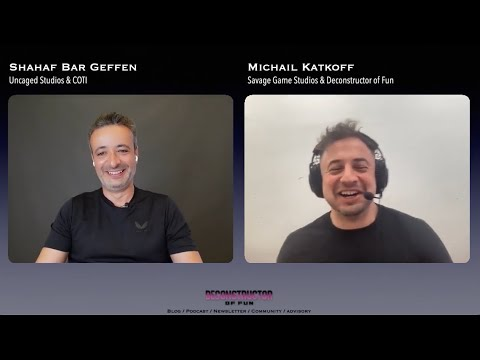
Comments