1 free read left. Create a free account for unlimited reading + AI research.
Create free accountReport Korea Creative Content Agency
1 free read left. Create a free account for unlimited reading + AI research.
Create free accountReportKorea Creative Content Agency
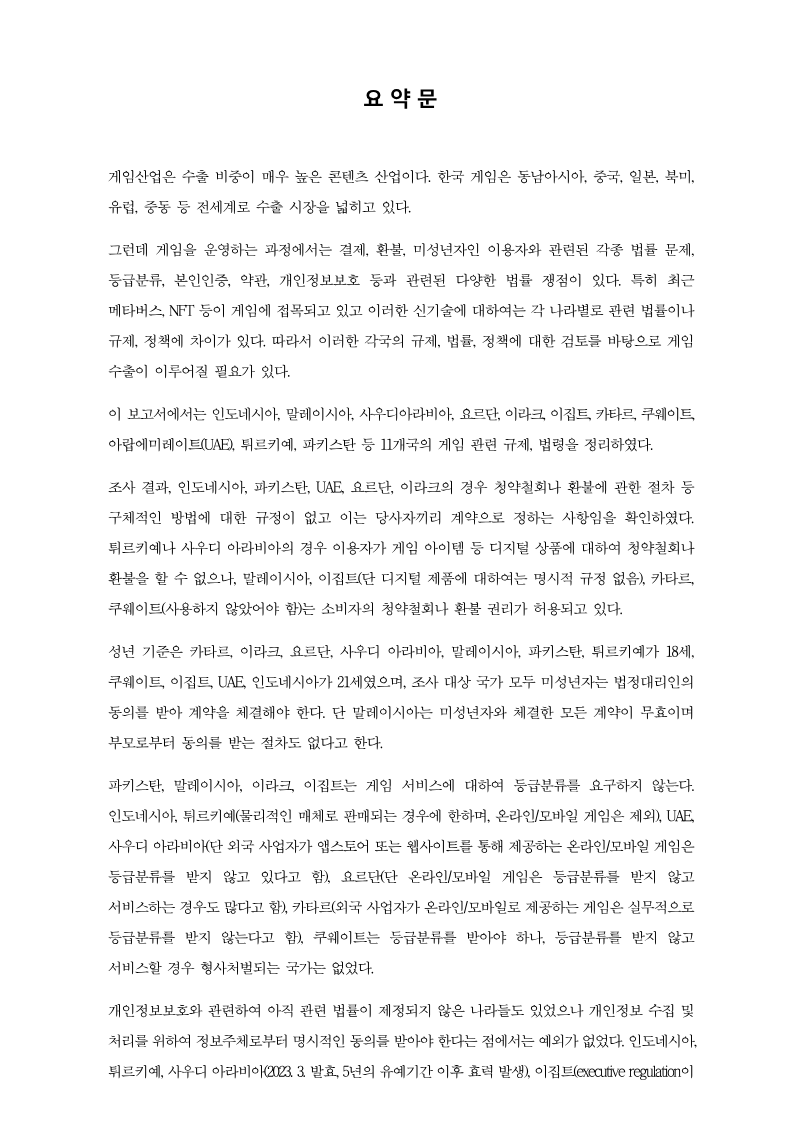
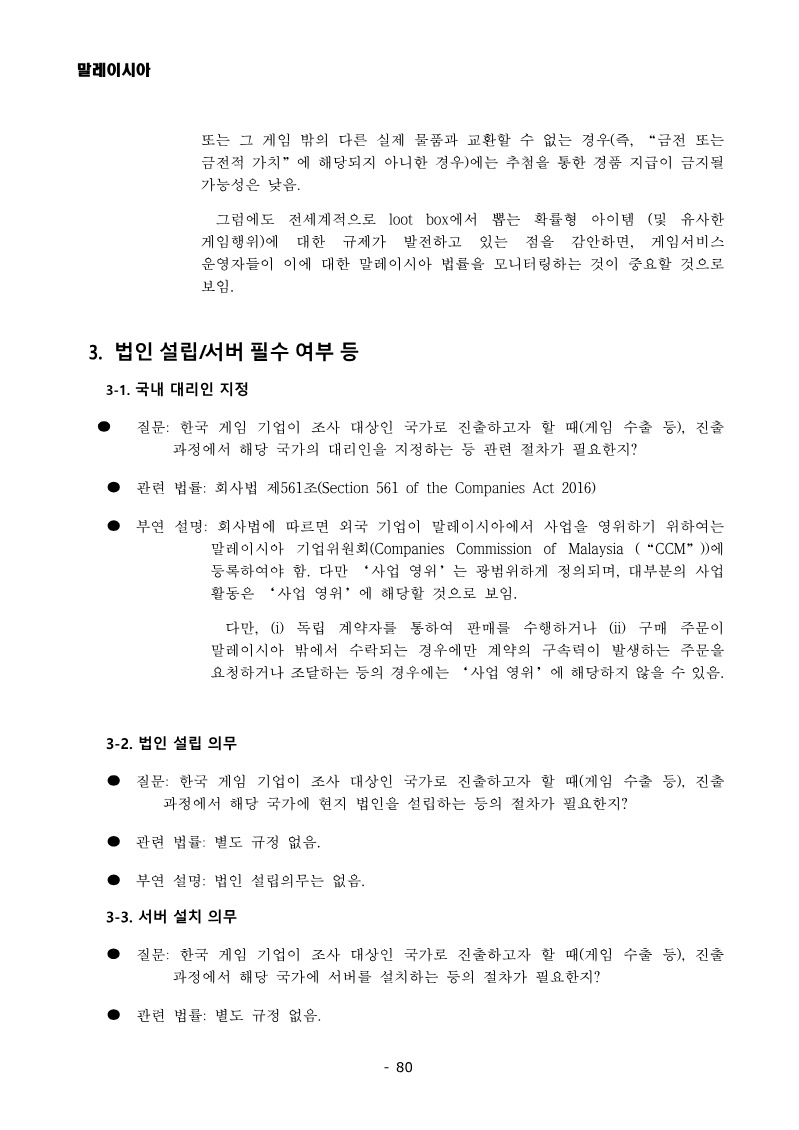
Regulatory maturity ranges from formalized oversight in some countries to a reliance on broad, non-specific civil laws in others. This disparity impacts international game operations.
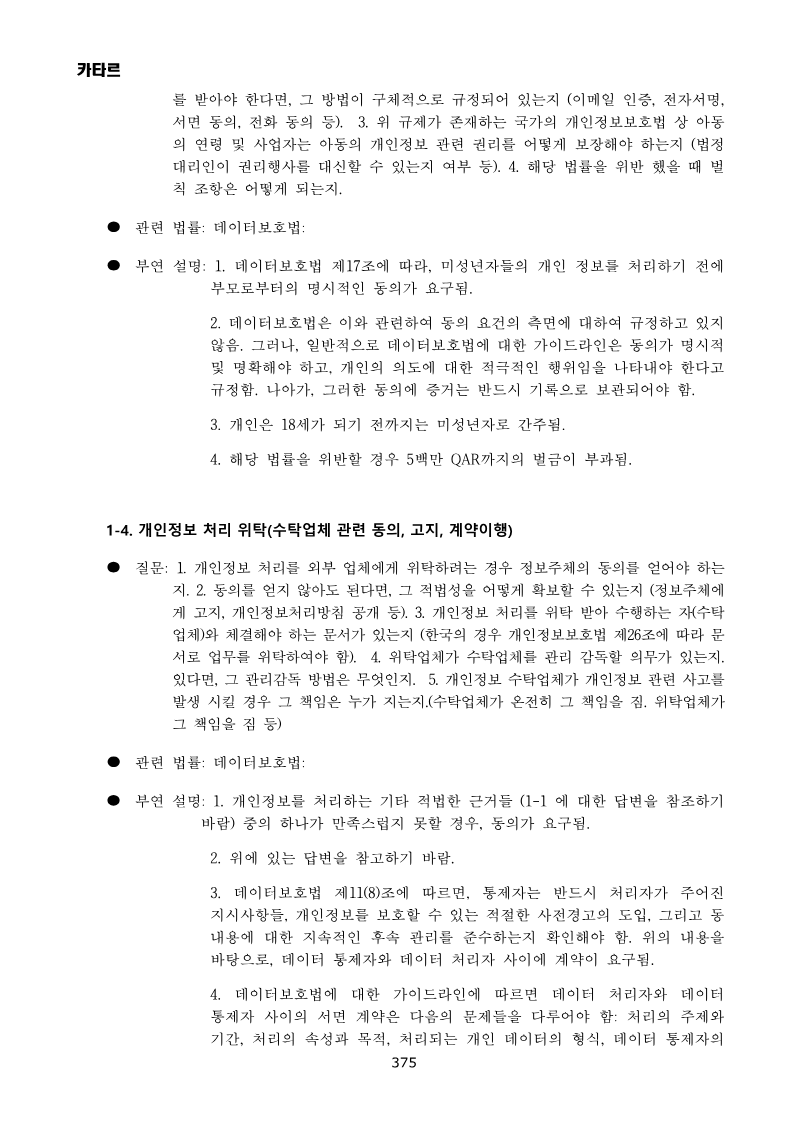
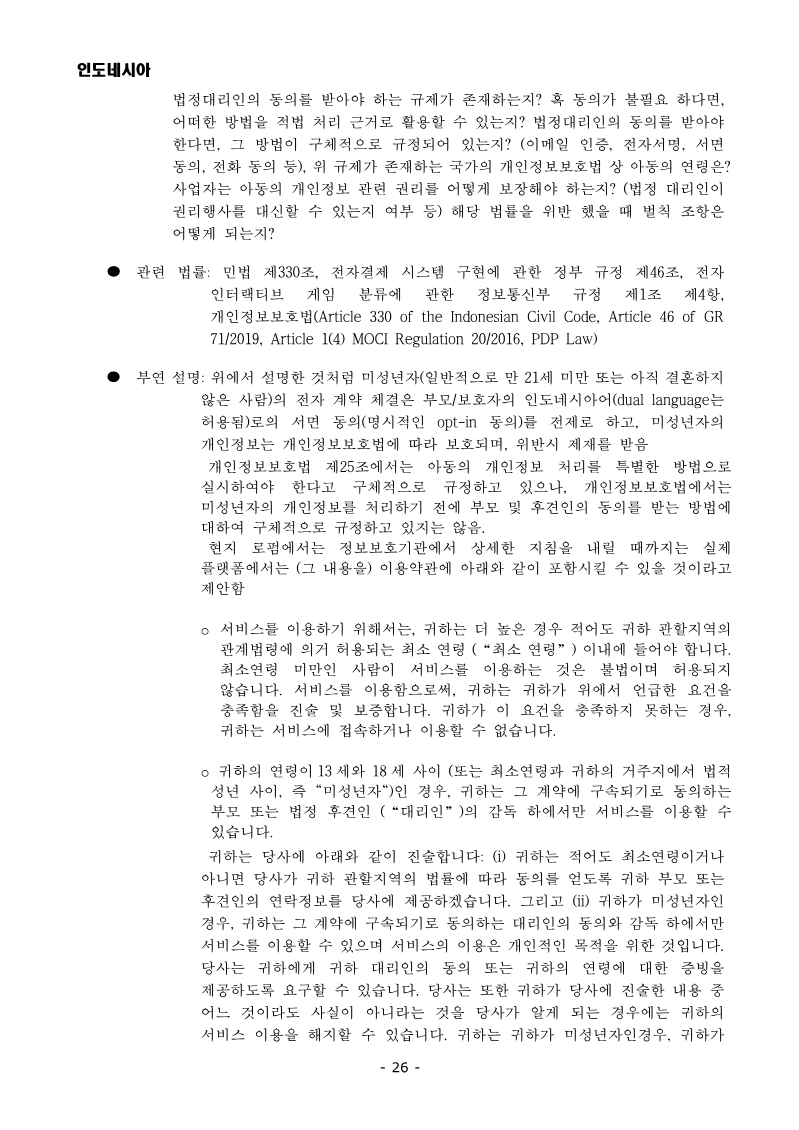
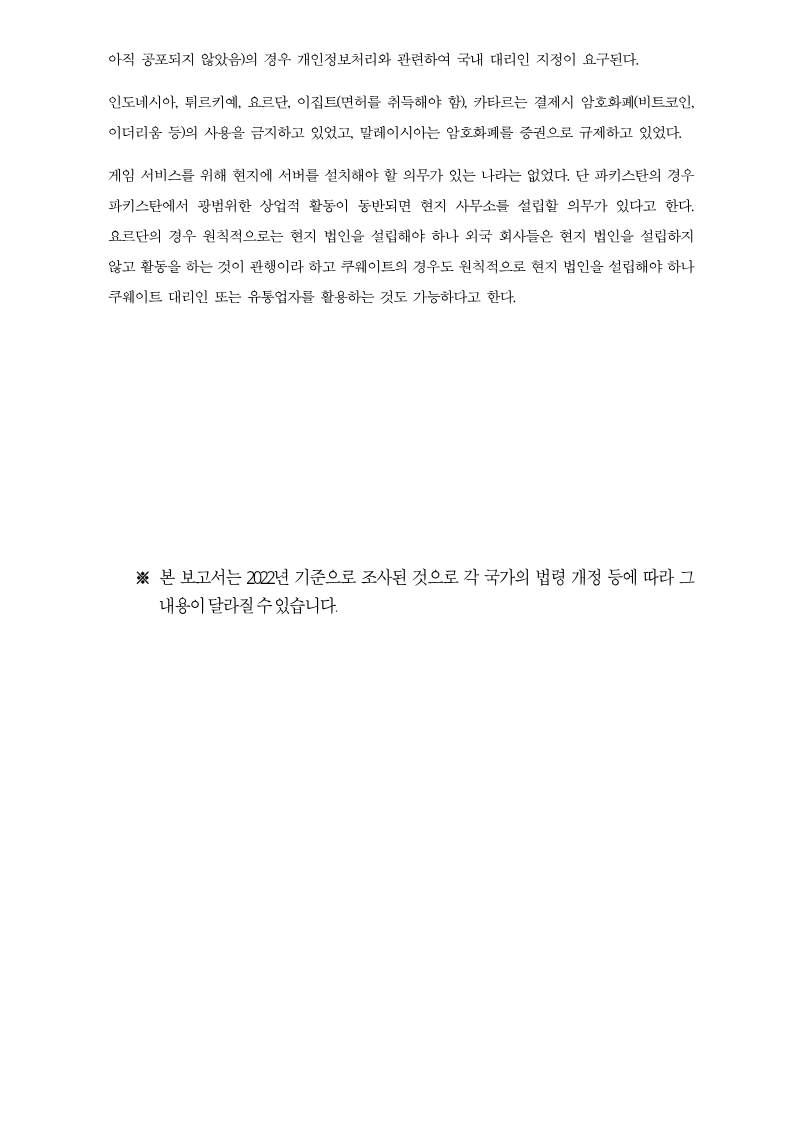
This analysis examines the legal and regulatory landscapes for the game industry across 11 key export markets, specifically focusing on the Middle East, North Africa, and Southeast Asia. The primary objective is to provide a comprehensive overview of how diverse national policies regarding consumer protection, data privacy, content classification, and financial transactions impact international game operations. The findings underscore that while some regions maintain highly structured regulatory frameworks, many others lack industry-specific legislation, instead relying on broader civil, commercial, and electronic transaction laws to govern digital services.
A critical finding is the significant disparity in regulatory maturity across the surveyed nations. Countries like Indonesia and the United Arab Emirates exhibit more formalized oversight, requiring electronic system registration, explicit parental consent for minors, and adherence to strict content standards that reflect local cultural and religious values. Conversely, nations such as Iraq, Pakistan, and Kuwait lack dedicated game-industry statutes, leaving businesses to navigate general legal principles. In these markets, the absence of specific rules—such as those governing loot boxes or shutdown mechanisms—does not imply total regulatory freedom; rather, it necessitates a cautious approach to compliance with overarching consumer protection and anti-gambling laws to mitigate legal risks.
Data privacy emerges as a universal priority, with most jurisdictions implementing or strengthening laws modeled after international standards. Requirements for explicit user consent, transparent data handling, and specific protections for minors are increasingly common, often carrying severe penalties for non-compliance. Furthermore, the analysis highlights that financial regulations, particularly regarding cryptocurrency and play-to-earn models, remain highly restrictive in several regions, often necessitating strict adherence to local banking and anti-money laundering frameworks. Ultimately, the study concludes that successful market entry requires a granular, country-specific legal strategy, as the lack of standardized global regulations makes proactive local compliance and ongoing monitoring of legislative shifts essential for sustainable international operations.

Korea Creative Content Agency · 2025

Korea Creative Content Agency · 2025
Korea Creative Content Agency · 2025
Korea Creative Content Agency · 2025

Korea Creative Content Agency · 2025
Korea Creative Content Agency · 2025

K-GAMES – Korea Association of Game Industry · 2025
Korea Creative Content Agency · 2025
KOCCA – Korea Creative Content Agency · 2025

KOCCA – Korea Creative Content Agency · 2025



KOCCA – Korea Creative Content Agency · 2025

KOCCA – Korea Creative Content Agency · 2025
Extra Credits · 2026