Simulation reports and market data
Documents
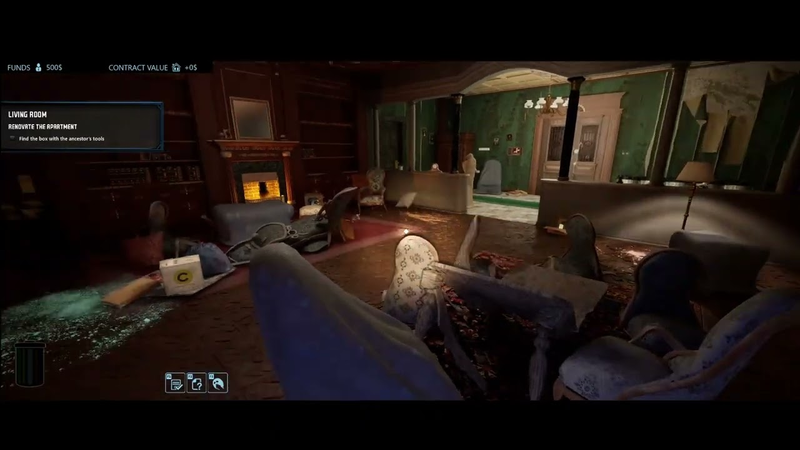
Haunted House Renovator
Haunted House Renovator serves as a practical case study for a development strategy that prioritizes core gameplay loops over high-fidelity production values.
- PlayWay achieves high profitability by prioritizing core gameplay loops over visual polish, often using stock assets and low-resolution images to minimize development time and costs.
- Effective game demos should include direct, integrated feedback mechanisms, such as Google Forms, that ask specific questions about tutorial intuitiveness and player interactions to guide future development.
- Developers should focus resources on functional widgets that drive cross-selling and user engagement rather than expensive, high-fidelity aesthetic elements like title screen backgrounds.

Fantasy Horror Kidnapping Sim ‘Life Eater’ with Xalavier Nelson Jr. | 349
Life Eater functions as a horror-fantasy simulation that challenges players to kidnap neighbors to appease a dark deity, serving as a vehicle to explore the profound moral ambiguity inherent in modern digital connectivity.
- The game 'Life Eater' uses the mechanics of a kidnapping simulation to explore modern vulnerabilities, specifically how social media oversharing and geolocation data enable real-world intrusion and security breaches.
- Developer Strange Scaffold emphasizes a sustainable production model, focusing on 'better, faster' development cycles that avoid the industry trend of 'max bet' projects to prevent team burnout and financial instability.
- The game’s core design philosophy shifts the moral weight from the act of kidnapping to the preceding intrusion, forcing players to violate a target's privacy and agency as a prerequisite for gameplay progression.
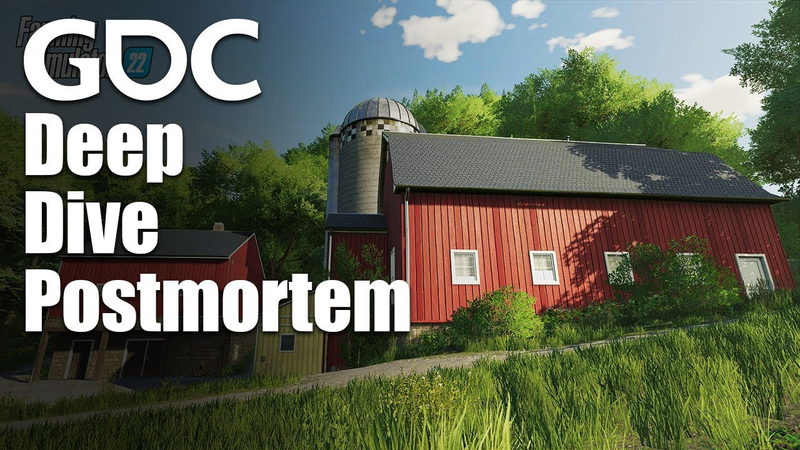
'Farming Simulator' Postmortem
Farming Simulator occupies a unique niche in the gaming industry by bridging the gap between hyper-realistic agricultural simulation and accessible, entertainment-focused gameplay.
- The official 'Mod Hub' launched in 2012 to centralize quality control and distribution, resulting in massive growth: Farming Simulator 15 saw 1 million downloads, while Farming Simulator 19 reached over 1 billion total mod downloads across 6,000 mods.
- To incentivize high-quality user-generated content, GIANTS Software implemented contests with prize pools exceeding 50,000 Euros and offered top modders commercial partnerships to create paid DLC.
- The developers prioritized entertainment over strict realism, adopting open-world mechanics from titles like Grand Theft Auto and Battlefield, such as the ability to exit vehicles and interact with the environment on foot.
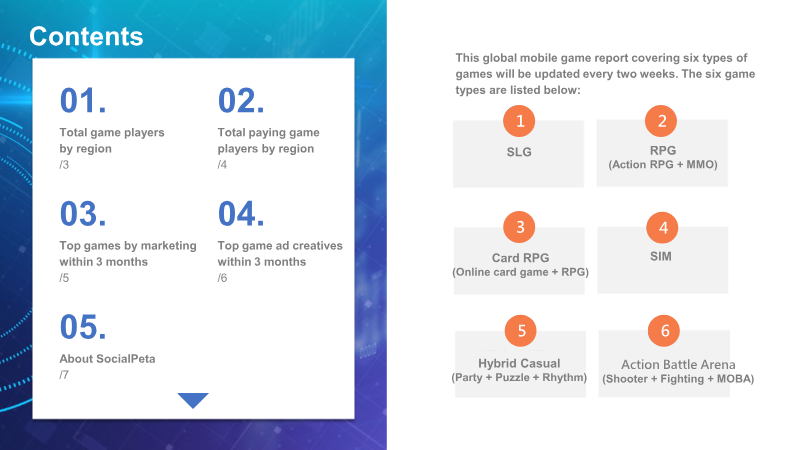
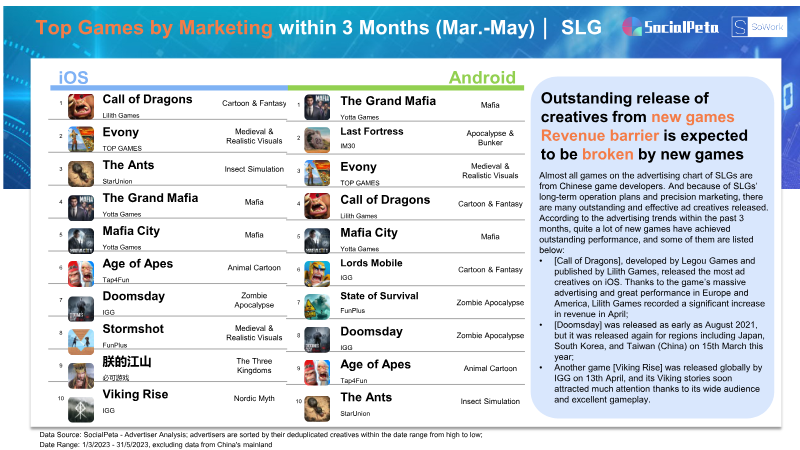

Mobile Game Trends White Paper: Simulation Games in Asia Pacific
The mobile simulation game market in the Asia-Pacific region demonstrates significant growth and untapped potential, particularly within the strategy and simulation (SLG) genre.
- The Asia-Pacific SLG market reached 106.97 million players by Q1 2023, with over 40% of the total player base actively spending to enhance their experience.
- Thailand and Hong Kong are the region's top monetization markets, with more than 50% of SLG players contributing revenue.
- Indonesia remains a commercially viable market with 18 million paying players, despite experiencing a slight year-over-year decline in the number of paying users.
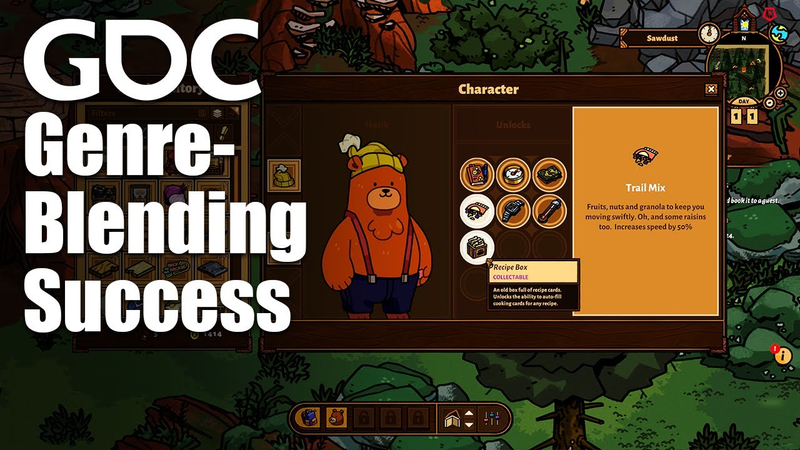
From Pitch to Pancakes: How 'Bear and Breakfast' Blended Genres To Succeed
The development of Bear and Breakfast demonstrates how independent studios can successfully navigate a saturated market by blending management and adventure mechanics.
- Mixing genres requires aggressive scoping; because small teams have limited resources, developers must strip away non-essential features from each genre to create a cohesive, shippable product.
- Defining an 'Adventure' genre is often too broad for development, so the team distilled it into two concrete pillars: a strong, linear narrative and a well-defined cast of characters.
- Genre-blending can be a powerful marketing tool, as it helped the studio secure features from major partners like Nintendo and provided a unique niche that stood out in a saturated market.
Jakub Pacura - Marketing Postmortem for House Flipper
House Flipper demonstrates that long-term commercial viability in the simulation genre is best achieved through a disciplined DLC release model and a commitment to organic community engagement.
- Frozen District achieved an average of 150,000 wishlists for House Flipper DLCs by announcing them 9 to 12 months in advance rather than the industry-standard two-week window.
- Influencer marketing was a primary driver of growth, with the largest House Flipper YouTube video reaching 21 million views and creators like jacksepticeye producing 10-video series that sustained long-term engagement.
- The developer utilized consistent naming conventions (e.g., 'House Flipper - [DLC Name]') to eliminate consumer confusion and maintained a detailed sales log to track discount performance across all DLCs.

My Dream Game Development Desk Setup
This overview details a professional game development and content creation workspace, emphasizing the importance of ergonomics, cable management, and hardware performance for long-term productivity.
- Prioritize long-term physical health by investing in height-adjustable standing desks and ergonomic seating to mitigate chronic issues like neck pain.
- Optimize workstation performance for AAA-style Unity development using an AMD Ryzen 7 7700X processor and 32GB of RAM.
- Utilize dual 32-inch 4K monitors instead of ultrawide displays to maintain a centered focal point and reduce neck strain during extended work sessions.
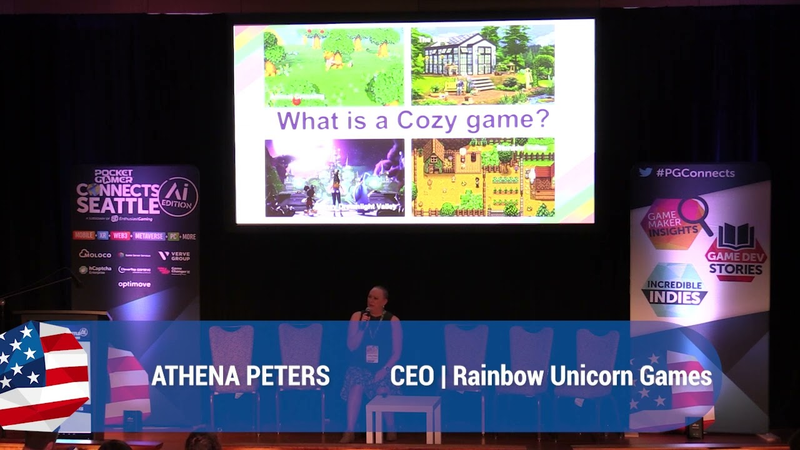
Session: The Rise Of The Non Combat Or 'Cozy' Game Genre - Athena Peters, Rainbow Unicorn Games
The cozy game genre, characterized by non-combat mechanics, relaxation, and low-pressure environments, has experienced significant growth as a response to global stressors and a desire for meditative digital experiences.
- The cozy game genre has seen a 155% increase in search volume over the last year, signaling significant market growth and consumer interest.
- The commercial viability of the genre is underscored by the success of Animal Crossing: New Horizons, which became the second-best-selling game on the Nintendo Switch.
- Mobile titles centered on decoration, narrative, and customization, such as Gardenscapes and Life Makeover, consistently generate tens of millions of dollars in monthly revenue.
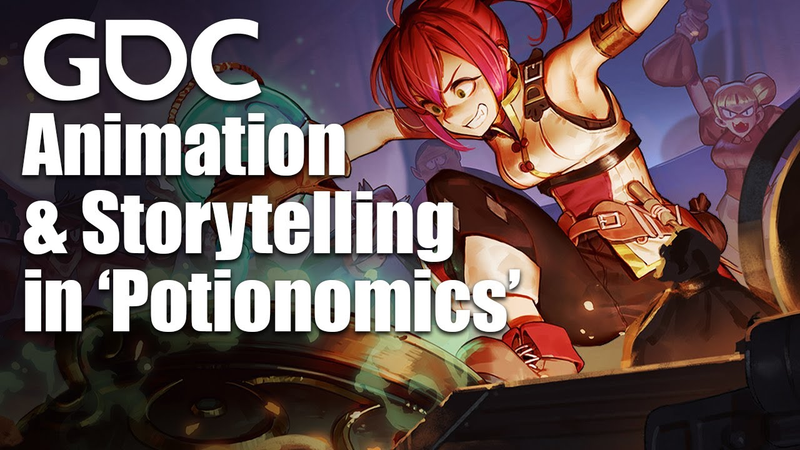
'Potionomics' Animation Show and Tell
The development of Potionomics centers on a philosophy that prioritizes emotional expression and character appeal over the rigid application of traditional animation principles.
- The Potionomics development team produced approximately 3,000 animations for the game, utilizing a workflow that prioritized character appeal and emotional expression over traditional animation principles like squash and stretch.
- To maintain visual quality while managing a high volume of assets, the team implemented a resolution hierarchy where polygon detail and joint density are concentrated in the characters' heads and hands, radiating outward to less expressive body parts.
- The team successfully subverted the traditional 'show vs. tell' design philosophy by focusing on 'showing the telling,' using character body language and emotional exchanges to drive gameplay mechanics rather than relying solely on action-based verbs.

'Visitations': VR for Ketamine Infusion Therapy
Visitations represents a specialized application of virtual reality designed to optimize the clinical environment for patients undergoing ketamine infusion therapy.
- Over two-thirds of clinical participants reported a preference for VR-assisted ketamine infusion sessions compared to traditional medical environments.
- The 'Visitations' project utilizes passive, 'lean-back' VR experiences featuring radial symmetry and binaural audio to reduce patient anxiety and cognitive load during treatment.
- Technical design focuses on three-degree-of-freedom headsets to ensure comfort for patients in reclined positions while avoiding the physical strain associated with interactive gaming.

Faking Mixed Reality: Building Reality Simulators
Developing for experimental hardware requires a strategic shift toward virtual simulation to mitigate the high costs and logistical friction associated with physical device dependency.
- Building a custom simulator for experimental hardware like the Magic Leap significantly reduces iteration bottlenecks by allowing developers to work without constant access to limited, specialized devices.
- To ensure high-fidelity simulation, developers should incorporate known hardware quirks—such as controller connection delays or tracking dropouts—directly into the simulator to catch bugs early in the development cycle.
- Using photogrammetry, specifically tools like Reality Capture, allows teams to create accurate 3D representations of physical office spaces to simulate real-world occlusion and environmental interaction.

Cozy Games Gone Bad - Classifying Wholesome Games - Extra Credits
The emergence of cozy or wholesome games represents a significant shift in the gaming landscape, characterized by titles that prioritize low-stress mechanics, community-building, and optimistic narratives.
- The 'cozy' genre is defined not by specific mechanics, but by player emotional expectations for low-stress, optimistic, and inclusive experiences.
- Cozy games distinguish themselves from industry standards by replacing traditional power fantasies with mechanics centered on domestic simulation, cooperation, and community-building.
- The genre is characterized by fluid boundaries, often incorporating complex or dark narrative elements—such as depression or stalking—without losing the 'cozy' classification.