Roblox statistics and reports
Documents
What Newzoo's 2026 PC & Console Report Actually Says
The global PC and console gaming market is currently defined by a winner-takes-more dynamic, where total player engagement remains stagnant despite incremental revenue growth.
- The global gaming market is experiencing a 'winner-takes-more' dynamic where total player engagement is stagnant, despite incremental revenue growth.
- Playtime is shifting away from traditional AAA shooters toward sandbox and social-driven platforms like Roblox, which achieved 50% year-over-year growth.
- China is a dominant market force, accounting for 43% of total growth in the PC and console sectors.
Can You Build a Real Business on Roblox?
Roblox has transitioned from a repository of viral, short-lived experiences into a robust ecosystem capable of supporting sustainable, high-quality businesses.
- Roblox has shifted from a platform for short-lived viral games to an ecosystem supporting sustainable, multi-year franchises by prioritizing long-term retention and social co-play over addictive mechanics.
- The platform’s discovery algorithm now favors deep engagement metrics, incentivizing developers to abandon 'pop-and-drop' release cycles in favor of continuous, long-term development.
- Small, lean teams of fewer than four people are currently achieving the highest success rates by launching minimum viable products and iterating weekly based on direct community feedback.

TWIG #376: Epic's Failed Bet, Roblox's Brand Fee & Google’s Level Up
Google’s Level Up program represents a strategic effort to increase platform engagement by offering developers a 5% fee reduction in exchange for integrating features like cloud saves and the Sidekick overlay.
- Epic Games has laid off 20–25% of its workforce following a strategic pivot that diverted excessive resources toward legal battles against mobile gatekeepers at the expense of Fortnite's engagement.
- Epic is attempting to stabilize its business by transitioning Fortnite into a creator-led entertainment ecosystem, though the financial viability of this model remains unproven.
- Google’s 'Level Up' program offers developers a 5% fee reduction for integrating cloud saves and the Sidekick overlay, though these margin gains are expected to be offset by rising user acquisition costs.
Was Epic's App Store battle worth it? | Week in Mobile Games podcast
Epic Games currently faces a period of significant organizational restructuring, marked by 1,000 layoffs and a $500 million cost-reduction initiative.
- Epic Games is undergoing significant restructuring, including 1,000 layoffs and $500 million in cost savings, to address a downturn in Fortnite engagement and ensure long-term financial stability.
- Savvy Games Group is acquiring Mobile Legends developer Moonton from ByteDance for a reported $6 billion, a valuation 50% higher than ByteDance's original purchase price.
- Savvy Games Group CEO Brian Ward confirmed a 'federated' operational model for acquisitions like Scopely, allowing them autonomy while maintaining alignment on mutual goals and potential use of assets for future M&A liquidity.
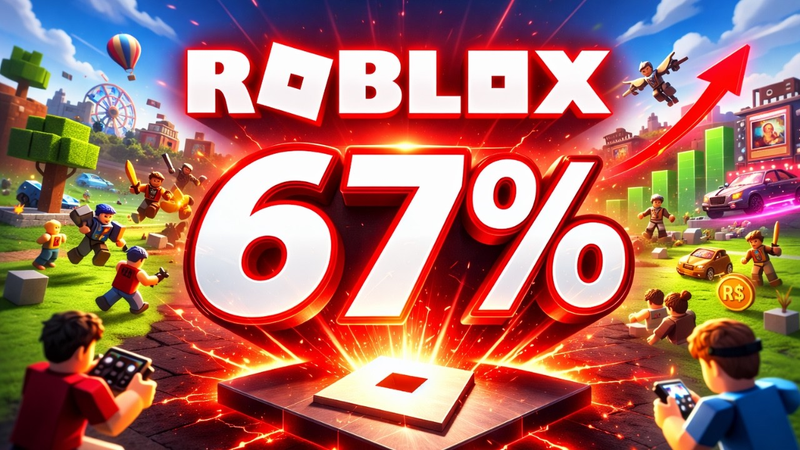
Is Roblox Killing the Games Industry?
The gaming industry is currently experiencing a period of stagnation characterized by record-high revenues but steadily declining profits since 2018.
- Roblox is capturing 67% of all non-China gaming market growth, effectively cannibalizing time and wallet share from traditional high-margin console and PC titles.
- While the broader gaming industry has seen only 1.4% growth, it faces a structural crisis of declining profits since 2018 despite record-high revenues.
- Venture capital investment in the gaming sector has plummeted by approximately 85% from its peak, reflecting a broader market shift away from speculative gaming ventures.

The state of video games with Matthew Ball – Part One
The global video game industry currently exists in a state of paradox, characterized by record-high consumer spending alongside widespread studio instability, mass layoffs, and a contraction in venture capital.
- The video game industry faces a paradox of record consumer spending coupled with widespread studio instability, mass layoffs, and a contraction in venture capital.
- The U.S. market is projected to see only 3% growth by 2026, a figure heavily reliant on major hardware cycles and tentpole releases like Grand Theft Auto 6.
- Surging demand for AI data center components is creating supply chain shortages for essential hardware like RAM and storage, threatening to increase production costs and delay future console generations.
Supercell faces Clash Royale controversy and banks on innovation | Week in Mobile Games podcast
The global mobile gaming industry is currently navigating a period of significant structural transition, characterized by a shift away from incremental optimization toward radical innovation.
- Supercell reported a 4% year-over-year revenue decline to €2.65 billion in 2025, though EBITDA rose 6% to €932 million.
- Clash Royale experienced a significant revenue surge in 2025, but a controversy emerged after CEO Ilkka Paananen failed to credit content creators for the game's growth in his annual innovation blog post.
- Square Enix's digital entertainment segment, which includes mobile and PC browser games, saw a 24% year-over-year decline in sales over the first nine months of the fiscal year.
Supercell, Epic, Unity, Budge, Roblox, DICE, data, jobs and more
The mobile games industry is currently characterized by a cautious, optimization-focused environment, according to recent financial disclosures and industry sentiment.
- Supercell reported $1 billion in EBITDA for 2025 despite a 4% year-over-year revenue decline, with CEO Ilkka Paananen criticizing the industry for 'coasting' and failing to innovate.
- Supercell is increasing its headcount by 30% and doubling investment in new game development, while tripling the size of its AI innovation lab to address internal failures in fostering startup-like environments.
- Bernard Kim has returned to Unity, following the departure of key executives and reports of persistent culture clashes and bullying allegations stemming from the $4.4 billion IronSource merger.

AAA Publisher Struggles, Roblox’s Growth and Transmedia Success
The global gaming industry is currently undergoing a structural correction characterized by a divergence between legacy AAA publishers and emerging platform-based ecosystems.
- Roblox currently accounts for over 3% of total industry revenue, with a strategic trajectory aiming to capture 10% of the market.
- The gaming industry is undergoing a structural correction marked by the stagnation of traditional console hardware models, exemplified by Microsoft's ongoing struggle to balance exclusive content with multi-platform distribution requirements.
- Legacy AAA publishers are experiencing a divergence in performance, with Electronic Arts showing resilience through franchise rejuvenation while Ubisoft faces operational headwinds from management friction and pandemic-era over-hiring.

🚨📢BREAKING NEWS: Gaming Stocks Crash, AI Panic Spreads, Meta Quietly Dominates 🤯
The gaming industry is currently experiencing a significant disconnect between market sentiment and operational reality.
- Gaming stocks including Unity, AppLovin, Roblox, and Take-Two experienced a disproportionate sell-off of up to 40% in one week due to investor panic over Google’s Project Genie, significantly outpacing the 4.5% decline of the broader NASDAQ.
- Meta continues to demonstrate massive scale, reporting 3.6 billion daily active users—a 7% year-over-year increase—and total company revenue exceeding $200 billion.
- Market capital is shifting away from experimentation toward operational discipline, as evidenced by Stillfront’s margin expansion through portfolio cleanup and MTG Group’s record profits via disciplined user acquisition.

TWiG #367: A Certain IPO, 2026's 1st Cozy Launch & When CEOs Get Sued
Corporate governance and strategic pivots define the current landscape of the interactive entertainment industry.
- Shareholders have initiated legal action against former Activision Blizzard CEO Bobby Kotick, alleging that the $69 billion acquisition process prioritized personal financial gain and legal protection over fiduciary duties.
- Adtech firm Liftoff has reached a $4 billion valuation via IPO, signaling a growing industry reliance on AI-driven user acquisition financing to maintain growth despite significant debt burdens.
- Major publishers like Krafton are shifting strategies toward operational efficiency by leveraging AI-integrated development and user-generated content to scale established intellectual property like PUBG.
TWIG #365 Golden Twig Awards: The Best, Worst, and Weirdest Moves in Games This Year
The gaming industry in 2025 is defined by a volatile landscape of high-stakes acquisitions, structural instability, and a fundamental misalignment between venture capital expectations and studio performance.
- The 2025 gaming industry is shifting away from venture capital-backed models toward funding led by established publishers, following the failure of numerous studios that attempted to replicate the success of giants like Riot or Blizzard.
- Companies are increasingly bypassing traditional distribution channels by launching direct-to-consumer web stores to mitigate structural instability and high-stakes acquisition volatility.
- Audience growth has stagnated, forcing publishers to pivot from acquisition to optimizing existing user bases through new advertising models, such as Roblox’s programmatic integration with Amazon DSP.