Transcript
Welcome to the Navit Gaming Podcast, where it is our mission to explore the business and future of video games. We bring together the industry's brightest builders, investors, and thinkers to keep a pulse on current events, dissect emerging trends and games, share lessons learned, and have a great time. This podcast is also part of Navik's growing ecosystem which ranges from free and premium research to consulting and advisory services. For more information, visit www.navic.co. This episode is brought to you by Heroic Labs, which powers some of the world's biggest games with its heroic game stack. Its composable products are Nakama, the open- source back-end game server, Hero, the game development framework for all your live service game features, including the complexity of managing offline mode, Sattorii, the
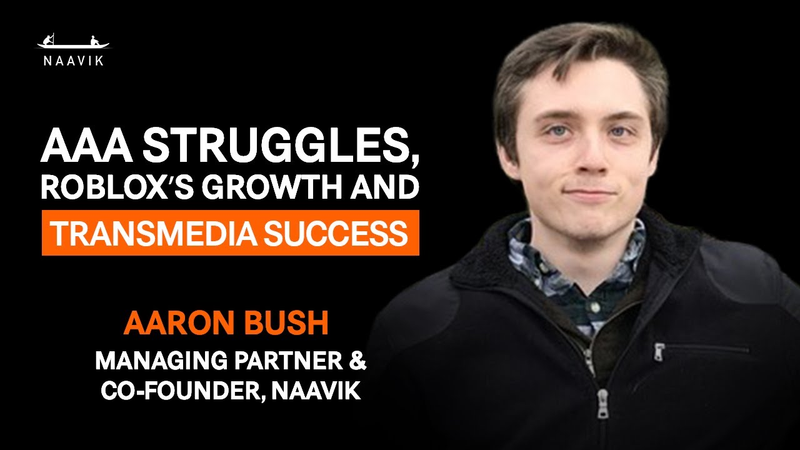
worldclass live ops product for maximizing monetization and retention. And lastly, the heroic cloud to provide massive scalability. After nearly 10 years of operation, thousands of studios trust Heroic Labs to help them focus on their games and not worry about game tech or scaling for success. To learn more and reach out, make sure to visit heroiclabs.com or check out the link in the show notes. Now, let's jump into the episode. Hello everyone. I'm your host Deon Becker and today I'm delighted to be joined by Aaron Bush who a familiar face you may know from both being on the interview side as well as on the interviewe side here. He is a managing partner and co-founder at Navic. And today we're going to discuss something we don't get a chance to do very often. We've done just once before which is to check in on the overall game market and some topics just across the broader game industry. Dive into some different areas and just see what's going on besides just the individual news hits. So Aaron though, why don't we start off uh what's going on in
Yeah. Uh yeah, happy to to be here.
Always fun to just chat about what's going on. Uh but yeah, I mean Navic Business as usual. We're our consulting team is just helping a bunch of uh companies around the industry. One of the the newer things that we're uh we're ramping up. Uh by the time that this episode goes live, we'll have published the our like new second cohort of our fractional talent uh team. And so we've been building out our, you know, our team of people that can basically like plug in across like any part-time role that any game team would want. And so from anything from analytics to game design to narrative to QA to you name it. Um where we've built out a pretty robust team that can can plug in. So, so yeah, I mean if anyone is listening at any point needs some part-time fractional support for what you're for what you're making, there's a good chance that that Navic has a great person for you. So, so just let us know.
But otherwise, largely been business as usual.
Well, that's a good thing though definitely because business as usual is usually very busy with Navic. So, definitely definitely good to hear. Um, why don't we just start by going through a few different uh high level topics? some things that some some stuff has had news articles, some stuff is just kind of broader. Uh, but stuff that I think is still worth paying attention to, especially as we're kind of like in a bit of the earnings season of some some extent, right? Like which is always our favorite time to discuss this stuff because it's when there's actual numbers for people to talk about and like people present at least their best face about what's happening. Um, so let's start with like the AAA companies. There's a couple of uh AAA's that are doing good, some not doing so good. Um, I think EA is one that's on top of mind with some good news recently.
Yeah, I mean it's it's it's interesting because obviously Battlefield 6 has been awesome. Um, it's, you know, we were pretty early to predicting that it would out compete Call of Duty this year and, you know, that's been a very successful
prediction. Um, and of course, you know, like being able to rejuvenate a mega franchise like this is is a big deal for any publisher, even, you know, one of the biggest in the world like EA. And
that shows in the results. of course like you know it's
pretty tragic that Vince Simbella um passed away and you know that puts you know some probably some questions on you know like where Battlefield goes from here but um in general the team should be like really proud of what they've done. Uh Saudi Arabia should be really happy that that that Battlefield 6 is is doing well too. It's kind of funny because, you know, there are only so many of these mega public companies in the games industry and generally when one of them like EA reports, LinkedIn and newsletters are flooded with all of the takes, but because the, you know, they're getting acquired and the price is set and that's not
really changing. it kind of doesn't matter, you know, in terms of understanding like where this will go for, you know, the business and the stock when, you know, it's not really like for the public anymore. Um, and so the conversation there is going to change. At least we still get to see some of the the data there, which will go away later this year as,
you know, more of these companies are just, you know, getting consolidated or getting off the market. uh which you know I don't love from a from a public market lens but um but yeah I mean hard to to criticize where they're at right now.
Yeah. I mean it's it's tricky too because like even if they just get like acquired by a bigger public company you don't always get the details anymore because it's like you take uh you know Microsoft for example you don't always get all the nitty-gritty details about all the studios they've acquired. Uh I'm sure they're not reporting a lot of happy details around Call of Duty as you mentioned for Activision Blizzard King within Microsoft. So, not this year.
It's tricky, but I mean, we'll take the
good news from EA while we got it. Like, I'm sure, you know, with plenty of layoffs and stuff like that and them kind of relying on sports franchises. Good to know that uh that the the military sports, so to speak, isn't completely dead over there that there's still some of their original IP outside of sports franchises that will continue. Hopefully, more than that. Uh I I know some people are a little like hesitant like going to this deal, is it going to mean expansion or contraction? And I think generally with acquisitions, we know it probably means more likely contraction to an extent before any kind of expansion. But
yeah, I guess we I guess we haven't really talked about this on the podcast too much. I mean, my take is that like this isn't really a normal private equity deal, right? Like if this were just private equity companies, like EA is not the type of business that you go after because it's it's a good business. Like it doesn't need to be turned around. And right
even in this case where private equity is involved to some extent even though it might even just be more of a stamp of approval for you know it's mostly Saudi money going into the the deal. It's not
really a business that they're need to or like are trying to turn around like maybe they'll continue to be some you know cost conscious efforts although I doubt that even is going to be like a major thing that happens here. And if anything, it's, you know, where we might see the most action is just how Saudi Arabia views EA and its broader portfolio of
sports and gaming assets where EA kind of fits at the intersection of that with a lot of video game uh like sports games. Um, and so, you know, are there going to be more crossovers with like the leagues that they own and like, uh, you know, pushing more types of like can you watch sports or like get more involved? Yeah.
Uh, with like what's happening in the real world in FIFA or or in FC, I mean, uh, and so I don't know, that's where I think we'll see the most impact. I don't think it'll be like that,
yeah,
dramatic of like a business catalyst for for EA, but maybe on the Saudi ecosystem side, they'll start tying things together in more interesting ways.
Who knows? Given their interest in esports, maybe we'll see a push again for Battle Battlefield esports. Like, there's been attempts in the past, they never really worked out that great given the nature of the game's a little not esportsish, but you never know. Like,
I never thought PUBG would be an esport, right? Just because of the nature of the game. 2026, 2027 maybe.
Absolutely. And Olympics trying to make a push as well. Like so you never know. Like we we could definitely see a push in that direction because that money is flowing in that direction. But uh speaking of of a company that maybe not as rosy of an outlook and something that I know is one of your favorite companies to talk about, I think
uh Ubisoft, if it could even be called Ubisoft at this point, hard to even say what to call it now because it's turning into this weird kind of beast with Vantage Studios and the other unnamed uh spawns from that.
Yeah. What a mess, right? Um, yeah, I don't think we need to rehash all of the
all generally the negativity that we've
um, you know, analyzed about Ubisoft in the newsletter and podcast extensively over the past few years. The the crazy part is just that like the saga continues with no end in sight. And um, you know, I would have thought that maybe by this point they could have found their their footing somewhere, but that has not been the case at all. And what's the weirdest to me about or the craziest to me about this the latest aspects of this saga is that like yeah the management decided to shut down you know a bunch of projects like they need to streamline you know what they're working on like fine like makes sense but the the outcry from employees about what these changes are it just rings completely like tonedeaf to me where like we see unions coming out like basically like pitching and complaining
super hard that like returning to the office and like greater capacity is you know like is completely unjustified and against the rights of like being an employee at at Ubisoft and it's like what like where has the world come to or like this culture come to where like that becomes a more prominent um like take And you know, a lot of the employees are asking for management to be held accountable to a lot of the clearly bad decisions and bad management that has taken place over the past many years. And it's fair, but at the same time, like it's sad, but like the best decision Ubisoft could have made to rightsize his business is by like cutting its employee count in half because the the revenue per employee and just the bloat of that business is the the revenue employee is, you know, so much lower than every other leading publisher and it has, you know,
generally gotten worse. Um, and the bloat there, you know, there've been slight changes. they've cut uh you know had some layoff rounds around the world but even so like it hasn't made like too huge of a dent especially in in France which is where a lot of these unions and the outcries are coming from and so yeah on both sides I'm just like it doesn't make any sense what people think is the right thing to to do here and it's sad but yeah I still don't see like an end to the to the chaos here. Like this could still be a business that we're like, what in the world is going on?
That's why it's your favorite business to talk about because it's just a neverending source of interesting choices. And I use interesting and and not necessarily the nicest way, but they I mean I'm I'm a fan of the company in in some ways, but I just watching that sort of trajectory, but like it the one thing you point out that I think is relevant to a lot of these layoffs in
general is just COVID uh trajectory in general. like everyone overhired during COVID. All this stuff happened, the work from home stuff like we're still correcting from COVID basically in the entire industry and Ubisoft maybe even more than others uh with having to like I they obviously had so much middle management in that company like the stories I heard of like people having to get like 25 managers to sign off on one decision just to try and even do something towards live ops. Uh it's just I mean we don't know if that that'll be fixed right with the the creative houses and stuff but it does sound like that might be a better way to go uh is to have a little more independence a little less you know Paris managing everything uh from on high with every studio tied but they also like closed those studios that kind of surprised me. So, like the union thing with Halifax where it was like they they had the union thing like what was it like just right before and then the shutdown uh right after and I don't know how much other studios were involved but I know they were doing
quite a bit on Division mobile and that was looking really good. So, I don't know what the fate of that one is now because it wasn't announced as canceled or not.
Yeah, I don't know. I've always been a little skeptical of their mobile efforts, but uh yeah, I mean even Vantage Studios is still like headquartered out of France and so I doubt the and you know that it's more like a you know just carving different lines of control between the same people as I read it. So I don't think anything much has changed other than just the structure of you know putting your best assets in one subsidiary type of business that 10 cent can you know take more advantage of. I don't think 10 cents investments in Ubisoft have been very good. Maybe that will, you know, turn around at some point if they can find an an advantageous way to, you know, take over some of these leading franchises. But
yeah, I there's always something to talk about here, but I do wish the saga would turn more positive and it's completely self-inflicted.
Well, hopefully that's like a a mortal
wound to the parts they're self-inflicting it on so they can be dealt with. But I am interested to see like for I don't think a lot of people realize this. I happen to notice it as I pay attention to the game in particular, but Rainbow 6 Mobile is scheduled to go global uh on the 23rd of this month. And that is one I think might be 10 cents involved. Not entirely sure, but that that seems to be something they're pushing for. And I mean I it could go either way. I've played it a few times. It's it's interesting. It's fun, but it's very different from the the the core game that's been going for 10 plus years. And that could be a big shock to a lot of people. It must be doing okay in Canada, you know, if they're going to do if they expand it. But that was like a soft launch that's been going for well over a year. Uh, and lots of like trying to run live ops for well over a year, like season passes and stuff. So, I'm interested to see where that goes. Um, but like at least there's something that's going to come out and not just be shut down as far as all these. I assume like I let's hope it's not February 22nd and they're just like, "By the way, guys, like you're closed and the game's not coming out." So, let's hope that's not the case. But
yeah, we'll see.
Yeah. Another company though that did have some positive earnings and is and is looking up pretty good. Uh Roblox is an interesting one just because you know they've they've been fought with a bit more controversy over the last maybe year or so. I'm not sure the exact timeline on that, but they've definitely been fighting off negativity as much as possible to keep that going.
Yeah. Um I I think Roblox is really impressive. If you look at the stock, it's it's over 50% below its highs. And so there there have been, you know, additional skepticisms that have creeped in from the public market. Some of which is fair, some of which I think is overblown. But I mean, I think Roblox is super impressive. Let me let me even just pull up the stock chart right here to to see. I think the the stock is Yeah, like right now the stock price is about $68. Um, when it went public, it started trading around like $69 in 2021. So, you know, five years it's kind of
been full circle of going down a lot, going up a lot, going back down a lot. But the business has fundamentally grown tremendously in that time period. It was just a very expensive stock at an expensive time when it went public. But uh what what is interesting about Roblox is uh a couple things and we talked about this you know a few months ago but just a couple additional details now that 2025 has wrapped up. I mean, first of all, 2025 was a huge inflection point for the platform as a whole. Like, their u concurrent users essentially doubled over the course of the year. And that was driven by these breakout games like Grow a Garden, Steal a Brain Rot, 99 Nights in the Forest, I think, uh, it's called. And what's impressive is that, you know, it's these breakout games that drove the platform expansion as more people you know, like join the platform
than otherwise would because their friends were playing or whatever it might be. And maybe some of the the growth because of that was pulled pulled forward from the future. But it truly was an incredible year. But what's most impressive about this besides the fact that these games literally became the highest, you know, like the most played games in terms of CCUs of like all time ever, like in the games industry. Like huge milestones for the platform. And not even that it happened once, but like it happened three times in 2025. Um, but you know, naturally, the more viral that these games grow, the less sustainable they are and they they fall back to Earth because, you know, you're not going to have million like 20 million people playing at any given time forever, right? Like people are going to move on. But what's impressive is that even though many people have moved on from those games, like Grow a Garden CCUs are like 99% plus below where they were at its highs now.
Yeah.
But these people have stayed around on
the platform. And so
these are these have been huge
customer acquisition events for Roblox as a whole and they've done a great job of keeping them around. And that's just a super bullish sign um for for Roblox as a platform. And related to that, I I read in their latest investor shareholder letter that published a couple days ago that Roblox revenue is now over 3% of games industry revenue.
And yeah, it's it's creeping on up there. And they've they've said for I think a couple years now like their audacious goal is 10%. And I I kind of buy it. like I I kind of I see a path to getting there. Like these these years, these breakouts, you know, adding new cohorts as you know, every year like new kids are born, like there's new kids joining Roblox. Um, every year the the content depth of what is capable of being built on the
platform improves and the the platform has been aging up to some degree and as it is aging up like those people are the ones spending more money on the platform by quite a lot and so there is a path. I I don't know when it would hit 10% if it'll hit 10% but you know 3% is now the lowest it's going to be for for quite a while. Um, and his bookings growth this past year were pretty crazy too. And again, I don't think next year or this year 2026 will be at the same level because, you know, you can't have inflections every year like we saw with Roblox. But it has, you know, as I've said before, it's a it's a compounding engine. It's like the snowball rolling down the mountain. the definition network effect kind of thing.
Totally. Network effects are massively strong and only getting stronger and there's a lot of um very fair like conversation about like the child safety concerns and such and you know we might
see some changes uh to to laws over time that you know impact some extent you know what kids can do on Roblox. seeing in, you know, some countries, you know, more like uh like anti-loot box laws on miners and how
that would kill half the games or more than half the games on Roblox cuz like the majority of them seem to be loot box in some form or another.
Yeah. And so, you know, there will be changes that these games have to put into place, but like even so, like kids are still going to want to like
put the time in. like the economy design does not matter nearly as much as just being able to like have fun playing games with friends. And so I think the platform will will adapt and you know I think they have done a good job of being proactive on the child safety stuff like right now they're in the middle of um like forced um like age verification.
Yeah, I tried that out the visual age verification thing. So then you can only
talk to people your age. Although I do wonder if you like end up with gray areas where it's like if you're aging up and you're a little older than your friends, do you suddenly get aged out of being able to talk to your own friends? And so I do worry about some of the details as they're starting to roll that stuff out to cause some disruption, but it doesn't seem like something that'll necessarily like kill any of the momentum they have going.
Yeah, I don't know all the details. I think a lot of it is just restricting chat to right
like you have to be a certain age.
Guess you could always chat on Discord with your friends or something then it doesn't matter. There there can be other workarounds, I'm sure, but in general like I'm I'm just generally very impressed. And as I've said before, too, their R&D engine is massive. You know, they spend well over a billion dollars a year on R&D plus, you know, hundreds of millions in capex to just continue building out the infrastructure to support everything. And that's a number that just other companies can't can't match. And, you know, we maybe we'll talk about GTA later in this episode. And you know, there's a lot of like hopes about that becoming a a UGC platform, but you know,
it takes a lot of time and a lot of R&D money to uh to build anything close to the creator capacities that we see in places like
just ask Epic. They've been trying.
Yeah. And it just takes time. Like they I think Epic has been making steady progress. It just takes time and a lot of money to to build out all the very complex systems in many different ways.
Yeah. I mean, I'm sure their hope is that they could catch the people that age out, but it doesn't seem like that's if if the growth is still what it is in Roblox. I don't think they're successfully capturing at least, you know, a significant portion of them as age out into there. I mean, at some point it's just going to be people are just going to play Fortnite in Roblox and then it's just going to be like, well, sorry, you missed the opportunity because it's just uh, you know, more and more complex games they can build on there. The Roblox just released more AI tools as well alongside all this to try and help push. I mean, I haven't tested to see the the qualities like on those, but they're certainly not shy of introducing things that make more
players into potential creators, which seems to be their to their benefit, right? cuz that took a long time to build up like enough creators to get that platform rolling and I think Fortnite's maybe struggled with that to some extent, right? Like it's a lot more complicated platform to build for in some ways and they've had to like, you know, teach people first and all those sorts of things. So,
yeah. Yeah, Fortnite has, you know, its own restrictions just in terms of, you know, uh, the ecosystem es and flows with Fortnite as a whole and, uh, you can't charge for, you know, as much for like specific items in games to the same extent and, you know, all of these things. So, yeah, there are more limitations there, but yeah, very bullish on Roblox. Last thing I'll say here is that um, we're actually starting to work on our state of UGC 2026 report. Um, we've published this report for the past two years and it's been, you know, really popular and helpful to a lot of teams both times that we've done it. And I expect this year to be just as good
and just as helpful. So, probably uh by early March, early mid-March that will will go live, but everyone can look forward to that. I think this is fantastic because it's it's a such a hard market to keep tabs on like to pin down because it's by its very nature fragmented all over the place. like there's no earnings report for UGC. So, it's just you got to find a way where you get it. So, I definitely appreciate all the work that goes into those because it's just like a lot of collecting information and then synthesizing it. So, uh switching over to another area that's maybe not necessarily um earnings driven as much, although I'm sure there will be plenty involved. It's sort of a broader one which is now that we've had the holiday sales and uh now that we're deep into the the RAM chip shortage as well as that could bleed into other chip shortages. Who knows? Uh consoles have been in kind of an interesting place uh kind of coming from you know where we saw them maybe last summer and then there's I think there's been kind of a good amount of changes or at least trajectory changes for all the major different platforms across that going to
this year with the with the chip shortages and stuff. You had price raises and things like that. people can't really discount the same way even on older hardware now but where prices on older hardware are actually going up instead of down and like Black Friday sales we're like we're gonna go back to the old price like for PlayStation stuff like that I mean cious your thoughts on where we're kind of going say over the next maybe even six months uh with consoles because we're not like seeing necessarily even like information on nextG consoles outside of Switch 2 so much yet. Yeah, I my honest take is I don't think much has changed here uh in terms of the trajectory of the the main players uh regardless of price increases. You know, the Switch 2 was, you know, the best selling console ever. Um and you know, that you know, shows the Affinity fans have for you know, wanting to play Nintendo games and and getting the the latest new new console there. And you know that will continue to to drive sales for many years into the future. So we're still like very
early and uh and that growth curve which is taking place while the other consoles are are fading. you know, Xbox really been underperforming and the changes it has made lately, you know, just kind of further solidify that like price hikes later into the cycle like okay, like that's not going to change your your curve in any material.
Not going to help it.
Yeah. And you know, increasing the prices of Game Pass, you know, is basically admitting that that business model did not work in the way that you hoped that it would, but you went all in on it. And so now you're in a very difficult spot. And we've talked about before just like the tension between like if you want to succeed in a console hardware driven business, the biggest differentiator is your exclusive content. But if you want to succeed in a subscription driven business, your differentiator is having all of this content be as many places as as consumers can buy it. And so they're kind of fundamentally at odds with each
other. And maybe there is a way to balance that by um having a lot of exclusives that still drive uh the the um hardware sales and then having more like timed releases onto your subscription service that you have to have at a higher price for it to make sense and understand that that will never be the engine for your business. And maybe Microsoft goes more back in that direction at some point. But if anything, it seems like they've done the opposite just because their hardware base has shrunk so so much that they can't justify the cost of exclusives on such a small user base. They have to go to the to their competitors like PlayStation to sell their games there too to make it worthwhile. And they're still, you know, very much focused on, you know, allow their games to be everywhere. You know, this is an Xbox, everything is an Xbox.
Yeah. It's just like what is Xbox? like um and so so yeah, I'm you know not that optimistic about where this is going to
go. They need to hit the reset button, probably not even be in Microsoft anymore and um and reset. And then of course you have like the the Steam machine, which is cool. It's interesting. I don't think that's really a major threat to these
other major console companies because, you know, there's it's limited what you can play. But for people who are really into their Steam collection and just want to play via Steam in more places, I think it's a great extension of the Steam platform. And Steam is essentially taking an orthogonal approach to its hardware strategy in general that's just different from what traditional console players have done. And I think it'll work out well for them. But I mean, they'll be pretty niche for console. And so yeah, I mean like whether it's tariffs, whether it's price tweaks, whatever it is, I don't I don't think this fundamentally changes the the long-term endgame for these for any of these these major players.
Yeah. I mean, a couple of things on what
you said, too. It it's definitely looked like in Microsoft uh been talking about you know their earnings lately and the Xbox is just kind of dragging like everywhere was making money except for Xbox which was certainly not hitting those 30% growth targets they were promising they'd be able to to hit and those you know part of the reason obviously behind the price hikes on the game pass which it didn't it didn't hit the mark right and you know to the point of differentiating like or spreading it across different platforms that actually seem to be relatively profitable in terms of making money off of old games that were just sitting on the shelves at that point. So, they definitely have some incentive to go like turn into Sega at that point and not necessarily like why are we even a console brand? Why aren't we just like a brand? Uh that but where Xbox is just brand and you know like it seems like for example, you know, Steam Machine isn't necessarily like a threat. But at the same time, like uh Sony has been porting more and more games over to to Steam into PC and so it's certainly not and I don't think they're going to break their exclusives, right? because exclusives are still very valuable to Sony. But I do think that
like there's it's Xbox that's the biggest like the biggest to be threatened by the Steam machine in that sense because it's just they're both just a PC and it's like if Sony's willing to bring their stuff over to Steam but not necessarily bring it over to Xbox. You're a situation where it's like even worse for Xbox to be in where it's just like Microsoft's like why are we even making this uh platform when it's just like Steam's going to eat our lunch anyways and I don't think anyone's really buying games off the Microsoft store. I think so I think they're just kind of like we become a publisher at that point or spin Xbox off. So I think they're kind of like you said the trajectory has kind of already been carved or the path's been plowed so to speak over the last like year or two where they just committed to a path whether or not it works and they seem to be going whereas Sony seems to be doing okay. I sounds like the price is a little bit of a problem for them but based off the holiday sales it sounds like they're like well everyone else is dropping out so we still win by default.
Uh kind of thing. Yeah, I I'm sure the the pricing impact like it does matter
some for them, but in the big like competitive scheme of things, they're like so well positioned cuz who is like really competing against them? There there is no one that does what they they do at the level that they they do it. And you know bringing games to PC I think is smart and they generally you know like space out the timing of the releases so that the proprietary hardware gets the the biggest advantages there and they recognize at this point that you know people the console market's not really growing like people who want consoles get them and people who don't won't and then
and then otherwise you know they wouldn't be playing their games so they might as well you know increase their their revenue by eventually taking their games to other other platforms. But yeah, we'll we'll see. Uh I know there's been a lot of bullishness around Nintendo and you know, they have, you know, like movies and stuff uh new movies and such coming out, which are good. Uh it'll be hard to live up to how successful the the last Mario movie was. Um but the fact that they're keeping it going adds a nice high margin revenue
stream to their business. Um, but yeah, I still I still wonder at the end of the day, like, you know, the Switch 2 is doing very well, but is the games industry still going to grow around a business like Nintendo? Um, and if you look at like their their base of just how many people are playing games and active on the Nintendo platforms, like it actually is down a little bit from its highs. And it's not that that's a red flag. It's just a sign that, you know, these are very mature industries and businesses at these points.
I mean, it's too bad for Nintendo they didn't have, at least as far as I know, a Mario game slated to drop right around the time of the movie because I think that could be a huge I hate to use the term game changer because it's terribly overused, but I think at this place it would make sense. Uh because that would that would really I think just skyrocket Switch sales because they've they've, you know, not had uh the greatest launch titles necessarily. So, it'll be interesting to see like if they can
continue like a push through this year because they haven't announced a lot, but then they've got, you know, the movies seem to be coming out faster than their games at this point.
Yeah. Mario.
Yeah. At this point, I mean, they they did push out like they're pushing out a lot of ports of older games, which is kind of an interesting strategy where they're like, we don't have a lot of new games to push out, so we're going to like revamp old games. We're going to try and remonetize them. We're even going to try and like overly monetize Virtual Boy emulation. and they're definitely digging a bit. And so it does make me a little concerned about their pipeline of new games because they do seem to be suffering a little bit from some of the crunch on games in general in terms of like financial and the amount of effort required and the time required and stuff. They despite how successful they've been over so long, it seems like it's finally kind of catching up like the rest of the industry has. So I'm I am kind of curious to see if they're going to do something about that. But like at least on the flip side that you know the trans media side we're seeing you know a lot of success around you know whether it be TV shows or movies like even if this next Mario
doesn't do as good as the previous one if it does even like remotely close which is very likely for cuz sequels coming after such a successful movie people just buy blindly anyways most of the time like so you'll see a huge amount opening weekend even if it like tanks fast after that. But like there's even like it's it's almost parallels the game industry because there's actually now starting to be indie game movies that are actually starting to hit like Iron Long which is like what that that kind of came out of nowhere and did I think it was 21 million opening weekend like a 9 million movie
for for better or worse.
No no you're helping you're helping the uh the whether you liked it or not you're helping that industry uh succeed as long as we don't necessarily get like another Super Mario Brothers movie from you know the '90s one. But I think uh it's looking pretty good. But I'm curious your thoughts on like if this is you know like a cultural push like we had the the Marvel phase and some people think we're going you know superhero phase whatever you want to call it. Some people think we're kind of heading into sort of whether it be like video games or video game culture sort of phase like and it did take a while to burn out the
superhero phase. So
I don't know it could help the whole industry. I I think we've been entering this phase for a few years at this point with you know movies like Uncharted or shows like The Last of Us and I I think that in many ways games are the new books and in terms of you know previous generations adaptations were more based on books but for you know like you know upcoming generations it probably is going to be more more game driven and yeah directors that grew up with games, producers that grew up with games are going to want to make, you know, great content around great gaming worlds and stories. So, yeah. I mean, I think this is a a generational trend, like even more so than a a right now trend.
Yeah. I mean, it's interesting like I wonder if there's an aspect too of like the games themselves have become higher fidelity over time if that makes it easier to translate them to movies. You take something like the difference between Uncharted the game and Uncharted
the movie. like they're, you know, still at least relatively, you know, people and and like it's not crazy hard to translate that to a movie. Whereas, like you look at the original Super Mario Brothers movie and I think that was like, well, how do we turn this thing into a movie? And it was kind of a, you know, a stretch, but it was also like, how do you make a movie that because the games were much more simplistic. Now much more games are like, you know, very like uh cinematic to an extent. And so you take something like Last of Us, turn it into a TV show. Was that really that big of a stretch? I don't think so necessarily. Like Cyberpunk, turning that to, you know, an anime TV. I don't think that was a big stretch. Mario, you know, the newer Mario Brothers movie obviously goes a different direction, but that still kind of suits what those games are. So, I think maybe maybe we're also in a in a period where it makes a little more sense uh to try and translate those.
Yeah. And I think it'll be interesting to see how UGC plays into much of this. Uh we uh Kaylee, one of our one of our hosts, interviewed the the founders of Story Kitchen, which are uh producers,
and they were talking basically about, you know, how usergenerated games are starting to be considered more in Hollywood. And I think that team was even thinking about like Grow a Garden as a movie. Um, which like you know my first reaction is like that makes no sense because there's no story there or anything. But at the same time like they made a successful Minecraft movie. So who am I to judge? I still am a little skeptical on some of these more viral
UGC types of games because they also flame out
faster. They're not like longtime
proven franchises yet. And some of them are like have become more that way but most especially the newer ones haven't. But uh yeah, I think it'll just continue to to evolve. But even as you know, AI tools improve, like it might not even be Hollywood purely what we're talking about as much as just better fan-made type of content that you can see on on
YouTube or whatever other other platform that becomes more of a a force for building ecosystems like fan ecosystems, right,
around more of these experiences. I think that'll be an emerging trend that we see.
Well, I think something like Five Nights at Freddy's 1 and two shows that even if it's a terrible movie, if there's an audience there, it can work to an extent. So, like maybe it's just scaling to the right size of that audience. But,
by the way, I went to um uh I forget what it's called, like the Fright Fest at Universal Studios. I'm probably butchering that name a bit, but I went to the Five Nights at Freddy's haunted house there and it was actually really good. That was my favorite one that I went to this past year and it was really interesting to see just how many people were crazy about the IP because, you know, it's comparing to, you know, just like other proven like horror franchises that are like competing for space and attention and yeah, that was
right up there with the rest, which I found super interesting. It's funny because it's almost like they have nostalgia for something that was from our youth, not from theirs. The the whole Chuck-E-Cheese animatronics thing. So, it's kind of funny this weird sort of like blurred like we get a lot of that these days where like kids are like nostalgic for things that like they weren't there for. It's it's very interesting like and maybe just the internet
having everything available on tap all the time. Um, speaking of like on tap, AI, UGC, all that kind of wrapped into one, I think is an appropriate segue over to the whole Genie 3 story.
Yeah. uh where we see this progressive push with Microsoft, with uh with Google, with all these companies that push AI to try and find some way to sort of leverage video games to get more attention and you know highlight some of the technology that they've been able to build. And some of that's just more like imitating games. And I think Genie is a good idea or a good example of one that is more an imitation of games than it is
building games. But it seems to have caught a lot of people offguard uh when it with Genie 3 where it was a bit more robust than the previous genie.
Mhm.
Yeah. First of all, I think Genie 3 is incredibly impressive, right? Being able to generate worlds that you can like interact with and do things in and add, you know, just kind of help it unfold in the way that you want to see is incredible technology. Obviously, it still is very early, but there are like really cool compelling signs of what will be possible to do here. Uh, seeing the stock market reaction to all of this though did surprise me a bit. And on one hand, it didn't entirely surprise me because having been in the investing world and being on the public equities business before starting Navic, I I understand that much of Wall Street and the investment world just fundamentally doesn't understand the gaming industry
at a deep creative level. And so, you know, seeing an overreaction there, you know, was not shocking, but it also was an overreaction, right? Like there's a fundamental misunderstanding between what these probabilistic models can do, which basically just make things up as they go, right? And it's cool, but games are deterministic. They're built on rules. They're built on set narratives. they're, you know, they got to work the same way basically every time. Um, and these, in other words, like world models do not replace game engines,
right?
And they do not replace what you can make on game engines. And so seeing companies like Unity and Roblox be down 50% or so from their highs, seeing even Take Two fall 10% on the day just purely off of that news and just see much of
the market, you know, be pummeled along with software and other things, like it's not purely a gaming industry downturn right now in public markets. But yeah, there is a bit of a a misunderstanding and by the time this episode goes live, our latest Snavic Digest piece will have published and and Ma on our team who who wrote it, he he talked about, you know, Project Genie and like really digging into the nuances of like where is this interesting, where is it not? Like where have we actually seen AI benefit game development? And one point he makes is that we haven't seen a revolution in in game development from AI. There are all sorts of tools even beyond world models where you can prompt what you're looking for and these tools generate these gaming experiences for you and none of those have like truly blown up and become blockbuster successes. Uh but where we have seen
uh improvement is in a hundred different smaller ways across the the stack of development. And that will continue to be the case. And what is more likely that we will see from these these world models within gaming is that they will probably be a great tool to use for generating assets that then you can plug and retool rebuild into game engines. Um and second we'll probably just see some new novel experiences. Like I don't want to be overly skeptical about it cuz that's like saying,
you know, 10 15 years ago, oh, what are these games on Roblox? They'll never be fun. They'll never be competitive. And
here it is today. We talked about over 3% of the games industry revenue and, you know, seeing inflection points. And so
why would kids want to grow a garden in a Lego looking place? That doesn't make any sense.
Exactly. And so I I don't want to be
overly skeptical about the technology. I suspect really smart teams will come along and figure out how to use this technology in novel ways that make really cool game-like experiences possible where yeah, users can, you know, with certain like guard rails figure out how to like make and explore their own worlds, you know, with themselves, with other people, and that be really interesting. But also people have to realize too that with world models the the purpose is not always for games. A lot of it is to be a reflection of the real world uh with physics so that we can see more faster testing and improvements with other industries like autonomous driving or robotics or or whatever it might be. or just extracting data to help uh tune other models and other like development processes. And so we're still very early
in that. It's not all about games. And where it is about games, I think it'll be new and interesting, but it's not it's not as devastating as the stock market would have you believe.
Yeah, definitely. Like a lot of people like to to to assume that somehow going to replace everything instantly, and I think that usually is never the case. like it's just it's just another technology that I think will see use as you mentioned, but it's just not going to change everything all at once and the stock market maybe react a little little smidge too much to that.
Yeah. And I think that, you know, in the same way that web 3 games is probably the wrong framing. It's just leverage some kind of technology that, you know, has some kind of blockchain payment rails or tokens,
right? AI games is probably similar in the sense that yeah, they're they're just games that leverage new technology in new and interesting ways. And uh even so, I still think what we see from this tech, maybe not world models specifically, could help accelerate the games industry at some point as we just
create more ways for more people to be in these fun interactive experiences and, you know, have it be more tailored and personalized to what they're interested in. and that be more competitive against the personalized short form video feeds that people are scrolling through. It's just like, you know, like a different version of like personalized interactive entertainment.
Um, and so I I think we'll see where that goes. And that could still ultimately be a net positive for the industry, but
but probably not in the the way of it blowing everything else up. I guess interesting to think of it along the lines more of like a physics engine or certain style of graphics processing in games like where it's like a technology that like can be part of the game and used by a game but doesn't define the game necessarily or it does in another experience right and it's like it can be it can go either way with that like physics engines didn't define games but they certainly became an important part of them and more and more over time but you can still find plenty of 2D games with no physics you know all kinds of stuff like that doesn't replace it it's
just like it's appropriate here so we Is it here kind of thing?
Yeah. And just a couple quick plugs even to to just end this segment. I mean, one, you wrote a piece about World Bottles about a year ago. We did it in partnership with with Lightseed and you know, it's it's a year old so some of it is outdated, but it covers the history of how we got to this point and, you know, some ideas for how to think about it for the future. So, uh, yeah, I definitely still recommend checking that out if you want to understand kind of the history of this trend and what all different teams have been trying to do with their different approaches to the tech. And then second, uh, Alex Teay, another one of our our our great hosts, recently interviewed Pim Dit, who, uh, started Metal and recently has kind of rolled that into General Intuition, which is a a world models company that is built on a lot of the the data that he gets from metal. And there was some
just really interesting conversation there about how to think about some of this, too. And I expect that as this becomes a bigger deal in the industry, we'll we'll do much more. But yeah, Devon's piece from a year ago and then Alex's interview from I think less than a month ago still are super helpful.
I think it's I think the the overall gist to to me going all the way back from there is is like games aside and all that stuff, world models will be super important. Like so it's it's good to know about them because they will be an important part of AI technology because it's like it just means like can AI understand the world and like understand what what worlds are like and things like that. Yeah, I mean it's obviously beneficial as we go into robotics especially. Uh there's a big push for that this year. Going to be super important. Will that affect games? Hard to say on that one, right? But it's definitely going to be a technology that is going to get a lot of investment and uh effort. But speaking of uh investment, I guess we wanted to kind of uh towards the end here just kind of play a little game of like just looking
at the market as a whole and and some different areas and just kind of calling out uh buy, sell or hold. Uh obviously not necessarily investment advice. It's just for fun,
but we wanted kind of like as an overall sentiment check and kind of a sort of future pacing the what what might be going on some of these topics, companies, things like that. Um, so I mean I'll just start off with one that we've we mentioned off and on a little bit earlier, but we didn't like dive directly into just the company. Microsoft, buy, sell, or hold. Microsoft as a as an entire business, buy, but if you're talking about the games business, sell. Uh, and I think we covered the games business part pretty well, but as a whole, I mean, Microsoft is is not a games business. That really is a rounding error. Um,
which is the hard part because you can't invest in just the game business part, right?
Yeah, probably for the best. And in this case, Microsoft or Xbox shareholders through Microsoft should be grateful that the rest of the business has has
moved in other directions. But but yeah, I mean Microsoft is uh increasingly like a cloud data center based business at the end of the day and has been at the forefront of of scaling up with AI. And so I'm pretty pretty bullish on like all these hyperscalers in general. And we've seen all these reports lately from their earnings of late that they're all scaling up their their capex to like pretty ridiculous degrees. I I forget exactly what it is for Microsoft, but even yesterday Amazon announced that their their guidance for capex is like $200 billion. Like insane numbers. And the the reaction that we see from the market for these increased capex pushes has been generally negative because there's just questions about the ROI. But what we also see is that the demand far outstrips the supply of GPUs that
that all these companies have. And so I don't know. I'm I'm pretty bullish having just seen the the inflection improvements in all of these AI tools like what we've seen with with Claude code and the agents recently. I've been playing around with Replet and building all of these various like personal tools for myself and thinking about how we can even use some of this to accelerate prototyping at Navic. And it's just very clear to me that at least in the the work force, the demand is not going to stop anytime soon at all. I do not see an AI bubble
on the horizon anytime soon. And
I mean, there will be bad investments regardless. You could consider those sort of a bubble, but not really, right? It's just part of a a cycle where you have to make investments and some of those are not going to work out.
Yeah, but you know that's probably not Microsoft which is one of the biggest businesses in the world. So yeah, I mean my buy is just I'm generally optimistic about that. But you know none of this is investment advice. So I'm not
necessarily buying Microsoft stock
here. Uh but uh and you know for them to to double from here they got to add several trillion and in market cap which is easier said than done but still potentially doable but yeah bye
I wanted I wanted to throw out another one that was kind of like another one that's gone varian on AI uh and this public traded company but a bit more of a wild card than Microsoft I think which is Craftton by
Craftton I I'll give them probably a more optimistic hold. I I like Craft and I think it's a wellmanaged business and I've always respected the fact that they have tried to pretty aggressively reinvest their PUBG money into new efforts in ways that I've always felt contrast to some of the more conservatism that you see in in other larger publishers. And not all of these projects have worked out, but that
mindset of of reinvestment and reinvention is is there I think at the at a leadership level and still founder le I believe. And I know Craftton is also one of the publishers that has at least spoken more about investing more heavily into AI and thinking about how it can transform processes and ways of working around the business. I don't know enough about what they're actually doing there to like have like a strong strong take of if it's working yet or if it's interested though.
Yeah. if it's going to take a lot more time to like really sort itself out and be and whether you know the GPU clusters that they're they're buying, you know, like really pay off. But I I like the mindset that they have and I like the the the investments that they're generally making.
They just have to emerge from all that
Subnotica drama.
Yeah. Which is
shake that off.
Yeah. Which I I don't think really is that huge of a deal. They I think the negative drag drag down on them from a a publicity standpoint at the moment.
Yeah.
But uh you know they have plenty else going on. In fact, they even have like a new PUBG 2D game that's like I don't I'm not sure if they're the ones who published it, but I was it was interesting to see they're trying to branch out. Interesting. It was on Steam on I think on early access right now. I saw it. I was just it's interesting they're trying to branch out the that uh franchise a little bit. So definitely one to check out. I don't know. I'm kind of curious. I haven't tried it out myself yet, but thought I'd throw that out there. Um, it's more on like uh not necessarily specific companies, but like kind of trends. I think is an interesting one that, you know, I think a lot of people have been thinking about more so over the last year or so with a lot of the the games that have done well, which is AAA versus double A. And maybe more just from a trajectory standpoint, buy, sell, or hold on those.
I think the definitions of these things will probably change a
little loose. Yeah. um
probably lean more bearish on AAA and lean more bullish on very specific teams and double A. I think that the the opportunity for smaller teams to punch above their weight is growing and that'll enable more of these smaller teams to just compete at a AAA level. And we've we've seen this um you know even like Embark Studios what they've done with the finals and arc Raiders like you know it still probably leans a bit more AAA but even so like the team sizes and budgets there are a fraction of what you will what you will see in an EA or Activision but they are competing at that level um recently with with Arc Raiders and it wouldn't surprise me if we see more of that. I mean obviously game of the year last year cla expedition 33 is another type of team that that fits that but you know
I don't think these are necessarily one-offs as much as signs of what's to come and I think that even the funding market will start to reflect that more and start coming up with more specific structures and ways to support the you know the hyper talented small teams with big ambitions. Yeah, it seemed like Nexxon learned a lot from that from Embark and I think that was like a really good sign of like they like wow there's actually something here like there's ways to like approach this that are good and they like they were synergistic where Nexon could provide things to Embark Embark provided things back. Um I I hope Embark shares their secret sauce a bit out because they they've talked a lot a bit about improving development processes and all these other things but not really like shared the recipe to the rest of us that are having to make cuts everywhere. It'd be nice because I think we could all use it right about now.
Yeah. Um Yeah, we'll see. I They don't have to share
Yeah.
their their special sauce, but I I doubt they'll be the only team that emerges like that in the
the coming years. But of course like you know while there are these hyper talented teams to still be optimistic about and you know those can kind of hold the torch for for double A if you want to call it that that still is maybe not representative of the entirety of double A and as the market continues to get more competitive like more games continue to get released every year the barriers to creation keep falling um you know most of AA will get squeezed But the kind of the top of the the top tier of them will, you know, transcend and make the the rest look good, I think.
Yeah. I guess it'll just be a matter of like whether or not we can like slowly crawl past the whole like AI minefield that seems to be attached to it for both Clare Obscura and Embark. uh that at
least embark seems to be managing to like get past fairly well. But it's like there's just always this sort of
like stigma attached to it even if it's like such a relatively like minor use or a use that like it seems relatively fair game. But I we're not going to go into the the the ethical quagmires there, but it just seems like that is sort of a little bit attached at the moment. I mean, feels like Hell Divers 2 was one of the few that like managed to dodge that cuz as far as I know, they didn't have any AI stuff attached to it, but it's like this seems to be because it's, as you mentioned, it's clearly finding more use. It's clearly empowering DoubleA to be able to punch a bit above their weight in certain areas. So, it'll be uh it'll be interesting to see if that becomes a sticking point for that sort of growth or not. And as you said, like the lines blur between what you call double A and AAA anyways. It's more just a uh call it what we whatever whatever looks right to at least have an interesting discussion versus uh you know EA versus embark I think is a pretty bit different discussion in terms of like scale. though.
Yeah, for sure.
Um, from that angle though, like and it
does involve all these really actually is PC gaming as a as a trajectory maybe maybe compared to consoles maybe not maybe compared to web games even like or stuff like Roblox uh more than just kind of multiplatform uh just PC gaming in general buy so hold.
Yeah, I mean I think generally a buy. Um, I don't think we'll see crazy growth, but I think that we'll see some, especially as, you know, more of the world, you know, uh, you know, takes on gaming PCs. Um, and and yeah, I mean, and maybe like the caveat to this is that, you know, companies like like Valve sort of changed what it means to like play on their platform, right? We talked about um how they're entering console as well, but it really is just like an extension of their like of PC gaming for them and not really as much as
Don't play their don't downplay their controller though. That I think that's that gets downplayed too often. I think
that's still innovative above most of the other console controllers out there.
Yeah. Yeah. Not not saying that at all. Like I actually like what they're doing is is really impressive to me and I'm I'm really curious to see how it how it plays out. But um yeah, I mean as a whole PC gaming will continue to creep up I think over time. But seeing more of like the what these leading companies do to expand to other platforms and just basically take what you do on PC elsewhere I think is is interesting. whether it is Steam, whether it's even Epic, you know, just continuing to try to try out what they're doing with with new platforms and like, you know, being on in new places. Uh, you know, that that is additive even if it's not world changing.
Yeah, I guess you even have it going the other directions with like Epic trying to be on mobile too with their store.
We'll see a Valve store on on mobile though.
Yeah. Also, just to throw some of this back at you, I've been, you know, paying more attention to prediction markets
lately, just as they've been blowing up. And for the video game industry, there isn't a lot of activity on prediction markets, but even so, it's kind of interesting to just see what people are talking about. And so I was looking at Khi and Poly Market and you know one interesting pattern is that basically like almost everything that is on both of them is related to GTA 6 and so uh you know part of me wonders like what are people even going to talk about once GTA 6 comes out? What like what are people going to be looking forward next? Uh it's going to be hard to top that. But a couple things that I think might just be worth getting your reaction on too just for the the
the fun of it. One of the predictions is will GTA 6 launch be postponed again and on poly market there are 34% odds of that would you buy sell or hold those odds you
I would say the odds are definitely above zero but I don't think they go above 50%. I think I think sub 50% but it's definitely a possibility because there's so much writing on that at this point. It's like make or break the the whole game industry it seems like at this point when it when it comes to perception and I think the money that was made off the first one you know or the previous one was so much that you could justify so many delays. It's just a question whether Take 2 is like look man our quarterly reports like you got to kick this thing out this quarter for for our financials. I do think and I predicted a couple of their delays before on previous roundts and stuff like that. Um and that's not to my own hormone. I'm I'm gonna say that I don't think
it's a good bet for for
Yeah, I don't think they will this last time,
but there has been, you know, like, you know, some layoffs and other things and attempts at unionization, stuff like that that could cause some delays. But I think they're more likely to kick it out not a thousand% polished than to delay it again is my my take. But it's it's a
non-zero odds still.
Yeah. A month ago, the odds of it getting postponed were over 50% on Poly Market. Yeah.
And it dropped to about 25% recently and is now, you know, 33 or 34%.
I mean, they did put the marketplace out for for the mod stuff and maybe that was like a delaying tactic like everyone look over here, but uh it it certainly is like it didn't have any negative effect on perception uh of of the launch. As you said, the the predictions have gone down. Maybe that's just people waiting and seeing no negative news and being like, well, maybe it is on track.
Yeah, there also are um analy uh predictions for game of the year and GTA 6 is at 41% odds.
Um second is Fable at 17%, Resident Evil Recquum is is 6% and then it just
like you know falls from there. I think
sounds more like it's getting like a Rzzy than a game of the year from from everything that that the track that that's been going down. I don't know.
Like it I mean I could be wrong. Could be see seeing biased information, but it's like it definitely doesn't look like that was on a good track for game of the year kind of thing, but you never know. It's awards shows like they have their own particular biases too. So it could it could go any which way. But I do think I I do wonder though like if GTA would be like considered a game of the year kind of thing just because it's like you know like is that an Oscar movie kind of thing, right? like where it's like it may be the most successful movie of the year, but that doesn't mean it would win an Oscar
kind of thing. Like it it definitely will it will it strike the judges fancy? I guess that's that's more of the question than whether or not it's game of the year worthy because I think if it delivers even like half of the hype consistently, it's it's worthwhile. You know what I mean? But it's like I think it's you know, we didn't touch touch a ton on GTA earlier, but I think it's worth noting that like it's it there's been this slow ramp up where GTA has still been making money. And I was just checking Steam charts yesterday and like 5M, their mod launcher, uh, has been trending upwards still since the mod tool launch and things or the mods marketplace, stuff like that. There's clear interest there still. People
aren't like, I'm bored of GTA now. I think I'll go elsewhere. I I just think the hype just gets, you know, as Bane once said, the fire rises. Uh, I think that's still on track for that. So,
yeah. Yeah. Well, yeah, we'll have to get Overwolf on at some point to talk about what they're seeing in the the the mods for what that could become.
Oh, yeah.
Um,
yeah, another just like quick thing there, uh, is one game that has 5% odds already is HalfLife 3,
right?
Which is not even announced.
There's there's been a lot of Well, so Deadlock wasn't even announced, I don't think, yet, and I've been playing that for well over a year. Uh, and so I I do think like they have been there's been a lot of pretty close to validated leaks on Halfife 3 progress, but they they work on Valve time. So, it's like if you're talking about eventually, I think I think Halfife 3 will eventually come out. It'll be amazing. Soon, probably not. I think that's that's the logical
winning game of the year 5% odds
when it comes out. When it comes out,
like I said, for this year, probably not. But I do think there's there's always the possibility Valve looks at uh Steam Machine as a as a opportunity to have a launch title of like HalfLife 3 or I don't know if Deadlock would be close enough either, but we don't know where Halfife 3 is at, but I would love to see them do another Orange Box kind of thing. You know, take something like Deadlock, take something like HalfLife 3. Uh I'm not sure what else they got cooking. Uh, but I think they could they could put together something really interesting and just blow everyone away and then drive uh huge interest in the Steam Machine. The way the Orange Box actually landed really heavily on consoles uh when it finally hit there. I mean, obviously it helped launch uh you know, Valve Steam altogether. But like previously, they had said in that one documentary that came out a little while ago that they just didn't feel like there was a need for Halfife 3 at the time. It wasn't that they were against making it. They can count to three. They just didn't see any point in it at that point because they didn't have anything new to do. And I think they've proven they have new things to do. They Halflife Alex proved they had new things
to do in that area and you could consider that a Halfife 3. Uh and then, you know, they they even messed around with stuff for the Steam Deck, their the crazy like tutorial kind of thing they did. So they and playing a lot of Deadlock again recently as well because they've been introducing new characters is still a great game even if it it's very polarizing. So
yeah, but anyways, I I think these prediction markets are interesting and I hope they get more robust um on just across like all industries because it's interesting to to see. But yeah, there are other things here like is the PS6 going to be announced before 2027 and you know there's 78% no odds which I feel like should be higher. There's also like more random things like will Bethesda release a new Fallout game before July which is like why like why is that a question? will be playable.
But, you know, the no is at 90 like I think 91%. So, you know, there's a about 10% saying yes, which I don't know, maybe is easy money, but maybe you
could get burned if you know there's a a mobile game that comes out of nowhere. You know,
there's very little protections from a lot of abuse of those markets. So, I wouldn't take them as gospel, but they're certainly interesting uh to follow. I think they're
are low volume, too. And so, they're not maybe the most accurate, but even so, I think that these prediction markets are going to kind of tell help us gauge better and better what's going on around the world and all sorts of like very niche ways. And so, so yeah, hopefully maybe we can check back prediction markets in the future and
hopefully some of those come true because those were good news kinds of things. So,
yeah. Yeah. Yeah, I'll take Um so anyways uh random random thing to close on but I found it interesting.
Absolutely. Well this is this is one big uh talking version of a prediction market. So
definitely definitely appreciate the extra the extra questions and some some interesting topics come from those I'm sure. And the year's just started. So I
think it's important to to point that out that we've just gotten ramped up for 2026. And I don't think it's going to be a slow year no matter regardless of what uh changes are going to happen. It'll be interesting. So, appreciate you all for uh for tuning in. Appreciate you, Aaron, for jumping on. Always great to have these kinds of conversations. Uh especially a nice change of pace from just, you know, interview style stuff as well. Like, I think there's a lot of interesting stuff going on. And,
uh, you know, we cover a lot of it in our digest, but in a little bit different format. And so, if you're not, of course, reading that, make sure you are cuz you should be. It's it's great. It's fantastic, uh, content. I'm not biased at all, but I I think it is wonderful. And, uh, it comes out a lot. There's a lot of content. So, make sure to check that out. as well as of course all the many of other interviews, other hosts, other things we have going on here at Navic. Uh and of course, you know, make sure to reach out to us. Also, you know, um we'll see what's going on with GDC, but you know, I think uh you can reach out to to us as well and see what's going on for that next month.
Yeah. And the the newsletter uh will be uh probably soon giving out a shout out
for just lining up for booking meetings and such. if we do have any event plans, which we would probably do with some of our our partners, we'll also let you know uh there too. So, so stay tuned. But yeah, definitely look forward to seeing some of you at GDC. It should be a good time.
Cool. Thanks again, Aaron. And uh and hopefully everyone's going to have fun with that and don't get too crazy, but uh appreciate everyone tuning in. And of course, you know, you know, feel free to uh discuss our predictions and uh opinions out there on social media. We we'll see you on the next one. If you enjoyed today's episode, whether on YouTube or your favorite podcast app, make sure to like, subscribe, comment, or give a fivestar review. And if you want to reach out or provide feedback, shoot us a note at [email protected] or find us on Twitter and LinkedIn. Plus, if you want to learn more about what Navic has to offer, make sure to check out our website, www.navic.co. There you can sign up for the number one games industry newsletter, Navic Digest,
or contact us to learn about our wide-ranging consulting and advisory services. Again, that is www.navic.co. Thanks for listening and we'll catch you in the next episode.
Auto-generated captions from YouTube — names and numbers may be misheard.






















Comments