PC reports and market data
Documents
Add Voice Acting To Your Indie Game FAST & FREE
Integrating voice acting into indie game development is a viable, cost-effective strategy when leveraging accessible digital audio workstations and standard hardware.
- Technical post-processing can compensate for amateur vocal performances, allowing developers to achieve professional-grade results without hiring expensive studio talent.
- Developers can produce high-quality audio assets independently by investing in standard hardware like the Shure SM7B microphone and Focusrite Scarlett interface.
- Free software such as Audacity enables essential audio manipulation, including pitch adjustment, reverb application for room acoustics, and graphic equalization for frequency refinement.

Preparing My Game For Release... (Final Devlog!)
The final stages of indie game development involve a transition from creative design to the administrative and technical rigors of a commercial launch.
- The transition to launch requires shifting focus from creative design to administrative and technical rigors, including finalizing legal requirements like privacy policies.
- Developers must prioritize critical bug fixes over minor polish to avoid development limbo and adhere to a viable release schedule.
- Managing community feedback and playtester suggestions requires a structured workflow, utilizing tools like Trello to organize and triage an endless stream of tasks.
Beautiful Game Music With YOUR MOUTH and A FEW CLICKS.
Creating atmospheric, unsettling, or ethereal game audio is achievable using accessible, free software like Audacity.
- High-quality, atmospheric game audio can be produced using free software like Audacity, eliminating the need for expensive professional digital audio workstations.
- The PaulStretch effect is the primary tool for transforming short, recognizable vocal recordings into elongated, ambient textures.
- Applying significant reverb with high wet gain settings is essential for blending stretched audio into a cohesive and immersive soundscape.
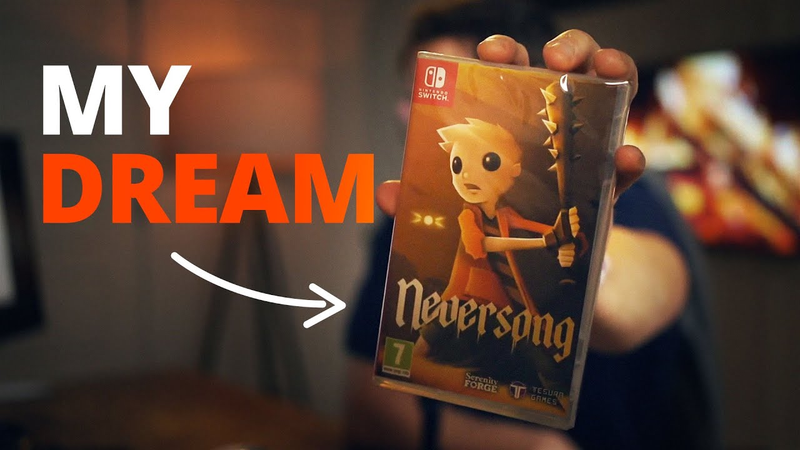
Unboxing my INDIE GAME DREAM (collector's edition!!!)
The primary purpose of this account is to document the realization of a long-term professional goal: the production of a physical collector’s edition for an indie game.
- Scaling an indie game from a digital-only release to a physical collector's edition is best achieved through strategic partnerships with specialized publishers like Serenity Forge and Tessera Games.
- Collaborating with established publishers allows developers to offload complex manufacturing and distribution logistics, enabling them to focus on core creative output.
- Maintaining high-quality, original 2D art assets throughout the development cycle is essential for producing premium physical merchandise like posters, trading cards, and pins.
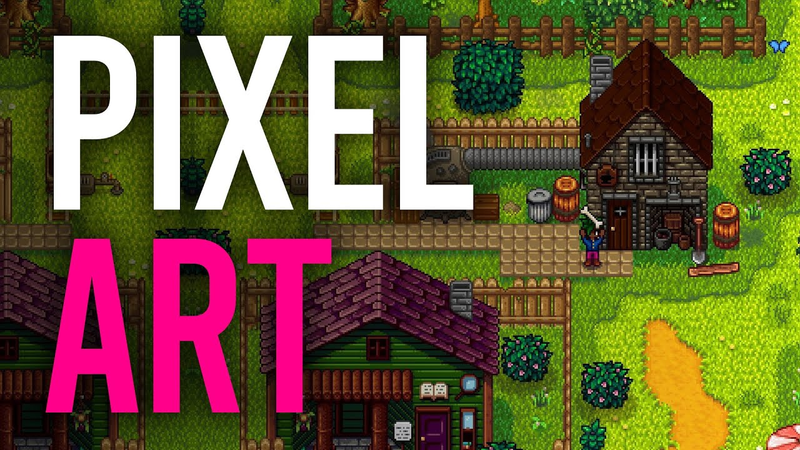
How to draw PIXEL ART GAME CHARACTERS (PS TUTORIAL)
This guide outlines a professional workflow for creating pixel art game characters using Adobe Photoshop, emphasizing technical setup and artistic principles to ensure high-quality, readable assets.
- Configure Photoshop for pixel art by setting image interpolation to 'nearest neighbor' and disabling anti-aliasing on all tools to maintain sharp, clean edges.
- Use the pencil tool exclusively instead of the brush tool to prevent unwanted softening of pixels.
- Standardize character assets within a square canvas, typically ranging from 16x16 to 32x32 pixels, to ensure consistent detail levels.

I QUIT Solo Game Dev
The transition from solo game development to team-based production is presented as a strategic necessity for long-term sustainability and professional growth.
- Transitioning from solo development to a collaborative team model is a strategic necessity to mitigate the high risk of failure and unsustainable burnout associated with the 'solo hero' mentality.
- Leveraging contract workers and pre-made assets can accelerate production timelines significantly, potentially reducing a two-year development cycle down to six months.
- Solo development is economically inefficient because the time spent learning non-core skills to a sub-professional level is more costly than outsourcing those tasks to specialists.
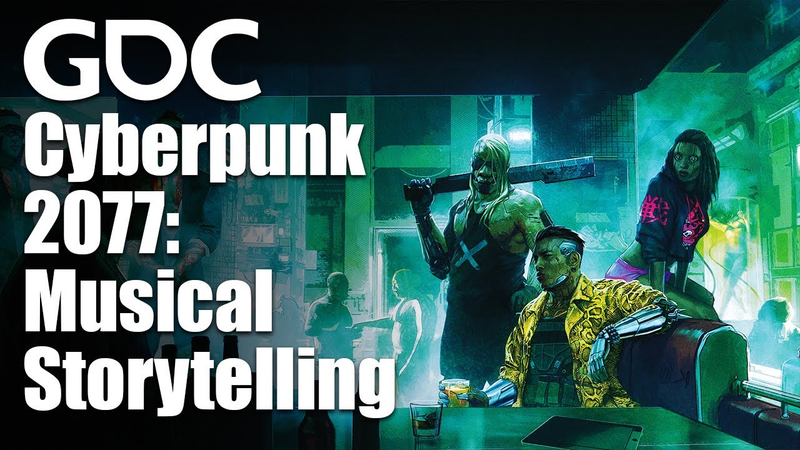
Immersing with Music: Approaches to Musical Storytelling in 'Cyberpunk 2077'
The musical architecture of Cyberpunk 2077 centers on the strategic use of bespoke, hand-placed audio assets to foster deep player immersion within a dystopian, first-person narrative.
- The development team adopted a 'hand-placed' music strategy, ensuring every piece of score, source, or diegetic music was intentionally positioned to maintain narrative control over the player's experience.
- To maintain high production quality for minor quests without excessive manual composition, the team edited existing cues and processed them through cassette tapes at half-speed with analog effects, allowing them to generate over one hour of ambient assets in a single day.
- The composers utilized short, flexible musical motifs as 'glue' to illustrate narrative arcs, ensuring themes were simple enough to be adapted across various contexts and quest lengths.
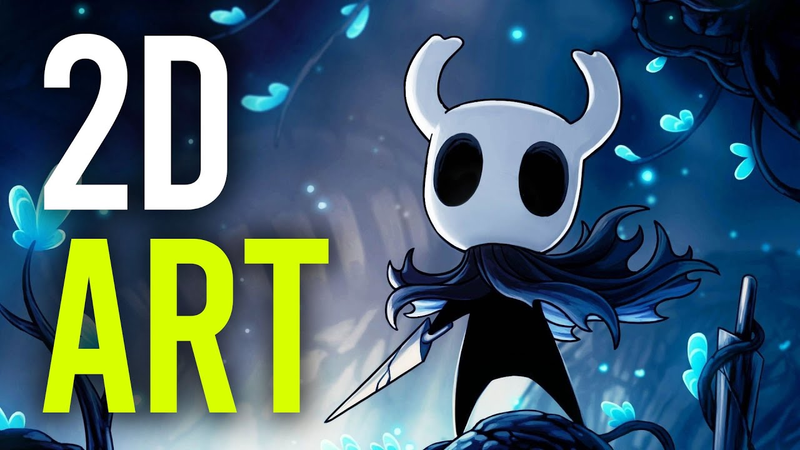
HOW TO DRAW 2D CHARACTERS IN PS (10 MINUTE TUTORIAL)
This tutorial outlines a streamlined, ten-minute workflow for creating 2D game characters in Adobe Photoshop, emphasizing accessibility for developers regardless of their prior artistic experience.
- Use a T-pose reference image as the foundation to establish accurate character proportions before beginning the construction process.
- Construct character silhouettes using basic geometric shapes like circles and rounded rectangles to prevent visual clipping during future animation cycles.
- Select character colors based on the intended game environment to ensure sufficient visual contrast and ensure the character remains distinct from the background.
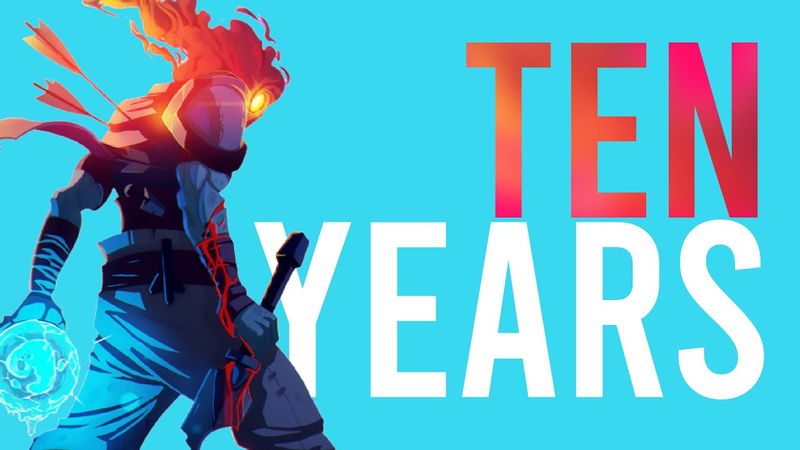
What I Learned After 10 YEARS of Game Dev
Drawing from a decade of experience in the independent game industry, this analysis outlines five core principles for achieving commercial success as a full-time developer.
- Prioritize marketability by letting marketing strategy dictate game design before production begins to ensure the project has a clear, viable audience.
- Build an audience early by cultivating a following across social media, Steam wishlists, and email lists to facilitate direct communication during product launches.
- Adopt a modular asset workflow to significantly reduce production time compared to traditional, bespoke, hand-drawn development methods.
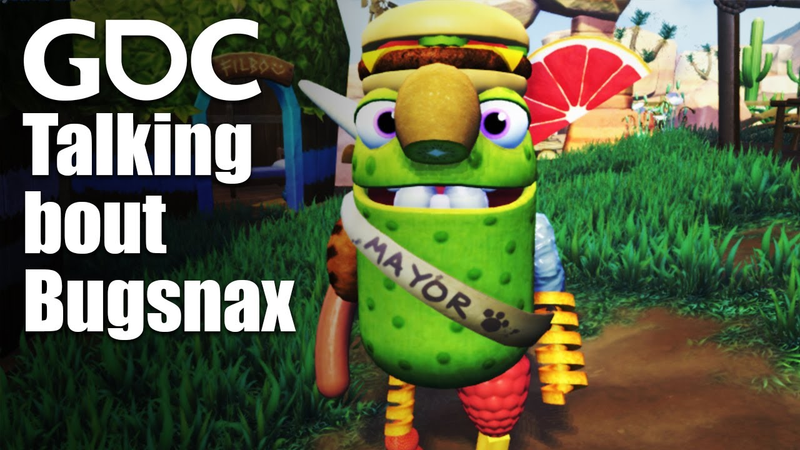
John Murphy, Kevin Zuhn and Adam Saltsman on 'Bugsnax'
The development of Bugsnax represents a deliberate pivot from a systemic, arcade-style prototype toward a character-focused narrative experience.
- The core narrative and mechanical theme of Bugsnax was built on the concept that the creatures are parasitic and harmful, despite the characters' desire to consume them.
- The development team spent the first year of production on a version of the game that was on-rails and featured a strict separation between town-based management and creature hunting, which they ultimately scrapped to allow for free-roaming exploration.
- Young Horses moved away from combat-based mechanics, instead focusing on a systemic approach where the player acts as a journalist and therapist helping Grumpuses resolve personal issues.
How Games Get Away With MASSIVE Environments
Optimizing performance in massive game environments requires effective rendering management to maintain high frame rates.
- Occlusion culling optimizes performance by preventing the engine from rendering objects that are outside the camera's field of view or obscured by geometry.
- By removing hidden meshes from the renderer, developers significantly reduce the computational load on hardware to maintain stable frame rates.
- In engines like Unity, occlusion culling is implemented by baking the scene to calculate visibility based on camera positioning and environmental barriers.
Reinforcement Learning in Action: Creating Arena Battle AI for 'Blade & Soul'
The development of professional-level artificial intelligence for the 1v1 arena battles in the MMORPG Blade & Soul demonstrates the successful application of reinforcement learning (RL) to complex, real-time fighting games.
- NCSOFT replaced traditional hand-written AI rules in 'Blade & Soul' with reinforcement learning (RL) to create pro-level agents capable of strategic, multi-stage combat sequences.
- To ensure robustness and generalization, the team implemented a 'self-play' method where agents were trained against a growing pool of diverse, previously trained sparring partners rather than a single fixed opponent.
- The AI was trained to exhibit specific fighting styles—such as aggressive or defensive—by adjusting reward signal weights, allowing the agents to prioritize either damage output or HP preservation without hard-coded logic.