PC reports and market data
Documents

My Game Dev Dream Is NOW COMPLETE
The commercialization of independent game assets serves as a vital bridge between creative legacy and the financial sustainability of future development projects.
- Independent developers can achieve financial sustainability by commercializing intellectual property from past titles, such as the Neversong soundtrack, to fund ongoing development.
- Revenue generated from physical merchandise sales, including signed vinyl records, is directly allocated to cover team salaries and operational costs for new projects like Twisted Tower.
- Diversifying income streams through physical goods mitigates the financial risks associated with relying solely on the initial launch of a single software product.
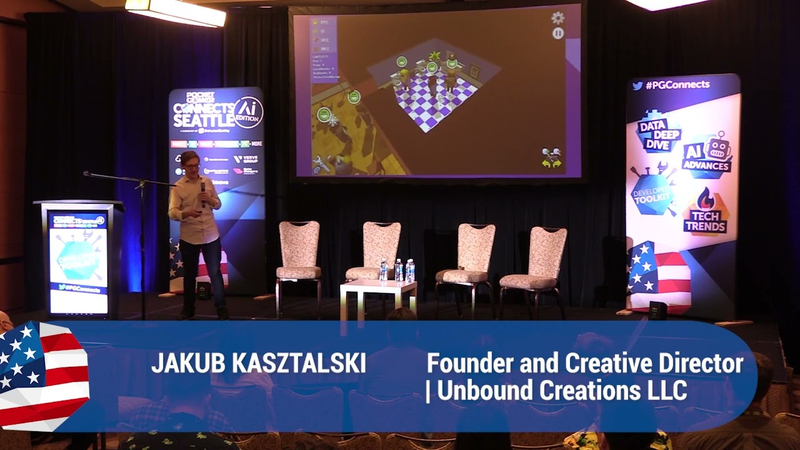
Session: Prototype Everything, Jakub Kasztalski, Unbound Creations LLC
The presentation advocates for a comprehensive approach to game development by applying prototyping techniques to every facet of a project, rather than focusing exclusively on gameplay mechanics.
- Prototyping must extend beyond gameplay mechanics to include art, sound, user interface, and marketing materials to validate the project's overall vision.
- Early prototyping of aesthetic and atmospheric elements helps identify design flaws and readability issues, preventing costly production changes later in the development cycle.
- Marketing assets such as GIFs, Steam capsules, and logos should be tested on social platforms during the prototype phase to gather data on audience engagement and refine target demographics.
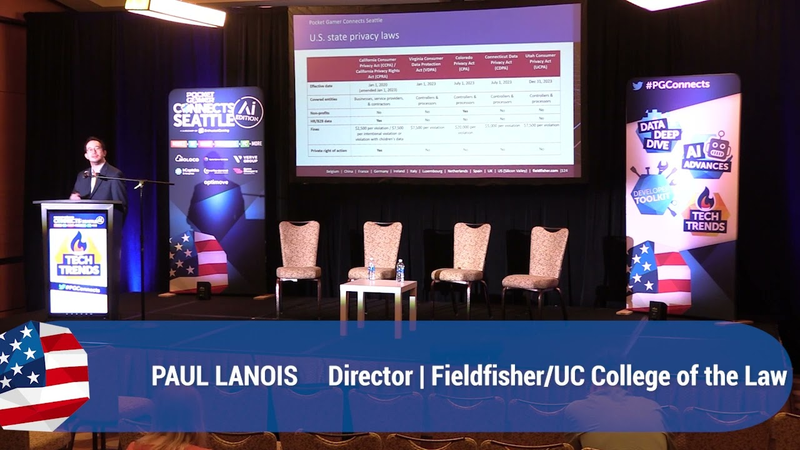
Session: Epic Fortnite Case and More, Paul Lanois, Fieldfisher
Privacy regulation has become a critical operational concern for the global gaming industry, driven by increased scrutiny from regulators regarding data collection, user consent, and design practices.
- Epic Games' $520 million settlement serves as a primary industry benchmark for the severe financial and reputational risks associated with failing to protect minors and utilizing deceptive design patterns.
- Regulators now classify generic information like IP addresses and email addresses as identifiable personal data, requiring strict adherence to privacy protocols regardless of the data's perceived anonymity.
- Under the California Consumer Privacy Act (CCPA), sharing data with third-party analytics providers is legally classified as a 'sale' of information, necessitating clear disclosure and user opt-out mechanisms.
I Played YOUR Games! (Game Feedback & $500 Prize)
This analysis evaluates four indie game submissions selected from a pool of 98 entries to provide professional feedback on design, mechanics, and market potential.
- Milo and the Elder Seed was selected as the most commercially viable project out of 98 total submissions, earning a $500 prize for its superior art direction and polish.
- Technical polish, specifically consistent texture resolution, responsive combat mechanics, and accurate collision detection, is a mandatory requirement for transitioning a prototype into a professional-grade commercial product.
- Indie developers must prioritize a clear, defined gameplay loop to move beyond a technical demonstration and achieve market success on platforms like Steam.
10 Key Quest Design Lessons from 'The Witcher 3' and 'Cyberpunk 2077'
Quest design functions as the narrative backbone of modern open-world role-playing games, requiring a highly iterative pipeline that prioritizes story as the primary driver of development.
- Quest design should function as the narrative backbone of open-world RPGs, utilizing an iterative pipeline that moves from conceptual outlines to playable block-outs to ensure quality.
- Designers should employ 'information subtraction' during investigations, withholding specific details to transform routine gameplay into mystery-driven experiences that engage player curiosity.
- Emotional resonance is best achieved by prioritizing character-driven 'gut-punch' moments and quiet, humanizing interactions over visual spectacle or redundant busy work.
Challenges of Building Successful Game Development Studios with Dino Patti & Tadej Gregorcic | 318
Building a successful game development studio requires a fundamental shift from hands-on engineering to strategic leadership.
- Founders must pivot from hands-on technical engineering to strategic leadership, focusing on company culture, capital acquisition, and team alignment.
- Studios should prioritize creative output and gameplay quality by utilizing established engines like Unity or Unreal rather than investing resources into building proprietary technology.
- Multiplayer development remains a significant barrier for small and medium-sized teams, necessitating the commoditization of network stacks to allow for earlier iteration on social features.
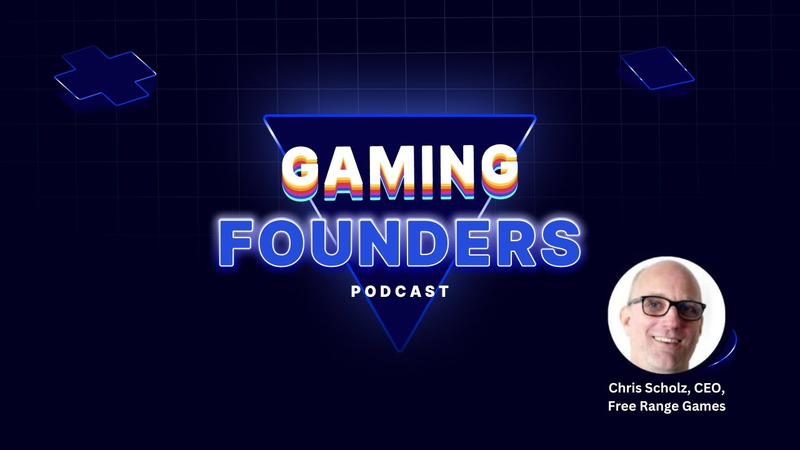
2x Founder Chris Scholz of Free Range Games and Upcoming Blockbuster: Return to Moria
The evolution of game development from the late 1990s to the present reflects a shift from experimental, high-growth environments to a more disciplined, craft-focused industry.
- Free Range Games, founded in 2009 by industry veterans, is set to release its major title, The Lord of the Rings: Return to Moria, a survival-crafting game based on the original J.R.R. Tolkien texts.
- The company maintains a workforce of approximately 100 full-time employees, with a total operational scale of roughly 150 people when including international partner groups.
- Chris Scholz advises founders to stay small and lean until they have validated their product, noting that his team operated with a core group of partners before scaling.
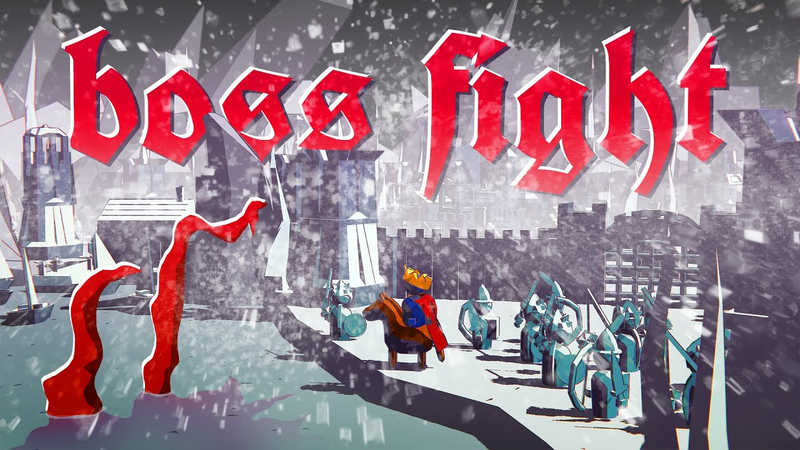
Making an Epic Boss For our Castle Builder Game (Devlog)
The development of the minimalist base defense game Thronefall focuses on expanding player agency and strategic depth through a series of iterative design updates.
- Thronefall transitioned from predefined building paths to a choice-based upgrade system, allowing players to specialize units like spearmen and archers for greater tactical depth.
- Developers replaced passive character scaling with active upgrade choices at the castle center to support diverse playstyles, ranging from aggressive to economic strategies.
- Technical adjustments were implemented to curb gameplay exploits, including the addition of spawn damage to prevent spawn camping and modified unit behavior to stop players from bypassing combat mechanics.
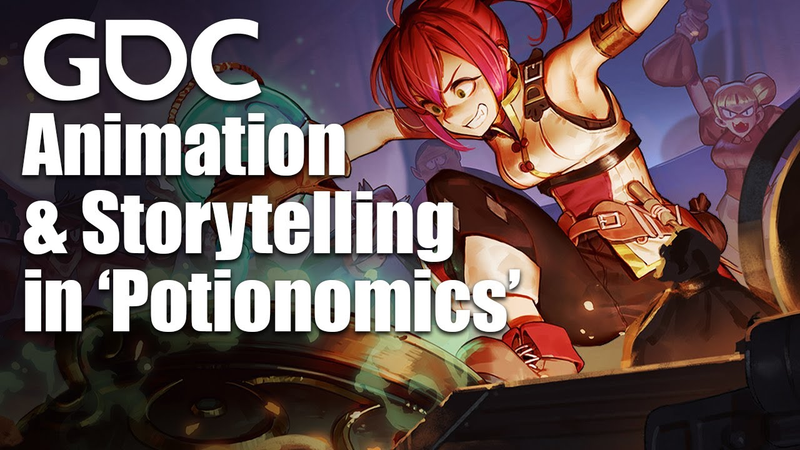
'Potionomics' Animation Show and Tell
The development of Potionomics centers on a philosophy that prioritizes emotional expression and character appeal over the rigid application of traditional animation principles.
- The Potionomics development team produced approximately 3,000 animations for the game, utilizing a workflow that prioritized character appeal and emotional expression over traditional animation principles like squash and stretch.
- To maintain visual quality while managing a high volume of assets, the team implemented a resolution hierarchy where polygon detail and joint density are concentrated in the characters' heads and hands, radiating outward to less expressive body parts.
- The team successfully subverted the traditional 'show vs. tell' design philosophy by focusing on 'showing the telling,' using character body language and emotional exchanges to drive gameplay mechanics rather than relying solely on action-based verbs.

Case Study: Creating Realistic Facial Motion for 'The Quarry'
The production of The Quarry represents a significant advancement in high-fidelity facial animation, demonstrating that cinematic-quality performance capture can be achieved at scale through machine learning and automated pipelines.
- Digital Domain processed 32 hours of facial performance capture for 15 characters in 'The Quarry,' resulting in 8,700 final shots from 4,500 initial takes.
- The pipeline achieved high automation, with only 26 out of 4,500 takes requiring manual intervention by animators.
- The team utilized 'Bullseye' software for markerless tracking, which uses a greedy-based algorithm to automatically produce 90% to 95% of tracking data per day.

How I Started Making Games with No Experience
The transition from an amateur hobbyist to a full-time independent game developer is driven primarily by the willingness to embrace creative imperfection and overcome social anxiety.
- Prioritizing consistent output over polished perfection is the primary driver for transitioning from an amateur hobbyist to a full-time independent game developer.
- Embracing 'shamelessness' by releasing unrefined work allows developers to bypass the paralysis of self-doubt and gain the practical experience necessary for long-term career sustainability.
- Early, low-quality projects serve as the essential foundation for building technical proficiency in coding, animation, music production, and storytelling.

How DLC boosts engagement for PC and console games
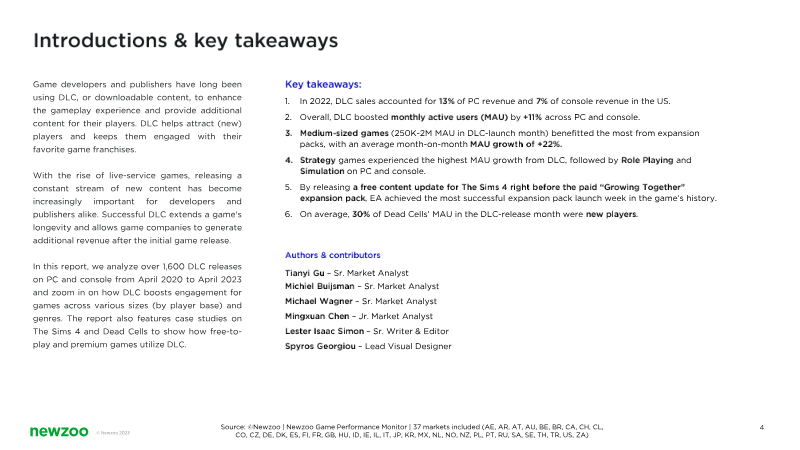
Downloadable content (DLC) serves as a critical driver for player engagement and long-term monetization in the PC and console gaming sectors.
- DLC releases drive an average 11% increase in monthly active users (MAU), with medium-sized games (250,000 to 2 million MAU) seeing the highest impact at 22% growth.
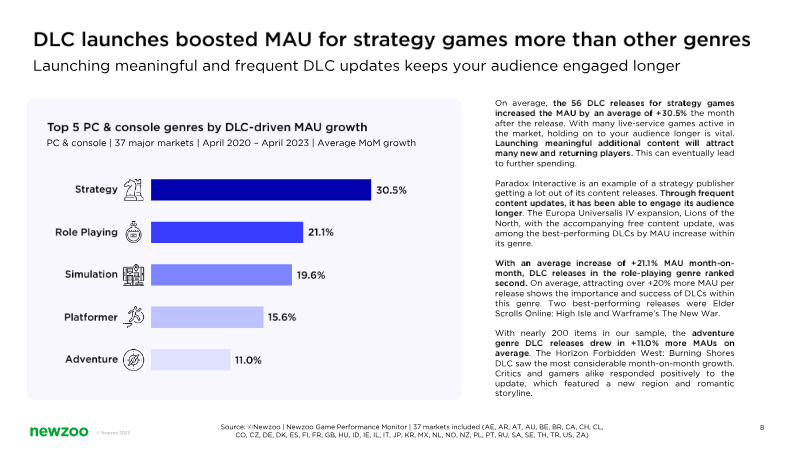
- Strategy games benefit most from the DLC model, recording a 30.5% average increase in MAU, followed by role-playing and adventure titles.
- DLC is a significant revenue driver, accounting for 13% of PC revenue and 7% of console revenue in the U.S. during 2022.