1 free read left. Create a free account for unlimited reading + AI research.
Create free account
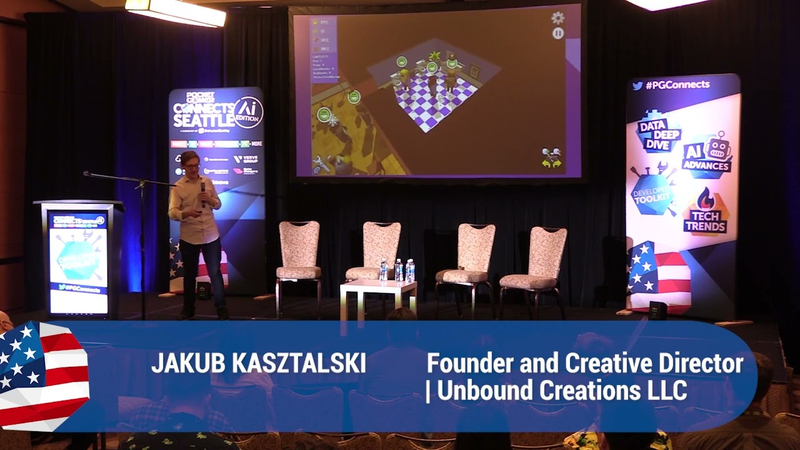
Session: Prototype Everything, Jakub Kasztalski, Unbound Creations LLC
Key insights
6 takeaways- 01This holistic approach, utilized by Unbound Creations across five commercial titles, shifts game development from a process based on internal assumptions to a data-driven endeavor.
- 02The development process should utilize a 'keep it simple' philosophy, using readily available assets to create 'good enough' representations of the final product.
- 03Prototyping must extend beyond gameplay mechanics to include art, sound, user interface, and marketing materials to validate the project's overall vision.
- 04Early prototyping of aesthetic and atmospheric elements helps identify design flaws and readability issues, preventing costly production changes later in the development cycle.
- 05Marketing assets such as GIFs, Steam capsules, and logos should be tested on social platforms during the prototype phase to gather data on audience engagement and refine target demographics.
- 06External testing is essential to observe actual player behavior, allowing developers to pivot or abandon unviable concepts before committing significant resources.
Ask AI about this video
Transcript
[Music] thank you [Music] I will not say the surname of our next speaker because I know I will butcher that to Beyond everything like you can see on the program but I want to welcome Jacob from Unbound Creations talking about prototype everything so leave a warm welcome and you have to teach me how to say your name properly and I'm the founder and creative director at Unbound Creations we've released five commercial titles on all the platforms the consoles PC we've been a number of shows we've won several
Awards um and in this talk I kind of want to go through the process of prototyping that I go in my studio and hopefully give you some ideas how to prototype better and how to prototype the things that a lot of people normally don't think about prototyping so let's jump into the first question what is a prototype um I think a lot of us have a whole stack of poorly named Unity projects that we kind of like work on having an abandon uh so what really is the Prototype it's kind of like a miniature version of your game and uh why why do we have a prototype it's uh to test your core idea maybe to answer some unknown question like is this fun does this work um and this is it can also be used to refine your idea so it's kind of an iterative process um I don't think like prototype something that you like get out there and you're done it's something that I think I go back through several several iterations but the title of the stock is called prototype everything so what does everything mean usually when we talk
about prototypes we think oh gameplay but that's I think where we're making a mistake I think we should be looking at everything art camera player movement heads up display sound music your logo even your gifts your marketability your target audience uh your genre Market position everything should be prototyped uh when you're working on your game um so let's let's kind of dig into like the creation of the Prototype uh it starts with an idea you know I think you ask a hundred devs how they come up with an idea and you'll get 100 different answers uh and different games focus on different things you know there's some are more broad fun some are about humor some about challenge puzzle uh you know uh some are more about like some cool technical thing uh some challenge players viewpoints so a lot of games that I've worked on are kind of social commentary they try to make people question their own biases or maybe there's something else uh so to give you two examples uh Untitled to this game is a game which at the core is about humor so a prototype for this kind of a game would be probably just a small area
where like maybe you can grab some items or maybe you can interact with an NPC or two and can just see like is this funny is am I making players laugh Celeste on the other hand could a program for Celeste could be something as simple as just a single screen that tests like you know the platforming mechanics maybe a challenge or two just are do they feel tied do they feel Snappy uh it can start as little as that um and I'm a big proponent of you know keeping it simple as stupid k-i-s-s uh just kind of think about like what is that you actually need in your prototype um do you even need like a puzzle menu do you need a main menu like if you know do you need like 100 different variations of enemies is it just one enough um which kind of bring us to like the main thing that everybody always talks and every single products are being taught which is the gameplay which I am actually not gonna get into because there's already like a million talks just go to the GDC Channel Google like how to prototype and you're gonna find amazing resources about finding the fun finding the Flow State you know the Zone uh and I want to get on the other stuff
because as I said the topic of the stock is perfect like everything so I want to talk about everything else that's usually not talked about um so let me start with prototyping the art and sound of your game which is something that I think especially a lot of new and coming Indie devs completely forget forget about so here's a screenshot from an actual product for one of my games can you guys tell what the hell is going on here uh yeah probably not you probably have to spend like a minute just reading everything looking at those percentages it's terrible but if I showed you this this is actually the same exact game but after I kind of reworked the art immediately kind of like okay it's kind of like a cozy vibe to it it's like smiling face above people so it's probably managing their happiness levels there's is like some menu on the left that has like some different metrics it's probably like a management Sim so again compared to this versus this you completely get a different impression even before you start playing it uh and that's kind of the most uh important aspect of art is it creates a certain game feel and it creates player expectations even before the player starts playing the game to give you two
other great examples shot of Colossus is a game where you're climbing those mythical beasts and trying to kill them and this game would not be the same without this like dark somber atmosphere without towering behemoths behemoths that's uh another example Yoshi's woolly World which is like a cutesy uh crafty world where you're Yoshi and a lot of the design the visual design inspires gameplay so I think you can like unwind people or like unspool things because they're made of yarn and the gameplay inspires the art and the art inspires gameplay so if you just prototype one thing you'd be missing on a half of the experience same with music I'm sure that a lot of you guys are seeing this picture and you're immediately hearing the tune you already are in that mood you already in the zone um so art is important for creating a player expectation uh like teaching the player what kind of a game to expect and how it's going to feel um and if you're already prototyping all the gameplay and putting all this effort into making this thing why wouldn't you
also play around with the art why wouldn't you play around with music all those other aspects you're already putting all the effort um and the art style isn't just about the expectation it's also impacts gameplay directly it impacts readability so you know it's you know are things contrasting nicely are they immediately understandable are icons do they make sense they commit gameplay and player expectations in terms of gameplay so for instance you know we have an enemy attack and he makes a sound like yeah you know he's charging you know he's getting ready um it communicates UI usage you know especially like resource management or strategy games you you know big focus is making the eye clear again what is going on here versus this it's a much more readable and much more usable immediately without even you know knowing what game is fully about um another important point is that art also communicates uh your vision and that's something that in my process I usually work with a prototype I iterate over it and then I like to you know find people find artists uh find other collaborators
to make the vision better uh and having a solid prototype that looks and sounds kind of like what you wanted to do what kind of looks and sounds like how you want it to do is makes it a lot easier to communicate your vision to other team members so here's a screenshot from the Prototype of my very first game from almost nine years ago now and here's what it looked like at the end after it got like art passed and everything so even though everything has been redone kind of the color scheme the general Vibe it kind of carries through and it was just so much easier to give this to my artist and be like hey listen I want something in this kind of vibe and style but just make it better and it definitely cuts down on on the iteration time when you have something to show and don't worry about being perfect you know it's again it gives game development is a iterative process you're probably going to revise the scene over and over I just have some kind of a vision some general direction you know it's a mediocre vision is better than no vision at all and if you
find out that your vision was bad that's a good thing because it's better to find that out that hey my art style doesn't work for the style of a game maybe it's too cartoony it's better to find it out early than when you're a year into production and you realize you have to redo a year worth of um all your art assets um a common uh like excuse I hear from uh a lot a lot of especially new in ddfs like I don't have the time I don't have the money I'm not an artist I don't know I'm just gonna use cubes and steers well you're in luck it's never been easier to find Quality Art either for free or cheaply um unity and unreal asset Stars just have like so many resources you can just look for um and you know you don't have to again be precise you know good enough is good enough just something that's kind of vaguely around what you're aiming for your vision like maybe you want it to be low poly tones of low poly assets maybe you want to style these slightly stylized tons of assets like that um the one order of question though is I would say like always look for like production ready assets just because you never know what placeholder will end up being in the final game
um there's also a ton of other resources beside Unity asset store that you can look for um and if anybody wants slides so we can check it out later I'll publish those um and uh again just always check licenses make sure you're not stealing someone's work always give credit always set your sources I always keep like a list of like basically all the links to everything I'm using so that I basically just jump into my credits at the end of the game if I don't replace it um which kind of uh now jumps into the second point is if you're already prototyping your game if you're already gameplay if you're already protecting your art and music you can already start protecting your marketing um because it's probably the biggest challenge for a lot of Indie devs uh these days um I saw this amazing statistic that 75 of all game studies only ever release one game which means they just don't hit the you know the the mark on being profitable enough to keep going um and you know just you can see the numbers just dwindle further down as you go uh and when my hot take after having
published five commercial games and working on several others is that there is you shouldn't be asking is this good or a bad idea what you should be asking is how big is your target audience and how easily can you reach them because I promise you no matter how terrible your game is there's going to be one person in the world who's going to absolutely love it but the question is can you reach them and are they enough for you to make yourself financially sustainable um so when you're already working on the game making it a prototype you can already start throwing out gifs images out there uh and I'm actually working in two prototypes right now and one of them consistently gets three times as much engagement on any platform that I put which already educates me that hey this is probably the more commercially viable project of the two so that's the one I'm going to invest more in um you know you can find your audience when you're already throwing out information like is my audience on Reddit or an imager are they on tick tock on Tumblr you know you can start figuring that out you can start experimenting with different gifs and screenshots to figure out like is your idea even more marketable maybe
it's really cool to you but maybe you're fine that other people don't like it as much you know um what is it about that is even marketable is it like the visual this the beautiful Vistas is it a cute character is it like Fast action you know what is it how do you Market this game um who is it marketable towards so again like who's your audience is it kids is it parents is it Millennials or gen z uh and it can also help you find your million dollar gift which is you know the thing that like just captures your whole gameplay in like a five second Loop that just has the potential to go viral um if you want you can have been like play around with like spending money on ads uh that's something I've done I've a b tested like even like game logos uh uh I'm gonna skip a little bit I I've tested like different steam capsules early on just you know like see which one gets more engagement it was just even slight variations since you know it's eventually when you launch your steam page or you're in the pay like a Nintendo switch page whatever you're gonna need all that art so you already prove that typing everything else so might as well start protecting that
prototyping that early you can start figuring out what kind of influencers are going to be wanting to play your game you can start researching you know similar genres some similar Vibes like if you're making a cozy game and you have a cozy art style you can search for uh influencers who are working on similar cozy games so again because you're protecting every element of your game you can already start researching that because you just don't have cubes and spheres you have something more viable that you can kind of test against other games and find who likes those games um yeah and you can apply that mindset to everything your logo your menus your t-shirts when you're going to conferences just start with testing everything and just keep that mindset open of I'm just prototyping every single aspect of this game of my studio of my business um and kind of wrapping things up now so okay you're doing this thing you're programming all the elements but when is it done like how do you know when when it's time to like move on uh and for me it's simply asking myself whenever it's
enough to show it to someone and they can play it without me having to explain anything because that's how it's going to be once the actual game is released um so the next big step is uh showing it to people I I like to kind of rope in my friends initially like people are close to me like hey can I show you this and check it out and that's a great way to kind of like iron out the very low hanging fruit so maybe your tutorial explanation is bad maybe the game is not self-explanatory enough uh and that's a great way to like figure that out like even if you're not ready for product is already be shown to people you can use your basically friends to be like does it even make sense do they know how this plays uh maybe like something isn't smooth maybe like you're not giving them enough guidance to know where to go um you know always take things from your friends with a grain of salt because you know they're friends so they're going to be too nice but it kind of can help you figure out whether your prototype is ready to be shown to other people um and when you're doing that always watch their reactions like little small things like if they're tilt their head
you know they're being confused if they're stuck on a specific section um and this is you know this is really the moment because you've welcomed this prototype you're kind of stuck in your talent tunnel vision so everything makes sense to you everything feels fun to you but until you see someone else play it you're not gonna know if the provab actually works so this is kind of like a very necessary step of prototyping you know don't fall in the fallacy of just sharing internally in your team always show it to other people um and once you kind of go for those interpersonal sessions you can make it more broadly recruit people from your Discord maybe on Twitter maybe put an hio uh and you know you can get results by just preparing a simple like survey like Google Google Google's not survey but like Google has like Google forms yeah you can use that or you can even build it straight into the Prototype so what I did initially when I was working on one of my games after every level I would just have a very quick in-game survey that would just ask them to like rate it on like uh
three point five point scale on like these three questions and like there was an extra text field so it was just right there built into the Prototype so I can get remote data easily um and kind of final question let's say you've done all that and people just it's just not working people aren't enjoying it so what if your product is just bad you know uh sometimes the truth is you just have to let go um I kind of make a joke earlier about having all those Unity projects that you've abandoned and I think I've gone for like 10 and it just passed here alone um but sometimes it's worth asking like oh is the idea bad or is the implementation bad uh maybe I'm just gonna figure out how to make it work and that's kind of tricky and sometimes it's a little bit of a gamble knowing knowing that and again I feel like doing those in person prototype sessions can be very informative um and to that I wanted to give a little bit of example of a little prototype that could um so my latest release is called the game Rainier parade which is a game where you play this cute cloud and you ruin Everybody's Day in a variety of
like silly levels and environments uh the game released two years ago on uh steam it was a day one on Game Pass it released a Nintendo switch and has received pretty great reviews and we just very recently in the past month just hit like overwhelmingly positive on Steam so by all accounts it was a great success but it didn't always look like this in fact when I first was prototyping it it looked like this uh as you can see it's kind of a world of difference and when I first announced it it did not meet any of my expectations I kind of had like a few metrics uh you know kind of what I wanted when I announced it like um engagement on Twitter like press response influencer response and it just felt short on all of that so by by all my metrics like this was this is not going to be a successful project um but I kind of felt just having exhibited having shown it to people that they did the idea was there so I kind of gambled on the fact that like okay this kind of uh early prep type I think it works it just I just haven't figured
it's not a bad idea I just haven't nailed it yet and I kind of went for that uh like a creative process and one thing that I realized like this is the art style is just just didn't cut it it just looked too much like a like you know flat shaded boxy asset flip too much like a like a cheap mobile game so I went for the iterative process because again and I was already like prototyping the art style and you can now see the like the four different stages the different art style that experimented until I finally arrived at kind of like that cozy uh like crafty style similar track Yoshi's woolly world or Paper Mario that finally kind of like started giving getting the games attention that I think it deserved um and then another big element that happened when I was showing that was the first time I ever showed the game publicly at an exponent dreamhack and I've noticed that wait a minute I have a lot of kids coming in and playing the game and then they come back and they bring their other kid friends and they come back with their parents and their parents are laughing at the jokes the kids are enjoying the ma'am of the game and I realized wait a minute am
I am I making kids game I think I'm making a kids game uh so I kind of pivoted more from the original like more adult design to just being more accessible and kind of a game that you know older Millennials can enjoy all the jokes and references younger kids can enjoy like the colorful Mayhem um and again because I was I didn't just have like cubes and blocks but because I had art style because I had music because it was something that I could just show to people uh like at an event it helped it it gave me that opportunity to find my audience to discover that what I'm really making was slightly different than I thought of what I was making and that led to the eventual success um so I don't know if we have any question time eat them all right uh well I'll just skip to the end then uh I have all my information if you guys have any questions or you want the slides you know just follow me um like reach out to me I always love connecting weather developers and on that note thank you for helping me prototype this talk
thank you Jacob I'm really sorry about the questions Jacob [Music] [Applause] [Music]
Summary
The presentation advocates for a comprehensive approach to game development by applying prototyping techniques to every facet of a project, rather than focusing exclusively on gameplay mechanics. By treating art, sound, user interface, marketing materials, and target audience identification as essential components of the prototyping phase, developers can validate their vision, reduce long-term production risks, and ensure market viability before committing to full-scale development.
The core thesis emphasizes that prototyping serves as a tool for iterative refinement and risk mitigation. By creating miniature, playable versions of a game that incorporate aesthetic and atmospheric elements, developers can establish player expectations and test readability early. This process allows for the early identification of design flaws, such as ineffective art styles or confusing UI, which are significantly more costly to rectify later in the production cycle. Furthermore, the speaker argues that marketing should be prototyped alongside development. By testing assets like GIFs, steam capsules, and logos on social platforms, developers can gather data on audience engagement, refine their target demographic, and identify the most marketable aspects of their game.
The methodology relies on the speaker’s experience as a founder of Unbound Creations, having released five commercial titles across multiple platforms. The approach advocates for a "keep it simple" philosophy, utilizing readily available assets to create "good enough" representations of a final vision. The process culminates in external testing, where observing player behavior—such as confusion or engagement levels—provides critical feedback. Ultimately, this holistic prototyping strategy transforms the development process from a series of internal assumptions into a data-driven endeavor, allowing creators to pivot effectively or abandon unviable concepts before significant resources are wasted.





















Comments