PC reports and market data
Documents
Want To Make Your First Game? Watch THIS
The primary thesis of this discussion is that sustained productivity in game development is not a product of inherent discipline, but rather the result of identifying and leveraging powerful underlying motivations.
- Long-term game development requires a core 'why' to sustain momentum through the inevitable 'desert' phases of production where motivation wanes.
- Negative motivation—such as fear, survival pressure, or the need to escape a constrained situation—is often a more powerful initial driver for productivity than positive goals.
- Discipline is not an innate trait but a byproduct of visualization; developers who have previously experienced the success of a launch or positive player feedback are better equipped to power through boring development cycles.
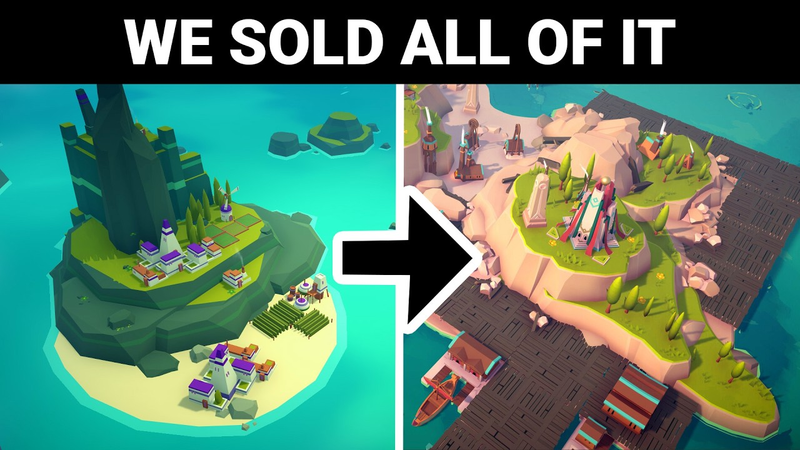
They Paid Us To Upgrade Our Indie Game
The sale of intellectual property (IP) by independent developers can serve as a viable strategy for both exiting a project and ensuring its continued development.
- Selling an indie game IP can be a viable exit strategy when the original developers no longer wish to maintain the project, as demonstrated by the sale of 'Islanders' to the porting studio Coatsync.
- The sale price for the 'Islanders' IP was approximately 1 to 2 times the total revenue the game had generated in the year following its initial release.
- Selling an IP can provide significant relief from the long-term stress of maintenance, porting, and community management, which the author notes can be exhausting and prone to contractual failures.
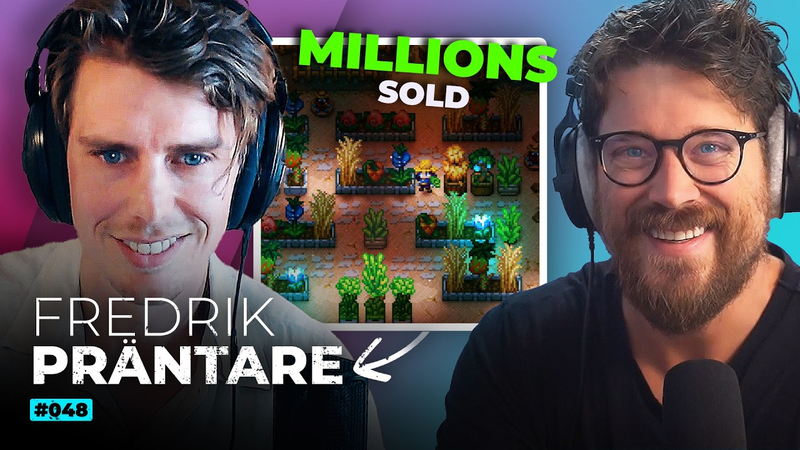
Fredrik Präntare: How He Sold Millions Of Copies, Solo Dev vs. Team, 3 Years On 1 Game | Ep. #048
The commercial success of the sandbox title Core Keeper, which has surpassed four million copies sold, serves as a case study for the transition from solo development to large-scale studio management.
- Core Keeper has achieved significant commercial success with over four million copies sold, validating a development strategy that scales from a solo creator to a 40-person remote team.
- The studio maintains a flat organizational structure and recruits talent through long-term academic and online networks rather than traditional industry hiring pipelines.
- Publisher partnerships were leveraged to fund team salaries, allowing the studio to maintain lean operations during the critical early phases of development.
Evolving Worlds from Chaos: The Art-Led Approach of 'Darkest Dungeon 2's' Procedural Generation
The development of Darkest Dungeon 2 centers on a deliberate shift toward an art-led procedural generation system, prioritizing the game’s distinct, painterly aesthetic over traditional, programmer-centric automation.
- Red Hook Studios shifted from a programmer-led procedural generation system to an art-led approach for Darkest Dungeon 2 to ensure the game’s distinct, painterly 3D aesthetic remained consistent across generated environments.
- The team abandoned an initial 'sequential plate' system because it created an unsustainable workload for the art team and failed to support the desired game design direction.
- The final solution utilized a grid-based system where environment artists defined a minimal set of road tiles, allowing Unity to generate complex, seamless biomes without requiring constant developer intervention.

Let's Review Your Games — Ep. 016
Independent game development requires a precise balance between innovative core mechanics and cohesive aesthetic presentation.
- Long-term success depends on the rigorous application of technical stability, intuitive UI, and a unified artistic direction that clearly communicates the game's intent.
- Marketing assets, particularly cover art, must accurately reflect the tone of the gameplay to avoid alienating the target audience.
- Technical issues such as frame hitching and poor UI feedback can undermine innovative core mechanics, creating avoidable friction that disrupts player immersion.

US consumers are planning to cut back on buying video games
Economic instability in the United States, characterized by rising costs for essential goods such as food, utilities, and insurance, has significantly dampened consumer sentiment to levels not seen since mid-2022.
- The US video game market growth forecast has been revised from a projected 4.3% increase to a 4.7% decline due to economic instability and rising costs for essential goods.
- Approximately 30% of US consumers intend to reduce their spending on entertainment and gaming as financial pressure reaches levels not seen since mid-2022.
- Consumer engagement is shifting toward high-value, low-friction platforms like Fortnite and subscription services, which allow users to maximize utility while minimizing discretionary spending.
How To Make EVERYTHING For Your Games (COMPLETELY ALONE)
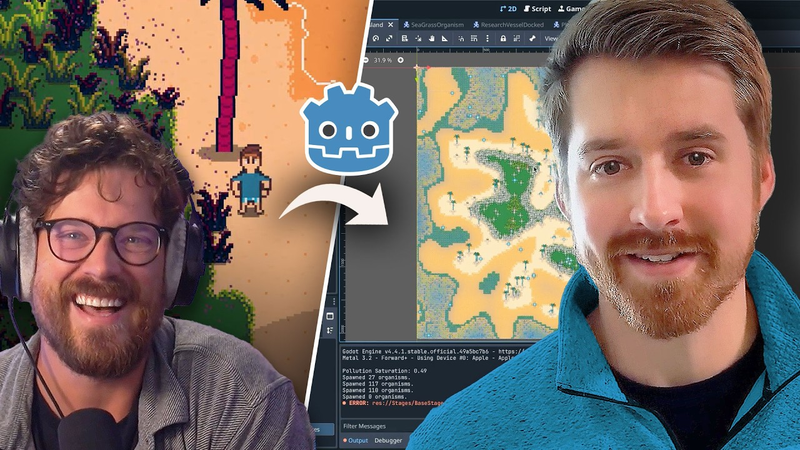
This discussion provides a technical overview of solo game development, focusing on the practical application of the Godot engine and the artistic discipline required for pixel-art projects.
- Successful solo game development relies on modular scene-based architecture and intentional design choices rather than reliance on complex external tools.
- Godot’s scene tree hierarchy enables efficient management of complex object interactions, such as dynamic player positioning relative to environmental sprites, through runtime node reparenting.
- Maintaining professional-grade pixel art requires strict adherence to a defined viewport and canvas scale to ensure consistent pixel sizing across all assets.
Video Games in Romania: Profiling and Segmenting Video Game Users in 2025
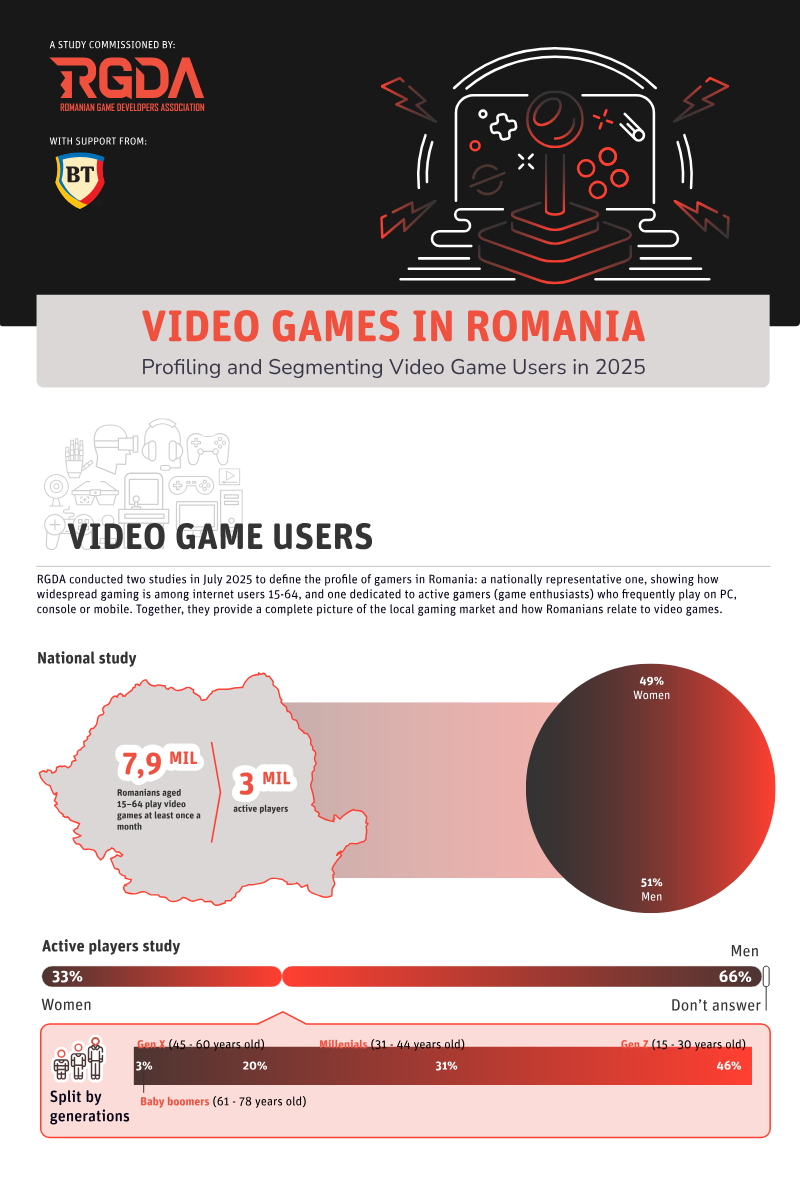
The 2025 landscape of video gaming in Romania reveals a highly active and diverse user base, with 7.9 million Romanians aged 15–64 playing video games at least once a month.
- Romania has 7.9 million gamers aged 15–64, representing 68% of the internet-using population with an average player age of 36.
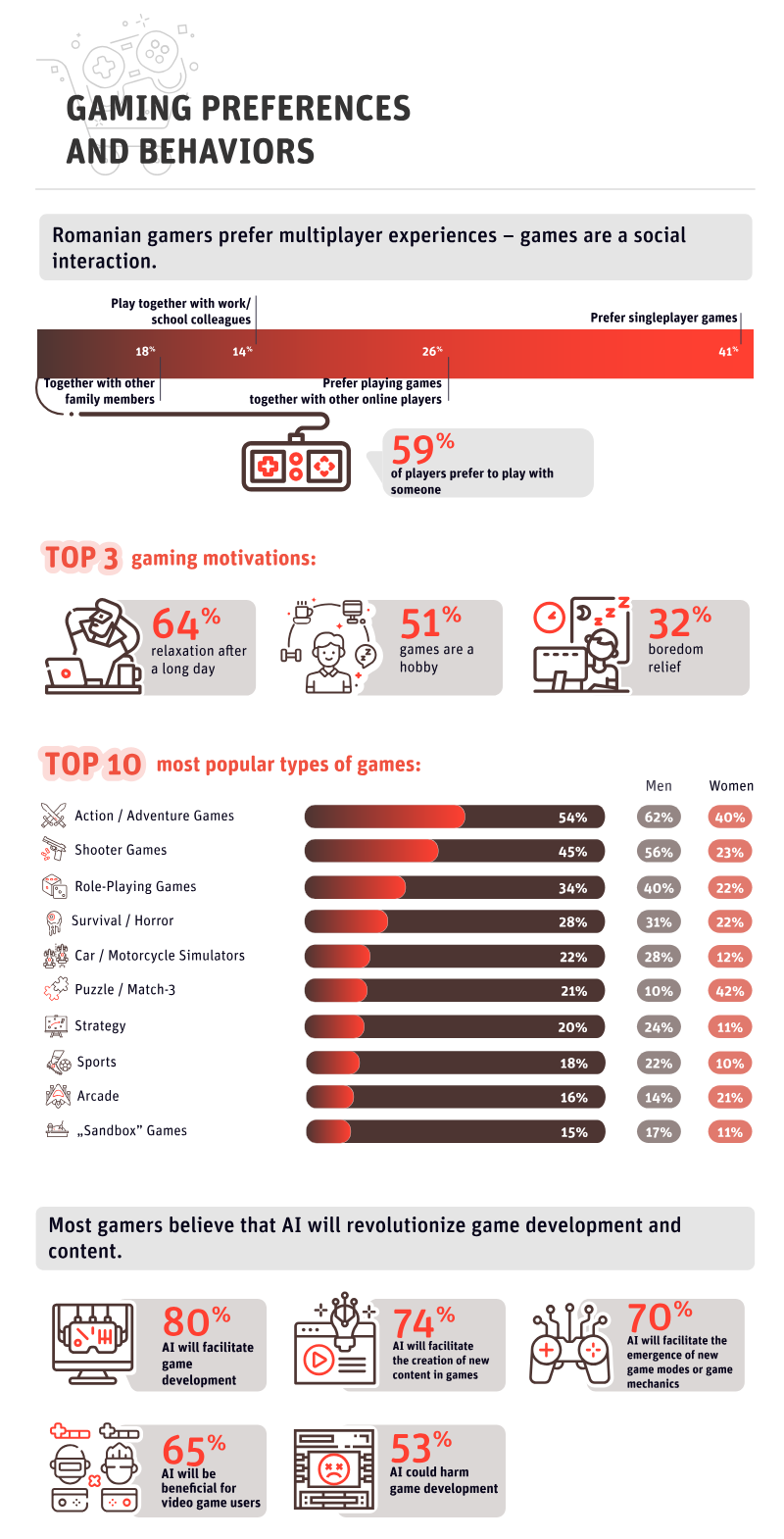
- Gaming is primarily driven by social interaction and relaxation, with 59% of players preferring multiplayer environments and 64% citing relaxation as their main motivation.
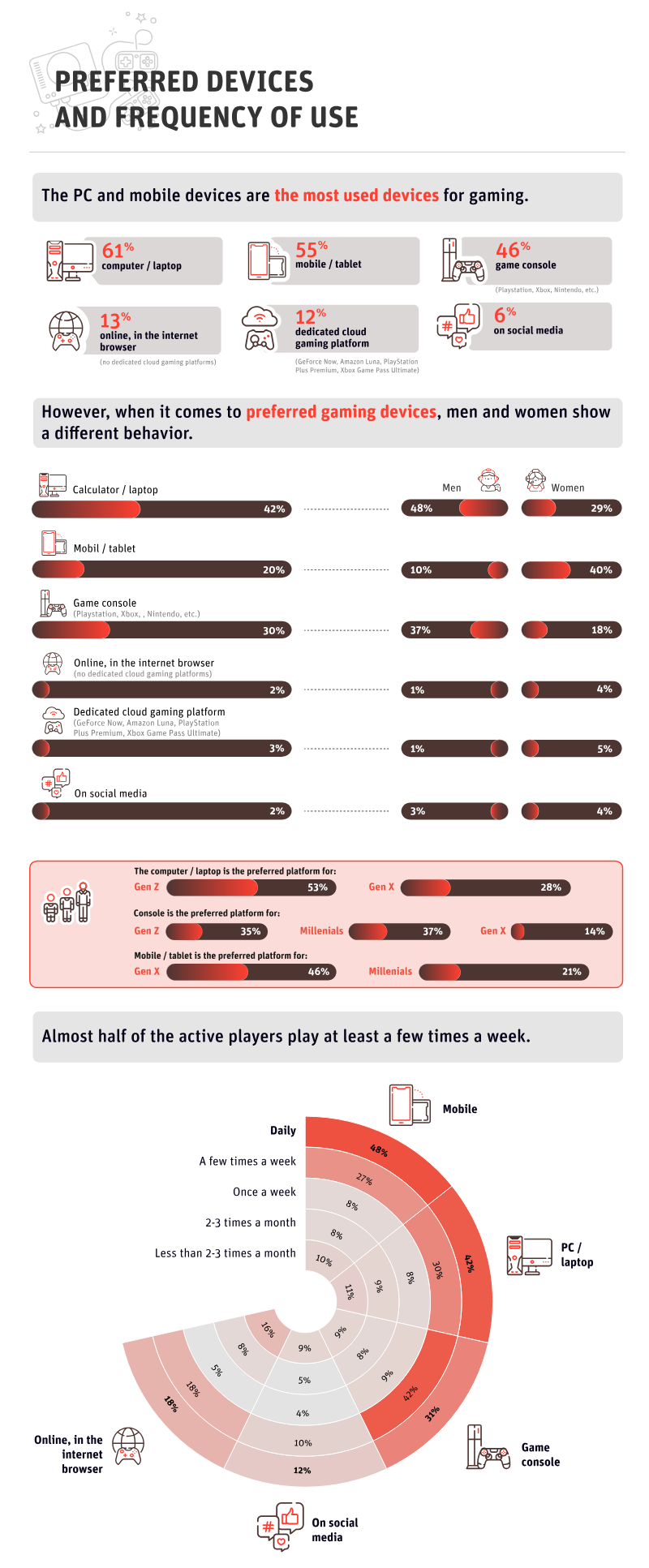
- Digital distribution is the primary acquisition channel for 61% of players, though 33% avoid paid content due to high pricing.
The State of PC Game Distribution
The study aims to map the contemporary PC game distribution ecosystem and evaluate whether Steam functions as a de-facto monopoly, while outlining alternative channels, associated risks, and growth opportunities for developers and publishers.
- Steam maintains a dominant market position, generating $10.8 billion in 2024 revenue with concurrent users increasing from 25.4 million in 2021 to 40.5 million by September 2025.
- Developer reliance on Steam is extreme, with 88% of studios deriving over 75% of their revenue from the platform and 37% relying on it for more than 90%.
- Despite 72% of developers labeling Steam a monopoly, diversification is underway, with 48% of studios utilizing the Epic Games Store and the Xbox PC store for distribution.
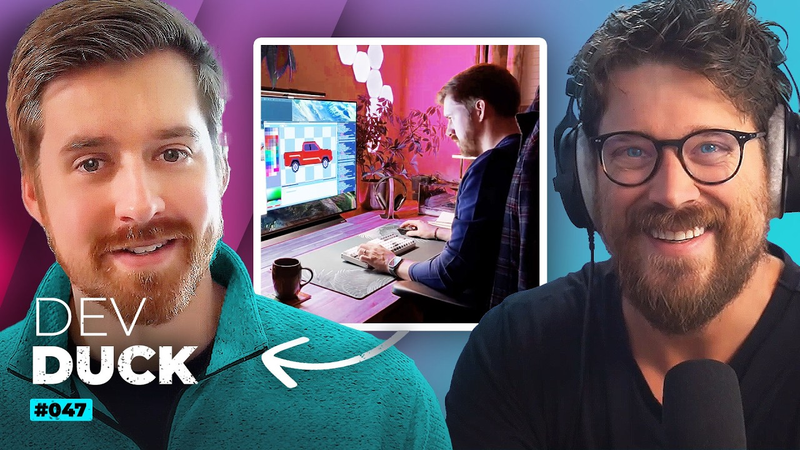
DevDuck: Switching To Godot, Making Games Alone, 5 Years On 1 Game, Staying Motivated | Ep. #047
Solo game development requires a delicate balance between creative ambition and the practical constraints of a professional career.
- Solo developers can mitigate scope creep and prolonged production cycles by adopting a disciplined, iterative workflow rather than pursuing total creative control.
- The transition from Unity to Godot reflects a strategic shift toward lightweight, node-based architectures that offer more intuitive management of 2D depth and procedural generation.
- Custom editor tools allow developers to combine procedural efficiency with manual curation, ensuring that generated game environments retain a handcrafted, intentional quality.
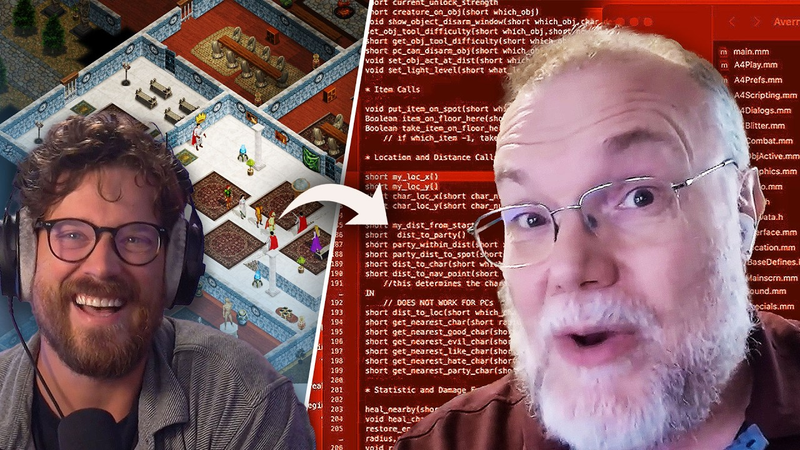
What A Custom Game Engine (NOT UNITY) Looks Like Behind The Curtain (w/ Jeff Vogel)
Maintaining a bespoke, 30-year-old game engine written in simple C++ offers a viable alternative to industry-standard tools like Unity.
- Maintaining a custom C++ engine with a compact codebase of 50,000 to 70,000 lines provides a viable, efficient alternative to complex industry-standard tools like Unity.
- Bespoke engines can bypass the need for extensive external documentation or software by utilizing manual scripting and global variables for data management.
- A grid-based coordinate system and script-driven object management allow solo developers to efficiently build and iterate on isometric, open-world environments.
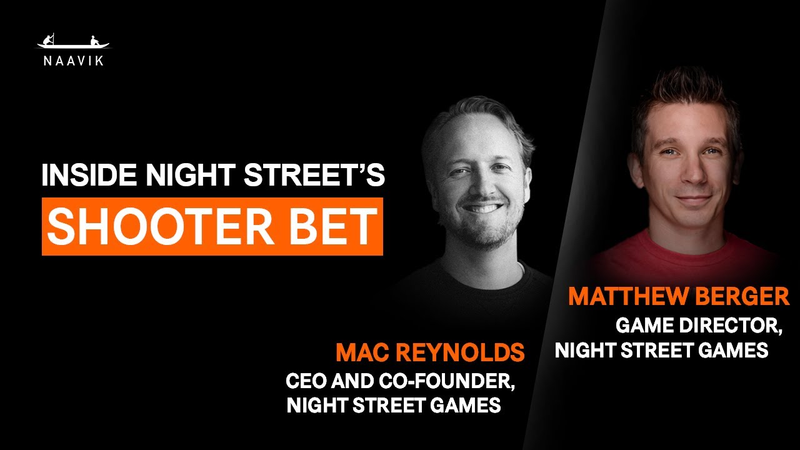
From Imagine Dragons Fame To Night Street’s Shooter: Last Flag
Night Street Games is carving a distinct niche within the competitive 5v5 hero shooter market through the development of its flagship title, Last Flag.
- Night Street Games has scaled from a small prototype team to a 50-person studio by fully integrating their outsourced partners into the core company structure to maintain cultural and creative alignment.
- The studio differentiates its 5v5 hero shooter, Last Flag, by prioritizing a capture-the-flag core loop over traditional shooter mechanics and embedding music into the gameplay to drive immersion.
- To compete in the oversaturated PC shooter market, the studio follows a strategy of avoiding direct competition with established titles like Overwatch, instead focusing on unique mechanics that appeal to a specific core player segment.