PC reports and market data
Documents
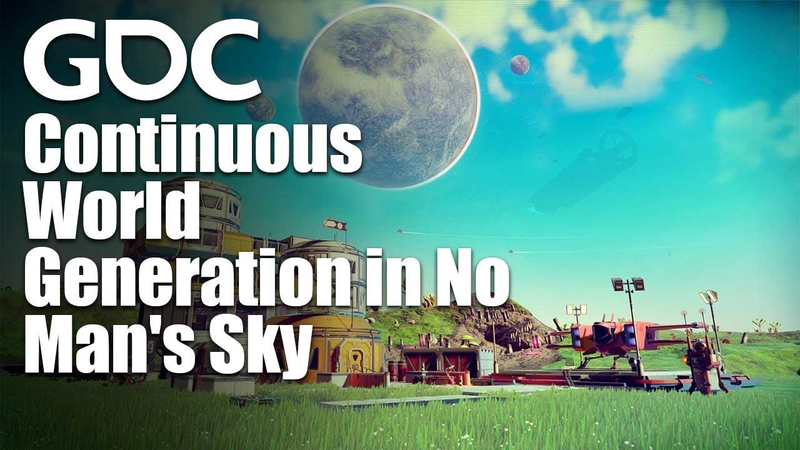
Continuous World Generation in No Man's Sky
No Man’s Sky achieves a seamless, galaxy-wide exploration experience through a custom C++ engine designed to handle real-time, procedural world generation.
- No Man’s Sky utilizes a custom C++ engine that balances procedural generation with artistic control by prioritizing developer-facing tools over purely autonomous algorithms.
- The engine simulates terrain on a sphere using an octree structure projected onto a cube, which eliminates flat-plane wrapping artifacts and manages complex gravity and coordinate systems.
- To optimize performance and memory, the system employs dynamic levels of detail and a multi-threaded job system that offloads generation tasks across diverse hardware.
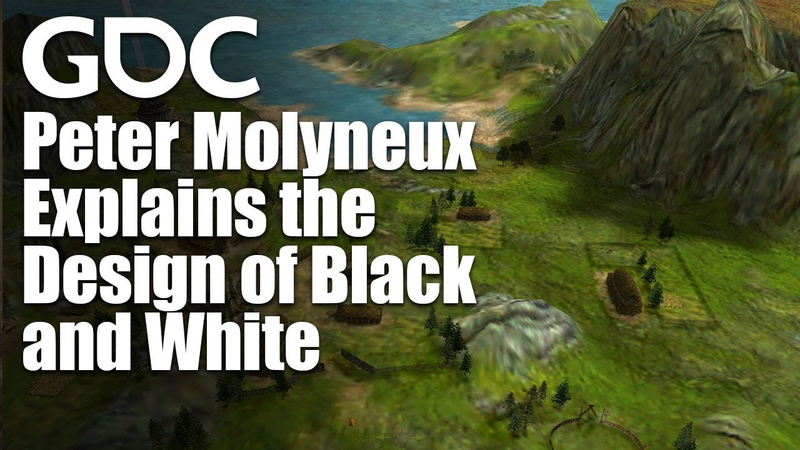
Peter Molyneux Explains the Design of Black and White
The design philosophy behind Black & White centers on creating a deeply immersive, personality-driven god simulation that prioritizes emotional engagement over traditional mechanical difficulty.
- The core design of Black & White prioritizes emotional engagement and player agency over traditional mechanical difficulty to evolve the god-game genre.
- The game utilizes a minimalist, icon-free interface that relies on intuitive mouse gestures for navigation and spellcasting to maintain immersion.
- The central companion creature functions as a learning entity that evolves its physical and behavioral traits based on the player's moral reinforcement and AI-driven mimicry.

(Opportunity) Cost Effective Marketing & PR for Indies
Indie game marketing is most effective when developers shift their perspective from a purely technical mindset to a consumer-centric one.
- Treat marketing as a game design problem by identifying your objective—getting the player to the game—and systematically removing barriers to that goal.
- Conduct a competitive audit by analyzing similar titles to determine your game's market position, pricing strategy, and unique selling points.
- Perform a SWOT analysis (Strengths, Weaknesses, Opportunities, Threats) to objectively evaluate your game from a consumer's perspective, focusing on the 'tip of the iceberg' that players actually see.
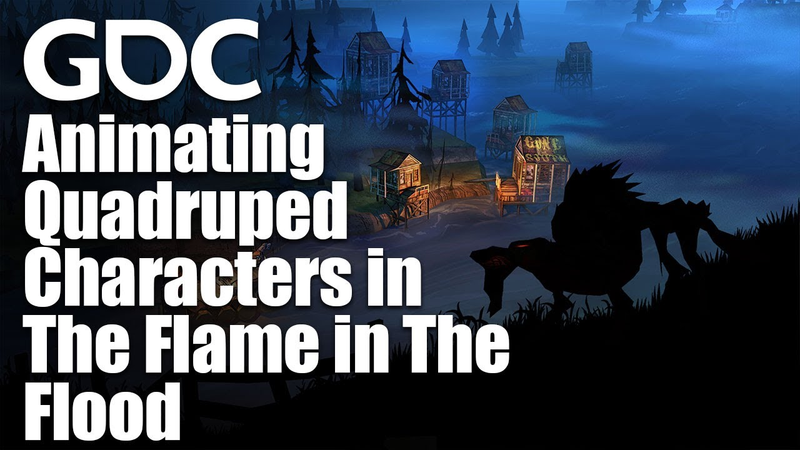
Animating Quadruped Characters in The Flame in The Flood
Animating quadruped characters in The Flame in the Flood requires a strategic balance between stylistic intent and technical efficiency.
- Achieve fluid quadruped locomotion by prioritizing grounded idle states and additive movement layers to minimize labor-intensive transition animations and foot sliding.
- Manage speed variations for stylized creatures like boars using linear blend spaces, while applying play-rate scaling and procedural spine rotation for more realistic entities like wolves.
- Ensure seamless directional changes by calculating the delta between a character’s facing direction and its movement vector.
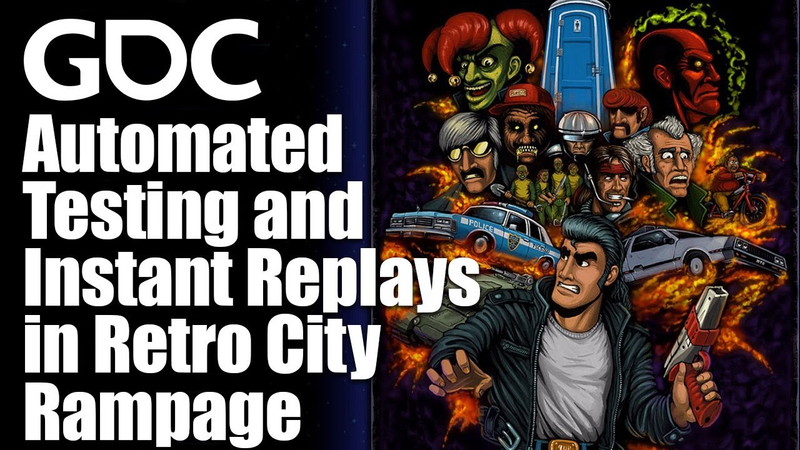
Automated Testing and Instant Replays in Retro City Rampage
The development of Retro City Rampage demonstrates the efficacy of a deterministic game engine architecture in streamlining quality assurance and feature implementation.
- Implementing a deterministic game engine architecture by prioritizing input recording over state logging enables high-efficiency file sizes for features like instant replays and leaderboard playback.
- Deterministic design allows for automated cross-platform testing and precise bug reproduction, significantly reducing the time and labor required for manual quality assurance cycles.
- Achieving determinism requires decoupling the game loop from rendering processes, utilizing fixed update loops, and enforcing strict state sandboxing to ensure consistent gameplay across different hardware.
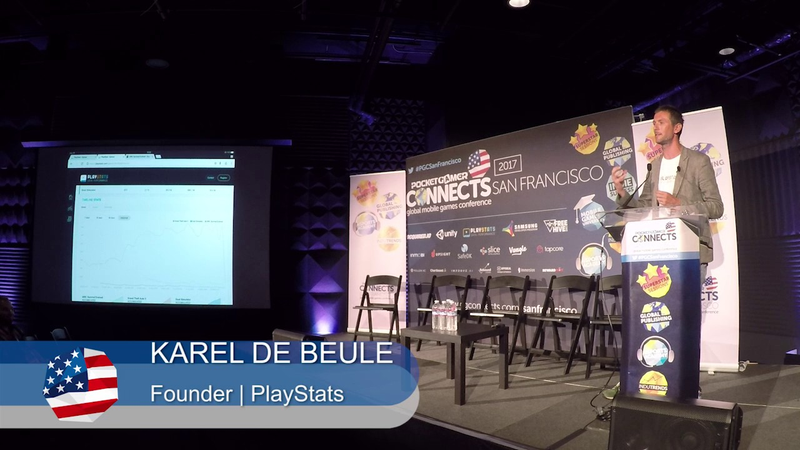
Game video streaming: Your game is being watched more than it is being played
The gaming industry is undergoing a fundamental shift where the consumption of video games is increasingly defined by watching others play rather than direct participation.
- Video streaming currently accounts for 30% of total game consumption and is projected to surpass active gameplay within five years.
- Games must be designed as broadcast-ready entertainment to ensure long-term community engagement, as viewership is becoming a primary driver of market success.
- Major franchises like Grand Theft Auto have achieved over 3.3 billion hours of watch time on YouTube, demonstrating that game viewership can exceed the reach of top-tier traditional television media.
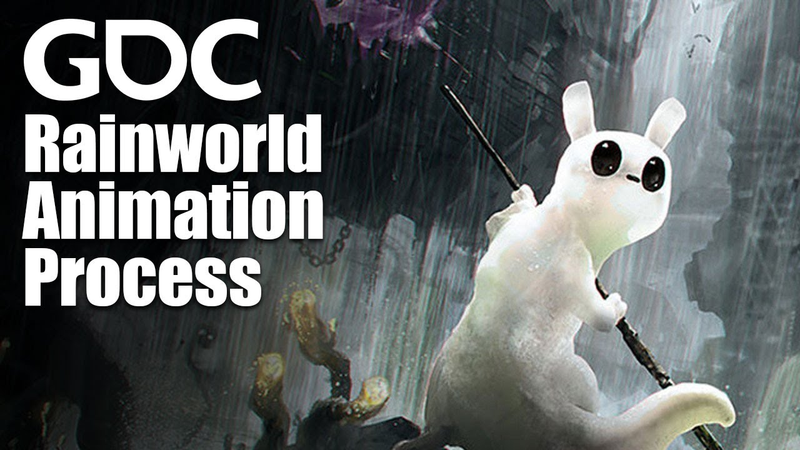
The Rain World Animation Process
The animation process for the indie game Rain World centers on the use of procedural animation to create a believable, autonomous ecosystem.
- Rain World utilizes a procedural animation system that separates physics simulations from cosmetic visuals, allowing for performance efficiency and easier tuning of creature behaviors.
- The game’s AI and animation are deeply integrated, where locomotion is driven by pathfinding algorithms that treat creatures as physics objects moving toward destinations in a tile-based environment.
- Creature personality is an emergent property of the game's systems; by making AI motivations and environmental interactions visible to the player, users project intent and personality onto non-scripted behaviors.
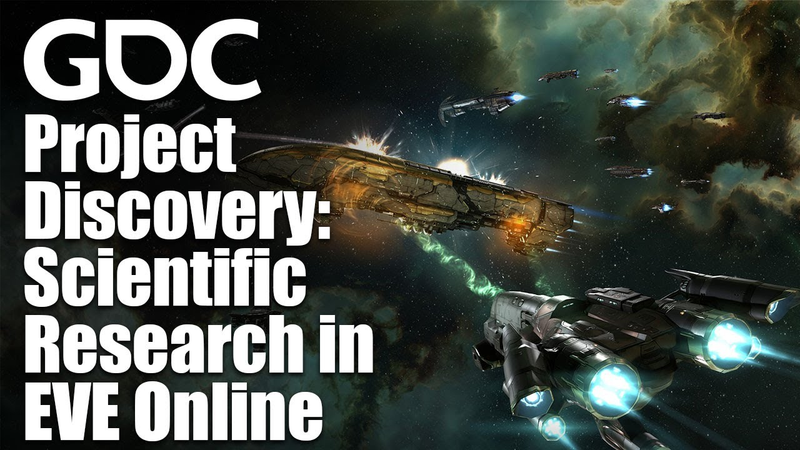
Project Discovery: Lessons From Scientific Research in EVE Online
Project Discovery serves as a pioneering model for integrating citizen science into the AAA gaming landscape, specifically within the massive multiplayer online game EVE Online.
- Project Discovery, a collaboration between CCP Games and MMOS, successfully integrated citizen science into EVE Online, resulting in over 25 million protein location classifications by players.
- The project utilizes a consensus-based validation system where each data sample requires between 15 and 50 independent player submissions to ensure scientific accuracy.
- Scientific outcomes from the initiative include the identification of approximately 100 new protein candidates related to 'rods and rings' structures, which were subsequently published by researchers.
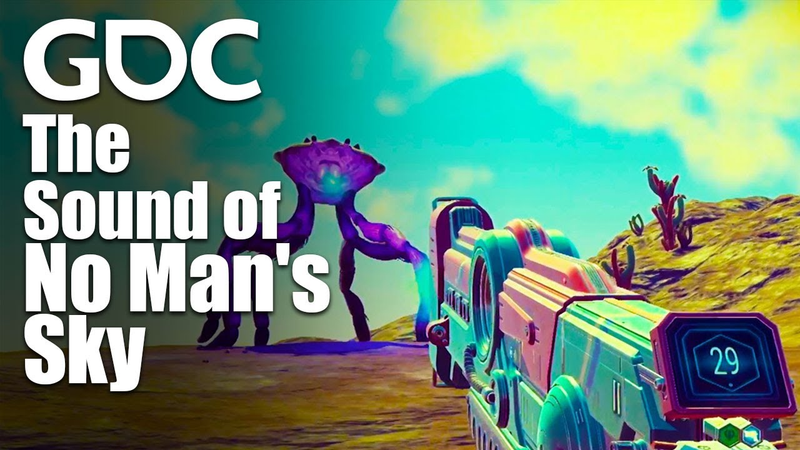
The Sound of No Man's Sky
The audio architecture of No Man’s Sky represents a fundamental shift from traditional event-driven sound design toward a highly flexible, state-driven system capable of supporting an infinite, procedurally generated universe.
- No Man’s Sky utilizes real-time ray casting to dynamically adjust audio layers and filters based on environmental variables, replacing the need for manual sound emitter placement in a procedurally generated universe.
- The 'Pulse' music engine deconstructs original compositions into 16,000 individual elements, remixing them in real-time based on player movement and location to create a non-linear, evolving soundtrack.
- The 'Rock Alien' synthesizer employs feedback-based pipe modeling and phoneme filtering to generate creature vocalizations that scale biologically according to specific in-game traits like size and behavior.
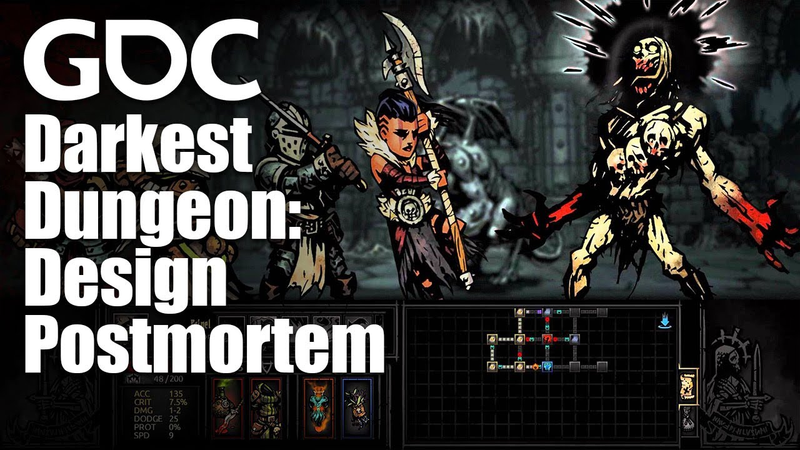
Darkest Dungeon: A Design Postmortem
Darkest Dungeon centers on the philosophy that the human experience of adventuring is defined by psychological trauma and permanent consequences rather than traditional power fantasies.
- Darkest Dungeon features approximately 70,000 words of text to support its Affliction system, which includes 15 character classes, seven distinct afflictions, and four virtues to simulate human emotional responses.
- The developers intentionally designed the game to prioritize the 'sword arm' over the 'sword,' focusing on the psychological state of heroes rather than traditional RPG power fantasies to create moments of triumph through the possibility of failure.
- The 'corpse' mechanic, introduced during Early Access to eliminate dominant combat strategies, caused significant player backlash because it was implemented as a major gameplay change that altered the experience for existing customers.
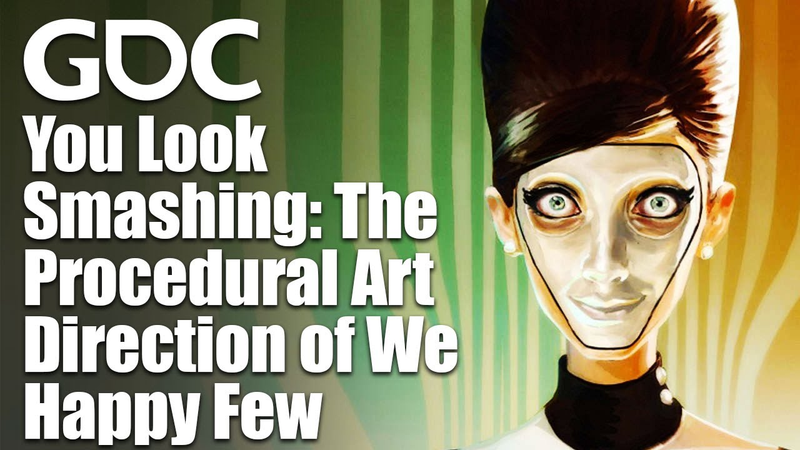
You Look Smashing: The Procedural Art Direction of We Happy Few
We Happy Few explores the psychological tension of a dystopian 1960s England, where a society maintains forced, drug-induced happiness to suppress collective trauma.
- Compulsion Games utilized a hybrid approach for 'We Happy Few,' combining procedural generation for road layouts, island geometry, and filler buildings with handcrafted interiors to ensure high-fidelity narrative and gameplay spaces.
- The art direction was built on three core pillars: conformity, paranoia, and suspicion, drawing inspiration from the British sitcom 'Keeping Up Appearances' and the film 'Hot Fuzz' rather than conventional gaming tropes.
- Procedural systems introduced significant environmental composition challenges, such as unnatural gaps between buildings and repetitive block patterns, which required extensive playtesting and the implementation of specific placement rules to resolve.
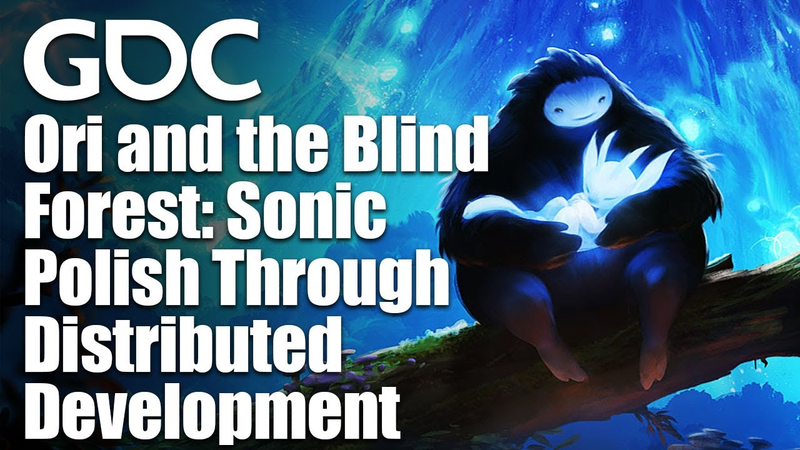
Ori and the Blind Forest: Sonic Polish Through Distributed Development
The development of Ori and the Blind Forest demonstrates that high-quality, immersive game design can be achieved through a decentralized, flat organizational structure rather than traditional hierarchical management.
- Moon Studios operated with a flat organizational structure, removing traditional management layers and placing the responsibility for resource management and project success on every individual team member.
- In the absence of formal management, the team resolved creative conflicts through a process where issues were addressed until everyone reached consensus, the dissenting party conceded, or the project deadline forced a final decision.
- The 'Ori and the Blind Forest' audio team avoided repetitive, gimmicky combat stingers by opting for a non-trigger-based music system, allowing for longer, more cohesive melodies that maintained player immersion over the 8-to-10-hour experience.