Game Design reports and market data
Documents
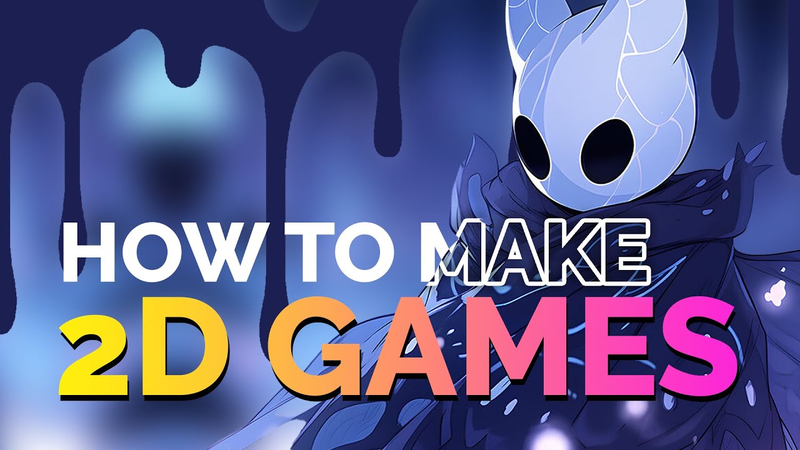
Watch THIS Is You're Going To Make A 2D Game
The development of 2D games requires a disciplined, iterative approach to art production that prioritizes character silhouette, personality, and technical adaptability.
- Prioritize character design by ensuring the silhouette remains instantly recognizable as a solid shape, avoiding over-complicated or overlapping elements.
- Adopt bitmap-based software like Photoshop over vector-based workflows to achieve greater textured depth, grit, and a hand-drawn aesthetic.
- Implement a brutal, non-linear iterative process that involves discarding unsuccessful drafts and combining the best elements from multiple iterations to ensure cohesion.
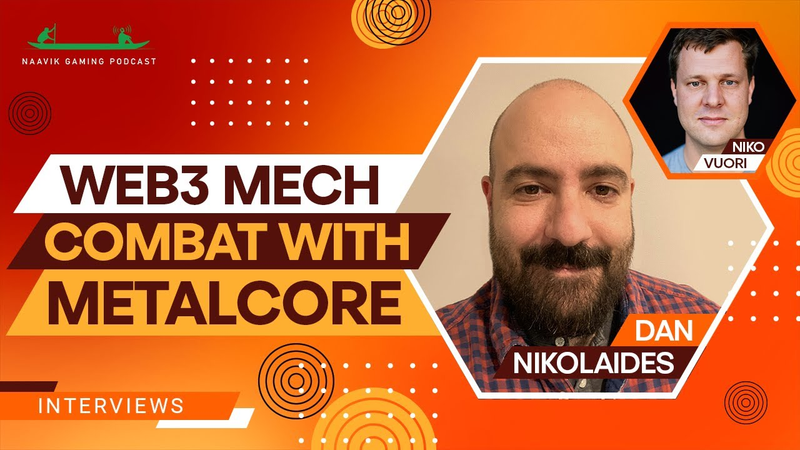
Web3 Mech Combat with MetalCore
MetalCore represents a strategic effort to merge high-fidelity, open-world mech combat with integrated blockchain utility.
- MetalCore is a PC-based, open-world mech combat game developed by Studio 369 using Unreal Engine 4, focusing on large-scale, three-way faction warfare.
- The game utilizes Immutable’s middleware to integrate Web3 elements, employing a dual-currency approach that limits blockchain transactions to high-value events to maintain a traditional user experience.
- The economy is driven by the $MCG utility token, allowing players to scavenge resources, craft mechs, and mint them as NFTs for trading or renting.
4X (R)evolution part1. Top Heroes: Idle RPG or 4X strategy game? (#99)
Top Heroes represents a significant evolution in mobile gaming by successfully blending idle RPG mechanics with the high-stakes environment of 4X strategy.
- Top Heroes successfully blends idle RPG mechanics with 4X strategy, utilizing a deceptive onboarding process that starts as an accessible isometric action game to lower entry barriers for casual users.
- The game demonstrated rapid financial growth following its January 2024 launch, with monthly revenue increasing from $1.5 million in January to $6 million by February.
- Current daily performance metrics for the title are approximately $300,000 in revenue and 50,000 downloads.

6 Days of Indie Game Dev - Devlog
The development process for the first-person shooter Twisted Tower focuses on reconciling a thematic dissonance between a Disney-inspired fairy tale aesthetic and a gritty horror environment.
- To establish a distinct visual identity for the FPS 'Twisted Tower,' the developer pivoted from a generic shooter aesthetic to a 'Disney-esque horror' theme by applying 'grimy' textures to clean assets to create a jarring, contradictory effect.
- Small-scale texture adjustments, such as adding subtle shadows or grid patterns to flat surfaces, can significantly enhance environmental depth and visual interest without requiring complex modeling.
- The developer emphasizes that effective game design often relies on 'slamming two contradictory ideas together,' such as pairing cute, whimsical themes with violent, grotesque gameplay elements.
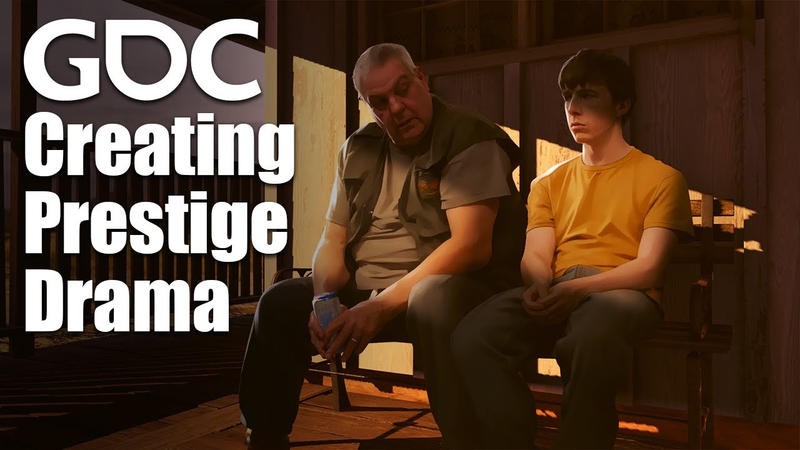
A Narrative Multiverse: The Branching Structure of 'As Dusk Falls'
As Dusk Falls represents a deliberate effort to synthesize the emotional resonance of prestige television with the agency of interactive branching narratives.
- To maintain emotional resonance in a branching narrative, INTERIOR/NIGHT maps player choices directly onto traditional cinematic inflection points, such as inciting incidents and midpoints, to ensure every path feels structurally sound.
- The studio caps branching complexity at approximately 8 to 10 outcomes per major decision point, as they found that exceeding this limit creates complexity that does not meaningfully enhance the player experience.
- The narrative design for 'As Dusk Falls' avoids 'game over' states, ensuring that every branch is treated as a high-quality, intentional story path to mirror the experience of prestige television.

FOUR Secrets To Gorgeous Game Art!
The creation of visually striking game art relies on the strategic integration of thematic hooks, intentional contrast, and disciplined color theory.
- Align all visual elements—including character design, environments, and UI—with a central thematic hook to establish a cohesive narrative and a distinct brand identity.
- Utilize visual juxtaposition by blending contradictory aesthetics, such as pairing cartoon-style visuals with dark or mature themes, to generate player interest and viral potential.
- Develop a 'style bible' early in production to define core colors, fonts, and motifs, ensuring visual consistency across scaling development teams.
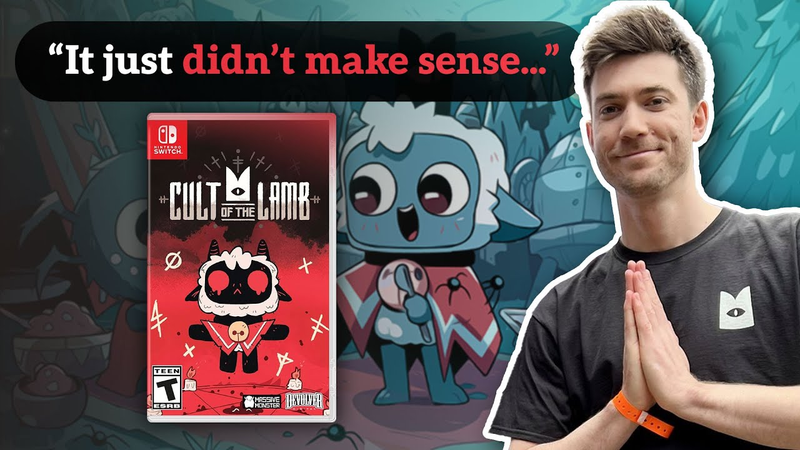
The Long, Perilous Journey of Creating "Cult Of The Lamb" — Full Time Game Dev Podcast Ep. 008
The development of Cult of the Lamb represents a strategic pivot from the rapid, high-turnover environment of the Flash gaming era toward a disciplined, premium-focused model for PC and console markets.
- The visual identity of Cult of the Lamb was a conscious decision to blend cute, Saturday-morning cartoon aesthetics with dark, gritty themes, drawing inspiration from the success of games like Don't Starve and The Binding of Isaac.
- Maintaining a consistent color palette—specifically black, red, white, and a 'holy' neon green-blue—was critical for the game's UI and marketing, ensuring a cohesive visual identity across all assets.
- The development team prioritized strong, clean silhouettes for character design to ensure they remained recognizable and iconic, often simplifying shapes to prevent visual clutter.

Guy Gadney & Harry Holmwood On Baking Omelettes And AI Into Your Game Worlds
The integration of artificial intelligence into game development represents a fundamental shift in creative methodology, moving from using AI as an ancillary optimization tool to baking it into the core of world-building and character design.
- Developers should treat AI implementation as either an 'ancillary tool' for optimization or a fundamental 'baked-in' component of game design, with the latter approach offering the greatest potential to revolutionize storytelling and character depth.
- AI is most effective in game narrative when used for real-time improvisation and dynamic character interaction rather than generating the core story, which remains a craft requiring human creative oversight.
- To navigate the 2024 legal and ethical landscape, studios must maintain transparency by recording prompts, documenting data sources, and understanding the specific intellectual property laws of the regions where their titles are released.
Mobile Gaming OG Eric Futoran: (Scopely) War stories, Algorithm Manipulation, Growth strategies, ANR
The mobile gaming industry has evolved from the early days of Facebook canvas development into a highly sophisticated ecosystem defined by aggressive user acquisition, data-driven monetization, and complex intellectual property management.
- Mobile game success requires treating technical performance and ad-tech integration as core business pillars rather than secondary development concerns.
- Developers must aggressively manage third-party ad SDKs to prevent App Not Responding (ANR) errors, as these technical failures directly degrade store rankings and long-term viability.
- Growth strategies rely on 'pegging' store algorithms by front-loading marketing spend and utilizing high-quality creative assets to trigger organic discovery.
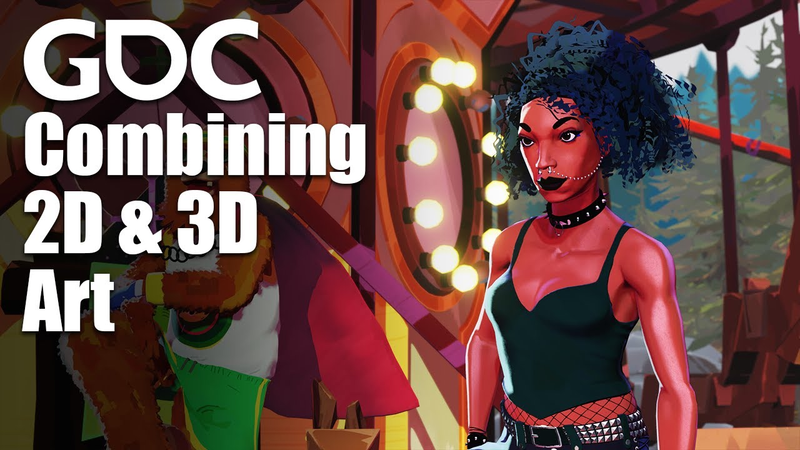
Art of 'Thirsty Suitors'
Thirsty Suitors is a narrative-driven RPG that explores themes of immigrant identity, family reconciliation, and relationship dynamics through a unique blend of turn-based combat, cooking, and skateboarding.
- Outerloop Games utilized a hybrid 2D/3D art style in Unity, employing custom toon shaders and rim lighting to create an illustrative aesthetic while leveraging 2D sprites for character taunts and narrative elements to save production time.
- To manage a small, fully remote team of 12–16 people spread across four continents and seven cities, the studio relied on asynchronous communication via Slack, Notion, and Miro, with a single weekly sync meeting scheduled to accommodate time zones in Beijing, Brisbane, and the US West Coast.
- With only one dedicated animator, the team implemented an automated lip-sync system using blend shapes and eight phonemes, allowing them to animate 21 speaking characters by feeding scripts and audio files into a spreadsheet-based pipeline.
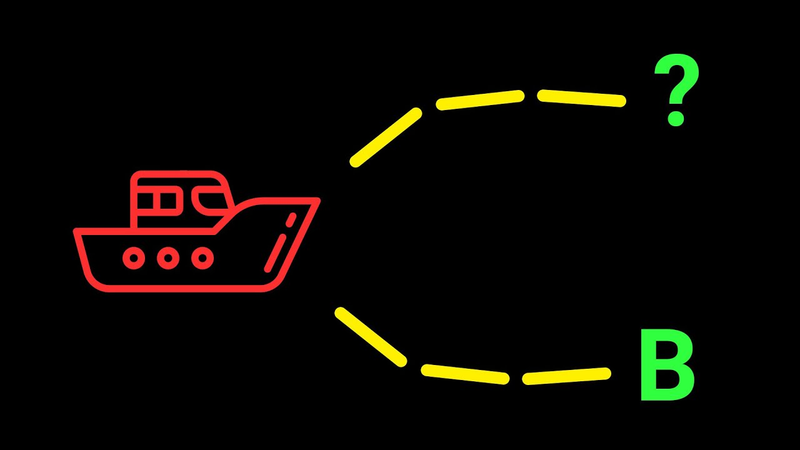
This Problem Changes Your Perspective On Game Dev
Game development is best understood as a search algorithm, where the developer acts as a captain navigating an vast, multi-dimensional ocean to locate the deepest spot—representing the highest potential for a successful game.
- Game development should be treated as a search algorithm where the objective is to optimize the balance between exploration and exploitation to find the highest potential design.
- Development must follow a structured progression: a wide exploration phase to identify directions, a pre-production phase to narrow focus, and a production phase that prioritizes execution speed.
- To maintain agility and objective evaluation, developers should prototype art and gameplay systems separately to prevent premature polish from masking the quality of core mechanics.
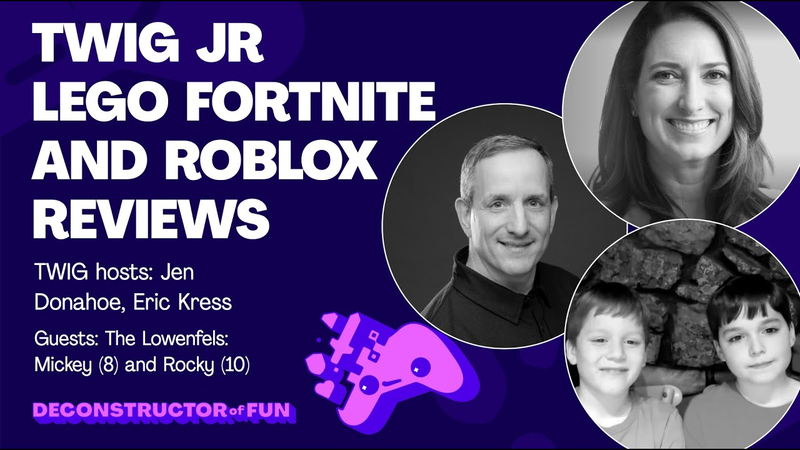
TWIG Jr. (TWIG #271) Real takes on Lego Fortnite and Roblox from Mickey (8) and Rocky (10) Lowenfels
This discussion features two young gamers, Mickey (8) and Rocky (10) Lowenfels, providing a consumer-focused perspective on current trends in the gaming industry, specifically regarding Lego Fortnite and Roblox.
- Lego Fortnite is perceived by the 8–10 age demographic as a derivative, less-engaging alternative to Minecraft that lacks the distinct identity of the core Fortnite experience.
- Roblox serves as a primary social utility for children aged 7–12, who prioritize playing with real-life friends over interacting with random users.
- Young gamers prefer billboard-style, non-intrusive advertising in free-to-play environments over the forced, frequent video advertisements common in mobile gaming.