Funding reports and market data
Documents

TWIG #308 Plarium Gets Raided / Take-Two Divests / EA CEO Flirts With Disney
The gaming industry is currently navigating a period of significant structural realignment, characterized by a cooling of mobile valuations and a strategic retreat from non-core assets among major publishers.
- Aristocrat divested its mobile studio Plarium to Modern Times Group for $820 million, a valuation reflecting a cooling mobile market and geopolitical risk.
- Take-Two Interactive is offloading its ad-tech platform Chartboost and the Private Division publishing label to prioritize high-margin core intellectual property over operational complexity.
- The gaming industry is experiencing a structural shift as traditional venture capital models struggle to reconcile with the hit-driven, creative-led nature of AAA development.
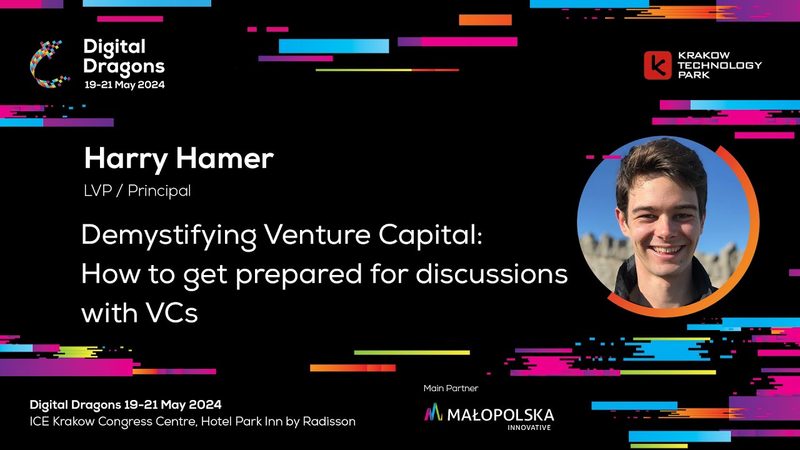
Harry Hamer - Demystifying Venture Capital: How to get prepared for discussions with VCs
Venture capital in the gaming industry is currently navigating a period of significant recalibration, marked by a 79 percent decline in investment during 2023.
- Venture capital is not suitable for every studio; if your business goal is a $20–30 million exit, consider non-dilutive funding, grants, or debt to retain equity rather than pursuing VC-backed scaling.
- Lvp operates as a seed-stage fund, typically deploying checks between $500k and $2.5 million into gaming startups that demonstrate fundamental innovation or platform-level growth.
- Founders should avoid 'technology-first' pitching, such as simply adding AI or blockchain labels to a project without a first-principles explanation of how the technology fundamentally changes the value proposition.
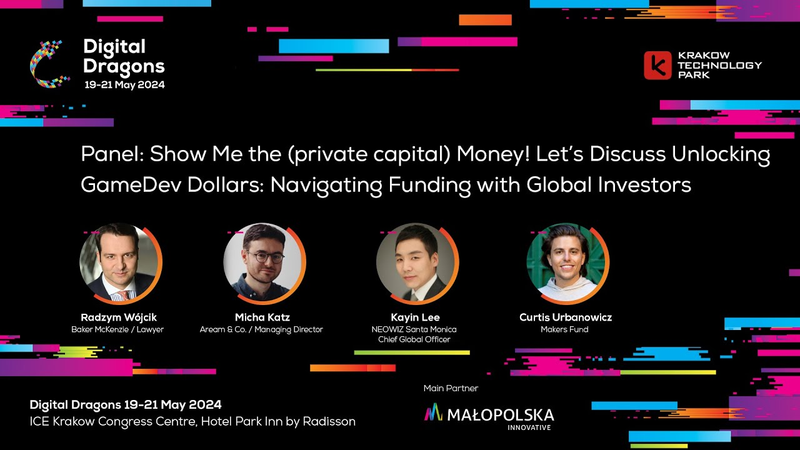
Panel: Show Me the (private capital) Money! Let’s Discuss Unlocking GameDev Dollars
The contemporary investment landscape for game development has transitioned from the speculative, post-pandemic environment toward a more disciplined, data-driven model.
- Investors prioritize studio identity and long-term viability over individual projects, specifically evaluating the founders' track records and the studio's ability to address unmet consumer needs in a novel way.
- Polish game development studios are gaining international attention due to a deep talent pool, high product quality, and a culture of community-driven iteration, as seen in the success of studios like Vinci Games.
- Early adoption of emerging technologies, such as Houdini or generative AI, provides smaller, agile teams a competitive edge over large-scale AAA studios that struggle with rigid, slow-moving production processes.
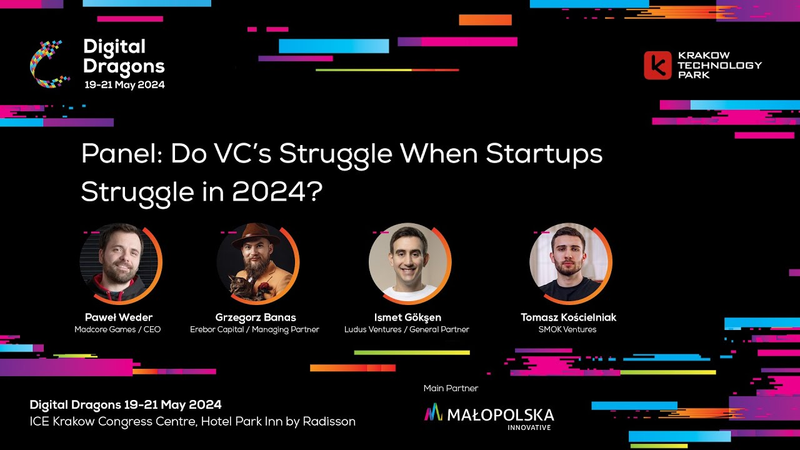
Panel: Do VC's Struggle When Startups Struggle in 2024
The gaming industry is currently undergoing a significant correction, characterized by a disconnect between historical market valuations and a wave of studio layoffs.
- VCs are shifting away from the 'stupid capital' era of 2020, prioritizing realistic commercial terms over the inflated valuations that previously saw pre-seed rounds reach as high as $20 million.
- Mobile gaming investment is currently constrained by Apple’s IDFA and privacy updates, which have significantly altered user acquisition (UA) economics and targeting capabilities.
- Investors are increasingly prioritizing software and automation tools over pure-play game development studios, as AI-driven efficiency allows smaller teams to produce higher-quality output.
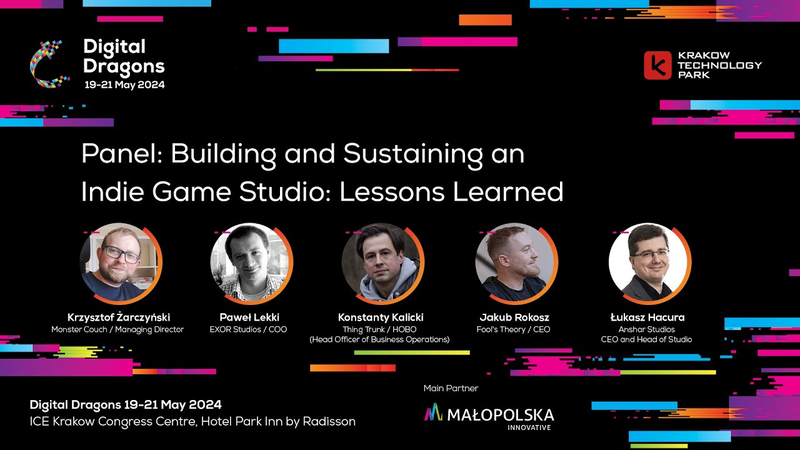
Panel: Building and Sustaining an Indie Game Studio: Lessons Learned
Achieving long-term viability in the independent game industry requires a strategic blend of financial discipline and operational agility.
- Studio sustainability is best achieved through a 'brick-by-brick' approach, where profitable external engineering projects or contract work fund the development of original IP to avoid reliance on publishers.
- Scaling a studio beyond 8 to 15 employees creates significant communication friction, requiring a shift from informal, open-space collaboration to structured, remote-first communication protocols even for on-site teams.
- To maintain lean operations, studios should prioritize automation and internal technology development, such as building proprietary engines and scripting tools to reduce repetitive manual tasks during production.
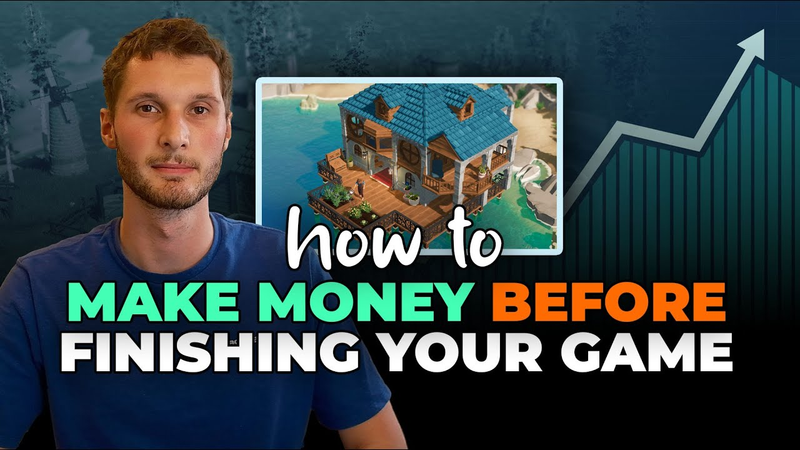
How To Make Indie Games Full Time (Before Finishing Your Game)
Transitioning to a full-time career in independent game development requires a strategic, multi-stage approach to funding that often necessitates personal financial sacrifice and diversified income streams.
- Julian Ball funded the development of Lens Island through a combination of personal savings, a pre-existing YouTube channel, and a $60,000 Kickstarter campaign.
- Lens Island has achieved significant commercial success, selling approximately 200,000 copies and generating roughly $3 million in gross revenue over three to four years.
- The studio's financial requirements scaled significantly over time, moving from a lean operation supported by personal savings to a peak burn rate of $100,000 per month.
Gaming Industry Report: Q3 2024
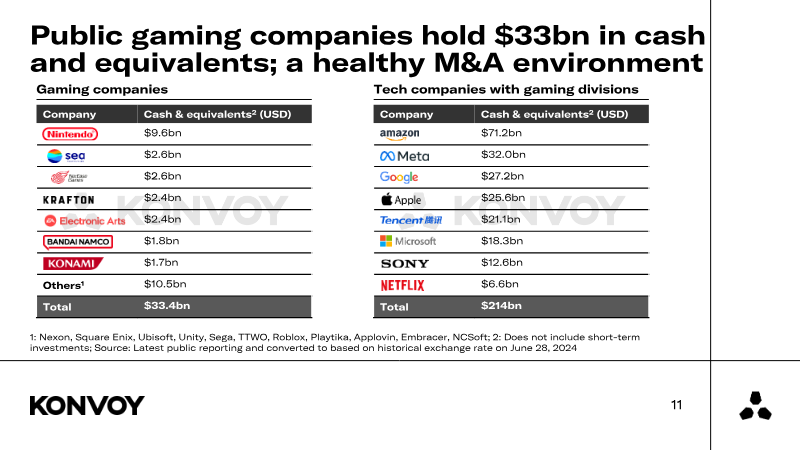
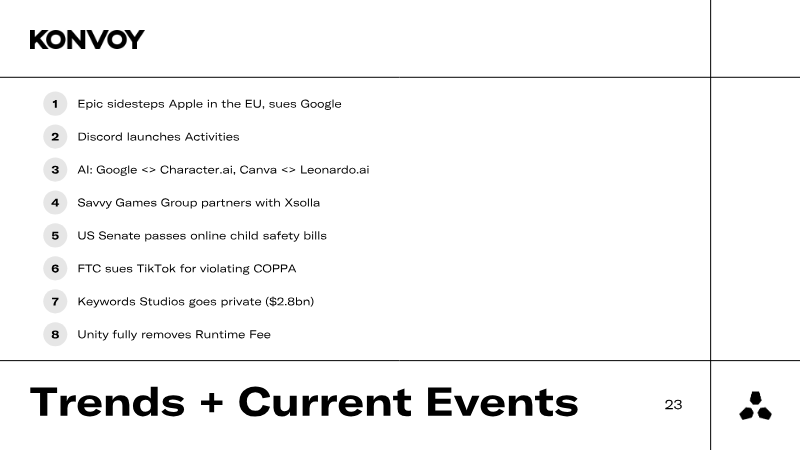
The global gaming industry is currently navigating a period of stabilization and strategic recalibration, with the total market size projected to reach $188 billion in 2024.
- The gaming market size in 2024 is $188 billion, showing a 2.1% year-over-year growth. Asia-Pacific accounts for the largest share of gamers with 1,809 million (53%), followed by Europe with 454 million (13%).
- Venture funding in Q3 2024 reached $517 million across 92 deals, marking a 1% increase in funding quarter-over-quarter but a 14% decrease in the number of deals. Total private market funding for 2024 is $3,739 million, with a 15% QoQ increase in Q3.
- Public market gaming ETFs are significantly outperforming the S&P 500, with leading ETFs up 22-36% year-to-date compared to the S&P 500's 21%.
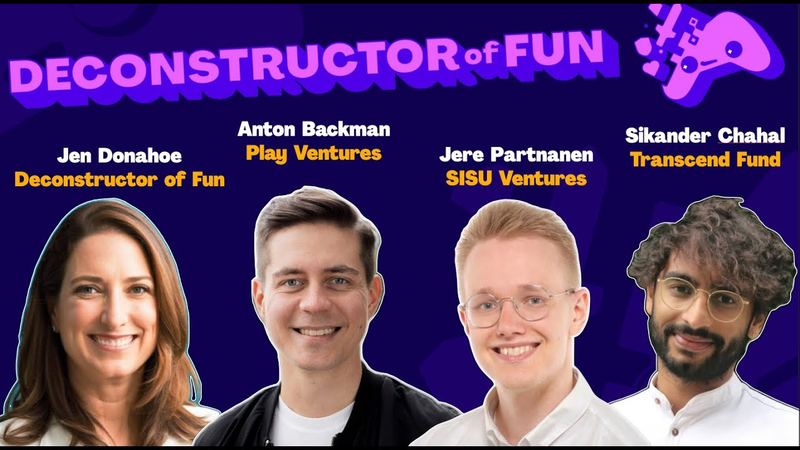
Top 3 Mistakes Gaming Startups Make - According to the VCs
Venture capital in the gaming industry operates on a power law model, where the success of a fund relies on a small number of high-performing investments capable of generating massive returns.
- Venture capital funds in the gaming sector target a 2.5x to 3x return over a 10-to-12-year lifecycle, necessitating startups that demonstrate massive scalability.
- Excessive early dilution from angel investors can result in a broken cap table, which serves as a primary barrier to securing subsequent institutional funding.
- Founders should prioritize targeting stagnant or lapsed genres rather than entering hyper-saturated categories where incumbent dominance is already established.

From a Pro Gamer to Building (and Selling) Four Companies – Dennis Fong’s Journey
The entrepreneurial career of Dennis Fong, a pioneer in professional gaming, serves as a blueprint for navigating the complexities of the technology sector.
- Successful entrepreneurship relies on identifying market gaps through personal experience and community-centric problem solving, as demonstrated by Dennis Fong’s ventures including Xfire, Lithium Technologies, and his current AI-driven toxicity solution, GGWP.
- Founders should treat venture capital as a commitment to higher performance standards rather than a milestone of success, prioritizing investors who offer industry-specific credibility over those providing only liquidity.
- Scaling a business requires a fundamental shift in leadership style from early-stage command-and-control management to a model focused on mentorship, vulnerability, and team empowerment.
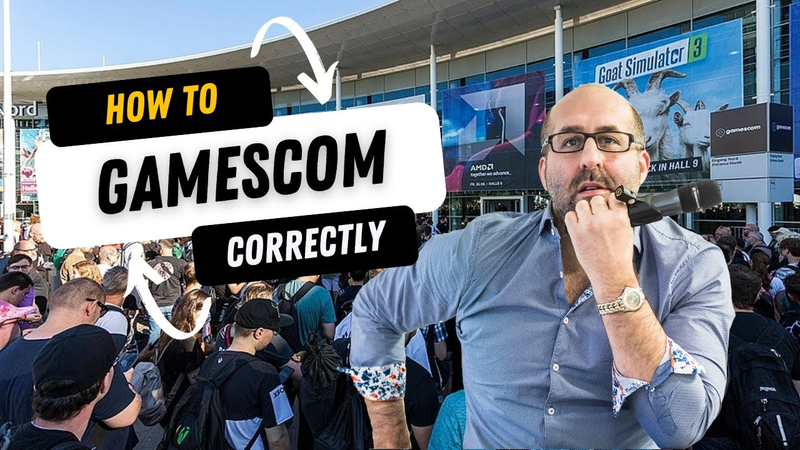
gamescom qa 2024
Gamescom serves as a vital nexus for the global video game industry, functioning as a primary hub for developers to secure funding and partnerships through strategic networking.
- Securing partnerships at trade shows requires a polished, functional vertical slice and a 30-second gameplay video to provide immediate proof of concept for publishers.
- Developers must present singular, confident budget proposals rather than ambiguous ranges to demonstrate commercial viability and professional discipline.
- Projects in saturated genres, such as roguelike city builders, must articulate a unique hook to differentiate themselves from the high volume of daily submissions.
Is The Indie Game Dream Dead?
The indie game development landscape remains viable for those who treat marketing with the same rigor as technical development.
- Crowdfunding remains a viable path to full-time indie development, evidenced by a successful $48,000 Kickstarter campaign that allowed the developer to transition to full-time work.
- A successful pre-launch strategy requires building a base of 500 to 1,000 followers on the Kickstarter page before the campaign goes live to ensure initial momentum.
- Marketing should be treated with the same intensity as game development, utilizing outreach to influencers and professional contacts to secure promotional support prior to launch.
Do THIS When Making Your First Game
Achieving financial sustainability as an independent game developer requires a strategic balance between personal creative vision and audience-driven market validation.
- Financial sustainability in independent game development requires balancing personal creative vision with early, iterative market validation.
- Developers should treat games as commercial products by sharing prototypical content early to identify which elements resonate with potential players.
- Monetization should be framed as a fair exchange where the consumer perceives the game's value as exceeding its retail price.