VideoDigital Dragons
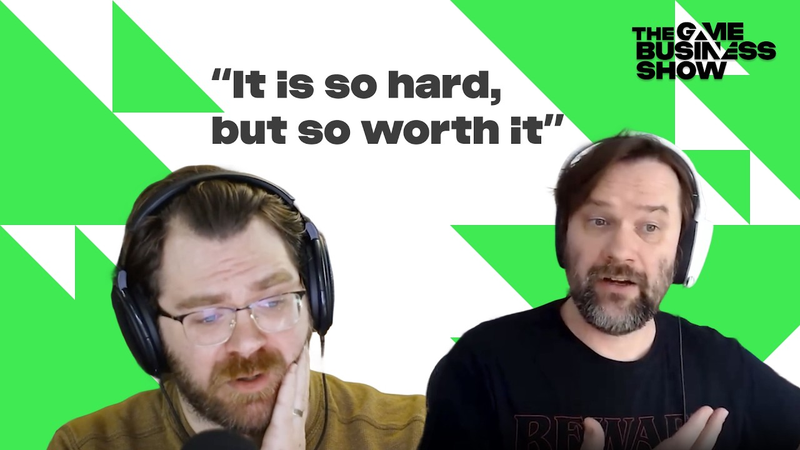
Panel: Building and Sustaining an Indie Game Studio: Lessons Learned
24 Oct 202457 min video
Transcript
[Music] welcome to the building and sustaining uh in the game Studio panel we have uh some uh reasonable questions about Indie status of some people here in the panel but we will not this is the topic we will not discuss during the panel uh but but feel free to uh attack their status at a later date uh so uh yeah well each of our Studios has survived for quite a while uh we have exor Studios hello 17 years uh and and going
strong right think TR and unsh studio uh you are both at 12 so uh like that's that's that's that's quite good uh reasonably well yeah we have full Theory at 9 years old and uh Yours Truly monster couch at 8 years old so we are definitely doing something uh something well so uh we will you know we have survived at least so far uh and uh yeah so we will talk about what's uh what are the common things uh between running a 15 people team and a 170 people team and we'll uh we will talk about securing funding we'll talk about ways of working and we will talk about growing our Studios so uh this is like the three main things that I want to discuss and we will have some time unlike austa
uh for questions uh but yeah cheers it's been a great talk um please don't kill me and uh so uh to kick things off uh will I think we are P introductions so we all know who are people here so to kick things off Conant constante you've been drinking water so that's uh that's the end of your drinking water and uh and and you you have went through some weird options and stuff when it comes to funding your studio you mentioned mergers VC and tell us more about that uh initially we were self-funded because uh actually uh it's uh we going like I I think we going bankrupt uh I've been continuously heading Studios for um 18 years right now because we closed our last Studio to open this studio so we technically didn't go under uh uh we um
and in tin Tran we initially were self-funded so we had a basically an internal investor who who is also a business partner and um yeah and uh even though our games uh sell well and uh break even and even earn uh we uh we are still looking for more money because uh we kind of like money uh and money is very important for growth so so yeah we've been uh we explore both uh venture capital and uh which has like that's not a panel I guess to talk about that and uh we've been working with Publishers which like also has a different set of pitfalls and um and yeah basically palls and uh and um yeah so so there's a bunch of different ways to fund your studio so you've been funding it through making successful games but also trying to risk other people's money working with you
know funding for successful games Works only if you have a game that earns like insanely well or um or you make games good games that earn and you make them in quick succession without dwelling too long on one game which we are not very good on uh at because we tend to you know we want our games to be the best they can be and that's expensive and you work on a single game at a at a time or how does that work sadly yes we from from the Geto our ambition was to have two teams working uh in parallel on on two titles which would lead to lower overhead because you know the designer team can work on usually designers work have more work in the initial phases of the production so they could uh once the game goes into full production we could uh switch the uh swap the design team with the other project uh however that's uh first of all expensive and second of
all you kind of need a bigger team and yeah and growing is growing is painful so that's a different uh so so how does uh funding work at the other end of the spectrum uh Kuba ukash how are you fing Your Studios I mean apart from having a budget for a project big projects that we do right uh for for number of years your everyday best strategy is basically doing work for higher markups this is something that uh ukash taught me when we were in a tight spot um but yeah basically um working doing work for hire or projects on not refire but markup allow you to you know build up a good uh money pillow basically that then you can invest in growing your studio because that that's basically how we how we grew we um we released our first project seven which got really good reviews but crappy
sales and we didn't recoup um and didn't have funding basically and money um to operate so what we started to do is we started doing um work for hire with markups and then we would invest all of the earned money and markups to hire more people basically and this way we've managed to grow from I think five people to 20 in a year and a half which also is kind of um giving you more momentum right because the bigger the team you have the bigger the projects you can get and the bigger the projects you can get the more money and bigger markups and the bigger markups the bigger the below right and it goes and goes and goes and goes but one challenge I see here and and we went through that phase as well as at monster couch we after our IND the darling uh that darling to us but not necessarily to anyone else project went to hell we've done porting and it went to valhala yeah so we uh we've done porting
but then how do you switch back from doing work from higher work for higher that's the need part you don't yeah you don't but no you don't you do you do basically do you yeah at certain point when you grow enough so what we did is basically when we grew to like 20 people um at certain point we knew that we want to move uh with our next project forward which then later on became the to um is we started earning so many markups and the pillow was that bit that that big that we managed to have like I think it was three or four months of funding for three or four people so you start a little seed team that can start working on the Prototype and pitch and then you start traveling and pitching it to the Publishers basically right and as soon as you publish and get the budget for the full game you just
drop all of the other work for highest stuff or if you're smart you don't because it's extra money that gives you Revenue right uh but you basically switch your focus to developing your your own project this is how we did it and then we managed to grow from 20 to 60 right and finished DCH yeah yeah we we did it like that as well so we were working on outside projects we got a money pillow and then we started working on our own title I mean we were always is working on it but then the pillow ran out and we had to get external funding from a bank we almost bankrupted and that's a scary story so uh you have to be careful with that but it worked for us so you can abandon work for hire uh but it's a scary story yeah I actually I I agree uh I forgot about one thing like at the very beginning when we were trying to look for work for higher what I did is went to the bank as well and get the money and use that money to actually get that work for hire and then
the first the first money that we earned were actually used to pay off the bank and then started growing the the money um this is a big lesson I learned uh I was always scared of banks when I was uh starting a studio but you know it when push comes to shelf you either close down the studio or go to the bank and they're just regular institutions so you know uh if you can get money from them I advise you do so but have a plan on how to get out of that de yeah I I think that for us at least they were Le less scary than getting a publisher right they they were a safer option but it's harder to get a bank loan so uh ukash I think he should say more let's maybe not give him the mech just yet but uh I I I I saw you nodding somewhat in depression and somewhat we in agreement no no it's just that the version of History by by kuba is so optimistic
right and our story is very similar but I view it in a totally different lens right maybe I like the successful mindset or something I don't know but the the thing is that unsure Studios continue to grow because it was I call it escaping forward right is like hey I don't have enough money so I need bunch of more projects for work for hire I don't have people capacity to do it so I hire some bunch of people right and but but then I run out of money so you know I get some new projects bunch of people and that's how we ended up at 170 like I simplifying stuff but it I wouldn't say that it was a successful streak somewhere in the middle we had like a huge pillow that in the hindsight it could have been like a house or preh houses or something but hey we created game deck right and the thing is that that's the version of of History where where everybody dreams about the xer scenario right is that that from that pillow you build up momentum you
build up your your games and you you make one two three four and sudden it clicks and and you have a hit and I don't know what afterwards because I never had a hit so like I don't know how after that works this story goes on but the but the thing is that on our side it was always the hustle right it's like so if you ask me how to get out of work for hire from my perspective I mean I don't know how to do it without a hit and I didn't have a hit yet let's just get a hit right uh I I I don't think you have to have a hit I mean uh all of our previous games before the rift breaker they weren't hits I mean zombie driver sold enough to pay our bank loan and then we got like six then 12 months of buffer so we were for the past 15 years we've never had more than a year of financial buffer and we've built all of our games from that so right now if I
would be building I would be building games that I can always release within a year right so build build games more modular this is how we created the rift breaker because our previous games they were like our more of design Darlings we wanted them to be perfect with the rift breaker we set our goal we knew that this game won't be perfect we want it to be modular we want to be able to release it within a year in Early Access or to be able to get a publisher or something when we run out of money because for the past 15 years we always had that mindset that we're running out of money I mean we're constantly running out of money right it's all about time money is time so you're always buying time and working with that contingency we were lucky enough that we were able to work on additional project projects that were our projects I mean we ported our
older games to switch to Xbox to PlayStation we did some uh projects on our IP for tech companies because we're an engineering company they paid us to do our own technology for them which was pretty cool but we were able to extend the deadline so much that we didn't have to lunch in Early Access and that allowed us to lunch full so it was like you know Brick by Brick Brick by Brick for 15 years yeah but the disclaimer here is that all of the projects were profitable right yes they were all profitable so you have to have some degree of success to get this working yeah okay so let's uh let's move uh move to the ways of working and I wanted to maybe shift the discussion again to Kuba and and ask you you have 120 people team and you're 110 okay people team and so that's uh uh and you are so so how do and you
all work remotely right so how does that work I mean most of us work remotely uh we do have headquarters in bwa but currently there's only like I think 15 people uh in the studio itself all of us the rest of us uh work remotely and uh it's going to sound simple because it's kind of obvious but communication is key when you work remotely and this is something that we learned uh the hard way during the pandemic um where everybody started working from home basically we were growing rapidly because we grew from like I think 20 or 30 people to 60 um in a span of a year um but we invested a lot of time in developing proper communication pipelines and proper reporting pipelines and it's not perfect still we're still learning how to do that properly because we again scale rapidly like we were 60 or 70 people last year now we 110 we'll still hiring uh so with each new um with each
new hire your team Grows Right and there are certain milestones in the team growth that require you to implement new communication features and new reporting features um that will allow the information to flow freely because the biggest danger in running a team this size but really any size um in my opinion is lack of understanding of what project we're doing and where are we at with it right now um on an atomic scale of every worker but also on a department scale and the project scale right so you got different tool sets to actually do that and also when you either like figure it that out you get into a trap that sometimes you you have this tendency to go like oh we need to talk about it but it's really hard to get 10 people in a room right or 10 people on a meeting like Google meet or Zoom or whatever to attend that meeting so a lot
of process is staggered because you cannot find the time slot to actually meet up and discuss a feature um but you know luckily things like Communications like slack or something have the offline feature where you can just record a video and post it so we started using it a lot like me personally I just bombard my team with videos of me just talking to the camera about things I think they should know about feedbacks that they need to hear and stuff like that so I I don't wait for people to come and join my hangout or whatever I just record a video and post it and hear it out in your own free time you know and and they communicate the same way back to me so this is one of the ways we we learned how to uh you know make that flow of information more smooth basically and continuous to to grow so it it really all boils down to that because at the end of the day it doesn't matter where you sit if you sit in one office or not if you cannot meet and
talk about features the process is not going forward you know so yeah yeah so I I definitely saw it on our end with you know like Milestone of like breaking through eight people and suddenly it's not so easy to talk like everyone to everyone the communication breaks at that level then there's another one at 15% then not I I feel we are just at the verge of 26 people is also kind of different uh thing with with multip teams but how how how how do you work constante like how does it work for you well we uh we started as fre people communication was great and then we during the development of book of demons we organically grew to seven and eight and we were all in one open space it was loudy and uh noisy and uh it was cool and communication was still great and then we split into two Open Spaces once
we grew to uh 12 people and then we switched to work from home and yeah it was it was very bad like during the pandemic we had a backand we had we were prepared because we uh for years we had uh like we could have faciliated working remotely and uh the chaos was insane like the communication completely broke down and uh like right now that's that's very cool idea with the Kuba mentioned with videos I have to try that out uh right now we are running uh like we have scheduled uh daily meetings uh in smaller teams like project teams and U at the at fixed hours and full team meetings this take itat up like one hour from each day but it works well and uh we know that we will have to compar maliz compartment whatever divide company into two like the two um to separate flows with two projects and uh
teams will uh only occasionally communicate uh between them that's that's the plan once we grow to 26 people because that's our next that's our goal and we don't want to grow beyond that and are you are you keeping the company remote now or yeah it's difficult not no because uh during the pandemic most of our team moved away to different cities so also recruitment is easy easier when you just you know you can be wherever so uh are you guys at exer working remotely uh no only on occasion we're fully on site uh unless someone has something that keeps him at home so like a broken leg and still wants to work that's okay you can work from home does that happen often at exore h no not not not often but it happens to keeping people at their desk work
right well no we we're PRI primarily onsite uh the pandemic wasn't cool I mean we working remotely like everyone else but uh the communication pipeline was was definitely lagging I mean the people uh who were happy about it were programmers because they finally you know had their time nobody uh coming to them asking them about stuff so they were happy and they were effective but for me like from a management or design perspective it was a nightmare because you know you have to talk to people brainstorm stuff uh things are happening and you can't do that offline I mean uh online we don't know how to do that effectively so we're 100% on site I do have a question for wers actually because you guys are working like in a hybrid mode right so how do you okay that's that's how it works uh but uh how do you guys prevent uh your team on you
know Communication Breakdown because when you when you work working fully remotely then it's easier to implement communication pipelines that work uh seamlessly and and um and in the same way across the Departments but if you have some departments on site and they talk live then very often from my experience there's no track record of things that have been said and done basically and agreed upon so how do you prevent that yeah uh we used to not prevent it that was not good uh right now we're actually um the thing is right now we have six active projects at anire Studios and every project is a bit different in unique and we try to we try to simplify stuff and standardize stuff in like say like in a corporate manner right at this size but on the other hand like the needs of the project should always in my opinion should always Trump the needs of the company right it's like you want to
create the best environment for a particular video game and the the the the problem that you mentioned is is is very prevalent especially to a project that we're doing that we had at Peak we had 100 people at a project and let's say we have 70 people or 60 people on site right and suddenly those 30 people are out of the loop so what our producers did mandatory is that this project although people were on site was treated as a remote project from the meetings perspective like for example playthroughs didn't happen in conference rooms but on Discord and everybody joined the Discord so you had this strange from my perspective like like what are we even doing here with this remote work is like you have seven people in the room on a Discord Channel talking to those two people that are remotely right um and I treat it as a crutch as a some as a necessity right I it pisses me off I would like to have 100% people on site but it's not that
easy especially that people it's not even full remote work right we have we have a hybrid in a sense that all everybody at the studio can take two days remote work right and there are people who rarely do that like I for example almost never do that or there are people who like on the clock like 100% of remote days that they can take they take right so suddenly even though we have over 70 people 70% of people working full remotely on site in a hybrid mode effectively you have like 50% of people working remotely right and it's it's a nightmare so second part of it is at this size I think that at xor it doesn't make any sense because everybody's a core team right but from uh from from our perspective we try for the core team to be on site right so like leads directors or if not like ship them very often into the studio right because
we found out that this core team that then conveys those informations um to people who Implement ideas that we decide upon um you can and I it might sound derogatory but you can remote work the muscle right but it's very hard to remote work the brain in a sense of like you know the there's a saying at anire that we coined from saber it's like Head Hands and heads they are hands and heads right so hands on a remote work are not that problematic but heads on a remote work are a problem so we do crutch we use crutches uh yeah so how how do we get that from uh so Pavo exor Studios uh 100% of profitable projects how do we get that like how like what's the let's let's let's cut through the here that's a tricky question I mean uh we the the secret answer is that uh
we always had our costs super low like low wages so that's the secret and don't spend money on stuff I mean we were super stringent on that and yeah I I mean there's no secret I mean it it what's to say there have low costs and be effective so that's uh that that that that's a silly answer but uh yeah we never wanted to grow uh we never wanted to have overhead and uh uh we we had to start with super low costs because we were starting as students we didn't have any funding in the beginning like our first office was in my brother's apartment so he was sleeping there with one of our Founders and we were going there with food from our parents so that that were really low
costs and that allowed us to you know get an external project get some funding so in the beginning we were earning like $10,000 per month for the entire company and we were sa saving half of that to bankroll Future projects and then you know uh we were always trying to keep it as low as possible and then one of the things that we're also doing is we are an engineering company so uh we overanalyze everything and we try to build on our own technology we also have our own engine because when we started we couldn't afford a commercial engine so we built our own we were lucky enough to have that expertise and we are constantly building upon that we haven't invested in uh you know a bigger office uh or or anything like that and even though our previous game was uh successful the only thing that we raised
was was salaries we didn't raise any other costs so uh that's one of the things that we're doing and Be Frugal yeah uh don't spend much that's the and be effective uh so uh uh that's not I I don't think that's all all of it so uh we we we were meant to talk about culture as well here in the panel and since culture is just like Collective patterns of behavior like do you guys have like this like what's the most effective things you guys feel your companies are really good at uh let let let me uh pick that up since I have a microphone we automate a lot we're we're since we're an engineering company we automate anything that we can we started very early with now it's Common Place continuous integration we started with that about 10 years ago we automate
functional testing we automate performance benchmarks uh we have like for the rift breaker 150 different save files that are loaded and tested every time we can and you know even uh marketing and uh sales are automated to a degree running from an Excel file so uh if you can remove the human component do that because that way you won't be able you won't have to hire people embrace the machine so so basically pay as as little as you can if you and if you can automate people away right right so uh that's cool so we we basically uh we we pretty much what you said uh we have our own engine we are kind of trying to move away from it right now um we we automate as much as we can but we
also over engineer the out of it so it's our systems are Byzantine and um and yeah and as far as uh company culture goes uh ours is to be like super uh Pro employee uh that's uh which is not always the best thing from like company owner uh perspective because we uh if someone is not um you know um not feeling his role day role uh well enough we try to find ways of making it work and maybe some different tasks different focus and stuff like that so that's that's probably where we are bleeding money but we strongly believe that it pays back uh eventually in the long run because we are cool so you don't break your employees legs if they don't no no no no only just just trying to keep that joke alive yeah and we we used to believe strongly
believe that uh common cultural alphabet is very important so um in our case it was Star Trek because we were trekkies in the beginning so we kind of like the the onboarding process uh for new employees was basically to watch everything Star Trek related and and we went from there and it worked because you know you have a very uh you have common ground and you have memes that you can share and uh it it really smoothes out the world it sounds crazy but Star Trek is very cool I used to think it sucks it doesn't it's very cool we're talking about the uniqueness of culture huh so yeah I was I was thinking hard what to say you know like to sound like the our compy is super cool and what your are we are we very Pro employee and I'm like where we try to be fair but Pro employee wouldn't say that it's h no
um and the thing that popped into my head was I had a discussion with um and he was saying that that's actually as a negative of anure Studios right but I really liked it I talked to my creative director of uh like the biggest game that we're creating right now code named Mayhem and he was like you know what you know what the problem of Anar is the problem of Anar is that we keep trying to invent the wheel like we keep trying to do like strange like like hey let's make an RPG without combat or uh let's make like right now for example cop shooter that is not based on wave and and tight spots but it's super fast like Doom so nobody knows where everybody is right it's like it's like why does unshare keep trying to do something unique right and I'm like isn't Game Dev like about that it's like aren't we aren't we trying to do that so if you look at our portfolio like there is very hard to see a pattern of what so that makes us I think that that's a bad thing in a sense that we're
not great at like a certain genre we would love to be for example great at RPGs right uh full Theory as a bigger track record here right uh we'd love to to have that but on the other hand we're like a full stop shop when we talk to Publishers like hey we do our own ports we we optimize stuff we did remasters remakes we work on the newest technology we're like we did so many things that it's really hard to surprise us with like a man from the from the side of a publisher because we mostly work with Publishers right so um so it might be seen as a negative but I see it as like a it's a place where we really try really different stuff and it didn't pan out uh from a hit perspective yet but hey we're still here and we're still kicking so how does what like what's what's the what's the effective cultural thing at fo theer uh um well there are a few things um one thing is that yeah we
trying to be Pro employee uh i' like to treat my employees like I would be like to be treated like uh you can choose your own type of uh you know contract we do massive benefits um Health mental health benefits the regular health and stuff like that yes we do we have a recruitment boo downstairs come and see us um but aside from that um what I do believe in is no policy basically I'd rather tell you uh straight out um how how I see things and how we see things and how the what the problems are and we believe in iterative process so um this is something that hat is we're kind of similar in this situation um he uh he calls it radical radical truthfulness I kind of agree uh we we'd rather say the brutal truth then paint the
world in in in pretty colors uh because it just speeds up the iterative process and I'm a big fan of iterative process I I I believe in building up on your past experiences I hate doing the same tools for every project from the scratch I we still use the same uh like iterative technology that we did for the previous from our first game um so I'm a big fan of building on your own experiences and in that regard we're also kind of similar to exer because I'm a big fan of automation you know and um whoever will hear me out like I always tell them like teach your developers to script early in the engine to automate process early because then a lot of mundane work will just be removed and speed up the whole process basically I I always when I was a designer and I would work in the engine I would hate the situation when you know you like a change in your asset and you have like 150 of those assets
spread around the game and you have to find each of them and just click one checkbox everybody from you guys probably were on that in that situation and you can just write a script in like five minutes and it does something in a second it's free it's free time for you to work on features and it's free money basically right yeah like uh why click on 150 objects for half an hour if if you can write a script for an hour we'll do the work no actually that's where chat GPT comes in handy it's really it's really it's really hard but but from because of that when we were starting the to project right and we knew that we're going to have a huge task in front of us to do a lot of cinematic content and we have a lot of it like 21 hours of cinematic content we started working on our dialogue tool and the first one of the first feature we did was uh Implement generators into it right so they can save time of our cinematic designers of setting up cameras Idols etc etc and it resulted in us doing a
lot of cinematic content with only four cinematic designers you know and three animators so it's uh it's a really important thing to make your life easier um especially in our in our um game def you know um because it just makes better games uh yeah so I I I'll use that as a segue to uh to the growing part of our panel uh because you talked about you know creating pipelines because you know growing the studio is not just hiring more people but also those pipelines and I know you lukash wanted to tell us more about okay so how do you guys approach learning from you know project to project how how do you guys do that yeah I think that we still missing a post modern from game deck that we released couple of years back so we're great at it uh but um but in all honest I see development of a studio very much
as a development of technology or or a video game right it's a iterative process and you look at stuff sometimes you sometimes you go down an Avenue that's suboptimal you need to you know erase that feature let's say switch it up and the most important factor for us it's like I try to to keep my sanity I try to not to compare ourselves right to like other Studios is I try to compare to ourselves from the past right it's like hey are we a better Studio than we were two years ago three years ago anire Studios did a tremendous amount of from my perspective progress in the last for example three years we we we truly embraced like double A and forgo the in premium ways I would say right in terms of pipelines management processes Etc right so and these things takes time those those take time because what's an example of a pipeline that's so different between Indie premium and AA I
would say that the biggest it's in the team size obviously that's the team size is the is the is the main thing because Indie premium for us was like 20 30 people right in Peak production and right now we have like for example projects that have 100 people at Peak production and suddenly this is not a team it's it's you you cannot have a 100% team right you you need to subdiv divide them into teams and a lot of companies for example uh are from my perspective doing it the wrong way splitting into the Departments right like you programming department and then you have the communication absolute communication hell between departments you have siles and Hell break breaks loose right so for example one of the biggest changes that we did in the last two years we uh the same thing that I think also after after a while CD project red introduced recently another Indie company uh is uh thematic multidisciplinary teams right like hey you're a combat team you're a level team
you're uh narration team or whatever right and multip specialization not Department comp not divided by you know compartments yeah so uh this one so uh this is an example that that was a big cultural shift with a big push back actually at Anar at first there was a big push back it's like hey programmers want to exchange knowledge with programmers we don't want to talk with designers artists don't want to talk with anybody it's like just tell us what to do and uh so it was very hard to and we still I I don't think we're there yet right but we did tremendous amount of work there right so there's a production pipeline but you also have a lot of administration pipelines there tomorrow we have a panel about um transparency in salaries right so for example introducing you know like a salary policy that is actually transparent right that's one of the things that you at one point need to do from my perspective when you're eight people you can just say hey well programmer this is what a program because there's one programmer so this is what he
earns so how do you guys approach learning from Project to project like how how's how's things going I think drunk why why do questions change before they reach me like uh I I think we started with growing theme and now we are at learning between projects yeah yeah tou um yeah I I just you know what I wanted to Circle back uh to the question you asked Pavo and I I wasn't able to to contribute to and I think one of uh because our games also all our games were successful and profitable yeah uh just not enough for me to you know not have mortgage on my house but uh uh but profitable and um I think one of very important aspects here uh for us is not necessarily making the games you would love to make but making the games that players would like to pay for uh to play
how do you find that oh uh through a difficult process and you know breaking yourself to not to do the thing you you think would be super awesome but to basically engineer the game in a way that uh would be appealing to to the customer and uh it's uh it's something that not many studios do actually like it's a it's a there is a disconnect between uh the target do group and what the what design does afterwards so yeah and back to your uh new question about learning B we are super introspective so we tend to overthink stuff uh crazy amount of overthinking is taking place and uh it um yeah it's uh it's difficult on people because we tend like one guy uh told us that uh everything like If he if he had to say one bad thing about the
company the team is that everything takes super long because there is too much thinking so we kind of took this to H to Hur and we are uh like more doubling down yeah yeah we are just you know more violence speed momentum kind of development because uh more violence that's extra way um yeah so we we tend to do postm we we try to develop new tools uh not just the development tools but uh management tools to track progress to are you developing your own management tools yes like we for Book of demons we actually were not using jira for most of the project we wrote Our Own jira in Google spreadsheet so we had this super insanely uh resource heavy spreadsheet we were uh half joking that we could start selling this instead of the game because it was awesome like it was tracking burn rates uh you programmers
each team member could check their tasks and discuss them inside the tool and it was Google spreadsheets so yeah we do uh yeah cool uh can I add to that learning part so one thing that we changed from uh xmorph defense to the root breaker is uh we learned to drop some of the typical formalized parts of game development like we dropped uh drawing Concepts and lengthy uh design processes we decided to um design through implementation so uh we uh didn't develop a gameplay prototype for the rift breaker like the rift breaker was the pro uh the prologue was so you invented the protction process reined I mean no for for xar defense we had a
formal prototype we didn't have that phase for the r breaker we dropped that we moved straight to production because we knew that we don't have so much time so we removed that and our learning process was to remove the Redundant Parts as much as possible can I yeah one more uh one more thing that we learned and uh is is to um not to design everything up front because we we used to do that like for Book of demons we had a complete design with every single detail we had a minimum plan in case money run out and that's the one that happened and the maximum plan it never happened and that's um and uh right now like with helard and the future projects we generally if we see that that the design is holding is airtight more or less we just move into to to the implementation phase and uh yeah we like we iron out the systems and
stuff like that on the go so yeah I want to chip in into that um this is actually something that that downed me uh quite a few months ago that what whatever you think about your game that it will be and how it will be played it's wrong basically before before you actually implement it and test it it's just your idea man like the yeah even if you have a prototype like yeah yeah and uh this is something that uh I cannot speak about my team because I I think my team made an enormous uh progress throughout the tatri production but you know looking at the uh the road that we took from N9 years when we were designing seven and then designing tatch when I was designing seven I was like a 5-year-old on a sugar rush basically and thinking like oh I'm going to drop this and that and that and they going to you know s the Synergy will be there between the systems and we I kind
of want to do everything and when we were designing the toot it was actually we came out with a certain idea with a certain prototype but then the ax started falling and we started cutting off everything that it doesn't feed the fantasy that we wanted and at the end not a lot of the original idea was left basically because until you play test it and more importantly until someone else play test it not you then you're not sure if the idea works so what we did is we actually invested a lot of time and it took a lot of time for us to find that identity over the game that we wanted to do and obviously not everybody has that luxury of having uh extra time to play test and redo and play test and redo because at the some point you need to move from pre-production to production but there's also like a cut of line when you decide that look this is like the fifth time we're redoing the idea maybe just wrong maybe we should just drop it you know you don't have to move from pre-production to production
if you start with production yeah I know that's a Life Hack That wor worth having in mind we kind of did it with seven you know just went with it so so so let me just summarize what we talked to uh here today is like take depth Be Frugal uh break your employees legs if they work remote too much uh start with production instead of any other formal phases before that and uh uh yeah and like am I forgetting any nuggets of knowledge uh that we shared here today don't don't pay people too much and if you can exch and less less people more machine embrace the machine okay so um thank you all for coming to our panel [Applause]
yeah and and we have we have still like 10 minutes for your questions 55 5 six minutes okay we have six minutes uh so come ask questions and we'll have beautiful answers for him any questions anyone or don't there's a make uh okay I I'll ask a question uh regarding your um approach to hits because you've mentioned hits a few times um and it sounded to me like you see hits as something that happens somewhat randomly to the project um on the other hand and allow me to load the question a bit to make it more fun uh there were projects even in Poland right now Manor Lords is a very good example I also believe H quart was a game that hit the mainstream uh or we can look abroad with games like P worlds when if you look at the production there it was completely crazy but they still managed
to like I don't know how many 10x 100x their investment um do you see hits if you're making anything creative you know hits are somewhat random but at some point there aren't because there is something in them that makes them hit so is your approach that it's going to happen maybe somewhere randomly or is it like is there some value to approaching a project thinking to yourself this is going to 10x my investment I'm I'm not big on casinos and gambling and that's like you know the the chance that your game will be a hit that's that's not the way to run a studio yeah but I mean you can maximize uh in your head to maximize the chance so uh you know the you can read the interviews with the creators of P world how they you know added guns to Pokemons because because that this yeah but this is fooling yourself yeah yeah I I agree you know helish court that you helish court that you mentioned wasn't done to maximize as hit it was be because Kuba had a immense love for fencing basically
and he wanted to do a fencing game and it kind of blasted off so like my approach to to that and you need to like and I highly recommend two books on this by Nicolas TB it's antifragile and Black Swan Black Swan specifically addresses this and you can go through your entire life trying to make a you know video games and never have a hit and you can make super hot at your first try out of the college and you can have a hit right so the only thing that you can actually do the only thing that you do control is the process uh the sustainability of the process and maximizing your chances but you don't engineer like a sure hit like nobody like if somebody telling you yeah I know it will will be a hit it's it's if you talk to smen when he has like dozen not well not dozens but many RPGs under his belt there were dark
times in his head when he was afraid if balers gate free is going to be a hit right so like nobody knows nobody really knows right only the only thing you can do is maximize your chances so how I like to put it is that Yoda was a liar basically right uh there is no do there is only try that is the actual like you can only try yeah and uh if you spend time on maximizing your chances for for a hit on a single game how much can you squeeze out of it like half a percent more I I doubt it and if you you can spend this time making like 50% of a different game that we'll have another 2% 1% maybe no 0.03% or something like that but generally it's better to have to play more times yeah I'd say that you should plan to have more chances right that's control exactly I mean you what when you get a game that shows sign
of becoming a hit well you can double that double down on that but you're never sure even when when we were releasing the rift breaker which was 10 times more successful than anything we've done before we were never sure if it's going to be a hit so we were still planning uh contingencies and having plans for if it doesn't work out so you're never sure sure did we answer your question okay thank you yeah I've got a question about Publishers uh you you were saying that it's full of pit traps and pitfalls and traps and uh I'd like to know what are the biggest ones um we used to be a publisher um before tin trun and we publish the games and it's like it's a business meant to uh to kind of C on money from Developers and the the the business model like they they people who
are Publishers might have good intentions but ultimately if they want to be profitable they have to invest in titles that have biggest chances of success so um and that not it won't necessarily be you so that's uh this is it and uh you might expect some investment from them effort invested money on marketing and stuff like that but if they don't see the numbers it won't happen you might have it in the contract it won't happen yeah well minimal commitments will happen so make sure you have of course but still it's uh that that's that's all there is and uh and yeah some Publishers are better than others uh ultimately with most Publishers like we are lucky we don't have that our publisher is great uh ultimately you will always have um have publisher try to change something in your product like yeah even if it's something small or just you know removing skeletons so you
can be certified in China or something like that so now that we've also blasted working with Publishers let's move on to the next question like like the last question and we'll wrap up okay so guys um if I remember correctly at least some of you used to cooperate on different uh projects together and I wonder what was the impact for your development of these cooperations so is it us is it us I think us at least I know full Theory full Theory um uh brought us along to cooperate with laan on Divinity original SC 2 on the DLCs and I just I just can say that working with free companies but asteris here fre amazing companies like everybody wants to do the best game have like a different culture and and like for us it was a big Growing Experience like afterwards I think we were a much better developer than we were previously
both on the account of hey this is how full steur Works what can we what what can we add to our Jean Pool right and the same with Lian so for me that was great was this same for Kuba yeah yeah yeah it was it was actually um blink twice we really we really like to codev uh with other people because it's always a chance to actually learn new things that are done in a different way uh you know and like I learned immensely from from how Lian does things but also how how structured is unsure how their producers work like those guys have one of the best producers I I met till till that day and they they taught us how to make our own structure that's why we now have also awesome producers you know but that was the that was the learning experience that we got at the very beginning because we were always designed heavy not really thinking about structure and that cooperation basically forced us to to structure our own development process and we've been
cooperating since then on few other things but you know it always have been a pleasure experience so yeah I highly I highly uh recommend you guys do this because the reality is that sometimes you will get a project that you can either do with a different company you know as a codev or you can just like make it pass you and because you don't have the capacity I would encourage you to actually bring your friends from other companies to cooperate on that because then everybody wins yeah sure thanks okay uh thank you for uh participating in the panel thank you all for coming and listening to us and give us a thumbs up and subscribe to whatever this is bed on and thank you and bye-bye
Auto-generated captions from YouTube — names and numbers may be misheard.
Key insights
7 takeaways · ~3 min read- 01Studio sustainability is best achieved through a 'brick-by-brick' approach, where profitable external engineering projects or contract work fund the development of original IP to avoid reliance on publishers.
- 02Scaling a studio beyond 8 to 15 employees creates significant communication friction, requiring a shift from informal, open-space collaboration to structured, remote-first communication protocols even for on-site teams.
- 03To maintain lean operations, studios should prioritize automation and internal technology development, such as building proprietary engines and scripting tools to reduce repetitive manual tasks during production.
- 04Design processes can be streamlined by skipping lengthy conceptualization phases and moving directly into production, using the game's prologue or early builds as the primary gameplay prototype.
- 05Bank loans are a viable and often preferable alternative to traditional publishing deals, provided the studio maintains a clear, disciplined plan for debt repayment and financial sustainability.
- 06Establishing a 'common cultural alphabet'—such as shared interests or media references—can significantly improve team cohesion and simplify the onboarding process for new hires.
- 07Studios should avoid over-investing in overhead, such as expensive office space, and instead focus on maintaining low costs to ensure the company can survive periods between successful game launches.
Ask AI about this video
Cite this video
Citation
Generating citation…










Comments