1 free read left. Create a free account for unlimited reading + AI research.
Create free accountReport GamesBeat
1 free read left. Create a free account for unlimited reading + AI research.
Create free accountReportGamesBeat
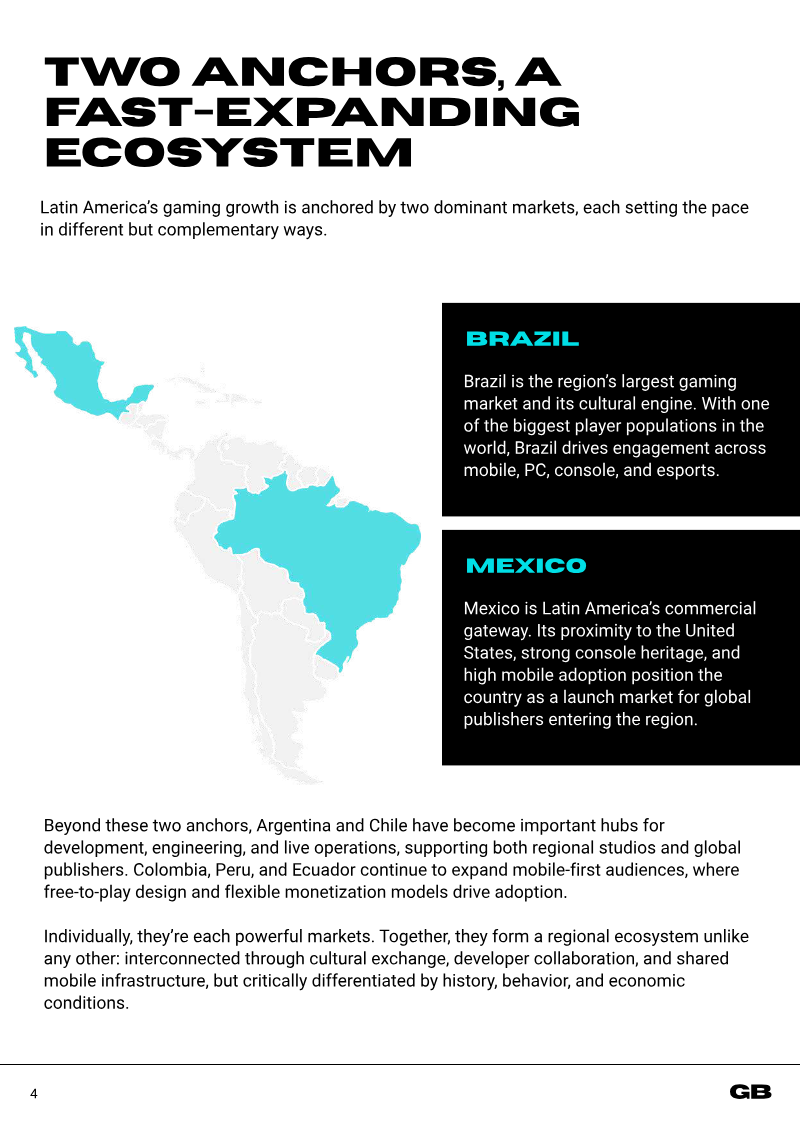
Brazil drives engagement across all platforms, while Mexico serves as a commercial gateway for global publishers.
Dual anchors. Brazil and Mexico serve as the region's primary anchors.
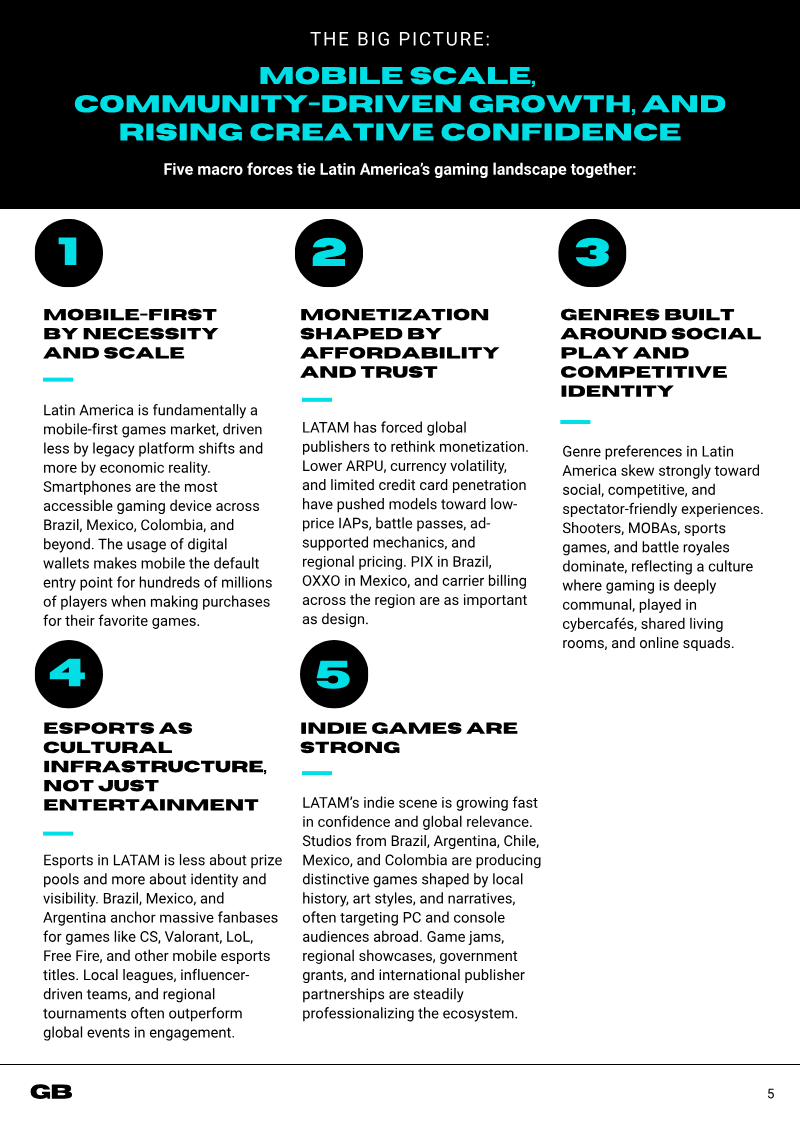
Latin America has solidified its position as a formidable force in the global gaming landscape, transitioning from a peripheral source of cost-effective labor to a sophisticated hub of creative innovation and live service expertise. Driven by massive, mobile-first player populations in Brazil and Mexico, the region is increasingly defined by high levels of community engagement and a thriving esports culture. While economic challenges such as currency volatility and limited infrastructure persist, the industry is successfully pivoting toward sustainable, long-term business models that prioritize authentic, socially integrated experiences over traditional, short-term monetization strategies.
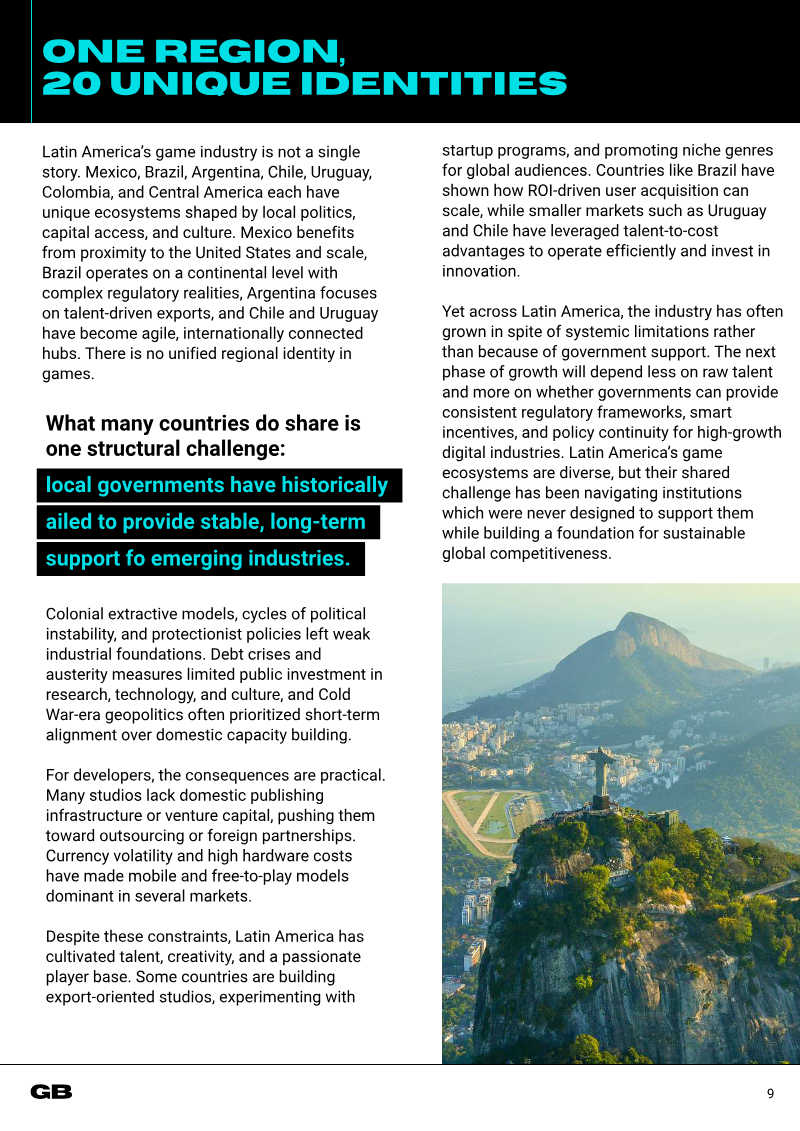
The regional ecosystem is characterized by a strategic shift toward self-publishing and advanced Live Ops, supported by a deep pool of engineering talent that is increasingly utilizing artificial intelligence to enhance production efficiency. Although major hubs like Brazil and Mexico anchor the market, smaller nations such as Argentina and Ecuador are gaining international visibility through indie innovation and strategic global partnerships. This evolution reflects a broader maturation of the industry, where developers are moving beyond simple localization to address the specific technological and cultural nuances of individual domestic markets.
Success within this territory requires a departure from standardized global frameworks in favor of localized strategies that account for unique payment preferences and regional economic constraints. Despite systemic hurdles regarding access to specialized venture capital and user acquisition, the region offers significant growth potential for developers who commit to long-term engagement. By fostering trust and prioritizing accessibility, the Latin American gaming sector is effectively countering the stagnation currently impacting global mobile markets, establishing itself as a vital, influential player in the international creative economy.
GamesBeat · 2026
Xsolla · 2025
Xsolla · 2025
Xsolla · 2025
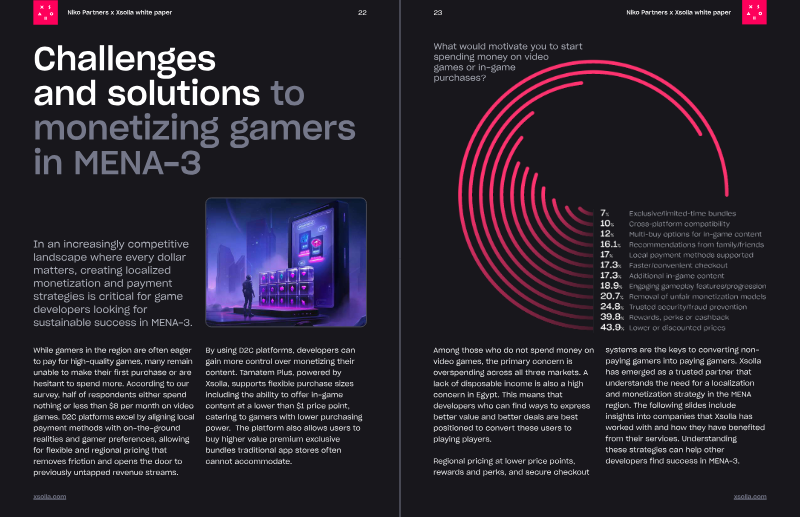
Xsolla & Niko Partners · 2025
Xsolla · 2024
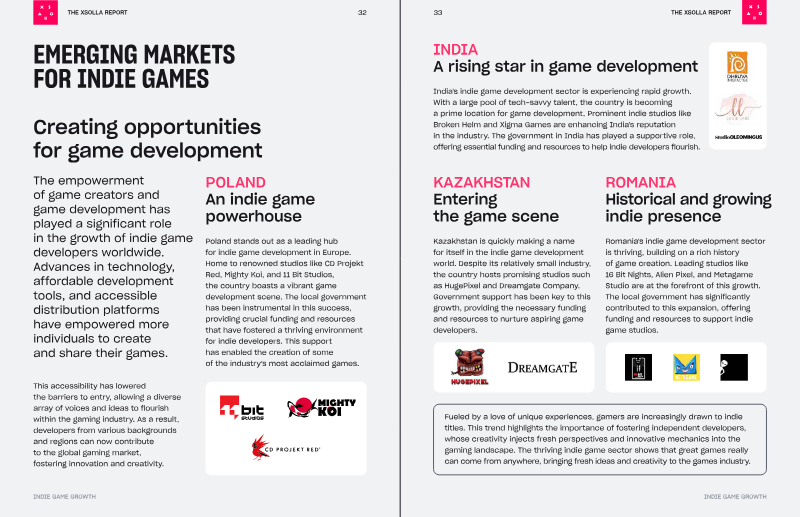
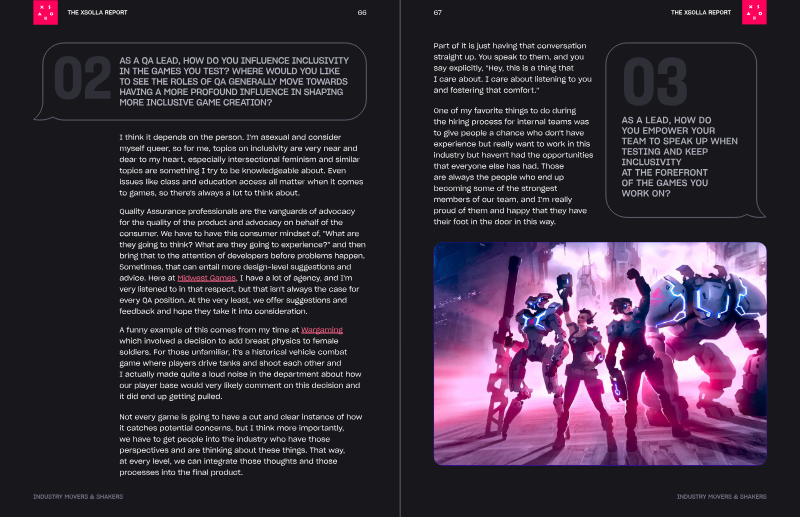
Xsolla · 2024

Xsolla · 2024


Xsolla · 2024
Xsolla · 2024


Xsolla · 2024
Xsolla · 2023
PocketGamer.biz · 2016