Cloud Gaming reports and market data
Documents

Softlayer on the importance of cloud hosting and GPNs
Cloud infrastructure providers play a critical role in the gaming industry by offering scalable, consumable platforms that support both virtual and bare metal server environments.
- Cloud infrastructure providers support gaming workloads by offering a hybrid environment that combines the agility of virtual machines with the raw performance of dedicated bare metal servers.
- Global Private Networks (GPNs) enable seamless communication between servers across international hubs like Dallas, Amsterdam, and Singapore, allowing them to function as if connected to a single local switch.
- The implementation of a GPN facilitates high-speed data synchronization, which is critical for maintaining performance in complex, high-traffic games with globally distributed server clusters.

Essential Video Game News: Market, Consumption and Use (February 2015)
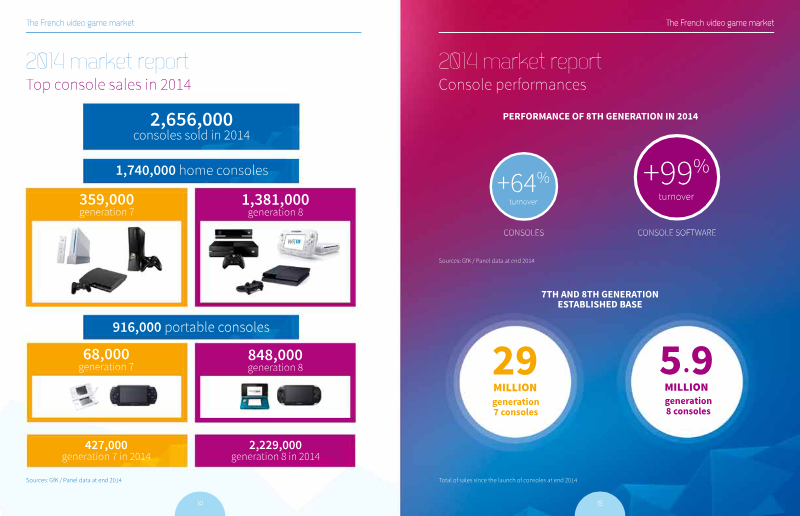
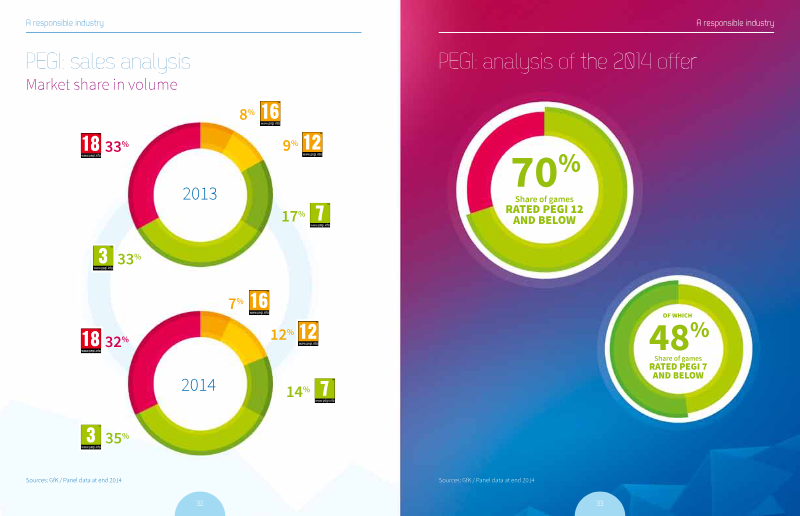
The French video game industry experienced a significant resurgence in 2014, marking its first period of growth since 2008 with a 3% increase in total market value.
- The French video game market grew by 3% in 2014, marking its first period of growth since 2008.
- Eighth-generation consoles are the primary market driver, currently accounting for 89% of the total console market value.
- Video games have achieved high social penetration in France, with 75% of the population playing regularly and 78% viewing gaming as a family-oriented activity.

Nikhil Soman talks Playblazer, a cloud-based game services outfit
Playblazer functions as a backend-as-a-service provider designed to accelerate the development of multiplayer mobile games.
- Playblazer provides a backend-as-a-service platform that reduces multiplayer mobile game development time and costs by at least 50 percent.
- The platform enables studios to bypass complex server management, allowing developers to focus exclusively on game design and player engagement.
- Jump Games successfully transitioned the Real Steel franchise from a single-player game to a multiplayer experience in a ten-week development cycle using Playblazer's infrastructure.

Gaming Trendz to Watch in 2025 and Beyond: Comprehensive Player Support Strategies
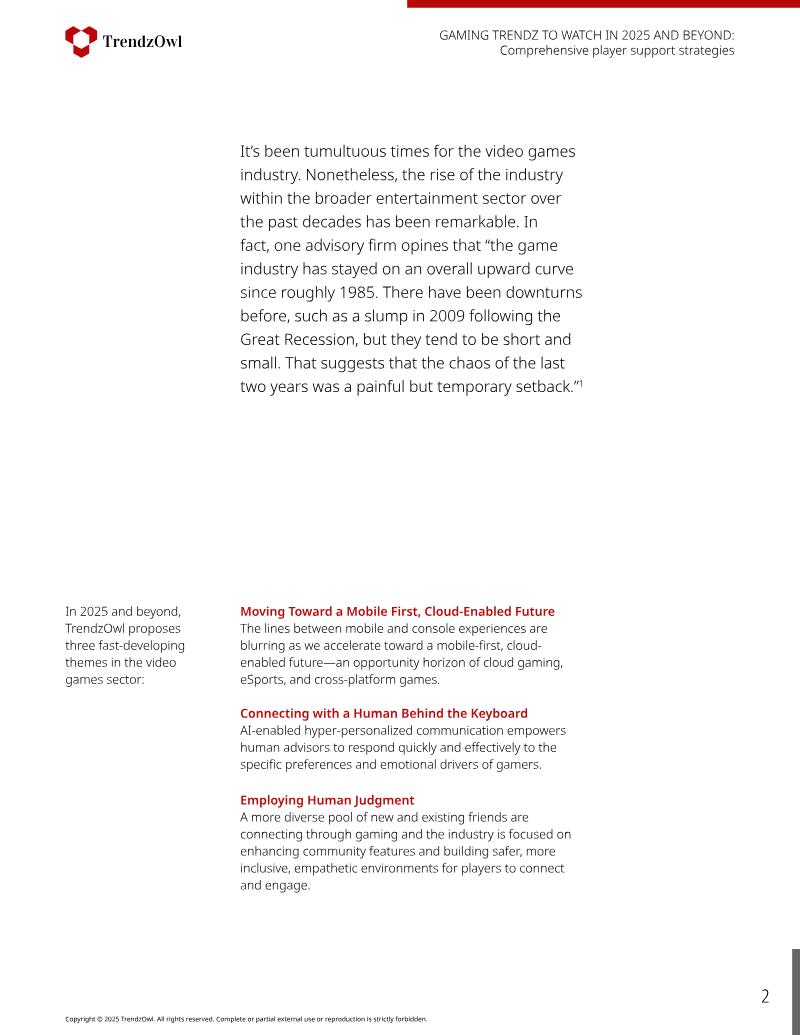
The video game industry is poised for a significant rebound in 2025 following a period of contraction characterized by layoffs and project cancellations.
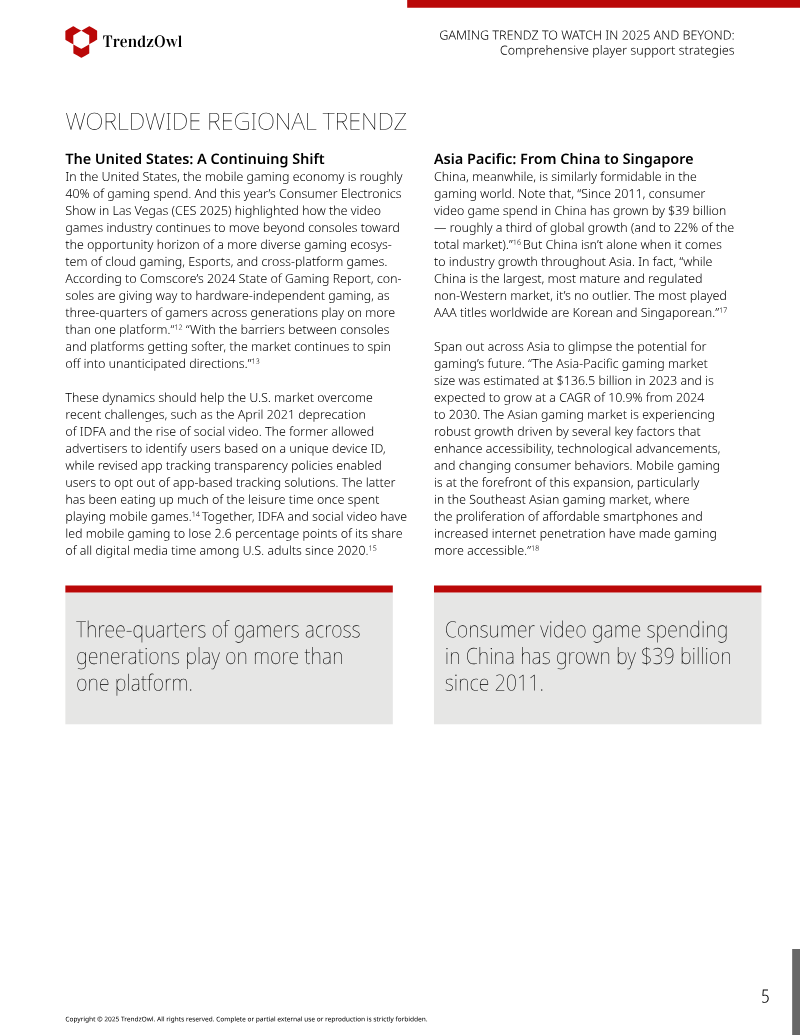
- The gaming industry is shifting toward a mobile-first, hardware-independent model, with mobile gaming now capturing 55% of the total market share.
- Providing a diverse range of contact options for player support increases customer loyalty by 41%.
- The Asia-Pacific region is projected to maintain a 10.9% compound annual growth rate through 2030, while Africa’s market is expanding six times faster than the global average.

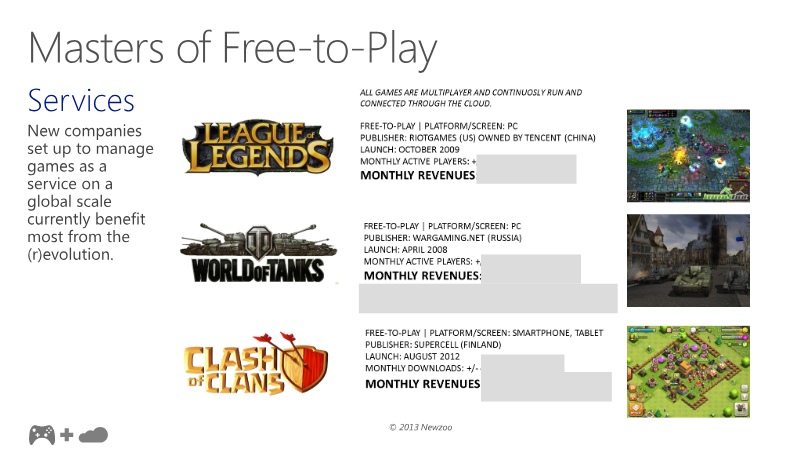
Microsoft Windows Azure Gaming Summit: Overview of and Future Outlook on the Global Games Market
The global games market is undergoing a fundamental transformation, shifting from a product-based model to a service-oriented ecosystem driven by cloud connectivity and multi-screen engagement.
- The global games market generated $66.3 billion in 2012, serving a total population of 967 million gamers.
- The industry is shifting from a product-based model to a service-oriented ecosystem, with free-to-play business models now accounting for the majority of revenue across mobile and digital platforms.
- Regional revenue is led by North America at $22.5 billion and the Asia-Pacific region at $22.4 billion, with Europe contributing $18.7 billion.
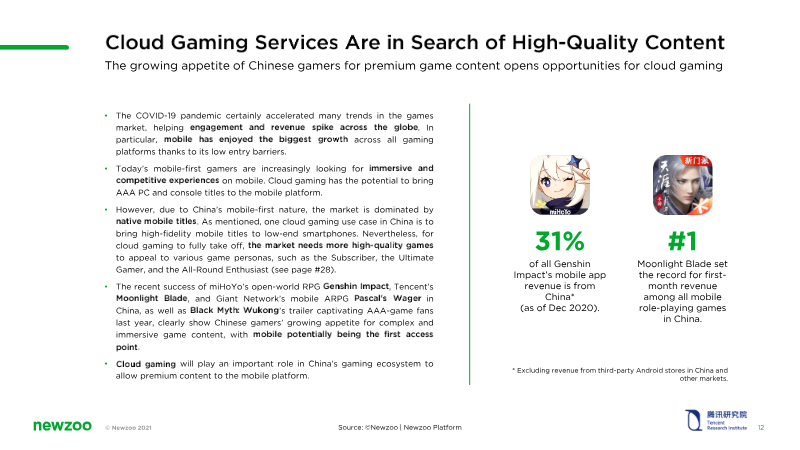

Cloud Gaming in China: Key Developments and How It Differs from the West
The Chinese cloud gaming market is undergoing a period of rapid expansion, positioning the nation as a global leader in 5G-ready infrastructure and cloud-based innovation.
- The Chinese cloud gaming market is projected to reach a compound annual growth rate of 135% between 2020 and 2023.
- China’s cloud gaming ecosystem is defined by a mobile-first approach and hardware-agnostic accessibility, contrasting with Western models that focus on streaming to existing PC and console hardware.
- Major industry players, including Tencent and MiguPlay, are leveraging 5G infrastructure and edge computing to develop cloud-native architectures and unique hardware like cloud phones.
Cloud Gaming: The Perfect Storm
Cloud gaming represents a fundamental shift in the interactive entertainment landscape, transitioning the industry from a hardware-dependent model to a flexible, on-demand service ecosystem.
- Cloud gaming transitions the industry from hardware-dependent models to an on-demand service ecosystem, removing the need for expensive local rigs or physical media.
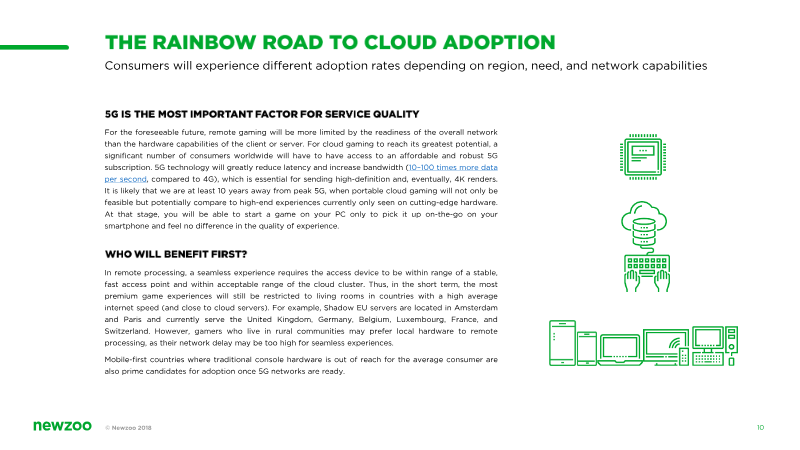
- The long-term viability of cloud gaming is strictly dependent on the global rollout of 5G infrastructure to provide the high-speed, low-latency connectivity required for a seamless user experience.
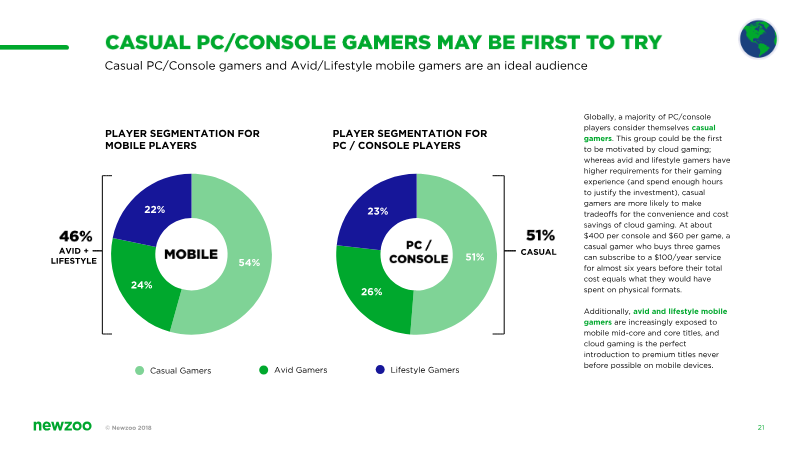
- Cloud gaming is expected to function as a complementary force to traditional PC and console gaming rather than a total replacement for existing hardware platforms.