Key insights
6 slides
Industry Change
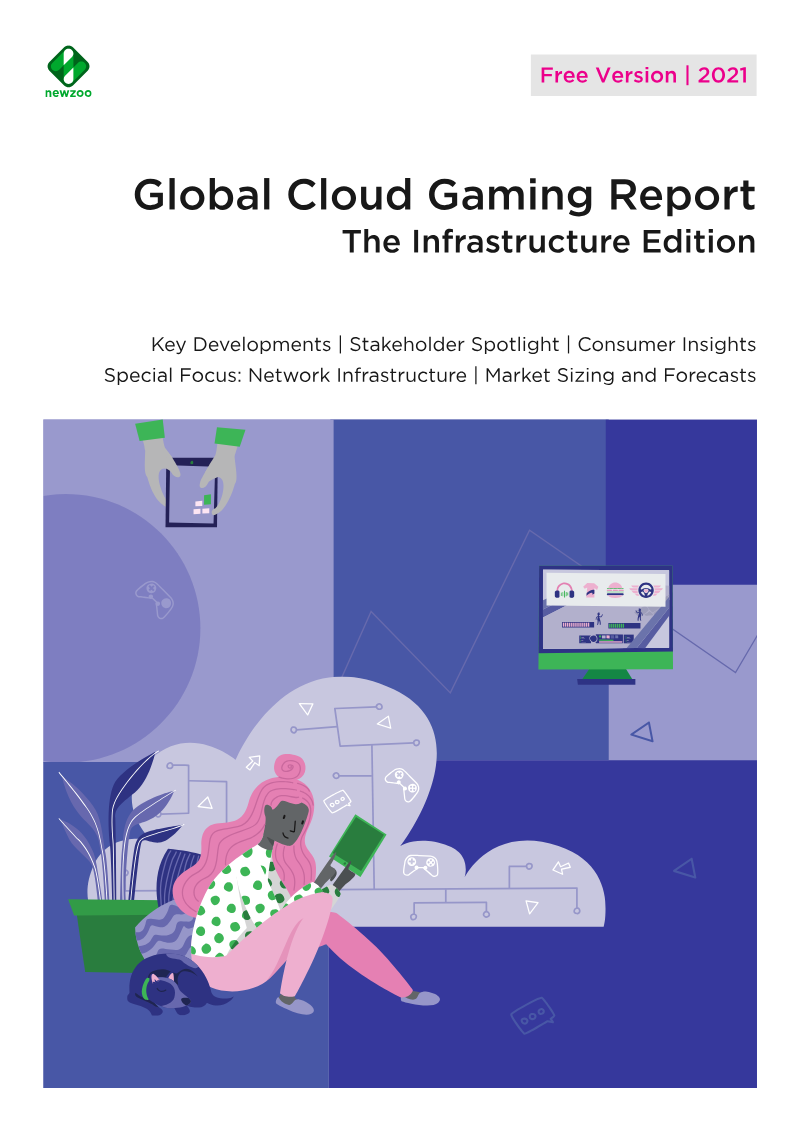
Cloud gaming is transforming the industry from hardware-dependent to an on-demand service model.
This shift removes the need for expensive local rigs or physical media. It allows for streaming high-fidelity content from remote servers directly to consumer devices.
Think of it like moving from owning physical DVDs to streaming movies on demand.
Key Shift. Cloud gaming transitions the industry from hardware-dependent models to an on-demand service ecosystem.
Market Expansion
Cloud gaming lowers the barrier to entry, reaching casual and mobile audiences.
This enables developers to explore innovative monetization strategies and gameplay mechanics. It fosters a more inclusive market previously constrained by local processing power.
Critical Dependency
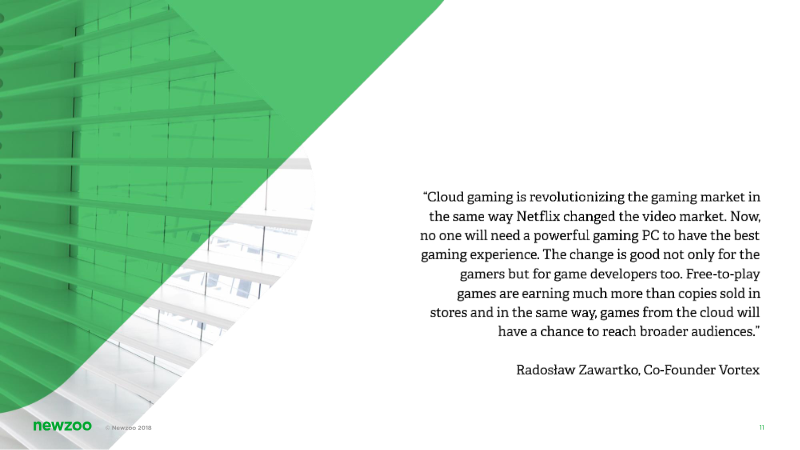
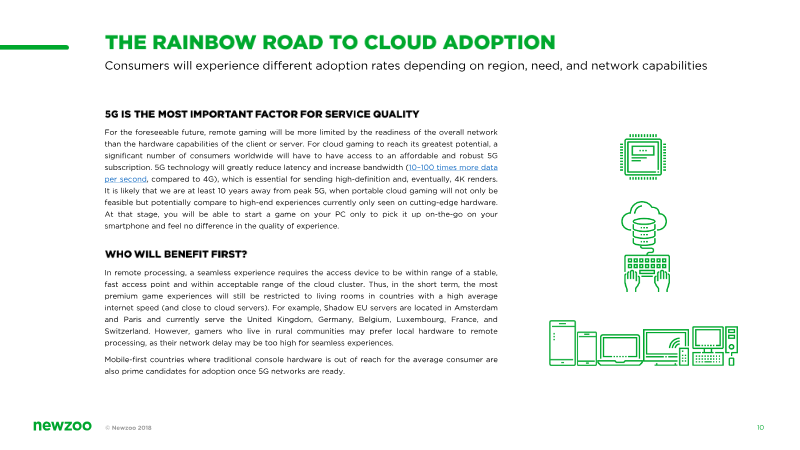
The long-term viability of cloud gaming depends on the global rollout of 5G infrastructure.
High-speed, low-latency connectivity is essential. This mitigates technical friction that currently hinders the user experience.
It's like needing a super-fast highway for all the traffic to flow smoothly.
Adoption Hurdles
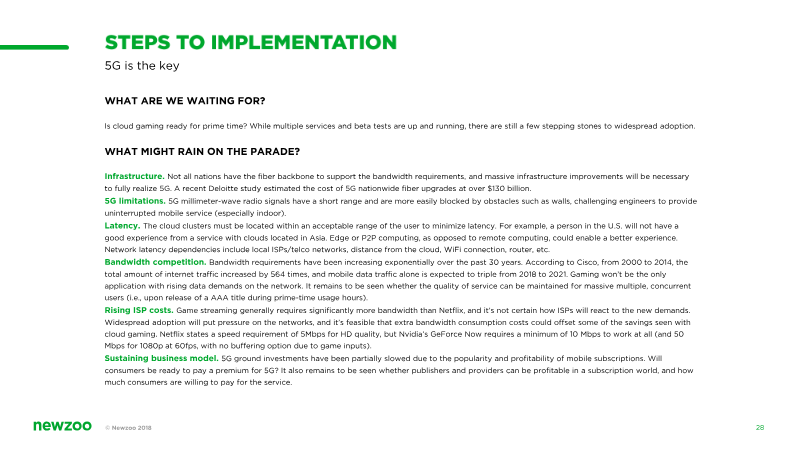
The industry faces significant hurdles to widespread adoption.
These include bandwidth competition from other data-intensive applications. Massive capital investment in network architecture is also required.
Market Position
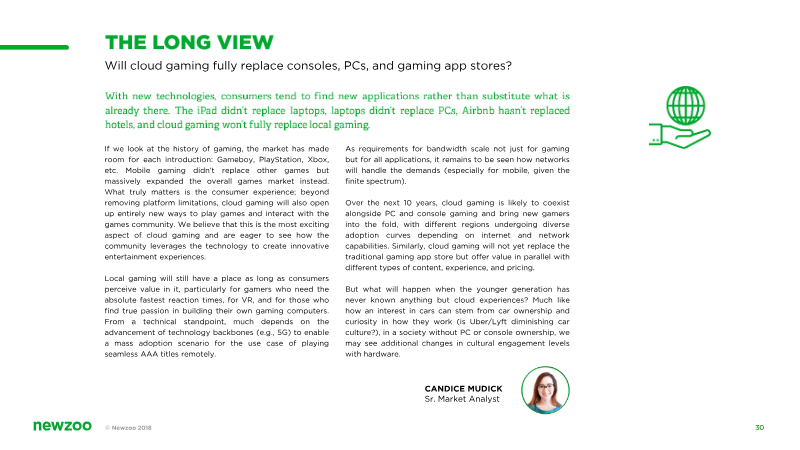
Cloud gaming is expected to complement traditional PC and console gaming, not replace it.
It will function as a complementary force rather than a total replacement.
Content Strategy
Mass-market penetration requires creating streaming-native content, not just porting existing games.
Developers must move beyond simple porting. They need to leverage the unique advantages of cloud infrastructure for new content.
1 / 6
Ask AI about this report