Board Game reports and market data
Documents
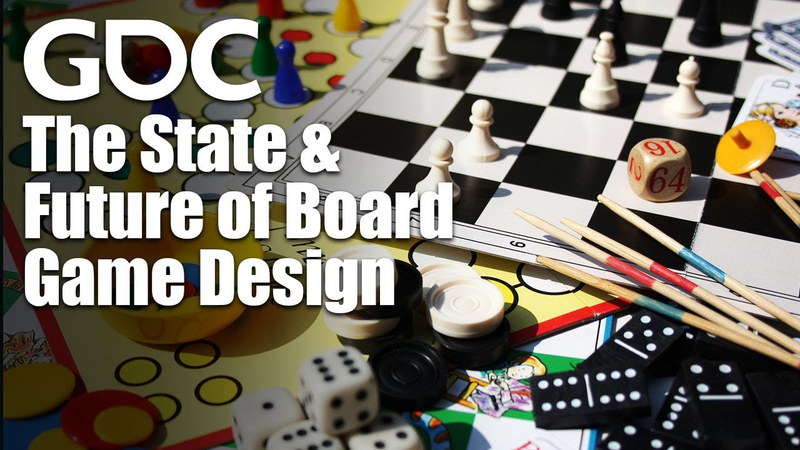
The State & Future of Board Game Design
The board game industry is currently undergoing a period of rapid expansion, characterized by a 10 to 20 percent annual increase in new titles and a increasingly sophisticated player base.
- The board game industry is experiencing rapid growth with a 10 to 20 percent annual increase in new titles, leading to a hyper-competitive market where high-quality design alone no longer guarantees commercial success.
- Designers are increasingly shifting away from self-publishing via crowdfunding toward traditional publishing models to better manage the financial and operational risks of global manufacturing and marketing.
- To remain viable amid low royalty margins, designers must adopt multi-disciplinary, iterative workflows and treat their work with an entrepreneurial mindset rather than focusing solely on creative expression.
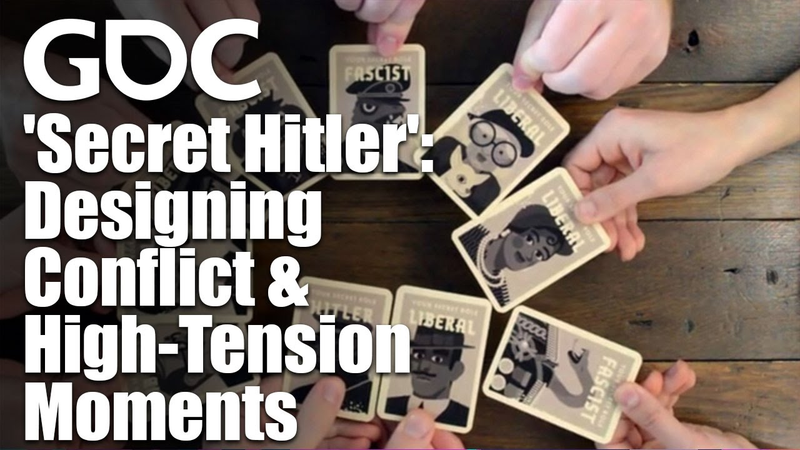
Secret Hitler: Designing Conflict & High-Tension Moments
Secret Hitler functions as a masterclass in social deduction design, prioritizing high-tension interpersonal drama and narrative-driven gameplay over rigid mechanical balance.
- The core design philosophy of Secret Hitler focused on maintaining high-tension, personal conflict and a sense of a 'knife's edge' throughout the entire session, rather than prioritizing perfect game balance or deterministic outcomes.
- The game utilizes a 'rising action' structure where fascist policy enactment increases the intensity of suspicion and social interaction, ensuring the game remains engaging until the final moments.
- To prevent the 'snowball effect' where one team dominates, the developers implemented mechanics like term limits and presidential succession to force players to interact with new, potentially untrusted partners rather than relying on a fixed group of allies.
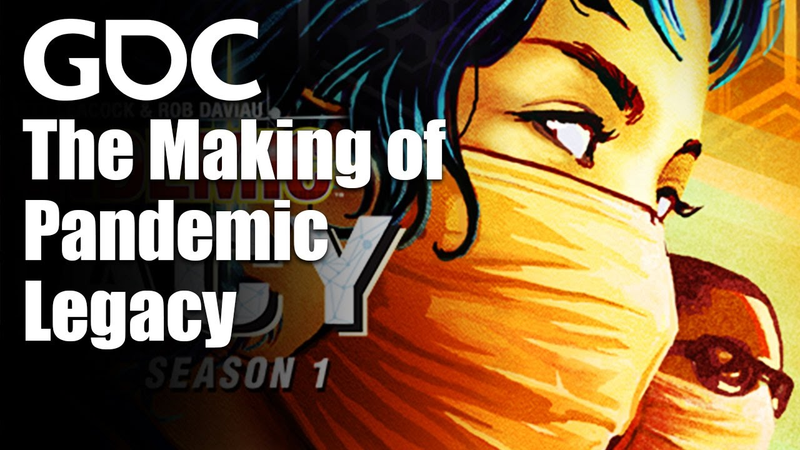
Board Game Design Day: The Making of Pandemic Legacy
The development of Pandemic Legacy represents a pivotal shift in tabletop design, moving from static, repeatable rule sets to evolving, narrative-driven experiences.
- Pandemic Legacy utilizes a 12-month campaign structure to deliver narrative content, balancing player engagement by setting the campaign length at approximately 15 games to ensure players feel the value of the purchase without experiencing burnout.
- The designers implemented a 'consolation prize' mechanic where losing groups receive additional event cards and funding in subsequent games, allowing different skill-level groups to maintain a consistent, challenging experience.
- To foster emotional investment, the game requires players to name their characters and tracks their personal history, including permanent 'scars' or phobias that persist across the campaign.
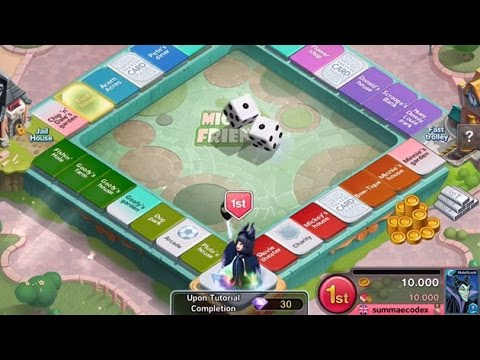
FTUE: Disney Magical Dice
Disney Magical Dice, a mobile title developed by Netmarble, serves as a western-focused adaptation of the popular Korean board game Everyone’s Marble.
- Disney Magical Dice, developed by Netmarble, adapts the Korean board game Everyone’s Marble for Western audiences by blending Monopoly-style mechanics with collectible card game (CCG) progression.
- The game’s onboarding process suffers from significant friction, specifically due to mandatory push notification prompts and background data downloads that delay access to the core gameplay loop.
- While the tutorial effectively teaches basic movement and property acquisition, its restrictive nature fails to adequately prepare players for the game's more complex attribute management and card-fusion systems.
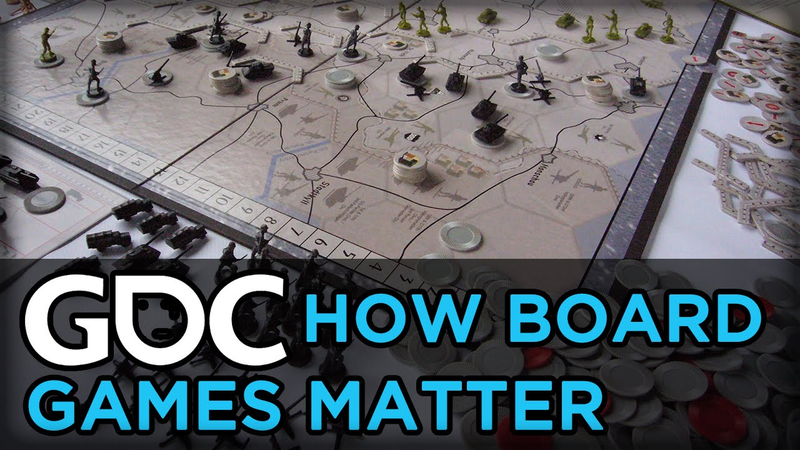
How Board Games Matter
Board games serve as a primary case study for the necessity of transparency in interactive design.
- Transparency in game mechanics increases player comfort and engagement by allowing users to understand the potential results of their actions before they commit to them.
- Complex systems, such as the diplomacy and happiness mechanics in Civilization IV, should be broken down into granular, readable UI elements that explain the specific modifiers behind AI decisions or game states.
- Designers should avoid forcing players to make critical, high-stakes decisions—such as drafting a deck in Magic: The Gathering—before they have had the opportunity to learn the game's core mechanics.

Snakes and Ladders - How the Meaning of an Ancient Children's Game Adapted Over Time - Extra Credits
Snakes and Ladders serves as a profound example of how game mechanics function as metaphors for cultural values and philosophical beliefs.
- Snakes and Ladders originated in India approximately 2,000 years ago as a tool for moral and religious education rather than a test of player skill.
- The game’s mechanics rely entirely on chance to reinforce the concept of fate and the karmic cycle of life, death, and rebirth.
- In its original Indian iterations, the board layout featured more vices than virtues, reflecting a spiritual philosophy where regression was more common than elevation.
A Case for Board Games - Why Board Games Help You Make Better Video Games - Extra Credits
Studying board games is an essential practice for aspiring video game designers because board games represent the purest translation of rules into player experience.
- Board games provide a pure environment for studying game design because they rely on explicit, transparent rules rather than the obfuscated mechanics of digital systems like AI or physics.
- Deconstructing board game systems allows designers to observe the direct correlation between specific logical rules and the resulting player behavior or emotional tone.
- Testing rulebooks on strangers is a critical design exercise that exposes gaps between a designer's intended mechanics and the actual player interpretation.