Arcade reports and market data
Documents
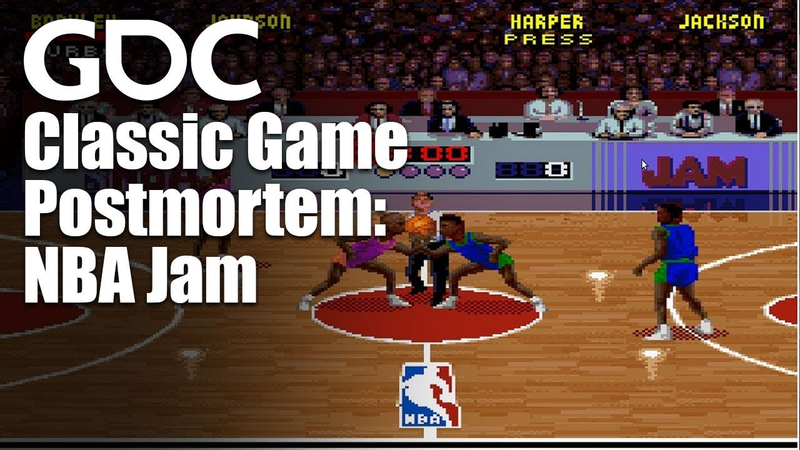
Classic Game Postmortem: NBA Jam
NBA Jam stands as a definitive landmark of the 1990s arcade era, generating approximately $1 billion in revenue during its inaugural year.
- NBA Jam generated approximately $1 billion in revenue during its first year, establishing it as a landmark title of the 1990s arcade era.
- The game’s commercial success was driven by prioritizing fast-paced, accessible gameplay over strict sports simulation, which effectively bridged the gap between arcade cabinets and home consoles.
- Developers secured the critical NBA license by positioning the game as a family-friendly product, successfully mitigating the league's concerns regarding brand image.
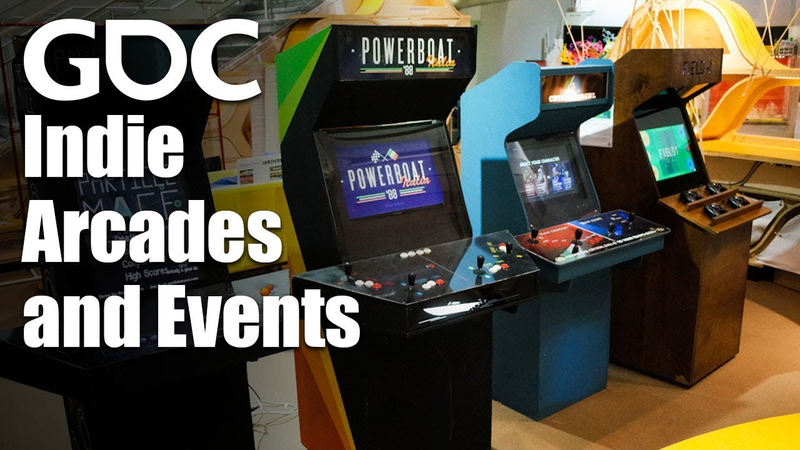
Pop-Up Arcade: Postmortems on Indie Arcades and Events
This session from GDC Europe 2013 explores the rise of pop-up indie game arcades and curated events as a means to foster community and reach audiences beyond the traditional gaming demographic.
- Physical, curated arcade installations transform digital games into performative, social experiences that attract audiences beyond traditional gaming demographics.
- Using unconventional hardware—such as repurposed furniture, baby strollers, or shipping pallets—creates a tangible gateway that invites participation from passersby who might feel alienated by standard gaming conventions.
- The success of pop-up arcades relies on the presence of a 'critical mass' of spectators, which turns local multiplayer gameplay into a shared event comparable to a concert or movie night.
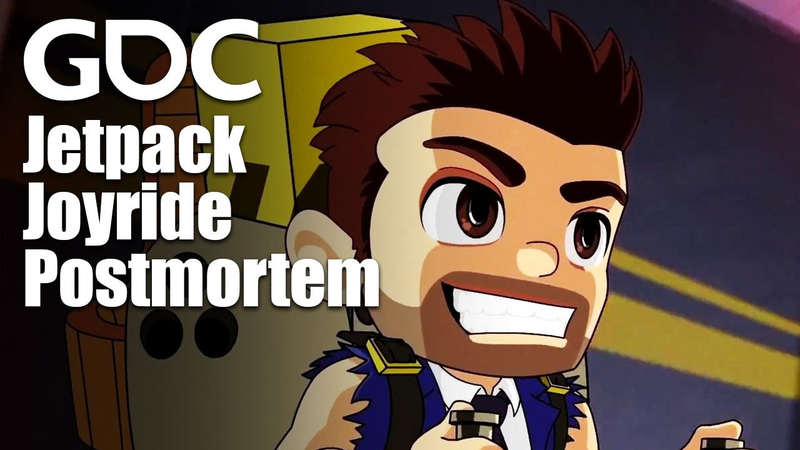
The Jetpack Joyride Postmortem
Jetpack Joyride represents a strategic masterclass in mobile game design, originating from a focused four-week development cycle by a three-person team at Halfbrick Studios.
- Halfbrick Studios developed Jetpack Joyride in a four-week cycle with a three-person team, proving that focused development can produce highly successful mobile titles.
- The game’s core retention strategy relied on a layered mission system that replaced static goals with progressive challenges to foster long-term player engagement.
- By intentionally incorporating randomized, occasionally unfair obstacles, the design mitigated player frustration and encouraged immediate re-engagement with the core gameplay loop.
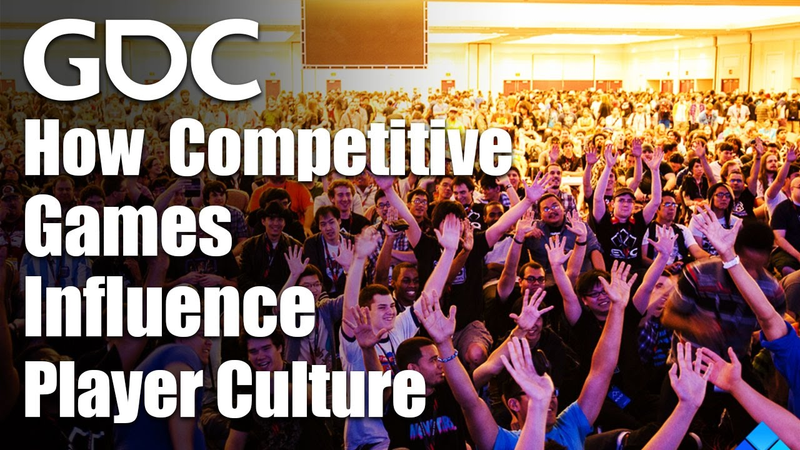
Arcade to eSports: How Your Competitive Game Influences Player Culture and Values
The evolution of competitive gaming from the arcade era to modern eSports reveals that the structural design of a game directly dictates the values and social dynamics of its player base.
- Game structural design directly dictates the values and social dynamics of a player base, meaning competitive ecosystems must be built to reflect the game's inherent culture.
- The fighting game community maintains a grassroots, open-bracket culture by prioritizing direct participation and personal mastery over the passive consumption models common in modern eSports.
- To sustain competitive ecosystems, organizers should avoid standardized, spectator-focused industry models and instead foster accessible entry points through youth and collegiate formats.
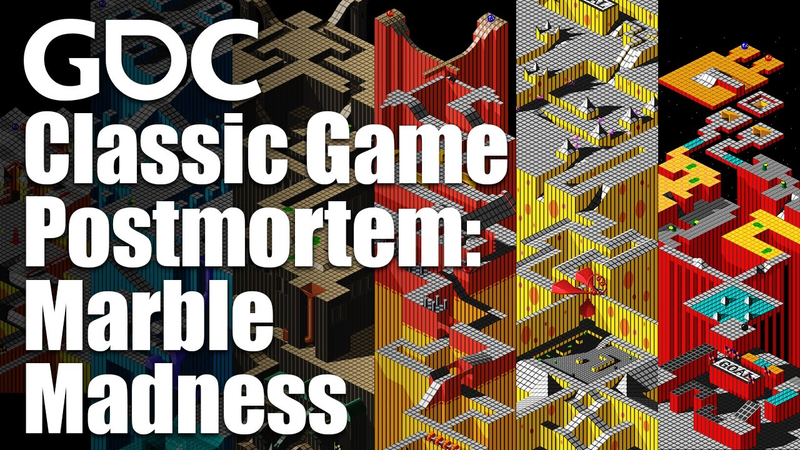
Classic Game Postmortem - Marble Madness
The development of Marble Madness during the mid-1980s arcade industry contraction serves as a case study in balancing technical innovation with the unforgiving economic realities of coin-operated gaming.
- During the 1982-1984 arcade industry crash, sales plummeted by 90%, forcing developers to pivot from custom hardware for every game to a 'system hardware' model where operators bought a base board and swapped out cartridges.
- Atari's development process for Marble Madness involved a high-stakes 'coin drop' testing phase where games were built to 80% completion and placed in arcades; historically, two out of every three games were canceled based on these results.
- Marble Madness achieved commercial success by selling 4,000 units in a depressed market, making it one of the top-selling games of 1984 despite the industry's decline from the 100,000-unit sales peaks of the Pac-Man era.
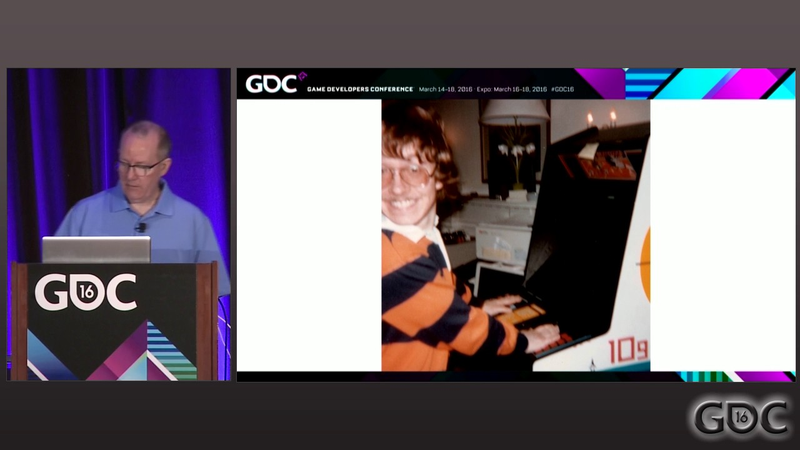
Classic Game Postmortem: Ms. Pac-Man
General Computer Corporation (GCC) emerged in 1981 as a pioneering force in the arcade industry, initially focusing on enhancement kits designed to extend the commercial lifespan of popular titles.
- Ms. Pac-Man was developed by General Computer Corporation (GCC) as a modification kit for the original Pac-Man, utilizing a custom auxiliary circuit board with 10K of ROM to patch the original game code.
- To reverse engineer Pac-Man, the GCC team used a Tektronix 85/50 Z80 emulator to disassemble the original code, allowing them to isolate and modify monster AI behaviors and maze layouts.
- The team implemented anti-copying hardware and a 'bit-swizzle' encryption method on their auxiliary board, which successfully prevented the cloning of Ms. Pac-Man for approximately six months.

How COLOPL is bringing virtual reality gaming to Chinese arcades
The rapid emergence of virtual reality (VR) in 2016 presents significant barriers to household adoption, necessitating a strategic shift toward public VR arcades and internet cafes, particularly in markets like China.
- High-end VR hardware costs exceeding $1,500, combined with physical space requirements and motion sickness, currently hinder widespread household adoption.
- VR arcades and internet cafes serve as the primary strategic solution to overcome systemic barriers to entry by centralizing expensive equipment and providing dedicated physical space.
- The Chinese market is demonstrating strong consumer demand for out-of-home VR experiences, particularly through pay-per-minute models located in shopping malls.
FTUE: Micro Machines
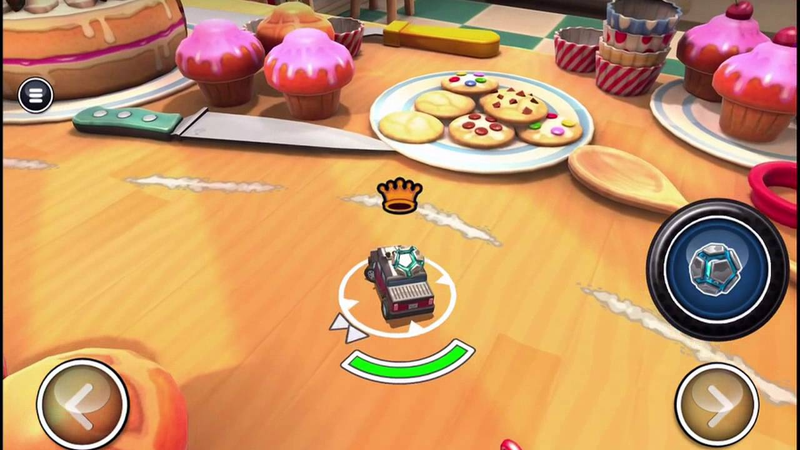
The mobile adaptation of Micro Machines, published by Codemasters and Chillingo, serves as a case study for modern free-to-play (F2P) design, focusing on the integration of gacha-style collection mechanics within a casual racing framework.
- The Micro Machines mobile title, published by Codemasters and Chillingo, utilizes a gacha-style economy where players must collect randomized parts to assemble and upgrade vehicles.
- The game’s monetization strategy relies on a tiered rarity system—ranging from common to legendary—that forces players to repeatedly engage with loot packs to complete specific vehicle builds.
- The user experience suffers from a critical design flaw where the iOS push notification permission prompt is triggered immediately upon launch, increasing the risk of permanent user opt-out.

Monetizer: Hungry Shark World
Hungry Shark World, the fifth installment in the long-running franchise, demonstrates a strategic shift toward a more robust free-to-play meta-game layer.
- Hungry Shark World achieved 10 million downloads in its first week and reached the top 50 grossing charts on the US iOS App Store.
- The game employs a hybrid monetization model that combines direct in-app purchases for currency and items with rewarded video advertisements for features like shark revivals.
- A robust meta-game layer—consisting of shark evolution, statistical equipment, and gameplay-assisting pets—is used to drive both long-term retention and monetization.

Size DOS Matter: Mattis Delerud of Team DOS talks to Biz during Dare to be Digital
Size Does Matter is a rhythm-action game developed by Team DOS that blends mechanics from titles like Tetris, Super Hexagon, and Guitar Hero.
- Size Does Matter is a rhythm-action game developed in Unity that combines mechanics from Tetris, Super Hexagon, and Guitar Hero for touchscreen devices.
- To circumvent the high costs of licensing mainstream music, the developers source royalty-free soundtracks from emerging electronic artists on platforms like Newgrounds.
- The game utilizes a free-to-play model that includes a base package of eight to ten songs, with additional revenue generated through the sale of artist-specific song packs.
Monetizer: Namco Bandai's Pac-Man Dash
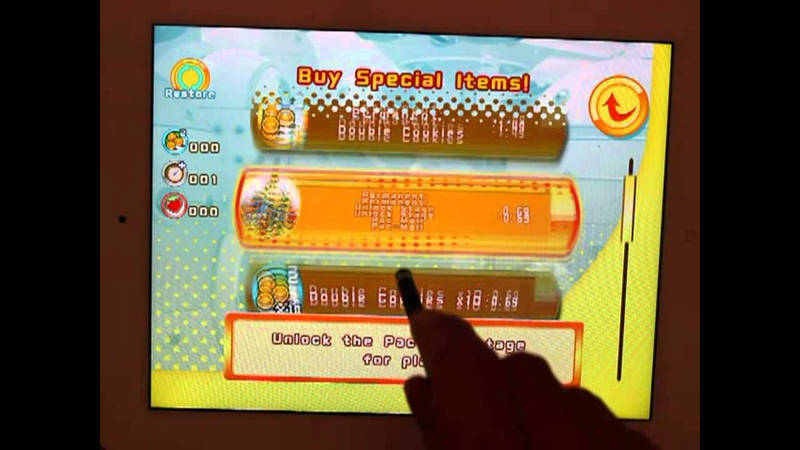
Pac-Man Dash utilizes a high-speed, runner-style gameplay loop on the iPad to engage players through a combination of mission-based objectives and resource management.
- Pac-Man Dash employs a stamina-based fuel mechanism that gates gameplay, forcing players to remain online for recovery and encouraging frequent, short daily sessions.
- The game utilizes a dual-currency approach where cookies serve as soft currency for purchasing consumable power-ups, performance-enhancing items, and permanent progression upgrades like cookie multipliers.
- Monetization is driven by microtransactions for stamina refills, temporary speed boosts, and mission-specific advantages designed to extend run times and maximize resource collection.
When Difficult Is Fun - Challenging vs. Punishing Games - Extra Credits
The gaming industry often conflates difficult game design with punishing experiences, leading to a misconception that high-difficulty titles lack commercial viability.
- Effective difficult game design prioritizes player mastery over frustration by ensuring mechanics remain consistent and predictable rather than arbitrary.
- Challenging games must provide players with a robust toolkit for creative problem-solving, moving away from designs that rely solely on rote memorization.
- To maintain engagement, games should feature short iteration times that allow players to immediately re-engage with a challenge after failure rather than repeating previously mastered content.