Ai

64 documents·41 publishers

Documents

Page 1
Report37 pages

2025 GDC Trends Report

The global video game industry is undergoing a strategic pivot toward operational sustainability and niche market penetration as of 2025. Developers are increasingly moving away from high-risk, large-scale AAA live service projects in favor of smaller, cost-effective titles that prioritize player retention over aggressive acquisition. This shift is mirrored in the mobile sector, where hybrid-casual models and data-driven advertising are gaining prominence, alongside a notable resurgence in HTML5 gaming as a platform for broader accessibility.

Technological integration remains a primary driver of industry evolution, particularly regarding generative AI and extended reality. While AI tools are being rapidly adopted to accelerate prototyping and enhance non-player character complexity, their implementation is tempered by significant concerns surrounding copyright, ethics, and long-term job security. Simultaneously, the VR, AR, and MR sectors are transitioning toward mass-market accessibility, with a focus on affordable hardware and the development of immersive multiplayer experiences. These trends are underscored by the success of titles like Balatro, which exemplify the growing market appetite for innovative, independent-minded gameplay.

The industry is also experiencing a fundamental change in its social and structural foundations. The formalization of labor organization, exemplified by the debut of the United Videogame Workers, reflects a growing commitment to addressing developer burnout and workplace equity. Furthermore, the industry is standardizing accessibility through initiatives like the ESA’s Accessible Games program, recognizing that inclusive design is essential for long-term growth. As funding becomes more selective, developers are increasingly relying on robust community building as a primary mechanism to secure investment and ensure the viability of their projects in a competitive global landscape.

  • Developers are shifting away from high-risk AAA live service projects to prioritize smaller, cost-effective titles that focus on long-term player retention.
  • Generative AI is being widely adopted to accelerate prototyping and increase NPC complexity, though its use remains constrained by ongoing ethical, copyright, and job security concerns.
  • The mobile gaming sector is pivoting toward hybrid-casual models and data-driven advertising, while HTML5 gaming is seeing a resurgence as a tool for broader accessibility.
  • The VR, AR, and MR sectors are moving toward mass-market adoption by prioritizing affordable hardware and immersive multiplayer experiences.
  • Labor organization is becoming formalized, with groups like the United Videogame Workers emerging to address industry-wide issues of developer burnout and workplace equity.
+1
Game Developers ConferenceJan 2025
Page 1
Report40 pages

The Gaming App Insights Report 2025: Unlocking Growth Opportunities for Mobile Marketers

The mobile gaming industry is entering a period of strategic recalibration, projected to reach $126.1 billion in revenue by 2025. This growth is underpinned by a transition toward hybrid monetization models and the integration of AI-powered personalization to combat persistent retention challenges. While global install volume grew by 4% in 2024, the market exhibits a distinct geographic divide; North American and European markets face stagnation, whereas Latin America and the Middle East and North Africa regions demonstrate robust expansion. Success in this evolving landscape requires developers to move beyond traditional acquisition, favoring diversified channels such as Connected TV and localized, player-centric engagement strategies.

Data from early 2025 indicates that user tracking remains a pivotal operational hurdle, with global App Tracking Transparency opt-in rates hovering at 37.9%. Although arcade games have seen notable improvements in opt-in performance, the United States remains relatively static at 32%, underscoring the necessity for refined messaging strategies to maintain visibility. Concurrently, the industry is grappling with a complex financial environment characterized by rising costs per install and declining average revenue metrics. These headwinds are forcing a shift in marketing tactics, as developers increasingly rely on a broader array of acquisition partners and data-informed creative experimentation to sustain growth.

Ultimately, the path to profitability in 2025 lies in prioritizing long-term player value over short-term acquisition metrics. By leveraging AI-driven optimization and fostering community-building initiatives, developers can mitigate the impact of declining revenue per user. The industry is clearly moving toward a more sophisticated, data-reliant ecosystem where the ability to measure performance across fragmented channels—including mobile and Connected TV—is essential for maintaining a competitive advantage in a maturing global market.

  • The mobile gaming market is projected to reach $126.1 billion in revenue by 2025, driven by a shift toward hybrid monetization and AI-powered personalization.
  • Global install volume grew by 4% in 2024, but growth is geographically polarized with stagnation in North America and Europe contrasted by expansion in Latin America and the MENA region.
  • Global App Tracking Transparency (ATT) opt-in rates remain low at 37.9%, with the United States market stagnant at a 32% opt-in rate.
  • Developers face a challenging financial environment defined by rising costs per install and declining average revenue metrics, necessitating a shift toward long-term player value over short-term acquisition.
  • To sustain growth, developers must diversify acquisition channels beyond traditional mobile ads, specifically integrating Connected TV and data-informed creative experimentation.
+5
GamingReportJan 2025
Page 1
Report39 pages

State of the Game Industry

The survey of more than 3,000 global developers in 2025 reveals a gaming industry grappling with persistent instability while making modest progress on diversity. Layoffs have risen, with one‑tenth of respondents reporting job losses in the past year and 58 % worried about future cuts. Women and non‑binary developers now account for 32 % of the workforce, up from 29 % in 2024, and LGBTQ+ representation reached 24 %, yet white males still dominate at 66 %. Revenue pressures and market shifts continue to drive restructuring, underscoring the sector’s vulnerability.

Generative AI has transitioned from a niche experiment to an integral part of many studios, with 36 % of developers using it personally and 52 % reporting company‑wide adoption. However, enthusiasm has cooled: only nine percent of companies plan to expand AI use, and negative perceptions have climbed to 30 % from 21 %. Ethical concerns, intellectual‑property risks, and fears of job displacement now affect more than half of respondents. Internal AI policies have expanded to 64 % of studios, and optional use has become more common, though a small minority mandate AI tools.

Live‑service development remains polarised. While 42 % of studios already produce live titles, only 13 % intend to launch one next year. AAA developers are more inclined (33 %) due to potential financial upside and sustained player engagement, yet worries about market saturation, creative fatigue, predatory monetization, and burnout persist. Media adaptations interest 36 % of AAA studios, whereas internal pitch activity has fallen. Self‑funding remains the dominant financing method (56 %), though success rates vary across funding models.

Work‑hour patterns signal growing strain: the share of developers working over 50 hours a week has risen from 8 % to 13 %, and half of respondents now view excess hours as problematic. Union support remains robust at 69 %, with 58 % advocating industry unionisation, yet only 22 % have discussed it in the past year. These findings illustrate a sector negotiating between rapid technological change, creative ambition, and labour‑market pressures across diverse geographic regions and studio sizes.

  • Job instability is widespread, with 10% of developers experiencing layoffs in the past year and 58% expressing concern over future job security.
  • Generative AI adoption is high, with 52% of studios using it company-wide, yet negative sentiment has risen to 30% due to ethical, IP, and displacement concerns.
  • Work-life balance is deteriorating, as the proportion of developers working over 50 hours per week increased from 8% to 13%, with half of the workforce viewing these hours as problematic.
  • Live-service development is cooling, with only 13% of studios planning to launch a new live title next year despite 42% currently maintaining existing ones.
  • Workforce diversity is showing modest gains, with women and non-binary developers rising to 32% of the industry and LGBTQ+ representation reaching 24%.
+1
GDCJan 2025
Page 1
Report66 pages

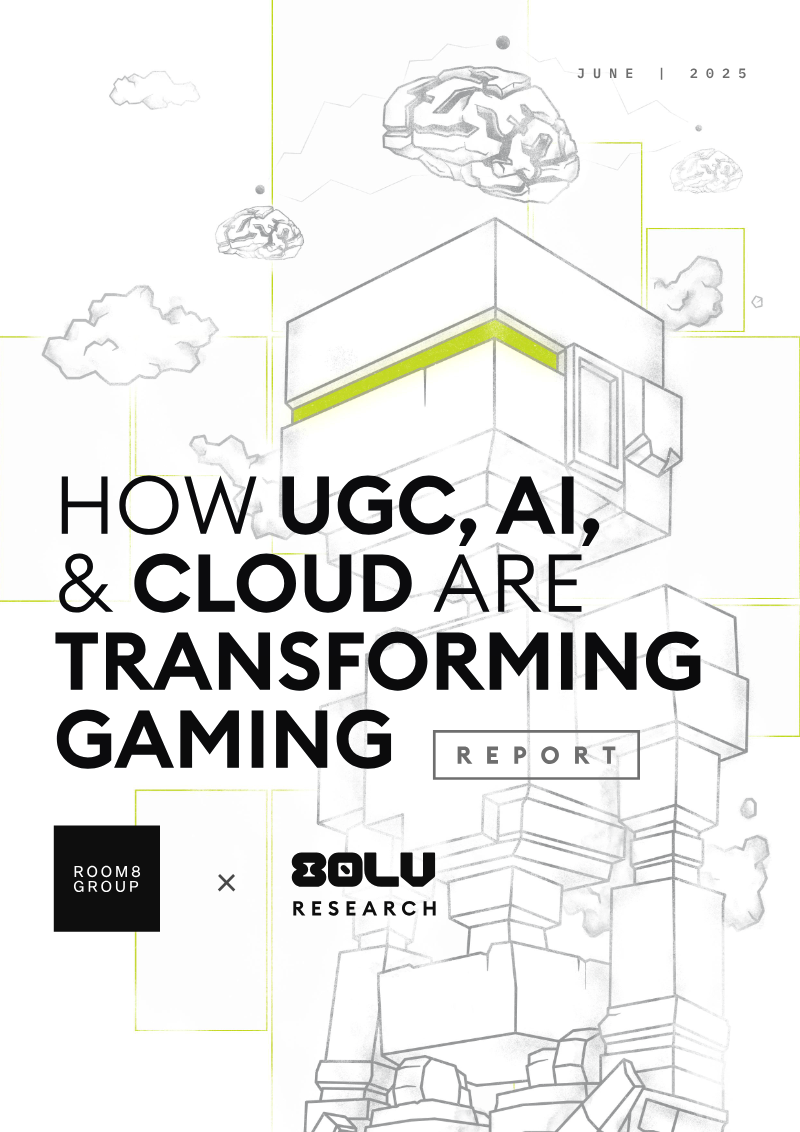
How UGC, AI, & Cloud Are Transforming Gaming Report

The report argues that user‑generated content (UGC), artificial intelligence (AI) and cloud gaming are reshaping the industry by lowering entry barriers, democratizing creation and expanding cross‑platform reach. Data show that Gen Alpha and Gen Z spend a majority of their daily gaming time, with UGC platforms such as Roblox attracting 85 million active users and cloud‑gaming subscribers rising from 62.5 million to nearly 396 million in four years. AI‑driven tools are projected to generate $4.2 B by 2029, while cloud‑gaming revenue grew from $1.1 B in 2020 to $6.9 B in 2024 and is expected to reach $18.7 B by 2027.

Indie developers benefit from cloud infrastructure that allows anyone to play AAA titles and AI engines such as Unity Muse or Unreal Engine that reduce development costs. Indie releases on Steam generated $4 B in 2024, matching AAA revenue streams, and UGC has extended the life of titles like Fortnite and Roblox, boosting retention by up to 10 % in some cases. However, quality control, cross‑platform compatibility and monetization remain challenges; dedicated mod QA teams, “mod hub” interfaces and transparent pricing are recommended to sustain high‑quality ecosystems.

Player surveys reveal mixed feelings about AI, with 54 % seeing more benefits than drawbacks but 52 % feeling nervous. Creators view AI as a productivity aid, with 83 % adopting it and reporting improved content quality (66 %) and asset variation speed (70 %). Cloud gaming is praised for cost savings (47 %) and accessibility (44 %), yet latency (76 %) and bandwidth (68 %) issues persist, underscoring the need for edge computing, AI‑based compression and better economic models.

The analysis projects cloud gaming as the dominant play model within a decade, initially targeting B2B use cases before expanding to consumers. Advances in 5G and internet infrastructure are expected to unlock low‑latency streaming, enabling cross‑platform play and the convergence of AI, UGC and live‑service models into socially connected gaming ecosystems. The report concludes that while continuous evolution and community engagement will drive growth, depth in specific genres may ultimately define the next wave of innovation.

  • Cloud gaming revenue grew from $1.1 billion in 2020 to $6.9 billion in 2024, with projections reaching $18.7 billion by 2027 and a trajectory to become the dominant play model within a decade.
  • Cloud gaming subscribers have surged from 62.5 million to nearly 396 million over the last four years, while AI-driven development tools are projected to generate $4.2 billion by 2029.
  • Indie developers are increasingly competitive, with indie releases on Steam generating $4 billion in 2024, a figure that now matches AAA revenue streams.
  • UGC platforms like Roblox have reached 85 million active users, with UGC integration in titles like Fortnite and Roblox boosting player retention by up to 10%.
  • While 83% of creators have adopted AI to improve asset variation speed (70%) and content quality (66%), player sentiment remains divided, with 52% expressing nervousness regarding the technology.
+1
Room 8 GroupJan 2025
Page 1
Report33 pages

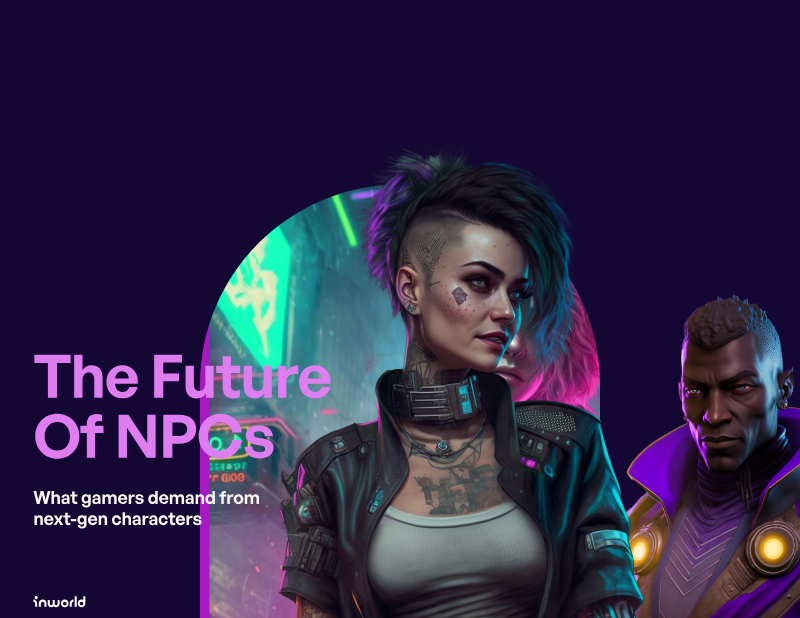
The Future Of NPCs: What Gamers Demand From Next-Gen Characters

The evolution of non-playable characters (NPCs) has failed to keep pace with the rapid advancements in game graphics and narrative complexity, leading to a significant gap in player immersion. While modern titles feature sophisticated world-building, NPC technology remains largely stagnant, relying on repetitive dialogue trees and rigid scripts. Research conducted among 1,002 U.S.-based gamers aged 16 to 50 reveals that while 84% of players consider NPCs vital to the gaming experience, over half are frustrated by repetitive dialogue and an inability for characters to adapt to in-game changes.

The transition toward advanced AI NPCs—characters powered by machine learning, natural language processing, and emotional perception—represents a transformative shift for the industry. Survey data indicates an overwhelming appetite for this technology: 99% of gamers believe advanced NPCs would positively impact gameplay, and 88% believe they would significantly improve immersion. Players specifically desire NPCs with situational awareness, the ability to remember previous interactions, and the capacity for free-flowing conversation. This demand is highest among fans of RPG and sandbox genres, where interaction with the world is a core mechanic.

Beyond enhancing the player experience, the integration of advanced AI presents a substantial commercial opportunity for developers. The findings show that 81% of gamers are willing to pay more for titles featuring intelligent NPCs, and 79% are more likely to purchase a game if it includes this technology. Furthermore, 78% of respondents indicated they would spend more time playing games with advanced NPCs, suggesting a direct correlation between AI sophistication and player retention.

The methodology utilized a 20-minute online survey where participants interacted with demos of advanced AI technology. The sample included a diverse range of players across PC, console, mobile, and VR platforms, spending an average of five to eight hours per week gaming. Ultimately, the data suggests that moving away from scripted dialogue toward dynamic, autonomous characters is essential for studios looking to remain competitive and meet the rising expectations of modern audiences.

  • 99% of gamers believe that integrating advanced AI into NPCs would positively impact gameplay, while 88% expect it to significantly improve overall immersion.
  • 81% of players are willing to pay a premium for games featuring intelligent NPCs, and 79% report a higher likelihood of purchasing titles that utilize this technology.
  • 78% of gamers indicate they would increase their playtime in titles featuring advanced, autonomous NPCs, suggesting a direct link between AI sophistication and player retention.
  • While 84% of the 1,002 surveyed gamers consider NPCs vital to the gaming experience, over 50% express frustration with current limitations like repetitive dialogue and rigid, non-adaptive scripts.
  • Players specifically demand NPCs capable of situational awareness, memory of past interactions, and free-flowing, natural language conversation, with the highest demand coming from RPG and sandbox genre fans.
+1
Inworld AIJan 2025
Page 1
Report6 pages

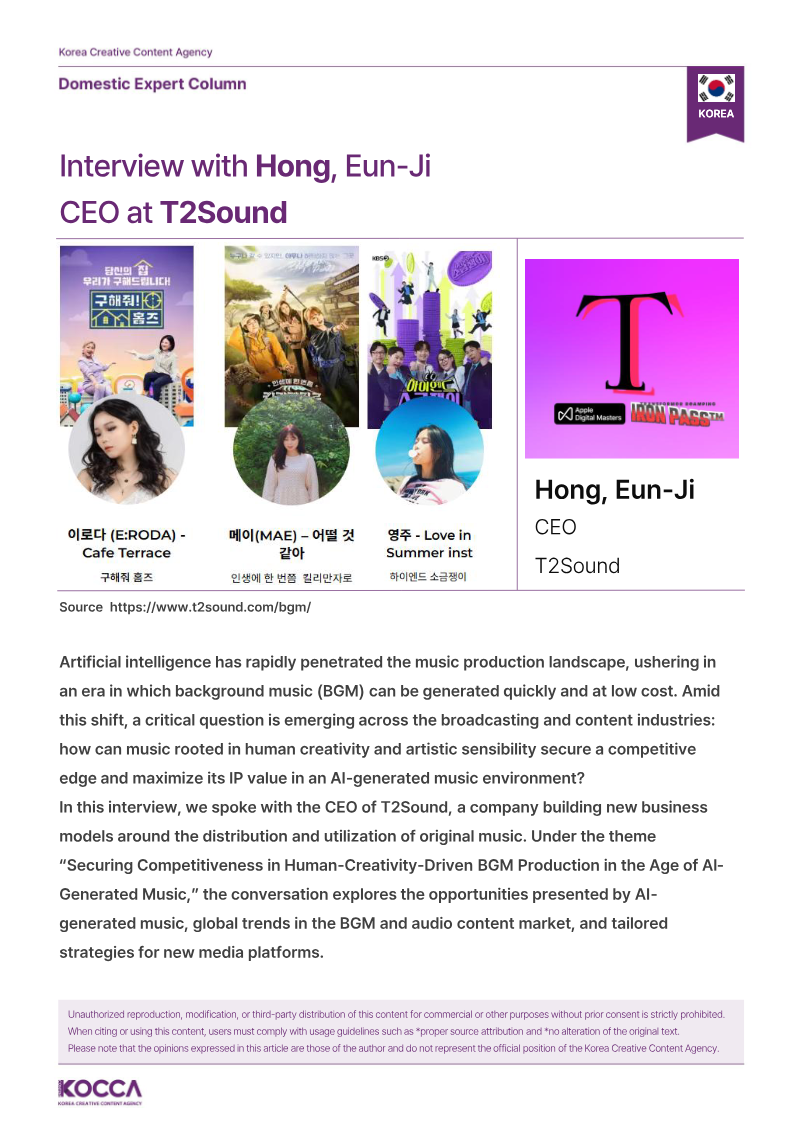
Securing Competitiveness in Human-Creativity-Driven BGM Production in the Age of AI-Generated Music: South Korea

The interview with Hong Eun‑Ji, CEO of T2Sound, examines how background‑music (BGM) producers in South Korea can preserve competitive advantage as AI‑generated music becomes increasingly affordable and rapid. The central thesis is that human creativity—particularly the ability to convey authentic emotion and intent—remains the decisive factor that AI cannot replicate, and that leveraging AI as a collaborative tool rather than a threat can enhance, not replace, the artistic value of BGM.

Key insights emphasize that quality and emotional resonance, achieved through meticulous mixing and mastering, are the core values guiding T2Sound’s work. The company prioritises collaboration with external creators, believing that collective expertise yields richer nuance than isolated in‑house production. Market trends reveal a shift among overseas buyers toward tracks with distinctive sonic signatures rather than generic pleasantness, and Korean BGM’s success abroad is linked to its unique emotional line and texture. In short‑form media, the interview highlights the necessity of an immediate, memorable hook within the first few seconds to secure brand recognition and audience immersion.

Looking ahead to 2026, the conversation predicts a consolidation around financially proven genres such as hip‑hop and trot in Korea, reflecting an industry increasingly driven by economic sustainability. The interview’s qualitative methodology—direct dialogue with a leading BGM provider—offers a focused perspective on the evolving interplay between AI tools, human artistry, and global market demands within the South Korean audio‑content sector.

  • Human creativity remains the primary competitive advantage for BGM producers, as the ability to convey authentic emotion and intent cannot be replicated by AI.
  • T2Sound maintains market competitiveness by prioritizing meticulous mixing and mastering to ensure high-quality emotional resonance, rather than competing solely on speed or cost.
  • Global demand is shifting away from generic background music toward tracks with distinctive sonic signatures, with Korean BGM gaining traction due to its unique emotional texture.
  • Short-form media content requires an immediate, memorable hook within the first few seconds to successfully secure brand recognition and audience immersion.
  • T2Sound leverages a collaborative model with external creators to achieve richer artistic nuance than what is typically produced through isolated in-house workflows.
+1
KOCCA – Korea Creative Content AgencyJan 2025
Page 1
Report15 pages

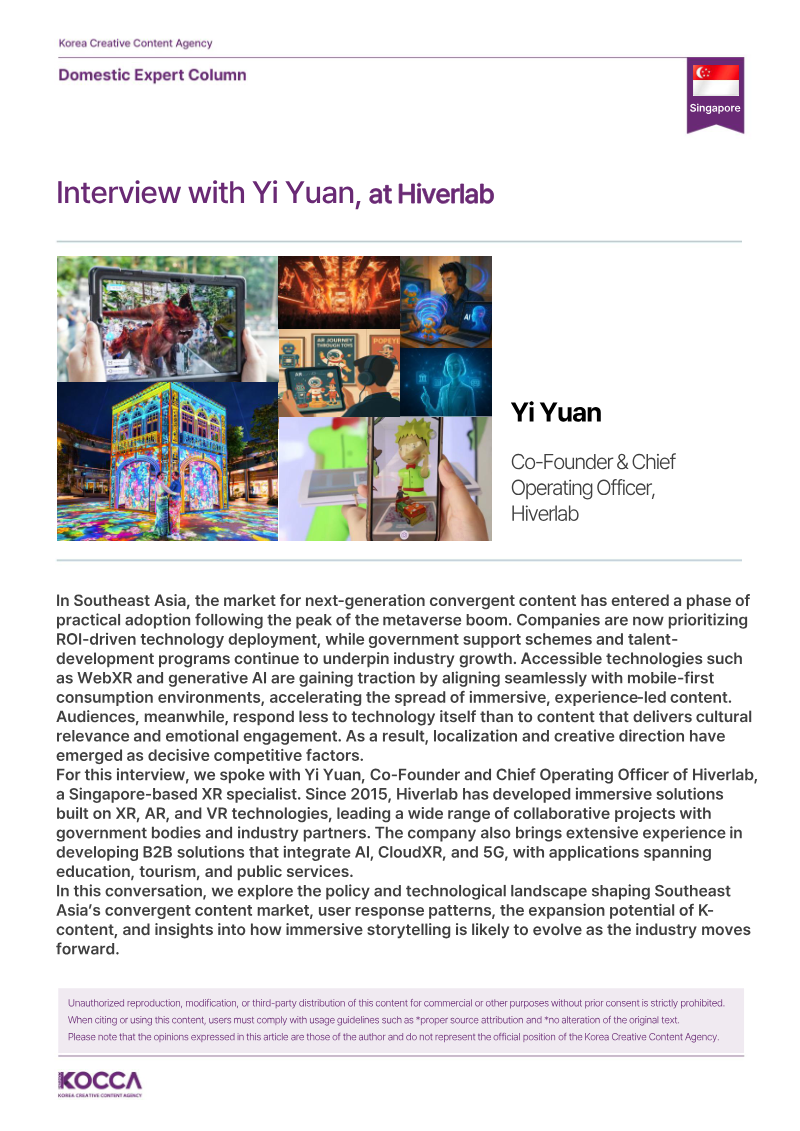
Interview with Yi Yuan, at Hiverlab: Southeast Asia

The interview underscores a shift in Southeast Asia’s convergent‑content market from speculative metaverse enthusiasm to a pragmatic, ROI‑driven landscape where augmented reality has become the primary vehicle for marketing and tourism initiatives. Growth is anchored in measurable outcomes such as cost‑reduction ratios and increased foot‑traffic, supported by government funding and a mobile‑first infrastructure that leverages WebXR and expanding 5G networks. Large‑scale AR deployments at heritage and tourist sites illustrate the sector’s scalability, emphasizing the necessity of culturally resonant storytelling, clear narrative structures, and quantitative metrics like dwell time and interaction density to assess engagement.

Effective experiences consistently incorporate gamified micro‑games and selfie‑style interactions that encourage user participation and social sharing. These design elements amplify interaction density and foster virality, reinforcing the importance of narrative quality over pure technological novelty. The chief operating officer highlights that AI‑generated, personalized storytelling—through digital humans and generative‑AI scripts—remains the chief catalyst for sustained user interest, with success measured by dwell time, interaction density and social‑virality indicators.

A principal commercial obstacle is the high bandwidth demand of simultaneous, large‑scale XR experiences. The rollout of 5G and cloud‑native architectures such as CloudXR has already mitigated latency and loading challenges, as demonstrated by the AR broadcast of Singapore’s Chingay festival in 2020. Continued expansion across the region will depend on further high‑bandwidth network deployment, sustained government infrastructure investment, and deeper integration of AI technologies to produce adaptive, immersive content.

  • Southeast Asia’s convergent-content market has shifted from speculative metaverse projects to a pragmatic, ROI-driven focus on augmented reality for marketing and tourism.
  • Success in the region is measured by quantitative metrics including dwell time, interaction density, and social-virality indicators rather than technological novelty.
  • Large-scale AR deployments are currently anchored by government funding and mobile-first infrastructure, utilizing WebXR and 5G networks to ensure scalability.
  • AI-generated personalized storytelling, including digital humans and generative-AI scripts, is identified as the primary catalyst for sustaining long-term user interest.
  • High-bandwidth demands for simultaneous XR experiences are being addressed through cloud-native architectures like CloudXR, as evidenced by the 2020 AR broadcast of Singapore’s Chingay festival.
+1
KOCCA – Korea Creative Content AgencyJan 2025
Page 1
Report10 pages

Interview with Lee, Su-Hyun: South Korea

The interview with Professor Lee Su‑Hyun of Seoul National University articulates digital transformation (DX) as a comprehensive restructuring of the Korean fashion value chain, extending beyond e‑commerce to encompass AI‑driven design, smart‑factory automation, and data‑centric marketing. By leveraging generative AI for 3‑D virtual prototyping, automated sewing, digital twins, and metaverse‑enabled retail experiences, the industry can cut sample costs, shorten lead times, and enhance personalized consumer interactions while supporting carbon‑neutral objectives such as on‑demand production and circular‑economy tracking.

Professor Lee emphasizes that smart apparel remains in early commercial stages, with functional niches in sports, healthcare, and disaster safety already demonstrating pilot deployments. Critical technical barriers include washability and durability of conductive fibers, sensor performance after repeated laundering, and the need for flexible, miniaturized battery solutions. Rapid advances in printed textile batteries and energy‑harvesting technologies are narrowing these gaps, yet mass‑production capacity and system integration lag behind leading markets in the United States and Germany.

Strategic recommendations focus on three business models: subscription‑based health and fitness services, interoperable platform modules detachable across garments, and specialized ceremonial wear where visible technology adds value. Successful scaling will require coordinated industry‑academia curricula, a robust talent pipeline, national standardization participation (e.g., IEC TC124), shared testing facilities, and proactive IP support to translate Korea’s strong patent portfolio into globally competitive products.

Looking ahead to 2026, AI and sustainability are projected to dominate the fashion sector. AI will become an essential capability across design, inventory, and personalization, while sustainability will drive digital traceability, carbon‑neutral manufacturing, and circular‑economy initiatives, together reshaping competitiveness criteria for the Korean fashion industry.

  • South Korea’s fashion industry is undergoing a comprehensive digital transformation (DX) that integrates generative AI for 3-D virtual prototyping, smart-factory automation, and data-centric marketing to reduce sample costs and lead times.
  • The adoption of on-demand production and digital traceability is being prioritized to meet carbon-neutral objectives and support circular-economy initiatives within the fashion value chain.
  • Smart apparel development is currently limited to functional niches in sports, healthcare, and disaster safety, with technical progress hindered by the durability of conductive fibers and the need for miniaturized, flexible battery solutions.
  • To achieve global competitiveness by 2026, the industry must overcome current lags in mass-production capacity and system integration compared to the United States and Germany.
  • Strategic business models for smart apparel include subscription-based health services, modular, detachable technology components, and high-value ceremonial wear.
KOCCA – Korea Creative Content AgencyJan 2025
Page 1
Report7 pages

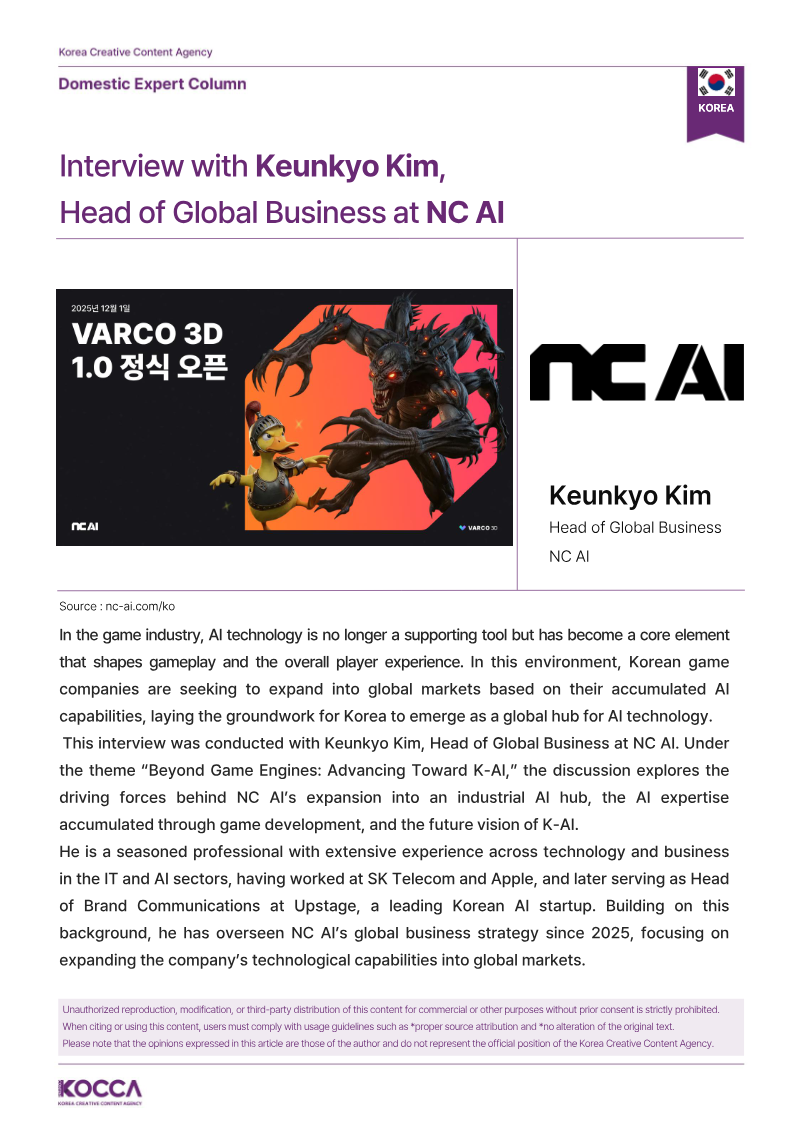
Interview with Keunkyo Kim, Head of Global Business at NC AI

The interview articulates NC AI’s transformation from a game‑focused research lab into a national industrial‑AI hub, positioning Korea as a global center for “K‑AI.” It outlines the company’s ambition to leverage fourteen years of game‑AI expertise to drive cross‑industry innovation, emphasizing that AI has moved from a supporting role to a core driver of gameplay, content creation, and broader economic competitiveness.

NC AI, a subsidiary of NCSoft, has built a proprietary large‑language model called VARCO and the VARCO 3D engine, which can generate near‑realistic, physics‑based 3D environments from text or images. The firm was selected as one of five leaders in Korea’s Independent Foundation Model project and became the first Korean entity to deploy its LLM on AWS. An open‑source release of VARCO Vision 2.0 attracted over 10 000 downloads within ten days, reflecting a strategic push for global adoption and a vibrant developer ecosystem.

The company’s real‑time processing and reinforcement‑learning capabilities, honed in massive MMORPG settings, are now applied to digital twins for manufacturing, robotics, smart‑city, and defense sectors. NC AI pursues a dual‑track model—developing a 200‑billion‑parameter LLM while simultaneously creating lightweight, edge‑optimized multimodal diffusion models—to balance scale with field efficiency. Its proprietary safety filter, Safeguard, has been integrated into NCSoft’s NCER chatbot, underscoring a commitment to AI trustworthiness and standards collaboration.

Looking ahead, NC AI leads a consortium of 54 organizations to produce industry‑specific AI that validates in real‑world environments, aiming for Korean AI sovereignty and global leadership. By enabling user‑generated content through VARCO 3D, Voice, and animation tools, the firm promotes a “everyone can be a creator” ethos, encouraging young talent to contribute to a vertically integrated AI ecosystem that links industry, government, and academia and positions Korea as a powerhouse in the international AI landscape.

  • NC AI is leveraging 14 years of MMORPG-based reinforcement learning and real-time processing expertise to expand from gaming into industrial sectors, including manufacturing, robotics, smart cities, and defense.
  • The company is developing a dual-track AI strategy that balances a 200-billion-parameter large language model with lightweight, edge-optimized multimodal diffusion models for field efficiency.
  • NC AI’s proprietary VARCO 3D engine enables the generation of physics-based 3D environments from text or images, while the open-source VARCO Vision 2.0 achieved over 10,000 downloads within ten days of release.
  • As a leader in Korea’s Independent Foundation Model project, NC AI is the first Korean entity to deploy its proprietary LLM on AWS and currently heads a 54-organization consortium to drive industry-specific AI adoption.
  • The firm is prioritizing AI safety and trustworthiness through its proprietary 'Safeguard' filter, which is already integrated into the NCER chatbot.
+1
KOCCA – Korea Creative Content AgencyJan 2025
Page 1
Report71 pages

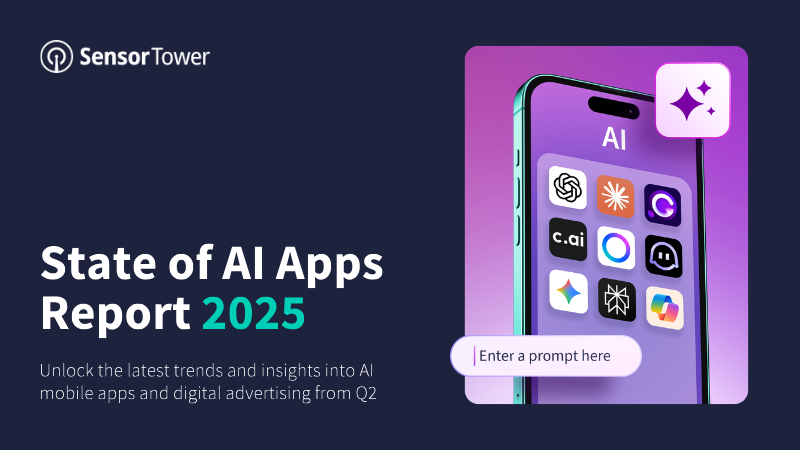
State of AI Apps Report 2025

The analysis quantifies the rapid expansion of generative‑AI applications in the first half of 2025, documenting 1.6 billion downloads and $1.2 billion in in‑app‑purchase revenue. This represents a 67 percent increase in downloads and a 200 percent jump in revenue compared with the second half of 2024, indicating a pronounced acceleration in user adoption and monetisation. Engagement metrics rose in tandem, underscoring the sector’s heightened activity during this period.

User demographics reveal a pronounced male and youth bias: roughly 60 percent of users are male and nearly 70 percent are under 35. While flagship services such as ChatGPT and Google Gemini attract comparatively balanced audiences and exhibit strong cross‑app overlap, niche offerings—including Grok and DeepSeek—tend to cluster with privacy‑focused, crypto‑trading, and gaming user personas. This segmentation highlights divergent appeal across the generative‑AI landscape.

Advertising investment intensified, with OpenAI’s major campaign propelling it into the top‑ten spenders in key markets such as the United States, India and South Korea. AI‑driven ad creatives increasingly employ light‑hearted, animal‑centric visuals while emphasizing concrete everyday utilities, exemplified by Google Gemini’s car‑warning guidance and Microsoft Copilot’s quiz‑making and recipe‑generation tools. Spend estimates, tracked across U.S. platforms including Reddit, LinkedIn, TikTok and YouTube, illustrate the breadth of digital‑advertising channels leveraged.

Overall, the findings portray a sector experiencing explosive growth, a skewed yet evolving user base, and a surge in AI‑powered marketing activity across major global markets during H1 2025.

  • Generative AI applications experienced explosive growth in H1 2025, reaching 1.6 billion downloads and $1.2 billion in in-app purchase revenue.
  • Revenue growth significantly outpaced adoption, with a 200 percent increase in in-app purchase revenue and a 67 percent rise in downloads compared to H2 2024.
  • The user base is heavily skewed toward younger males, with approximately 60 percent of users being male and nearly 70 percent under the age of 35.
  • While flagship services like ChatGPT and Google Gemini maintain broad appeal, niche AI apps such as Grok and DeepSeek are increasingly associated with privacy-focused, crypto-trading, and gaming demographics.
  • OpenAI has become a top-ten advertising spender in major markets including the United States, India, and South Korea.
+2
Sensor TowerJan 2025
Page 1
Report46 pages

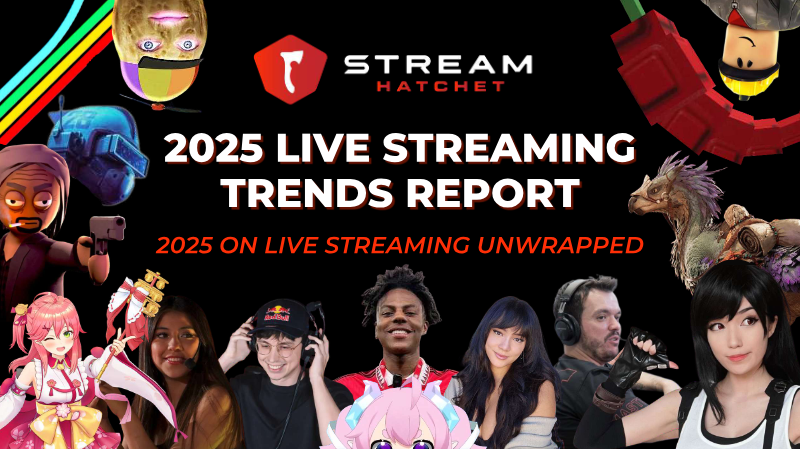
Yearly Live Streaming Trends Report 2024

The live streaming industry experienced a period of stabilization and strategic maturation throughout 2024, characterized by a modest 3% year-over-year increase in total hours watched across major platforms. This growth brought the global annual viewership to approximately 35 billion hours, signaling a shift from the volatile surges of previous years toward a more sustainable, long-term trajectory. While Twitch maintained its position as the market leader in terms of total hours watched, its market share faced increasing pressure from YouTube Gaming and Kick, the latter of which saw a 45% increase in viewership as it successfully attracted high-profile creators through non-exclusive contracts and aggressive revenue-sharing models.

Geographically, the Asia-Pacific region remains the primary engine for mobile streaming growth, while North American and European markets show a deepening preference for high-production "eventized" content. Non-gaming content, specifically the Just Chatting category, continues to dominate the landscape, accounting for nearly 15% of all platform activity. However, the competitive gaming sector saw a resurgence driven by the massive success of tactical shooters and the expansion of co-streaming rights for major esports tournaments. These community-driven broadcasts often outperformed official channels, representing a fundamental shift in how audiences consume professional competitive play.

The integration of artificial intelligence and enhanced monetization tools defined the technological landscape of the year. Creators increasingly utilized AI-driven moderation and clip-generation tools to maximize reach across short-form video platforms like TikTok and Instagram Reels, which now serve as the primary discovery funnel for live broadcasts. Brands have responded by shifting budgets toward long-term creator partnerships rather than one-off sponsorships, seeking to capitalize on the high engagement rates of mid-tier streamers who boast more dedicated, niche communities. As the industry moves into 2025, the convergence of live commerce and interactive broadcasting is expected to become the next major frontier for platform revenue.

  • The live streaming industry reached 35 billion hours watched in 2024, reflecting a stable 3% year-over-year growth rate as the market shifts toward long-term sustainability.
  • Kick grew its viewership by 45% in 2024 by leveraging aggressive revenue-sharing models and non-exclusive contracts to challenge Twitch’s market leadership.
  • The 'Just Chatting' category remains the dominant content type, accounting for nearly 15% of all platform activity across the industry.
  • Co-streaming rights for major esports tournaments have fundamentally changed consumption habits, with community-driven broadcasts frequently outperforming official tournament channels.
  • Short-form video platforms like TikTok and Instagram Reels have become the primary discovery funnels for live streaming, driven by the adoption of AI-powered clip-generation tools.
+2
Stream HatchetJan 2025
Page 1
Report29 pages

The State of Games QA

This analysis explores the current state and future trajectory of quality assurance (QA) within the video game industry, specifically focusing on the integration of artificial intelligence and automation. The central thesis posits that modern game development—characterized by the complexity of games-as-a-service and accelerated release cycles—has outpaced traditional manual QA capabilities. Consequently, there is a critical need for AI-driven solutions to bridge the gap between increasing content volume and stagnant testing budgets.

The findings are based on a September 2024 survey of 303 US-based game development professionals across various disciplines, including QA, production, and design, supplemented by interviews with industry experts from companies such as Netflix and Indium Play. Data indicates a significant strain on current resources: 77% of developers admit to conducting less QA than necessary for their most recent releases, and 50% believe budgets are failing to keep pace with game complexity. While 94% of studios use some form of non-AI automation, there is a near-unanimous consensus (94%) that AI will be essential for the future of the field.

Key statistics highlight a strong industry appetite for AI adoption, with 88% of respondents viewing AI as equal to or better than traditional methods for bug detection. Developers identify faster bug detection, automated reporting, and 24/7 testing as the primary advantages of the technology. However, a significant implementation gap exists; while 87% of studios feel "somewhat ready" for AI, only 18% feel fully prepared. Primary barriers to adoption include setup complexity, high initial costs, and a lack of skilled staff. The analysis concludes that while AI is vital for scalability and stress testing, it serves as a complement to—rather than a replacement for—human intuition and creative exploratory testing.

  • 77% of game developers report conducting insufficient QA for their recent releases, highlighting a critical gap between traditional manual testing and the demands of modern, complex game development.
  • While 94% of studios currently utilize non-AI automation, there is a near-unanimous consensus (94%) that AI integration is essential for the future of quality assurance.
  • 88% of industry professionals believe AI-driven testing is equal to or superior to traditional methods, specifically citing faster bug detection, automated reporting, and 24/7 testing as key advantages.
  • Despite high interest, only 18% of studios feel fully prepared to implement AI, with setup complexity, high initial costs, and a lack of skilled staff serving as the primary barriers to adoption.
  • Half of all surveyed developers report that current QA budgets are failing to keep pace with the increasing complexity of games-as-a-service models and accelerated release cycles.
+1
modl.aiJan 2025

Publishers

Related Topics