
This analysis explores the current state and future trajectory of quality assurance (QA) within the video game industry, specifically focusing on the integration of artificial intelligence and automation. The central thesis posits that modern game development—characterized by the complexity of games-as-a-service and accelerated release cycles—has outpaced traditional manual QA capabilities. Consequently, there is a critical need for AI-driven solutions to bridge the gap between increasing content volume and stagnant testing budgets.
The findings are based on a September 2024 survey of 303 US-based game development professionals across various disciplines, including QA, production, and design, supplemented by interviews with industry experts from companies such as Netflix and Indium Play. Data indicates a significant strain on current resources: 77% of developers admit to conducting less QA than necessary for their most recent releases, and 50% believe budgets are failing to keep pace with game complexity. While 94% of studios use some form of non-AI automation, there is a near-unanimous consensus (94%) that AI will be essential for the future of the field.
Key statistics highlight a strong industry appetite for AI adoption, with 88% of respondents viewing AI as equal to or better than traditional methods for bug detection. Developers identify faster bug detection, automated reporting, and 24/7 testing as the primary advantages of the technology. However, a significant implementation gap exists; while 87% of studios feel "somewhat ready" for AI, only 18% feel fully prepared. Primary barriers to adoption include setup complexity, high initial costs, and a lack of skilled staff. The analysis concludes that while AI is vital for scalability and stress testing, it serves as a complement to—rather than a replacement for—human intuition and creative exploratory testing.
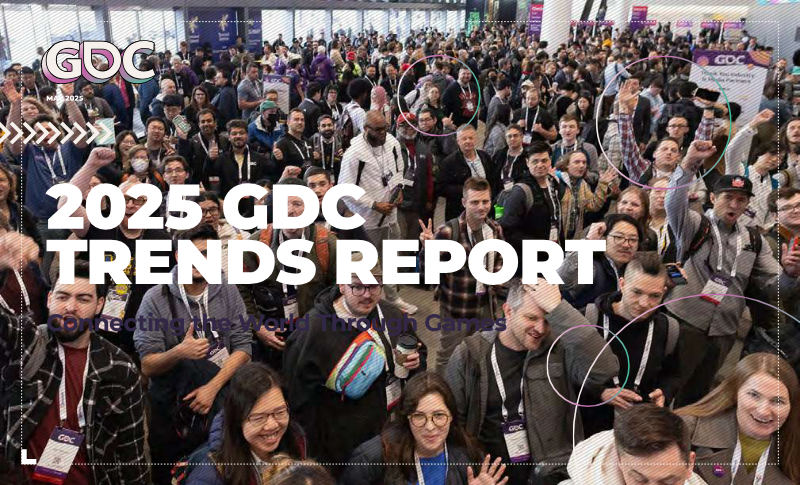
Game Developers Conference · 2025

Google Cloud · 2025
Informa · 2024

Drake Star Partners · 2024

Perforce · 2024

GameAnalytics

Modern Times Group
Poki · 2026

Sensor Tower · 2026
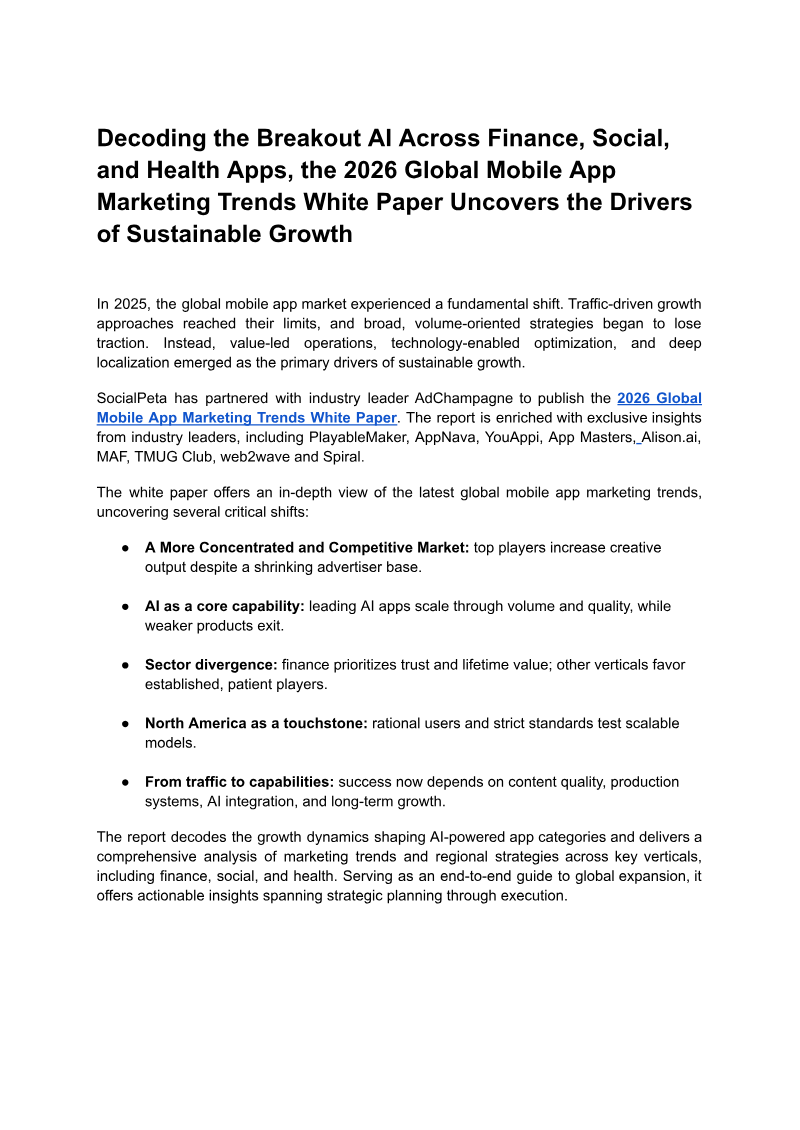
SocialPeta · 2026
GDC · 2026
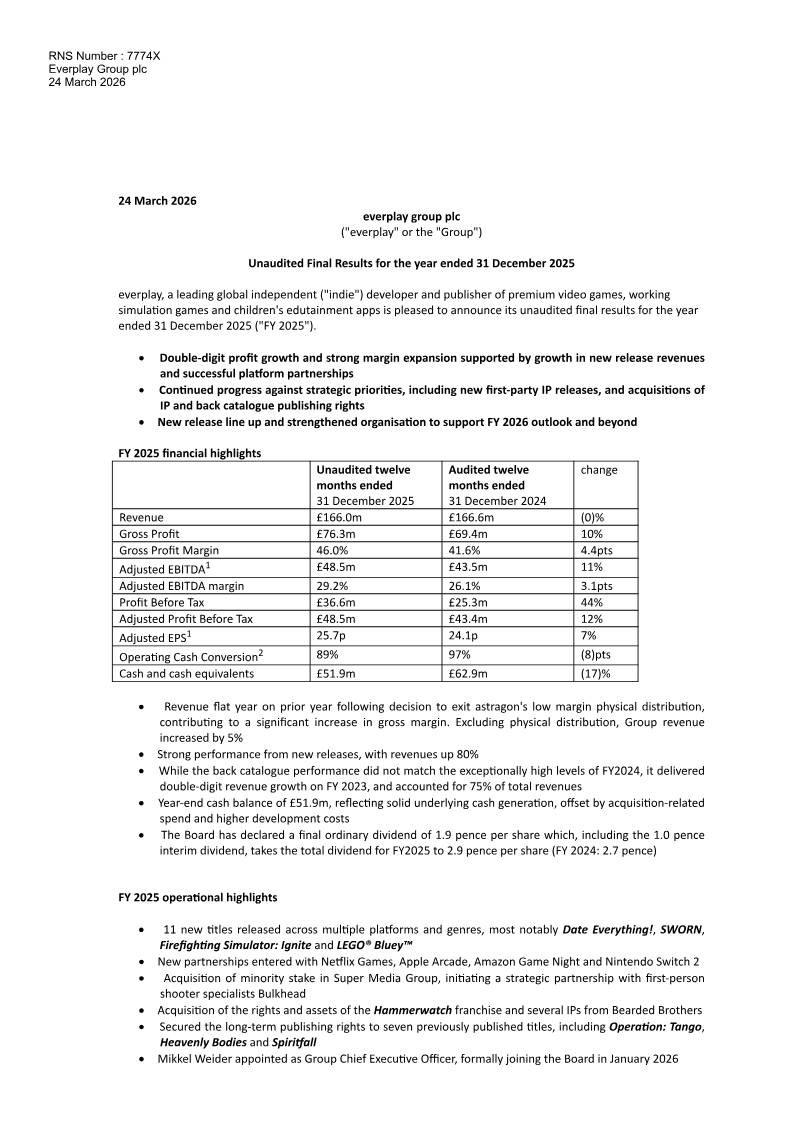
Everplay Group · 2026