1 free read left. Create a free account for unlimited reading + AI research.
Create free account
Papaya Mobile building its user acquisition empire
Key insights
6 takeaways- 01Papaya Mobile acts as a major reseller for global advertising platforms including Facebook, Google, Pinterest, LinkedIn, and Snapchat to facilitate cross-border user acquisition.
- 02The company has transitioned from a game developer into a specialized agency that bridges Chinese mobile applications with international markets, with a current strategic focus on the European games sector.
- 03The firm is establishing a dedicated operational base in London to better support and expand its footprint among European advertisers.
- 04Successful international market entry requires specific cultural localization, including adjustments to visual aesthetics and character portrayals to match local audience sensibilities.
- 05Marketing strategy has shifted from prioritizing simple install volume to focusing on post-install events and long-term user value (LTV) to drive monetization efficiency.
- 06Industry growth is being driven by the maturation of monetization tools like rewarded video and playable ads, which allow developers to diversify revenue streams.
Ask AI about this video
Transcript
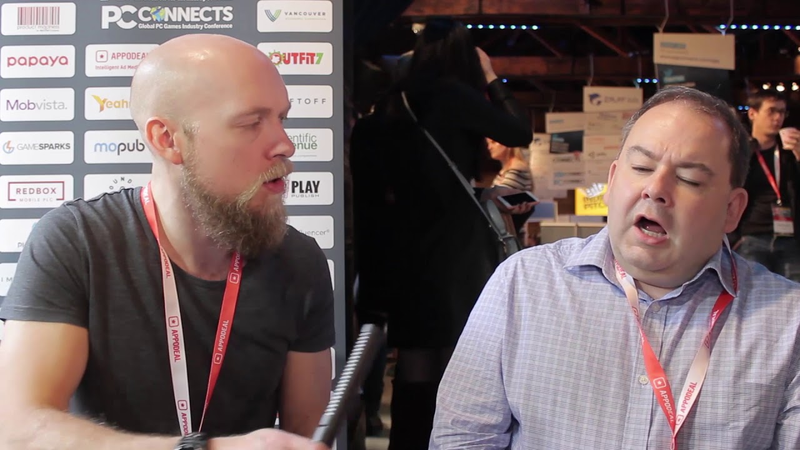
we are back at poppy gamer connects 2018 in London I'm joined by a Robert Kelly from papaya mobile good to have you today good afternoon James nice to meet you so for those unfamiliar with the company what is it that you guys do okay so papaya Mobile is actually one of the oldest for performance marketing mobile specialists out there now try something that are for a few drinks we've been going for about a decade while we are concentrated on is user acquisition for mobile developers initially we started off as a game developer ourselves and we've had a journey through by which initially then we became a cross-promotional platform then a paid-for ad network then an affiliate network for the last four years we've been concentrating on social media so we work with people like Facebook Google Pinterest and LinkedIn snapchat now what we do primarily is use
the huge buying power of Chinese apps and because we wanted a few operators resellers for these companies in China we provide them of a window on the world so that they can actually buy global traffic as well as Chinese traffic for us so what we're doing now in Europe is we've just reopened the London office and The Economist has scale that way getting by the sheer size of the budgets that we're dealing with means we're now able to offer this to this to European advertisers in user acquisition and we're going to concentrate initially on the on the games market again because this is the most developed to a user acquisition sector one where I think a lot of companies are now taking control of their own marketing and something like this where you can actually make your
own marketing budget go further will be of interest so how much of a challenge it is is it to pitch for example Chinese games games are designed and created in China for a Chinese audience and if you're trying to push out over - for example somewhere in Europe or somewhere in the Americas is it is it a very different task marketing those games - that Western audience frankly so that's a little bit of a different question from what we're selling to Western markets is actually more efficient acquisition for in a channels you're already familiar with in turn but to take back to what you're actually where you're actually positing yes okay so developers have always got to bear in mind the cultural differences of the markets that they're looking to exploit now sometimes their games are easily portable between various different cultures so for but we actually used to have a division of business called gateway to China which
would take Western games and sino find them and actually change them to be a more in keeping organic suggesting that have been more in keeping with Chinese cultural sensibilities and that quite often mores not so much the changes in game play about changes in the look and feel things and how their characters are actually portrayed so I don't know if you've ever been to try and we're all familiar with Chinese graphic bit yeah it's a it's quite a different experience to what we are used to in the West and so forth Chinese companies are looking to make it in quite often there will be Western but English language with Western alphabet versions of the games which was really for what's in country so the journey that you've made was to say you went through several different phases of the company I guess you like what prompted those changes and why are you focusing on the social media stuff now I think it's always been about trying to find the most efficient way of actually
acquiring users know back in the 2008 when we started there wasn't so much no you wouldn't afford about advertising or acquiring users through a mobile social media platform you know for instance that gaming was in its infancy the cross-promotional platform that we initially developed where game developers recommended each other's games was in fact the most official way of gaining new users yeah I'm bringing a pay-for element to making a more commercial well it's the most efficient and then we moved over to the affiliate network affiliate worked very well but then issues of transparency and clarity and the user retention meant that from the more efficient ways were saying where you actually had a much much clearer idea of what actually happened
and actually the data by which he could actually target the users it what happened was a metrics moved from the install to the post install event yeah so what people knowing they're not it's not about getting up the chart it's about how much money you're going to make from you're advertising or your in-app purchases what the LTV ultimately is and for that you need not just a download no download to user who's going to open the game and play with it and actually generate some activity which you can then monetize even in casual games where there's a limited lifespan you you therefore want people to be engaged as much as possible during that limited lifespan so as far as 2018 goes what is it that you're really focusing on this year we talking about streamlining some of your existing systems you expanding into other countries what's the aim
okay so personally I'd like to lose a little bit of weight but as a business is about going to be pounding ourselves properly in Europe we're putting our roots in and making sure that we have a solid foundation for our business we're a user acquisition specialist we're a trustworthy user acquisition specialist we need to actually get those initial clients and get the initial traction and then we can build it out from there for me it's going to be about it expanding the business in terms of the client roster the amount of people we have working for us and getting in our profile built once we've done that then we can actually look at bringing some of the more interesting in in it the to stuff that we're doing in China to the west but at this point we need the foundation and also this is I think for the games market this could be a incredibly interesting year user
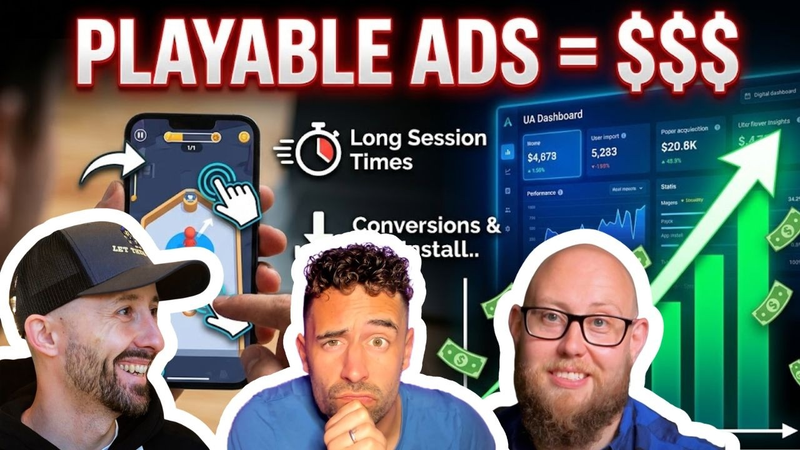
acquisition is just part of it we're looking at significant changes in monetization opportunities for gamers I've been speaking to various different other ad networks we've got rewarded video playable ads which are established channels these are now we've created within gaming a strong ecosystem which i think is sowing which is right to be not necessary exploited but used by brands where it can actually double the amount of available revenue streams to developers I think we're about working in an industry which proves that monetization user we were actually way ahead in many respects of what is going on in mobile and digital generally I think as a result of down the engagement that we generate it's a very exciting time to be in this particular sector and also it's a good time to be in London
and I look forward to 2018 and hopefully 2019 after it as do we all fingers crossed for that well best of luck with the future and look forward to seeing what you do next thank you very much and enjoy the rest of the show
Summary
Papaya Mobile operates as a long-standing performance marketing specialist focused on mobile user acquisition, evolving over a decade from a game developer into a cross-promotional platform, an ad network, and finally a social media-focused agency. The company leverages its status as a major reseller for platforms such as Facebook, Google, Pinterest, LinkedIn, and Snapchat to facilitate global traffic acquisition. By utilizing the significant buying power of Chinese mobile applications, the firm provides a bridge for developers to access both Chinese and international markets, with a current strategic emphasis on expanding its footprint within the European games sector.
The company’s methodology prioritizes data-driven efficiency, shifting focus from simple install metrics to post-install events and long-term value (LTV). This transition reflects a broader industry trend where monetization success is increasingly tied to user engagement and in-app activity rather than mere download volume. The firm emphasizes the necessity of cultural adaptation when localizing games for international audiences, noting that successful market entry often requires adjustments to visual aesthetics and character portrayal to align with local sensibilities.
Looking toward future growth, the company is prioritizing the establishment of a solid operational foundation in London to better serve European advertisers. The broader industry outlook remains optimistic, driven by the maturation of monetization channels such as rewarded video and playable ads. These tools are creating a robust ecosystem that allows developers to diversify revenue streams. By positioning itself as a transparent and efficient partner, the company aims to capitalize on the increasing sophistication of mobile gaming marketing, where developers are taking greater control of their acquisition budgets to maximize return on investment.





















Comments