Squad Busters
Game
Documents about Squad Busters

TWIG #284 Squad Busters launch talk / Stumble Guys vs. Fall Guys
The global gaming industry is currently defined by a tension between massive launch-day engagement and long-term structural instability.
- Mobile gaming remains the industry's primary revenue driver, accounting for 50% of total consumer spending in 2023 despite ongoing volatility.
- The gaming sector faces significant structural instability, evidenced by over 10,000 industry layoffs in 2024 and ongoing consolidation, such as Nintendo’s acquisition of Shiver Entertainment and Atari’s purchase of the Intellivision brand.
- High-profile launches continue to command massive reach, with Supercell’s Squad Busters securing 40 million pre-registrations and Ubisoft’s XDefiant attracting 8 million unique players in its first week.

Squad Busters is Pay to Win: True or False? LEAKED Global Launch strategy. Big game review! (#107)
Squad Busters represents a strategic pivot for Supercell, moving toward a live-ops-heavy model that leverages the company’s existing intellectual property to drive massive global scale.
- Squad Busters is scheduled for a global launch on May 29, following a soft launch period that utilized cross-game promotional rewards in titles like Clash Royale to drive nearly 5 million pre-registrations in three days.
- The game incorporates pay-to-win mechanics through consumable 'mega units' with high health stats (e.g., 11,000 HP) and a gacha-based chest system where players can spend currency to maintain win streaks and increase reward quality.
- The core gameplay loop prioritizes farming and survival to maintain win streaks, as the difference in rewards between first and second place is negligible compared to the benefits of staying in the top five.

Supercell's Floodrush: First look! UA, Admon & game design review & Squad Busters comparison (#68)
Floodrush represents a strategic pivot for Supercell, functioning as a PVP-focused battle royale that emphasizes aggressive engagement through a sinking island mechanic.
- Floodrush is a PVP-focused battle royale that differentiates itself from Squad Busters by prioritizing aggressive combat and rewarding player eliminations with energy and elixir resources.
- The game features a portrait-mode, tap-to-move control scheme and displays numerical power levels above characters to facilitate real-time tactical decision-making.
- Supercell is currently running paid user acquisition campaigns via Google Ads for the title, despite the game lacking established franchise intellectual property.

Squad Busters: First look! MOBA or hybrid casual? New Supercell game in Soft launch. (#66)
Squad Busters represents a strategic pivot for Supercell, functioning as a hybrid title that blends battle royale mechanics with casual progression.
- Squad Busters functions as a simplified Battle Royale where players farm monsters and resources to grow their army, incorporating a 'snowball effect' mechanic similar to .io games.
- Supercell has introduced 'battle modes' with rotating map modifiers to address player feedback regarding repetitive gameplay, a strategy similar to the shifting location mechanics found in Marvel Snap.
- The game features a scripted progression system where character unlocks and resource rewards are largely determined by level milestones rather than traditional progression paths seen in other Supercell titles.
Supercell's Squad Busters - The Definitive Deconstruction
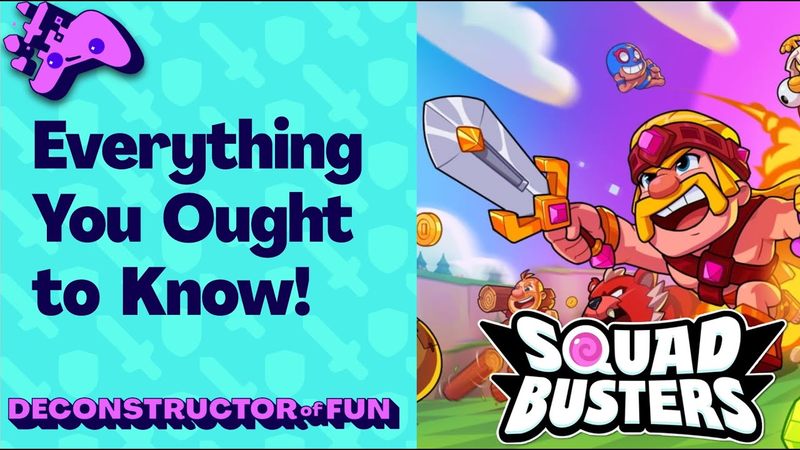
Squad Busters represents a pivotal attempt by Supercell to secure its next billion-dollar franchise, serving as a strategic response to the company’s need for revenue growth.
- Supercell developed Squad Busters as a strategic growth initiative to secure a new billion-dollar franchise, supported by a massive pre-registration campaign exceeding 40 million users.
- The game utilizes a lean, agile development model with a core team of approximately 30 people, focusing on rapid iteration and live operations.
- The core gameplay loop centers on a hectic, accessible sandbox experience featuring roguelike elements and randomized character sets that force real-time adaptation.

TWIG #283 Anime correction, Applovin speculations, Ad creative trends and Ubisoft’s xDefiant
The gaming industry is currently undergoing a structural transition from the era of blitz scaling toward a model defined by operational efficiency, profitability, and strategic consolidation.
- The gaming industry is shifting from blitz scaling to a model of operational efficiency and profitability, evidenced by major workforce reductions at companies like Ubisoft and Pixar.
- Private equity firms have become the primary exit strategy for established studios, highlighted by the $2.8 billion acquisition talks involving Keywords Studios.
- Hyper-casual games currently lead the mobile marketing sector with an IPM (installs per mille) of 48, driving a trend toward 'mashup' creative techniques that blend gameplay, animation, and user-generated content.
Squad Busters is Pay to Win: True or False?
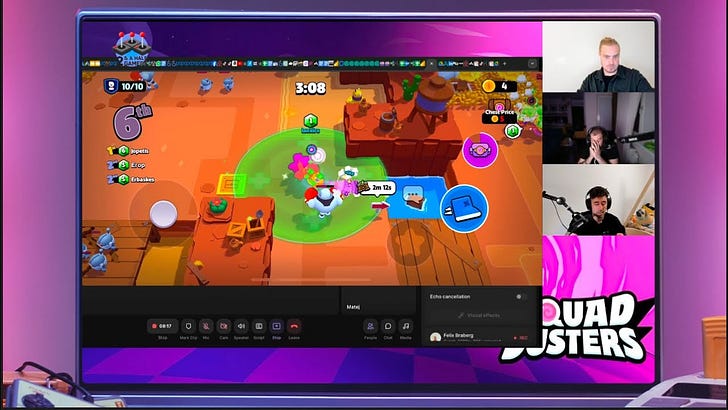
This analysis evaluates the competitive design and monetization framework of Supercell’s Squad Busters ahead of its global launch.
- The integration of purchasable, consumable mega units provides significant statistical advantages that create a distinct pay-to-win dynamic in Squad Busters.
- Supercell’s monetization strategy for the game is specifically tailored to align with Asian market standards, where pay-to-win mechanics are more widely accepted.
- Despite concerns regarding competitive integrity, the game demonstrates a robust foundation evidenced by high retention rates and strong day-30 performance metrics.
TWIG #279 Supercell's Squad Busters vs. Dream's Royal Kingdom
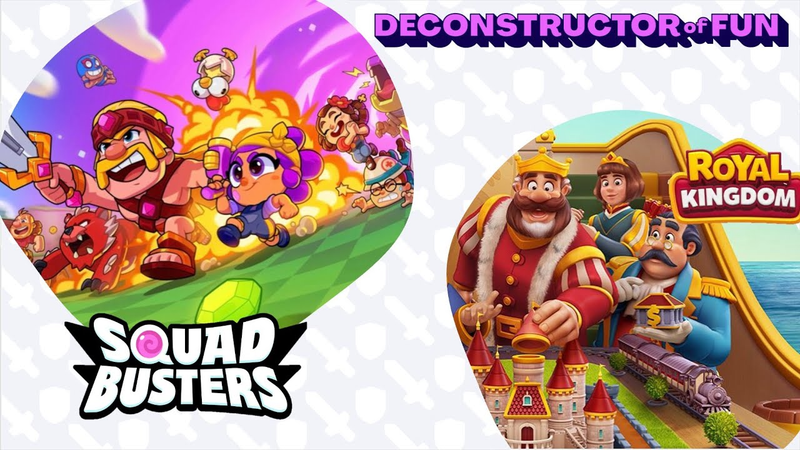
The gaming industry is currently navigating a period of significant structural and strategic recalibration, characterized by the failure of aggressive debt-fueled consolidation and a shift in how intellectual property is monetized.
- The gaming industry is shifting away from aggressive, debt-fueled consolidation, exemplified by the collapse of Embracer Group’s buy-and-build strategy and its subsequent split into three entities to manage debt.
- The era of standalone celebrity-branded mobile games has ended due to audience fragmentation, with the industry pivoting toward lower-risk, limited-time in-game collaborations and events.
- Mobile market performance is currently mixed, with Monopoly Go seeing a decline in active users despite sustained revenue, while Helldivers 2 maintains steady player retention.

Supercell's High Bar Is Starting to Look Insurmountable
Supercell’s internal development strategy is increasingly characterized by a rigorous, high-stakes greenlight process that appears to be making the release of new titles more difficult than ever.
- Supercell has implemented a rigorous new gauntlet-style greenlight process for internal and external development teams, making it increasingly difficult to bring new games to market.
- The company recently cancelled the game Clash Mini, though it plans to integrate elements of the title into Clash Royale, similar to the strategy used for the previously cancelled game Everdale.
- Supercell has not released a major new global hit since Brawl Stars five years ago, despite maintaining a high-bar philosophy focused on creating industry-shaking titles.
Supercell’s Floodrush: A Preview
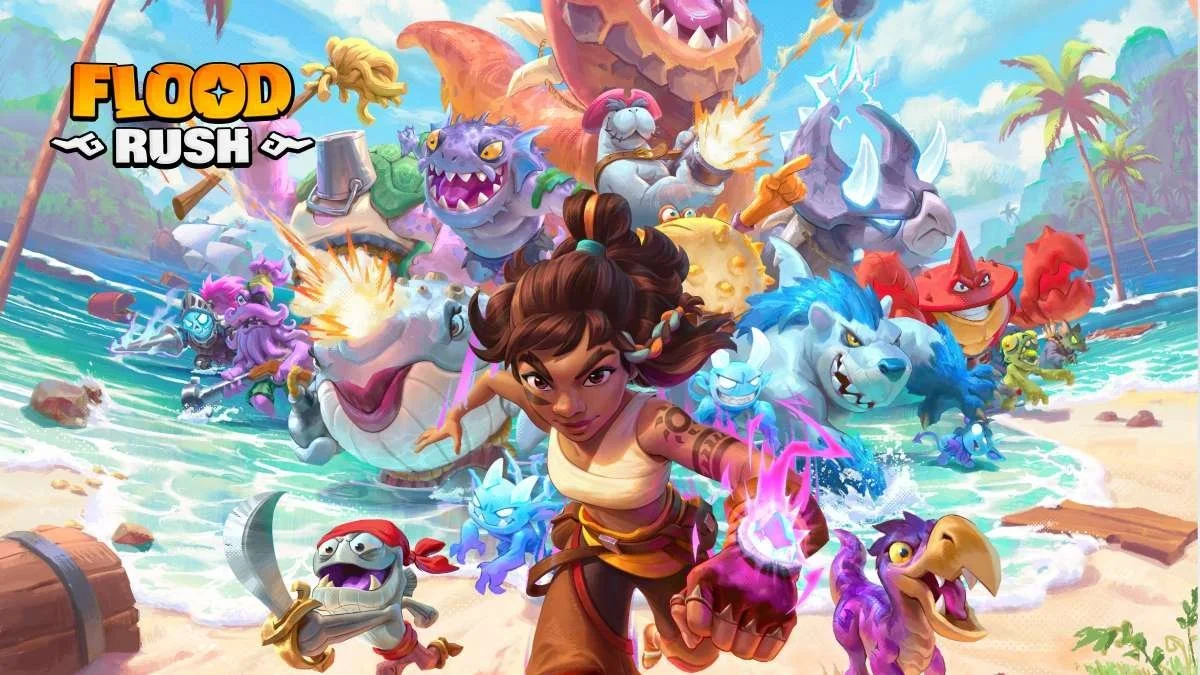
Floodrush, a mobile title developed by Supercell, represents a recent entry into the competitive battle royale genre.
- Supercell’s Floodrush is a battle royale title featuring four-minute matches where players collect resources to command automated minion armies.
- The game currently suffers from significant design flaws, including passive combat, a lack of tactical depth, and a counterintuitive tap-to-move control scheme.
- A lack of rubberbanding mechanics in the game design frequently leads to snowballing, where early-game advantages become impossible for opponents to overcome.
Titanfall 2: The Titan That Almost Was
The gaming industry underwent a period of profound transformation between 2022 and 2026, characterized by shifting monetization models, the integration of generative AI, and significant volatility in user acquisition.
- Mobile gaming success is increasingly driven by older, established titles, requiring developers to focus on long-term retention and quieter, sustained growth strategies rather than explosive launches.
- Performance marketing strategies frequently collapse at scale, often due to a failure to adapt creative assets to a privacy-centric environment where traditional targeting is less effective.
- Studios founded by alumni from major companies like Activision, Blizzard, and King possess a distinct competitive advantage in launching and scaling new gaming startups.
Managing and Avoiding Content Treadmills
The gaming industry is currently navigating a period of profound structural transformation, characterized by the integration of generative AI, shifting monetization models, and a tightening investment climate.
- Supercell's 'Squad Busters' failed to meet expectations despite a $150 million budget, the use of Hollywood talent, and a strategy that bypassed traditional soft launching.
- Mobile game marketing is shifting toward AI-driven ad creative with costs under $10 and an increased reliance on loyalty programs to drive retention and revenue.
- LiveOps strategies in mobile gaming, such as those implemented by 'Clockmaker', remain a critical lever for growth and can be significantly improved through structured, player-centric updates.
Companies behind it

As the documents state it.