Second Life
Game
Documents about Second Life
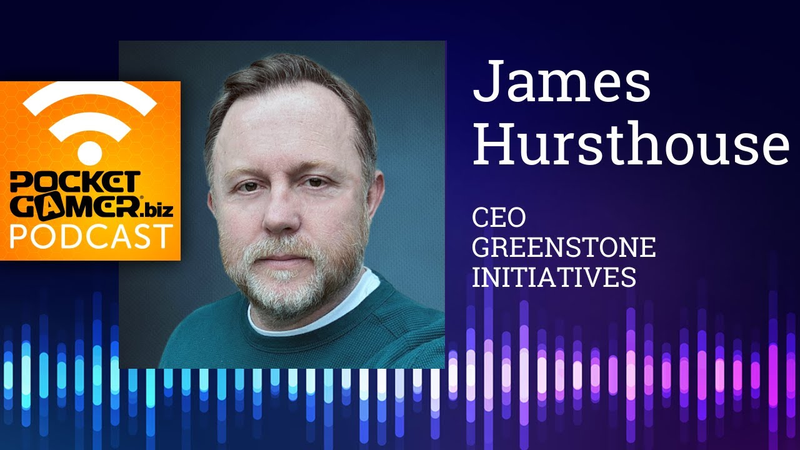
PocketGamer.biz32 min
From MMOs to Web3: James Hursthouse on What’s Next in Gaming
The gaming industry is undergoing a fundamental transition from passive consumption toward a model of co-ownership, where players function as active stakeholders in the intellectual property they engage with.
- Mobile gaming currently dominates the industry, accounting for 51 percent of the total market and serving as the primary driver of consumer spending.
- The industry is shifting from a passive consumption model toward player co-ownership, utilizing Web3 frameworks like smart contracts and tokenization to grant fans equity and royalty streams.
- Technological convergence, including cloud-based access and AI-driven user-generated content, is dismantling traditional industry silos and allowing smaller development teams to compete with established gatekeepers.
PocketGamer.bizSep 2025

Naavik62 min
Digital Fashion Houses
The digital fashion market is undergoing a rapid evolution, with projections estimating a valuation of $2.5 billion by 2028.
- The digital fashion market is projected to reach a valuation of $2.5 billion by 2028, fueled by the growing importance of virtual identity among younger demographics on platforms like Roblox, Zepeto, and Second Life.
- Digital-first fashion houses, such as House of Blueberry, act as specialized B2B partners that translate brand intellectual property into virtual assets while managing platform-specific technical requirements and data-driven trend forecasting.
- Unlike physical apparel, digital fashion is unconstrained by real-world physics or human anatomy, allowing for the creation of fantastical accessories and non-human avatar designs.
NaavikAug 2023
Naavik68 min
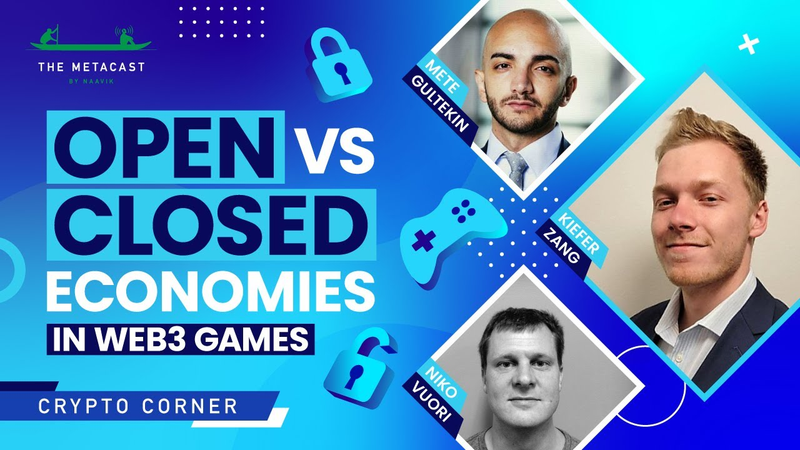
Open vs Closed Economies in Web3 Games - The Metacast by Naavik
Web3 gaming represents a fundamental shift from the closed, developer-controlled ecosystems of traditional gaming toward open economies where players retain ownership of fungible tokens and non-fungible assets.
- Web3 gaming economic stability requires developers to act as central banks, meticulously managing token inflows and outflows to prevent systemic instability.
- Sustainable models must prioritize core gameplay utility over speculative financial incentives to ensure player engagement remains high even if external market rewards fluctuate.
- Developers should shift away from unsustainable play-to-earn models toward systems that mirror traditional free-to-play spending motivations.
NaavikDec 2022
Game Developers Conference59 min
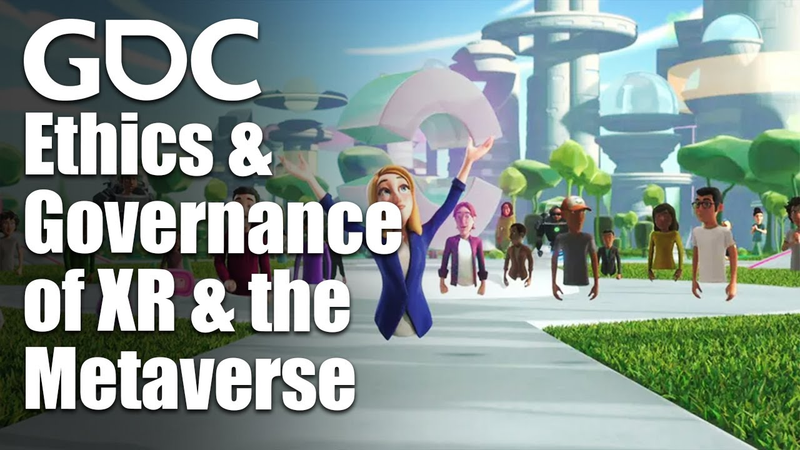
A Brave New (Virtual) World: Ethics and Governance of XR and the Metaverse
The metaverse represents a critical juncture in digital evolution, forcing a choice between centralized corporate control and a decentralized, interoperable future.
- The metaverse currently faces a significant adoption hurdle, with approximately one-third of respondents in the GDC State of the Game Industry report expressing doubt that the technology will deliver on its promised potential.
- Governance models within decentralized autonomous organizations (DAOs) are prone to plutocracy when voting power is tied to token ownership, which risks centralizing wealth and influence rather than fostering democratic participation.
- The future of the metaverse will likely mirror the evolution of the early internet, where walled gardens eventually lose relevance as users demand greater interoperability and the freedom to move their digital assets between platforms.
Game Developers ConferenceMay 2022