Royal Kingdom
Game
Documents about Royal Kingdom

TWIG #329: Royal Match Goes All-In, Discord Shifts Gears, Call of Duty Meets Its Match
The mobile gaming industry is currently defined by a tension between aggressive, high-budget marketing strategies and the structural limitations of user acquisition economics.
- The mobile gaming industry is experiencing genre stagnation as developers prioritize high-LTV models like puzzle and 4X games to justify rising user acquisition costs.
- Aggressive, celebrity-led marketing campaigns, such as those for Royal Kingdom, are yielding diminishing returns by attracting low-value users rather than the high-spending 'whales' required for profitability.
- Major industry players are shifting toward operational efficiency, with Discord pivoting to advertising and monetization, and NetEase consolidating resources to reduce the costs of Western operations.

Mobile Dreams of Hollywood: Inside Royal Kingdom’s Celebrity Blitz
Dream Games recently launched a high-profile celebrity marketing campaign for its mobile title, Royal Kingdom, five months after the game’s official release and following a two-year soft launch period.
- Dream Games' $30 million to $50 million celebrity campaign for Royal Kingdom resulted in a 112% increase in downloads but only a 6% increase in revenue.
- The campaign's reliance on broad-reach television advertising suggests a shift away from efficient, targeted performance marketing toward a strategy that may indicate market saturation.
- The celebrity spots failed to integrate talent into actual game mechanics or events, leading to a disconnect between high brand awareness and long-term user retention.
GOAT: Matej Lancaric on Mobile Gaming, UA, and Fun | Full Interview
This interview features mobile marketing consultant and podcast host Matej Lancaric, who provides an analytical perspective on the mobile gaming industry, user acquisition (UA) strategies, and the professional evolution of a solopreneur.
- Effective user acquisition requires deep product knowledge, as managers who do not actively play the games they market cannot develop accurate targeting or high-performing creative assets.
- The mobile gaming industry suffers from a systemic reliance on deceptive or misleading creative assets, which remain prevalent because platforms fail to regulate their short-term conversion efficacy.
- Long-term industry health depends on radical transparency and the sharing of real data, rather than the industry-standard practice of withholding actionable insights to protect competitive secrets.

TWIG #317: Big Dream, Bigger Battlefield, and the Biggest Roblox M&A deal EVER
The gaming industry is currently navigating a period of significant structural recalibration, marked by a shift away from speculative metaverse narratives toward more pragmatic, platform-specific growth strategies.
- The gaming industry is pivoting from speculative metaverse narratives toward pragmatic growth within established ecosystems like Roblox and Epic Games.
- Roblox faces significant financial challenges, specifically low monetization per user and persistent unprofitability when accounting for stock-based compensation.
- Dream Games is seeking a $5 billion valuation, reflecting a broader industry tension between high private valuations and the diminishing availability of lucrative exit opportunities.
TWIG Bonus Episode: Holiday Special (UEFN, Royal Kingdom, and the Steam race)
The Unreal Editor for Fortnite (UEFN) serves primarily as a foundational training ground for Unreal Engine development rather than a viable ecosystem for venture-scale independent studios.
- UEFN is currently better suited as a training ground for Unreal Engine development than as a viable platform for venture-scale independent studios due to limited monetization and restrictive analytics.
- Independent developers on UEFN face an uneven playing field against Epic Games, including a 15% revenue share penalty for projects utilizing licensed intellectual property.
- The mobile puzzle market is closely watching the maturation of Royal Kingdom to determine if it will cannibalize the player base and revenue of established hits like Royal Match.
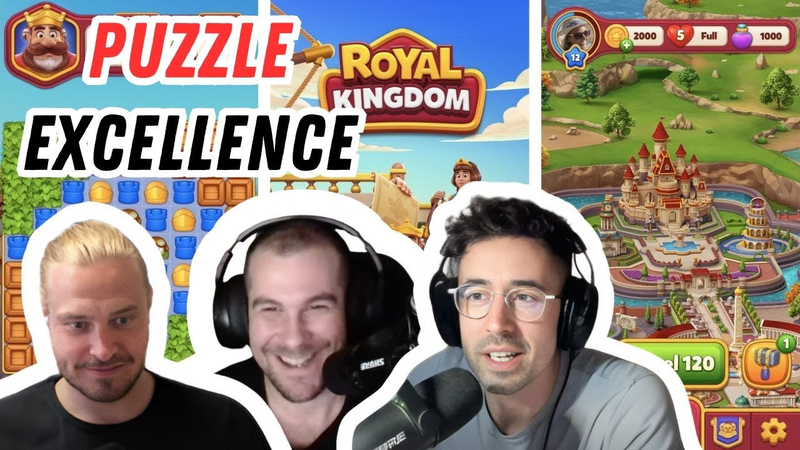
Royal Kingdom Game Review: The Art of Level Design in Puzzle Games Genre
Dream Games has solidified its dominance in the mobile puzzle market through the strategic launch of Royal Kingdom, a sequel designed to complement the revenue-generating success of Royal Match.
- Royal Match has become the world's largest puzzle game, generating approximately $4.5 million in daily revenue.
- Dream Games maintains a long-term monetization strategy for its titles, often requiring a two-year payback period to justify high user acquisition spending.
- Royal Kingdom integrates its marketing creative directly into the gameplay experience through special, high-reward levels that feature the 'Save the King' mechanics popularized by its predecessor.

TWIG #310 Can Royal Kingdom Reach the Peak? Who Wins the War of the You Giants?
The gaming industry is currently navigating a period of strategic recalibration, characterized by a shift toward iterative product development and the struggle to translate traditional intellectual property into digital success.
- Subscription models like Microsoft’s Game Pass are currently functioning as loyalty programs for existing users rather than effective engines for new market acquisition.
- Mobile developers are shifting toward iterative product development, exemplified by Royal Kingdom’s attempt to evolve the match-three genre through midcore-lite mechanics and intensified content treadmills.
- The gaming industry is facing significant operational friction, specifically regarding the difficulty of maintaining mentorship and team cohesion within hybrid work environments.

Week in Mobile Games E37: Pokémon Trading Card Game Pocket's blockbuster launch & Royal Kingdom hype
The mobile gaming industry is currently navigating a period of significant volatility, characterized by a shift away from traditional performance-based user acquisition toward brand-centric development and long-term intellectual property cultivation.
- Pokémon Trading Card Game Pocket generated over $120 million in its first three weeks, demonstrating the high market potential of leveraging nostalgia and simplified mechanics.
- The mobile gaming market is experiencing high volatility, with top-tier titles often suffering revenue declines exceeding 50% from their peak launch performance.
- Warcraft Rumble has seen a 92% decline in monthly earnings, highlighting the difficulty of maintaining long-term player engagement for major franchises.
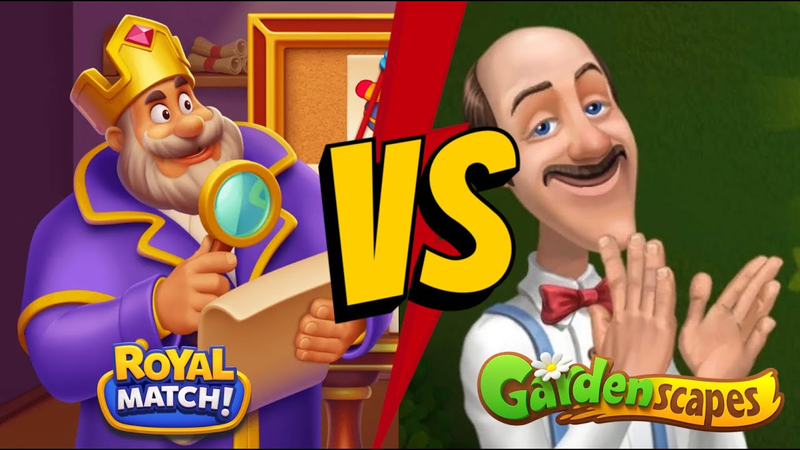
What is Royal Match missing that both Gardenscapes and Candy Crush have?
The mobile gaming landscape is currently defined by major Match-3 franchises, such as the Scapes series and the Candy Crush portfolio, which have historically leveraged secondary accessory games to drive growth and user acquisition.
- Royal Match has generated $2.7 billion in cumulative revenue within 51 months of release, currently maintaining a consistent performance of approximately $350 million per quarter.
- Unlike competitors like Candy Crush and the Scapes series, Royal Match has achieved its market dominance without the support of a secondary companion game.
- The developer is launching Royal Kingdom, a puzzle-RPG with PVP elements, to address the lack of a companion title and expand its portfolio.
TWIG #279 Supercell's Squad Busters vs. Dream's Royal Kingdom
The gaming industry is currently navigating a period of significant structural and strategic recalibration, characterized by the failure of aggressive debt-fueled consolidation and a shift in how intellectual property is monetized.
- The gaming industry is shifting away from aggressive, debt-fueled consolidation, exemplified by the collapse of Embracer Group’s buy-and-build strategy and its subsequent split into three entities to manage debt.
- The era of standalone celebrity-branded mobile games has ended due to audience fragmentation, with the industry pivoting toward lower-risk, limited-time in-game collaborations and events.
- Mobile market performance is currently mixed, with Monopoly Go seeing a decline in active users despite sustained revenue, while Helldivers 2 maintains steady player retention.
Mario Movie / Dream Games / Phillip La / Scopely acquisition / Sony’s Cloud / AI
The video game industry is currently undergoing a period of significant structural and technological transformation, characterized by the successful expansion of gaming intellectual property into mainstream media and a massive influx of capital into mobile development.
- Savvy Games Group’s $4.9 billion acquisition of Scopely represents its largest investment to date, though it accounts for less than half of the $13 billion the firm has dedicated to publisher acquisitions.
- The Super Mario Bros. Movie set records for the largest animated movie opening and the largest video game adaptation opening, with expectations to exceed $1 billion in total box office revenue.
- Dream Games is leveraging its success with Royal Match to launch a sequel, Royal Kingdom, as part of a strategy to mitigate rising user acquisition costs and market saturation.
Companies behind it

As the documents state it.