
Overwatch 2
GameBy Blizzard Entertainment · Released Aug 2023
Documents about Overwatch 2
TWIG #381: Xbox Loses the Plot, Ubisoft on Life Support & Western Gaming's Darkest Take
The gaming industry is currently navigating a period of profound structural instability, characterized by a shift in strategic priorities and a widening performance gap between Western and Chinese developers.
- Western developers are losing significant market share to Chinese competitors, who benefit from lower labor costs, larger talent pools, and a higher capacity for rapid organizational restructuring.
- Xbox has shifted its primary performance metric to Daily Active Users, a strategy criticized for prioritizing vanity metrics over the development of high-quality exclusive content.
- Ubisoft is facing severe instability due to leadership turnover and aging franchises, leading to speculation that a Tencent acquisition may be necessary for the company's survival.
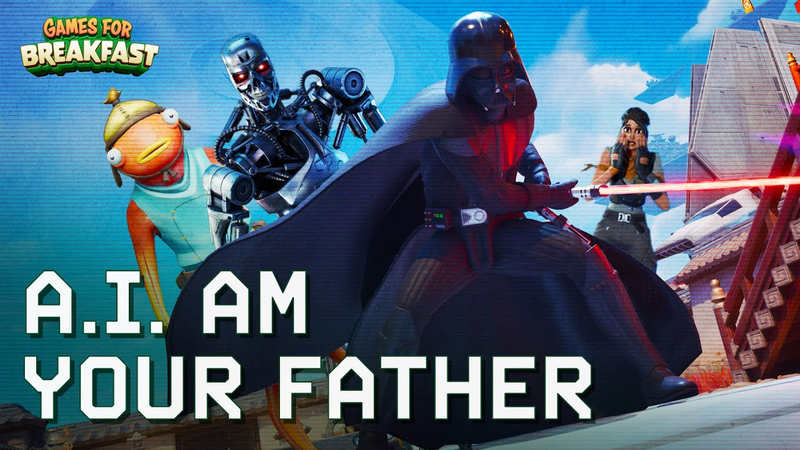
Fortnite Fumbles Darth Vader, Nic Cage as Madden & HBO drops MAX | Gaming News | Games For Breakfast
The gaming industry is currently navigating a period of significant transition, characterized by a tension between aggressive monetization strategies and the need for authentic creative integrity.
- The gaming industry is facing a critical tension between aggressive monetization and creative integrity, exemplified by premium pricing models in high-profile crossovers like Magic: The Gathering and Final Fantasy.
- The premature implementation of generative AI for voice acting in Fortnite has created significant reputational risks, highlighting that novelty cannot replace the immersion provided by professional human performance.
- Labor standards are shifting as workers at companies like Blizzard (Overwatch 2) and VFX departments successfully unionize, signaling a move toward improved labor relations despite ongoing industry-wide monetization pressures.
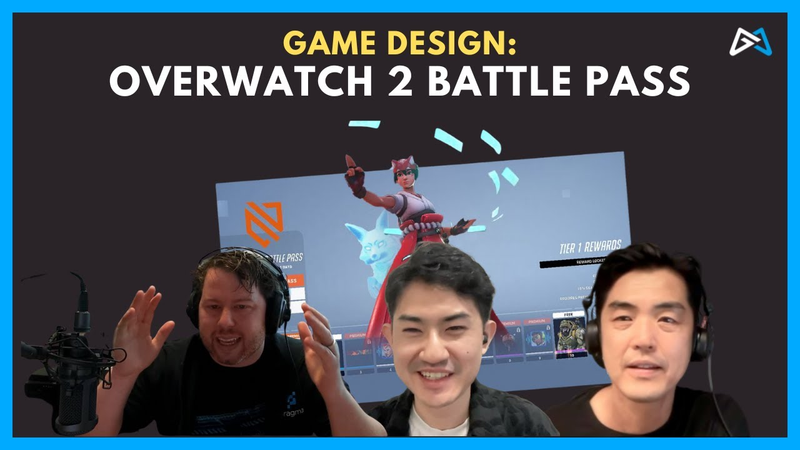
Is the Overwatch 2 Battle Pass Design Broken?
The current battle pass model in competitive shooters like Overwatch 2 faces significant friction due to its rigid, linear progression structure.
- Battle passes are estimated to generate between 30% and 60% of total revenue for modern shooter games.
- Overwatch 2 has surpassed 100 million total users since its October 2022 launch, with an estimated 20 million monthly active users.
- Successful battle pass designs are evolving from static, linear tracks toward page-based systems that offer players more choice in which content to unlock.

Risks of Sequels, Leaks and Permanent Loss Game Design Mechanics - The Metacast by Naavik
The transition of titles like Overwatch 2 from premium models to free-to-play live services reflects a broader industry shift toward battle pass-driven monetization and recurring revenue.
- The shift of titles like Overwatch 2 from premium to free-to-play models highlights a broader industry pivot toward battle pass-driven recurring revenue to combat declining engagement and technical debt.
- Maintaining a live-service content treadmill requires high organizational maturity to manage the risks of developer burnout and the potential for competitive imbalances caused by aggressive monetization.
- Studios must implement fintech-grade cybersecurity protocols to protect source code and proprietary data, as high-profile leaks of unfinished assets significantly damage studio morale and public perception.

TWIG 121: BlizzCon 2021, Valheim Built By 5 Devs, Zynga Accelerates Growth, Rovio M&A Target
The gaming industry is currently defined by a tension between massive corporate consolidation and the surprising agility of small-scale development teams.
- Major industry players like EA are driving consolidation through large-scale acquisitions, exemplified by the $1.2 billion purchase of Codemasters.
- Large publishers face significant growth headwinds due to the post-IDFA environment and the technical challenges of scaling new titles while managing third-party data sharing risks.
- Blizzard Entertainment is experiencing internal development delays for major titles like Overwatch 2 and Diablo IV, forcing a reliance on legacy franchises such as the Diablo II remaster.