
Heroes of Might and Magic III: The Restoration of Erathia
GameBy New World Computing · Released Feb 28, 1999
Heroes of Might and Magic III: The Restoration of Erathia is a turn-based strategy game and the third installment of the Heroes of Might and Magic series. The game's story is first referenced throughout Might and Magic VI: The Mandate of Heaven and takes place before Might and Magic VII: For Blood and Honor.
- How much revenue has Heroes of Might and Magic III: The Restoration of Erathia made?
- How many players does Heroes of Might and Magic III: The Restoration of Erathia have, and how is that changing?
- What do industry reports say about Heroes of Might and Magic III: The Restoration of Erathia's performance?
- Which games compete with Heroes of Might and Magic III: The Restoration of Erathia, and how do they compare?
Connections
Each row is a game or company named alongside Heroes of Might and Magic III: The Restoration of Erathia, each column a document, oldest first. A mark means that document names it. Select a row to see those documents.
About the game
- Released
- Feb 28, 1999
- Developers
- New World Computing, Loki Software
- Publisher
- The 3DO Company
- Genres
- Role-playing (RPG), Strategy, Turn-based strategy (TBS)
- Platforms
- Linux, PC (Microsoft Windows), Mac, Dreamcast
- Links
- Wikipedia
Game data from IGDB.com
Documents about Heroes of Might and Magic III: The Restoration of Erathia
China Flexes at Gamescom
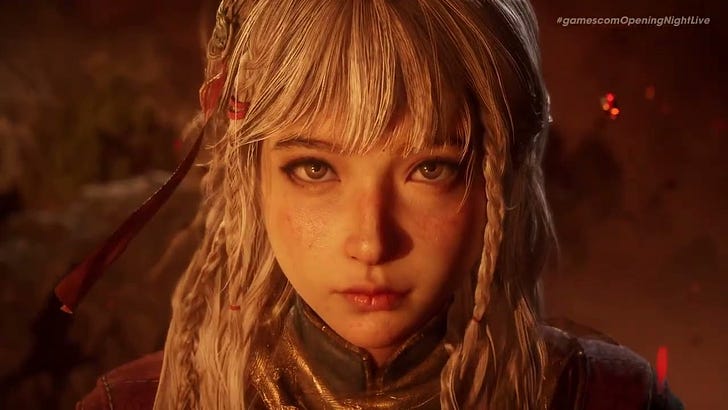
Stephen Totilo's Game File newsletter argues that Chinese studios were the dominant presence at Gamescom's Opening Night Live showcase on August 25, 2026, even though the two-hour show closed with segments from Japan (Final Fantasy VII Retribution, due next spring) and Poland (a Witcher 3 remaster arriving September 29).
- Chinese game studios dominated the GamesCom Opening Night Live showcase, featuring prominent reveals from developers like miHoYo, NetEase, TiGames, and Hoothanes.
- Major Chinese-led projects include miHoYo's dark fantasy co-op game 'Nodusfall', NetEase subsidiary Naked Rain's 'Ananta' (releasing January 15, 2027), and a remake of 'Heroes of Might and Magic III' led by Ubisoft’s Chengdu and Shanghai studios.
- Take-Two is pursuing a subpoena against YouTube and X to identify the source of 14 recent 'GTA VI' leaks, with plans to request personal information for members of targeted Discord groups.

Review of PC Gamer March 1997
The mid-1990s PC gaming landscape was defined by a pivotal transition toward strategy, simulation, and immersive 3D experiences, signaling a departure from traditional point-and-click adventure games.
- In the March 1997 PC Gamer Awards, Civilization II was named Game of the Year, beating out high-profile titles like Quake and Tomb Raider.
- Looking Glass Studios, despite their focus on immersive sims like System Shock, produced a golf simulator during this period to generate revenue and offset the high costs of their innovative projects.
- PC gaming in 1997 was characterized by a heavy reliance on expensive, specialized peripherals like flight sticks and steering wheels, distinguishing the platform from the console market.
Hussars of Might and Magic: The Influence of Gaming Media on Polish Gaming Canons
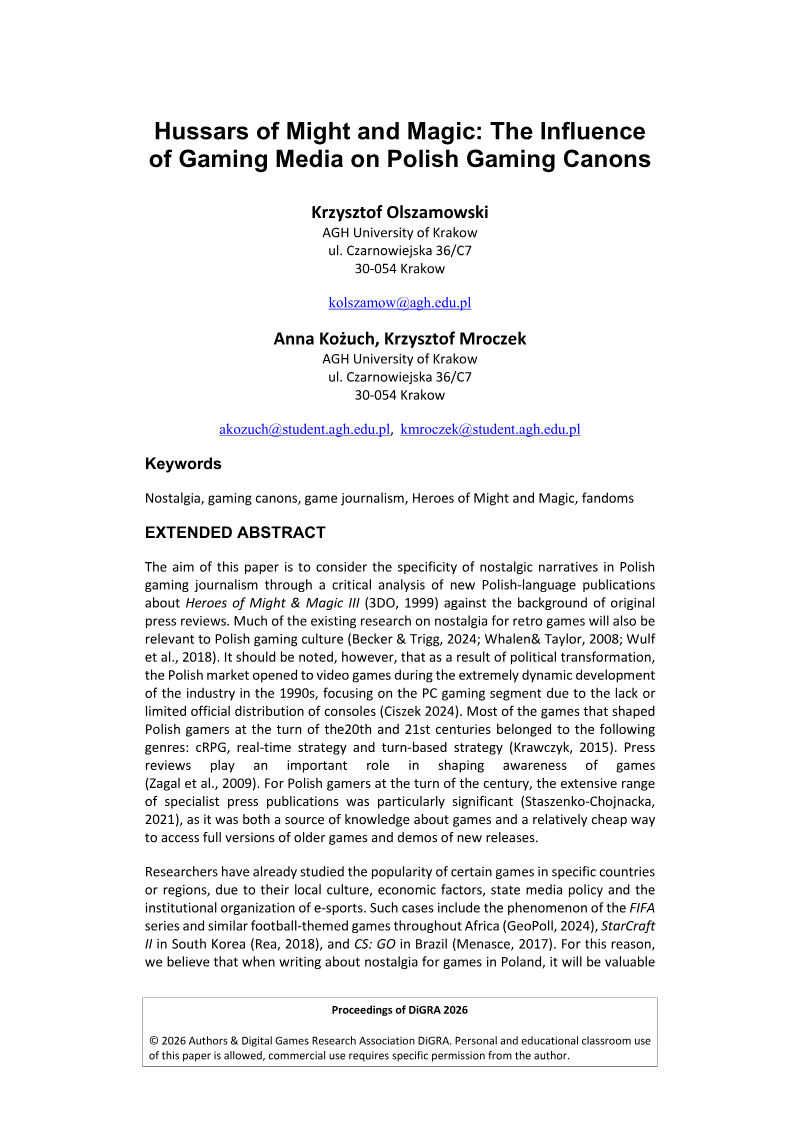
The document examines the specific nature of nostalgic narratives within Polish gaming journalism, focusing on the enduring cultural impact of Heroes of Might & Magic III (HoMM3).
- The paper argues that Heroes of Might and Magic III holds a distinctive cult status in Poland, active through tournaments and modding long after its 1999 release, and that this cannot be explained by its global reputation alone.
- Its central claim is that Polish press reviews from the late 1990s and early 2000s established a canon around the game, which contemporary coverage continues to reproduce with limited critical distance.
- The authors' qualitative discursive analysis compares 1999 reviews with commentary from 2019 to 2025, including video materials in the contemporary sample, examining sentiment, language, and audience function.

How To Start Making Games With NO EXPERIENCE
The development of successful indie games is often characterized by a transition from early personal isolation to professional collaboration, rather than innate technical mastery.
- Fredrik Prantare, creator of Core Keeper, grew the game to over 4 million copies sold, with figures currently approaching 4.5 million units.
- Prantare’s development journey began in high school by utilizing level editors in games like Heroes of Might and Magic III, which helped him build foundational design skills.
- The transition from a high-schooler with low academic attendance to a leader of a 50-person team was driven by years of iterative failure in various project 'constellations'—small, collaborative groups formed to build games.
Dies Irae in a Fantasy World: Gregorian Sequence and Requiem Motifs in Heroes of Might and Magic Series
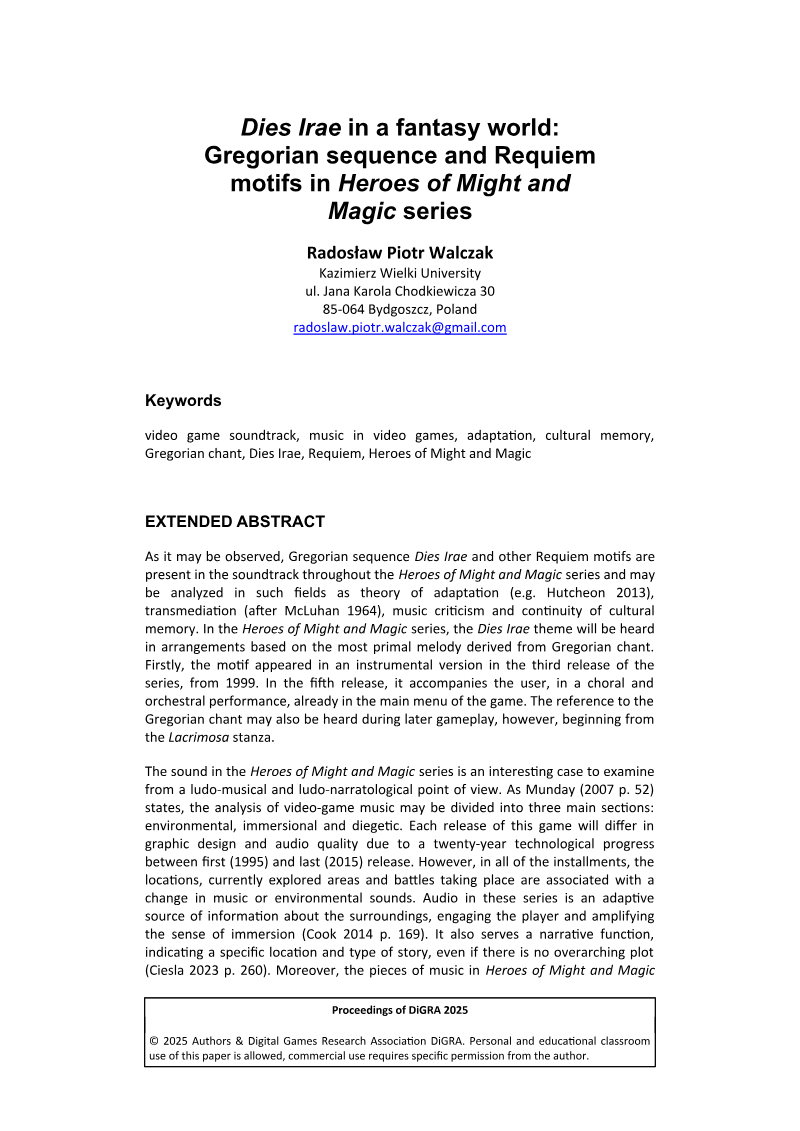
The document analyzes the presence and adaptation of the Gregorian sequence "Dies Irae" and other Requiem motifs within the soundtrack of the Heroes of Might and Magic video game series.
- The paper argues that Dies Irae and other Requiem motifs in the Heroes of Might and Magic soundtracks can be understood through theories of adaptation, transmediation, and cultural memory, framing the borrowing of medieval chant in a fantasy game as carrying a historical musical text into a new medium.
- The instrumental Dies Irae version in Heroes of Might and Magic III (1999) accompanies visits to the Necropolis castle and features harpsichord, strings, gong, and clarinet.
- In Heroes of Might and Magic V (2006), the theme appears as a choral-orchestral main-menu piece whose opening half is sung in unison in the manner of Gregorian chant, with the final repetition building to full forte.
Companies behind it

As the documents state it.