1 free read left. Create a free account for unlimited reading + AI research.
Create free accountArticle DiGRA
1 free read left. Create a free account for unlimited reading + AI research.
Create free accountArticleDiGRA
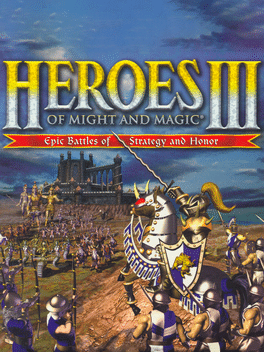
The paper argues that late 1990s and early 2000s reviews in Poland created a canon around Heroes of Might and Magic III. Contemporary coverage continues to reproduce that canon.
The document examines the specific nature of nostalgic narratives within Polish gaming journalism, focusing on the enduring cultural impact of Heroes of Might & Magic III (HoMM3). The analysis compares original Polish press reviews from 1999 with contemporary reviews and video materials published between 2019 and 2025. The research highlights that due to Poland's political transformation in the 1990s, the gaming market primarily focused on PC titles, with cRPG, real-time strategy, and turn-based strategy genres, including HoMM3, significantly shaping Polish gamers' experiences. Specialist press publications played a crucial role in disseminating information and providing access to games during this period.
The study posits that HoMM3 holds a unique cult status in Poland and Eastern Europe, evidenced by extensive fan content, active tournaments, and modding communities, a phenomenon not mirrored globally despite the game's international recognition. The methodology involves qualitative content analysis and discursive analysis of critical texts to understand the sentiment, language, and function of reviews for their audience across different time periods. It acknowledges the limited internet access at the turn of the century, which amplified the descriptive role of print media.
A key finding is that despite the professionalization of Polish gaming journalism and a shift towards a broader audience, contemporary reviews of HoMM3 largely succumb to author nostalgia, exhibiting a similar lack of critical assessment as the original 1999 reviews. Contemporary content is categorized into nostalgic reminiscences that echo the uncritical narrative of early reviews and news articles about popular mod updates. The document concludes that HoMM3's special cultural status in Poland was shaped by economic, technological, and social conditions, alongside the strong opinion-forming influence of the gaming press. Magazine narratives have proven so enduring that even modern authors remain influenced by established canons, with contemporary content consistently adopting a nostalgic perspective rather than questioning the game's position. Future research plans include broadening the analysis to other CEE-region games valued by Polish players but not globally recognized.
Each row is a game or company this document names, each column a document, oldest first. A mark means that document names it. Select a row to see those documents.

DiGRA · 2026

DiGRA · 2026



DiGRA · 2026



DiGRA · 2026



DiGRA · 2026



DiGRA · 2026



DiGRA · 2026



DiGRA · 2026



DiGRA · 2026

DiGRA · 2026



DiGRA · 2026



DiGRA · 2026
European Conference on Games Based Learning (ECGBL) · 2022