
Heroes of Might and Magic III: The Restoration of Erathia
GameBy New World Computing · Released Feb 28, 1999
- How much revenue has Heroes of Might and Magic III: The Restoration of Erathia made?
- How many players does Heroes of Might and Magic III: The Restoration of Erathia have, and how is that changing?
- What do industry reports say about Heroes of Might and Magic III: The Restoration of Erathia's performance?
- Which games compete with Heroes of Might and Magic III: The Restoration of Erathia, and how do they compare?
Documents about Heroes of Might and Magic III: The Restoration of Erathia
How To Market A Game63 min
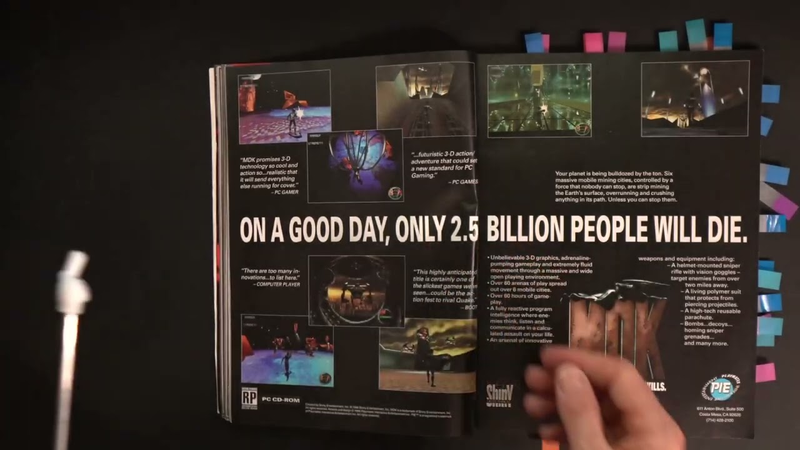
Review of PC Gamer March 1997
The mid-1990s PC gaming landscape was defined by a pivotal transition toward strategy, simulation, and immersive 3D experiences, signaling a departure from traditional point-and-click adventure games.
- In the March 1997 PC Gamer Awards, Civilization II was named Game of the Year, beating out high-profile titles like Quake and Tomb Raider.
- Looking Glass Studios, despite their focus on immersive sims like System Shock, produced a golf simulator during this period to generate revenue and offset the high costs of their innovative projects.
- PC gaming in 1997 was characterized by a heavy reliance on expensive, specialized peripherals like flight sticks and steering wheels, distinguishing the platform from the console market.
How To Market A GameJul 2026

Thomas Brush10 min
How To Start Making Games With NO EXPERIENCE
The development of successful indie games is often characterized by a transition from early personal isolation to professional collaboration, rather than innate technical mastery.
- Fredrik Prantare, creator of Core Keeper, grew the game to over 4 million copies sold, with figures currently approaching 4.5 million units.
- Prantare’s development journey began in high school by utilizing level editors in games like Heroes of Might and Magic III, which helped him build foundational design skills.
- The transition from a high-schooler with low academic attendance to a leader of a 50-person team was driven by years of iterative failure in various project 'constellations'—small, collaborative groups formed to build games.
Thomas BrushJul 2025
Companies behind it

As the documents state it.