Habbo
Game
4 documents in the library are about Habbo, from writers such as PocketGamer.biz, DiGRA and Newzoo. Each has a summary and key insights with the page they come from.
Connections
Each row is a game or company named alongside Habbo, each column a document, oldest first. A mark means that document names it. Select a row to see those documents.
Documents about Habbo
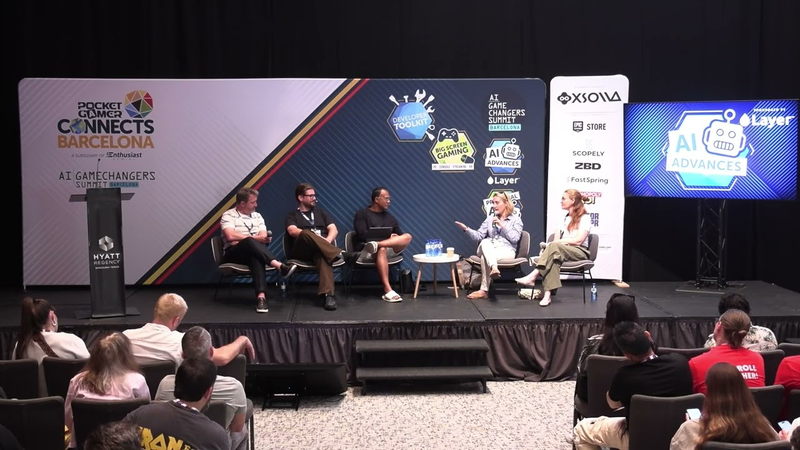
Panel: The Current State Of AI In Games.
Artificial intelligence functions primarily as a transformative tool designed to augment human creativity and operational efficiency within the gaming industry rather than serving as a replacement for developers.
- AI is currently in a testing and prototyping phase for game development, with the technology evolving so rapidly that tools are being superseded by competitors in less than a month.
- Mobile gaming is adopting generative AI more aggressively than the console and PC sectors, primarily driven by the need for rapid experimentation in ad networks and monetization models.
- AI tools are effectively streamlining development workflows by removing repetitive tasks, with industry leaders calculating ROI based on the ability of tools like Claude to save significant developer hours.
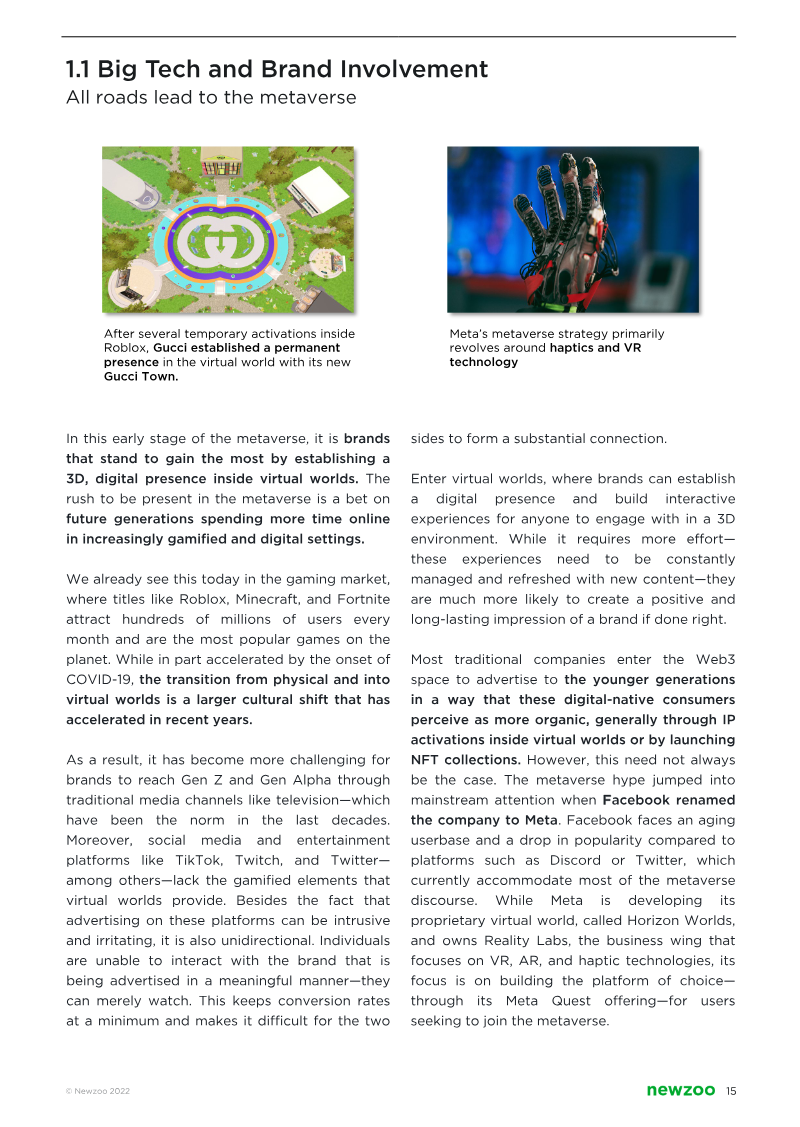
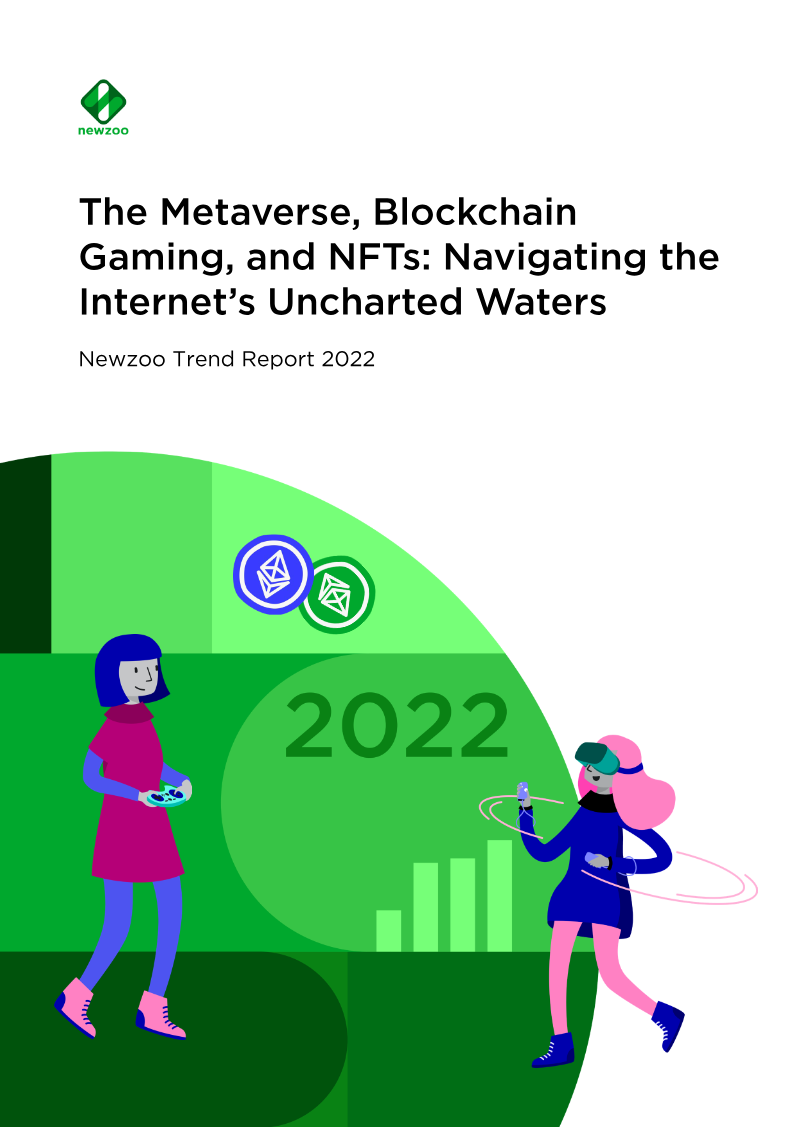
The Metaverse, Blockchain Gaming, and NFTs: Navigating the Internet’s Uncharted Waters 2022
The analysis demonstrates that the metaverse, blockchain gaming, and NFTs have transitioned from niche curiosities to mainstream commercial forces, reshaping consumer engagement across entertainment, fashion, and gaming.
- The metaverse and blockchain gaming have evolved into mainstream commercial forces, with major brands like Nike, Gucci, Samsung, and Louis Vuitton investing in virtual storefronts and digital real estate.
- Virtual events are demonstrating massive scale, as evidenced by Ariana Grande’s Rift Tour and Justin Bieber’s Wave performance attracting millions of concurrent viewers.
- Blockchain gaming is expanding through play-to-earn models, highlighted by Axie Infinity’s 3 billion gamers and Illuvium’s $72 million in funding, though long-term viability depends on engagement beyond speculative gains.

How Oink can help F2P developers tap into the young adult market
The monetization of the under-18 gaming demographic presents significant challenges for free-to-play developers, primarily due to regulatory compliance, parental concerns regarding unauthorized spending, and the lack of accessible payment methods for minors.
- The under-18 gaming demographic represents a massive market with an annual spending power of £3 billion in the UK and $200 billion in the US.
- Free-to-play developers struggle to monetize minors due to regulatory compliance like COPPA, the lack of traditional payment methods for children, and high rates of 'friendly fraud' chargebacks.
- Oink functions as a secure intermediary by allowing parents to fund digital wallets with monthly allowances, removing the need for minors to store credit card data or personal information.
The Pleasures and Practices of Virtualised Consumption in Digital Spaces
This conceptual paper, presented at the DiGRA 2005 conference, argues that virtualised consumption, such as buying virtual goods in games, browsing virtual marketplaces, and displaying digital possessions, should be understood as a legitimate and pleasurable form of consumption rather than a failure of marketing.
- The paper argues that virtualised consumption, such as buying virtual goods and browsing virtual marketplaces, should be treated as a legitimate, pleasurable form of consumption rather than a failure of marketing.
- Its central thesis frames virtual consumption as the latest stage in a historical shift from utility toward emotional, sign-based, and playful experience, with digital spaces acting as liminoid play-spaces where imagination is stimulated and partly actualised.
- The authors contend that cart abandonment is a misreading of consumers who gain satisfaction from imaginative engagement with goods they never intend to buy, rather than a sign of lost sales.