Habbo
Game
Documents about Habbo
Report46 pages
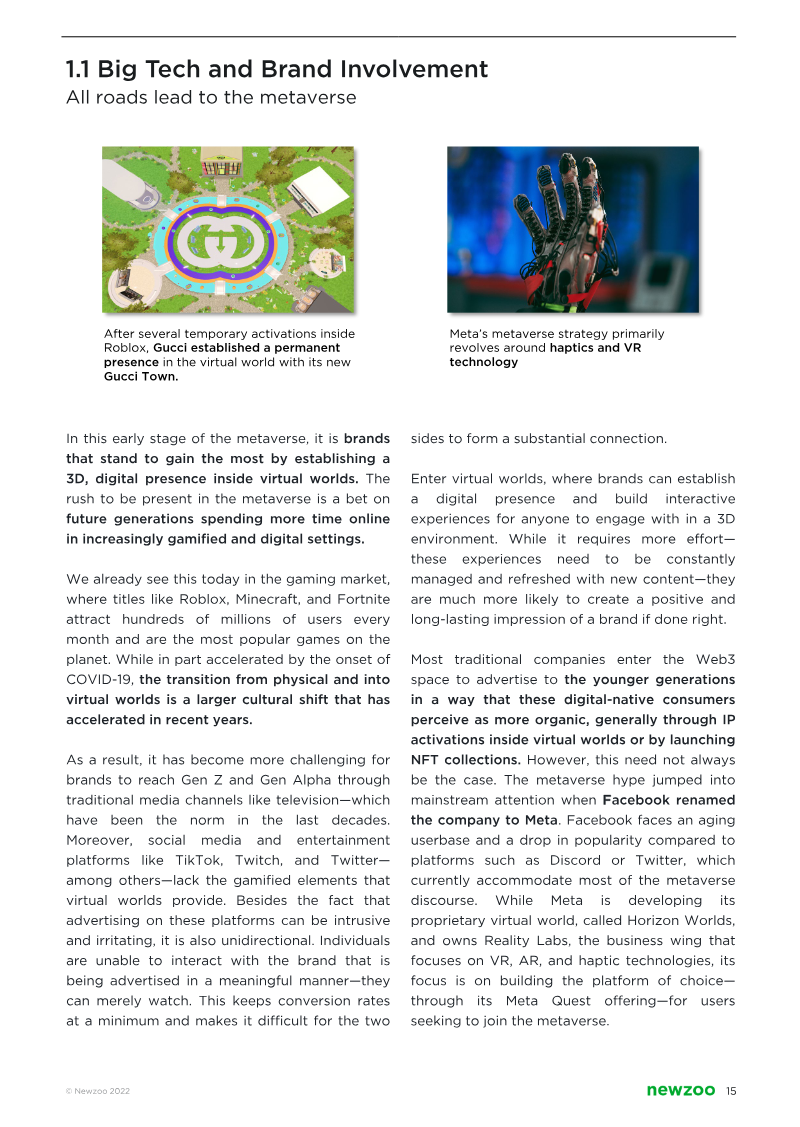
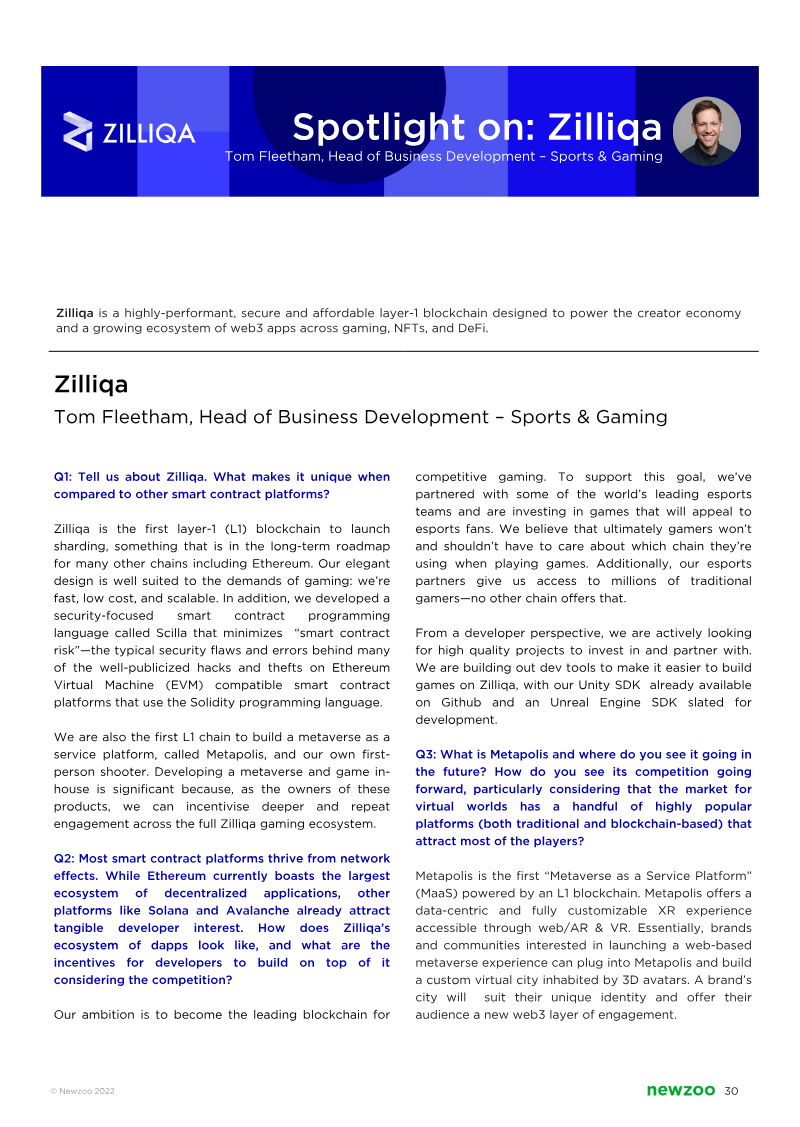
The Metaverse, Blockchain Gaming, and NFTs: Navigating the Internet’s Uncharted Waters 2022
The analysis demonstrates that the metaverse, blockchain gaming, and NFTs have transitioned from niche curiosities to mainstream commercial forces, reshaping consumer engagement across entertainment, fashion, and gaming.
- The metaverse and blockchain gaming have evolved into mainstream commercial forces, with major brands like Nike, Gucci, Samsung, and Louis Vuitton investing in virtual storefronts and digital real estate.
- Virtual events are demonstrating massive scale, as evidenced by Ariana Grande’s Rift Tour and Justin Bieber’s Wave performance attracting millions of concurrent viewers.
- Blockchain gaming is expanding through play-to-earn models, highlighted by Axie Infinity’s 3 billion gamers and Illuvium’s $72 million in funding, though long-term viability depends on engagement beyond speculative gains.
NewzooJan 2022
Whitepaper9 pages
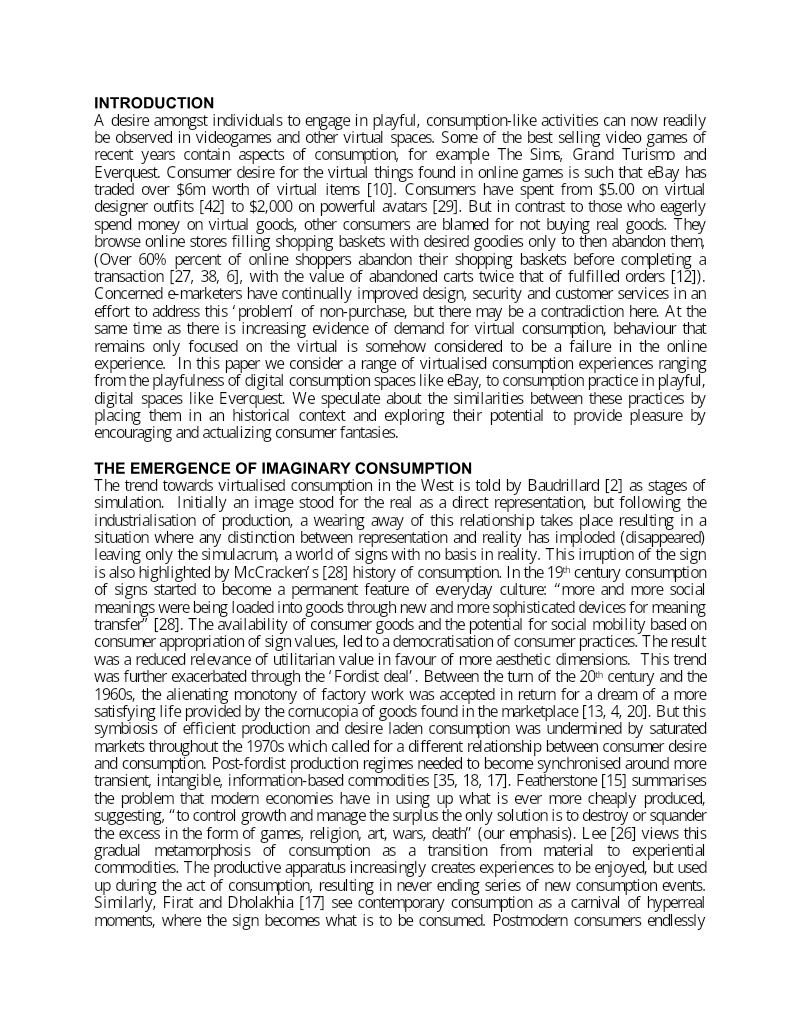
The Pleasures and Practices of Virtualised Consumption in Digital Spaces
This conceptual paper, presented at the DiGRA 2005 conference, argues that virtualised consumption, such as buying virtual goods in games, browsing virtual marketplaces, and displaying digital possessions, should be understood as a legitimate and pleasurable form of consumption rather than a failure of marketing.
- The paper argues that virtualised consumption, such as buying virtual goods and browsing virtual marketplaces, should be treated as a legitimate, pleasurable form of consumption rather than a failure of marketing.
- Its central thesis frames virtual consumption as the latest stage in a historical shift from utility toward emotional, sign-based, and playful experience, with digital spaces acting as liminoid play-spaces where imagination is stimulated and partly actualised.
- The authors contend that cart abandonment is a misreading of consumers who gain satisfaction from imaginative engagement with goods they never intend to buy, rather than a sign of lost sales.
DiGRAJan 2005