God of War
Documents about God of War
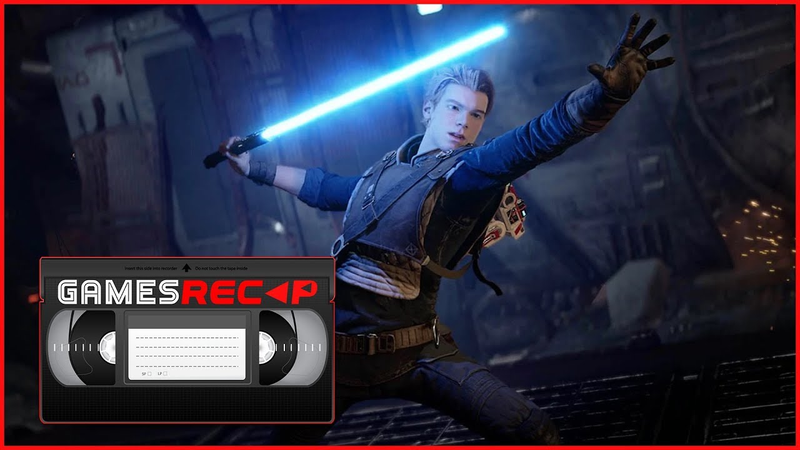
Jedi Fallen Order Not So Bad | Games ReCAP Episode 006
Star Wars Jedi: Fallen Order suffers from a fundamental disconnect between its source material and its execution.
- The gaming industry is shifting away from traditional annual sequel models, such as those seen in Call of Duty, toward persistent games-as-a-service models that prioritize long-term evolution and player mastery.
- Star Wars Jedi: Fallen Order is criticized for a disconnect between its source material and gameplay, specifically failing to capture the tension of lightsaber combat through its reliance on arcade-style mechanics.
- High-quality single-player titles like Elden Ring and God of War remain industry pillars, demonstrating that strong brand reputation is a primary driver of commercial success.
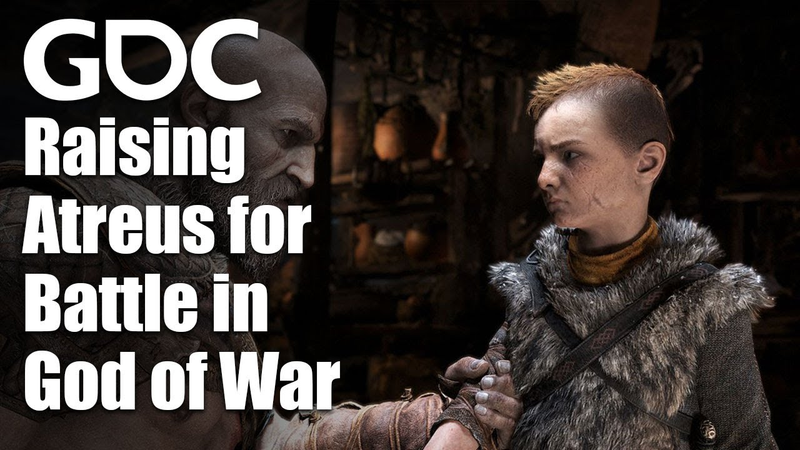
Raising Atreus for Battle in God of War
The design of Atreus as an AI companion in God of War centers on the core philosophy that a partner character must enhance the player’s experience without requiring constant management.
- To ensure Atreus functioned as a reliable teammate rather than a realistic one, the development team utilized 'warping' (teleportation) to position him near enemies instantly, ensuring his combat actions were always timely and responsive to the player.
- The design of Atreus was governed by four core pillars: he must support the player, never hinder the player, ensure all actions are helpful, and require zero babysitting to prevent player frustration.
- To maintain combat flow, the team transitioned Atreus from a traditional archer to a hybrid fighter who uses his bow as a melee weapon, which creates more fluid animations and clearer visual cues for the player.
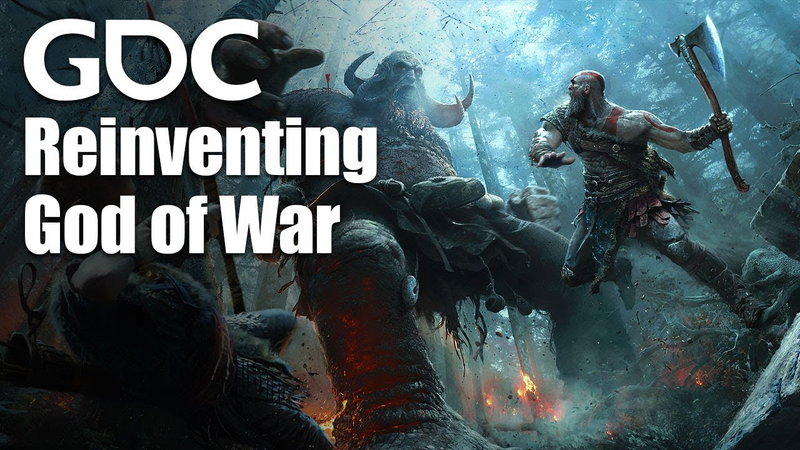
Reinventing God of War
The 2018 reboot of the God of War franchise represents a fundamental evolution of the action-adventure genre, shifting the series from a bombastic, rage-driven spectacle to an intimate, character-focused narrative.
- The 2018 God of War reboot fundamentally shifted the franchise from a spectacle-driven action series to an intimate, character-focused narrative centered on the father-son dynamic between Kratos and Atreus.
- The development team implemented a continuous, no-cut camera perspective, requiring exposition to be delivered through environmental cues and character interaction rather than traditional dialogue.
- To maintain player agency within the cinematic experience, the studio utilized technical solutions like invisible collision bumpers and camera-smoothing algorithms to ensure fluid navigation and combat.
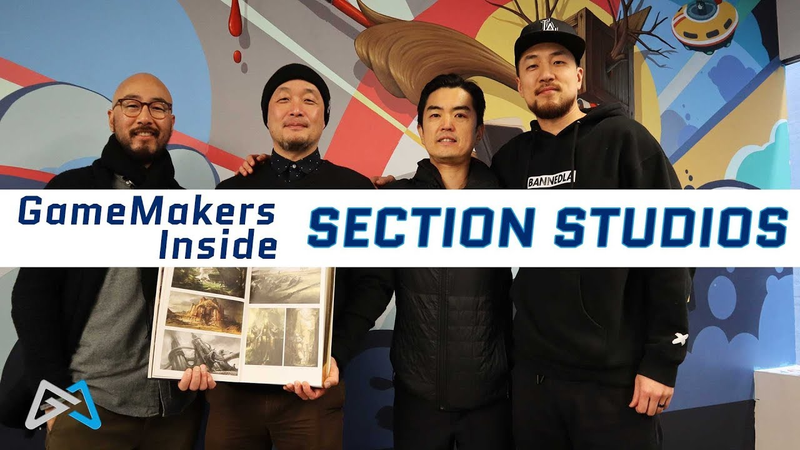
The Business of a Video Game Concept Art Studio: Section Studios Tour
Section Studios, a Los Angeles-based art services firm, specializes in visual development, concept art, and pre-visualization for the video game and entertainment industries.
- Section Studios operates as a full-service production house providing visual development, concept art, and pre-visualization for major franchises including Riot Games' League of Legends, Activision's Call of Duty, and the God of War series.
- The studio is scaling its production capacity by shifting from a centralized Los Angeles model to a hybrid structure that utilizes satellite operations in the Philippines and Korea to improve cost-effectiveness.
- The firm manages a fluctuating headcount of 30 to 70 employees, allowing it to scale resources dynamically to meet the specific demands of large-scale game development and marketing projects.
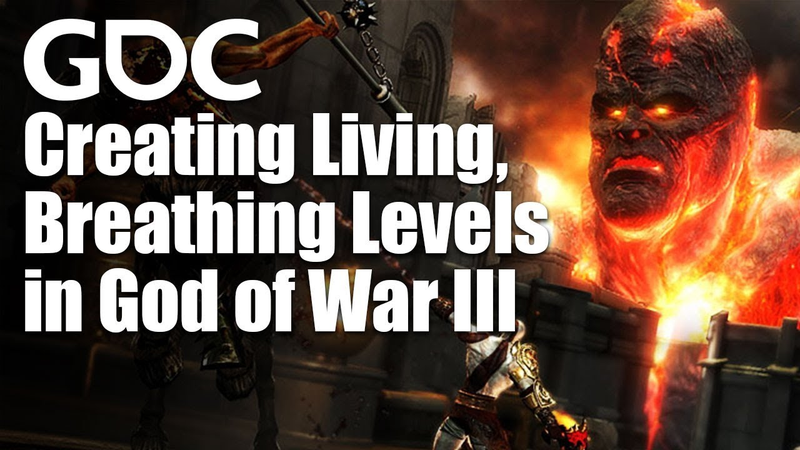
The Titans: Creating Living, Breathing Levels in God of War III
The development of the Titan sequences in God of War III represents a landmark achievement in balancing massive-scale spectacle with interactive gameplay.
- The God of War III development team transformed 500-meter-tall Titans into dynamic, interactive environments rather than static boss arenas, resulting in 25-minute immersive gameplay sequences.
- To overcome technical limitations, the studio developed custom tools to manage collision, camera logic, and entity attachment on moving, animated meshes in real time.
- The project was completed over a nine-month development cycle, utilizing gray-box testing and standardized nomenclature to manage the complexity of large-scale sequences.
Ma, The Space Between - Uncluttered Game Design - Extra Credits
The concept of ma, a Japanese term representing space, rest, or emptiness, serves as a vital design philosophy for creating impactful, uncluttered video games.
- The Japanese concept of 'ma' posits that negative space is not an absence of content, but a vital, inseparable component that allows players to process narrative and emotional beats.
- Modern AAA game design often suffers from a relentless pace that prioritizes constant action, which can prevent players from forming a personal connection with the game world.
- Games like The Witcher 3, Shadow of the Colossus, and God of War demonstrate that quiet moments of traversal and exploration are essential for giving subsequent action-oriented segments greater weight.
No Redeeming Value - Why the God of War Sequels Failed at Storytelling - Extra Credits
The God of War trilogy serves as a primary case study for the evolution and eventual decline of narrative depth in action-oriented video games.
- The original God of War succeeded by mirroring the structure of a Greek tragedy, using Kratos’s arc to explore themes of guilt and redemption.
- The sequels failed to maintain narrative depth, transitioning from a character-driven study of remorse to a spectacle of one-dimensional, unmitigated violence.
- The series’ attempt to introduce themes of hope and forgiveness in the final installment was undermined by immature dialogue and a total lack of character growth.