VideoDeconstructor of Fun
Wilfrid Obeng on Scaling a $100M Startup and Choosing Abu Dhabi over Silicon Valley
10 Feb 202569 min video
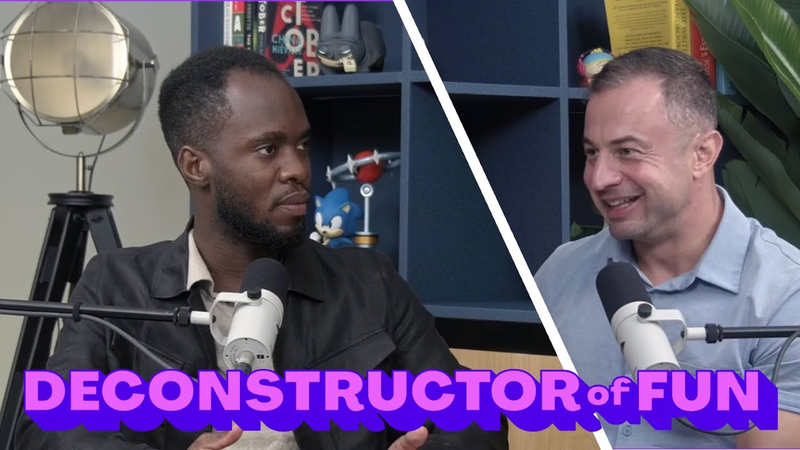
[Music] will Fred oang welcome to the podcast Andi thanks thanks for having me CTO of audiom mob and for those who are not familiar with audiom mob let me see if I get this correct I should get this correct audio ads your last round valued your company at $100 million you got some really great investors light speed makers supern node uh you're the co-founder and CTO the company was started in the UK and then you guys dispersed so Chris went to New York and you came to Abu Dhabi to build your engineering team out of Abu Dhabi so talk to me about like let's say last 12 months you you were on a podcast or was it Chris on a podcast maybe two years ago but what what has happened during like the last 12 months with audiio mob yeah I think yeah it's been a long journey good to see you in Abu Dhabi thank you um and yeah a lot
has happened um so basically what we've been focused on is really scaling um so we as you said we've raised a couple rounds now of funding and now really what we did with that money was basically building out the product so end to endend as you said it's bringing in-game audio ads into um so bringing audio ads into games and apps um and the reason we're doing that is I think we can all agree the current monetization methods aren't necessarily the best in terms of if you compare the experience of a video ad blocking you yeah to being able to listen to audio while not being disrupted and not actually interrupting the game yeah it kind of makes a lot of sense and I think before people were a bit skeptical of it but I think now people realize actually when we look at retention and when we look at um the ability to monetize and not having to always have a trade-off of you know how many video ads can I put before I basically start losing users and you actually have a format where you can actually Place more of these ads and it's less of that tradeoff of how many of these can I place before I start losing users so I think what we've seen over the past 12 months is really
actually a shift in that adoption it's went from more of us going out and pitching and actually us getting more inbound from Studios so I think that's a really good sign that people are looking for other ways um I also think it does help though that in terms of monetization is getting more difficult um you know just declining uh ecpm Etc um so I think that's also helped and also the privacy laws has also helped um especially for the growth of audio ads because with audio they're kind of used to not having that hyper personalized information so they're not as precious if like of of having it so we see like stable ecpm throughout that period of time um rather than you know um rather than declining CP ecpm yeah and I mean AUD ODS is um it makes sense because given your current audio like current inapp ad um selection when you add audio ads it doesn't take away from anything else so it's like an add-on it we know that it's not as great of as a
video ad in terms of driving Revenue but it doesn't take away anything from any other AD format uh you get rewarded by listening so you need to have headphones people like who has headphones everybody has headphones in on their head and then so it's opt in you listen you get a reward in the game yes the uh the call to action is not the same as in video ad where they fool you on pressing that button you're like dapping on like where's the X so I get it uh but but uh but it's uh it's clearly a product Market Market fit and with product Market fit come scaling as you said like what does your organization look like these days yeah so we actually have 19 people now in our ABW office so we grown we've grown obviously considerably for a series a where it was just literally me and Christian bootstrapping and then one engineer on a contract uh to now a fully fledged team in Abu Dhabi um uh led by a head of engineering so we' we've definitely been able to build that um that structure out and also with the help with Partners like Google obviously that helps yeah um obviously called in a
couple favors from like my ex colleagues at Google but it they've definitely been really really helpful and actually helping us craft that because as you said how do you scale and gaming is global and this is where I think it's I think actually building companies that are the infrastructure for gaming is some people don't realize it's actually very difficult because there's three billion gamers in there in across the whole world so it's like you can never fully keep everyone happy especially when you're in the infrastructure play because everyone's like okay that's great you got me Revenue in America you know in Germany the UK Canada South Africa but they're like yeah but I've got you know 20 million users in Vietnam that I need to be also monetized you're like okay now I need to fly to Vietnam and try and find some you know some audio advertising partners that we could work with there so I think it's like a NeverEnding Trail like to to always try and find agreed so your background is opposite of a startup Goldman Zachs Google like how uh how did you end up
becoming a startup CTO I think it's a good question I think I've always wanted to start my own company even when I was really young I actually found like old uh old um like you know when you did applications or like things like scholarships and stuff where I always would say like oh yeah I want to have my own company and it's really interesting to read it back and you're like oh actually I always did kind of have this little thing you're psyching yourself but um I also was very to be fair I was very realistic in the in the fact that nobody well actually I shouldn't say nobody because it's definitely examples of the opposite of what I'm about to say but I think it's a lot easier if I'm honest with you to gain that credibility when you do have those companies and you have that experience it's not just having like the shiny in a badge of working companies is actually that experienc in those companies because I think a lot of people look at it and go actually if you were at Gman Sachs for example you're probably used to high pressure environment you're probably used to people on tight schedules you're probably used to like very sharp Communications um and that's not a bad
thing that's actually it means that there's some kind of there's some kind of like um aggressive culture agressive yeah but also stability and it's almost a baseline that you know that actually there's probably a baseline here and I actually think doing banking before going to Google was a good thing because when I was at Google it gave me a lot of structure uhuh so it's even though I loved the don't the Google environment which is like the P opposite which is like everyone is like left in their own devices and like you have this project we trust you to do this project you are capable and smart enough to do this project we wouldn't have hired you if you weren't capable and smart enough do this you won't stay if you not capable of handling this project yeah but so so yeah and all of those things are kind of said to you at the beginning and like you you're left to do it and there's that work environment but I do think having that banking structure on top of that meant it was a lot more efficient in that role so actually meant that I was I I was I appreciated that actually someone's leaving that there's no one checking in on you time someone left me
to do it but they and they trust me let me but let me deliver it because that is really important like let's really deliver on this so two very different management styles exactly yeah and um were you leading teams at either of the organizations no so so I think this is a this is a great segue into like then how do you then someone who's never led a team then go and uh start trying to lead people so I think this is where I took a lot of mentoring and coaching so I have like that's a very forward thinking yeah so I've had I've had mentors since I was like 16 years old oh wow um and they would theyve AA and joy they have been amazing they already have their own leadership and development uh company and they kind of took me under their wing and I was very rough obviously I like 16y old kid I was rough around the edges is it yeah I didn't know what was what was robot yeah exactly um but they were really helpful in in every step of the way like even with the interview practice like for GMA Sachs like what they would do is they like we're going to interview we're going to pretend
you're we're the interviewer and like you're going to answer these question yeah yeah they're like you're going to do answer these questions but it it pref It prepares you for any of these questions that you get asked because you don't feel uncomfortable in interviews I I I actually remember never feeling uncomfortable yeah I always feel like yes a curveball will come up but I'll have a way to answer it and I think that's where I've learned a lot from that practice and like being grilled by people and they they were like they were really direct him like really like um examp sometimes like ruthless with the question like they would I would give them like a list of oh here's some of the questions they'll just start throwing in curve balls they'll like um so yeah but if what happens if you know um you know this way that you've said that your solved the problem doesn't work like what would you do then and this is not part of the script yeah you have you have to answer that and and those kind of things I think really build your resilience to CES that happen as you said in any
company because you realize things don't go how you think they're going ever and you have to be comfortable I always call it you have to be comfortable with the startup roller coaster it's like one week you could have the greatest news ever and then the next week you could have the worst news ever and it's a constant roller coaster of just ups and downs until like you said as as it Runners it levels out and then that's when you you really start to take off this podcast is brought to you by apps flyer in today's Digital World Under understanding your apps Journey from Discovery to download is more than just insightful it's essential enter apps lier the leader in Mobile attribution and marketing analytics that allows you to measure the full potential of your marketing efforts making every ad dollar Works Smarter with apps flyer that's your new reality dive deep into Data driven insights that reveal exactly where your users come from and how they'll interact with your app apps sler where your app's potential meets performance
performance and how does the so that that that's so awesome like you got mentored that prepared you for the future challenges rather than normally what happens like for me for example I get mentorship when I'm already in like listen some mistakes happen how do I get out of this like that's a normal scenario like you don't know what you need until you need it but you kind of were Forward Thinking how did mentorship help you then throughout your career like you were you were still working with the same mentors as you were at Goldman you're still working with the same mentors at Google like how did that help you expedite your growth I I think it's it was critical to exp honestly I think it's because I I still have them now and like they' come to Abu Dhabi done leadership training session our team yeah they they really and the teams me what what are they called um the the two people yeah oh a TIA and joy okay we'll put in a link right they have a okay yeah yeah yeah they have a leadership development company called Eno so and they were really
fundamental in um as you said at every step giving that coaching advice of like no now you're going to be leading people you have to think about this you have to think about also putting yourself in other people's shoes yeah empathy empathy but also and I think more importantly than in sometimes I know it's kind of cliche everyone always says empathy but also I think what is underrated is also communicating what you're currently doing and like why it's important and also communicate um to the team that there might be higher priorities that you're dealing with because I think this is also something in a startup that you see where a lot of people who come from Big corporates they're very used to escalating things it's like everything's an escalation and this is where I found that the two cultures I actually found that between Banking and like big Tech is like we actually realized somewhere in between is where you need to be like we you have to have that kind of structure but we also need to be able to let people
like trust people to basically execute and I think that's something I learned that communicating that better to the team because a lot of the time I would be expecting them to do what I would do it's like yeah but that that problem like you should be able to just find a solution to it like we're Scrappy star like just find a solution and you would find a lot of times people be like trying to escalate and like well I don't have time to like deal with this escalation like this isn't really an escalation when you're talking about the high level like Capital raising you're talking about building a team you're talking about getting more clients you're talking strategic work I need to focus on strategic work I can't be dealing with you know um someone is someone's integration um is uh needs to basically be reviewed and there's some questions I'm like well we should as a team be able to handle that but I think what I wasn't doing well was communicating that better in terms of guys you need to own this like this is your um remit to own and this shouldn't be escalated as high as the founders of a company like it it otherwise we're not not going to be able to scale at once we
get to even bigger velocity what um this is fascinating so many Avenues to go here what what have you maybe learned cuz like you were prepared and you got coaching as all along as you're building your team you're starting alone it's pretty simple you bring a couple of guys or gals I'm assuming Engineers they most of your team is men probably um it's easy because you're in the same room you get the same Vibe you're in this beautiful office in Abu Dhabi creative Hub communication is easy but then you start scaling and scaling scaling from 10 to 15 to now almost 20 um what were the sort of learnings as you going through this yeah I think the biggest learning and I think our head of engineering vill I can't take R of it he he did a very where from uh Finland yeah that sounds like it yeah um so he he's been fantastic in terms of setting a performance culture and he was very clear from this about the start when he came he like he goes I I wanted do this in a way that is very clear it's very
fair there is no room for interpretation it's we have to live with this level accuracy with these kind of timelines and commit to these kind of goals and objectives and he made that very clear to the team and I think he's done a great job of scaling the team in that way so there's never been this kind of idea of um you know um like these certain things aren't necessarily Fair it's like well let's refer back to the metrics of what we agreed as a team and these are the performance metric that we should hold ourselves to so I think he's been great with with actually saying that in the team and allowing the team to to really grow um and also take ownership as well of what they own and I think we're very clearing like the performance metrics of what's required of the team in terms of like for promotion um when it comes to also um changing in their goals and what their role remit is because we also have like we have have a track for people who just
want to be subject matter experts like not everyone has to be a manager indidual contributors exactly I I'm a firm believer I don't think everyone needs to be a manager I I actually think it's very diff difficult I actually think it's very difficult as well I think people just think oh you know I just tell a few people go but it's like no you really like there's only one way up when there's actually two exactly Specialist or manager especially For Engineers I think that's also something I learned from Google because at Google we had that like you had really like you just had subject my experts at Google but it just the whole thing they do this they know Java like a like expert level and people can go to them for coaching so I think that's something I did take cuz I realized that that is it makes a lot of sense rather than forcing someone who's expert at Java who doesn't want to manage people to start managing people yeah yeah no that's a that's uh yeah that's crucial um a lot of that you mentioned is like you essentially have a culture of performance and ownership which is you know sounds great how do you instill that type of a culture in your engineering team because
like when you read books yeah and I I find that most leadership books have a heavy survival bias and um we doesn't make them bad but you just have to take into grain of salt and and there they kind of talk about like how important it was to verbalize the culture write it down and do these things that are you know document which is very important as you're scaling and you can clearly communicate because not everybody has access as the team grows to the leadership and now they have to convey that message other way around but is it has it been important for you or is it something that is coming in the future because it seems like it's still kind of like un u undocumented culture that you have no it's a really good point I think in terms of culture at the start I would actually say I think we started too much on more of the big Tech kind of culture I actually I actually that's a learning that we started too too heavily on the big Tech culture of you know let every leave everyone to their own device they should become owners but you start to realize that
works in Big Tech because there's so many guard rails you know it's like everyone has their own thing but technically you're still in a box if that kind of makes sense of this is your unit and this is your um these are your resources this is your exactly whereas in we all know in Stars that's not the case you could be doing three rolls at the same time like 10 hats at the same time that's that's three is little yeah exact exactly easy day easy day so um I think that's where we started to realize oh no we we we that's when I said we actually need to move bit more actually to the structure of having um this and I think how do you actually model that I think you can communicate a lot I I I I do think I think people do say that like oh you know communicate just a lot but I think if you have a lot of people who come from a different environment who everyone claims they understand what a startup environment is I I would say it's in the 5% who really actually understand what startup environment is like they actually what it Tak to basically as you said juggle 10 hats at
the same time and be comfortable with it that's the differ like be comfortable and being comfortable in the unknown like this what I'm coding right now might just be completely obsolete in two weeks time because nobody actually wants to use and we're just going to scrap that and move to something else but there's a lot of people who will do it but being comfortable is a different story cuz and I tell you that because if you're not comfortable it kind of can end up leading to like resentment of oh I built all of this and now it's it's gone to mismanagement this is mismanaged the leadership doesn't know what they're doing cuz we're going left and then we're going right I'm used to having like a road map for the next three years exactly exactly and they don't have a road map they must be stupid exactly and I and but that's the that is exactly the difference between as you said a big corporate and a and a startup because you're meant to be iterating you're meant to be changing and you're meant to be going where the data shows you should be going that's what you're meant to be doing and but it's really difficult to say almost to reprogram people to do
that so what we've had to do is I think more important in communica and is also to model it and that's why you need those kind of people who are actually used to being star environments I think that's one great thing about um not one great thing it's another great thing about actually vill because he came from startup where did he come from so he he was at bonus way and then he was also at smartly smartly yeah ex and they exactly ex so they understand this whole like customer s customer s and data driven what does the customer s yeah what does the customer want yeah and so you once you have that model now it's like no this is normal we are going to build this and we're going to build it Based on data if it if it doesn't work we're going to change it this podcast is brought to you by apps flyer in today's Digital World understanding your app's Journey from Discovery to download is more than just insightful it's essential enter apps flyer the leader in Mobile attribution and marketing analytics that allows you to measure the full potential of your marketing efforts making every
ad dollar work smarter with apps flyer that's your new reality dive deep into Data driven insights that reveal exactly where your users come from and how they interact with your app apps sler where your app's potential meets performance do you communicate this uncertainty uh it in which way so in terms of the product how do you prepare people that what they're doing might be a waste of time ah good question was waste of their time yeah waste on their time um I think it that part I think is the overcommunication that's where you have to always I always stress about AB test we need to test this we need to see if and like this might not work we need to listen to what the clients want like this is our interpretation of what we need to do but we need to be we need to know that in two weeks we might just need to change this or or fit and to be fair a lot of the time it's like you might just need to adjust it's not necessarily that it's everything is just going to just change but it's it's
usually just course correcting so and I also explained that if you do enough course correcting you don't need to do a whole pivot and that that also saves you actually some sometimes so it is is like Inc adjusting yeah when you adjust you don't have to Pivot you have to but sometimes you have to PIV yeah if your whole business model sucks then you're done they done yeah and okay so and that's that's a very interesting point I've I've kind of learned it as as of late of setting my expectations correctly and that leads you to not have emotional reactions about things so you know uh might be working with with certain um entity that I know that their plans are changing so much and if you expect that that yes it will be this today then in evening it will be a little bit different and then in the morning we're going to go into that direction if you understand that this is how they work this is the the appropriate then you don't get upset when when when when these quick adjustments happen because
that's the way of working but how do you like where do you hire your engineers and like how do you need to train them that um that we are a startup and in a startup even though we have a product Market fit and we have clients and we are scaling and we are you know our sales is going up and and all the good things are happening but we still not there we're not like like we have Instagram and and essentially all we do is look at what Tik Tok is doing just no I'm just kidding but like you can't make a road map on something that already exists because you're one of the few audio ad companies so you're trailblazing trying to figure out what this is in the future without having an example out there so that that that makes it hard for you to BR the future yeah I I think um I think you're right and I think this is why I also don't believe in startups when you see like this 5e road map I'm like I don't I don't as a technical person I just don't understand it that's for investors I if if you're a pro if you're
real understanding as an investor you should understand that and I think most of the really strategic ones understand that it's like if I see 5 years it's like one year is already you're already going to be changing things to to fit what the sales are happening right you have to do that um but I think to answer your question we hire our Engineers from all over the world and I think that's one really uh good thing about being here in Abu Dhabi CU you're able to hire from anywhere basically so we have engineers from Finland as I mentioned um from India from the UK um from Bulgaria um from Pakistan like everywhere easy to hire here easy and so I think that's and that's one of the beauties of it it's easy to get the the Visa process done um they can turn around the Visa process in like two weeks really like the golden Visa one oh no no they're just a normal standard employee visa for people listening golden Visa is essentially a green card yeah Sly yeah uh normal is that that your stay in a country is like
normally tied to your employment with this employer context yeah um so yeah it's it's really easy to turn around um so that's that's really been helpful in getting Engineers over and hiring the talent also it it definitely helps and this was always part of the plan of moving a engineering office here was it when you're competing with Google and Facebook and well meta now um it's very difficult to get these Engineers with the the salaries they're on but to be able to say that they can come somewhere that's safe Sunny taxfree definitely helps when it comes to actually um getting the talent in and I've seen this with a lot of our Engineers it's like when they realized that those three things that even when we first moved it was it was quite interesting like when I mentioned all of these like perks and all stuff that you get being here that was one of the reasons I like oh actually yeah we will move from the UK to actually come here did do people come here to check it out before they like what's what's your actually what's the profile of of the people that that you relocate apart from them being Engineers
um are they you know in their 30s or in their 20s or in their 40s good question we so range so we we actually have um people who relocate with their families as well um so like people who uh relocate with like um their wife or husband and their kids um and then we also have people who are like in their 20s and 30s singles yeah singles and they they they will relocate they mingle here um you got us that's something that you don't ask I'm just joking single and ready to mingle yeah it's um it just in the sense like I've been here for a couple of times now and talking to people it feels like this is very familyfriendly City yeah like Dubai is 15 minutes away it's not that that far uh but Abu Dhabi especially seems like a really familyfriendly one so I'm just wondering like that's what I was asking is like how do different like in how do people in different stages of their life uh you know U like the city or like like
being here great question actually so I think it is definitely I I I see what you're saying in terms of Abu Dhabi in terms of safe I I feel like it's a good um also um contrast and break from also like the London being super super busy so I actually like that um but I think it does there are opportunities for different kind of people so I think for families it's very obvious like there's so there's so many things you can do here like there's so many like theme parks water parks malls um activities At The Mangrove all of this stuff like the museums like there's a lot of stuff but I think actually you're right A lot of people When We R always ask like what about the the other stuff for like people who might not have a family yet yeah um and you're correct to say but there are still things like for example I remember one of our Engineers moved and already he was doing like white water rafting and stuff and I was I even
I was like where did you find that he's like oh I just went on Google and I found that there like white rating here I was like okay I I didn't even know that I so and then there's also like stuff like shooting but there's also a lot of brunches actually in I didn't even realize that so even a lot of the engineers would go and do and go to branches in Abu Dhabi as well so I think there are a lot of opportunities actually for people to who might not have a family yet to actually you know meet new people and actually um move the other thing is also interesting there's also like cool fun stuff like we do as like I say we do the engineers organize it themselves like they'll go and do gokai the whole engineering team will just go next to the Ferrari W exactly so they just go and start doing stuff like that and um or like one of our R&D Engineers he does the cycling on the yes track yeah the 30 30 km track God damn it that's a long one yeah he he really is like a he's training now for a big um um cycle but so so yeah I think there is a actually on the other side
there is actually a lot that um people who don't have a family yet to do here as well yeah the way I understood know talking to Boris who's also in this office CEO of hype Masters uh like finding a Social Circle is not difficult but you have to find it it won't find you uh it's not difficult because there's so many expats here like I think eight out of nine is an expat so there's a lot of people who are who came here and through that they are looking for a new Social Circle and so you just have to to find what you're interested in and around that is always a community whether it's like you know triathlons or carting or shooting or or brunches or or you know so so so that that one is a is a good part um and and so you said you've been bringing people from all around the world um how does that affected your leadership style CU in like in well Google is very International as well as as uh as Goldman like has has it had any effect as as you becoming a leader and leading very different people from different
backgrounds elevate your game development with heroic Labs The Cutting Edge platform for building multiplayer games and you need an edge to be successful in today's gaming landscape their scalable Nama server empowers you to create compelling real-time multiplayer experiences effortlessly benefit from features like in-game chat leaderboards matchmaking and more all designed to enhance engagement and retention whether you're developing for mobile console or PC heroic Labs gives you the tools to bring your community together unleash the full potential of your game with heroic Labs where every developer is a hero I think one thing I've learned about this is um yes but I think what we were trying to do is hire people and then install the culture and what we actually realized actually is we need to start instilling the culture it sounds a bit weird or or Preparing People for the culture maybe it's a better way to say it from the interviews so immediately like every interview like it's either me
or Christian on the end interview as the culture stage interview and it's something that I actually do like push on in terms of like this just so you're aware this is a startup it is not a like a big corporate there isn't going to be all of these facilities like that you might have had and and I say this as someone who came from those company so I'm not saying in like a condescending I'm saying like well I used to be a g I used to be at Google like at Google we had free um breakfast lunch and dinner you had a gym you had the slides you had um uh you had music rooms you had sleep pods so like I already know you have sleep pots Tyrant no music rooms ex exactly so for people for people who I'm interviewing I'm like I already know the extreme of like how much stuff you could have and this is not what that that is yet and even to be honest Google in the first days was very scrap like it came from it was a garage there was two like it was literally Larry and Sergey in a garage so this is where like they came from
this to being able to do all of those perks but let's like reset ourselves that it did start in a very Scrappy and like getting stuff to give away um so I think those were the kind of things that um really we try and hone in on in the interview stage to prepare people to understand like this is a startup this is a performance culture we also say that now in the in the interviews and we didn't always us to say this in interviews but but now we're trying to better communicate that up front like this is a performance culture so before you come here to realize that there's going to be some targets and objectives and the standard that we expect so it feels like you went from selling a company which is like very dangerous to actually trying to be super blunt yeah and almost discouraging person from from joining would that be not discouraging but like like listen it's going to be hard it's going to be startup um things are going to change it's going to be chaotic um are you you know but the
opportunities are great exactly and I think I think it's to your point it's like it's it's also I think also in some ways what we're trying to do is make sure that the candidates are right fit so that they don't also join and feel like Oh I thought it was just going to be like you know I um have my own remate there's no real structure there is no um tough and it was almost like it's going to be just all fun and Rainbow and and say but that's not a startup like if you want that I always say to people you should go to a big corporate and it'll be more stable and it will be more static and you get a level of consistency but I think as you said with a startup the whole idea is high risk High reward right so if you're doing anything that's highrisk high reward and I mean anything if you want to be a footballer if you want to if you want to in the UFC that that journey is always ups and downs like when you see it when like players get injured and they're crying on the pitch the reason they're crying is like they know this is going to mean they're not going to play for like you know
maybe six months or three months or even sometimes like three weeks but still it means they they're not going to be there so but they understand it's like oh this is a low now and then there's going to be another high and I always say that and I always used to think those high performance um comparables were always cheesy but then the more you start doing this you actually start realizing actually a lot of stuff in business is very similar to um the stuff in sports and and in any other field actually in terms of when you to be at the highest end of it it takes a lot of as you said almost stoicm like you you're actually trying to find a middle ground and never be too high or or or too low um you're always trying to balance that out so what are what are some of the specific questions where you're trying to understand whether that person is ready like like not ready whether that person is in the type of a stage of their life where they could enjoy a startup journey I think that that's the way of putting because people change while life
situation changes there're a situation where the same person would thrive in a startup and a situation in their life where they would feel miserable in a startup I think the number one thing I always saying is being comfortable with the uncertain I think that's the number one thing I'm looking for is there questions that you try to find out or do you just ask and because it's like a like do you try like you know yeah I think so with with the being comfortable with the uncertain there are questions I do try and ask around um like what people enjoy about their current company and their current Ro and what they don't o that's a good one so it basically gives me an idea of okay if I know you don't like these kind of things I like our road map it's really well managed the transparent the project manager is so great I feel Clarity in my work I can just focus on doing you're like it it tells me it's exactly what everything you just said it tells me without telling me like okay drawing an X but it's just this person is not a fit
for like it's a fit for later yeah exactly and I think that's a great way of putting it it is a fitful layer because at some point every startup as we've seen stabiliz it comes a grown up yeah dead you're dead um I think that is a reality people also need to understand as well it is a reality is what you're joining is again high risk High reward um it it could it could also fizzle out but that's obviously not the aim that someone has when they when they join the company and there are people like I think it was the Netflix culture book that was really interesting where they talked about that there are people in the early stages that they let go later on with like there's nothing wrong like you helped us here but this is not a fit for you and like this part of the journey has ended we're not going to force you to you know go the corporate route all the recommendations to the next upstarts where you thrive in this chaotic building atmosphere but now we're like bureaucratic big organiz I don't know how bureaucratic but B basically the culture has changed so so
yeah keeping that in mind that there's different stages for for different phases no I I totally agree with you um I think um and I I got this advice as well from from a few people that the that it's not necessarily the people that got to that stage will be the same people to get you to the next stage and I think that does make a lot of sense right because also what you also find with people who really love stars is and because people want to talk about from the perspective of of the business actually the people who really love St up sometimes just go yeah I don't want to do this anymore like and that's happened at Google you saw a lot of the Google people the initial team went and start building their own things or went to another star they like no I want to be in the uncertain trappy it's and I think to go back to the question you asked me before it's also people who don't see it as a negative but see it as frill and excitement yeah of of the like oh no this is a big problem we're going to challenge it we're going to be able to conquer it we're going to be able to um to move and actually do it um and I
think those are the kind of people you want in a way that they're either The Visionaries or the people who want to get on board with that kind of big picture and vision thinking how do you compete for talent then cuz like you know as a startup you can't match the salaries you can't match the packages you can offer the upside which is highly uncertain uh and then you can offer a w like not a wild but more chaotic culture with a ton of ownership yeah I think that's where two things um I think one on the Practical level um government subsidies like here in Abu daab help I think on the pratical that's a more practical level but I think on this second and more um Vision based I would say and um more ideals like um perspective is it's more around explaining people the vision and having people who really believe in the vision or having people
who understand what the problem is and I'm like actually that makes a lot of sense yeah I get it I see where this scales um I can get on board with this journey and I think that's what I'm also looking for in the in the interviews um because I usually ask like so why exactly um you want to work at audio mob and you always get the generic answer like someone who already basically read the website and things like you can't tell that they just it was really good I like music exactly but and so you I'm always digging deep for usually on that question like I I'm always like okay so what exactly about it do you play mobile games do you see stuff about audio like why like not this you know 20 words response like what is the actual reason cuz if you're not really just you you're not really going to be infused when as I said this like stuff goes up and down or road maps change or this feature gets shelf yeah so you have to be comfortable
with all of that so basically when they're excited about the journey yeah how have you changed or not changed because you didn't start as a leader you've grown as a leader throughout this time how have you changed during this time of of like you know having no employees to now having 19 like Are there specific things that that you could talk about attention app and game developers are you ready to unlock the secret behind the world's top performing apps and games with sensor Tower you get the ultimate Competitive Edge whether it's breaking into new markets fine-tuning your UA strategies or boosting monetization dive into Data like never before track Global Trends across app stores analyze Market leading inap purchase and inap AD strategies and Benchmark your performance with real time Insight the best part sensor Tower doesn't just deliver data it helps you turn it into action with intuitive tools
and expert analysis it's everything you need to make smarter faster decisions thousands of app and game Studios from Indie creators to Global Giants trust sensor Tower to help them win so why not you start your free trial today at sensor to.com that is sensor.com yes I think the I think I've really learned and I think this is the other thing I think a lot of times when you're on podcast or you hear people talking about leadership it's always like the leader always always sounds like they're always 100% correct and I I think that's always a worrying that's always a worrying sign for me I'm like it's impossible if you're every human is fallible so it doesn't really make any sense to to be here pretending like you haven't made mistakes or you haven't learning I think that's always that's also something that
um you need your employees to also give you that Grace and sometimes to be like okay actually and but to get that Grace you also have to admit like oh yeah this was a mistake and we shouldn't have done it this way and we're now doing we're now basically moving in this direction and I think that also gives the employees actually you know they're quite honest in saying that like this is this was the issue and they they they' given us a solution um to the problem so I think that that's how you usually kind of get that um that trust and also that Grace I think that's something I've learned but I think more importantly and I think even one point in the first point is I've realized that there is no one side fits on and this is why I say management is very hard I actually think I actually understand I had I think I had a manager at Google he said this to me he said he goes one day you'll manage people and you'll understand how hard it is and I I always I always like had a laugh or the S like I was like okay interest how hard can it be me the corner office and we'll see what happens and and then you and then you do you're like oh I get it and it's because no one
one s doesn't fit all and you have to basically adjust to the different personalities and managed them on a onetoone basis well I'm asking this especially because like um as you said there's many different types of leadership and as you're becoming a leader you don't know what kind of suits you and often times you try to emulate somebody who you look up to but might not you might not have all the context or you might not even be the right person and even if you look at sports let's say like three top tennis player at at certain time were jovic and feder and Nadal Nadal yes Nadal I'm not a big tennis fan but I know like like looking at them and how they prepared to a match they're widely different like you got the the sto Serbian you got the aggressive Spaniard who's like pumped up and like and then you got the Swiss guy who's just joking and jovial and kind of like but those are their ways of of handling stress and then like that's how
they are who they are and that's how they're able and and they're not like like it would be weird if federo would be like super stoic or like getting aggressive and the other way around as well it's like that's their personality and they show it and the same thing I kind of feel like has to be in the in your leadership style where it has to be not that you like it is a role and it's very difficult role and with a lot of responsibility but it would be also very weird where it would be like a like a act for you we're like I'm now a leader and I'm going to act that is totally against who I am outside my working hours cuz that feels unsustainable right you go crazy and I think that's a I I agree with you and I think that's also a big learning cuz I think you 100% correct I think a lot of us emulate like you can watch a video like oh oh you read a book to your point yeah all the dis and they always have this this one way of like you should be like this this is the modern way of doing and this was the old way don't micromanage but and and don't be like
that but this is where I do like I I I agree with your sports analogies I you really and I to your point I learned a lot from sports anies like when you listen to like coaches like if you watch football like if you listen to coach like Josie Mourinho where he would say for this player I would oneon-one coach them for this player I never said a word to them for this player I tell him to come into my office on a Sunday and like and talk about this thing but this and you start realizing oh and then yeah and you and you get like these are the different ways you have to talk to different people otherwise it's just you cannot um function and I think as you said the emulating is just tiring because if you just trying to be this ideal leader and then also nobody really understands your stance and how you think um I think that's important and I think that's why we actually did a lot of like um what we actually did is in our Le we did psychometric testing so actually have the profiles of everyone and like how basically what their personality what they default it's not like saying this is and this is what they are it's
what they default to and so I can be very direct and analytical those are the two things I I I um high and what I try to do is also be transparent with that and say look the reason I want to be transparent is I want people to know if you're going to come to me it should be direct analytical because I don't want to respond to like a very fluffy email that just doesn't really tell me what like what what the problem is and how we or what you need help with because it's just so much text to read I'm was like okay we're talking for half a page but what is the actual if you bullet point to me you're probably it's probably going to be quicker for me to go yes no like or but I also understand and I learned this at Google because we used to have this thing at Google called uh go SL um no hello so basically what it meant was um especially in engineering teams is there was people who didn't really care about you when we say no hello it means like you don't have to do oh hi how are you how's your weekend CU as engine most we care we're like okay what's the problem you have okay here's here's a code sample of how to solve it
oh what's the problem Oh yes no that doesn't work you can't do that you have to you know go to this room and it wasn't to say that it was basically to let people know you're not offended if you just jump straight into what it is direct communication it's just pinging so I think that was something I also realized actually it became more and more important to me that I need to let people know that it it's not necessarily that I will always adjust but you always have to know that if you're sending me something make it direct and make it concise that's a that's a such an important point for for oops for leaders yeah such an important point for leaders is like understanding yourself and then not not like oh I understand myself this is me and I'm going to be like me like but like understanding sort of like what you respect and how you want to lead the organization because in the end you're the founder you're the leader you need to build the organization around you and not kind of like build yourself around the organization cuz that would be very
unsustainable and how how do you communicate like who you like how do you want to drive your team how do you want to lead you is that in in the beginning of of the interview process or like when they've been hired or how how do you yeah what do you tell the team good good question and I think that's where um I I always say it's important in our interviews especially like to get take the engineering example like in the different interview um periods like I make sure they meet the different people in the team so like they'll meet a member of the team they'll meet the head of engineering they'll meet me and they also meet like um us like our office manager who just gets a sens the reason I actually like um Zaki office manager being on the court is because obviously she interacts with everyone every day yeah so it's like will this person gel all of these other people because she knows she's with them every single day in office it's like she like will this person actually gel and she gives like a different opin it's not technical you also see how people re uh behave with uh somebody who's not above them in the
organization because they might behave very differently and you'll be surprised we've actually and I won't be I've done oh but I mean in terms of what some of the candidates have said like you you like some people have said I don't know why they were on the call they're not seeing I'm like oh Red Flag straight away I'm like red flag like how what does that mean like so basically people who you think are two J what happens if intern joints yeah you go see inter that they shouldn't be on anything yeah like and that kind of it's the sense of oh you better than and I do not like the sense of like you feel like you're better than someone that's that's a A Perfect Analogy that means they won't be able to take feedback for somebody more Junior and that that's a risk yep and I think that's also something I realized at Google which was I will say was different from banking like I I'll never forget like one of my first weeks uh one my manager said to me at Google he was like oh so was discussing like the the strategy and by the way this very senior like people in the Google Cloud team
right I was I was the intern yeah they like but Wilfred what do you think I was like I'm coming from back and I'm like why is he asking yeah I'm like I'm the I'm the I'm probably I'm like 18 19 years old like what and he goes yeah no he goes you're a fresh pair of eyes you you you think like you'll be interesting cuz we we're all been here for so long what do you actually think and I actually realized actually this is why they were effective at Building Products because you actually for we're not just hireing you for no reason like give us give us what you think like bring something and you have to contribute as well and I realized okay this actually this makes a lot of sense and they actually are trying to um build I think that for me is more when people talk about inclusion I think is more important that's the most important thing is the difference of opinions and the difference of the regardless of where or how old they are is actually taking it into and putting it into the mix and going actually let's build a mix
that actually represents Society yeah that's the uh the inclusiveness part that's true that's true that that that was again like referring back to the Netflix culture book what was it uh no rules rules they have that that type of approach and they were kind of highlighting even more of like uh there was typical for a junior to even challenge a manager in a meeting and and they were like let's celebrate that because when somebody higher up makes a mistake that mistake is so much more expensive than somebody on an intern level makes a mistake and and often times it's reversed like people watch people below them but not as much is is given to the feedback from not feedback but like just even a call out it's like hey this is not working hey I think this is a mistake but but again when it's done correctly when it's uh relevant when it's constructive with a good intent then that type of feedback makes all the sense huh and and do you have you built any kind of a like have you invested time in any kind of a culture
box or that comes later oh um like uh like a cultural you mean like like a employee memo or like that kind of so we do have an employee handbook um but I I think you should have one but how often people refer to it I think is a whole another story in like by the way I don't even mean in big corporate I don't Google had one I I don't know how many people actually refer to itan has one I don't know how many you refer to it and that's why I I agree with what you said before where living it and modeling it is more important I modeling actually is probably not even looking at modeling it it's actually more that's so true that's in gaming like there are some iconic uh or in Tech as well like the Netflix culture deck or gaming like the valves book and supercell has one and and but those cultures seem to be living it yeah and it's very important for them uh so yeah there's there's one thing of doing it it's like values can come up with really cool ones you can write them you can you know follow all the rules but if
you don't you know live by them then they're they're meaningless in that sense do you find that it's important to verbal like to write them and document them early on or is there a stage where you're like okay now we're moving from 50 from from no no in your case like for a team of 100 people to now like scaling to 200 300 and now we really have to start documenting because you just can't scale everywhere yeah I I think this is a learning as well I think definitely documenting I don't you it's a really difficult one I actually I find it so difficult it's like I don't actually know and I'll be honest this is something I think you have to be honest sometimes I don't actually know the best time to start documenting yeah because I think at uh too early it's like writing a diary it's like relax dude like you don't have an organization you can talk about exactly and I think too late it's like culture is getting out of me I I totally agree with but I I have found
I do think I'll say maybe at 25 you should have document the reason why I say that is because when you're on boarding people it becomes too difficult because what happens is everyone has this um like this this embedded knowledge that they have in their heads and like you almost become like these tag teams like if you're especially when it's small teams that's do two people when I say tag team it's like so you you're just off the bat like we know this because we've lived it but when the new person joins mhm you actually start to realize you start to feel for them you're like like at first you like why don't they get this and then you go oh like it's because we've been doing this for a year like I mean it's just one other person and we just basically would just slack like oh this this yeah yeah they don't have any of this context and then you start to actually be more interest like okay actually we're being a bit too critical actually of this new person because they have no idea because it's not documented so that's why I say like 25 I even 20 actually I say there needs to be a framework and what we just do is notion
Pages like just to give a baseline but the problem is also updating them in a start and this is where this is why I say it's really tricky and this is why I always say I don't know because it's very tricky in a startup because the other issue you have is things are moving so fast yes you document it one month later like actually we changed the product so you know four of these things is actually incorrect but then the person joins no one's updated it they're like so you know this is how the product works but more that but that's more about like ways of working they they shouldn't be changing that much because it's more about like how do you perceive it I remember I was listening to a podcast it was a Founders podcast it's it's a really good one there he was going through the Mr beasts um I think you can call it culture book and the good part about like the the cool part about it really felt like he wrote it like he clearly did but it was like so runchy so raw so you know to the point and and just making people understand like we've been here for a long time we've done all
the mistakes so that's why it's really important kind of explaining all these little nuances but you're absolutely right and when you're in a startup when you're you know traveling to Vietnam to to secure um um clients uh it's it's uh it's like the last thing that you want to think about is not not not the last thing you want to think about but the the getting into that mind stage of of future looking and that kind of like almost Z mode where you can write things down how you really feel and so forth it's very hard to change that mindset from this constant need to execute yep no I I totally agree with and I think that's the balance that's very difficult and I think any I think any founder if they're honest is is is one of the most difficult things cuz you're always on the vision level always executing always trying to move very fast but then you're realizing that you have to bring everyone with you at the same time and marrying the two is actually very difficult and to your point when you're on Vietnam when you're in Vietnam try and travel like one thing I've stopped doing is like I just say my conference
just no meetings cuz I did that founder thing where you try and go oh I can juggle both oh God it's it's a disaster to me juggle what like meeting oh me meet like virtual meetings at the same time as being at conferences oh like disaster like you just have to basically say all of the push them out because it's either focus on the thing at hand or don't focus on anything and that's what I've learned like that very hard because you have to run and find a place it's quiet and it's a cent meeting and you're likeing to this and you're just literally 2 minutes ago 3 minutes ago you're talking to somebody now you're changing a mindset to like okay I'm from this to this and I'm from selling to to to to discussing a problem to it's it's very very difficult [Music] um finally I kind of wanted to ask you is like how has it been like you've moved to from London which is you know bustling Metropolis to Abu Dhabi like how how has it been for you
personally so yeah you like living here yeah yeah I love you lived here for years yeah yeah for four years now so I moved um in 2020 and I yeah I think for me it's been it's been great um one it's always good to see the sun that's the first thing I've been coming from London born and raised in London do you have family uh you mean a family single or oh no I'm single so yeah yeah single I okay interesting so yeah it's been I think for me also it's been great in terms of all the different activities um I also think it's been great to relocate somewhere and have the focus another thing I think is great for me um just culturally is and and actually my mentor said the same thing they said and it was when they came here right they said I think it's really good that actually you have the business here because it's in a place which has grown at such a high velocity so quickly it's almost like a startup like and and actually it's for people to then visualize that and see
that every day and also how quickly you see things change like new buildings get made things growing things expand neighborhood new neighborhoods and this and this is what I actually I really agree with her on that point I said Joy you're right actually that is actually a very good observation like it actually shows people that there's actually a country moving at this like this velocity huh it's um this is an interesting thing because like when you when you live in a big city like London or New York work there's I mean it creates a immense sense of possibilities you know in one sense because like there's the uh the never ending affluency but then you also see the dark side of it where it creates that pressure and I don't know to me it kind of gets a little bit that rat race type of a thing um but here you're you're kind of seeing just an up and up cuz you you know is that the case or like yeah no I agree I think to your point right and I think it's a good analogy like with London you kind of see
everything ready built and things are slower when it comes to like doing new developments but I think here you see things moving so quick like if I was to compare when I first moved like this Hub wasn't here yeah like this and then to compare it to now like the velocity and how quickly things get built or things move is impressive I I I can't use any other word but it's very impressive and I think that then acts as like a I am a big believer in like visualization so actually it acts like a visual kind of thing of look at what we can look look at what can physical changes and you be like I this island wasn't here yeah exactly exactly so it shows you like as a beacon of what can happen when you focus and you actually execute and I think that is a good signaler actually and I think as an entrepreneur is a good signal to see a lot of the time that this is what possible this is really was possible were you thinking about other locations apart from Abu Dhabi like like
how did you choose this over any other location for your engineering team yeah of course so I think when I first came here I was looking at all of the different free zones like in um specifically Dubai and Abu Dhabi um actually was really funny um when I first came here um I was talking to hub71 who actually referred me to uh 2454 um and it was it was really honest to me he said um this is a really cool business he goes I would really want to take you into the Hub 71 Hub 71 is in Dubai yeah no in ABAB AB yeah but he said I really want to take you to hub71 cohort but he was like this is gaming media and entertainment he goes I'm going to refer you actually to t454 and ad gaming team so that's basically what um what actually got their first introduction here um and yeah from that is and having a conversation with the team is when um I made that decision there was a few reasons actually one it was a gaming Medan entertainment Hub so I was like this is makes a lot of sense
for actually synergies right we can literally go downstairs and start pitching game developers and get them on board that makes a lot of sense um also the people already here Ubisoft Unity I was like okay this makes a lot of sense two like the subsidies the office location I was like I can sell this that's other thing I was like I can sell this to Engineers this is a really modern office you got the starboxes and whatnot and Engineers will Engineers love this kindu and then next to it it you have the beach clubs the the all of the activities the restaurants so I was like I can really get people on board with this um but I had to also buy into that Vision because this this wasn't made this not this was here but it showed me like this is what it's going to be and this I was like this that's a that's a quite a leap of faith when somebody sells you know shows you pictures and be like this is going to be here but you see but do you know what's really interesting about that I think the reason I believe that I think there's not many places that I would actually to your point I would believe them but when you see Abu Dhabi and you see Dubai and you see shadra and other Emirates and you see how quickly that
you know they've grown uh I want to say quickly I know people say it's like 30 50 years but that is relatively quickly for a country yeah so when you see the velocity of which they've grown when someone shows you that in four years there's going to be you're like probably I was like I looked I was like yeah probably it will probably happen so so that's what that's when when they pitched I was like okay that makes sense and I was like okay we will move the engineers gradually over and then when it was built that's basically why um we then um um we then had a lot of confidence in it being built um I think the other reason is um I think also it's the it's the capital uhhuh it and that's also sorry excuse me that's also why I think um I I was like yeah this makes a lot of sense we should be in the capital we should be you know where decisions are made and it makes a lot of sense for actually our business um so yeah I think those were kind of the main three reasons where when I saw
it I was like this actually does make a lot of sense for us and when it talk you said Capital you mean capital city of UA but access to Capital is there any benefits here for the access like are there VCS here or is it still up yeah yeah there are so I think especially for me a lot of the VCS are based in the UAE so you get there's um a lot of opportunities there as well in terms of um raising so I think definitely uh in terms of capital in terms of also ABW being more business centered um obviously there also got tourism but a lot of business Happening Here I think that helps as well um especially because like AG uh adgm sorry um and a lot of the different free zones here I think that also helps with actually Capital also coming to Abu Dhabi there's also a lot of the government entities that are like leaders in Ai and stuff here like g42 um so I think that also helps also the talent so like for example example our um the team leading our AI initiatives are XG 42 like so like the
talent actually um is able to be um almost employed and also uh you basically move around so can you explain like what's g42 oh g42 is like a government enti sorry g42 is a government AI entity um so basically doing a lot of research and development um and projects with the ABW government and also with uh also companies as well so um a lot of very smart people a lot of interesting projects um so yeah it's it's really interest and that's just one by the way there's a lot of different um entities here working on AI working on Tech so I think that also helps in terms of also as you we were talking about a bit earlier like hiring and the actual ecosystem so and and and a lot of people have moved in especially with the uh with the Ukraine war and between Russia and Ukraine like I think like a million people working in Tech moved to uh to UA so that's a quite of influx of talent yeah 100% and you definitely see that on the employment Market wow okay so what's
what's next like let's say we talk in uh in 12 months what's going to be with audio mob like what what are you envisioning in terms of like your own you know growth as a as a CTO as well as the growth of the business yeah I I think for us it's definitely why we call ourselves audio Mobile not audio gaming is that we definitely see obviously we were Gamers and we saw the paino in gaming but we see in other um industries that there's a big opportunity there as well so we definitely see ourselves expanding outside of gaming like moving into Apps moving into um other connected devices as well um also like console VR there's a lot of interesting I think um applications of audio advertising but even beyond that I think there's interesting um opportunities in for example music Discovery and audio Discovery within games and apps and that's something we've said yeah and exactly and there's a lot of interesting ways that um we can actually use basically these devices as a way for
people to uh engage and also be drawn in um to new content and discover new things and I think that's something that really interests us actually as a wider goal even more than the um audio advertising and about yourself like personally like what are you looking forward I mean you have your mentors for for what like almost a decade yeah yeah I think for me personal level is honestly just continuing the growth train I think I'm always looking to learn I'm always I've always been someone even as a kid I always loved problem solving so I think it's new challenges it sounds really weird but even new challenges in terms of um what else is there to solve what other problems are there that we need to address um what other cool initiatives to be honest that that we can get stuck into so I think for me it's always the next challenge is always a new problem to solve but I think also on a person personal level is also how can I also better grow as a CTO a leader as well I think it's really important to always
invest in yourself actually um and when I say invest I'm not necessarily mean time I don't mean money I also mean time yeah as well so that's what I mean by like which is much more expensive element as a Founder you don't have time yeah huh awesome alord it was a pleasure having you on hope I get to talk to you in in next 12 months and see how you've evolved and how the company has evolved it's always exciting to to follow audiio mob's um growth cuz it's a it's a new sector and as I said um you're one of the companies trailblazing uh what audio ads can be you know across just overall so thank you for coming on the podcast no appreciate it good to see you thank you everybody for listening you did it you made it to the end of the episode as a fan of the show it would help us out if You' subscribe and leave us a review on the podcast service of your choice those stars and likes while a small action on your part mean a lot to us and help to grow the show more importantly
are you a member of the deconstructor of fund slack group if you have five years or more of games industry experience go to deconstructor of fund.com SL slack and apply to join Jo the games industry best professional Community fied with peers always willing to lend a hand or subscribe to our newsletter to get all the latest insights from the deconstructor of fun content creator thanks for listening [Music]
Auto-generated captions from YouTube — names and numbers may be misheard.
AudioMob has established itself as a significant player in the mobile gaming sector by pioneering non-disruptive, opt-in audio advertising. Valued at $100 million, the company maintains stable eCPMs by circumventing the privacy-related hurdles that currently plague hyper-personalized ad models. This strategic focus has successfully transitioned the business from an outbound sales model to one driven by inbound demand, providing a sustainable foundation for expansion into broader app ecosystems, connected devices, and music discovery.
Scaling this operation requires a rigorous, performance-driven culture that prioritizes agility over rigid long-term planning. Leadership emphasizes the necessity of hiring engineers who are comfortable with ambiguity and capable of wearing multiple hats. To maintain cohesion during rapid growth, the company implements structured communication and documentation once teams reach the 20-to-25-person threshold. Management practices are intentionally personalized, utilizing tools like psychometric testing to tailor leadership styles to individual team members, thereby fostering trust and ensuring alignment with the company’s high-velocity objectives.
Abu Dhabi serves as the central hub for this growth, offering a strategic advantage over traditional tech centers like Silicon Valley. The region provides a specialized gaming and media ecosystem, bolstered by government subsidies, high-quality infrastructure, and proximity to industry leaders such as Ubisoft and Unity. By leveraging tax-free incentives and efficient visa processes, the company effectively recruits global talent, particularly in the AI sector. This environment acts as a catalyst for development, reinforcing a startup mindset that balances rapid execution with the long-term goal of scaling innovative advertising solutions across the global digital landscape.

Deconstructor of Fun · 2026

Deconstructor of Fun · 2026

Deconstructor of Fun · 2026

Deconstructor of Fun · 2026

Deconstructor of Fun · 2026

Deconstructor of Fun · 2026

Deconstructor of Fun · 2026

Deconstructor of Fun · 2026

Deconstructor of Fun · 2026

Deconstructor of Fun · 2026

Deconstructor of Fun · 2026

Deconstructor of Fun · 2026

Deconstructor of Fun · 2026

Deconstructor of Fun · 2026

Deconstructor of Fun · 2026
Deconstructor of Fun · 2026

Deconstructor of Fun · 2026

Sensor Tower · 2026
Deconstructor of Fun · 2026
Sensor Tower · 2026

Deconstructor of Fun · 2025
Deconstructor of Fun · 2025

Deconstructor of Fun · 2025

Deconstructor of Fun · 2025
Comments