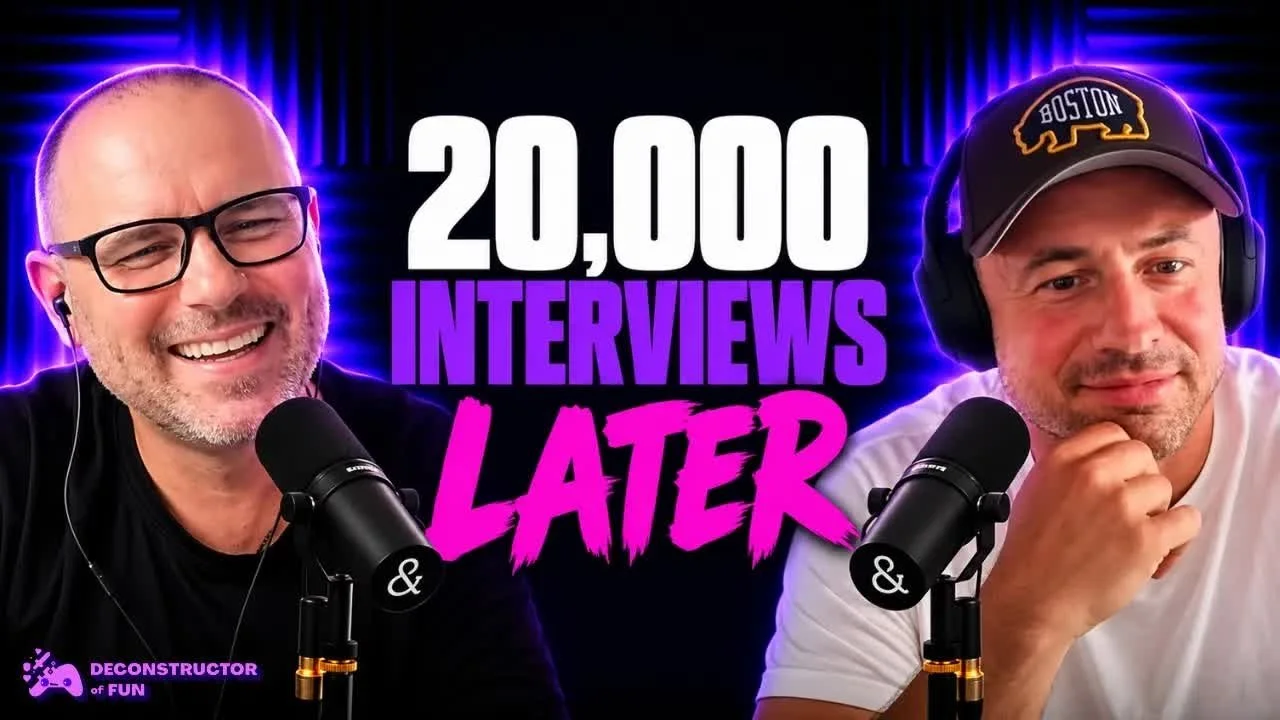
The primary thesis regarding why high-performing professionals often fail at startups is that their talent is frequently optimized for established corporate environments rather than the unstructured, high-stakes nature of early-stage ventures. Success in a startup requires more than just technical skill or a prestigious resume; it demands grit, humility, and the ability to operate without the support systems found in large organizations. The analysis emphasizes that hiring failures are rarely due to a lack of raw talent, but rather a fundamental mismatch between the candidate’s previous environment and the specific demands of the startup’s current growth stage.
Key findings suggest that founders frequently make hiring mistakes by moving too quickly or prioritizing pedigree over proven, relevant experience. The analysis advocates for a rigorous, process-driven approach to recruitment, even for early-stage companies. This includes verifying specific contributions rather than relying on company reputation, conducting real-time reference checks, and screening for "culture add" rather than "culture fit" to avoid team homogeneity. Furthermore, the document highlights the importance of recognizing that early-stage employees may act as "rocket boosters"—essential for initial growth but potentially ill-suited for later, more structured stages of the company.
The scope of this analysis covers the broader technology and gaming industries, drawing on over 20,000 interviews conducted by a talent partner across more than 130 portfolio companies. The methodology relies on qualitative insights and professional experience from industry experts, focusing on the lifecycle of startup talent and the evolution of organizational culture. The analysis concludes that founders must be intentional about their hiring processes, transparent about the realities of startup life, and prepared to manage the inevitable transitions as a company scales.
Deconstructor of Fun · 2026
Deconstructor of Fun · 2026
Deconstructor of Fun · 2026

Deconstructor of Fun · 2026
Deconstructor of Fun · 2026
Deconstructor of Fun · 2026
Deconstructor of Fun · 2026

Deconstructor of Fun · 2026

Deconstructor of Fun · 2026
Deconstructor of Fun · 2026
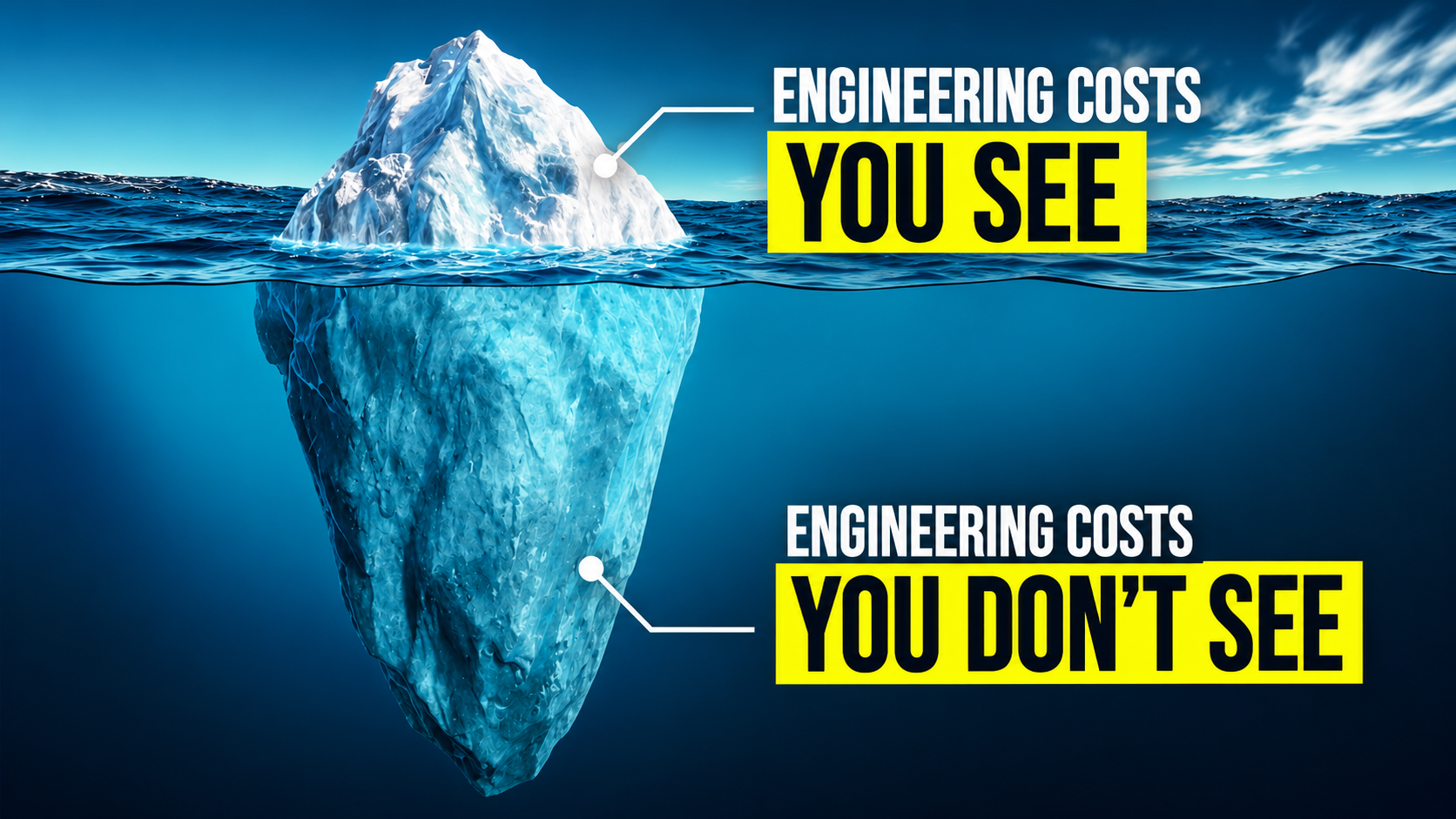
Deconstructor of Fun · 2026

Deconstructor of Fun · 2026
Take-Two Interactive · 2026
Konvoy · 2025
Informa · 2024
International Game Developers’ Association · 2023
Perforce · 2023
GDC · 2022
International Game Developers' Association · 2019
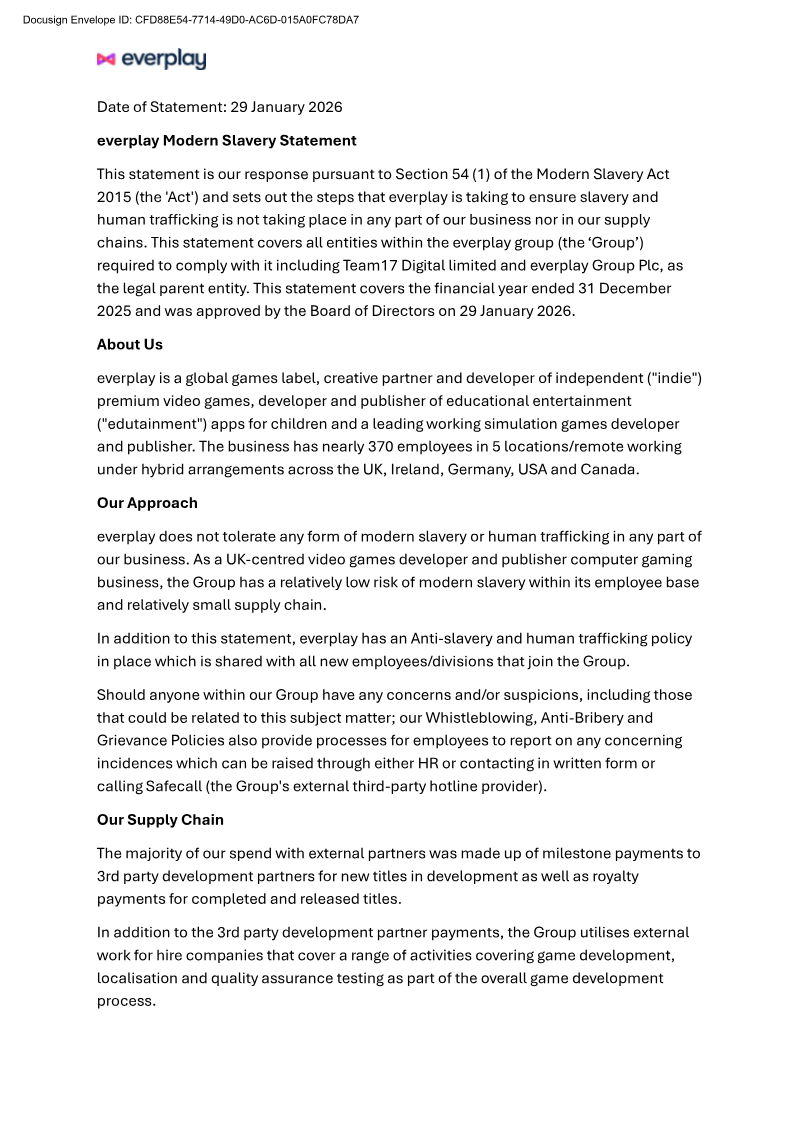
Everplay
Poki · 2026
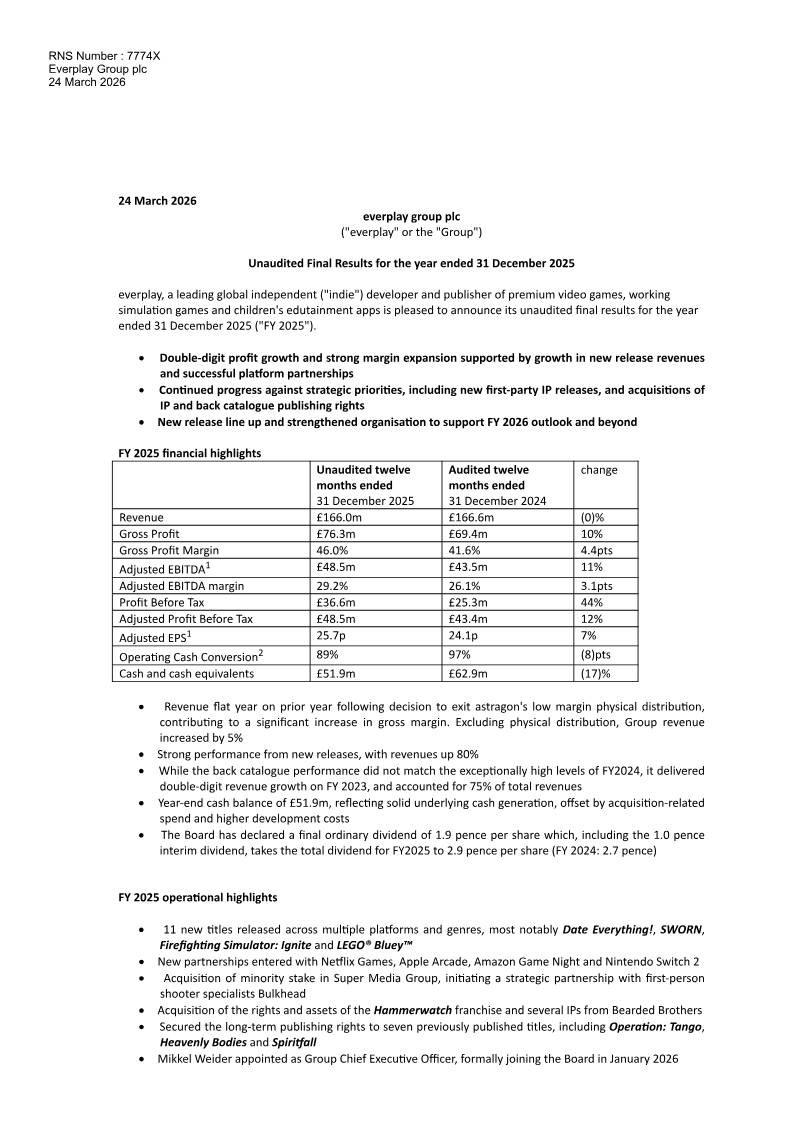
Everplay Group · 2026
8Bit · 2026
CESA – Computer Entertainment Supplier's Association · 2026