1 free read left. Create a free account for unlimited reading + AI research.
Create free accountWhitepaper Springer
1 free read left. Create a free account for unlimited reading + AI research.
Create free accountWhitepaperSpringer
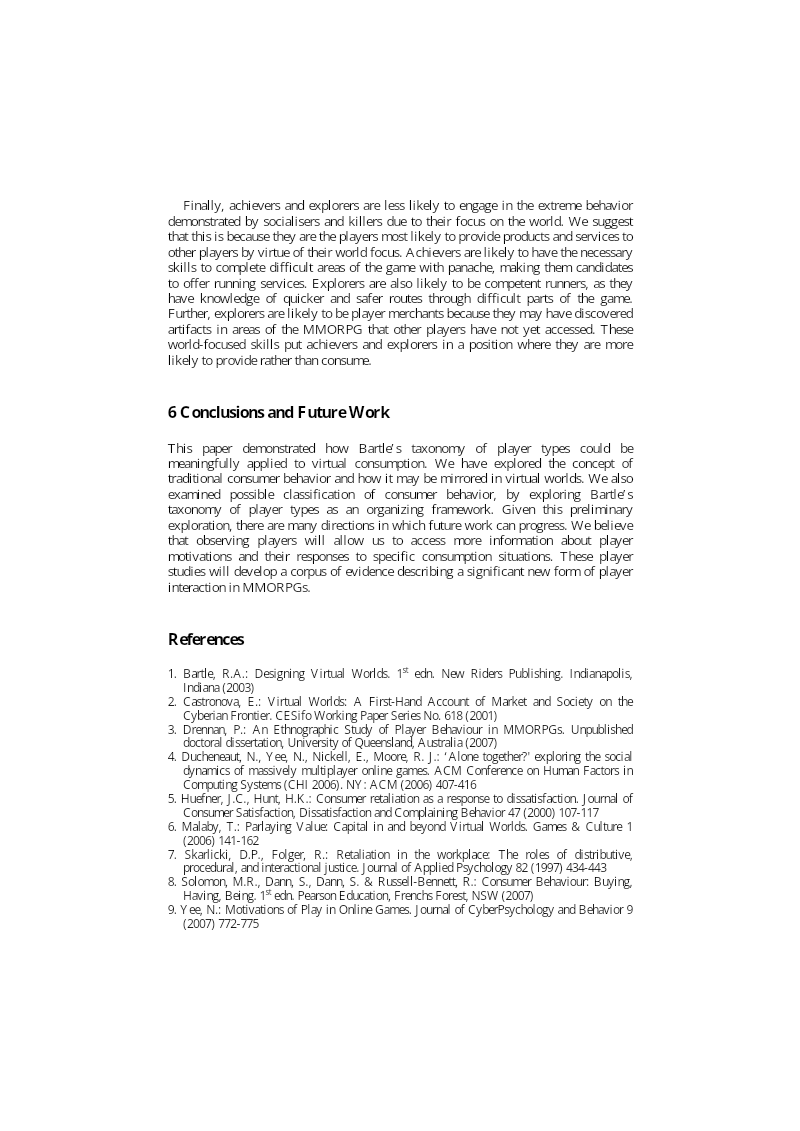
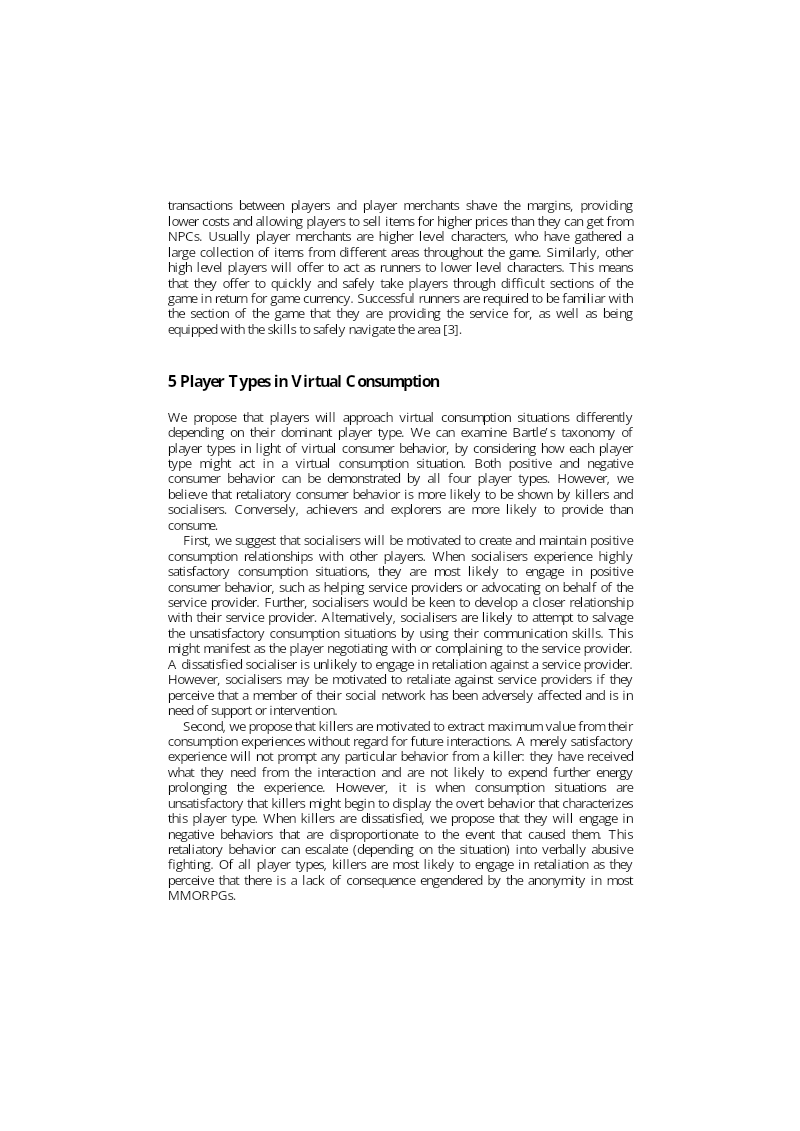
The four player types—killers, socializers, achievers, and explorers—provide a framework for understanding how players consume and retaliate in virtual marketplaces.
Predictive tool. Bartle’s taxonomy serves as a framework for understanding consumer behavior and retaliation patterns within MMORPG marketplaces.
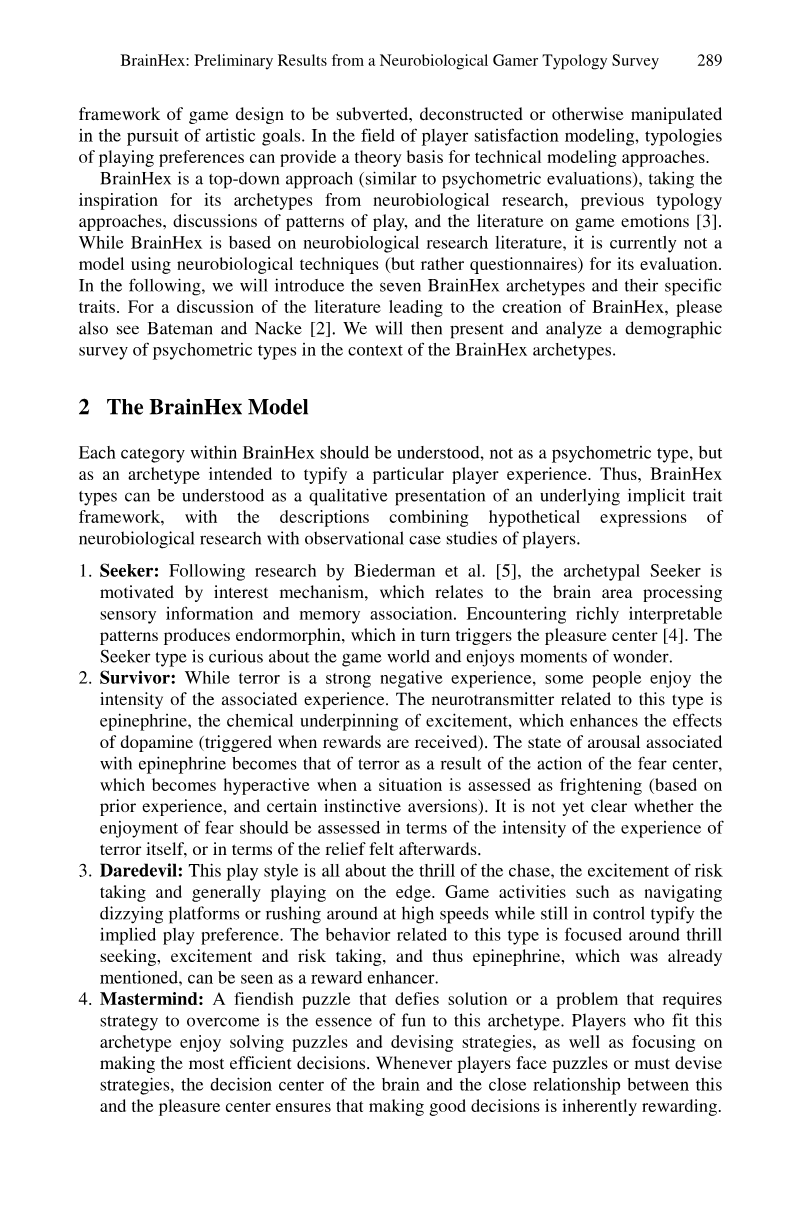
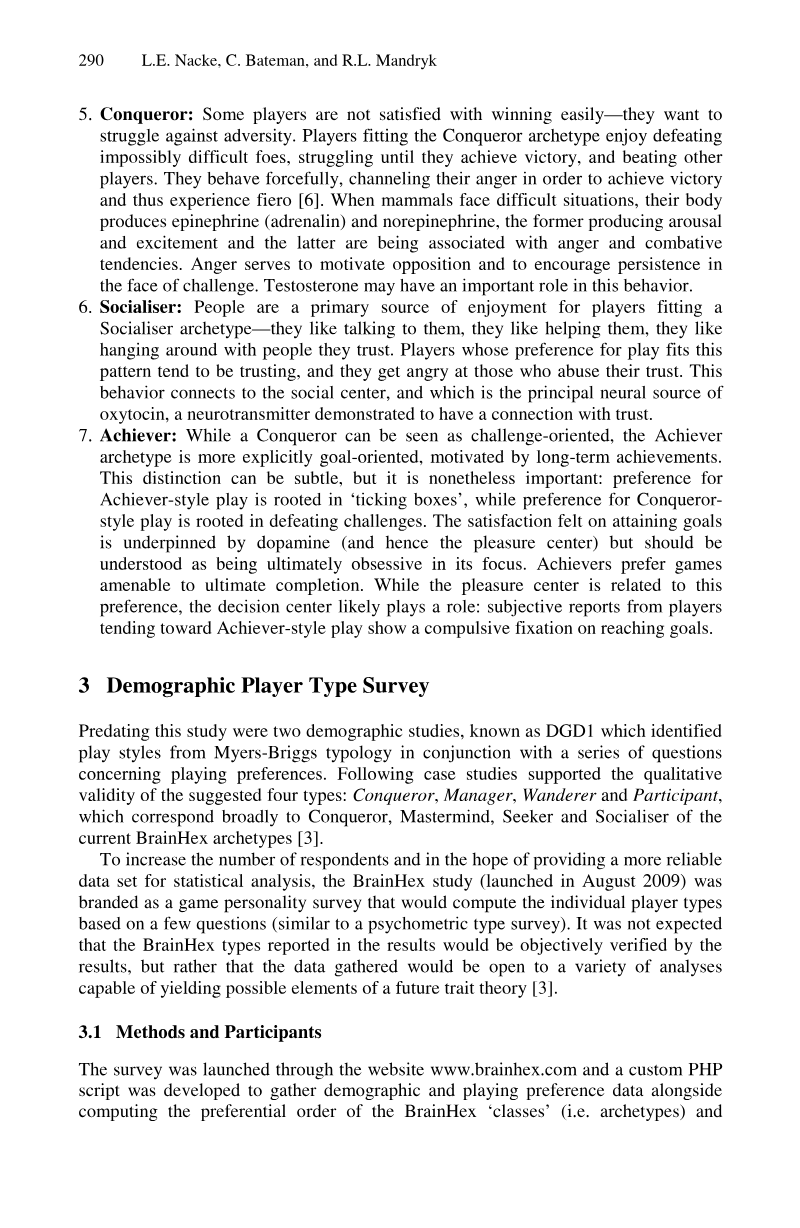
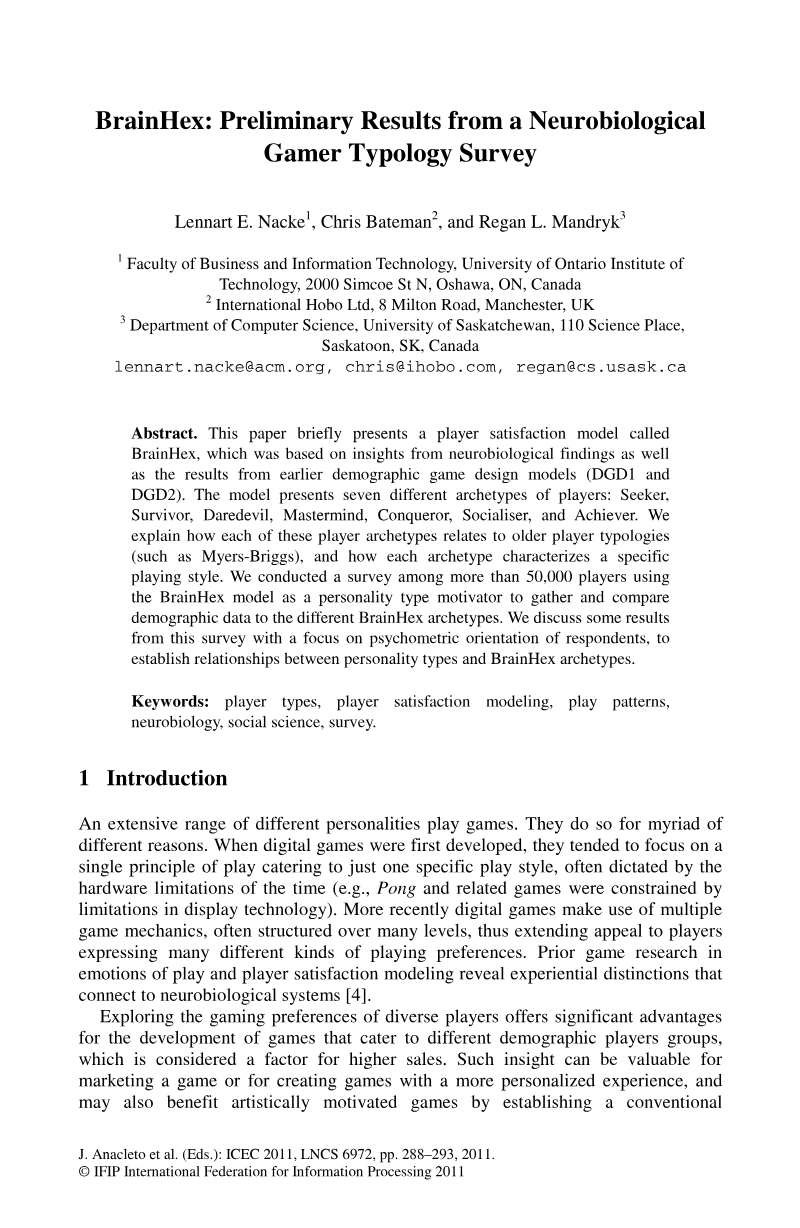
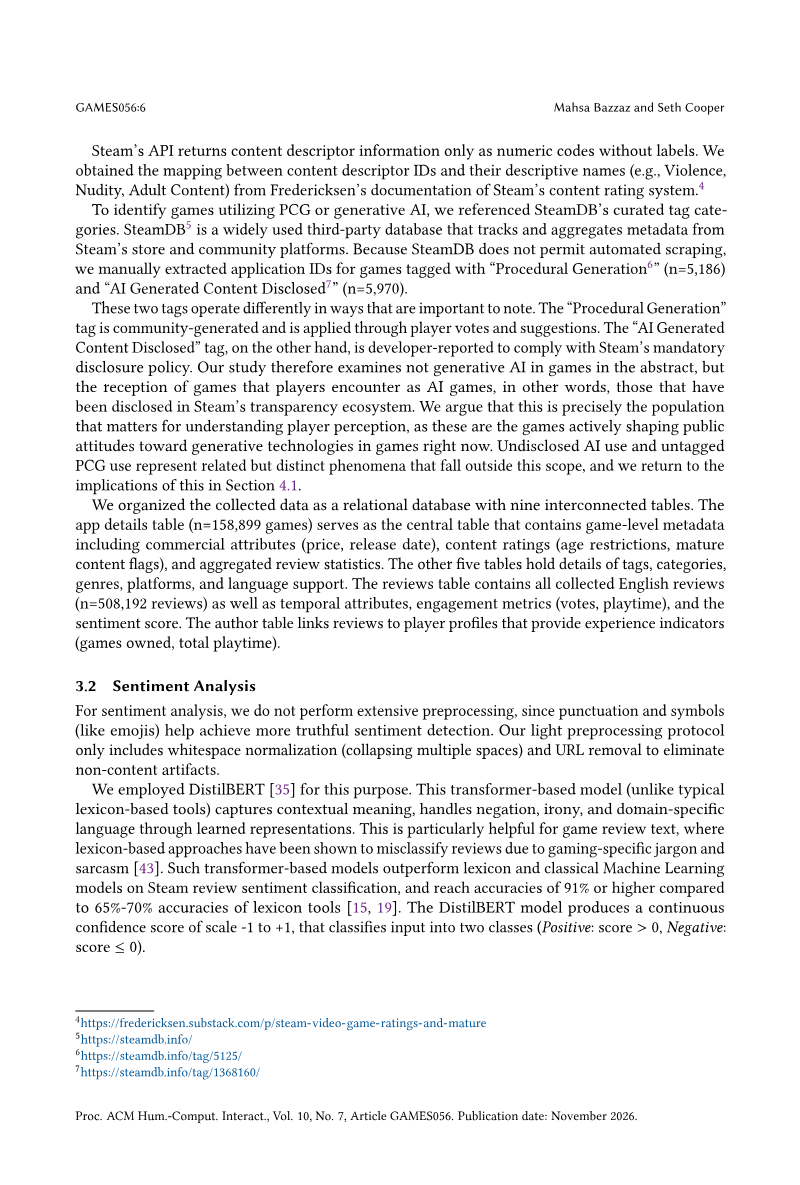
Virtual consumption represents an emerging field of study focused on how players in Massively Multiplayer Online Role-Playing Games (MMORPGs) engage in the exchange of goods and services. As virtual and real-world economies increasingly converge, understanding the behavioral patterns of these digital consumers becomes essential. The primary thesis posits that Bartle’s taxonomy of player types—killers, socializers, achievers, and explorers—provides a robust framework for predicting how different individuals approach, consume, and potentially retaliate within virtual marketplaces.
The analysis categorizes consumer behavior based on the motivations inherent in Bartle’s four player types. Socializers are identified as relationship-oriented, preferring to negotiate or advocate for service providers, while killers are characterized as more likely to engage in overt, disproportionate retaliation when dissatisfied due to the perceived anonymity of the virtual environment. Conversely, achievers and explorers are positioned primarily as service providers rather than consumers, leveraging their world-focused skills to offer specialized goods or navigation services to other players.
By applying traditional consumer behavior theories—such as the study of satisfaction, dissatisfaction, and retaliatory responses—to the virtual landscape, the research highlights that in-game environments allow for uninhibited consumer actions. The study suggests that these digital interactions mirror real-world economic processes but are uniquely shaped by the fantasy elements and social dynamics of the game world. Future research is encouraged to move beyond theoretical frameworks toward empirical observation, aiming to build a comprehensive corpus of evidence regarding player motivations and the evolving nature of virtual economic interactions.



Queensland University of Technology · 2026

Springer · 2026
Springer · 2026
Springer · 2025
Springer · 2024


Springer Science and Business Media LLC · 2024
Springer · 2023
Association for Computing Machinery · 2022
Springer · 2021
Springer · 2021
Springer · 2021
Association for Computing Machinery · 2020
HCI International · 2023