ArticleThe Game Business
Unity CEO: The Cost of Building a Game Is Coming Down Markedly
25 Aug 20261 pages~12 min full read
Key insights
5 slides
Industry Outlook
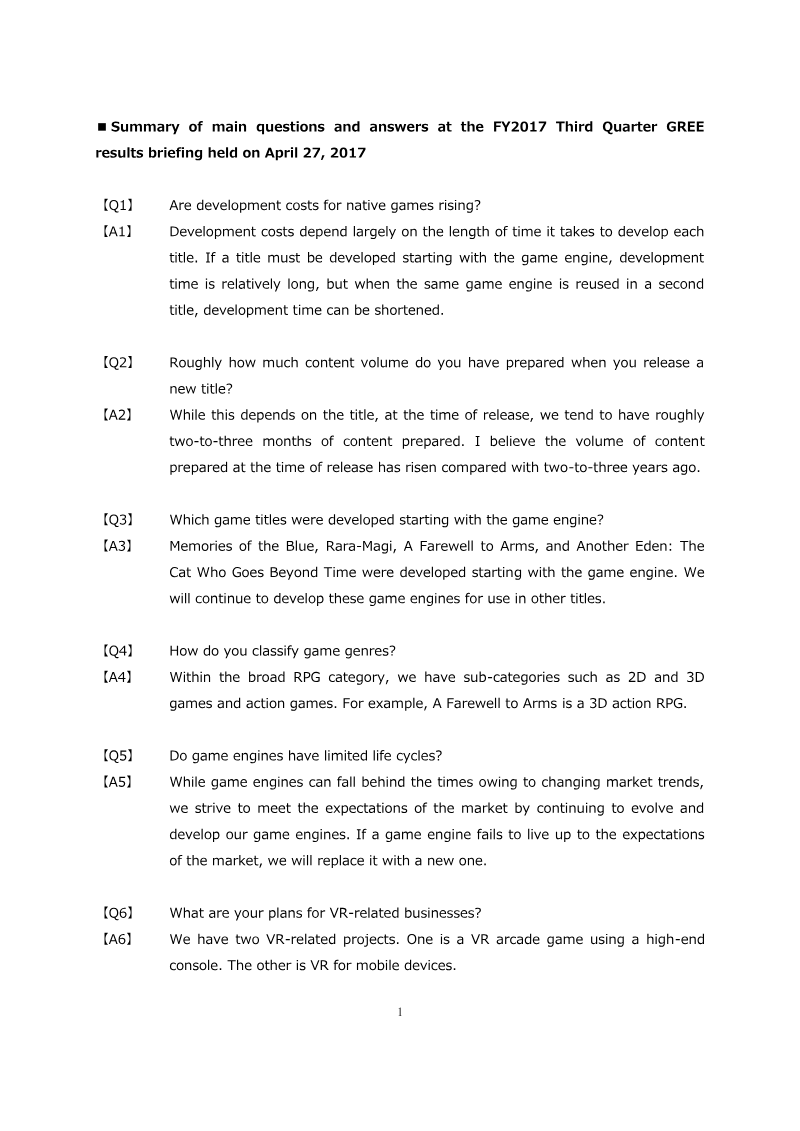
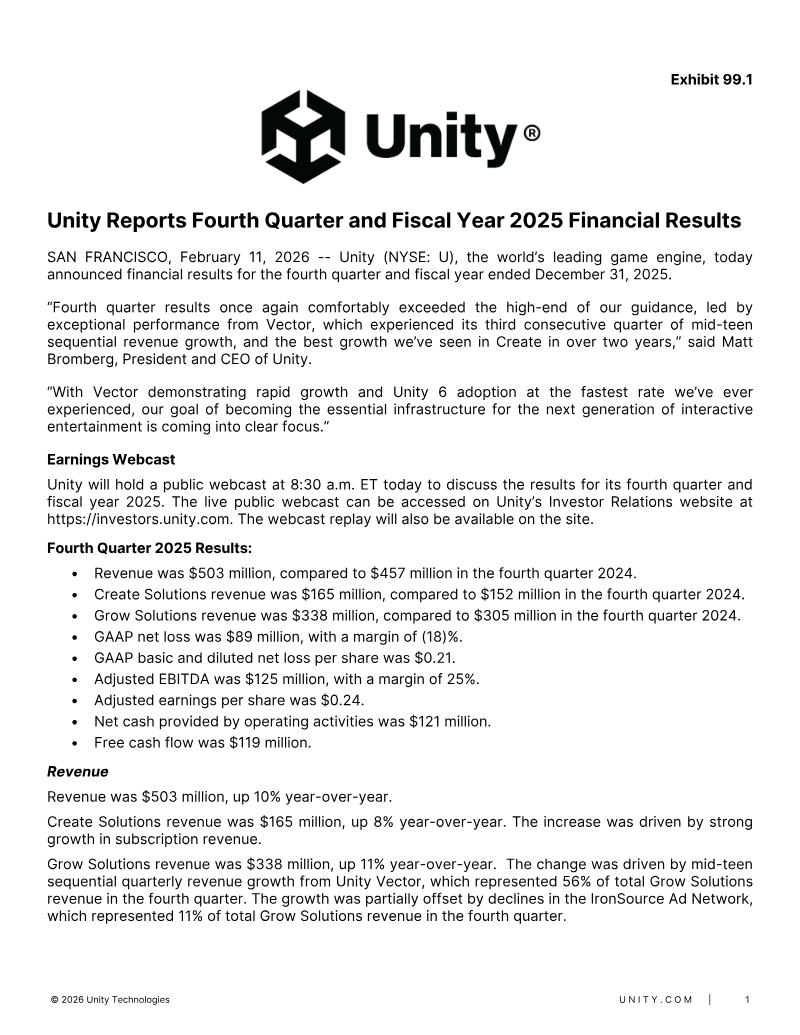
The cost of game development is decreasing significantly.
This trend lowers the barrier to entry for independent studios.
Market Dynamics
The gaming industry is in a period of transition.
This transition is characterized by studio retrenchment and layoffs. However, demand for interactive entertainment remains strong and undiminished.
Development Strategy
Western game studios should move away from long, isolated development cycles.
They should adopt shorter, iterative processes. These new processes integrate player feedback early to maintain relevance.
Think of it like building a house with continuous feedback from the future residents, rather than revealing it only when it's finished.
Platform Evolution
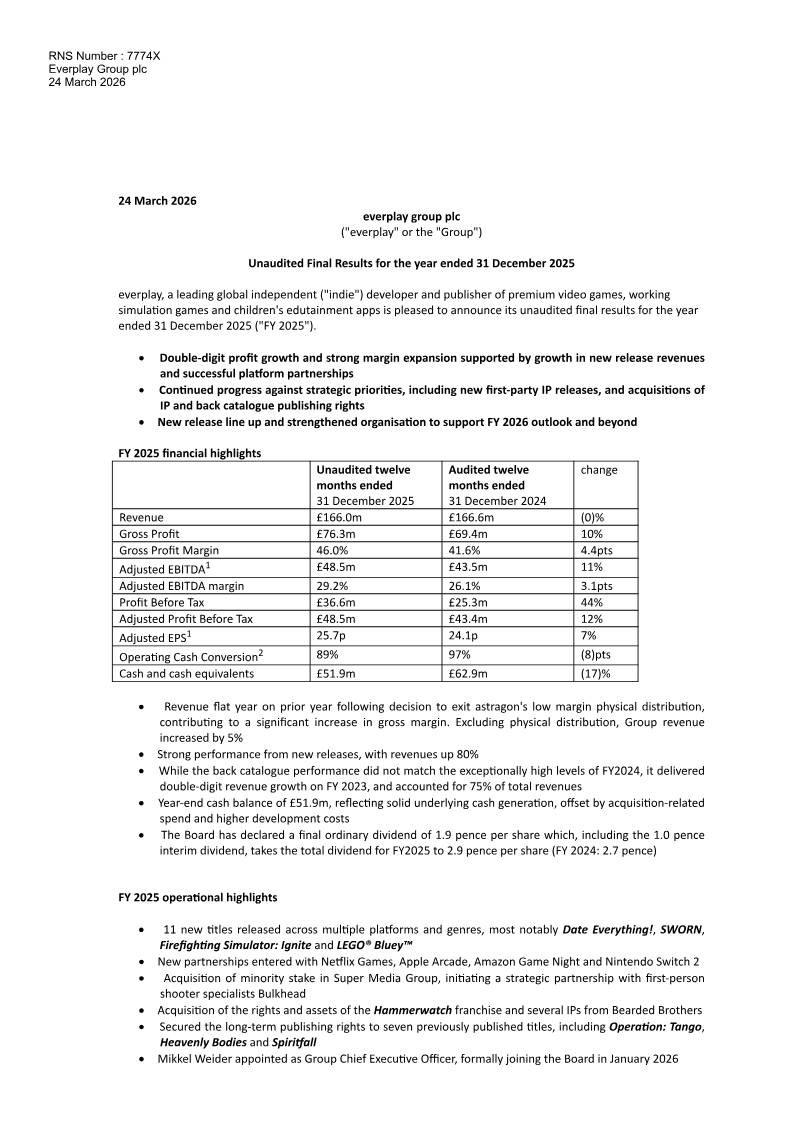
Emerging platforms are creating new opportunities for developers.
These include platforms such as Netflix and the upcoming Switch 2. Improving mobile platform economics also contributes to these new avenues.
Console Market
Console hardware is facing unprecedented cost pressures.
Despite this, the industry expects continued high consumption of console entertainment. This is driven by major upcoming titles like GTA.
1 / 5
Ask AI about this report