The global game technology landscape has reached a critical inflection point in 2024, characterized by the widespread expansion of game engines into non-gaming sectors such as automotive, healthcare, and media. Approximately 50% of developers now utilize these engines for cross-industry applications, with Unreal Engine maintaining a dominant 63% market share, particularly within media and entertainment. Despite this growth, the industry contends with significant structural challenges, including acute funding shortages, personnel deficits, and the technical complexities of managing massive data sets across distributed teams. To mitigate these hurdles, organizations are prioritizing toolset consolidation and robust version control systems, with Perforce Helix Core and Git-based platforms serving as the primary infrastructure for modern development pipelines.
The technical ecosystem remains highly fragmented but is increasingly defined by a shift toward automation and cloud integration. Microsoft Visual Studio and Jenkins continue to lead in the AAA space, though modern alternatives like JetBrains Rider and GitHub Actions are gaining substantial traction. Cloud-based development has become a standard practice for nearly half of the industry, with Amazon Web Services emerging as the preferred provider. Furthermore, generative AI has seen rapid institutional integration, with 65% of organizations adopting the technology to streamline workflows. This technological evolution coincides with a shift in labor dynamics; following widespread industry layoffs, employers now prioritize cross-functional adaptability over narrow specialization, while the workforce increasingly values direct access to leadership and mental health support.
Geographically and industrially broad, these findings reflect a transition toward more agile, cloud-native development environments that must balance aggressive timelines against resource constraints. The move toward indie development and the diversification of game engine utility suggest that the boundaries between traditional gaming and broader digital creation are permanently blurring. Success in this environment depends on the ability to manage increasingly large file sizes and complex collaboration requirements through integrated CI/CD and version control strategies.

VG Insights · 2025
Konvoy · 2025

Video Game Insights · 2025

GREE · 2017
Poki · 2026
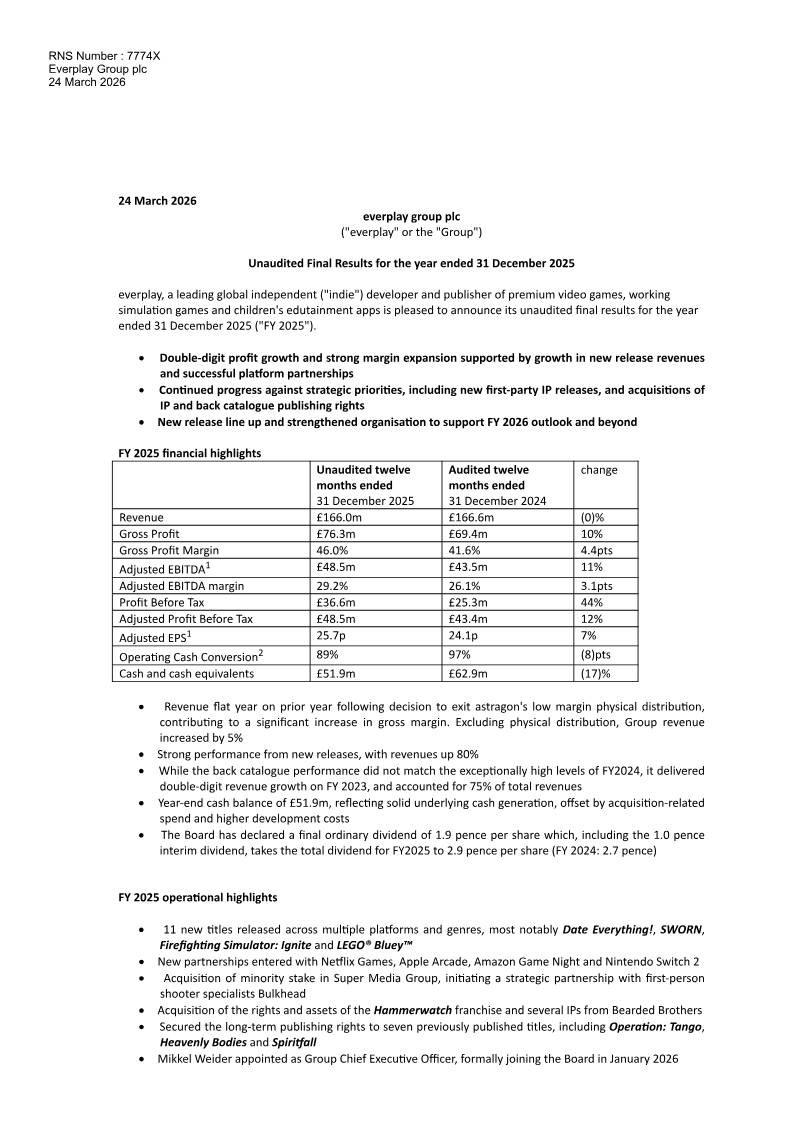
Everplay Group · 2026
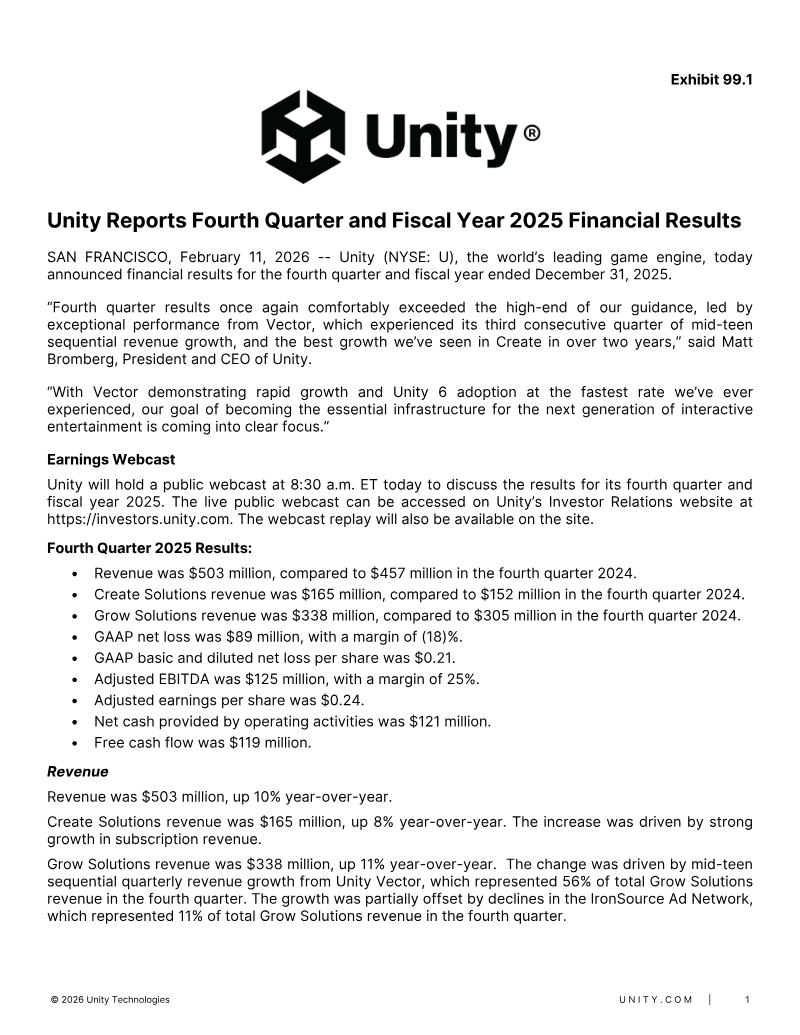
Unity · 2026
Poki · 2026

InvestGame · 2025

Metaplay · 2025

Google Cloud · 2025

Game Developers Conference · 2025