FinancialGREE
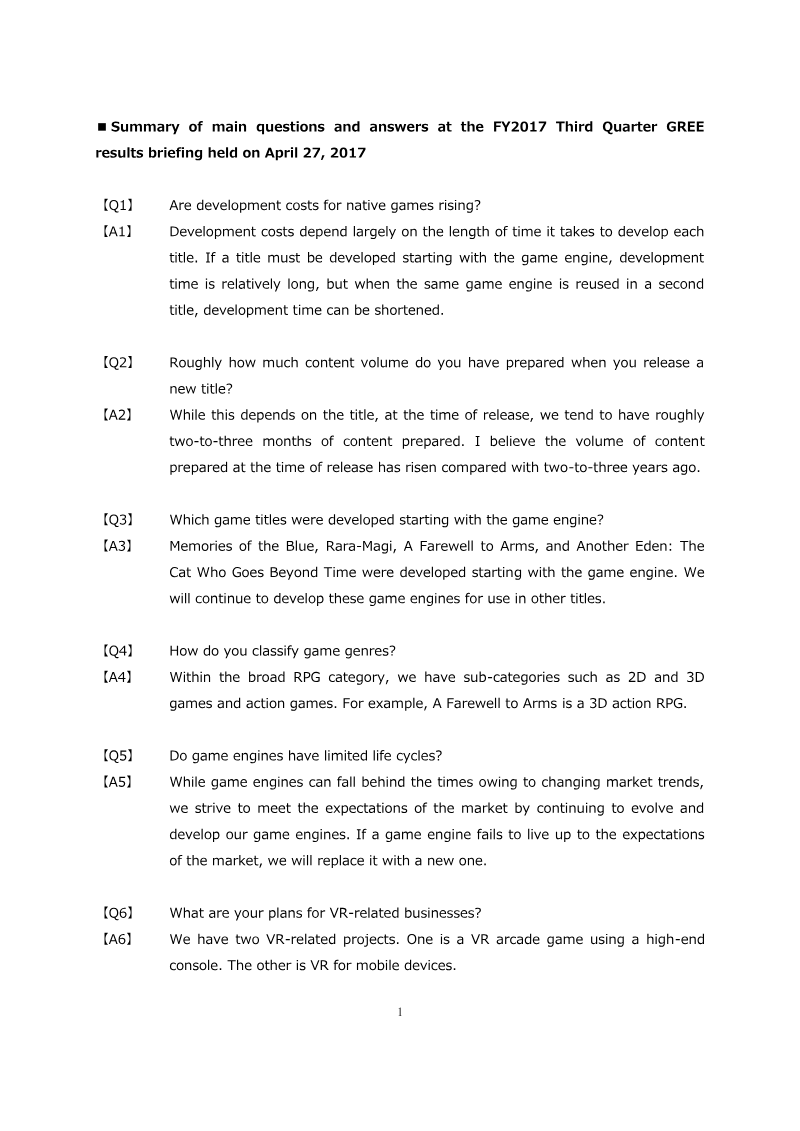
Summary of Main Questions and Answers at the FY2017 Third Quarter GREE Results Briefing Held on April 27, 2017
27 Apr 20172 pages~2 min full read
The fiscal 2017 third-quarter briefing for GREE highlights a strategic shift toward high-quality native mobile game development and the optimization of internal technology stacks. A primary focus of the discussion involves the management of development costs, which are increasingly tied to the creation and reuse of proprietary game engines. While initial investments in engines for titles such as Another Eden and A Farewell to Arms are substantial, the subsequent reuse of these engines for future projects is expected to shorten development timelines and improve cost efficiency.
Market expectations for content volume at launch have increased significantly compared to previous years. Current standards require approximately two to three months of content to be prepared prior to a title's release to ensure sustained player engagement. To meet evolving consumer demands, there is a concerted effort to replicate the depth of home console experiences on mobile devices. This involves categorizing RPGs into specialized sub-genres, such as 3D action RPGs, and maintaining a flexible approach to engine lifecycles, where technology is either evolved or replaced based on shifting market trends.
Beyond core mobile gaming, the business is diversifying into virtual reality and digital media. The VR strategy bifurcates into high-end arcade experiences and mobile-based applications. Simultaneously, the advertising and media segment is pivoting toward video-centric content, bolstered by the acquisition of 3Minute to internalize specialized production expertise. These initiatives reflect a broader objective to leverage technological infrastructure and video know-how to secure long-term growth across multiple digital entertainment platforms.
GREE · 2026
GREE · 2026
GREE · 2026
GREE · 2025
GREE · 2025
GREE · 2025
GREE · 2025
GREE · 2025
GREE · 2025
GREE · 2025
GREE · 2025
GREE · 2025
Konvoy · 2025

Video Game Insights · 2025

VG Insights · 2025
Perforce · 2024

Perforce · 2024
Poki · 2026
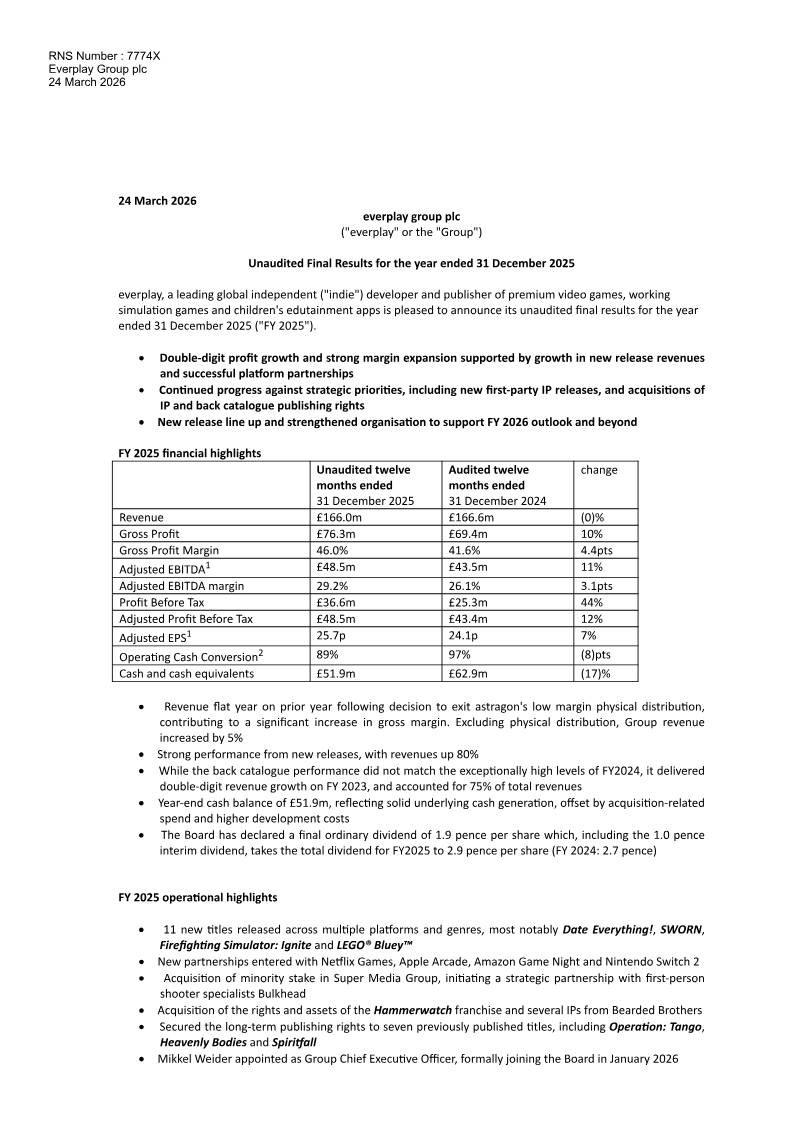
Everplay Group · 2026
Square Enix · 2026
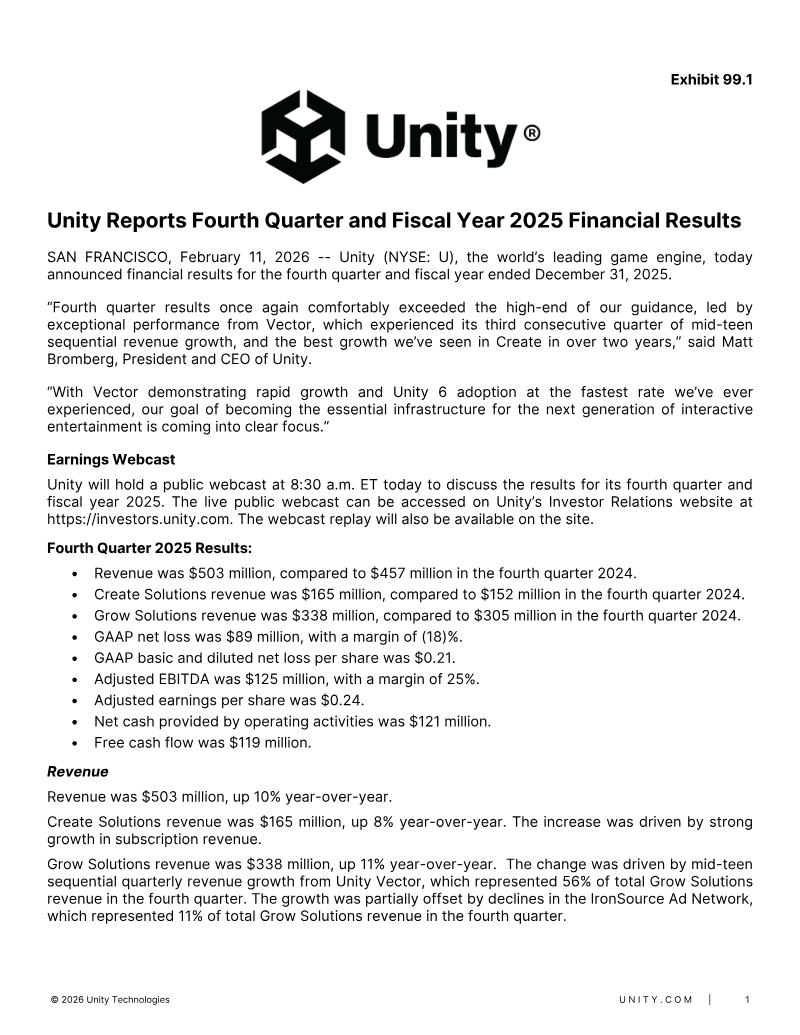
Unity · 2026
Take-Two Interactive · 2026
Poki · 2026
InvestGame · 2025